Supplements I Actually Recommend (and the Ones I Don’t) 💊✨

Hey there, fellow wellness warriors! As a nurse, rocking my 40s while juggling skin, guts, and everything in between—I’m here to spill the tea ☕ on supplements. With so many options out there, it’s easy to get overwhelmed, confused, or end up with a cabinet full of pills you never touch. So, let’s cut through the noise with some nurse-approved, gut-friendly, skin-loving supplement wisdom. Ready? Let’s dive in!


What I Actually Recommend ✅

1. Vitamin C — Your Skin’s Bestie 🍊
Vitamin C isn’t just for fighting colds. It’s a powerhouse antioxidant that boosts collagen production, helping your skin stay plump and wrinkle-resistant. Plus, it supports immune health and wound healing—crucial if you’re managing any skin or ostomy-related care.

2. Magnesium — The “Chill Pill” Mineral 🧘‍♀️
Magnesium helps with muscle relaxation, sleep quality, and even gut motility (hello, morning poops!). Many adults are deficient, so a supplement can help keep your digestion smooth and your stress levels down.

3. Probiotics — The Gut’s Cheerleaders 🦠
A good probiotic can support a balanced microbiome, which we know plays a role in everything from digestion to skin health. Not all probiotics are created equal, so choose strains backed by science (like Lactobacillus and Bifidobacterium).

4. Zinc — Healing Hero ⚡
Zinc supports immune function, wound healing, and can even reduce inflammation in skin conditions. Just be mindful not to overdo it—balance is key!

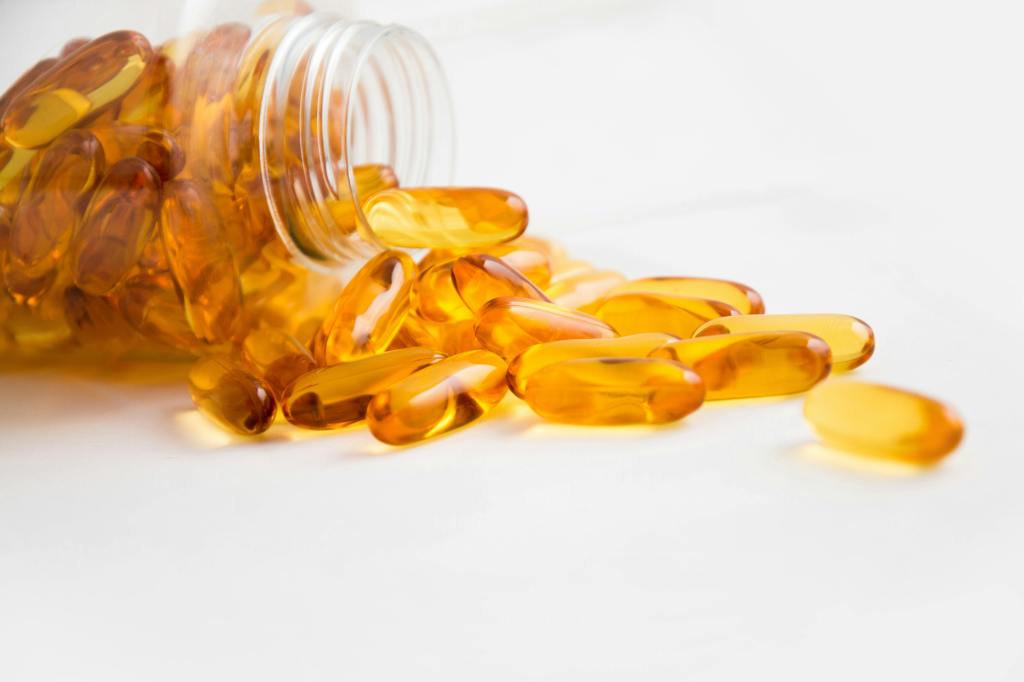
5. Omega-3 Fatty Acids — Skin & Gut Superstars 🐟
Omega-3s help reduce inflammation, support brain health, and keep skin supple and hydrated. I recommend getting these from high-quality fish oil or plant-based alternatives if you’re vegan.


What I’m Not Sold On ❌

1. Collagen Supplements — Meh, Maybe? 🤷‍♀️
While collagen is essential for skin and wound healing, taking it as a pill or powder doesn’t always guarantee it’ll reach your skin intact. Your body breaks it down into amino acids like any protein. Focus more on a balanced diet with protein-rich foods.

2. Detox Teas & Quick-Fix Supplements 🚫
If it sounds too good to be true—like “flush toxins in 3 days”—it probably is. Your liver and kidneys do a stellar job detoxing; no magic potion required.

3. Over-the-Top Multivitamins 🧪
A mega-dose multivitamin can sometimes do more harm than good. Excess fat-soluble vitamins (like A, D, E, K) can build up and cause problems. Stick to targeted supplements based on your needs.


My Nurse-to-You Advice 💡

  • Supplements can be great, but they’re just one piece of the puzzle. Your gut and skin thrive on good food, hydration, sleep, and stress management.
  • Always check with your healthcare provider before starting anything new—especially if you have an ostomy, chronic condition, or take medications.
  • What works for me or my patients might not be your perfect fit—everyone’s gut and skin story is unique!

⚠️ Disclaimer: Because I’m a Nurse, Not Your Nurse 😉
This blog is for general education and entertainment purposes only. Always consult with your doctor, dietitian, dermatologist, or wound/ostomy care specialist—especially if you have specific conditions, allergies, or a medical device like an ostomy.


In a nutshell: Choose your supplements wisely, listen to your body, and remember — the best glow comes from a happy gut and a nourished soul! 🌟💪


Would you like me to suggest some specific supplement brands or recipes that support gut and skin health? Just ask! 😊
✨🚑 Because Your Skin Deserves More Than a Reel and a Prayer

Retinol can transform skin, but only if your gut and barrier are supported. Nurse-approved tips for glowing, healthy, irritation-free skin.

🧠 Ever panic-bought a $90 retinol serum because a 22-year-old influencer promised “magic”?

You’re not alone. 🙋‍♀️ But as a nurse in my 40s with 22 years of experience, obsessed with skin, gut health, poop, and wound healing, I’m here to tell you: retinol is powerful—but it’s not a magic wand. Misused, it can backfire like bad cafeteria chili 🌶️💨.

Let’s break down the real tea on retinol, nurse-style, with solutions that actually help your skin without burning it off.


🧴 What Is Retinol?

Retinol is a vitamin A derivative that helps your skin:

  • Turn over faster (bye dead skin)
  • Boost collagen production
  • Reduce fine lines, acne, dark spots, and uneven texture

It’s clinically studied and highly effective—but the fine print rarely makes Instagram: skin barrier health, gut connections, and why your face may feel like sandpaper.


🔬 Science Made Simple: How Retinol & Gut Health Connect

Retinol works best when your skin and gut are supported. Here’s why:

  1. Skin Barrier Matters
    • Damaged barrier = more irritation. Think of it like waxing a car that’s already on fire.
  2. Gut Health Influences Vitamin A Metabolism
    • Inflammation, nutrient depletion, or irregular digestion can impact vitamin A absorption, showing up as purging, breakouts, or dullness.
    • Studies show gut dysbiosis can influence skin inflammation and barrier repair (Harvard Health, 2024).
  3. Cell Turnover Needs Support
    • Retinol accelerates cell turnover. Without hydration, nutrients, and barrier care, your skin can break down—similar to wounds that heal poorly under stress or poor nutrition.

🩹 Nurse’s Insights: Why Retinol Isn’t One-Size-Fits-All

Compromised Skin Barrier? Red, flaky, burning skin + retinol = disaster.

Gut Issues? IBS, inflammation, or poor nutrition = less effective vitamin A metabolism.

Strength & Frequency Matter: More isn’t better. Starting high-strength retinol on sensitive skin is like running a marathon in stilettos.


👩‍⚕️ What Nurses Know That Influencers Don’t

  1. Retinol is medicine.
    • Start low: 0.25% 1–2 nights/week. Your skin isn’t lazy—it’s protective.
  2. Barrier is your frontline.
    • Red, flaky, or burning? Pause, hydrate, repair.
  3. Healthy skin starts from the inside.
    • Gut health, bile production, liver function, and diet impact vitamin A metabolism.
  4. Think like wound care.
    • Support your skin with hydration, nutrients, and barrier protection to prevent breakdown.

🧠 Gut + Skin: The Retinol Recovery Team

💩 Poop Check-In

  • Daily? Great.
  • Irregular? Toxins recirculating = slower healing and detox.

🥬 Feed Your Gut

  • Probiotics: yogurt, kefir, sauerkraut
  • Prebiotics: garlic, onions, asparagus
  • Anti-inflammatory foods: berries, turmeric, leafy greens

💧 Hydrate

  • Flush toxins, support barrier, reduce flaking.

💊 Supportive Nutrients

  • Vitamin C → collagen + antioxidant defense
  • Zinc → inflammation control + healing
  • Omega-3s → barrier health + reduce dryness

🔄 Nurse-Approved Retinol Routine

Week 1–4

  • Use 0.25–0.3% retinol, 1–2 nights/week
  • Apply over moisturizer (“retinol sandwich”)
  • Avoid AHAs, BHAs, and vitamin C same night
  • SPF every morning

If irritation occurs:

  • STOP retinol
  • Use hydrating barrier creams (ceramides, niacinamide, squalane)
  • Let skin recover before reintroducing

🗣️ Real Talk: Retinol Isn’t a Quick Fix

Retinol can transform your skin—but if your gut is off, stress is high, and barrier is compromised, it won’t work the way you want. That’s feedback, not failure.

Listen to your body. Nourish your insides. Respect the healing timeline. Great skin is a team effort, not a TikTok trend. 🌟


🔗 Related Blog Posts

💖 Pin this post and share the glow!


⚠️ Disclaimer

This blog is for educational purposes only. Consult your doctor, dermatologist, or wound/ostomy specialist before changing skincare, diet, or supplements.
✨💉💩💧💊🌿

Fractional Laser & Collagen: The Dynamic Duo for a Skin Reboot 🔥✨

Let’s talk about something that’s more exciting than a new serum and packs a bigger punch than that third cup of coffee: fractional laser treatments. Yep—I’m talking about controlled skin damage that leads to beautiful skin healing. As a nurse (and someone who’s been on the laser table myself 🙋‍♀️), let me break it down in real terms with a splash of humor, a dose of science, and a whole lotta skincare love.


💡 What Is Fractional Laser Anyway?

Fractional laser therapy is like giving your skin a controlled “wake-up call.” It uses laser energy to create micro-injuries (aka teeny-tiny damage zones) that kick your skin’s collagen production into overdrive. Think of it as tricking your skin into remodeling itself—fresher, firmer, and smoother.

It’s used to target:

  • Fine lines and wrinkles 👵🏽
  • Acne scars and large pores
  • Uneven texture and tone
  • Sun damage and melasma

And guess what? It works. I’ve been doing it myself and yes, the glow-up is real.


🧬 Collagen: The Skin’s Built-In Filler

Let’s not forget the real MVP here—collagen. This protein is the scaffolding of your skin. But after age 30, collagen production goes downhill faster than a Costco cart on a hill. Fractional lasers help rebuild that scaffold, leading to:

  • Tighter skin
  • Smoother texture
  • Less visible lines and scars

Collagen = confidence, my friends.


🧠 Gut Check: Why Your Inside Health Matters

Here’s where I really get excited. Did you know your gut health plays a major role in how well your skin heals after treatments like fractional laser?

✨ A healthy gut = better nutrient absorption = stronger skin barrier
✨ Good digestion = less inflammation = better post-laser recovery
✨ Balanced microbiome = glowing skin from the inside out

So yes, drink that bone broth, eat your fermented foods, and take those probiotics. Your face will thank you.


🧴 My Post-Laser Tips (Nurse-Tested, Real-Life Approved)

  1. Hydrate like it’s your job 💧 — inside and out.
  2. Skip the gym for a few days. Sweat can irritate healing skin.
  3. Load up on Vitamin C & zinc. These are your wound-healing besties.
  4. Avoid the sun like your ex. SPF is mandatory (no exceptions!).
  5. No picking. No scrubbing. Your skin is doing important work—let it be.

🧪 My Results So Far…

Since starting fractional laser, I’ve noticed:

  • My skin looks smoother, especially on my cheeks and around my mouth.
  • My foundation goes on like a dream (when I bother to wear it).
  • My pores? Shrinking faster than my tolerance for nonsense. 😎

The best part? I feel like I’m working with my body—not just slapping stuff on top and hoping for the best.


⚠️ Disclaimer (Because I’m a Nurse, Not Your Nurse 😉)

This blog is for general education and entertainment purposes only. Always consult with your doctor, dermatologist, or wound/ostomy care specialist—especially if you have specific skin conditions, allergies, or are undergoing treatments.


💬 Final Thoughts

Fractional laser and collagen are a dynamic duo that’s not just hype—it’s science-backed, nurse-approved, and totally empowering. When paired with good gut health and solid aftercare, this treatment can truly transform your skin.✨

Now go forth and glow, friend. 🌟


IPL Laser Treatments: Glow Up or No Go? What Your Nurse Says 💥🌞

So, you’ve seen those glowy Instagram posts where someone’s skin looks like it was airbrushed by angels—and then the caption reads: “Just had IPL! 💡✨ #nofilterneeded”. But before you go zapping your face with light pulses in the name of flawless skin, let’s talk facts… nurse-style. 😎

⚡ What Is IPL, Anyway?

Intense Pulsed Light (IPL) therapy is like your skin’s little photo-editing tool—but in real life. It uses broad-spectrum light to target things like:

  • Sunspots 🌞
  • Redness and rosacea 🥵
  • Broken capillaries 🔴
  • Acne scars and pigmentation 🧖‍♀️

It’s not a laser, exactly, but it works similarly—by heating up your skin and breaking down unwanted pigment or tiny blood vessels. That process triggers healing and collagen production. Translation: ✨glow-up potential✨.


😅 My Nurse Confession: I’ve Had IPL—And Here’s the Truth

As a nurse (and your 40-something skin-obsessed friend), I’ve had a few IPL sessions. Did it help? Yes. But it’s not magic. And it’s definitely not for every skin type—or lifestyle.

You can’t:

  • Be sun-kissed 🌞 (hello, hyperpigmentation risk!)
  • Forget sunscreen 🙅‍♀️
  • Expect overnight miracles

You can:

  • Notice reduced redness and dark spots
  • Boost your confidence over time
  • See real improvement with consistency

But don’t let anyone sell it to you like a one-and-done miracle. Your skin will peel, feel sensitive, and if you ignore the aftercare—especially avoiding the sun—things can get worse before they get better. Been there. Learned that. 🙃


🌱 But What About the Gut-Skin Connection?

Glad you asked! Skin inflammation is rarely just a surface issue. Your gut and skin are besties with benefits—and if your digestion’s out of whack (hello, bloating, poop issues, processed foods 🙄), your skin may rebel too.

IPL might zap away surface damage, but if your gut is inflamed from:

  • Sugar bombs 🍬
  • Too much dairy 🧀
  • Alcohol or processed food 🍷🍟
    …it’s like patching drywall while the roof still leaks. 💧

I recommend combining IPL with:

  • A gut-friendly, anti-inflammatory diet 🥗
  • Hydration 💧
  • Probiotics (internally, not necessarily on your face)
  • Omega-3s 🐟
  • Regular movement 🚶‍♀️

☀️ Pro Tip from Your Wound Care Nurse

Your skin is an organ. And just like wounds need the right vitamins to heal (hello, Vitamin C, Zinc, and protein 💪), your post-IPL skin needs:

  • Barrier repair: think ceramides and peptides 🧴
  • Sunscreen (ALWAYS!) 🧢
  • Gentle cleansing and hydration
  • TIME—healing doesn’t happen in a day

✅ Glow Up or No Go?

If you:

  • Struggle with rosacea, age spots, or mild acne scarring
  • Can commit to sun protection
  • Are willing to address your internal health too…

🟢 Glow up approved!

But if you:

  • Just came back from a beach vacay 🏖
  • Can’t part with tanning beds (why are we still doing this? 😅)
  • Aren’t ready for lifestyle tweaks…

🔴 Might wanna wait.


⚠️ Disclaimer (Because I’m a Nurse, Not Your Nurse 😉)

This blog is for general education and entertainment purposes only. Always consult with your doctor, dermatologist, dietitian, or wound/ostomy care specialist—especially if you have specific conditions or allergies.

💥 Laser Hair Removal: Nurse-Approved Truths and Myths You Need to Know

Let’s talk about the laser in the room. As a nurse, skincare enthusiast, and someone personally doing laser hair removal since November (and yes—I’m seeing legit results! 🙌), I’m here to spill the hairless truth about this treatment.

Whether you’re considering it for hygiene, aesthetics, convenience, or simply because you’re over shaving for the 837th time—this guide is for you. We’ll debunk myths, highlight facts, and of course, sprinkle in some gut-skin realness. Because yes, even hair removal is connected to your inner health. 🧠🦠✨


🔍 First Things First: What is Laser Hair Removal?

Laser hair removal uses a concentrated beam of light to target hair follicles. The pigment in the hair absorbs the light, which damages the follicle and reduces future hair growth.

It’s not instant.
It’s not painless.
It’s definitely not a one-and-done.
But it works, especially when done consistently and professionally.


💣 Common Myths—Blasted with Facts

❌ Myth #1: It works for everyone the same

🔍 Truth: It works best on people with light skin and dark hair, but newer technologies are now more inclusive for a wider range of skin tones and hair types. Always go to a reputable provider who understands your skin.

❌ Myth #2: It’s permanent after one session

🔍 Truth: Nope. It takes 6–8 sessions, sometimes more, and occasional maintenance. But yes, you’ll notice smoother, slower-growing hair early on (like I did!).

❌ Myth #3: It causes infertility or cancer

🔍 Truth: There’s zero scientific evidence backing that up. The laser doesn’t penetrate deeply enough to reach internal organs. Just stay away from sketchy, unlicensed providers—always.

❌ Myth #4: It’s just for women

🔍 Truth: Hellooo! Men do this too. Chest, back, neck—gone. Hair care is healthcare, and anyone who wants smooth skin is welcome here.


🧬 The Skin + Gut Connection (Yes, Even Here!)

Laser hair removal may be a surface-level treatment, but your skin’s health—including how it reacts to lasers—starts below the surface.

✅ A strong gut helps regulate inflammation, which means less risk of breakouts or irritation post-laser.
✅ Probiotics, water, and anti-inflammatory foods support healing and help your skin glow.
✅ If your gut is struggling, your skin might be too sensitive, red, or reactive post-treatment.

So, if you’re treating the outside, take care of the inside too. Skin and gut are BFFs, and you want both on your side during laser treatments.


💡 Pro Tips from a Nurse (and Laser Patient!)

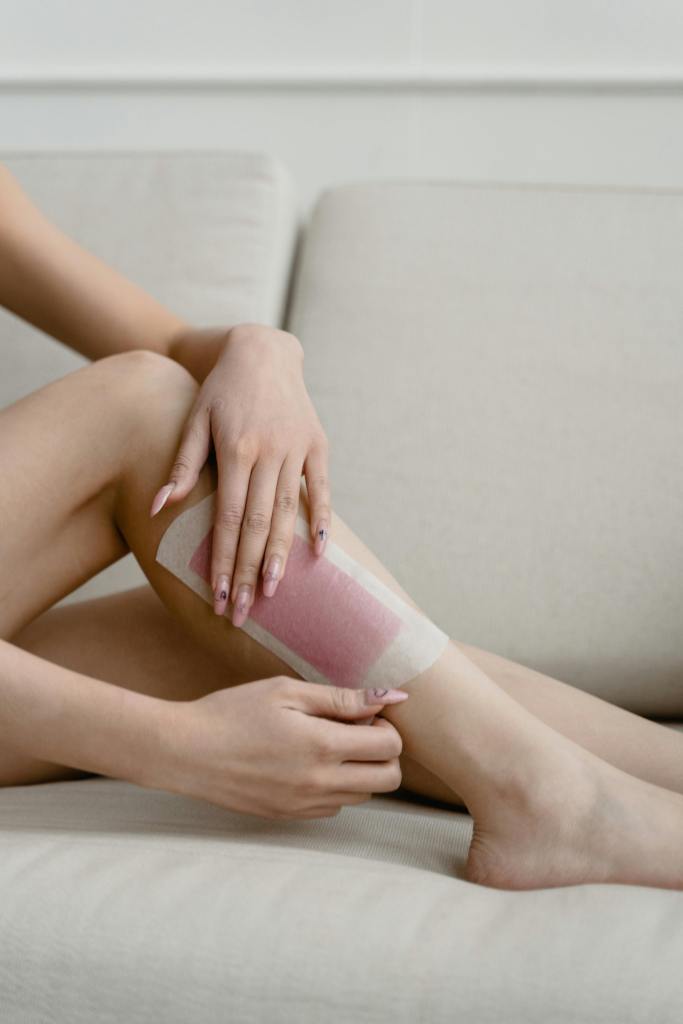
  1. Don’t wax or pluck between sessions – it removes the hair root, which the laser needs to zap.
  2. Shave the day before your appointment (no nicks, please).
  3. Skip actives like retinol or glycolic acids on treated areas for at least 2–3 days before and after.
  4. Sunscreen = Non-Negotiable ☀️
  5. Hydrate, hydrate, hydrate—internally with water and externally with calming lotions.
  6. Don’t freak if your skin gets red or bumpy—it’s a temporary inflammatory response, not a rash.

⚠️ Disclaimer (Because I’m a Nurse, Not Your Nurse 😉)

This blog is for general education and entertainment purposes only. Always consult with your doctor, dermatologist, or licensed laser technician—especially if you have specific skin conditions or are on medications.


✨ The Hair-Free Recap

Laser hair removal is not just a luxury—it’s a legit option for managing unwanted hair, reducing ingrown hairs, and simplifying your routine. But like anything in skincare, it works best when you understand your body, prep your skin, and pair it with overall wellness.

You glow more when you know more. 😉💡

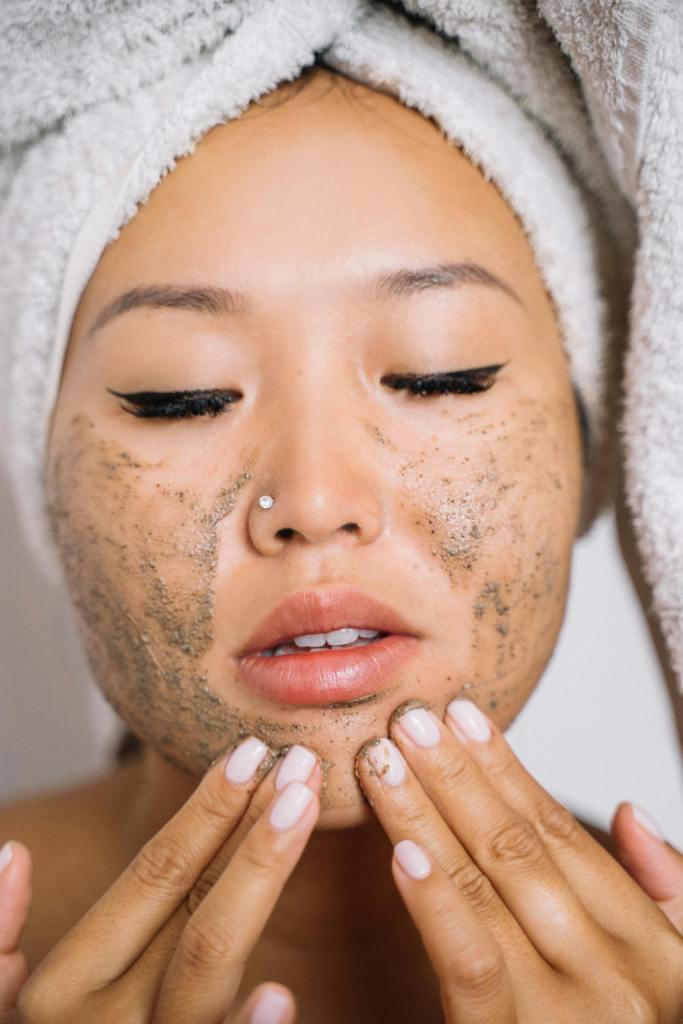
🧽 Exfoliation Overload: How Too Much Scrubbing Wrecks Your Skin

We’ve all been there. You buy that new scrub, you feel the grit, and suddenly you’re scrubbing like you’re trying to erase 10 years of regret off your face. But as a wound and ostomy care nurse in her 40s (aka: someone who’s seen what real skin damage looks like), I’m here to break the tough love news—over-exfoliating is not the flex you think it is. 😬

Let’s talk about what exfoliation does, how too much of it wrecks your skin barrier, and what to do instead—while keeping it fun, real, and gut-skin connected, of course.


🧴 What is Exfoliation, Really?

Exfoliation helps remove dead skin cells, unclog pores, and boost glow. Sounds great, right? It is—in moderation. There are two main types:

  • Physical exfoliation: Scrubs, brushes, loofahs (a.k.a. the sandpaper method)
  • Chemical exfoliation: AHAs, BHAs, and enzymes that dissolve dead skin gently (and yes, that’s science magic)

🚨 Signs You’re Over-Exfoliating

If your skin feels like it’s in witness protection—hiding behind flakiness, redness, and irritation—you may be doing too much. Look for:

  • Tightness, burning, or stinging
  • Red patches or breakouts (yes, over-scrubbing can cause acne)
  • Dryness and peeling
  • Skin that feels waxy or overly shiny
  • Heightened sensitivity to other products

Your skin barrier is like a bouncer at a club—it knows who to let in and who to keep out. Over-exfoliating weakens that bouncer, letting in irritants and kicking out moisture. 🚫💦


🔄 The Gut-Skin Link (Yes, Again!)

Your skin barrier and your gut lining are actually pretty similar—both protect from invaders and need the right balance of bacteria, hydration, and nutrients to thrive. Overdoing it with scrubs is like taking antibiotics daily with zero probiotics: you’re throwing everything off.

If you’re seeing inflammation on your skin, your gut might be inflamed too. Remember, skin is often a messenger of what’s happening inside!


✅ Solutions (Because We Love a Fix!)

1. Respect the Barrier

Use exfoliants only 1-3x a week depending on your skin type. Sensitive or dry skin? Once is plenty. Acne-prone or oily skin? Max three times—with a gentle formula.

2. Switch to Chemical Exfoliants (Gently)

AHAs like glycolic acid or lactic acid work deeper, smoother, and kinder—especially in a serum or toner form.

3. Moisturize Like Your Skin’s Life Depends On It (Because It Kinda Does)

Use barrier-repair moisturizers with ceramides, niacinamide, and hyaluronic acid. Bonus if it’s fragrance-free and doesn’t make your skin hiss at you.

4. Check Your Gut

Eat gut-friendly foods (hello, yogurt, fermented veggies, fiber). Add probiotics or prebiotics if needed. Healthy gut = less inflammation and stronger skin barrier.

5. Simplify Your Routine

Cleanse, treat, moisturize, protect. That’s it. You don’t need a 12-step K-beauty routine to have good skin—you need balance and consistency.


🧪 A Nurse’s Note: Exfoliation + Wound Healing?

You’d be surprised how many minor skin injuries I see from overly enthusiastic exfoliators. Skin with microtears can’t heal well—it’s more prone to infection and delayed recovery. If you have an ostomy or sensitive skin from medical issues, this is extra important.


⚠️ Disclaimer (Because I’m a Nurse, Not Your Nurse 😉)

This blog is for general education and entertainment purposes only. Always consult with your doctor, dermatologist, or wound/ostomy care specialist—especially if you have specific skin conditions, allergies, or sensitive skin.


✨ Final Scrub (er, Thought)

Exfoliation should be like wine—enjoyed in moderation and never on an empty stomach. 😄 Keep your gut happy, your skincare simple, and your exfoliation gentle. Your skin (and your mirror) will thank you.


Nurse Life Wellness: 5 Simple Habits That Keep Me Going 👩‍⚕️💪💧🧴🥗💤

Let’s face it—nurse life is go-go-go, with a side of “did I even pee today?” If you’re a fellow nurse, you already know the hustle. And if you’re not, welcome to a peek inside the caffeine-fueled, compression-sock-wearing world we live in. As a wound and ostomy care nurse in my 40s (aka Team Skin & Poop Forever), I’ve learned that if I don’t intentionally care for myself, I’m basically a wound waiting to happen.

So here it is: my five non-negotiable wellness habits that help me stay sane, energized, and skin-glow ready—even after back-to-back shifts, charting marathons, and the occasional code brown 💩.


1. Hydration Like It’s My Job 💧

You’ve heard it before—but are you actually doing it? I used to tell patients to hydrate while nursing a 5-hour-old iced coffee. Now, I keep a big, straw-top water bottle with me always. Dehydration doesn’t just mess with energy—it slows digestion, dries out skin, and increases fatigue (aka nurse Kryptonite). Bonus: well-hydrated skin heals faster. Yes, even Grandma’s elbow knows.

Pro tip: Add electrolytes for long shifts or hot units.


2. Magnesium = My Gut MVP 🧠💩

Stress + inconsistent meals = gut drama. And let’s not even talk about night shifts. Magnesium glycinate or citrate helps keep my motility on point and my poops regular without being too harsh (especially helpful for ostomy folks too!). My skin even looks calmer when my gut’s happy.


3. Skin Care: The 3-Minute Nurse Version 🧴✨

Here’s the deal: you don’t need a 15-step Korean skincare routine. I swear by this trio:

  • Gentle cleanser (because hospital air = yuck)
  • Vitamin C serum (brightens, boosts healing)
  • Mineral sunscreen (for that hospital parking lot sun)

Even after a 12-hour shift in a mask, your skin can bounce back with just a little consistency. Don’t skip sunscreen, even if you never see the light of day during your shift. That fluorescent lighting still ages you, friend. 😏


4. Meal Prep That Loves My Gut (and Skin) 🥗

I try to prep 2-3 gut-friendly meals/snacks that are easy to grab. Think:

  • Greek yogurt + chia + berries (probiotics + fiber)
  • Roasted veggies + quinoa + salmon (skin fuel!)
  • A stash of almonds and dark chocolate in my locker (don’t judge, it’s balance)

I avoid overly processed snacks that mess with my gut (and cause breakouts) and aim for meals that keep my blood sugar steady and my mood less hangry.


5. Sleep, Even If It’s Weirdly Scheduled 😴

I know, I know—night shift ruins everything. But I treat sleep like medicine. Eye mask. White noise. Magnesium at night. No scrolling before bed. When I’m well rested, I’m kinder, quicker on my feet, and my skin isn’t screaming “fatigue” from across the nurse’s station.


Bonus: Laugh Often & Poop Regularly 😄💩

Listen, I talk about poop for a living—might as well have fun with it. Nurse burnout is real, but wellness doesn’t have to be overwhelming. It’s about building realistic habits that keep your gut happy, your skin glowing, and your energy up. You don’t need perfection. Just progress.


⚠️ Disclaimer (Because I’m a Nurse, Not Your Nurse 😉)
This blog is for general education and entertainment purposes only. Always consult with your doctor, dietitian, dermatologist, or wound/ostomy care specialist—especially if you have specific conditions, allergies, or a medical device like an ostomy.


Stress Poops, Hormonal Bloat, and Other Things Nobody Talks About 💩🙃

Let’s get real for a second. If you’ve ever been running to the bathroom before a big presentation or felt like a balloon during “that time of the month,” you’re not alone—and you’re definitely not weird. As a nurse with a love for all things skin, gut, and wellness, I can confidently say: our bodies are hilarious, confusing, and beautifully complex.

So today, we’re talking about the “taboo” stuff: stress poops, hormonal bloat, gut mood swings—and yes, how all of it can affect your skin too.


💥 1. Stress Poops Are a Real Thing (And Totally Common)

Ever noticed how your belly has zero chill when you’re overwhelmed? That’s your gut-brain axis at work. Stress activates your sympathetic nervous system (hello, fight or flight), which speeds up your gut motility. Translation: 💨 everything’s moving fast—maybe too fast.

You might experience:

  • Loose stools or urgency
  • Cramping
  • Gas or bloating
  • Flare-ups if you have IBS

Nurse tip: Deep breathing, walking, or sipping peppermint tea before stressful events can help calm your vagus nerve—your gut’s best friend.


💃 2. Hormonal Bloat: Not Just a “Period Problem”

Hormones are bossy little things. Estrogen and progesterone fluctuate throughout your cycle, and these shifts can slow down digestion, increase water retention, and cause major bloat.

You might notice:

  • Puffy face (hi, mirror!)
  • Sluggish digestion
  • Skin breakouts (especially around the chin)

Nurse tip: Drink more water (yes, it actually helps with bloat), add magnesium-rich foods like leafy greens or pumpkin seeds, and support your liver with foods like cruciferous veggies. It all helps detox those excess hormones.


😳 3. Anxiety and the “Nervous Tummy”

Ever had to scan the room for a bathroom just in case your nerves triggered your stomach? That’s not just in your head (well… it kind of is—but also your gut). Emotional stress changes your gut flora and affects your entire digestive process.

What helps:

  • Journaling or therapy (mental health = gut health)
  • Adaptogens like ashwagandha (check with your doc!)
  • Probiotics (especially strains like Lactobacillus rhamnosus GG)

🧖‍♀️ 4. Gut Drama = Skin Drama

Here’s where it gets juicy. When your gut is inflamed or stressed, your skin gets the memo. You might see:

  • Acne
  • Redness
  • Dullness
  • Dryness or excess oil

It’s not just what you put on your skin, it’s what’s going on inside too.

Nurse-approved glow tips:

  • Hydrate like it’s your job 💧
  • Eat fermented foods 🥬
  • Get enough fiber (think chia, flax, berries)
  • Limit ultra-processed foods (your gut and skin will thank you)

🧠 You’re Not “Too Sensitive”—You’re in Tune

Your gut feelings are valid. Poop, bloat, and skin freak-outs are often messages, not malfunctions. They’re clues from your amazing, interconnected body.

You’re not broken. You’re incredibly complex—and that’s kind of awesome.


Final Thoughts from Your Favorite Gut-Obsessed Nurse 💁‍♀️

We don’t talk about these things enough, so here’s your permission slip to stop suffering in silence. Whether you’re dealing with hormonal swings, post-stress poops, or unexplained zits on your jawline—your body is trying to communicate.

Start listening. Start supporting. And laugh about it when you can. 💩😅


⚠️ Disclaimer (Because I’m a Nurse, Not Your Nurse 😉)

This blog is for general education and entertainment purposes only. Always consult with your doctor, dietitian, dermatologist, or wound/ostomy care specialist—especially if you have specific conditions, allergies, or a medical device like an ostomy. What works for one person might not work for another (especially if we’re talking ileostomy vs colostomy vs urostomy—big differences, folks!).


Want more skin-gut-wellness real talk?

Don’t forget to check out my other posts on wound healing nutrition, poop-friendly meals, and my favorite skincare products for nurses on long shifts. 🚽✨


Meal Ideas That Support Your Gut AND Your Skin 🍽️✨

Let’s be honest—who doesn’t want clearer skin and smoother poops? 🙋‍♀️ As a nurse with a full-on obsession with skin, gut, and wellness (plus a healthy respect for poop talk at the dinner table), I’m here to tell you: your skin and gut are in a lifelong situationship. And what you put on your plate? Total relationship therapy.

In this post, we’re diving into practical, delicious meal ideas that work double-duty: nourishing your microbiome and giving your skin that healthy, hydrated glow.


🥑 Why Your Gut & Skin Are Besties

Here’s the TL;DR: Your gut is like your second brain (or, for nurses, maybe your first brain when you’re 12 hours into a shift). It regulates inflammation, supports immunity, and yes—can directly affect the skin’s health, texture, and even breakouts.

Chronic constipation, bloating, or diarrhea? Those can all show up on your face as dullness, redness, or acne. Similarly, nutrient-poor meals can slow wound healing, exacerbate dryness, and make wrinkles feel like they’re shouting.


🍽️ Meal Ideas for Glowing Skin & Happy Guts

Let’s get to the fun part: FOOD! These meals are rich in fiber, antioxidants, good fats, and probiotics. Perfect for your gut and your glow ✨


🌞 Breakfast: The Gut-Glowing Start

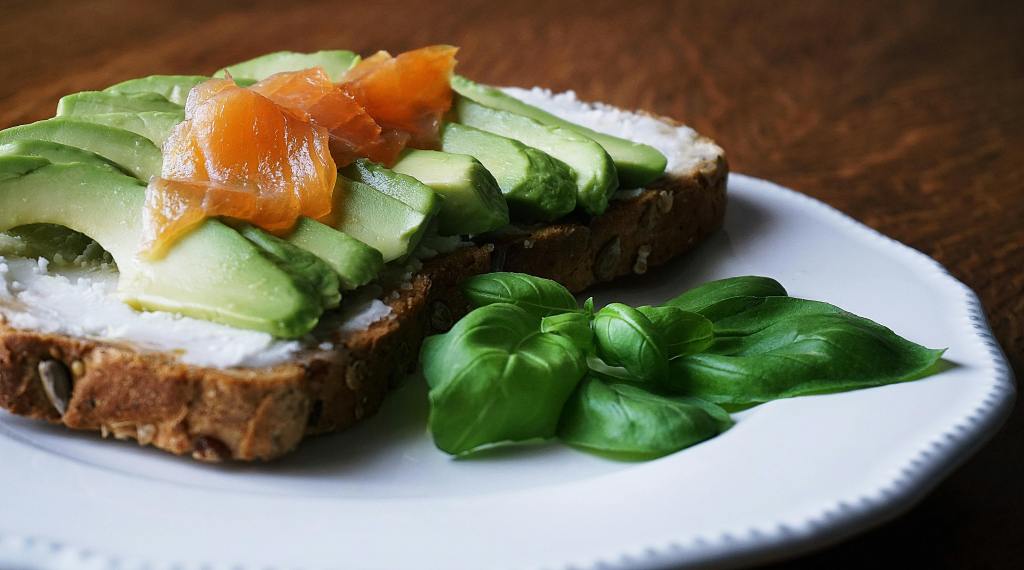
Avocado Toast with Fermented Veggies + Herbal Tea

  • Whole grain or sourdough bread (hello, fiber and prebiotics!)
  • Mashed avocado (healthy fats = plumper skin)
  • Topped with kimchi or sauerkraut (probiotic goodness)
  • Chamomile or ginger tea (calm your gut, calm your face)

👩‍⚕️ Nurse tip: Avoid heavy, dairy-laden coffees first thing if your gut is sensitive. Your skin will thank you too!


🥗 Lunch: Light, Filling, and Friendly to Your Digestive Fire

Salmon Salad Bowl

  • Grilled wild salmon (rich in omega-3s for anti-inflammatory skin benefits)
  • Mixed greens, cucumbers, bell peppers (fiber + hydration)
  • Olive oil and apple cider vinegar dressing (ACV can support gut acidity levels)
  • Sprinkle of pumpkin seeds (zinc = wound healing support)

🍲 Dinner: Balanced & Belly-Safe

Quinoa & Lentil Stew with Roasted Veggies

  • Lentils = fiber + plant-based protein
  • Quinoa = complete amino acid source
  • Add carrots, zucchini, onions, and sweet potatoes
  • Spices like turmeric, cumin, and black pepper for anti-inflammatory magic

🍓 Snack Attack: Gut-Loving Nibbles

  • Greek yogurt with berries & chia seeds
  • Hummus with cucumber slices
  • Bone broth (great for collagen + gut lining)
  • A few squares of dark chocolate (yes, really!)

💩 Let’s Talk Poop (You Knew I’d Go There)

If you’re not pooping regularly, your skin may not be detoxing efficiently either. Constipation can lead to breakouts, dull skin, and even exacerbate eczema or psoriasis. If you’re dealing with an ostomy, hydration and output consistency matter big time!

👉 Stool that’s too loose or too hard could be your gut waving a white flag. Balance your meals with:

  • Soluble fiber (oats, bananas, apples)
  • Hydration (aim for half your body weight in ounces of water 💦)
  • Magnesium-rich foods (spinach, almonds, dark chocolate—yum!)

👩‍⚕️ But Wait… What If I Have an Ostomy?

Friend, I got you. Some of these foods may need tweaking depending on your ostomy type:

  • Colostomy: You can often eat more “normally,” but watch for gas-producing foods.
  • Ileostomy: Hydration is key! Be mindful of high-fiber or very spicy meals.
  • Urostomy: Hydration and bladder-friendly foods (low acid) are your friends.

⚠️ Disclaimer (Because I’m a Nurse, Not Your Nurse 😉)
This blog is for general education and entertainment purposes only. Always consult with your doctor, dietitian, dermatologist, or wound/ostomy care specialist—especially if you have specific conditions, allergies, or a medical device like an ostomy. What works for one person might not work for another (especially if we’re talking ileostomy vs colostomy vs urostomy—big differences, folks!).


✨ Final Thoughts

Your plate has power. When you feed your gut, your skin gets the memo—and glows accordingly. Think of every meal as a chance to heal, hydrate, and help your body (and bowel) thrive. Plus, it’s delicious!

💬 Got a go-to gut/skin-friendly meal? Drop it in the comments—I’m always hungry for new ideas!

🥗 Eat for Glow: The Gut-Skin Connection in Every Meal

Let’s talk glow-up—and not the Instagram-filter kind. I’m talking real, nurse-approved, radiant-from-the-inside-out kind of glow ✨. That post-veggie-bowl, happy-bowels, hydrated-skin, clear-complexion kind of magic.

As a wound and ostomy nurse who’s spent over two decades knee-deep in poop (literally and figuratively 💩), I can confidently say: your gut health and skin health are BFFs—and your fork is the matchmaker. 🍴💘

So if you’ve been slathering on serums but still dealing with breakouts, inflammation, or dry patches, it might be time to look below the surface—yep, we’re going gut deep.


🌿 The Gut-Skin Axis: It’s a Thing, I Promise

Your digestive tract isn’t just about absorbing nutrients and giving you that glorious morning poop. 🚽 It also plays a major role in:

  • 💥 Inflammation levels
  • 🦠 Immune system regulation
  • 💧 Skin hydration and barrier repair
  • 🌟 Collagen production and wrinkle resilience

Basically, when your gut’s out of whack, your skin sends out a distress flare—cue acne, dullness, eczema, or even delayed wound healing.


🧠 Fun Nurse Fact: The Gut Has a Brain of Its Own

The enteric nervous system, aka the “second brain,” talks to your skin through the gut-brain-skin axis. Stressful day? Your gut bacteria notice. Eat junk food all weekend? Your skin spills the tea Monday morning. ☕️


🥑 Glow-Up Grocery List: What to Eat for That Inside-Out Radiance

These foods are skin AND gut heroes. Think of them as the support squad for both your intestines and your Instagram selfies:

🥬 Leafy Greens (Kale, Spinach, Arugula)

Packed with fiber and antioxidants—think of them as a broom and a shield in your gut.

🥕 Orange & Red Veggies (Carrots, Sweet Potatoes, Bell Peppers)

Loaded with beta-carotene (hello, vitamin A precursor!)—supports skin renewal and reduces dryness.

🥥 Healthy Fats (Avocados, Olive Oil, Nuts)

Support cell membranes and reduce inflammation. Plus, fat helps you absorb fat-soluble skin vitamins (A, D, E, K).

🫐 Berries

These antioxidant powerhouses help your skin fight off free radicals—and they taste like dessert.

🧄 Fermented Foods (Kimchi, Sauerkraut, Kefir, Yogurt)

Bring on the probiotics! They balance gut flora and calm skin issues like acne, rosacea, and eczema.


❌ Gut-Skin Glow Killers (Sorry, But We Need to Talk…)

🍬 Sugar Bombs

Inflammatory and collagen-destroying. That “sugar face” thing? It’s real.

🧪 Ultra-Processed Junk

Your microbiome thrives on whole food diversity—not fake cheese dust and artificial dyes.

🥤 Dehydration

Okay, water’s not food, but it’s ESSENTIAL. Dry gut = dry skin. 💦 Drink up, friend.


💊 Bonus: Gut-Friendly Supplements That Help Skin Heal

Always talk with your provider first, but here are some MVPs I recommend (especially for wound healing!):

  • Zinc: For tissue repair and immune health
  • Vitamin C: Boosts collagen and immune support
  • Vitamin D: Crucial for immune modulation and skin resilience
  • Probiotics: Choose one with multiple strains for gut flora diversity

🌟 Real Talk From Your Wound Care Nurse

Whether you’re healing from a surgical wound, managing your ostomy, or just trying to keep your 40s face glowing while juggling life—food is your ally. I’ve seen people heal faster, feel better, and glow brighter when they support their guts with good nutrition.

Skincare isn’t just what you put on your skin—it’s what you feed it, too. 🍽💕


⚠️ Disclaimer (Because I’m a Nurse, Not Your Nurse 😉)

This blog is for general education and entertainment purposes only. Always consult with your doctor, dietitian, dermatologist or wound/ostomy care specialist—especially if you have specific conditions, allergies, or a medical device like an ostomy. What works for one person might not work for another (especially if we’re talking ileostomy vs colostomy vs urostomy—big differences, folks!).


🌈 Final Thought

Eating for glow isn’t about being perfect—it’s about being kind to your gut and consistent with your choices. Your skin is your biggest organ, and your gut? Well, it’s the backstage crew that keeps the whole show running.

So go ahead—pile your plate with color, fiber, and fermented goodness. Your skin (and your poop 💩) will thank you.