Meal Ideas That Support Your Gut AND Your Skin 🍽️✨

Let’s be honest—who doesn’t want clearer skin and smoother poops? 🙋‍♀️ As a nurse with a full-on obsession with skin, gut, and wellness (plus a healthy respect for poop talk at the dinner table), I’m here to tell you: your skin and gut are in a lifelong situationship. And what you put on your plate? Total relationship therapy.

In this post, we’re diving into practical, delicious meal ideas that work double-duty: nourishing your microbiome and giving your skin that healthy, hydrated glow.


🥑 Why Your Gut & Skin Are Besties

Here’s the TL;DR: Your gut is like your second brain (or, for nurses, maybe your first brain when you’re 12 hours into a shift). It regulates inflammation, supports immunity, and yes—can directly affect the skin’s health, texture, and even breakouts.

Chronic constipation, bloating, or diarrhea? Those can all show up on your face as dullness, redness, or acne. Similarly, nutrient-poor meals can slow wound healing, exacerbate dryness, and make wrinkles feel like they’re shouting.


🍽️ Meal Ideas for Glowing Skin & Happy Guts

Let’s get to the fun part: FOOD! These meals are rich in fiber, antioxidants, good fats, and probiotics. Perfect for your gut and your glow ✨


🌞 Breakfast: The Gut-Glowing Start

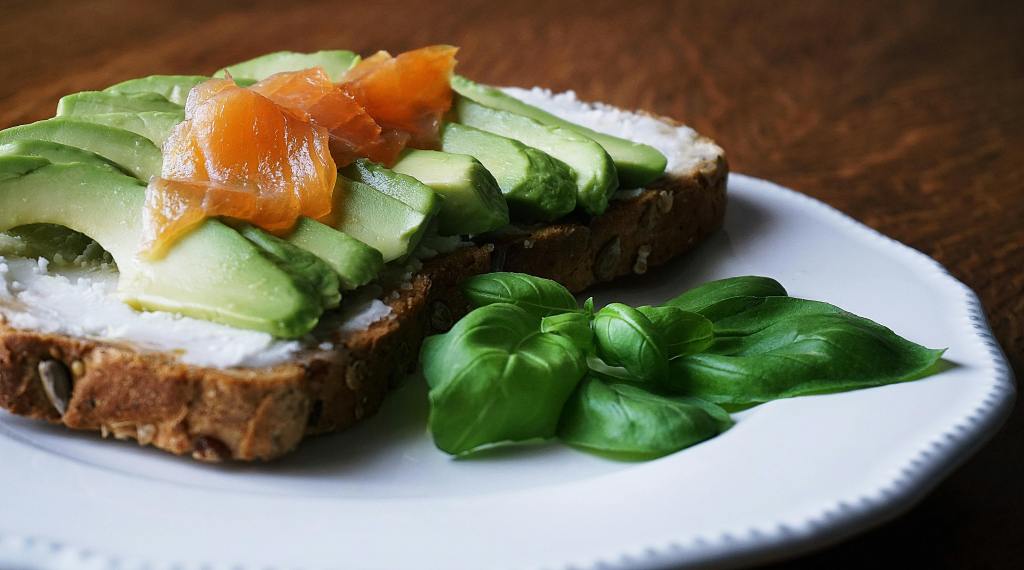
Avocado Toast with Fermented Veggies + Herbal Tea

  • Whole grain or sourdough bread (hello, fiber and prebiotics!)
  • Mashed avocado (healthy fats = plumper skin)
  • Topped with kimchi or sauerkraut (probiotic goodness)
  • Chamomile or ginger tea (calm your gut, calm your face)

👩‍⚕️ Nurse tip: Avoid heavy, dairy-laden coffees first thing if your gut is sensitive. Your skin will thank you too!


🥗 Lunch: Light, Filling, and Friendly to Your Digestive Fire

Salmon Salad Bowl

  • Grilled wild salmon (rich in omega-3s for anti-inflammatory skin benefits)
  • Mixed greens, cucumbers, bell peppers (fiber + hydration)
  • Olive oil and apple cider vinegar dressing (ACV can support gut acidity levels)
  • Sprinkle of pumpkin seeds (zinc = wound healing support)

🍲 Dinner: Balanced & Belly-Safe

Quinoa & Lentil Stew with Roasted Veggies

  • Lentils = fiber + plant-based protein
  • Quinoa = complete amino acid source
  • Add carrots, zucchini, onions, and sweet potatoes
  • Spices like turmeric, cumin, and black pepper for anti-inflammatory magic

🍓 Snack Attack: Gut-Loving Nibbles

  • Greek yogurt with berries & chia seeds
  • Hummus with cucumber slices
  • Bone broth (great for collagen + gut lining)
  • A few squares of dark chocolate (yes, really!)

💩 Let’s Talk Poop (You Knew I’d Go There)

If you’re not pooping regularly, your skin may not be detoxing efficiently either. Constipation can lead to breakouts, dull skin, and even exacerbate eczema or psoriasis. If you’re dealing with an ostomy, hydration and output consistency matter big time!

👉 Stool that’s too loose or too hard could be your gut waving a white flag. Balance your meals with:

  • Soluble fiber (oats, bananas, apples)
  • Hydration (aim for half your body weight in ounces of water 💦)
  • Magnesium-rich foods (spinach, almonds, dark chocolate—yum!)

👩‍⚕️ But Wait… What If I Have an Ostomy?

Friend, I got you. Some of these foods may need tweaking depending on your ostomy type:

  • Colostomy: You can often eat more “normally,” but watch for gas-producing foods.
  • Ileostomy: Hydration is key! Be mindful of high-fiber or very spicy meals.
  • Urostomy: Hydration and bladder-friendly foods (low acid) are your friends.

⚠️ Disclaimer (Because I’m a Nurse, Not Your Nurse 😉)
This blog is for general education and entertainment purposes only. Always consult with your doctor, dietitian, dermatologist, or wound/ostomy care specialist—especially if you have specific conditions, allergies, or a medical device like an ostomy. What works for one person might not work for another (especially if we’re talking ileostomy vs colostomy vs urostomy—big differences, folks!).


✨ Final Thoughts

Your plate has power. When you feed your gut, your skin gets the memo—and glows accordingly. Think of every meal as a chance to heal, hydrate, and help your body (and bowel) thrive. Plus, it’s delicious!

💬 Got a go-to gut/skin-friendly meal? Drop it in the comments—I’m always hungry for new ideas!

Wellness Without Woo: 💙 A Nurse’s Guide to Real Self-Care 👋

Hey there, fellow wellness warriors! 👋 As a nurse in my 40s who’s spent 22 years diving deep into skin, gut health, wounds, and all things wellness, I’m here to give you the real tea ☕ on self-care — minus the fluff, the “energy vortexes,” and those crystal elixir vibes that make you wonder if you’re on a reality show. Let’s talk wellness without the woo.


What Is “Wellness Without Woo,” Anyway?

In a world where detox teas promise a miracle cleanse and magic powders claim to fix your skin overnight, I’m here to say: nah. Real self-care isn’t about chasing the latest fad. It’s about science-backed habits that actually make a difference for your skin, gut, and overall health. Think hydration, balanced nutrition, sleep, and a dash of movement (yes, even those nursing shifts count as cardio sometimes! 🏃‍♀️).


1. Hydration: Your Skin’s BFF 💧

Your skin and gut thrive on water. Drinking enough H2O is the cheapest, easiest, and most effective anti-aging trick you can do. It keeps your skin plump, helps your digestive system flush out toxins, and supports wound healing. Plus, it prevents that “dehydrated nurse face” look after a 12-hour shift.


2. Eat Real, Not Magical 🍎

Forget the powders and potions. Your gut (and skin!) want whole foods — think colorful veggies, fiber-rich fruits, healthy fats, and protein. These nourish your microbiome, support digestion, and help your skin maintain elasticity. Pro tip: your gut health shows up on your face, so feed it well.


3. Move Your Body — Even If It’s Just a Walk 🏃‍♀️

You don’t need a gym membership or 2-hour yoga sessions. Moving daily — walking, stretching, or chasing toddlers — helps circulation, reduces stress, and supports skin cell turnover. Plus, it’s great for your gut motility (translation: better poop, less bloating — yay! 🚽).


4. Sunscreen Is a Must ☀️

No self-care routine is complete without sun protection. UV rays age your skin faster than stress does. (And trust me, nursing stress is real.) A broad-spectrum SPF shields your skin and lowers your risk for skin cancer — because glowing skin should last a lifetime.


5. Sleep Like Your Skin Depends on It 💤

Spoiler: it does. Sleep is when your body repairs skin damage, balances hormones, and resets your gut health. Aim for 7-9 hours and watch those wrinkles and digestion issues chill out.


6. Listen to Your Body, Not the Hype 🧘‍♀️

With ostomies, wounds, and skin issues in the mix, personalizing self-care is key. What works for one person may not work for another — especially when it comes to gut and skin health. Always chat with your healthcare providers before starting any new routine.


Final Thoughts

Self-care doesn’t need to be complicated or expensive. It’s about consistent, science-backed habits that nurture your body and mind — no crystals required. So ditch the “woo,” grab your water bottle, put on your sunscreen, and embrace wellness that’s real, reliable, and nurse-approved. 💙


⚠️ Disclaimer: Because I’m a Nurse, Not Your Nurse 😉
This blog is for general education and entertainment purposes only. Always consult with your doctor, dietitian, dermatologist, or wound/ostomy care specialist — especially if you have specific conditions, allergies, or medical devices like an ostomy. What works for one person might not work for another.


Want more practical tips without the fluff? You’re in the right place. Let’s keep it real, together. 💪✨

Why Nurses Don’t Have Time to Poop (and How It Affects Our Gut) 💩⏰

Let’s just say it: nurses are the constipated heroes nobody talks about. We run on caffeine, adrenaline, and prayers. We can insert an IV during a code, chart with our elbows, and de-escalate a family meltdown at 140/90—but find time to poop? LOL. 😅

As a wound and ostomy care nurse in her 40s who is deeply in love with all things skin, gut, and “glow from the inside,” I’m here to shine a (well-moisturized) light on a truth many of us live but rarely talk about:

🚽 Nurses don’t poop. And it’s messing with our gut.


The Shift is Long, But the Colon Is Patient… Until It’s Not 🕒

Let’s be real. Between med passes, dressing changes, call lights, short staffing, and family updates, taking a moment to pee is an Olympic event—let alone finding a quiet five minutes to drop the kids off at the pool. So we do what we always do:

We hold it.
And hold it.
And… well, now we’re bloated and cranky and haven’t gone since Sunday. 🫠


What Happens When You Chronically “Hold It”?

1. Sluggish Motility = Constipation Party 🎉 (But You’re Not Invited)

Your colon is like a conveyor belt. When it slows down, waste sits longer, gets drier, and turns into something that deserves its own horror movie. Not only is it uncomfortable—it affects your whole digestive system.

2. Skin Flare-Ups from Gut Drama 😬

Yep, the gut-skin connection strikes again! When waste builds up, toxins don’t exit efficiently. That internal traffic jam can show up externally—think breakouts, dullness, rashes, and inflammation.

3. Hormonal Disruption & Cortisol Chaos 🔥

When your gut is backed up, stress hormones love to pile on. Your already-busy nurse brain is now riding a hormonal rollercoaster, complete with bloating, mood swings, and fatigue. Cute!

4. Microbiome Mayhem 🦠

Delaying bowel movements can throw your gut flora out of whack. That healthy bacteria you worked so hard to cultivate (hello, probiotics)? They’re not thrilled. It’s like skipping watering your plants and wondering why they’re sad.


The Nurse Gut Survival Guide 💡

Here’s what I (try to) do to stay regular in the world of 12s and no breaks:

🚰 Hydrate Like You’re Getting Paid For It

Water is a nurse’s best friend. Aim for at least 8 cups—even if it means timing it with your charting or shift huddles.

🥦 Fiber Is Your BFF

Sneak in fiber-rich snacks—chia pudding, apples, hummus and veggies, or even a high-fiber protein bar stashed in your bag like a secret weapon.

🚶‍♀️ Movement Matters

Even if it’s just walking laps around the unit or doing squats while waiting on pharmacy (don’t knock it!), keep things moving.

🧘‍♀️ Relax Your Nervous System

Stress literally shuts down digestion. Try deep breathing in the med room, stretching, or playing music on your commute to switch off the cortisol faucet.

💩 Make Time to Poop (Seriously)

Normalize taking five minutes. Yes, the unit might survive without you for 300 seconds. You can’t pour from an empty cup—or poop with a full colon. 😉


Bottom Line? Don’t Ignore Your Bottom 🧻❤️

Holding your poop for 13-hour shifts isn’t just uncomfortable—it’s a slow sabotage of your gut, skin, and sanity. Nurses are incredible, but we’re also human. Let’s start treating ourselves with the same care we give our patients.

Your colon—and your complexion—will thank you.


⚠️ Disclaimer (Because I’m a Nurse, Not Your Nurse 😉)
This blog is for general education and entertainment purposes only. Always consult with your doctor, dietitian, dermatologist, or wound/ostomy care specialist—especially if you have specific conditions, allergies, or a medical device like an ostomy.

What Happens to Your Skin When You Don’t Eat Enough Protein 🍳💪

Let’s get something straight: protein isn’t just for bodybuilders or those aggressively blending spinach into their smoothies at 6 a.m. (you know who you are 😏). As a wound and ostomy nurse with over two decades of skin-and-gut obsession, I’m here to lovingly scream this from the rooftops:

🥩 PROTEIN = SKIN POWER.
And when you’re not getting enough? Oh honey, your skin knows—and it’s not happy about it.

So, What Does Happen to Your Skin?

1. Delayed Wound Healing 🐢

If you’ve got a surgical incision, pressure injury, or even a tiny cut, low protein levels can seriously slow your body’s ability to repair. As a wound care nurse, I see this all the time. Protein provides amino acids—aka the building blocks of new tissue. Without enough, your body is like a construction site with no bricks or builders.

2. Thinning Skin = Rips, Tears, & Sadness 😢

Thin, fragile skin isn’t just a grandma thing. It’s a protein deficiency thing. Collagen and elastin (those bouncy, plump skin superheroes) are protein-based. No protein? No bounce. No strength. Just skin that bruises easily and tears like wet tissue.

3. Increased Inflammation = Acne, Eczema, Flare-Ups 🔥

When your gut isn’t getting what it needs—hello again, protein—it starts to panic. Cue the inflammation party. And where does that show up? Yup, your skin. Think breakouts, redness, and those weird rashes that make you Google things you shouldn’t.

4. Hair and Nails Suffer Too 💅🚿

Okay, not technically skin, but they’re all part of your integumentary system (yay, science!). Brittle nails, thinning hair, and dry, flaky scalp often point to—you guessed it—low protein intake.


How Much Protein Do You Actually Need?

It varies by weight, activity level, and health status (and yes, the type of ostomy you have). A common general rule is 0.8 to 1.2 grams of protein per kilogram of body weight per day—but wound healing needs? Way higher. Think 1.5–2.0g/kg. Always talk with a dietitian for personalized guidance!


Protein-Rich Foods I Love 🍽️

Here’s a few of my go-to faves for glowing skin and strong healing:

  • Eggs 🥚 – affordable, versatile, and full of biotin too!
  • Salmon 🐟 – Omega-3s + protein = skin magic
  • Greek yogurt 🍦 – protein-packed AND probiotic-rich
  • Tofu & Lentils 🌱 – plant-based protein with fiber for gut love
  • Collagen powders – not a miracle, but helpful as part of a balanced intake!

For My Ostomates 👀

⚠️ Your protein needs may be higher, especially with an ileostomy (more losses!) or active wounds around your stoma. Don’t guess—ask your wound/ostomy nurse or dietitian for help. It’s literally what we’re here for. 💁‍♀️


TL;DR — Protein = Skin Fuel 🚀

If your skin feels papery, your wounds are dragging their feet to heal, or your poop just looks… weird (you knew I’d mention poop 💩), it might be time to check your protein intake.

And remember, it’s not just what you put on your skin. It’s what you feed your gut that helps it all shine.


⚠️ Disclaimer (Because I’m a Nurse, Not Your Nurse 😉)
This blog is for general education and entertainment purposes only. Always consult with your doctor, dietitian, dermatologist, or wound/ostomy care specialist—especially if you have specific conditions, allergies, or a medical device like an ostomy.


💧 Hydration Habits: Why Water Is a Free Anti-Aging Tool

Let’s talk about the real MVP of your skincare routine—plain ol’ water. Not a fancy serum. Not a $150 cream with a name that sounds like a European vacation. Just H₂O—available from your tap, your bottle, or that emotional support water tumbler we all carry around now. (I see you 👀)

As a nurse with 22 years under my belt—and as someone deep in the trenches of wound and ostomy care—trust me when I say: hydration is not optional. It’s the unsung hero behind healthy skin, better digestion, and smoother poops (yep, we’re going there).


🧴 Water = Skin’s Natural Moisturizer

Dry skin isn’t just about what you slather on. If you’re dehydrated, your skin will show it. Think dull, flaky, fine lines that suddenly look less “fine” and more like “deep concerns.”

Hydration helps:

  • Improve skin elasticity
  • Reduce the appearance of wrinkles
  • Keep your skin barrier happy (hello, fewer breakouts and irritation!)

💡Pro Tip: Drinking water won’t erase your crow’s feet overnight—but it will give your skin a fighting chance. Plus, hydrated skin heals better. And if you’ve got a wound (or even just a stubborn zit), healing matters.


💩 Gut Check: Water Keeps Things Moving

Constipated? Crampy? Bloated like a balloon at a toddler’s birthday party?

You might just need more water.

Your digestive system needs hydration to keep food moving, absorb nutrients, and keep your poop from turning into bricks (especially for folks with an ostomy—output consistency is key 🔑).

🌀 Fun nurse fact: Even your colon has feelings—when it’s dehydrated, it holds onto water like it’s prepping for a desert trek. That means slower motility and, you guessed it, poop problems.


💥 Dehydration Looks Like…

  • Headaches
  • Fatigue
  • Dull, saggy skin
  • Funky breath
  • Cranky gut (gas, constipation, sluggish digestion)
  • And yes… more pronounced wrinkles 😬

🥤 Hydration Habits That Actually Work

Let’s keep it simple, nurse-style:

  1. Start your day with water before coffee. Your gut will thank you.
  2. Aim for 8 cups a day—but adjust for activity, climate, and personal needs.
  3. Add fruit or cucumber for flavor if you’re bored (hydration doesn’t have to be bland).
  4. Track it if you’re forgetful. (We all are. Nurses are chronically dehydrated from shift life.)
  5. Eat your water – cucumbers, watermelon, lettuce, and bone broth all count!

🧪 For My Ostomates:

Hydration is CRUCIAL, especially for those with an ileostomy, where water absorption is reduced. Low hydration = thicker output, which increases the risk of pancaking, leaks, and skin issues. Not fun.
💡 Electrolyte balance matters too! Consider low-sugar oral rehydration drinks when needed.


👵 Bonus: Hydration & Aging Gracefully

Water won’t stop time—but it can soften its effects:

  • Hydrated skin = plumper appearance
  • Better digestion = fewer breakouts, more glow
  • Fewer UTIs, better circulation, more energy—what’s not to love?

Basically, water is the Botox of the gut-skin connection… but cheaper and with fewer needles.


⚠️ Disclaimer (Because I’m a Nurse, Not Your Nurse 😉)

This blog is for general education and entertainment purposes only. Always consult with your doctor, dietitian, dermatologist or wound/ostomy care specialist—especially if you have specific conditions, allergies, or a medical device like an ostomy. What works for one person might not work for another (especially if we’re talking ileostomy vs colostomy vs urostomy—big differences, folks!).


Now go refill that water bottle, friend. Your gut, skin, and nurse-brain will thank you. 💦🧠✨