
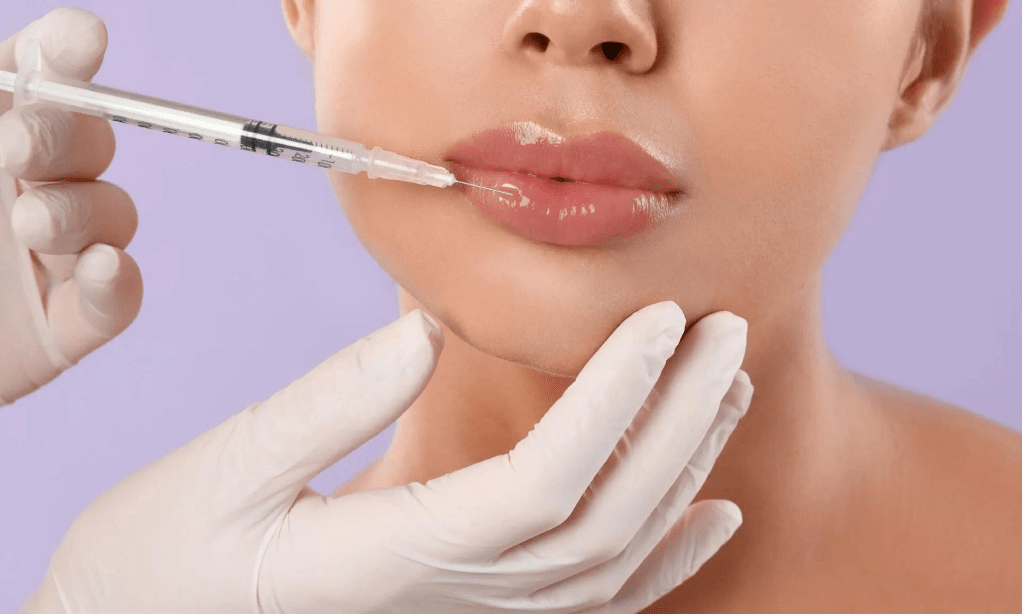
Curious about Botox but don’t know where to start? Get the nurse-approved breakdown of what Botox really does, how it affects skin aging, and how your gut health plays a surprising role in wrinkle prevention.
So… You’re Thinking About Botox? 👀
You’ve tried peptides, hyaluronic serums, gua sha, LED masks—and yet, those forehead lines keep waving back at you in every selfie.
Welcome to your Botox curious era—and you are so not alone.
As a wound and ostomy nurse in her fabulous 40s with a passion for skincare, gut health, and glow-ups that go deeper than the dermis, I’m here to tell you the stuff no one really breaks down:
🧠 Botox is effective
💉 It’s safe when done right (with a professional)
🧘♀️ But it’s not magic—and your gut and lifestyle matter more than you think
This post will cover what Botox actually does, what beginners need to know, and how your microbiome, hydration, and nutrition can make or break your Botox results.
🤔 What Even Is Botox, Anyway?
Botox is the brand name for Botulinum toxin type A, a purified neurotoxin that temporarily blocks muscle contraction. Translation?
No muscle movement = no wrinkle formation = smoother skin.
It’s FDA-approved for cosmetic use in the:
- Glabella (frown lines between brows)
- Crow’s feet (squinty smile lines)
- Forehead lines
…and medically approved for things like migraines and excessive sweating too.
It does not fill or plump anything. (That’s filler. Different convo.)
🧠 The Science: Wrinkles, Muscles & Microbiomes
Wrinkles come from repetitive movement and a breakdown of collagen and elastin over time.
Botox prevents the movement part, but did you know:
👉 Collagen loss is heavily influenced by inflammation—and where does chronic inflammation often start? Yep, the gut.
A 2022 review in Nutrients noted that gut dysbiosis contributes to systemic inflammation, which accelerates:
- Skin thinning
- Loss of elasticity
- Slower wound healing
- Oxidative stress (aka wrinkle fuel)
So yes—Botox can help smooth out the outside. But if your insides are inflamed? That needle’s working overtime.
💩 Botox + Gut Health: A Weird but Important Combo
Gut health affects:
- Skin texture
- Hydration retention
- Collagen production
- Hormone balance (looking at you, cortisol and estrogen)
And all of those impact how well Botox works and lasts.
Gut Tips That Make Your Botox Work Better:
🥦 Eat more prebiotic foods like garlic, oats, bananas
🥛 Add probiotic-rich items like kefir, sauerkraut, and yogurt
💧 Stay well hydrated—dry skin = faster wrinkle reformation
🍫 Load up on polyphenols (think green tea, berries, dark chocolate)
💡 Internal link idea: Read “How a Healthy Gut Can Transform Your Skin and Hair Naturally”
💉 First Botox Appointment: What to Expect (From a Nurse’s POV)
Here’s what really happens when you get Botox:
✅ Before:
- Avoid NSAIDs, fish oil, alcohol 24–48 hrs before to reduce bruising
- Clean face, no makeup
- Chat with your injector about goals, not just wrinkles
- Be honest about any health conditions or supplements
💉 During:
- Tiny needle pokes (you’ll survive!)
- Procedure takes 5–10 minutes
- No numbing needed (it’s quick!)
🕐 After:
- No touching or rubbing the area for 4 hours
- Skip workouts, facials, and massages for 24 hrs
- Full results in 7–14 days
- Lasts about 3–4 months (your mileage may vary)
🥗 Best Gut-Friendly Foods to Pair with Botox
| Food | Gut Benefit | Skin Impact |
|---|---|---|
| Bone Broth | Collagen + amino acids | Firms skin, hydrates joints |
| Sauerkraut | Probiotics | Calms redness, supports barrier |
| Berries | Polyphenols + antioxidants | Protects from oxidative stress |
| Flaxseed | Omega-3s + fiber | Hydrates skin, reduces inflammation |
| Avocado | Healthy fats | Keeps skin plump and moisturized |
| Green Tea | Anti-inflammatory | Fights skin aging |
💡 Internal link: Check out my post on Skin Barrier Tips (and Why Your Elbows Need Love Too)
💡 Common Botox Myths—Nurse Debunked!
❌ “It will freeze your face.”
✅ Nope. If done correctly, Botox softens movement, not stops it. (Your eyebrows will still work!)
❌ “You’ll be addicted.”
✅ Botox is not addictive. You might love the results, but it doesn’t cause dependency.
❌ “I’m too young or too old.”
✅ Preventative Botox in your 30s or early 40s is common, and late-starters can still benefit! What matters is muscle strength, skin quality, and your goals.
✍️ Let’s Talk About It: Botox + Gut Glow Combo
Have you tried Botox? Thinking about it?
Do you focus on gut health to boost your skincare results?
👇 Drop your questions or experiences in the comments—I’d love to hear your story!
💬 Final Thoughts: Wrinkles, Wellness, and What Actually Works
Botox can soften lines, but real radiance? That comes from treating your gut like gold, staying hydrated, fueling your skin from the inside, and using clinical treatments wisely.
Whether you choose to smooth, smile-line proudly, or both—make it your choice.
And remember: Beauty isn’t just skin deep—it’s gut deep too.
💚 Related Posts You’ll Love:
- Beyond the Face: Skin Barrier Tips (and the Gut Connection)
- Move Your Gut: Exercises to Boost Digestion & Banish Bloat Naturally
⚠️ Disclaimer (Because I’m a Nurse, Not Your Nurse 😉)
This blog is for general education and entertainment purposes only. It’s not intended to diagnose, treat, or offer personal medical advice. Always consult with your licensed provider or board-certified injector for individualized care.


