The Healing Plate: Anti-Inflammatory Foods I Swear By 🥦🍇✨

Hey friends! Nurse here — with 22 years of experience, a passion for skin, gut, and all things wellness, and yes, a serious love for food that heals. As an ostomy and wound care nurse in my fabulous 40s, I’ve learned that what you put on your plate can make a massive difference—not just for your gut, but for your skin too. Because guess what? Your gut and skin are BFFs, and inflammation is the party crasher nobody invited.

So let’s talk anti-inflammatory foods that I swear by. These are not just trendy buzzwords—these foods really work to calm your body, help your wounds heal, and keep your skin glowing like you just stepped out of a spa. Ready? Let’s dive in! 🥑

Why Anti-Inflammatory Foods Matter for Gut & Skin Health

Inflammation is your body’s natural response to injury or infection. But when inflammation sticks around too long, it can wreak havoc on your digestive system and skin. That means more bloating, breakouts, wrinkles, and slower wound healing (and nobody wants grandma’s elbow look on their face, right?).

Eating foods that fight inflammation helps:

  • Support your gut lining and microbiome 🦠
  • Boost collagen production for smooth, plump skin 💧
  • Speed up wound healing ⏳
  • Reduce redness, puffiness, and wrinkles 🧴

My Top Anti-Inflammatory Foods That Make the Cut

1. Fatty Fish 🐟

Think salmon, mackerel, sardines. Loaded with omega-3 fatty acids, these fish are inflammation’s worst enemy and your skin’s best friend.

2. Berries 🍓

Blueberries, strawberries, raspberries — antioxidants galore. They fight free radicals that age your skin and irritate your gut.

3. Leafy Greens 🥬

Spinach, kale, collards. Packed with vitamins A, C, and K plus fiber to keep your digestion smooth and skin radiant.

4. Nuts & Seeds 🌰

Almonds, walnuts, chia, flaxseeds — full of healthy fats and fiber that nourish your gut and support skin elasticity.

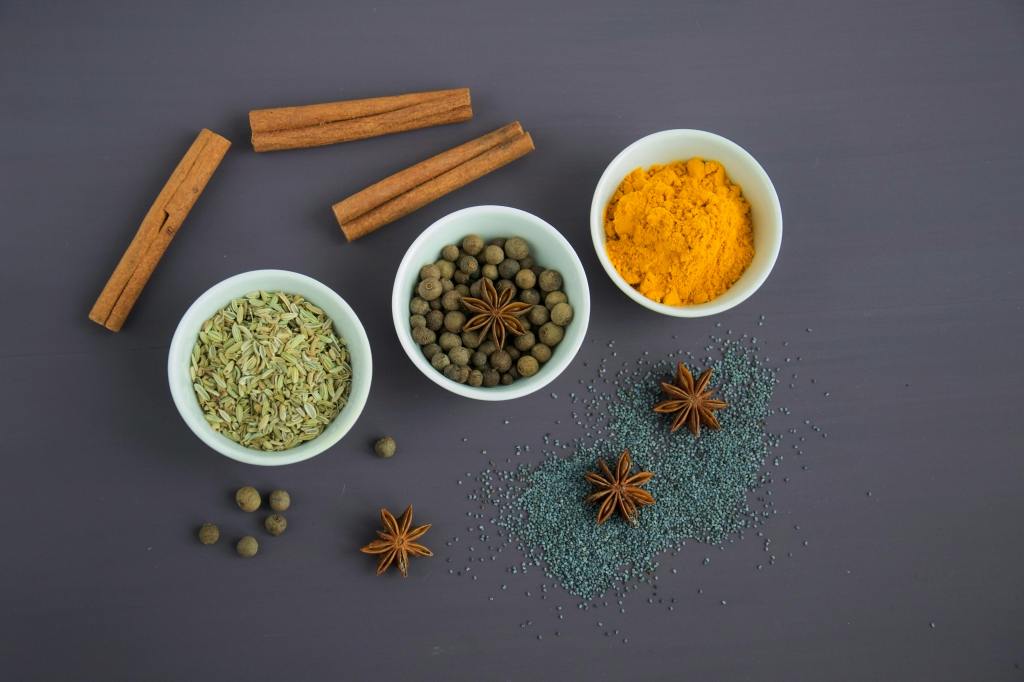
5. Turmeric & Ginger 🌿

These spicy roots are like nature’s anti-inflammatory superheroes. Bonus: turmeric adds a beautiful golden glow to your meals (and your skin)!

6. Olive Oil 🫒

A Mediterranean staple that keeps inflammation down and your skin supple and moisturized.

7. Green Tea 🍵

Sip your way to calmness and antioxidants that protect skin cells and soothe your digestive tract.

Foods to Take It Easy On 🚫

  • Sugar (the sneaky wrinkle and gut bloat culprit)
  • Processed snacks and fast food
  • Excess alcohol
  • Refined carbs

Bonus Tips for Gut & Skin Love 💕

  • Stay hydrated like your skin depends on it (because it does!) 💦
  • Move your body daily — exercise helps reduce inflammation and keeps your circulation up
  • Prioritize sleep — healing happens when you’re catching those Zzzs 😴

⚠️ Disclaimer (Because I’m a Nurse, Not Your Nurse 😉)
This blog is for general education and entertainment purposes only. Always consult with your doctor, dietitian, dermatologist, or wound/ostomy care specialist—especially if you have specific conditions, allergies, or medical devices like an ostomy. What works for one person might not work for another (especially when it comes to ileostomy vs colostomy vs urostomy—big differences, folks!).


Feed your gut, nourish your skin, and rock that healing glow from the inside out! Got a favorite anti-inflammatory food I missed? Drop it in the comments—I’m always hungry for knowledge! 🥗✨


Meal Ideas That Support Your Gut AND Your Skin 🍽️✨

Let’s be honest—who doesn’t want clearer skin and smoother poops? 🙋‍♀️ As a nurse with a full-on obsession with skin, gut, and wellness (plus a healthy respect for poop talk at the dinner table), I’m here to tell you: your skin and gut are in a lifelong situationship. And what you put on your plate? Total relationship therapy.

In this post, we’re diving into practical, delicious meal ideas that work double-duty: nourishing your microbiome and giving your skin that healthy, hydrated glow.


🥑 Why Your Gut & Skin Are Besties

Here’s the TL;DR: Your gut is like your second brain (or, for nurses, maybe your first brain when you’re 12 hours into a shift). It regulates inflammation, supports immunity, and yes—can directly affect the skin’s health, texture, and even breakouts.

Chronic constipation, bloating, or diarrhea? Those can all show up on your face as dullness, redness, or acne. Similarly, nutrient-poor meals can slow wound healing, exacerbate dryness, and make wrinkles feel like they’re shouting.


🍽️ Meal Ideas for Glowing Skin & Happy Guts

Let’s get to the fun part: FOOD! These meals are rich in fiber, antioxidants, good fats, and probiotics. Perfect for your gut and your glow ✨


🌞 Breakfast: The Gut-Glowing Start

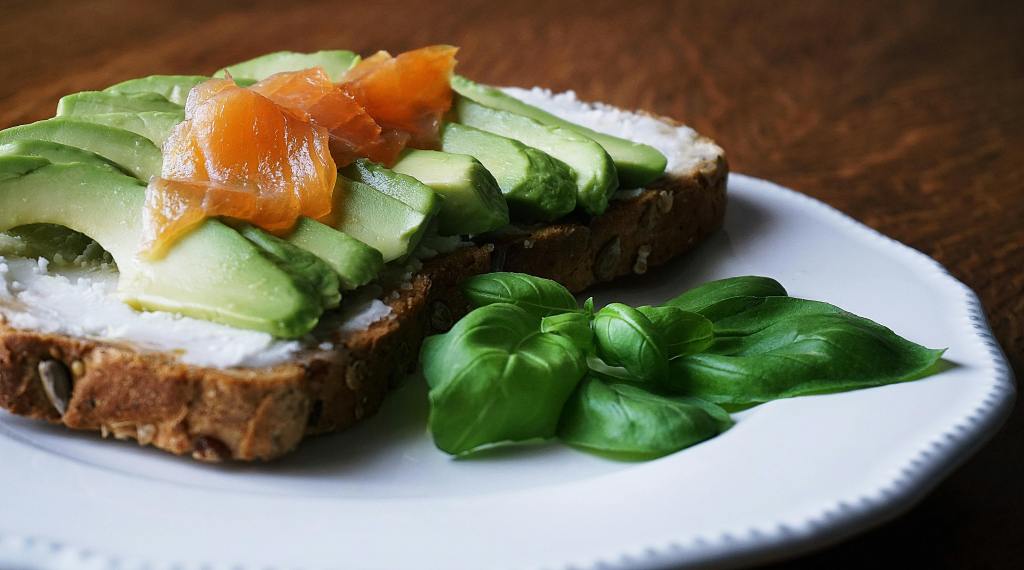
Avocado Toast with Fermented Veggies + Herbal Tea

  • Whole grain or sourdough bread (hello, fiber and prebiotics!)
  • Mashed avocado (healthy fats = plumper skin)
  • Topped with kimchi or sauerkraut (probiotic goodness)
  • Chamomile or ginger tea (calm your gut, calm your face)

👩‍⚕️ Nurse tip: Avoid heavy, dairy-laden coffees first thing if your gut is sensitive. Your skin will thank you too!


🥗 Lunch: Light, Filling, and Friendly to Your Digestive Fire

Salmon Salad Bowl

  • Grilled wild salmon (rich in omega-3s for anti-inflammatory skin benefits)
  • Mixed greens, cucumbers, bell peppers (fiber + hydration)
  • Olive oil and apple cider vinegar dressing (ACV can support gut acidity levels)
  • Sprinkle of pumpkin seeds (zinc = wound healing support)

🍲 Dinner: Balanced & Belly-Safe

Quinoa & Lentil Stew with Roasted Veggies

  • Lentils = fiber + plant-based protein
  • Quinoa = complete amino acid source
  • Add carrots, zucchini, onions, and sweet potatoes
  • Spices like turmeric, cumin, and black pepper for anti-inflammatory magic

🍓 Snack Attack: Gut-Loving Nibbles

  • Greek yogurt with berries & chia seeds
  • Hummus with cucumber slices
  • Bone broth (great for collagen + gut lining)
  • A few squares of dark chocolate (yes, really!)

💩 Let’s Talk Poop (You Knew I’d Go There)

If you’re not pooping regularly, your skin may not be detoxing efficiently either. Constipation can lead to breakouts, dull skin, and even exacerbate eczema or psoriasis. If you’re dealing with an ostomy, hydration and output consistency matter big time!

👉 Stool that’s too loose or too hard could be your gut waving a white flag. Balance your meals with:

  • Soluble fiber (oats, bananas, apples)
  • Hydration (aim for half your body weight in ounces of water 💦)
  • Magnesium-rich foods (spinach, almonds, dark chocolate—yum!)

👩‍⚕️ But Wait… What If I Have an Ostomy?

Friend, I got you. Some of these foods may need tweaking depending on your ostomy type:

  • Colostomy: You can often eat more “normally,” but watch for gas-producing foods.
  • Ileostomy: Hydration is key! Be mindful of high-fiber or very spicy meals.
  • Urostomy: Hydration and bladder-friendly foods (low acid) are your friends.

⚠️ Disclaimer (Because I’m a Nurse, Not Your Nurse 😉)
This blog is for general education and entertainment purposes only. Always consult with your doctor, dietitian, dermatologist, or wound/ostomy care specialist—especially if you have specific conditions, allergies, or a medical device like an ostomy. What works for one person might not work for another (especially if we’re talking ileostomy vs colostomy vs urostomy—big differences, folks!).


✨ Final Thoughts

Your plate has power. When you feed your gut, your skin gets the memo—and glows accordingly. Think of every meal as a chance to heal, hydrate, and help your body (and bowel) thrive. Plus, it’s delicious!

💬 Got a go-to gut/skin-friendly meal? Drop it in the comments—I’m always hungry for new ideas!

Wellness Without Woo: 💙 A Nurse’s Guide to Real Self-Care 👋

Hey there, fellow wellness warriors! 👋 As a nurse in my 40s who’s spent 22 years diving deep into skin, gut health, wounds, and all things wellness, I’m here to give you the real tea ☕ on self-care — minus the fluff, the “energy vortexes,” and those crystal elixir vibes that make you wonder if you’re on a reality show. Let’s talk wellness without the woo.


What Is “Wellness Without Woo,” Anyway?

In a world where detox teas promise a miracle cleanse and magic powders claim to fix your skin overnight, I’m here to say: nah. Real self-care isn’t about chasing the latest fad. It’s about science-backed habits that actually make a difference for your skin, gut, and overall health. Think hydration, balanced nutrition, sleep, and a dash of movement (yes, even those nursing shifts count as cardio sometimes! 🏃‍♀️).


1. Hydration: Your Skin’s BFF 💧

Your skin and gut thrive on water. Drinking enough H2O is the cheapest, easiest, and most effective anti-aging trick you can do. It keeps your skin plump, helps your digestive system flush out toxins, and supports wound healing. Plus, it prevents that “dehydrated nurse face” look after a 12-hour shift.


2. Eat Real, Not Magical 🍎

Forget the powders and potions. Your gut (and skin!) want whole foods — think colorful veggies, fiber-rich fruits, healthy fats, and protein. These nourish your microbiome, support digestion, and help your skin maintain elasticity. Pro tip: your gut health shows up on your face, so feed it well.


3. Move Your Body — Even If It’s Just a Walk 🏃‍♀️

You don’t need a gym membership or 2-hour yoga sessions. Moving daily — walking, stretching, or chasing toddlers — helps circulation, reduces stress, and supports skin cell turnover. Plus, it’s great for your gut motility (translation: better poop, less bloating — yay! 🚽).


4. Sunscreen Is a Must ☀️

No self-care routine is complete without sun protection. UV rays age your skin faster than stress does. (And trust me, nursing stress is real.) A broad-spectrum SPF shields your skin and lowers your risk for skin cancer — because glowing skin should last a lifetime.


5. Sleep Like Your Skin Depends on It 💤

Spoiler: it does. Sleep is when your body repairs skin damage, balances hormones, and resets your gut health. Aim for 7-9 hours and watch those wrinkles and digestion issues chill out.


6. Listen to Your Body, Not the Hype 🧘‍♀️

With ostomies, wounds, and skin issues in the mix, personalizing self-care is key. What works for one person may not work for another — especially when it comes to gut and skin health. Always chat with your healthcare providers before starting any new routine.


Final Thoughts

Self-care doesn’t need to be complicated or expensive. It’s about consistent, science-backed habits that nurture your body and mind — no crystals required. So ditch the “woo,” grab your water bottle, put on your sunscreen, and embrace wellness that’s real, reliable, and nurse-approved. 💙


⚠️ Disclaimer: Because I’m a Nurse, Not Your Nurse 😉
This blog is for general education and entertainment purposes only. Always consult with your doctor, dietitian, dermatologist, or wound/ostomy care specialist — especially if you have specific conditions, allergies, or medical devices like an ostomy. What works for one person might not work for another.


Want more practical tips without the fluff? You’re in the right place. Let’s keep it real, together. 💪✨

From Wounds to Wrinkles: What Wound Care Has Taught Me About Skin Aging 👩‍⚕️💉➡️🧴✨

Let’s connect the dots between wound healing and skin aging—because yes, there’s more overlap than you’d think. As a wound and ostomy nurse in my fabulous 40s (with a minor obsession for all things gut, glow, and glutes 😅), I’ve spent years studying how skin heals—and spoiler alert: that knowledge also changed how I see wrinkles, serums, and my morning SPF routine.

So buckle up, skin lovers and gut nerds. We’re diving into why wound care wisdom is basically anti-aging gold.


💡 Wound Healing = Real-Time Skin Science

When I treat a wound, I’m watching the body work overtime to repair and regenerate. The same cells and signals responsible for closing a wound are also involved in keeping your skin plump, firm, and glowing. But here’s the catch: they slow down with age, inflammation, and (yep) poor nutrition.

Wrinkle 101?
It’s basically a tiny wound your skin doesn’t bother to heal anymore. Rude.


Here’s What Wound Care Taught Me About Skin Aging 👇

1. Hydration Is Non-Negotiable 💦

Whether it’s a dry wound bed or a dry T-zone, moisture is magic. Dehydrated skin = delayed healing AND faster aging. Your barrier function suffers, collagen breaks down, and fine lines look like they’ve been zoomed in. Drink water like it’s your job. And yes, that hydrating serum helps too.

2. Inflammation Is the Enemy 🔥

Chronic inflammation slows wound healing and accelerates aging (a process scientists call inflammaging—cute name, not cute on your face). Sugar, processed foods, stress, lack of sleep? All inflammatory triggers. Swap ‘em for berries, leafy greens, turmeric, and sleep. Your wounds AND wrinkles will thank you.

3. Protein = Collagen Fuel 🥚🐟

You can’t rebuild skin without amino acids. Wounds need protein to heal. Skin needs it to stay firm and bouncy. Low protein intake = saggy vibes. Get in your lean meats, beans, tofu, eggs, collagen powders—whatever works for you.

4. Sun Protection is Essential ☀️🧴

Wounds + sun = darker scars. Skin + sun = deeper wrinkles. Every wound nurse has seen what happens when UV hits compromised skin—it ain’t pretty. So trust me when I say: wear the dang sunscreen. Even on cloudy days. Even if you’re “just going to Target.”

5. Healing Takes Time—But Prevention Is Faster ⏳

You don’t wait until a wound is infected to treat it, right? Same goes for skin. Start now. Cleanse gently, moisturize daily, eat for your gut, use antioxidants, stay hydrated, move your body, and manage stress. Prevention is cheaper than Botox 💁‍♀️


The Gut Connection 🥗💩✨

Surprise twist? Your gut is a key player in both wound healing and aging skin. An inflamed, unbalanced gut leads to poor nutrient absorption, chronic inflammation, and—you guessed it—sluggish healing and dull, aging skin.

Nourish your gut with:

  • Probiotics (yogurt, kefir, sauerkraut)
  • Prebiotics (oats, bananas, asparagus)
  • Plenty of fiber + water
  • Low sugar, low junk

Healthy gut = clear skin, happy poops, and fewer frown lines.


Wrapping It Up (Like a Good Dressing 😉)

Working in wound care has taught me to respect the skin—how it repairs, protects, and reflects what’s happening inside your body. Aging skin isn’t the enemy—neglect is. With the right daily habits, you can support your skin the same way we support a healing wound: with patience, nourishment, protection, and love.

You’ve got one skin suit, and you’re wearing it every day. Treat it like the masterpiece it is. 🧖‍♀️💕


⚠️ Disclaimer (Because I’m a Nurse, Not Your Nurse 😉)
This blog is for general education and entertainment purposes only. Always consult with your doctor, dietitian, dermatologist or wound/ostomy care specialist—especially if you have specific conditions, allergies, or a medical device like an ostomy. What works for one person might not work for another (especially if we’re talking ileostomy vs colostomy vs urostomy—big differences, folks!).


Skin Breakdown: What Your Grandma’s Elbow Can Teach You About Prevention

Let’s be honest: If you’ve ever helped your grandma out of bed and caught sight of that papery, fragile elbow skin, you’ve probably had one of two reactions:

  1. Mild horror.
  2. A nurse’s instinct to grab a moisture barrier cream immediately.

As a wound and ostomy care nurse in my 40s (with a healthy obsession for skin, gut, and wellness), I’ve seen more skin breakdown than a dermatologist at a rock festival. And I’m here to say: we can do better for our skin—at any age. Especially if we start before it’s translucent and tearing at the thought of a bedsheet.


What Is Skin Breakdown Anyway?

Skin breakdown is like that guest who shows up uninvited and never leaves. It’s what happens when the skin’s integrity is compromised due to pressure, friction, moisture, or just plain ol’ neglect. It starts with a little redness or dryness and can turn into an ulcer or open wound faster than you can say, “Where’s the barrier cream?”


So, What Can Grandma’s Elbow Teach Us?

Glad you asked. Here’s the skin-saving wisdom hidden in that wrinkly elbow:


1. Hydration Is Not Optional

Dehydrated skin = fragile skin. The older we get, the more our skin begs for water. Not just slathered on, but gulped down too. Grandma’s elbow? Probably as dry as her Thanksgiving turkey.

Prevention tip:
Drink water. Then drink some more. Add hydrating foods like cucumber, watermelon, and leafy greens. Top it off with a good humectant-based moisturizer (bonus if it has ceramides!).


2. Friction + Pressure = The Silent Skin Killers

That elbow didn’t break down because she ran a marathon. It happened because skin + bone + hard surface = trouble. Whether it’s a tailbone, heel, or sacrum—pressure and friction are public enemy #1 and #2 for aging skin.

Nurse tip:
Use pillows, foam pads, and positional changes. If you’re sitting for long periods (looking at you, charting nurses), shift often and moisturize areas that take the brunt of your day.


3. Nutrition Isn’t Just About Weight—It’s About Healing

Wounds don’t heal without the right nutrients. Grandma’s skin breakdown could be worsened by low protein, poor vitamin intake (hello zinc, C, and A), or gut issues that interfere with absorption. Yes, even your gut bugs are on team “Skin Health.”

Your checklist:
Protein at every meal, a colorful plate, and maybe a probiotic. Think of your gut as your skin’s backstage crew—if they’re not on point, the show won’t go on.


4. Barrier Creams Aren’t Just for Babies and Backsides

Moisture-associated skin damage (MASD) is real—and it’s not just a nursing home problem. Sweat, urine, or even too much hand-washing can strip the skin faster than a bad toner.

Wound nurse pro move:
Keep a good barrier cream on hand (zinc oxide-based is my go-to), especially in high-risk areas like groin folds, under breasts, and (yes) elbows.


5. Touch Your Skin—And Actually Look At It

Skin breakdown doesn’t usually scream for help until it’s already in trouble. A daily once-over—especially on aging skin—is worth its weight in gold.

Think like a nurse:
Redness? Heat? Tenderness? All warning signs. Catch it early and you save time, money, and future tears (literally and emotionally).


Bonus: The Gut-Skin Connection

Here’s where I really geek out: your gut health matters. A lot. Inflammation in your gut can show up in your skin as slower healing, more irritation, and (you guessed it) higher risk for skin breakdown.

TL;DR:
Feed your skin from within: fermented foods, anti-inflammatory meals, and a gut-friendly lifestyle can help keep your barrier strong from the inside out.


Wrapping It Up (Not Like a Mummy, Please)

Whether you’re in your 40s like me or lovingly tending to grandma’s skin, prevention is the best medicine. And while we joke about elbows and barrier cream, the truth is—skin care at every age is healthcare.

So hydrate, nourish, move, moisturize, and be proactive. Because whether it’s your grandma’s elbow or your own, you deserve skin that holds up—not breaks down.


Wrinkles, Wound Healing & Water: Skin Science After 40


By a wound care nurse who knows hydration isn’t just trendy—it’s critical

Let’s face it: turning 40 is kind of like skin’s midlife crisis. Suddenly, things that used to “bounce back” now just… linger. Wrinkles sneak in, healing slows down, and your moisturizer starts working overtime. But here’s the good news: as a nurse and someone who obsesses over both wound care and wellness—I’m here to tell you that your skin can still thrive. It just needs a little more science, strategy, and yes… water.

So grab a glass, because we’re about to hydrate your skin, your gut, and your entire mindset.


💧 Let’s Talk About Water (No, Really)

I know—everyone and their wellness influencer cousin says to “drink more water.” But here’s the clinical truth:

  • Dehydrated skin heals slower.
  • Dehydrated bodies poop less.
  • Dehydrated cells age faster.

As a wound care nurse, I can tell you firsthand: hydration is everything. It’s one of the most overlooked components in both chronic wound healing and aging skin. Your skin is your largest organ, and like any good organ, it needs hydration to function.

Nurse Tip: Aim for half your body weight in ounces per day (or more if you’re sweating or chugging coffee like it’s charting fuel).


🧬 Wrinkles: The Battle You Can Totally Win (Sort of)

Wrinkles aren’t the enemy—they’re the memoirs of your face. But if you want to smooth out some chapters, here’s what works:

  • Topical Retinoids: Vitamin A derivatives that boost collagen and reduce fine lines. Bonus—they also help with wound cell turnover!
  • Peptides & Growth Factors: Fancy talk for ingredients that coach your skin into behaving younger.
  • Daily SPF: Because preventing damage is easier than microneedling it away later. (Shoutout to the sun exposure I thought was “just a tan” in my 20s…)

Bonus Point: Gut inflammation can accelerate aging—yep, your wrinkles can be a digestive distress signal.


🩹 Wound Healing After 40: Slower, But Smarter

Aging skin is like an older nurse: wise, experienced… but it doesn’t rush anymore. Healing slows because:

  • Collagen production decreases
  • Circulation may reduce
  • Immune response changes

But don’t panic—we can support healing through:

  • Vitamin C + Zinc + Protein (the holy trinity of wound care)
  • Hydration and circulation-boosting habits (walk, massage, hydrate)
  • Gut health: because nutrient absorption = healing fuel

Ostomy Patients: Pay extra attention to hydration and skin barrier integrity. Peristomal skin loves a happy gut and a well-fed body.


🥦 Skin Starts in the Gut (And Poop Tells the Story)

Let me be super nurse-real with you: If your gut’s a mess, your skin will tattle.

  • Acne, eczema, and dullness can all be tied to gut dysbiosis
  • Poor digestion = less nutrient absorption = less skin support
  • Chronic constipation? It’s not just uncomfortable—it slows detox, which your skin often picks up the slack for

Add prebiotic foods (like garlic, onions, asparagus), fermented foods (kimchi, yogurt, sauerkraut), and fiber-rich plants to keep your insides as pretty as your outside.


🧖‍♀️ My Personal Glow-Up Routine (In Case You’re Wondering)

Here’s what this 40-something nurse swears by:

  • Morning magnesium water + walk
  • Probiotic + collagen in my coffee (yes, it dissolves)
  • Gentle cleanser, Vitamin C serum, SPF 50, moisturizer with peptides
  • Retinol 2–3x/week at night
  • Eat-the-rainbow meals and good fats (hello avocado)
  • 7+ hours of sleep (or pretending I did)

👩‍⚕️ Final Thoughts from Your Favorite Wound Nurse

Your skin is a reflection of your gut, your habits, and your hydration. It doesn’t need 14 expensive products or filters—it needs care, consistency, and clinical common sense.

Wrinkles happen. Wounds take longer to heal. But with water, good food, gut love, and SPF loyalty, your skin will be as strong as your nursing skills.

Because you don’t just glow—you’ve earned that glow.


Wound Healing Nutrition: The Top 5 Vitamins I Recommend

Because wounds don’t heal on their own… no matter how much you wish they would.

Hey there! I’m a wound and ostomy care nurse in my fabulous 40s with over two decades of clinical experience—and a deep passion for all things skin, gut, and wellness. If you think wound healing is just about bandages and ointments, think again. Nutrition is a power player in the healing game, especially when it comes to vitamins that your body actually needs to repair itself efficiently.

Today, I’m breaking down the top 5 vitamins I swear by to help wounds heal faster, skin glow brighter, and your gut stay happy—because the gut-skin connection isn’t just a buzzword. It’s science.


1. Vitamin C — The Collagen Commander

Vitamin C isn’t just for fighting off colds or looking fresh in your selfies. It’s a key ingredient in collagen synthesis—hello, the protein that forms the scaffolding of your skin and wounds! Without enough vitamin C, your body’s wound repair slows to a snail’s pace.

Food sources: Oranges, strawberries, bell peppers, broccoli.
Pro tip: Pop a juicy orange post-lunch and watch your skin (and wounds) thank you.


2. Vitamin A — The Skin Renovator

Vitamin A is like that super-organized nurse who makes sure every healing step happens on schedule. It supports cell growth and immune function, both critical for skin regeneration and fighting infection.

Food sources: Sweet potatoes, carrots, spinach, kale.
Nurse’s note: Don’t overdo vitamin A supplements; too much can backfire. Food first, pills second.


3. Zinc — The Repair Crew Chief

Zinc’s like your wound care team’s MVP. It’s involved in DNA synthesis, immune response, and inflammation control—all essential for wound healing. If your wound feels like it’s stuck in traffic, low zinc might be the culprit.

Food sources: Pumpkin seeds, chickpeas, nuts, beef.
Gut-skin tip: Zinc supports your gut lining too, keeping everything running smoothly inside and out.


4. Vitamin D — The Immune Booster

Vitamin D isn’t just the sunshine vitamin that boosts your mood. It’s also crucial for modulating your immune system and reducing inflammation, giving wounds the best chance to heal without drama.

Food sources: Fatty fish (salmon, mackerel), fortified dairy, and good ol’ sunshine.
Sun safety tip: Get your D, but don’t forget your sunscreen—you’re a nurse, you know the drill!


5. B Vitamins — The Energy Providers

B vitamins, especially B12 and B6, are the behind-the-scenes workers that fuel your cells and support nerve function. Healing wounds need energy (hello mitochondria!), and B vitamins help provide just that.

Food sources: Eggs, dairy, whole grains, leafy greens.
Quick fix: A balanced diet typically covers your B’s, but sometimes a supplement might be needed—check with your healthcare provider.


Bonus: Hydration — The Unsung Hero

While not a vitamin, drinking enough water is critical for nutrient delivery and tissue repair. Dehydrated skin is slow to heal, so keep that water bottle close—preferably not the one you use for coffee.


The Gut-Skin-Wound Connection

Here’s the clincher: your gut health influences how well your body absorbs these vitamins and how your immune system responds. A happy gut means better nutrient uptake, less inflammation, and faster healing skin. So don’t just slather on creams—feed your microbiome and your body the nutrients it craves.


Nurse-Approved Takeaway:

Bandages and creams are just part of the story. For real wound healing magic, nourish from the inside out. Focus on a colorful, balanced diet rich in these vitamins, stay hydrated, and keep your gut microbiome thriving.

And if you ever wondered why you’re not healing as fast as you’d like—maybe your vitamins need a little boost.


Why Nurses Don’t Have Time to Poop (and How It Affects Our Gut) 💩⏰

Let’s just say it: nurses are the constipated heroes nobody talks about. We run on caffeine, adrenaline, and prayers. We can insert an IV during a code, chart with our elbows, and de-escalate a family meltdown at 140/90—but find time to poop? LOL. 😅

As a wound and ostomy care nurse in her 40s who is deeply in love with all things skin, gut, and “glow from the inside,” I’m here to shine a (well-moisturized) light on a truth many of us live but rarely talk about:

🚽 Nurses don’t poop. And it’s messing with our gut.


The Shift is Long, But the Colon Is Patient… Until It’s Not 🕒

Let’s be real. Between med passes, dressing changes, call lights, short staffing, and family updates, taking a moment to pee is an Olympic event—let alone finding a quiet five minutes to drop the kids off at the pool. So we do what we always do:

We hold it.
And hold it.
And… well, now we’re bloated and cranky and haven’t gone since Sunday. 🫠


What Happens When You Chronically “Hold It”?

1. Sluggish Motility = Constipation Party 🎉 (But You’re Not Invited)

Your colon is like a conveyor belt. When it slows down, waste sits longer, gets drier, and turns into something that deserves its own horror movie. Not only is it uncomfortable—it affects your whole digestive system.

2. Skin Flare-Ups from Gut Drama 😬

Yep, the gut-skin connection strikes again! When waste builds up, toxins don’t exit efficiently. That internal traffic jam can show up externally—think breakouts, dullness, rashes, and inflammation.

3. Hormonal Disruption & Cortisol Chaos 🔥

When your gut is backed up, stress hormones love to pile on. Your already-busy nurse brain is now riding a hormonal rollercoaster, complete with bloating, mood swings, and fatigue. Cute!

4. Microbiome Mayhem 🦠

Delaying bowel movements can throw your gut flora out of whack. That healthy bacteria you worked so hard to cultivate (hello, probiotics)? They’re not thrilled. It’s like skipping watering your plants and wondering why they’re sad.


The Nurse Gut Survival Guide 💡

Here’s what I (try to) do to stay regular in the world of 12s and no breaks:

🚰 Hydrate Like You’re Getting Paid For It

Water is a nurse’s best friend. Aim for at least 8 cups—even if it means timing it with your charting or shift huddles.

🥦 Fiber Is Your BFF

Sneak in fiber-rich snacks—chia pudding, apples, hummus and veggies, or even a high-fiber protein bar stashed in your bag like a secret weapon.

🚶‍♀️ Movement Matters

Even if it’s just walking laps around the unit or doing squats while waiting on pharmacy (don’t knock it!), keep things moving.

🧘‍♀️ Relax Your Nervous System

Stress literally shuts down digestion. Try deep breathing in the med room, stretching, or playing music on your commute to switch off the cortisol faucet.

💩 Make Time to Poop (Seriously)

Normalize taking five minutes. Yes, the unit might survive without you for 300 seconds. You can’t pour from an empty cup—or poop with a full colon. 😉


Bottom Line? Don’t Ignore Your Bottom 🧻❤️

Holding your poop for 13-hour shifts isn’t just uncomfortable—it’s a slow sabotage of your gut, skin, and sanity. Nurses are incredible, but we’re also human. Let’s start treating ourselves with the same care we give our patients.

Your colon—and your complexion—will thank you.


⚠️ Disclaimer (Because I’m a Nurse, Not Your Nurse 😉)
This blog is for general education and entertainment purposes only. Always consult with your doctor, dietitian, dermatologist, or wound/ostomy care specialist—especially if you have specific conditions, allergies, or a medical device like an ostomy.

What Happens to Your Skin When You Don’t Eat Enough Protein 🍳💪

Let’s get something straight: protein isn’t just for bodybuilders or those aggressively blending spinach into their smoothies at 6 a.m. (you know who you are 😏). As a wound and ostomy nurse with over two decades of skin-and-gut obsession, I’m here to lovingly scream this from the rooftops:

🥩 PROTEIN = SKIN POWER.
And when you’re not getting enough? Oh honey, your skin knows—and it’s not happy about it.

So, What Does Happen to Your Skin?

1. Delayed Wound Healing 🐢

If you’ve got a surgical incision, pressure injury, or even a tiny cut, low protein levels can seriously slow your body’s ability to repair. As a wound care nurse, I see this all the time. Protein provides amino acids—aka the building blocks of new tissue. Without enough, your body is like a construction site with no bricks or builders.

2. Thinning Skin = Rips, Tears, & Sadness 😢

Thin, fragile skin isn’t just a grandma thing. It’s a protein deficiency thing. Collagen and elastin (those bouncy, plump skin superheroes) are protein-based. No protein? No bounce. No strength. Just skin that bruises easily and tears like wet tissue.

3. Increased Inflammation = Acne, Eczema, Flare-Ups 🔥

When your gut isn’t getting what it needs—hello again, protein—it starts to panic. Cue the inflammation party. And where does that show up? Yup, your skin. Think breakouts, redness, and those weird rashes that make you Google things you shouldn’t.

4. Hair and Nails Suffer Too 💅🚿

Okay, not technically skin, but they’re all part of your integumentary system (yay, science!). Brittle nails, thinning hair, and dry, flaky scalp often point to—you guessed it—low protein intake.


How Much Protein Do You Actually Need?

It varies by weight, activity level, and health status (and yes, the type of ostomy you have). A common general rule is 0.8 to 1.2 grams of protein per kilogram of body weight per day—but wound healing needs? Way higher. Think 1.5–2.0g/kg. Always talk with a dietitian for personalized guidance!


Protein-Rich Foods I Love 🍽️

Here’s a few of my go-to faves for glowing skin and strong healing:

  • Eggs 🥚 – affordable, versatile, and full of biotin too!
  • Salmon 🐟 – Omega-3s + protein = skin magic
  • Greek yogurt 🍦 – protein-packed AND probiotic-rich
  • Tofu & Lentils 🌱 – plant-based protein with fiber for gut love
  • Collagen powders – not a miracle, but helpful as part of a balanced intake!

For My Ostomates 👀

⚠️ Your protein needs may be higher, especially with an ileostomy (more losses!) or active wounds around your stoma. Don’t guess—ask your wound/ostomy nurse or dietitian for help. It’s literally what we’re here for. 💁‍♀️


TL;DR — Protein = Skin Fuel 🚀

If your skin feels papery, your wounds are dragging their feet to heal, or your poop just looks… weird (you knew I’d mention poop 💩), it might be time to check your protein intake.

And remember, it’s not just what you put on your skin. It’s what you feed your gut that helps it all shine.


⚠️ Disclaimer (Because I’m a Nurse, Not Your Nurse 😉)
This blog is for general education and entertainment purposes only. Always consult with your doctor, dietitian, dermatologist, or wound/ostomy care specialist—especially if you have specific conditions, allergies, or a medical device like an ostomy.


💧 Hydration Habits: Why Water Is a Free Anti-Aging Tool

Let’s talk about the real MVP of your skincare routine—plain ol’ water. Not a fancy serum. Not a $150 cream with a name that sounds like a European vacation. Just H₂O—available from your tap, your bottle, or that emotional support water tumbler we all carry around now. (I see you 👀)

As a nurse with 22 years under my belt—and as someone deep in the trenches of wound and ostomy care—trust me when I say: hydration is not optional. It’s the unsung hero behind healthy skin, better digestion, and smoother poops (yep, we’re going there).


🧴 Water = Skin’s Natural Moisturizer

Dry skin isn’t just about what you slather on. If you’re dehydrated, your skin will show it. Think dull, flaky, fine lines that suddenly look less “fine” and more like “deep concerns.”

Hydration helps:

  • Improve skin elasticity
  • Reduce the appearance of wrinkles
  • Keep your skin barrier happy (hello, fewer breakouts and irritation!)

💡Pro Tip: Drinking water won’t erase your crow’s feet overnight—but it will give your skin a fighting chance. Plus, hydrated skin heals better. And if you’ve got a wound (or even just a stubborn zit), healing matters.


💩 Gut Check: Water Keeps Things Moving

Constipated? Crampy? Bloated like a balloon at a toddler’s birthday party?

You might just need more water.

Your digestive system needs hydration to keep food moving, absorb nutrients, and keep your poop from turning into bricks (especially for folks with an ostomy—output consistency is key 🔑).

🌀 Fun nurse fact: Even your colon has feelings—when it’s dehydrated, it holds onto water like it’s prepping for a desert trek. That means slower motility and, you guessed it, poop problems.


💥 Dehydration Looks Like…

  • Headaches
  • Fatigue
  • Dull, saggy skin
  • Funky breath
  • Cranky gut (gas, constipation, sluggish digestion)
  • And yes… more pronounced wrinkles 😬

🥤 Hydration Habits That Actually Work

Let’s keep it simple, nurse-style:

  1. Start your day with water before coffee. Your gut will thank you.
  2. Aim for 8 cups a day—but adjust for activity, climate, and personal needs.
  3. Add fruit or cucumber for flavor if you’re bored (hydration doesn’t have to be bland).
  4. Track it if you’re forgetful. (We all are. Nurses are chronically dehydrated from shift life.)
  5. Eat your water – cucumbers, watermelon, lettuce, and bone broth all count!

🧪 For My Ostomates:

Hydration is CRUCIAL, especially for those with an ileostomy, where water absorption is reduced. Low hydration = thicker output, which increases the risk of pancaking, leaks, and skin issues. Not fun.
💡 Electrolyte balance matters too! Consider low-sugar oral rehydration drinks when needed.


👵 Bonus: Hydration & Aging Gracefully

Water won’t stop time—but it can soften its effects:

  • Hydrated skin = plumper appearance
  • Better digestion = fewer breakouts, more glow
  • Fewer UTIs, better circulation, more energy—what’s not to love?

Basically, water is the Botox of the gut-skin connection… but cheaper and with fewer needles.


⚠️ Disclaimer (Because I’m a Nurse, Not Your Nurse 😉)

This blog is for general education and entertainment purposes only. Always consult with your doctor, dietitian, dermatologist or wound/ostomy care specialist—especially if you have specific conditions, allergies, or a medical device like an ostomy. What works for one person might not work for another (especially if we’re talking ileostomy vs colostomy vs urostomy—big differences, folks!).


Now go refill that water bottle, friend. Your gut, skin, and nurse-brain will thank you. 💦🧠✨