🍎 Apple Cider Collagen Elixir: Sip Your Way to Gut Health, Glowing Skin & Wellness


Boost your gut, digestion, and glowing skin with this Apple Cider Collagen Elixir 🍎✨ Nurse-approved, cozy fall wellness drink for healthy adults.


Ever sip on apple cider and think, “This tastes amazing, but can it do more than just warm me up?” 🍂

As a nurse in my 40s with 22+ years in wound and ostomy care, I’ve seen firsthand how gut health impacts skin, energy, and overall wellness. Many adults—especially in their 40s—struggle with digestion, inflammation, and early signs of skin aging.

Enter the Apple Cider Collagen Elixir: a cozy fall drink that isn’t just delicious, it’s gut-friendly, skin-supportive, and easy to make at home. Bonus: it skips the sugar overload of typical seasonal drinks.

In this post, we’ll break down the gut-skin benefits of apple cider, collagen, and warming spices, plus actionable tips to make this elixir a part of your daily wellness routine.


Why Apple Cider Is More Than a Cozy Fall Drink

Apple cider isn’t just a fall tradition 🍎—it’s packed with polyphenols and antioxidants that support gut health and reduce inflammation.

  • Gut benefits: Polyphenols feed beneficial gut bacteria (Smith et al., Nutrients, 2022).
  • Skin benefits: Antioxidants combat oxidative stress, supporting collagen production and smoother skin.
  • Tip: Choose unsweetened or lightly sweetened apple cider to avoid blood sugar spikes.

💡 Nurse tip: I often tell patients to pair polyphenol-rich drinks with protein or healthy fats to stabilize blood sugar and maximize gut benefits.

Do you prefer your apple cider warm or chilled for a cozy gut boost?


Collagen: Your Secret Weapon for Skin & Gut Health

Collagen isn’t just for wrinkles—it supports gut lining integrity, which helps prevent leaky gut and promotes nutrient absorption.

  • Skin glow: Collagen peptides improve elasticity and hydration (Journal of Cosmetic Dermatology, 2023).
  • Gut support: Amino acids like glycine strengthen the intestinal barrier.
  • Tip: Add 1–2 scoops of hydrolyzed collagen powder to your warm apple cider.

💡 Fun nurse fact: I sometimes sneak collagen into my morning beverages—patients would be shocked how easily it mixes with everything! 😉


Spices That Make It Gut-Friendly & Anti-Inflammatory

Spices aren’t just flavor—they’re medicinal.

  • Cinnamon: Helps balance blood sugar and adds warm fall flavor.
  • Ginger: Supports digestion, reduces nausea (Nutrition Reviews, 2022).
  • Nutmeg or Cloves: Rich in antioxidants to fight inflammation.

💡 Tip: Stir in spices while warming your cider to release their full aroma and nutrients.

Which spice is your fall favorite for drinks—cinnamon, ginger, or nutmeg?


How to Make the Apple Cider Collagen Elixir

Ingredients (1 serving):

  • 1 cup unsweetened apple cider 🍎
  • 1 scoop collagen peptides
  • ½ tsp cinnamon
  • ¼ tsp ground ginger
  • ¼ tsp nutmeg or cloves
  • Optional: 1 tsp honey or maple syrup
  • Topping: a cinnamon stick or whipped coconut cream

Directions:

  1. Warm apple cider in a small saucepan over medium heat.
  2. Stir in collagen and spices until fully dissolved.
  3. Sweeten lightly if desired.
  4. Pour into your favorite mug, top with a cinnamon stick, and enjoy!

💡 Gut tip: Add 1 tbsp unsweetened kefir after warming to add probiotics for your microbiome.


Additional Tips for Gut & Skin Wellness in Your 40s

  • Hydrate first: Start with a glass of water before caffeine or cider.
  • Pair with protein: Greek yogurt or nuts to stabilize blood sugar.
  • Batch prep: Freeze small portions of spices or apple cider for quick use.
  • Exercise & movement: Even short walks after meals improve digestion.
  • Skin care synergy: Pair your elixir with antioxidant-rich skincare to amplify benefits.

This Apple Cider Collagen Elixir 🍎✨ isn’t just a cozy fall drink—it’s a nurse-approved way to support your gut, skin, and overall wellness.

Give it a try this season and see how a simple sip can help digestion, reduce inflammation, and support radiant skin.

Have you tried adding collagen or spices to your fall drinks? Share your favorite combos in the comments! And don’t forget to subscribe for more gut-skin wellness tips.

⚠️ Disclaimer (Because I’m a Nurse, Not Your Nurse 😉): This blog is for general education and entertainment purposes only. Always consult your healthcare provider before making dietary changes.


You might like:

🎃 Pumpkin Spice Gut Glow Latte: A Nurse-Approved Recipe for Fall Skin + Digestion


Skip the sugar bomb PSL! This nurse-approved Pumpkin Spice Gut Glow Latte supports digestion, gut health, and glowing skin—deliciously cozy and healthy. 🍂✨

Be honest—when you hear Pumpkin Spice Latte, do you think cozy fall vibes 🍁… or sugar overload? If it’s the latter, you’re not wrong. A standard coffee shop PSL can pack 50 grams of sugar (that’s over your daily limit in one cup). Yikes.

As a nurse in my 40s with 22+ years of wound and ostomy care experience, I’ve seen how sugar + inflammation wreak havoc on the gut—and your skin barrier. The good news? You don’t have to give up your seasonal favorite. Instead, let’s make a Pumpkin Spice Gut Glow Latte that tastes amazing and helps your gut, digestion, and skin thrive.


🌟 Why Pumpkin Spice Can Actually Be Good for You

Pumpkin = Skin + Gut Superfood

Pumpkin is rich in beta carotene, which the body converts to vitamin A—essential for skin cell turnover and barrier repair. A 2023 article in Journal of Nutrition and Healthy Aging highlighted that diets high in carotenoids improve skin elasticity and reduce visible signs of aging.

Pumpkin also provides fiber to support digestion and feed healthy gut bacteria. Less bloating + smoother digestion = a happier belly.


Warming Spices for Digestion and Inflammation Relief

Pumpkin spice isn’t just about flavor—it’s a gut-friendly cocktail of cinnamon, ginger, nutmeg, and cloves.

  • Cinnamon: Helps balance blood sugar (goodbye sugar crashes).
  • Ginger: Reduces nausea and supports healthy digestion (Nutrition Reviews, 2022).
  • Nutmeg + Cloves: Antioxidant-rich, supporting reduced inflammation.

💡 For you: I recommend using Ceylon cinnamon (“true cinnamon”)—it’s higher in antioxidants and lower in coumarin, which can be harsh on the liver if consumed in excess.


☕ The Pumpkin Spice Gut Glow Latte Recipe

Ingredients (1 serving):

  • 1 cup unsweetened almond or oat milk
  • 2 tbsp pumpkin purée (not pumpkin pie filling)
  • 1 shot espresso or ½ cup strong brewed coffee
  • ½ tsp pumpkin spice blend (or mix cinnamon, nutmeg, ginger, cloves)
  • ½ tsp vanilla extract
  • 1 tsp ground flaxseed (fiber + omega-3 boost)
  • 1–2 tsp maple syrup or honey (optional, to taste)
  • Topping: whipped cream (dairy-free if preferred) + cinnamon sprinkle

💡 Extra tip: Stir in 1 tbsp unsweetened kefir once the drink is warm (not hot) to add probiotics for your microbiome.


Directions:

  1. In a saucepan, heat milk, pumpkin purée, spices, and vanilla. Whisk until smooth and steamy.
  2. Brew your espresso or coffee and pour into a mug.
  3. Add pumpkin mixture on top, sweeten if desired.
  4. Sprinkle with cinnamon, top with whipped cream (because balance is key 😉).

🩺 Nurse-Approved Benefits of This Latte

1. Less Sugar, Less Inflammation

Unlike the coffee shop version, this latte skips refined syrups that spike blood sugar and trigger breakouts. Balanced blood sugar = more stable energy and calmer skin.

2. Gut-Friendly Additions

Flaxseed = soluble fiber, helping keep things “regular” and reducing constipation (a common complaint in our 40s and beyond).

3. Skin Barrier Support

Vitamin A + antioxidants from pumpkin = smoother, more resilient skin.

4. Cozy Mood Boost Without the Crash

Warm milk + spices are soothing, helping you relax without the rollercoaster caffeine rush.


🍂 Practical Tips to Make It Even Healthier

  • Hydrate first: Coffee (even healthy lattes) is mildly dehydrating. Drink a glass of water before your PSL.
  • Add collagen: A scoop of collagen peptides = extra skin + joint support.
  • Batch prep pumpkin purée: Freeze in cubes to toss into smoothies or future lattes.
  • Pair with protein: Enjoy with a boiled egg or Greek yogurt for balanced blood sugar.

👉 Gut check: Would you try this gut-friendly version instead of the coffee shop PSL?


✨ Conclusion: Cozy, Glowy, Gut-Friendly Fall Vibes

Pumpkin spice doesn’t have to mean a sugar crash. With this Pumpkin Spice Gut Glow Latte, you get the cozy comfort of fall with added benefits for your skin, digestion, and overall wellness.

Next time you crave that seasonal cup, skip the drive-thru and make this nurse-approved version instead. Your gut (and your skin) will thank you.


⚠️ Disclaimer

(Because I’m a Nurse, Not Your Nurse 😉)
This blog is for general education and entertainment purposes only. Always consult your healthcare provider before making dietary changes.


🔗 Continue reading

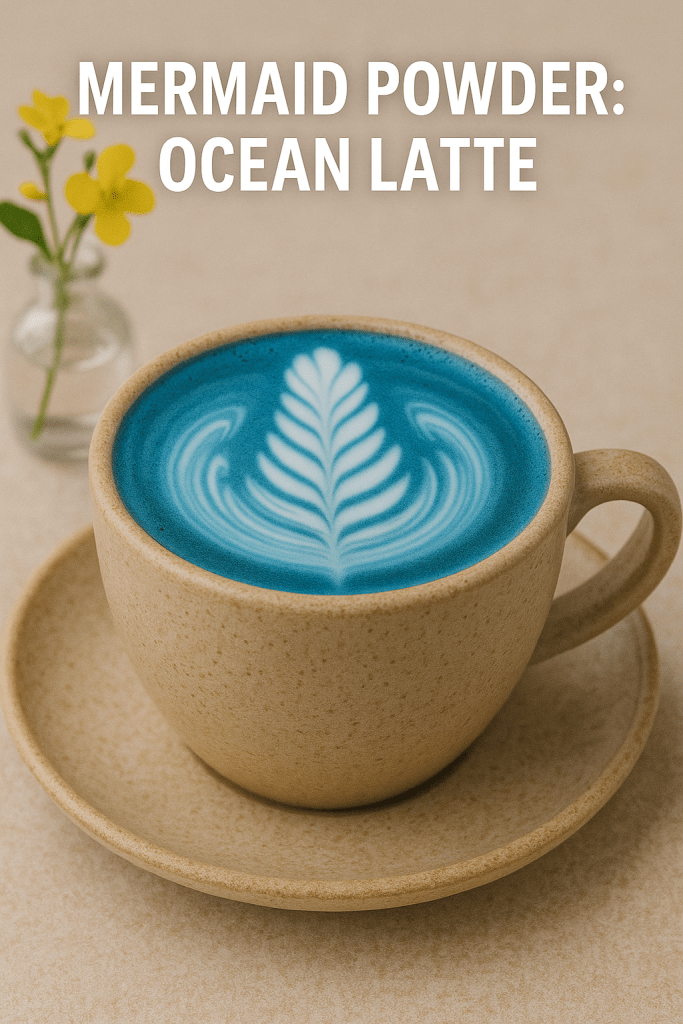
💙Blue Spirulina Benefits: The Mermaid Superfood for Glowing Skin + Gut Health ✨


Discover the gut + skin benefits of blue spirulina! Nurse-approved recipes, glowing skin hacks, and digestion support in one magical blue superfood. 🌊


Have you ever scrolled past those dreamy, ocean-blue smoothie bowls on Instagram and thought, “That can’t possibly taste good”? 🌊 Well, surprise—it not only tastes good, it’s also packed with gut- and skin-loving nutrients.

As a nurse in my fabulous 40s with 22+ years in wound and ostomy care, I’ve seen firsthand how inflammation, gut issues, and skin problems are all connected. Spoiler alert: your skin isn’t just a reflection of your moisturizer—it’s a reflection of your gut health too. And that’s where blue spirulina (aka mermaid powder) comes in.

Today, let’s dive into the real benefits, the research, and my nurse-approved recipes that will make you glow inside and out.


🌊 What Is Blue Spirulina?

Blue spirulina is derived from Arthrospira platensis, a type of blue-green algae. Unlike green spirulina, which has a distinct (read: sometimes fishy) taste, blue spirulina is made from an extract called phycocyanin, giving it a vibrant color and milder flavor.

No, it won’t make your tongue blue permanently (I tested before😉). Instead, it’s a fun, nutrient-packed addition to smoothies, oats, and even lattes.


🔬 Blue Spirulina Benefits Backed by Science

Supports Gut Health

A 2024 review in Nutrients found that spirulina’s bioactive compounds can help reduce gut inflammation and support a healthier microbiome. Less inflammation = less bloating and better digestion. Think of it as a “peacekeeper” for your gut lining.

💡My tip for you: Pair blue spirulina with prebiotic fibers (like flax or chia) to give your gut bacteria the fuel they need.


Glowing Skin from the Inside Out ✨

Antioxidants in blue spirulina, especially phycocyanin, help fight oxidative stress—the same stress that contributes to wrinkles, acne flare-ups, and dull skin.

A 2023 article in Dermatology Times highlighted how diets rich in antioxidants can improve skin barrier function and reduce premature aging signs. Translation: add it to your smoothie and thank yourself when your skin looks like it just had a spa day.


Natural Energy Booster (Without the Jitters) ⚡

Unlike coffee, which can sometimes make us feel like we’re auditioning for a squirrel marathon, blue spirulina provides gentle energy thanks to B vitamins, amino acids, and iron. A small study published in Journal of Applied Phycology (2022) suggested spirulina supplementation improved endurance performance in adults.

💡Tip: Try a blue spirulina protein shake before workouts. Your gut—and your abs—will thank you.


Immune + Anti-Inflammatory Benefits 🛡️

Phycocyanin doesn’t just look pretty—it’s been shown to reduce free radical damage and support immune health (Harvard Health, 2023). For women in their 40s and beyond, lowering systemic inflammation can help with everything from joint pain to stubborn skin flare-ups.


💙 5 Fun Blue Spirulina Recipes

🧜‍♀️ Mermaid Smoothie Bowl

  • 1 frozen banana
  • ½ cup coconut milk
  • 1 tsp blue spirulina
  • 1 tbsp chia seeds
  • Toppings: berries + granola

☕ Ocean Latte

  • Warm almond milk
  • ½ tsp blue spirulina
  • Vanilla extract + honey

🌙 Gut-Friendly Overnight Oats

  • Rolled oats + flaxseed
  • Greek yogurt
  • Swirl in blue spirulina for a magical color boost

🥞 Blue Pancakes

  • Oat flour + eggs
  • ½ tsp blue spirulina for vibrant brunch vibes

💪 Protein Glow Shake

  • Vanilla protein powder
  • Handful of spinach
  • Almond milk + ½ tsp blue spirulina

💡 Nurse Tip: Start with ½ tsp per recipe and adjust to taste—your gut doesn’t need a tidal wave of blue right away.


🩺 Nurse-Approved Tips for Using Blue Spirulina

  • ✅ Always buy pure spirulina extract (no fillers or artificial dyes).
  • ✅ Start small (½ tsp daily) to see how your body reacts.
  • ✅ Pair with gut-friendly foods like flax, chia, or probiotics for synergy.
  • ✅ Store in a cool, dry place—this powder hates humidity more than we hate 12-hour night shifts.

⚠️ Who Should Avoid Blue Spirulina?

  • People with algae allergies.
  • Those with autoimmune conditions (consult your provider).
  • Pregnant or breastfeeding women (limited safety data).

✨ Final Thoughts

Blue spirulina isn’t just an Instagram trend—it’s a clinically backed, antioxidant-rich superfood that supports your gut, skin, and overall wellness. Whether you’re making a mermaid bowl or a latte that looks straight out of a Pinterest board, you’re also giving your body legit anti-inflammatory support.

So, what’s stopping you from adding some blue magic to your morning routine?


⚠️ Disclaimer

(Because I’m a Nurse, Not Your Nurse 😉)
This blog is for general education and entertainment purposes only. Always consult your healthcare provider before making dietary changes.


📌 Keep reading

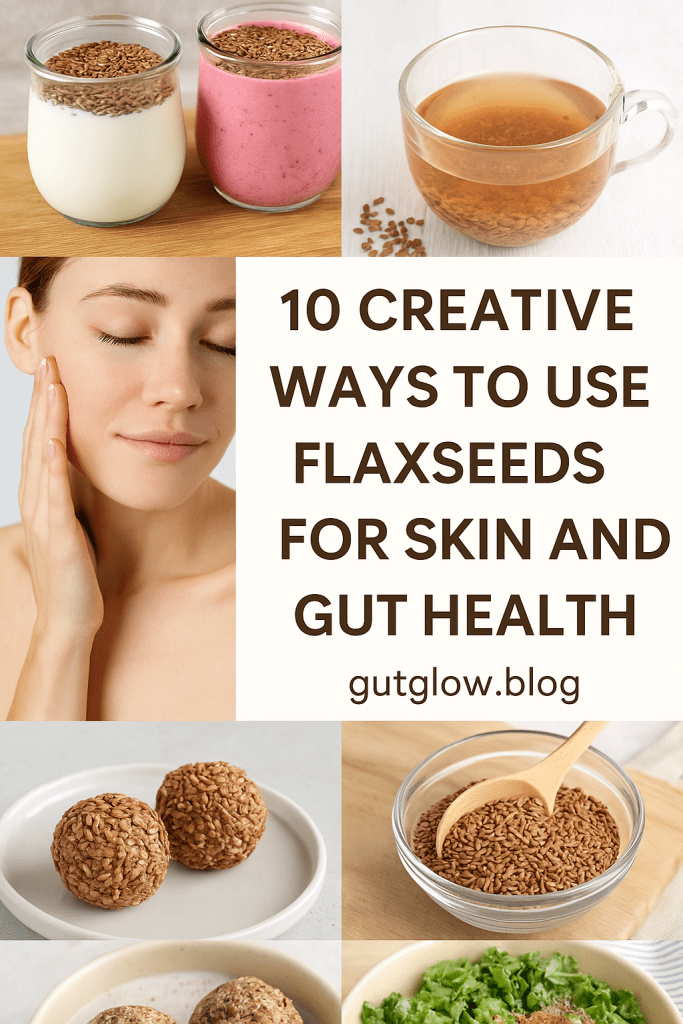
10 Creative Ways to Use Flax Seeds for Skin and Gut Health 🥗✨

From smoothies to baked goods, explore 10 nurse-approved ways to incorporate flax seeds into your diet for better digestion and radiant skin.

Ever wondered why your skin sometimes looks dull despite eating “healthy”? Or why your digestion feels off after a seemingly balanced meal? 😩

As a nurse in my 40s with 22+ years of wound and skin care experience, I’ve seen the gut-skin connection play out in real time. What you eat directly impacts how your skin looks, how your digestion functions, and how your energy flows. Enter flax seeds—tiny nutritional powerhouses that are game-changers for both your gut and your skin.

From adding them to smoothies to baking them into treats, these seeds are versatile, nutritious, and nurse-approved. 🩺✨


Why Flax Seeds Are a Gut & Skin Superfood

Rich in Fiber for Digestive Health

Flax seeds are loaded with soluble and insoluble fiber, which helps regulate bowel movements, feed your good gut bacteria, and prevent bloating. A healthy gut often translates to calmer, clearer skin. 🦠

💡 Smart hacks: Start with 1–2 tablespoons of ground flax seeds daily. Sprinkle them on yogurt, salads, or oats.

Omega-3s for Anti-Inflammatory Support

Flax seeds are one of the best plant-based sources of ALA omega-3 fatty acids, which help reduce inflammation in the gut and skin. Chronic inflammation can worsen acne, eczema, and redness.

💡 Smart hacks: Pair flax seeds with vitamin C-rich foods like berries or citrus to enhance antioxidant absorption. 🍓🍊

Lignans for Hormonal & Skin Balance

Flax seeds are a powerhouse of lignans—phytoestrogens that support hormone balance. Balanced hormones = fewer hormonal breakouts and improved skin elasticity.


10 Creative Ways to Use Flax Seeds

1. Morning Smoothies 🥤

Blend 1–2 tablespoons of ground flax seeds into your smoothie for fiber, omega-3s, and a silky texture. Try pairing with banana, spinach, and a scoop of protein powder.

2. Overnight Oats 🌙

Add flax seeds to your overnight oats for gut-friendly fiber and skin-loving nutrients. Bonus: they help keep you full longer!

3. Yogurt or Chia Parfaits 🍓

Sprinkle ground flax seeds on yogurt or chia pudding. Add fresh fruit and a drizzle of honey for a delicious, anti-inflammatory snack.

4. Homemade Energy Balls ⚡

Mix flax seeds with dates, nuts, and cocoa powder to create portable, nutrient-packed snacks. Perfect for gut health on the go.

5. Salads & Grain Bowls 🥗

Top salads or quinoa bowls with a tablespoon of flax seeds for crunch, fiber, and omega-3s.

6. Baking Boost 🍪

Replace part of your flour with ground flax seeds in muffins, pancakes, or bread. They add moisture, fiber, and a nutty flavor.

7. Flaxseed Crackers 🥖

Mix flax seeds with water, seasonings, and bake into crispy crackers—a crunchy way to support your digestion.

8. Smoothie Bowls & Acai 🍌

Blend flax seeds into your smoothie bowls for extra nutrients and a subtle nutty taste. Top with berries, coconut flakes, or cacao nibs.

9. Soups & Stews 🍲

Stir ground flax seeds into soups or stews as a thickener and nutrient booster. They’re flavor-neutral and gut-friendly.

10. Egg Substitute in Baking 🥚

Use 1 tablespoon ground flax + 3 tablespoons water as a vegan egg replacement in recipes. Great for gut-conscious, skin-supportive baking!

💡 Smart hacks: Always grind flax seeds before use. Whole flax seeds can pass through the digestive system without releasing their full nutrient benefits.


Practical Tips for Maximum Benefits

  • Stay Hydrated: Fiber works best with water. Aim for 8–10 glasses daily. 💧
  • Start Slowly: Too much flax too quickly can cause bloating. Begin with 1 tablespoon and work up.
  • Pair with Probiotics: Yogurt, kefir, or fermented foods help your gut fully utilize flax’s benefits.
  • Consistency is Key: Daily incorporation = healthier gut + glowing skin over time. ✨

Flax seeds are small but mighty. From smoothies to baked goods, adding them to your diet is an easy, nurse-approved way to support your gut-skin connection. 🦠💖

-You can also grind flax seeds and add them to oatmeal, pancakes, smoothies or sprinkle to salads.

What’s your favorite way to use flax seeds? Share in the comments or try one of these 10 recipes this week!

⚠️ Disclaimer (Because I’m a Nurse, Not Your Nurse 😉): This blog is for general education and entertainment purposes only. Consult your healthcare provider before making major dietary changes.


Read more on this topic:

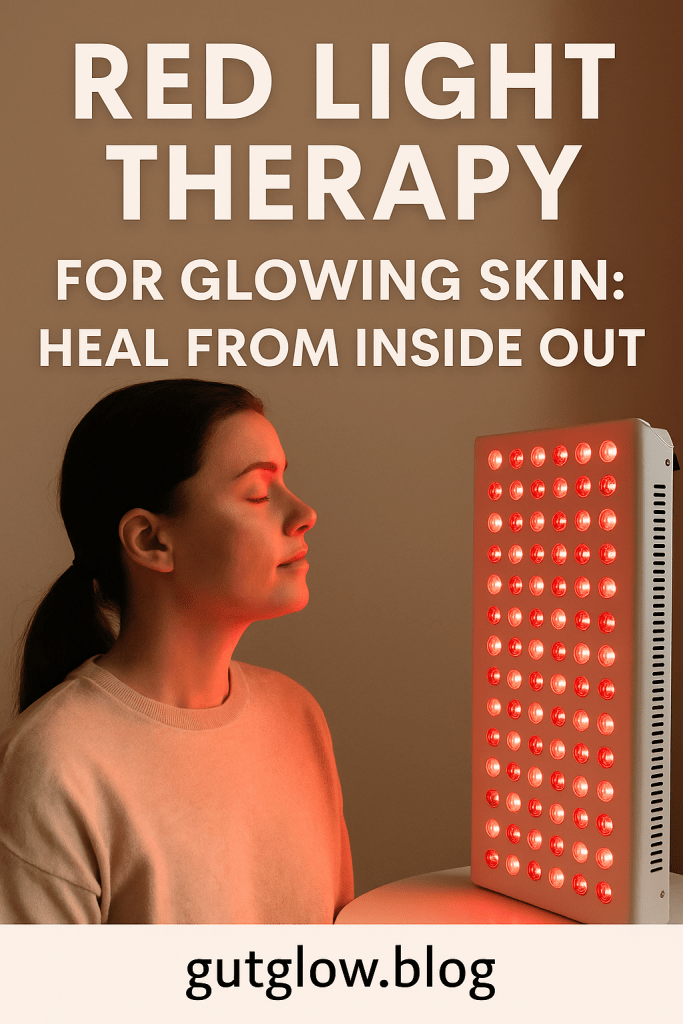
Red Light Therapy for Glowing Skin: Boost Collagen, Calm Inflammation, and Heal from the Inside Out 🔴✨

Discover how red light therapy boosts collagen, repairs skin, and calms inflammation. Nurse-approved tips for glowing skin and a stronger gut-skin connection.


Ever looked in the mirror after a stressful week and thought, “Why does my skin look like it aged five years overnight?” 😩 You’re not alone. As a nurse in my 40s with 22+ years of wound and skin care experience, I’ve seen firsthand how our skin tells the story of what’s happening inside our bodies.

One therapy that’s been getting serious attention in both dermatology clinics and wellness circles is red light therapy (RLT). From collagen production to gut-skin harmony, it’s not just hype—it’s science-backed. A 2021 review in Seminars in Cutaneous Medicine and Surgery highlighted how red and near-infrared light can improve wound healing, reduce inflammation, and stimulate collagen (Goldberg, 2021).

So, let’s talk about how this glowing red light can help you glow from the inside out. ✨


What Exactly is Red Light Therapy? 🔴

RLT uses specific wavelengths of red and near-infrared light to penetrate the skin at different depths. Unlike UV light, it’s not damaging. Instead, it energizes your cells’ mitochondria (aka your body’s battery packs) so they can repair and rejuvenate more efficiently.

Nurse Translation:

Think of RLT as a gentle recharge for your skin and gut cells—like plugging in your phone before the battery dies. 🔋


Skin Benefits: From Collagen to Calmer Skin ✨

1. Collagen Boosting

Collagen is the protein that keeps skin firm and youthful. Starting in your 30s, collagen production drops 1–2% each year (Shuster et al., British Journal of Dermatology, 1975). Red light therapy stimulates fibroblasts, the cells responsible for collagen production, which can reduce wrinkles and improve elasticity.

2. Calming Inflammation

Chronic inflammation is the villain behind acne, rosacea, and even premature aging. A 2017 study in Lasers in Medical Science showed significant improvements in acne severity with regular red light therapy (Lee et al., 2017).

3. Supporting Wound Healing

As a wound care nurse, I love this one! RLT has been shown to accelerate tissue repair and reduce scar formation.

👉 To do: Add RLT to your skincare routine 3–5 times a week for 10–20 minutes. Pair it with a barrier-supporting moisturizer for best results.


The Gut-Skin Connection and Red Light Therapy 🦠

We talk a lot about the gut-brain-skin axis here, and RLT plays a surprising role.

  • Anti-inflammatory Effects: RLT lowers systemic inflammation, which can ease gut irritation and skin flare-ups.
  • Improved Circulation: Better blood flow means nutrients reach your gut lining and skin barrier more effectively.
  • Stress Reduction: Some studies suggest light therapy helps regulate circadian rhythm, improving sleep (and we know poor sleep = cranky gut + dull skin).

📌 Research spotlight: A 2020 article in Photobiomodulation, Photomedicine, and Laser Surgery found that RLT improved gut microbiota balance in animal models, suggesting potential benefits for humans (Yu et al., 2020).

👉 To do: Combine RLT with gut-friendly foods like kefir, chia seeds, and leafy greens to maximize the glow-up from the inside out.


Practical Tips for Using Red Light Therapy 💡

  • At Home Devices: Look for FDA-cleared panels or masks. Consistency is more important than intensity.
  • Timing: Best used in the evening—it mimics sunset and can promote melatonin production.
  • Skincare Pairings: Apply RLT on clean, bare skin. Follow with hydrating serums or ceramide creams.
  • Gut-Skin Routine: Pair your RLT time with sipping green tea or a probiotic smoothie—two habits, one glow. ✨

Nurse’s Notes: Real Talk 🩺

I started using RLT during the pandemic (because who didn’t buy random wellness gadgets in 2020?). To my surprise, my skin looked calmer, and even my digestion felt smoother on weeks I was consistent. Could it all be placebo? Maybe. But the science + personal experience combo makes me a believer.

What about you—have you tried RLT yet? 🔴


Conclusion

Red light therapy isn’t a magic wand, but it’s a powerful tool to support your skin and gut health naturally. By boosting collagen, calming inflammation, and enhancing your body’s repair systems, it helps you glow from the inside out.

⚠️ Disclaimer (Because I’m a Nurse, Not Your Nurse 😉): This blog is for general education and entertainment purposes only. Always consult your healthcare provider before starting new therapies.


You might also like:

Cortisol Chaos: How Stress Hormones Sabotage Your Gut, Skin, and Aging (and What You Can Do About It)

Chronic stress wrecks more than your mood—it impacts your gut, skin, and aging. Discover nurse-approved tips to calm cortisol, improve digestion, and restore your glow.

When was the last time you had a stress breakout before a big event? Or found yourself bloated and exhausted after a tough week? 🙋‍♀️ As a nurse in my 40s with 22+ years of wound and skin care experience, I’ve seen how stress doesn’t just live in your head—it shows up in your gut and your skin.

Here’s the sciencey part (but don’t worry, I’ll keep it fun): your stress hormone, cortisol, is a double-edged sword. While it’s essential in short bursts (hello, survival mode 🏃‍♀️💨), chronic cortisol chaos can lead to breakouts, premature aging, gut dysfunction, and even stubborn belly fat. And yes, that means your “Sunday scaries” could literally be messing with your skin barrier.

Let’s dive into the gut-brain-skin axis and uncover how stress sabotages your health—and more importantly, what you can do about it.


Stress, Cortisol, and Your Gut 🦠

When you’re stressed, your brain signals your adrenal glands to pump out cortisol. In the short-term, this helps you power through. But chronic stress? That’s where the trouble begins.

How Cortisol Affects Your Gut:

  • Slows Digestion: Chronic stress reroutes blood flow away from your gut, causing bloating, constipation, or diarrhea.
  • Disrupts Microbiome Balance: High cortisol reduces beneficial gut bacteria, which can trigger inflammation.
  • Increases Gut Permeability: Also known as “leaky gut,” this allows toxins to seep into your bloodstream and fuel inflammation (Kelly et al., Frontiers in Psychiatry, 2015).

👉 Ever notice more bloating, reflux, or “nervous poops” before a big presentation? Yep, that’s cortisol at work.

To-do: Support your gut by eating prebiotic-rich foods like oats, asparagus, and garlic. Pair with probiotic-rich options like kefir or kimchi for extra microbiome love.


Stress, Cortisol, and Your Skin ✨

Your skin and gut are BFFs. When your gut is inflamed, your skin often cries out with acne, redness, or dryness.

How Cortisol Shows Up on Skin:

  • Breakouts & Oil Production: Cortisol spikes oil gland activity, leading to acne (Zouboulis, Dermato-Endocrinology, 2009).
  • Collagen Breakdown: Stress hormones accelerate collagen loss, fueling wrinkles and sagging.
  • Barrier Dysfunction: Chronic stress weakens your skin barrier, making it more sensitive and reactive.

👉 Translation: Your stressed-out brain can literally make you look older and duller. Rude, right?

Next move: Build a skin barrier routine—think gentle cleanser, ceramide moisturizer, and SPF. Add in stress-busting adaptogens like ashwagandha (always check with your provider first!).


The Gut-Brain-Skin Axis: A Stress Highway 🚦

The gut-brain-skin axis is the communication loop between your digestive system, nervous system, and skin. Stress disrupts this loop, causing a ripple effect: gut inflammation → systemic inflammation → skin flare-ups.

📌 Research spotlight: A 2020 article in Experimental Dermatology highlighted how stress-induced microbiome changes worsen acne, eczema, and psoriasis (Huang & Chen, 2020).

To-do: Try mindful eating. Slowing down your meals helps digestion, calms your nervous system, and lowers cortisol. Bonus: you actually taste your food. 😋 For more tips on barrier repair, don’t miss my nurse-approved skin barrier tips (and the gut connection you’re probably ignoring). 😋


Stress-Soothing Solutions You Can Actually Do 🙌

Food & Gut Care

  • Add chia seeds, flax, and leafy greens for fiber + omega-3s
  • Hydrate like it’s your job (aim for 2–3 liters a day 💧)
  • Limit ultra-processed foods that fuel inflammation

Movement

  • Gentle workouts like yoga, pilates, or walking lower cortisol
  • High-intensity exercise is great but balance it with recovery days

Sleep

  • Aim for 7–9 hours of quality sleep
  • Keep a wind-down routine (no scrolling in bed 📱❌)

Mindset & Relaxation

  • Deep breathing and meditation lower cortisol in minutes
  • Journaling can help offload stress onto paper instead of your skin

Stress may be inevitable, but cortisol chaos doesn’t have to control your gut or your glow. By nourishing your gut, caring for your skin barrier, and finding simple ways to lower stress, you can reset the gut-brain-skin axis in your favor. 🌿

So tell me—have you noticed your skin flares up when you’re stressed? Share your story in the comments!

⚠️ Disclaimer (Because I’m a Nurse, Not Your Nurse 😉): This blog is for general education and entertainment purposes only. Always consult with your healthcare provider before making changes to your routine.

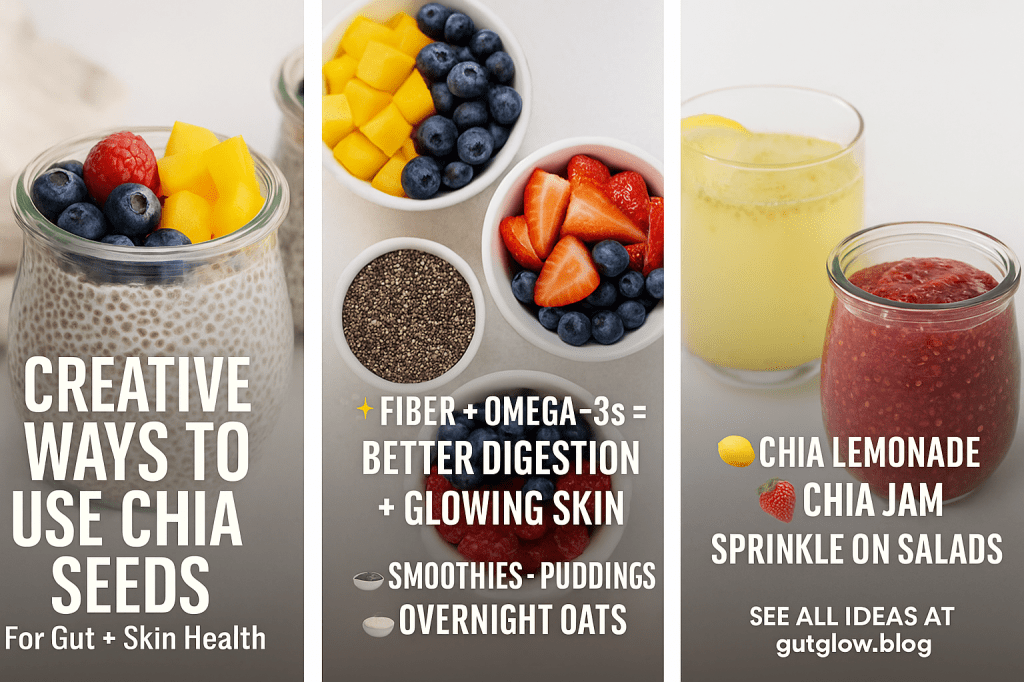
10 Creative Ways to Use Chia Seeds for Gut and Skin Health: Nurse-Approved Tips for Glowing Skin and Happy Digestion 🥣✨

Discover 10 nurse-approved ways to use chia seeds for gut health, glowing skin, and overall wellness. Easy recipes, tips, and research-backed benefits!

Ever wonder why chia seeds are hailed as a “superfood” beyond the trendy Instagram bowls? 🥣 As a nurse in my 40s with 22+ years in nursing, I’ve seen firsthand how gut health influences skin, energy, and overall wellness. Chia seeds may be tiny, but they pack a punch for digestion, hydration, and anti-aging benefits.

In this article, I’ll share 10 creative ways to use chia seeds to support your gut, calm inflammation, and promote healthy, glowing skin. Think of it as a nurse-approved guide to eating your way to a happier belly and radiant skin—without boring recipes or gimmicks!

1. Chia Seed Pudding – The Classic Gut Glow Breakfast

  • Why it works: Soaked chia seeds are rich in soluble fiber that supports healthy digestion and feeds your microbiome 🦠.
  • Mix 3 tbsp chia seeds with 1 cup unsweetened almond or oat milk, let sit overnight, add berries for antioxidants. 🥛
  • “I started my mornings with this pudding, and within a week, I noticed less bloating and smoother skin texture—goodbye morning puffiness!”

2. Smoothie Booster – Add a Spoonful for Skin & Gut

  • Blend 1–2 tbsp chia seeds into your morning smoothie.
  • Helps stabilize blood sugar, which can reduce acne flare-ups caused by insulin spikes.🍌🥬

3. Chia Egg – A Vegan Baking Hack 🥚

  • Mix 1 tbsp chia seeds + 3 tbsp water, let sit 10 mins = 1 egg replacement.
  • Adds fiber and omega-3s for gut-friendly baking.
  • Omega-3s can reduce systemic inflammation, improving skin conditions like eczema.

4. Chia-Infused Water – Hydration Hero 💧

  • Add 1 tsp chia seeds to a glass of water with lemon 🍋.
  • Seeds absorb water, keeping you hydrated longer, aiding skin elasticity.

5. Yogurt or Oat Topper

  • Sprinkle chia seeds on yogurt or oatmeal for a fiber and protein boost.
  • Supports beneficial gut bacteria and slows digestion to keep energy steady.

6. Homemade Energy Bars

  • Mix chia seeds with dates, nuts, and dark chocolate for gut-friendly snacks.
  • Great pre- or post-workout snack to support digestion and skin repair.

7. Chia Jam – No Sugar Needed 🍓

  • Cook berries + chia seeds for 10 mins = natural jam.
  • Keeps sugar low (reduces skin inflammation) while providing antioxidants for your glow.

8. Chia Seed Face Mask – Topical Benefits

  • Mix chia seeds with honey and yogurt for a gentle, anti-inflammatory mask.
  • Hydrates skin and calms redness.

9. Salad Booster – Crunch & Gut Love 🥬

  • Sprinkle chia seeds over salads for crunch + omega-3s.
  • Supports skin barrier health and gut flora.

10. Soup & Stew Thickener

  • Stir chia seeds into soups or stews to naturally thicken while adding fiber.
  • Promotes fullness and nourishes gut microbiome.

Chia seeds are small, but mighty 🌟. From breakfasts to skincare masks, these tiny seeds can make a big difference for digestion, inflammation, and glowing skin. Start with one or two ideas this week and see how your gut—and skin—responds!

💬 I’d love to hear from you: Have you tried chia seeds for your gut or skin? Which method is your favorite?

⚠️ Disclaimer (Because I’m a Nurse, Not Your Nurse 😉) This blog is for general education and entertainment purposes only. Always consult your healthcare provider before making significant changes to your diet or wellness routine.


The Anti-Bloat Workout Plan: Flatten Your Belly from the Inside Out 🥦💪✨


Struggling with constant bloating and stubborn belly puff? Discover the anti-bloat workout plan designed to flatten your belly from the inside out—through gut health, core-strengthening moves, and skin-loving foods. Nurse-approved strategies to reduce inflammation, improve digestion, and glow from the inside out.


Why Your Belly Feels Puffy (and Why It’s Not Always Fat) 🌸

Let’s be real: sometimes that bloated belly has nothing to do with crunches and everything to do with your gut.

As a nurse with 22 years of experience (and plenty of “been there, bloated that” personal stories), I can tell you this: your digestive system is the ultimate boss of how flat—or puffy—your belly looks.

  • Poor gut health = inflammation + sluggish digestion = bloating.
  • Good gut health = smoother digestion + stronger core = flatter tummy and clearer skin.

👉 And here’s the kicker: your gut health doesn’t just affect your jeans—it also impacts your skin barrier, acne, rosacea, and even premature aging. (Check out my post on gut health and acne for a deep dive.)


The Gut-Skin-Bloat Connection 🧠🦠✨

Recent research has been shining a bright light on the gut-skin axis—the communication superhighway between your microbiome and your skin.

📊 A 2023 study in the journal Nutrients found that people with diverse gut microbiomes reported fewer digestive issues, lower bloating, and improved skin hydration.

That means your daily choices—what you eat, how you move, how much water you drink—are literally written on your belly and your face.


Step 1: Eat for a Flatter Belly (and Better Skin) 🥗🌈

You can’t out-crunch a bad gut. Your first anti-bloat move starts in the kitchen.

Gut-Friendly, Debloat Superfoods:

  • High-fiber veggies (broccoli, Brussels sprouts, spinach): fuel your microbiome and keep you regular. 🚽✨
  • Fermented foods (yogurt, kefir, kimchi, sauerkraut): add probiotics that calm inflammation.
  • Berries (blueberries, raspberries, strawberries): antioxidants fight free radicals that age your skin.
  • Ginger & peppermint: natural bloating busters.
  • Hydrating foods (cucumber, watermelon, celery): flush excess sodium and puffiness.

🙅‍♀️ Skip or limit: carbonated drinks, processed sugars, artificial sweeteners (like sorbitol), and fried foods—they’re like bloat bombs waiting to go off.

💡 Check on my post fiber as fitness fuel for more in-depth gut-food tips.


Step 2: The Anti-Bloat Workout Plan 🧘‍♀️💪

Here’s the part you’ve been waiting for—the workout moves that actually help you de-puff, flatten your belly, and support your gut.

1. Deep Breathing & Diaphragmatic Exercises

  • Helps stimulate the vagus nerve, calming the gut-brain axis.
  • Reduces stress-induced bloating.

2. Yoga Poses for Digestion (do 5–10 minutes after meals)

  • Seated Twist: massages intestines, aids motility.
  • Happy Baby: stretches pelvic floor, relieves gas.
  • Cat-Cow: improves circulation to the digestive organs.

👉 I wrote a full post on yoga for digestion you can dive into for a full flow.

3. Low-Impact Cardio (walking, cycling, swimming)

  • Moves food through the digestive tract.
  • Keeps lymphatic system flowing (bye-bye, water retention).

4. Core-Strengthening Moves

Forget endless crunches. Focus on functional core moves that support posture, digestion, and overall belly strength.

  • Planks (start with 20–30 sec holds) I know, holding a plank is basically questioning your life choices
  • Bird-dogs
  • Dead bugs

Pro tip from your nurse in her 40s: Strengthening your core doesn’t just flatten your tummy—it protects your back and improves circulation to your gut.


Step 3: Hydration = Debloat Magic 💧

Most people think they’re bloated from water—but bloating is often a sign of not enough water.

  • Aim for 8–10 cups daily, more if you sweat a lot.
  • Add lemon, cucumber, or mint for a refreshing, skin-boosting twist.
  • Herbal teas (peppermint, chamomile, fennel) = double win for gut soothing.

💡 Did you know? Skin hydration starts from the inside. Studies show well-hydrated skin maintains elasticity better (yes, fewer wrinkles 👏).


Step 4: Stress Less, Debloat More 😌🧘‍♀️

Stress hormones mess with digestion, slow gut motility, and trigger inflammation. That equals bloat and breakouts.

Simple de-stress hacks:

  • Journaling before bed 📝
  • 5–10 minutes of guided meditation or breathwork
  • Walking outside in natural light

👉 I’ve seen patients with IBS improve dramatically just by focusing on stress reduction alongside diet and exercise.


My Personal Story: From Puffy Nurse to Flat-Belly Flow 🌿

Here’s a real-life example: a few years ago, I was working back-to-back hospital shifts, running on coffee and vending machine snacks. My belly? Permanently puffy. My skin? Breaking out like I was 15 again. OMG

When I finally slowed down, started meal prepping gut-friendly foods, adding yoga flows, and actually drinking my water—I saw massive changes. My digestion calmed down, my belly smoothed out, and my skin looked happier than ever.

If it worked for me (a stressed-out nurse with a love for chips and queso), it can work for you too.


Step 5: Consistency Beats Perfection 🕰️

This isn’t about being perfect—it’s about small, consistent shifts:

  • Swapping soda for tea. Matcha is my favorite 🌸
  • Adding a 10-minute walk after dinner.
  • Reaching for Greek yogurt instead of chips.

Your gut and skin thrive on patterns, not perfection.


The Anti-Bloat Glow-Up: Skin Wins Too ✨

Here’s the fun part: once you improve gut health and reduce bloating, your skin often reflects the benefits:

  • Clearer complexion
  • Fewer inflammatory breakouts
  • Less redness and puffiness
  • Stronger, healthier barrier function

Yes, your abs will thank you—but so will your face!


Final Thoughts: Flatten Your Belly from the Inside Out 🌸

The anti-bloat workout plan isn’t about chasing a six-pack—it’s about reducing inflammation, calming digestion, and supporting skin health at the same time.

Your belly isn’t just about core strength. It’s a reflection of your gut health, your hydration, your stress, and your daily habits.


💬 Your Turn:
Have you noticed changes in your skin when your digestion is off—or improvements when your gut feels happy? Share your story in the comments—I’d love to hear your experience!


👉 Related posts you might love:

⚠️ Disclaimer (Because I’m a Nurse, Not Your Nurse 😉):
This blog is for general education and entertainment purposes only. It’s not a substitute for medical advice. Always consult your healthcare provider before making big changes to your diet, workout, or skincare routine.

💪 Fiber = Fitness Fuel: The Gut-Healthy Secret to Better Workouts, Better Poops, and a Tighter Core


Discover how fiber boosts your fitness, digestion, and skin health! This nurse-approved guide shares the gut-skin connection, best high-fiber foods, and how to fuel your workouts (and your bowel movements) naturally. Let’s talk fiber, fitness, and 💩—with science and sass.


Wait, Fiber for Abs?! Why Your Poop Game Affects Your Core Strength

If you thought fiber was just for your grandma’s breakfast cereal—think again. 💥 Whether you’re crushing workouts, trying to beat the bloat, or aiming for radiant skin, fiber is your underrated MVP.

As a nurse in my 40s who’s obsessed with all things skin, gut, and wellness (and yes, poop too 💩), I’m here to tell you: fiber is not just for digestion—it’s your fitness fuel. And it could be the missing link between your glow-up and go-up at the gym.


The Gut-Skin-Fitness Triangle 🔺

You’ve heard of the gut-skin connection, but let’s take it a step further. Your gut, skin, and muscles are part of a powerful ecosystem.

  • Gut health influences nutrient absorption, inflammation, and hormones.
  • Healthy digestion reduces bloating and helps regulate your core.
  • Fiber supports stable energy levels, clearer skin, and regular poops (yes, we’re celebrating bowel movements here).

🧠 A 2023 review in the journal Nutrients found that a high-fiber diet improves metabolic health, reduces inflammation, and positively impacts the skin via microbiome modulation.


Fiber: The Real Pre-Workout

Forget mystery powders. Soluble and insoluble fibers work together like a fitness duo:

🥬 Soluble Fiber:

  • Found in oats, apples, chia seeds
  • Feeds your gut bacteria (a.k.a. your microscopic hype squad)
  • Balances blood sugar, keeping you energized

🌾 Insoluble Fiber:

  • Found in whole grains, flax, veggies
  • Keeps things moving 💨
  • Helps eliminate toxins and reduce constipation bloat

⚠️ Constipation causes sluggishness and can make your abs disappear under bloating. A backed-up gut = backed-up workouts.


The Skin-Fiber Connection: Poop = Glow

Okay, not directly, but here’s the deal.

When waste isn’t eliminated efficiently, toxins can recirculate in your system. Cue: acne, dull skin, inflammation. 😩

By helping you poop regularly, fiber reduces that toxic load and supports:

✅ Balanced hormones
✅ Less gut inflammation
✅ Reduced skin flare-ups (especially around the jawline and chin)

📊 A 2022 study in the Journal of Dermatological Science showed that improving gut microbiota diversity (via fiber intake) reduced acne severity in adult women.


My Personal Gut-Glute-Fiber Story 🍑

Let me keep it real: I used to get bloated every time I tried to “eat clean.” My abdomen? Hiding behind inflammation. My energy? Tanked. And let’s just say my poops were less-than-legendary.

Enter: fiber.

I upped my soluble fiber from things like chia seeds and berries, added flax to my protein shakes, and boom—bloating gone, energy up, skin clear, and my abdomen started to behave better.

And yes, I now celebrate my daily “smooth exit” like a small win. 💩✨


Best High-Fiber Foods for Fitness and Skin 🥗

FoodFiber TypeBenefits
Chia seedsSolubleGut microbiome booster, keeps you full
OatsSolubleBlood sugar control, great for pre-workout
LentilsInsolublePromotes regularity, protein-rich
Avocado 🥑BothGlowing skin, healthy fats, gut-loving
RaspberriesInsolubleHigh in antioxidants and fiber
FlaxseedSolubleHormone balance, skin clarity
Sweet potatoes 🍠InsolubleSupports digestion, energy for workouts

💡 Try adding 1 tbsp of ground flax to your oatmeal or smoothies—it’s a total gut-skin win.


Quick Gut-Friendly Fiber Pre-Workout Bowl 🥣

BONUS RECIPE: Glow & Go Chia Oats

Ingredients:

  • 1/2 cup rolled oats
  • 1 cup oat milk
  • 1 tbsp chia seeds
  • 1/2 banana, mashed
  • 1 tsp cinnamon
  • 1 tbsp almond butter
  • Handful of berries

Mix, soak overnight, and eat before your workout. Your gut—and your glutes—will thank you. 🍓💪


Internal Links You’ll Love:


Reader Testimonial 💬

“I started adding more fiber to my diet because of your blog, and WOW. Not only do I feel less bloated, but my skin is clearing up and I feel stronger during workouts. Game-changer!” – Melissa, 41


So, Is Fiber Your Secret Weapon? 🦸‍♀️

Absolutely. It’s free, it’s powerful, and it works from the inside out.

Fiber:

  • Cleans out your gut
  • Fuels your workouts
  • Supports your glow
  • Helps you poop like a champ

Talk to Me 👇

What’s your favorite gut-friendly fiber food? Have you noticed changes in your skin or workouts after adding more fiber to your diet?

Let’s get chatty in the comments or come find me on Pinterest 💬🧡


Final Thoughts:
If you’re working on your abs, your workouts, or your glow, don’t overlook fiber. It’s not flashy, but it’s powerful. Especially when paired with hydration, movement, and a gut-healthy mindset.

This isn’t just another wellness trend. It’s biology. It’s real. And as a nurse in her fabulous 40s, I’m here to remind you: you don’t need a detox—you need fiber and water. 😉


⚠️ Disclaimer (Because I’m a Nurse, Not Your Nurse 😉)

This blog is for general education and entertainment purposes only. While I am a wound and ostomy nurse with 22 years of experience, please consult your healthcare provider for personalized medical advice.

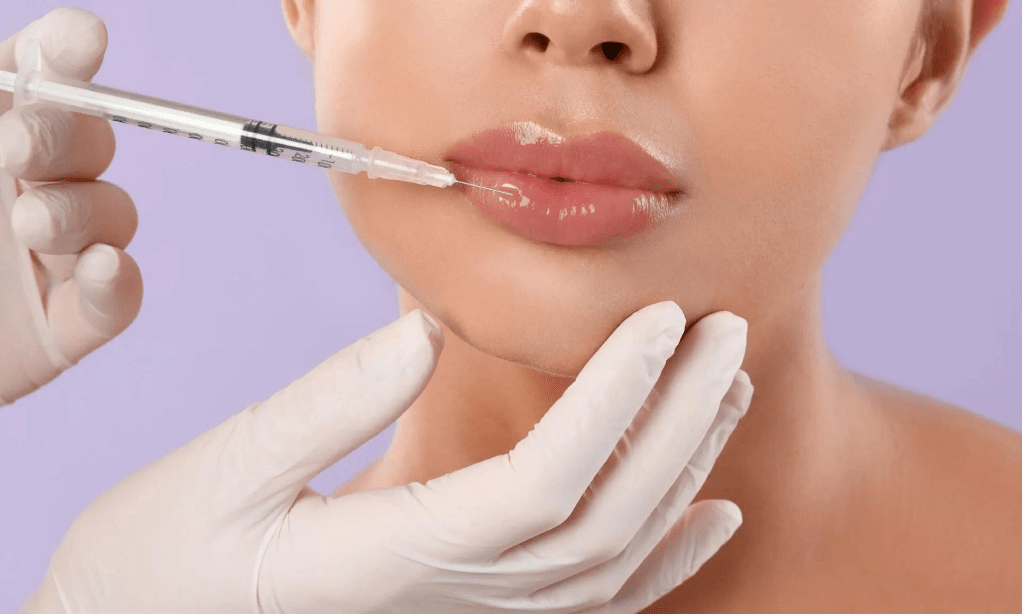
💉 Botox for Beginners: Nurse-Approved Truths About Wrinkles, Gut Health, and Real Glow-Ups


Curious about Botox but don’t know where to start? Get the nurse-approved breakdown of what Botox really does, how it affects skin aging, and how your gut health plays a surprising role in wrinkle prevention.


So… You’re Thinking About Botox? 👀

You’ve tried peptides, hyaluronic serums, gua sha, LED masks—and yet, those forehead lines keep waving back at you in every selfie.
Welcome to your Botox curious era—and you are so not alone.

As a wound and ostomy nurse in her fabulous 40s with a passion for skincare, gut health, and glow-ups that go deeper than the dermis, I’m here to tell you the stuff no one really breaks down:
🧠 Botox is effective
💉 It’s safe when done right (with a professional)
🧘‍♀️ But it’s not magic—and your gut and lifestyle matter more than you think

This post will cover what Botox actually does, what beginners need to know, and how your microbiome, hydration, and nutrition can make or break your Botox results.


🤔 What Even Is Botox, Anyway?

Botox is the brand name for Botulinum toxin type A, a purified neurotoxin that temporarily blocks muscle contraction. Translation?
No muscle movement = no wrinkle formation = smoother skin.

It’s FDA-approved for cosmetic use in the:

  • Glabella (frown lines between brows)
  • Crow’s feet (squinty smile lines)
  • Forehead lines
    …and medically approved for things like migraines and excessive sweating too.

It does not fill or plump anything. (That’s filler. Different convo.)


🧠 The Science: Wrinkles, Muscles & Microbiomes

Wrinkles come from repetitive movement and a breakdown of collagen and elastin over time.
Botox prevents the movement part, but did you know:

👉 Collagen loss is heavily influenced by inflammation—and where does chronic inflammation often start? Yep, the gut.

A 2022 review in Nutrients noted that gut dysbiosis contributes to systemic inflammation, which accelerates:

  • Skin thinning
  • Loss of elasticity
  • Slower wound healing
  • Oxidative stress (aka wrinkle fuel)

So yes—Botox can help smooth out the outside. But if your insides are inflamed? That needle’s working overtime.


💩 Botox + Gut Health: A Weird but Important Combo

Gut health affects:

  • Skin texture
  • Hydration retention
  • Collagen production
  • Hormone balance (looking at you, cortisol and estrogen)

And all of those impact how well Botox works and lasts.

Gut Tips That Make Your Botox Work Better:

🥦 Eat more prebiotic foods like garlic, oats, bananas
🥛 Add probiotic-rich items like kefir, sauerkraut, and yogurt
💧 Stay well hydrated—dry skin = faster wrinkle reformation
🍫 Load up on polyphenols (think green tea, berries, dark chocolate)

💡 Internal link idea: Read “How a Healthy Gut Can Transform Your Skin and Hair Naturally”


💉 First Botox Appointment: What to Expect (From a Nurse’s POV)

Here’s what really happens when you get Botox:

✅ Before:

  • Avoid NSAIDs, fish oil, alcohol 24–48 hrs before to reduce bruising
  • Clean face, no makeup
  • Chat with your injector about goals, not just wrinkles
  • Be honest about any health conditions or supplements

💉 During:

  • Tiny needle pokes (you’ll survive!)
  • Procedure takes 5–10 minutes
  • No numbing needed (it’s quick!)

🕐 After:

  • No touching or rubbing the area for 4 hours
  • Skip workouts, facials, and massages for 24 hrs
  • Full results in 7–14 days
  • Lasts about 3–4 months (your mileage may vary)

🥗 Best Gut-Friendly Foods to Pair with Botox

FoodGut BenefitSkin Impact
Bone BrothCollagen + amino acidsFirms skin, hydrates joints
SauerkrautProbioticsCalms redness, supports barrier
BerriesPolyphenols + antioxidantsProtects from oxidative stress
FlaxseedOmega-3s + fiberHydrates skin, reduces inflammation
AvocadoHealthy fatsKeeps skin plump and moisturized
Green TeaAnti-inflammatoryFights skin aging

💡 Internal link: Check out my post on Skin Barrier Tips (and Why Your Elbows Need Love Too)


💡 Common Botox Myths—Nurse Debunked!

❌ “It will freeze your face.”

✅ Nope. If done correctly, Botox softens movement, not stops it. (Your eyebrows will still work!)

❌ “You’ll be addicted.”

✅ Botox is not addictive. You might love the results, but it doesn’t cause dependency.

❌ “I’m too young or too old.”

✅ Preventative Botox in your 30s or early 40s is common, and late-starters can still benefit! What matters is muscle strength, skin quality, and your goals.


✍️ Let’s Talk About It: Botox + Gut Glow Combo

Have you tried Botox? Thinking about it?
Do you focus on gut health to boost your skincare results?

👇 Drop your questions or experiences in the comments—I’d love to hear your story!


💬 Final Thoughts: Wrinkles, Wellness, and What Actually Works

Botox can soften lines, but real radiance? That comes from treating your gut like gold, staying hydrated, fueling your skin from the inside, and using clinical treatments wisely.

Whether you choose to smooth, smile-line proudly, or both—make it your choice.
And remember: Beauty isn’t just skin deep—it’s gut deep too.


💚 Related Posts You’ll Love:

⚠️ Disclaimer (Because I’m a Nurse, Not Your Nurse 😉)

This blog is for general education and entertainment purposes only. It’s not intended to diagnose, treat, or offer personal medical advice. Always consult with your licensed provider or board-certified injector for individualized care.