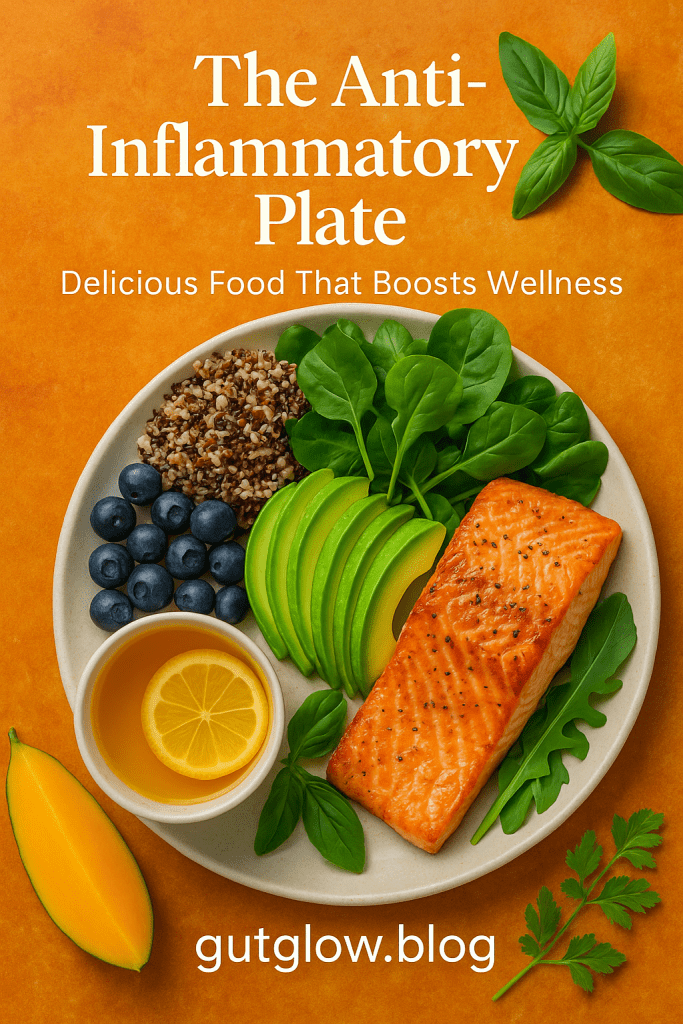
The Anti-Inflammatory Plate: Delicious Foods That Fight Inflammation and Boost Wellness 🥦✨

“Discover nurse-approved anti-inflammatory foods that support gut health, reduce inflammation, and promote glowing skin 🌿🥗. Your healing plate starts here!”


Ever notice how certain foods make you feel bloated, tired, or even trigger skin flare-ups? 😅 As a nurse with over 22 years of experience in wound, ostomy, and skin care, I can tell you: what you eat directly affects gut health, inflammation, and skin wellness.

Enter the anti-inflammatory plate—a simple, delicious way to eat your way to better digestion, glowing skin, and overall vitality. Research in Nutrients (2022) shows that diets rich in anti-inflammatory foods can reduce chronic inflammation, support gut microbiome diversity, and even improve skin elasticity.

Let’s break down my go-to anti-inflammatory foods and actionable tips to create a healing plate that works in real life (yes, even on busy weekdays 🥗✨).


🥦 What is an Anti-Inflammatory Diet?

An anti-inflammatory diet focuses on foods that reduce chronic inflammation in the body, which is often linked to:

  • Digestive issues (IBS, bloating)
  • Skin flare-ups (acne, eczema, rosacea)
  • Joint pain or stiffness
  • Low energy and premature aging

Glow tip:

I’ve seen countless patients improve gut and skin health simply by shifting to anti-inflammatory foods—no magic pills required.


🌱 Key Anti-Inflammatory Foods I Swear By

1. Leafy Greens

  • Spinach, kale, Swiss chard
  • High in magnesium, which helps calm inflammation
  • Packed with antioxidants for skin repair

2. Berries

  • Blueberries, strawberries, raspberries
  • Rich in polyphenols, fighting oxidative stress
  • Great for gut microbiome diversity

3. Fatty Fish

  • Salmon, sardines, mackerel
  • High in omega-3s, reducing inflammation and promoting glowing skin
  • Supports joint health

4. Nuts & Seeds

  • Walnuts, almonds, chia, flax
  • Provide healthy fats and fiber, improving digestion
  • Helps reduce inflammatory markers in the blood

5. Fermented Foods

  • Kefir, yogurt, kimchi, sauerkraut
  • Boost probiotics, balancing gut bacteria
  • Linked to reduced skin flare-ups (acne, eczema)

6. Herbs & Spices

  • Turmeric, ginger, garlic, cinnamon
  • Natural anti-inflammatory compounds
  • Easy to add to meals without extra calories

🥗 How to Build Your Healing Plate

  1. 50% vegetables & fruits → Mix colors for maximum nutrients
  2. 25% lean protein or fatty fish → Anti-inflammatory and satiating
  3. 25% whole grains or legumes → Fiber for gut health
  4. Add healthy fats & seeds → Olive oil, nuts, chia/flax
  5. Season with anti-inflammatory herbs & spices → Flavor + functional benefits

⚡ Gut Tip: Use meal prepping hacks to make anti-inflammatory meals quick and stress-free.


🌿 Lifestyle Habits That Boost Your Plate

  • Hydration 💧 → Supports digestion, skin elasticity, and detox pathways
  • Regular movement 🏃‍♀️ → Circulation boosts nutrient delivery and reduces inflammation
  • Stress management 🧘‍♀️ → Cortisol spikes can negate the benefits of anti-inflammatory foods
  • Sleep 😴 → Healing, skin repair, and hormone balance

🥄 Nurse-Approved Recipes & Snack Ideas

  • Berry + spinach smoothie with kefir and flax
  • Salmon salad with kale, walnuts, and olive oil dressing
  • Overnight oats with cinnamon, berries, and chia seeds
  • Kimchi and veggie stir-fry with turmeric-infused oil

Key Takeaways

  • Anti-inflammatory foods reduce inflammation, improve gut health, and support glowing skin.
  • Focus on colorful fruits, veggies, fatty fish, nuts, seeds, and fermented foods.
  • Small, consistent lifestyle habits amplify the benefits of your healing plate.

💬 What’s your favorite anti-inflammatory food or recipe? Share in the comments—I love swapping ideas!

⚠️ Disclaimer (Because I’m a Nurse, Not Your Nurse 😉): This blog is for general education and entertainment purposes only. Consult your healthcare provider before making major dietary changes.


Your next read is waiting… click below! ⬇️

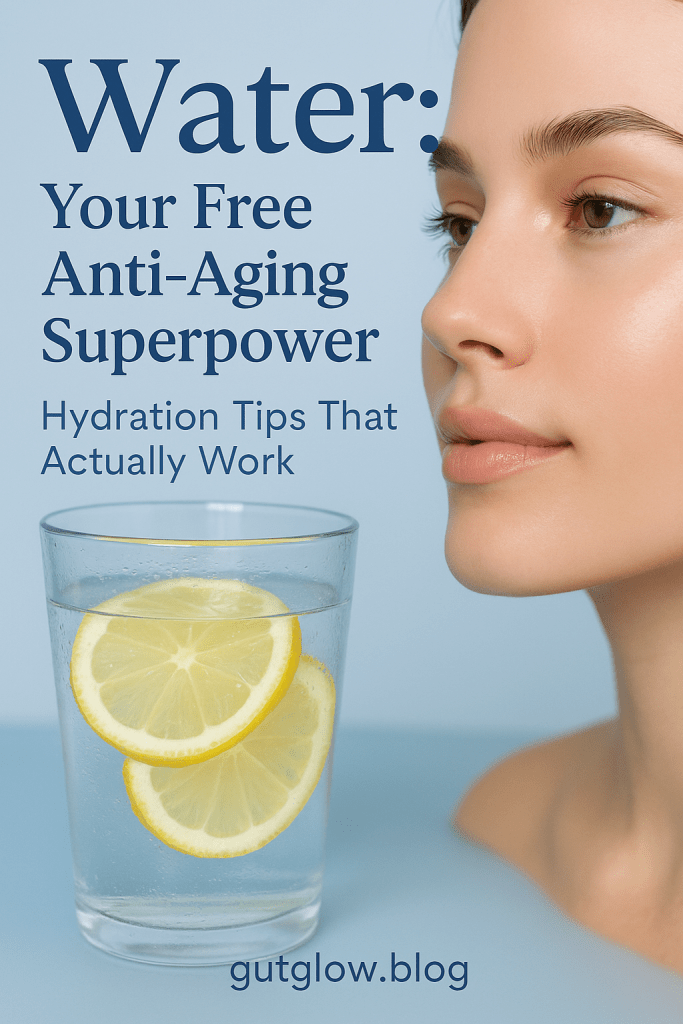
Water: 💦🌸 Your Free Anti-Aging Superpower (Hydration Tips That Actually Work) 🥤✨


“Hydration is your secret anti-aging weapon! 💦 Discover nurse-approved tips for glowing skin, gut health, and overall wellness with simple water habits.”


Ever notice your skin looks dull, tired, or even fine lines pop up after a week of skipping your usual water intake? 😅 You’re not imagining it—hydration is literally one of the most underrated anti-aging tools.

As a nurse with 22+ years of experience in skin, wound, and gut health, I can tell you: water isn’t just for quenching thirst. Proper hydration keeps your skin plump, supports digestion, regulates hormones, and even helps with detox pathways. Think of it as a free beauty elixir that works from the inside out.

A 2023 study in Clinical, Cosmetic and Investigational Dermatology confirmed that increased water intake improves skin elasticity and overall appearance, proving that drinking up is one of the simplest ways to fight the signs of aging.

Let’s dive into hydration habits that actually work—and the science behind why water is your skin’s best friend.


💧 Why Hydration Is Key for Skin & Anti-Aging

  • Elasticity & plumpness → Water keeps skin cells hydrated and reduces appearance of fine lines.
  • Supports collagen function → Proper hydration improves nutrient delivery to skin cells.
  • Flushes toxins → A well-hydrated body eliminates waste more efficiently, reducing inflammation and breakouts.

🥤 How Hydration Impacts Gut Health

  • Supports digestion → Water keeps bowel movements regular and aids nutrient absorption.
  • Balances microbiome → Hydrated digestive tract helps probiotics thrive.
  • Reduces bloating → Adequate water intake prevents fluid retention and digestive discomfort.

🌿 Nurse-Approved Hydration Tips That Actually Work

  1. Morning ritual → Start with 16 oz of water before coffee or breakfast.
  2. Infuse your water → Lemon, cucumber, or berries for flavor + antioxidants.
  3. Set reminders → Apps or alarms to avoid forgetting throughout the day.
  4. Hydrate with food → Include water-rich fruits and vegetables (cucumber, watermelon, oranges).
  5. Post-workout & evening hydration → Replace fluids lost in sweat; drink mindfully before bed.

✨ Extra Anti-Aging Hydration Hacks

  • Add electrolytes if you sweat → Keeps cells properly balanced.
  • Limit diuretics → Too much caffeine or alcohol can dehydrate skin.
  • Track your intake visually → Reusable water bottles with markers help you hit daily goals.

Key Takeaways

  • Water is a free, natural anti-aging tool.
  • Proper hydration improves skin, supports gut health, and reduces inflammation.
  • Small, consistent habits make a huge difference over time.

💬 How do you stay hydrated during busy days? Share your favorite tips below—I love swapping practical hacks!

⚠️ Disclaimer (Because I’m a Nurse, Not Your Nurse 😉): This blog is for general education and entertainment purposes only. Consult your healthcare provider before making major lifestyle changes.


Dive in for all the juicy details 🍓

Family Drama & Flare-Ups: What Stress Does to Your Skin (and Gut) 🧠✨


Ever notice acne, eczema, or gut issues after family drama? 😅 Discover how stress impacts the gut-skin connection + nurse-approved ways to calm the chaos.


We’ve all been there: one awkward holiday dinner or heated group text later, and suddenly your chin’s breaking out like a teenager’s. Coincidence? Nope. 🙃

Stress—especially the emotional kind that comes with family drama—doesn’t just mess with your mood. It can wreak havoc on your skin and gut. Science calls this the gut-skin axis, and as someone who’s been a nurse for over 22 years (and survived plenty of family parties), I can tell you: your body absolutely keeps the score.

In fact, a 2023 Harvard Health article noted that chronic stress alters your microbiome and immune response, directly triggering acne, eczema, psoriasis, and even digestive flare-ups like IBS.

So, let’s unpack how stress shows up on your face, in your belly, and what you can actually do about it (without running away to a cabin in the woods 🏕️).


🧠 Stress, Family Drama, and the Gut-Skin Axis

When your in-laws or siblings spark your stress response, your body floods with cortisol (your “fight or flight” hormone). Cortisol doesn’t just make you feel anxious—it:

  • Increases oil production → hello, hormonal acne.
  • Weakens the skin barrier → more sensitive, reactive skin.
  • Alters gut bacteria balance → dysbiosis, bloating, inflammation.
  • Slows digestion → constipation or diarrhea flare-ups.

👉 Question: Do you notice your skin or digestion flaring up after stressful family events?


✨ Skin Conditions Most Affected by Stress

  • Acne → Stress increases oil + inflammation.
  • Eczema/Psoriasis → Stress weakens the skin barrier, worsening itch and flares.
  • Rosacea → Stress dilates blood vessels, leading to redness and flare-ups.
  • Premature aging → Chronic cortisol increases free radicals, accelerating wrinkles.

A 2022 article in Journal of Clinical and Aesthetic Dermatology confirmed that stress-induced inflammation is a direct driver of skin flare-ups across multiple conditions.

Pearls for you: I’ve seen wound patients heal slower when they’re under stress. The skin is your largest organ—so yes, your family arguments literally show up on your face.


🥦 Gut-Friendly Foods That Calm the Chaos

What you eat during (and after) family drama matters. Stress depletes nutrients like magnesium, zinc, and vitamin C.

Anti-Stress, Gut-Skin Foods:

  • Leafy greens + legumes → Rich in magnesium, lowers cortisol.
  • Probiotic foods (yogurt, kimchi, kefir) → Rebalance the microbiome.
  • Omega-3 rich foods (salmon, flax, chia) → Calm inflammation.
  • Berries + citrus → High in vitamin C for collagen + immune support.

👉 Glow tip: After family tension, skip the wine + cheese binge and whip up a gut-glow smoothie with spinach, berries, flax, and kefir. Your skin will thank you.


🚶 Stress-Busting Habits That Show on Your Skin

Beyond food, lifestyle tweaks can literally change your skin’s stress response:

  • Hydrate like it’s your job 💧 → Water helps flush cortisol metabolites.
  • Exercise regularly 🏋️ → Lowers cortisol, increases circulation, improves skin glow.
  • Sleep 7–9 hours 😴 → Skin repair happens overnight.
  • Breathwork/meditation 🧘 → A 2023 Mayo Clinic review showed meditation lowers stress markers and reduces inflammation.

⚡ Nurse Humor: Sometimes just a brisk walk outside after family drama does more for your skin than the fanciest serum in your bathroom cabinet.


💊 Supplements & Skincare Helpers for Stressful Times

  • Magnesium glycinate → Calms stress + muscle tension.
  • Probiotic supplement → Adds extra gut support during flare-ups.
  • Ashwagandha → Adaptogen shown to lower cortisol.
  • Niacinamide serum → Strengthens skin barrier + calms redness.
  • Gentle moisturizer → Keeps skin from drying out under stress.

✨ Key Takeaways

  • Stress—especially family drama—directly affects both gut and skin health.
  • Cortisol leads to acne, eczema, and gut imbalances.
  • Nourishing foods, hydration, sleep, and mindfulness can help calm flare-ups.

💬 Your turn: Have you ever noticed your skin reacting after a stressful family interaction? What’s your go-to stress skin rescue? Drop it in the comments—I’d love to hear your strategies!

⚠️ Disclaimer (Because I’m a Nurse, Not Your Nurse 😉): This blog is for general education and entertainment purposes only. Always consult your healthcare provider before making changes to your diet, supplements, or skincare routine.


Keep reading to unlock the full scoop 👀

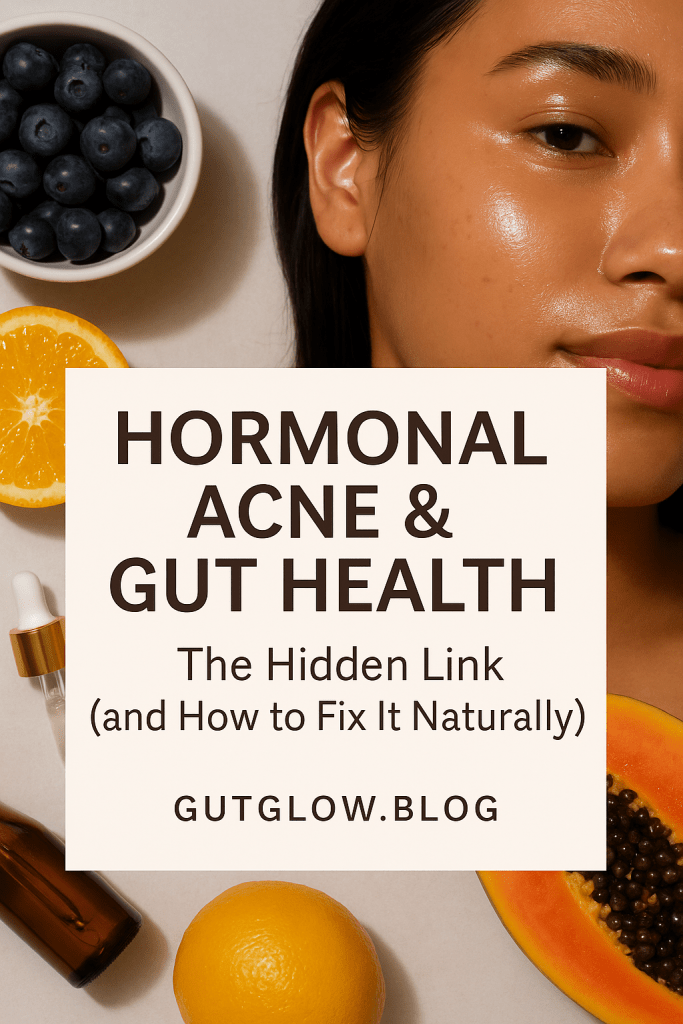
🌸Hormonal Acne and Gut Health: The Hidden Link (And How to Fix It Naturally at Any Age) 🧴


Struggling with hormonal acne? 🧴 The secret may be in your gut. Discover the science-backed gut-skin connection and natural ways to heal from the inside out.


Ever feel like your skin has a mind of its own—especially around that time of the month? 🙋‍♀️ Hormonal acne isn’t just a teenage problem. Many adults, especially women in their 40s and beyond, find themselves battling stubborn chin breakouts while juggling careers, family, and perimenopause.

But here’s the kicker: what if the true culprit isn’t just your hormones… but your gut? 🦠

Recent research has been uncovering the gut-skin axis, showing that your microbiome (those trillions of bacteria in your digestive system) plays a direct role in acne, inflammation, and skin clarity. A 2023 article in Dermatology Times highlighted that dysbiosis (imbalance in gut bacteria) can trigger systemic inflammation, worsening acne and rosacea flare-ups.

In this article, I’ll break down the hidden gut-acne link, sprinkle in some nurse-approved humor, and share realistic tips you can start today. Because glowing skin shouldn’t require a chemistry degree—or a second mortgage on skincare products.


🌸 The Hormonal Acne Struggle Is Real

Hormonal acne typically shows up as painful cysts on the chin, jawline, and sometimes the back or chest. Fluctuating estrogen, progesterone, and testosterone levels create the “perfect storm” of oil overproduction, clogged pores, and inflammation.

But if hormones are the gas pedal, your gut may be the engine. 🚗

Why Your Gut Matters for Hormonal Acne

  • Gut Dysbiosis = Inflammation → When the gut lining is leaky or bacteria are imbalanced, inflammatory signals travel through the bloodstream and straight to the skin.
  • Poor Detox Pathways → The gut and liver help break down excess hormones. If they’re sluggish, hormones recirculate, fueling acne.
  • Nutrient Absorption → If your gut can’t absorb zinc, vitamin A, and omega-3s properly, your skin misses key acne-fighting tools.

👉 Question for you: Have you noticed breakouts spike after a weekend of pizza, cocktails, or stress-snacking? (Yep, your gut is talking!)


🥦 Gut-Friendly Foods That Heal Skin From Within

The good news? You can improve your gut health with food. No expensive “detox teas” required.

Nurse-Approved Acne-Friendly Foods

  • Fiber-rich veggies & legumes → Help regulate estrogen and keep bowel movements regular (because constipation = acne’s BFF).
  • Fermented foods (kimchi, sauerkraut, kefir) → Add healthy bacteria to balance your microbiome.
  • Omega-3 rich foods (salmon, chia seeds, flaxseeds) → Lower inflammation and support healthy oil production in skin.
  • Green tea → Packed with polyphenols that fight oxidative stress. (A 2022 review in Nutrients showed green tea catechins reduced acne lesion counts in adults.)

Glow Tip: Think of your gut as the “skincare fridge” you didn’t know you had. Stock it wisely, and your skin will thank you.


🚰 Hydration, Exercise, and Stress: The Underestimated Acne Triggers

You don’t need me (a nurse) to tell you that water is life—but hydration truly helps flush toxins and regulate digestion. Aim for at least half your body weight in ounces per day. Add electrolytes if you sweat a lot.

Exercise? A must. Movement improves circulation, lowers cortisol (your stress hormone), and helps balance blood sugar—all acne triggers. A 2023 study in Journal of Clinical Medicine found that women who exercised regularly had fewer inflammatory skin conditions compared to sedentary peers.

And stress? Oh honey, it’s acne fuel. Chronic stress shifts your microbiome, weakens your gut lining, and sends cortisol skyrocketing. Cue jawline breakout city.


💊 Supplements and Skincare Synergy

While food comes first, supplements can give you extra support:

  • Probiotics → Improve gut microbiome balance (look for Lactobacillus and Bifidobacterium strains).
  • Zinc → Reduces acne lesions by regulating oil production.
  • Vitamin D → Supports immunity and inflammation control.

Skincare matters too, but think of it as “support staff” while your gut does the heavy lifting. Gentle cleansers, non-comedogenic moisturizers, and niacinamide serums help manage inflammation without stripping the skin barrier.


✨ Key Takeaways

  • Hormonal acne isn’t just about hormones—it’s deeply tied to gut health.
  • Heal from the inside: eat gut-friendly foods, hydrate, manage stress, and move your body.
  • Supplements and skincare should complement—not replace—a healthy gut routine.

💬 I’d love to hear from you: Have you noticed your skin breaking out after gut-disrupting habits (like antibiotics, stress, or diet changes)? Drop your experience in the comments—I promise you’re not alone.

⚠️ Disclaimer (Because I’m a Nurse, Not Your Nurse 😉): This blog is for general education and entertainment purposes only. Always consult your own healthcare provider before making changes to your diet, supplements, or skincare routine.


Continue reading:

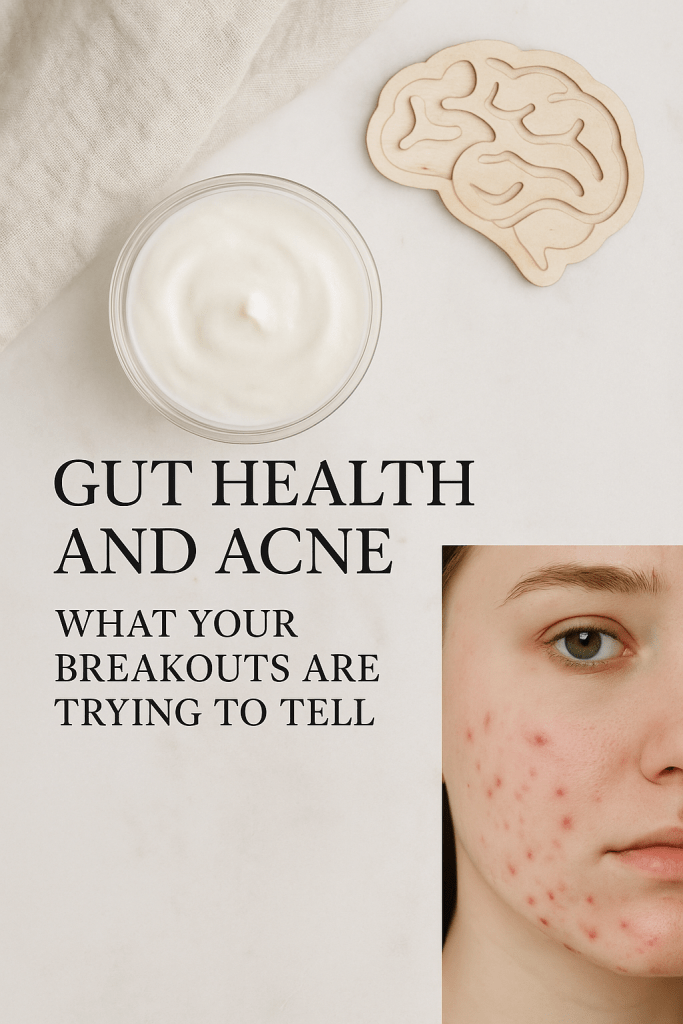
Gut Health and Acne: What Your Breakouts Are Trying to Tell 🧠🧼


Struggling with breakouts that won’t quit? Your gut might be the real culprit. Learn how gut health affects acne, the best foods for clear skin, and how to heal from the inside out—nurse-approved!”

Acne and Gut Health: More Connected Than You Think ✨

As a wound and ostomy nurse in my 40s who’s obsessed with all things skin, poop, and probiotics (yep, I said it 💩💁‍♀️), I can confidently say your breakouts might be your gut waving a red flag 🚩.

It’s not just about what you put on your face. It’s about what’s happening inside your digestive system. This is the gut-skin connection in action — and it’s real, backed by science, and something I’ve seen both personally and professionally.


What Is the Gut-Skin Axis? 💛

The gut-skin axis is the two-way communication system between your digestive system and your skin. When your gut is out of balance (a condition called dysbiosis), it can set off inflammatory responses that show up as acne, rashes, or dullness.

🧪 What the Research Says:

A 2022 study in the Journal of Clinical Medicine found that people with acne had less diverse gut bacteria and higher levels of harmful microbes compared to those with clear skin. Gut imbalances were linked to increased systemic inflammation and compromised skin barriers.

Translation? Your gut microbiome may be throwing shade at your glow ✨.


💩 Poop Clues: How to Tell If Your Gut Is Messing with Your Skin

  • You get breakouts after eating sugary or dairy-rich foods 🍦
  • You have bloating, gas, or irregular poops
  • Your skin flares up after stress or antibiotics
  • You feel “off” in your digestion and your skin looks dull or inflamed

My Story: How Fixing My Gut Helped My Skin 🫂

In my 30s, I broke out along my jawline like a teen prepping for prom. I was using fancy skincare and eating what I thought was healthy — but I still had breakouts.

Once I focused on my gut, things changed. I added probiotic-rich foods, upped my fiber, cut back on sugar, and focused on hydration. Within 6 weeks, I noticed fewer breakouts, better digestion, and more energy. 🙌


Gut-Friendly Foods That Help Heal Skin From the Inside 🍽️✨

1. Probiotic-Rich Foods

  • Examples: Yogurt, kefir, kimchi, miso
  • Why: They restore gut flora and reduce systemic inflammation that fuels acne

2. Prebiotic Foods

  • Examples: Bananas, onions, garlic, leeks, asparagus
  • Why: These feed the good bacteria in your gut

3. Omega-3s

  • Examples: Salmon, sardines, flaxseeds, walnuts
  • Why: Fight inflammation and support the skin barrier

4. Antioxidant Powerhouses

  • Examples: Blueberries, spinach, sweet potatoes
  • Why: Protect against oxidative stress and brighten skin tone

What to Avoid to Keep Your Gut & Skin Happy 🙅‍♀️

  • Processed sugar: Feeds bad bacteria and increases breakouts
  • Overuse of antibiotics: Kills off your good gut bugs
  • Stress: Weakens the gut lining and messes with hormones
  • Low-fiber diets: Starve your beneficial microbes

Nurse Talk: Why This Gut-Skin Thing Matters Beyond Pimples 👩‍⚕️🧬

As someone who works with skin and guts all day (yes, even colostomies), I see firsthand how gut health influences wound healing, skin regeneration, hydration, and immunity.

Your skin isn’t just for selfies — it’s your largest organ and reflects what’s going on inside. When your gut is inflamed, your skin is too.


What About You? 🗣️

Have you noticed breakouts when your gut is off? Ever tried probiotics for your skin? Drop a comment and let’s compare poop-and-pimple stories 🤭💬


Stay glowy (and regular),

Your Favorite Wound Care Nurse Who Talks About Poop & Pimples 💕

⚠️ Disclaimer: I’m a Nurse, But Not Your Nurse 😉
This blog is for general education and entertainment purposes only. It’s not medical advice. Always talk to your healthcare provider before starting new diets, supplements, or treatments. Your skin is unique—just like your poop 💩.

👉 Related: Best Gut-Healing Foods for Thicker, Shinier Hair
👉 Don’t miss: What Your Poop Is Telling You (And When to Worry)