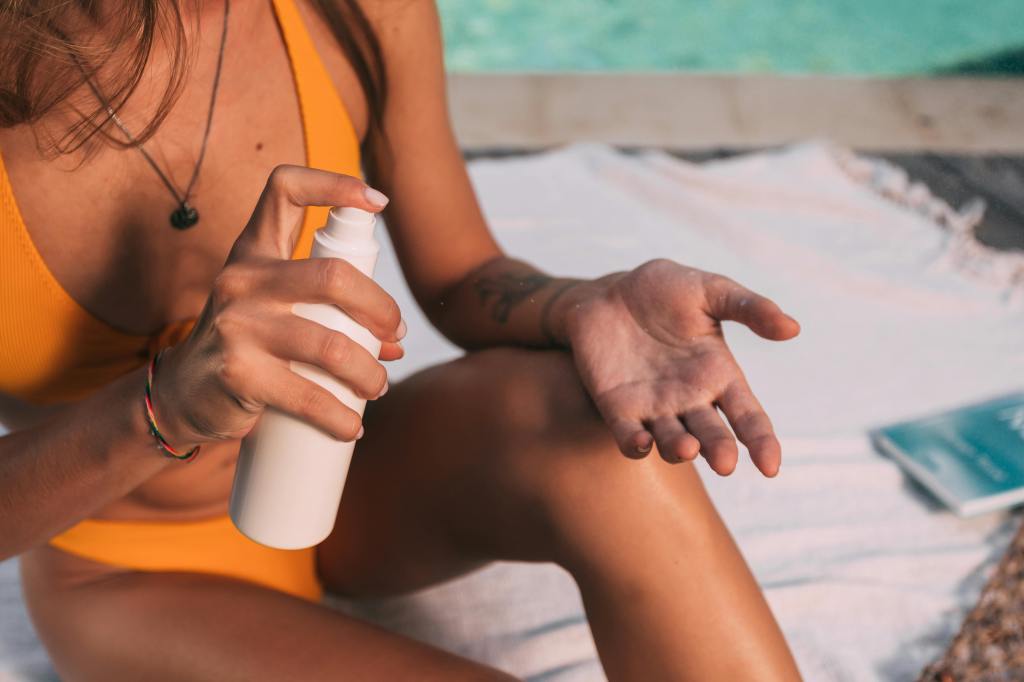

🕵️‍♀️ Wrinkle Prevention Secrets: More Than Just Creams and Botox

Let’s get real: no one wants their face to look like a well-used map before its time. But preventing wrinkles isn’t just about slathering on expensive creams or booking Botox appointments (although those can help!). As a wound and ostomy care nurse in my 40s who’s obsessed with skin, gut health, and overall wellness, I’m here to spill the tea ☕ on real wrinkle prevention. Spoiler alert: it’s a whole-body game.


🧴 Why Wrinkles Happen (And Why It’s Not Just About Age)

Wrinkles come from a mix of genetics, sun exposure, lifestyle choices, and—believe it or not—your gut health. Yep, that’s right. Chronic inflammation and poor gut function can sabotage collagen production and accelerate skin aging. Plus, stress? It’s a wrinkle factory. 😱


💡 Nurse-Approved Wrinkle Prevention Tips That Actually Work

1. Sun Protection Is Your #1 Anti-Aging Weapon

You cannot out-cream sun damage. Broad spectrum sunscreen (SPF 30+) daily, even on cloudy days, is non-negotiable. Hats, sunglasses, and seeking shade are your friends. Think of it as wrinkle prevention insurance! ☂️

2. Feed Your Skin (And Gut) From the Inside Out

Your skin cells need nutrients, and your gut has to absorb them! Eat plenty of antioxidants (berries, leafy greens), omega-3 fatty acids (salmon, walnuts), and collagen-boosting foods (bone broth, vitamin C-rich fruits). Avoid processed junk that inflames your gut—and your face. 🍓🥦🐟

3. Hydrate, But Don’t Rely on Water Alone

Water is essential, but skin hydration depends on your skin barrier too. Use moisturizers with ceramides and hyaluronic acid, and support gut health to optimize hydration system-wide. 💧

4. Manage Stress Like a Pro

Chronic stress increases cortisol, which breaks down collagen and elastin. Try meditation, yoga, or even just deep breathing. Your skin and gut will thank you. 🧘‍♀️

5. Get Moving

Exercise boosts circulation, delivering oxygen and nutrients to your skin cells while reducing inflammation. Plus, it helps regulate digestion—another win for wrinkle prevention. 🏃‍♀️

6. Sleep Like Your Skin Depends On It (Because It Does)

Growth hormone released during deep sleep helps repair and regenerate skin. Aim for 7–9 hours of quality sleep nightly. Bonus: less under-eye puffiness! 😴

7. Be Gentle With Your Skin

Avoid harsh scrubs or overwashing, which strip natural oils and weaken the barrier. Use gentle cleansers, and never skip sunscreen.


🔬 The Gut-Skin Connection: Your Secret Weapon

Chronic gut inflammation leads to systemic inflammation, which accelerates skin aging and wrinkles. Probiotics, prebiotics, and a fiber-rich diet help maintain a healthy gut microbiome—supporting youthful skin from the inside out.


⚠️ Disclaimer (Because I’m a Nurse, Not Your Nurse 😉)

This blog is for general education and entertainment purposes only. Always consult your doctor, dietitian, dermatologist, or wound/ostomy care nurse before making major lifestyle changes or starting new treatments.


✨ Final Thoughts:

Wrinkle prevention is a whole-body, lifestyle endeavor. It’s about nourishing your gut, protecting your skin, managing stress, and honoring your body’s natural rhythms. When you treat your skin like the living organ it is, your glow will last far beyond any cream’s shelf life.

Here’s to aging gracefully and glowing fiercely! 🌟💪
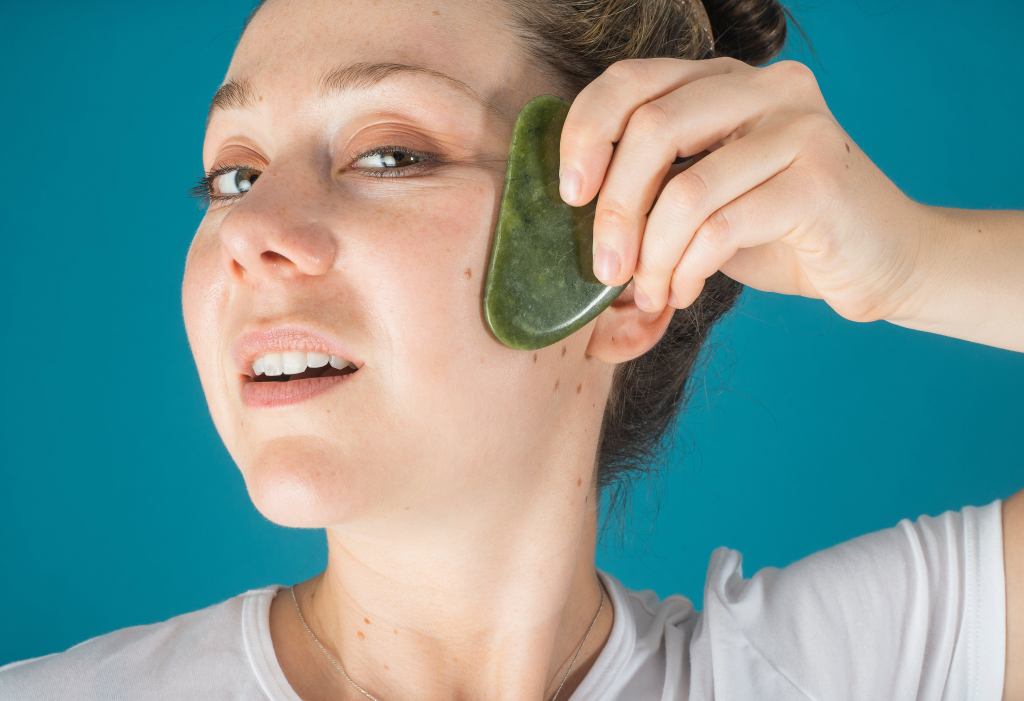
💎 Luxury Skincare: Splurge or Save? A Nurse’s Honest Take 💸

Let’s talk about that $300 face cream calling your name at Sephora, or that serum with gold flakes that promises to reverse time. Are luxury skincare products really worth the splurge? Or are we all just rubbing overpriced hope into our pores?

As an ostomy and wound care nurse in my 40s—and a total skincare nerd—I’ve tested my fair share of products (and peeked at a lot of ingredient lists). I’m here to break it down with a dose of science, sass, and skin-gut wisdom. 🧴🧠✨


💰 Splurge-Worthy or Skin Scam?

Let’s get this out of the way: expensive doesn’t always mean better. But cheap doesn’t always mean effective either. So where’s the line?

✅ When to SPLURGE:

These items can be worth the extra dollars if:

🔬 They have clinically backed ingredients.
Look for proven powerhouses like retinol, peptides, niacinamide, and vitamin C—especially when in stable, high-quality formulations.

🧪 They offer advanced delivery systems.
If a luxury serum has encapsulated ingredients that penetrate deeper and work longer, it may be worth it (especially for aging or damaged skin).

💆 Texture and sensory experience matter.
If your $90 night cream makes you want to stick to your routine because it feels heavenly, that’s self-care magic I can get behind.

👃 They’re free from irritants and full of nourishing extras.
Sensitive skin? You’ll often find luxury lines invest in calming ingredients like ceramides, centella asiatica, or probiotic ferments.


🧴 When to SAVE:

A nurse’s budget (and practicality) says there are times to absolutely keep your coins:

🧼 Cleansers.
It’s on your face for 60 seconds. Drugstore options with gentle surfactants do just fine (I see you, CeraVe and Vanicream).

💧 Hydrators.
Want to trap water in your skin? Look for glycerin, hyaluronic acid, or squalane—you can find all of these in affordable formulas.

☀️ Sunscreens.
SPF is non-negotiable, but you don’t need a $70 bottle. Some of my favorites are under $20, with great feel, broad spectrum protection, and no white cast.


🧠 Let’s Talk Gut-Skin Realness

Now here’s where the nurse in me can’t help but chime in: a $200 moisturizer won’t do much if your gut health is a dumpster fire. 💩🔥

When your digestive system isn’t happy, you can see it on your face—breakouts, dullness, sensitivity, inflammation. If your skin looks “off,” don’t just shop for serums—check your poop, water intake, fiber, stress, and sleep. Yes, even the fanciest cream can’t fix leaky gut syndrome or chronic constipation. 😉

Want glow? Pair your skincare with:

  • 🌱 Probiotics & prebiotics (yes to fermented foods!)
  • 🥦 Antioxidant-rich veggies
  • 💧 2-3L of water/day
  • 💤 Actual sleep (not just melatonin dreams)

🩺 A Nurse’s Honest Bottom Line

Splurge strategically. Don’t fall for fancy packaging alone. Invest where it counts—actives, treatments, and products that truly enhance your routine or solve a problem.

Save smartly. Skincare isn’t a status symbol. You can have radiant, resilient skin with the right drugstore products and a solid gut game.

Care from the inside out. Skin health is a full-body conversation—and that includes your intestines, hydration, stress, and even your poop schedule. (Nurse mic drop 🎤💩)


💬 Let’s Chat

Have a product you’ve been eyeing but unsure if it’s worth it? Drop it in the comments and I’ll give you the no-fluff nurse verdict! 👇


⚠️ Disclaimer (Because I’m a Nurse, Not Your Nurse 😉)

This blog is for general education and entertainment purposes only. Always consult with your dermatologist, primary care doc, or wound/ostomy care specialist for personalized advice—especially if you have specific conditions, allergies, or medical devices like an ostomy. What works for one skin type might irritate another—so go slow, patch test, and listen to your body.


☀️ Sunscreens That Don’t Suck: Nurse-Approved Picks for Real Life

Because your skin deserves more than just a “nice smell” and a sticky feeling.

Let’s be real: sunscreen is non-negotiable if you want to keep wrinkles, dark spots, and skin cancer at bay. But finding a sunscreen that feels good, works well, and doesn’t make you look like a greasy ghost? That’s the real challenge.

As a wound and ostomy nurse in my 40s who’s obsessed with skin, gut health, and all things wellness, I’m here to cut through the sunscreen marketing noise and give you the no-BS lowdown. 💉✨


🧴 What Makes a Sunscreen Actually Good?

First, a quick refresher on the science because I geek out over this stuff:

  • Broad Spectrum: Protects against UVA (aging rays) and UVB (burning rays)
  • SPF 30 or Higher: Blocks ~97% of UVB rays (yes, 30 is the minimum, not 100)
  • Water Resistant: Because sweating, swimming, and life happen
  • Non-comedogenic: Won’t clog pores or cause breakouts
  • Safe Ingredients: Preferably mineral-based (zinc oxide, titanium dioxide) for sensitive or acne-prone skin

😩 Why So Many Sunscreens Suck

  • Too greasy or heavy → makes you shiny not glowy
  • White cast → hello, ghost face!
  • Chemical filters that irritate sensitive or gut-prone skin
  • Smells like a sunscreen factory (who signed off on that?)
  • Breakouts or dryness after use

🏆 Nurse-Approved Sunscreens That Actually Work (And Don’t Suck)

I’ve tested these gems on my own skin, in my nurse life, and with patients who have all skin types and conditions—including sensitive, acne-prone, and mature skin.

1. EltaMD UV Clear Broad-Spectrum SPF 46

  • Lightweight, non-greasy, and calming (hello, niacinamide!)
  • Great for acne-prone and rosacea skin
  • Zinc oxide mineral filter + chemical UV protection

2. CeraVe Hydrating Mineral Sunscreen SPF 30

  • Hydrating and barrier-friendly with ceramides
  • No white cast and perfect for dry or sensitive skin
  • Mineral-based, fragrance-free

3. La Roche-Posay Anthelios Melt-in Milk SPF 100

  • Super high protection for intense sun days
  • Lightweight and absorbs quickly
  • Great for all skin types, especially those with a history of skin cancer or photosensitivity

4. Blue Lizard Australian Sunscreen Sensitive SPF 30+

  • 100% mineral-based (zinc oxide + titanium dioxide)
  • Fragrance and paraben-free
  • Excellent for sensitive and eczema-prone skin

🔍 What To Look For When Buying Sunscreen IRL

  • Read labels for broad spectrum and SPF number
  • Test a small patch to check for irritation or breakouts
  • Consider your skin type and needs—dry? Oily? Sensitive?
  • Check for water resistance if you’re active or swimming
  • Avoid sunscreens with oxybenzone and octinoxate (potential irritants and reef-harming chemicals)

💡 Bonus Tips for Ultimate Sun Protection

  • Reapply every 2 hours (yes, every 2 hours!)
  • Use a hat and sunglasses for extra defense
  • Seek shade between 10 am and 4 pm
  • Wear UPF clothing if you’re outside a lot
  • Don’t forget your lips—apply lip balm with SPF too! 💄

🧠 Nurse’s Note on Gut & Skin Connection

Sunscreen isn’t just about slapping on chemicals—it’s part of your overall skin and gut health strategy. Chronic sun damage leads to inflammation, which affects your skin barrier and can worsen gut-skin conditions like eczema and acne. Keep your gut happy with good nutrition, hydration, and stress management for the best skin defense.


⚠️ Disclaimer (Because I’m a Nurse, Not Your Nurse 😉)

This blog is for general education and entertainment purposes only. Always consult with your doctor, dermatologist, dietitian, or wound/ostomy care nurse—especially if you have skin conditions or allergies.


✨ Final Thought:

Sunscreen doesn’t have to suck. With the right choices and a little nurse wisdom, you can protect your skin without compromise. Your future self (and your skin) will thank you. 🌞💖


✨🚑 Because Your Skin Deserves More Than a Reel and a Prayer

Retinol can transform skin, but only if your gut and barrier are supported. Nurse-approved tips for glowing, healthy, irritation-free skin.

🧠 Ever panic-bought a $90 retinol serum because a 22-year-old influencer promised “magic”?

You’re not alone. 🙋‍♀️ But as a nurse in my 40s with 22 years of experience, obsessed with skin, gut health, poop, and wound healing, I’m here to tell you: retinol is powerful—but it’s not a magic wand. Misused, it can backfire like bad cafeteria chili 🌶️💨.

Let’s break down the real tea on retinol, nurse-style, with solutions that actually help your skin without burning it off.


🧴 What Is Retinol?

Retinol is a vitamin A derivative that helps your skin:

  • Turn over faster (bye dead skin)
  • Boost collagen production
  • Reduce fine lines, acne, dark spots, and uneven texture

It’s clinically studied and highly effective—but the fine print rarely makes Instagram: skin barrier health, gut connections, and why your face may feel like sandpaper.


🔬 Science Made Simple: How Retinol & Gut Health Connect

Retinol works best when your skin and gut are supported. Here’s why:

  1. Skin Barrier Matters
    • Damaged barrier = more irritation. Think of it like waxing a car that’s already on fire.
  2. Gut Health Influences Vitamin A Metabolism
    • Inflammation, nutrient depletion, or irregular digestion can impact vitamin A absorption, showing up as purging, breakouts, or dullness.
    • Studies show gut dysbiosis can influence skin inflammation and barrier repair (Harvard Health, 2024).
  3. Cell Turnover Needs Support
    • Retinol accelerates cell turnover. Without hydration, nutrients, and barrier care, your skin can break down—similar to wounds that heal poorly under stress or poor nutrition.

🩹 Nurse’s Insights: Why Retinol Isn’t One-Size-Fits-All

Compromised Skin Barrier? Red, flaky, burning skin + retinol = disaster.

Gut Issues? IBS, inflammation, or poor nutrition = less effective vitamin A metabolism.

Strength & Frequency Matter: More isn’t better. Starting high-strength retinol on sensitive skin is like running a marathon in stilettos.


👩‍⚕️ What Nurses Know That Influencers Don’t

  1. Retinol is medicine.
    • Start low: 0.25% 1–2 nights/week. Your skin isn’t lazy—it’s protective.
  2. Barrier is your frontline.
    • Red, flaky, or burning? Pause, hydrate, repair.
  3. Healthy skin starts from the inside.
    • Gut health, bile production, liver function, and diet impact vitamin A metabolism.
  4. Think like wound care.
    • Support your skin with hydration, nutrients, and barrier protection to prevent breakdown.

🧠 Gut + Skin: The Retinol Recovery Team

💩 Poop Check-In

  • Daily? Great.
  • Irregular? Toxins recirculating = slower healing and detox.

🥬 Feed Your Gut

  • Probiotics: yogurt, kefir, sauerkraut
  • Prebiotics: garlic, onions, asparagus
  • Anti-inflammatory foods: berries, turmeric, leafy greens

💧 Hydrate

  • Flush toxins, support barrier, reduce flaking.

💊 Supportive Nutrients

  • Vitamin C → collagen + antioxidant defense
  • Zinc → inflammation control + healing
  • Omega-3s → barrier health + reduce dryness

🔄 Nurse-Approved Retinol Routine

Week 1–4

  • Use 0.25–0.3% retinol, 1–2 nights/week
  • Apply over moisturizer (“retinol sandwich”)
  • Avoid AHAs, BHAs, and vitamin C same night
  • SPF every morning

If irritation occurs:

  • STOP retinol
  • Use hydrating barrier creams (ceramides, niacinamide, squalane)
  • Let skin recover before reintroducing

🗣️ Real Talk: Retinol Isn’t a Quick Fix

Retinol can transform your skin—but if your gut is off, stress is high, and barrier is compromised, it won’t work the way you want. That’s feedback, not failure.

Listen to your body. Nourish your insides. Respect the healing timeline. Great skin is a team effort, not a TikTok trend. 🌟


🔗 Related Blog Posts

💖 Pin this post and share the glow!


⚠️ Disclaimer

This blog is for educational purposes only. Consult your doctor, dermatologist, or wound/ostomy specialist before changing skincare, diet, or supplements.
✨💉💩💧💊🌿