
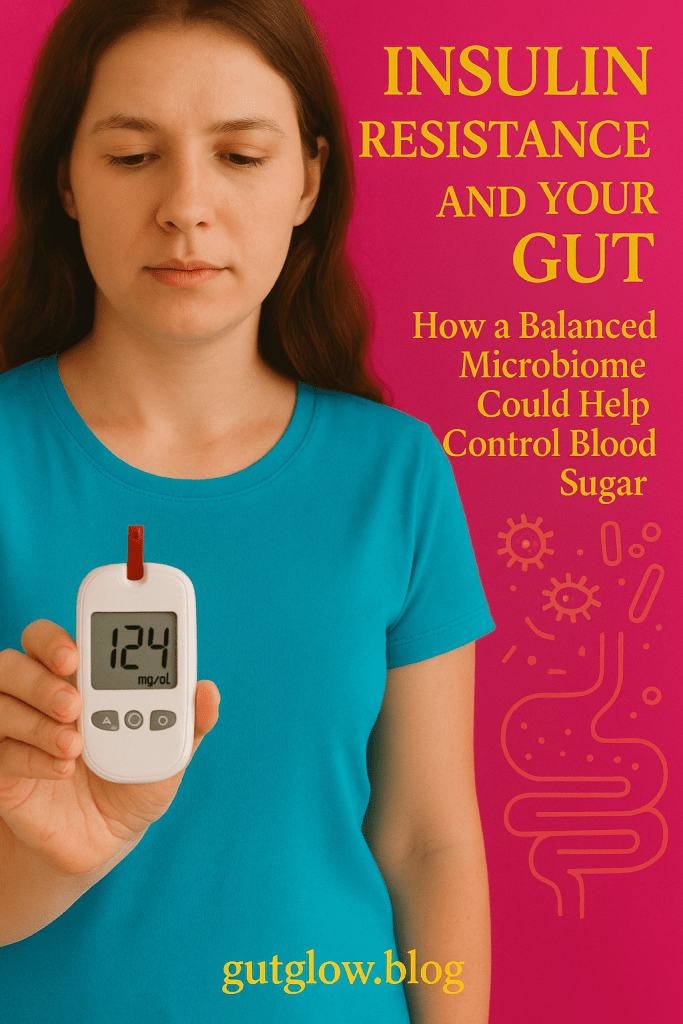
Discover how gut health affects insulin resistance. Nurse-approved tips for balancing your microbiome and improving blood sugar naturally.
🧠 Could your gut be the missing link in managing insulin resistance?
If you’re struggling with insulin resistance, you might already know how frustrating it can be to manage blood sugar levels despite diet, exercise, and lifestyle changes. But here’s a fascinating twist: your gut microbiome could be playing a starring role in your body’s insulin response. 🌿
Recent research shows that the composition and diversity of gut bacteria can influence glucose metabolism, inflammation, and hormone signaling—all critical players in insulin resistance. Let’s break it down in a way that’s easy to understand, nurse-approved, and practical.
🔬 Science Made Simple: The Gut-Insulin Connection
Your gut isn’t just for digestion. It’s a communication hub linking your brain, hormones, immune system, and metabolism.
Here’s how gut health impacts insulin resistance:
- Microbiome Diversity & Insulin Sensitivity
- A diverse gut microbiome supports short-chain fatty acid (SCFA) production, which helps regulate glucose metabolism and reduces inflammation.
- Low diversity can lead to dysbiosis, increasing insulin resistance risk. (Harvard Health, 2024)
- Leaky Gut & Chronic Inflammation
- Poor gut integrity allows endotoxins like LPS into the bloodstream.
- This triggers chronic low-grade inflammation, which directly worsens insulin resistance.
- Gut-Brain-Hormone Axis
- Your gut communicates with your brain and pancreas, influencing appetite, satiety, and insulin secretion.
- An unhealthy microbiome can disrupt these signals, making blood sugar management harder.
🧬 Evidence & Insights
- A 2022 study in Frontiers in Endocrinology found that people with higher gut microbiome diversity had better insulin sensitivity and lower fasting glucose levels.
- Certain prebiotics and probiotics may improve glucose metabolism by promoting beneficial gut bacteria growth.
- Lifestyle factors—like diet, exercise, and sleep—dramatically influence both microbiome health and insulin resistance.
🥗 Nurse-Approved Tips to Support Your Gut & Blood Sugar
Here’s a practical, actionable guide to help your gut—and your blood sugar—stay in balance:
| 🌿 Strategy | 💡 What to Try | 💪 Why It Helps |
|---|---|---|
| Eat Fiber-Rich Foods | Vegetables, fruits, whole grains, legumes | Supports SCFA-producing bacteria and slows glucose absorption |
| Include Fermented Foods | Yogurt, kefir, kimchi, sauerkraut | Provides probiotics to boost microbial diversity |
| Add Prebiotics | Garlic, onions, asparagus, oats | Feeds beneficial bacteria, improves insulin response |
| Limit Processed Sugars | Avoid high-sugar drinks & snacks | Reduces dysbiosis and glucose spikes |
| Move Your Body | Daily walks, resistance training | Enhances insulin sensitivity and gut motility |
| Prioritize Sleep & Stress Management | 7–9 hours sleep, mindfulness | Lowers cortisol, reduces inflammation, supports microbiome balance |
✨ Glow tip: Small, consistent changes are more effective than drastic measures. Start with one gut-supporting habit at a time.
🙋♀️ Common Questions
“Can probiotics reverse insulin resistance?”
Probiotics can help improve gut health and metabolic function, but they’re most effective when combined with diet, exercise, and lifestyle changes.
“Is leaky gut the reason for my insulin issues?”
It could be a contributing factor. Restoring gut integrity with fiber, prebiotics, probiotics, and anti-inflammatory foods can support blood sugar regulation.
“Which foods are best for my gut and blood sugar?”
Prioritize high-fiber vegetables, fermented foods, lean proteins, and healthy fats while minimizing processed sugars and refined carbs.
🌈 Key Takeaways
- Your gut microbiome plays a major role in insulin resistance and blood sugar management.
- Diverse, balanced gut bacteria help regulate glucose metabolism and reduce inflammation.
- Combining diet, probiotics, prebiotics, exercise, and sleep creates a synergistic approach for better blood sugar control. 🌿
🔗 Explore More Related Posts
- 🧬 The Gut-Brain Connection: Why Your Second Brain Holds the Key to Energy & Mood
- 💧 Inflammation and Skin: What Your Gut Is Trying to Tell You
- 🥦 Abs Are Made in the Kitchen — and in the Colon! Gut Tips for a Strong Core & Glowing Skin
💖 Pin this post and share the glow!
⚠️ Disclaimer:
This article is for educational purposes only and is not medical advice. Consult your healthcare provider before making any changes to medication, diet, or lifestyle. Individual results may vary.

