Supplements I Actually Recommend (and the Ones I Don’t) 💊✨

Hey there, fellow wellness warriors! As a nurse, rocking my 40s while juggling skin, guts, and everything in between—I’m here to spill the tea ☕ on supplements. With so many options out there, it’s easy to get overwhelmed, confused, or end up with a cabinet full of pills you never touch. So, let’s cut through the noise with some nurse-approved, gut-friendly, skin-loving supplement wisdom. Ready? Let’s dive in!


What I Actually Recommend ✅

1. Vitamin C — Your Skin’s Bestie 🍊
Vitamin C isn’t just for fighting colds. It’s a powerhouse antioxidant that boosts collagen production, helping your skin stay plump and wrinkle-resistant. Plus, it supports immune health and wound healing—crucial if you’re managing any skin or ostomy-related care.

2. Magnesium — The “Chill Pill” Mineral 🧘‍♀️
Magnesium helps with muscle relaxation, sleep quality, and even gut motility (hello, morning poops!). Many adults are deficient, so a supplement can help keep your digestion smooth and your stress levels down.

3. Probiotics — The Gut’s Cheerleaders 🦠
A good probiotic can support a balanced microbiome, which we know plays a role in everything from digestion to skin health. Not all probiotics are created equal, so choose strains backed by science (like Lactobacillus and Bifidobacterium).

4. Zinc — Healing Hero ⚡
Zinc supports immune function, wound healing, and can even reduce inflammation in skin conditions. Just be mindful not to overdo it—balance is key!

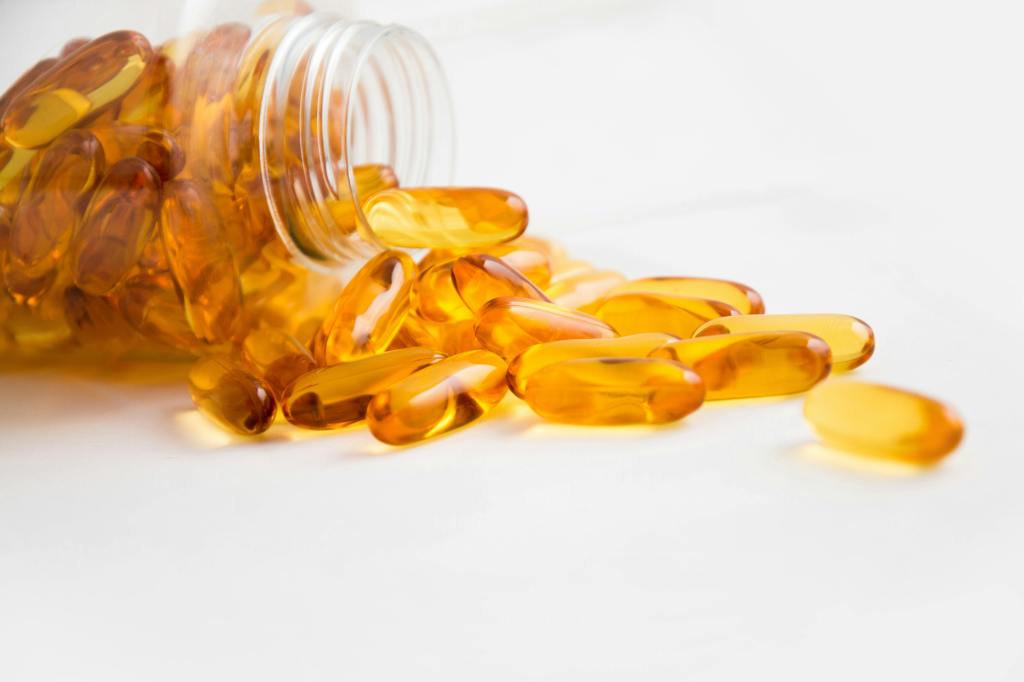
5. Omega-3 Fatty Acids — Skin & Gut Superstars 🐟
Omega-3s help reduce inflammation, support brain health, and keep skin supple and hydrated. I recommend getting these from high-quality fish oil or plant-based alternatives if you’re vegan.


What I’m Not Sold On ❌

1. Collagen Supplements — Meh, Maybe? 🤷‍♀️
While collagen is essential for skin and wound healing, taking it as a pill or powder doesn’t always guarantee it’ll reach your skin intact. Your body breaks it down into amino acids like any protein. Focus more on a balanced diet with protein-rich foods.

2. Detox Teas & Quick-Fix Supplements 🚫
If it sounds too good to be true—like “flush toxins in 3 days”—it probably is. Your liver and kidneys do a stellar job detoxing; no magic potion required.

3. Over-the-Top Multivitamins 🧪
A mega-dose multivitamin can sometimes do more harm than good. Excess fat-soluble vitamins (like A, D, E, K) can build up and cause problems. Stick to targeted supplements based on your needs.


My Nurse-to-You Advice 💡

  • Supplements can be great, but they’re just one piece of the puzzle. Your gut and skin thrive on good food, hydration, sleep, and stress management.
  • Always check with your healthcare provider before starting anything new—especially if you have an ostomy, chronic condition, or take medications.
  • What works for me or my patients might not be your perfect fit—everyone’s gut and skin story is unique!

⚠️ Disclaimer: Because I’m a Nurse, Not Your Nurse 😉
This blog is for general education and entertainment purposes only. Always consult with your doctor, dietitian, dermatologist, or wound/ostomy care specialist—especially if you have specific conditions, allergies, or a medical device like an ostomy.


In a nutshell: Choose your supplements wisely, listen to your body, and remember — the best glow comes from a happy gut and a nourished soul! 🌟💪


Would you like me to suggest some specific supplement brands or recipes that support gut and skin health? Just ask! 😊

From Wounds to Wrinkles: What Wound Care Has Taught Me About Skin Aging 👩‍⚕️💉➡️🧴✨

Let’s connect the dots between wound healing and skin aging—because yes, there’s more overlap than you’d think. As a wound and ostomy nurse in my fabulous 40s (with a minor obsession for all things gut, glow, and glutes 😅), I’ve spent years studying how skin heals—and spoiler alert: that knowledge also changed how I see wrinkles, serums, and my morning SPF routine.

So buckle up, skin lovers and gut nerds. We’re diving into why wound care wisdom is basically anti-aging gold.


💡 Wound Healing = Real-Time Skin Science

When I treat a wound, I’m watching the body work overtime to repair and regenerate. The same cells and signals responsible for closing a wound are also involved in keeping your skin plump, firm, and glowing. But here’s the catch: they slow down with age, inflammation, and (yep) poor nutrition.

Wrinkle 101?
It’s basically a tiny wound your skin doesn’t bother to heal anymore. Rude.


Here’s What Wound Care Taught Me About Skin Aging 👇

1. Hydration Is Non-Negotiable 💦

Whether it’s a dry wound bed or a dry T-zone, moisture is magic. Dehydrated skin = delayed healing AND faster aging. Your barrier function suffers, collagen breaks down, and fine lines look like they’ve been zoomed in. Drink water like it’s your job. And yes, that hydrating serum helps too.

2. Inflammation Is the Enemy 🔥

Chronic inflammation slows wound healing and accelerates aging (a process scientists call inflammaging—cute name, not cute on your face). Sugar, processed foods, stress, lack of sleep? All inflammatory triggers. Swap ‘em for berries, leafy greens, turmeric, and sleep. Your wounds AND wrinkles will thank you.

3. Protein = Collagen Fuel 🥚🐟

You can’t rebuild skin without amino acids. Wounds need protein to heal. Skin needs it to stay firm and bouncy. Low protein intake = saggy vibes. Get in your lean meats, beans, tofu, eggs, collagen powders—whatever works for you.

4. Sun Protection is Essential ☀️🧴

Wounds + sun = darker scars. Skin + sun = deeper wrinkles. Every wound nurse has seen what happens when UV hits compromised skin—it ain’t pretty. So trust me when I say: wear the dang sunscreen. Even on cloudy days. Even if you’re “just going to Target.”

5. Healing Takes Time—But Prevention Is Faster ⏳

You don’t wait until a wound is infected to treat it, right? Same goes for skin. Start now. Cleanse gently, moisturize daily, eat for your gut, use antioxidants, stay hydrated, move your body, and manage stress. Prevention is cheaper than Botox 💁‍♀️


The Gut Connection 🥗💩✨

Surprise twist? Your gut is a key player in both wound healing and aging skin. An inflamed, unbalanced gut leads to poor nutrient absorption, chronic inflammation, and—you guessed it—sluggish healing and dull, aging skin.

Nourish your gut with:

  • Probiotics (yogurt, kefir, sauerkraut)
  • Prebiotics (oats, bananas, asparagus)
  • Plenty of fiber + water
  • Low sugar, low junk

Healthy gut = clear skin, happy poops, and fewer frown lines.


Wrapping It Up (Like a Good Dressing 😉)

Working in wound care has taught me to respect the skin—how it repairs, protects, and reflects what’s happening inside your body. Aging skin isn’t the enemy—neglect is. With the right daily habits, you can support your skin the same way we support a healing wound: with patience, nourishment, protection, and love.

You’ve got one skin suit, and you’re wearing it every day. Treat it like the masterpiece it is. 🧖‍♀️💕


⚠️ Disclaimer (Because I’m a Nurse, Not Your Nurse 😉)
This blog is for general education and entertainment purposes only. Always consult with your doctor, dietitian, dermatologist or wound/ostomy care specialist—especially if you have specific conditions, allergies, or a medical device like an ostomy. What works for one person might not work for another (especially if we’re talking ileostomy vs colostomy vs urostomy—big differences, folks!).


What Happens to Your Skin When You Don’t Eat Enough Protein 🍳💪

Let’s get something straight: protein isn’t just for bodybuilders or those aggressively blending spinach into their smoothies at 6 a.m. (you know who you are 😏). As a wound and ostomy nurse with over two decades of skin-and-gut obsession, I’m here to lovingly scream this from the rooftops:

🥩 PROTEIN = SKIN POWER.
And when you’re not getting enough? Oh honey, your skin knows—and it’s not happy about it.

So, What Does Happen to Your Skin?

1. Delayed Wound Healing 🐢

If you’ve got a surgical incision, pressure injury, or even a tiny cut, low protein levels can seriously slow your body’s ability to repair. As a wound care nurse, I see this all the time. Protein provides amino acids—aka the building blocks of new tissue. Without enough, your body is like a construction site with no bricks or builders.

2. Thinning Skin = Rips, Tears, & Sadness 😢

Thin, fragile skin isn’t just a grandma thing. It’s a protein deficiency thing. Collagen and elastin (those bouncy, plump skin superheroes) are protein-based. No protein? No bounce. No strength. Just skin that bruises easily and tears like wet tissue.

3. Increased Inflammation = Acne, Eczema, Flare-Ups 🔥

When your gut isn’t getting what it needs—hello again, protein—it starts to panic. Cue the inflammation party. And where does that show up? Yup, your skin. Think breakouts, redness, and those weird rashes that make you Google things you shouldn’t.

4. Hair and Nails Suffer Too 💅🚿

Okay, not technically skin, but they’re all part of your integumentary system (yay, science!). Brittle nails, thinning hair, and dry, flaky scalp often point to—you guessed it—low protein intake.


How Much Protein Do You Actually Need?

It varies by weight, activity level, and health status (and yes, the type of ostomy you have). A common general rule is 0.8 to 1.2 grams of protein per kilogram of body weight per day—but wound healing needs? Way higher. Think 1.5–2.0g/kg. Always talk with a dietitian for personalized guidance!


Protein-Rich Foods I Love 🍽️

Here’s a few of my go-to faves for glowing skin and strong healing:

  • Eggs 🥚 – affordable, versatile, and full of biotin too!
  • Salmon 🐟 – Omega-3s + protein = skin magic
  • Greek yogurt 🍦 – protein-packed AND probiotic-rich
  • Tofu & Lentils 🌱 – plant-based protein with fiber for gut love
  • Collagen powders – not a miracle, but helpful as part of a balanced intake!

For My Ostomates 👀

⚠️ Your protein needs may be higher, especially with an ileostomy (more losses!) or active wounds around your stoma. Don’t guess—ask your wound/ostomy nurse or dietitian for help. It’s literally what we’re here for. 💁‍♀️


TL;DR — Protein = Skin Fuel 🚀

If your skin feels papery, your wounds are dragging their feet to heal, or your poop just looks… weird (you knew I’d mention poop 💩), it might be time to check your protein intake.

And remember, it’s not just what you put on your skin. It’s what you feed your gut that helps it all shine.


⚠️ Disclaimer (Because I’m a Nurse, Not Your Nurse 😉)
This blog is for general education and entertainment purposes only. Always consult with your doctor, dietitian, dermatologist, or wound/ostomy care specialist—especially if you have specific conditions, allergies, or a medical device like an ostomy.