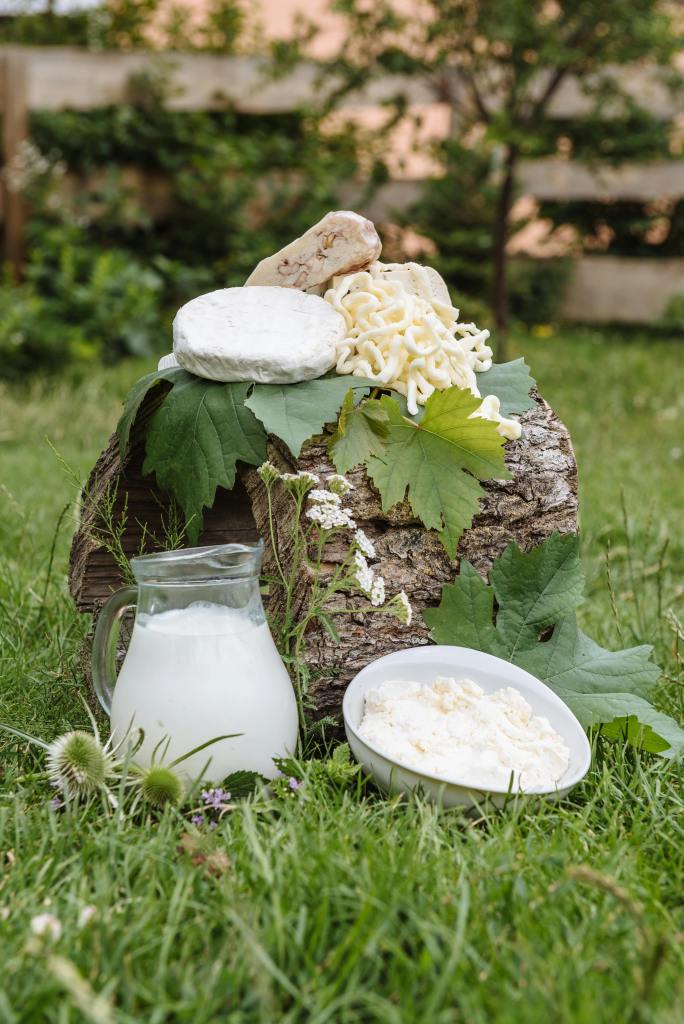
Ah, dairy. Delicious. Creamy. Innocent-looking… until your chin turns into a crime scene.
Here’s the deal: dairy can mess with your skin, but it depends on your gut. When your digestive system isn’t vibing with lactose or casein (milk proteins), it can trigger inflammation—which for some people means bloating, and for others, breakouts that scream “teenage angst” in your 40s.
Also, many dairy cows are treated with hormones, and surprise—those can sneak into your system too, possibly leading to hormonal acne.
Bottom line: If your gut gets gassy and your face gets rashy after cheese night, it might be time to flirt with oat milk.
Not everyone has to quit dairy, but if your gut throws a tantrum every time you say “cheddar,” your skin might be the innocent bystander.
🧀 Proceed with caution. And maybe carry lactase pills and concealer.
“Does Dairy Really Mess with Your Skin, or Is That Just Internet Gossip?”
Ah, dairy. Delicious. Creamy. Innocent-looking… until your chin turns into a crime scene.
Here’s the deal: dairy can mess with your skin, but it depends on your gut. When your digestive system isn’t vibing with lactose or casein (milk proteins), it can trigger inflammation—which for some people means bloating, and for others, breakouts that scream “teenage angst” in your 40s.
Also, many dairy cows are treated with hormones, and surprise—those can sneak into your system too, possibly leading to hormonal acne.
Bottom line: If your gut gets gassy and your face gets rashy after cheese night, it might be time to flirt with oat milk.
Not everyone has to quit dairy, but if your gut throws a tantrum every time you say “cheddar,” your skin might be the innocent bystander.
🧀 Proceed with caution. And maybe carry lactase pills and concealer.
Discover how gut health impacts your skin. Learn nurse-approved tips, gut-friendly foods, and wellness habits for glowing, clear skin from the inside out.
Let’s be honest—if your skin is acting up, your first thought is probably a new serum or a fancy face mask. But what if the real culprit isn’t sitting on your bathroom counter but deep inside your gut?
Your gut is home to trillions of microbes that affect everything from digestion and immunity to mood and, yes, skin health. As a nurse with 22+ years of wound care experience, I’ve seen firsthand how a balanced gut can be a game-changer for skin. Welcome to Gut Glow, where radiant skin truly starts from within. 🌿✨
The Gut-Skin Connection
Your gut and skin are in constant conversation, known as the gut-skin axis. When your microbiome is out of balance due to stress, poor diet, or antibiotics, inflammation can occur—showing up as breakouts, redness, dryness, or dullness.
Glow Tip: Supporting your gut can improve skin tone, texture, and hydration.
Nurse-Approved Tips for a Healthy Gut & Glowing Skin
1. Fiber Is Your Best Friend
Fiber nourishes your beneficial gut bacteria and keeps digestion running smoothly. Aim for:
Oats
Lentils
Apples
Chia seeds
Leafy greens
💡 Glow Tip: Add fiber gradually to avoid bloating and help your microbiome adapt.
2. Embrace Fermented Foods
Probiotics help balance gut bacteria, reducing inflammation that can manifest as skin issues. Include:
Yogurt & kefir
Kimchi & sauerkraut
Miso & tempeh
✨ Quick Hack: Start with small portions to let your gut adjust.
3. Hydrate Strategically
Water supports digestion, nutrient absorption, and overall skin hydration. Try:
Drinking a full glass upon waking
Herbal teas like peppermint or ginger
Limiting sugary drinks
💧 Tip: Hydration inside = glow outside.
4. Manage Stress Mindfully
Stress increases cortisol, which can disrupt gut function and trigger skin inflammation. Strategies:
Daily 5–10 minute breathing exercises
Short walks during breaks
Journaling or meditation
🧘 Nurse’s Tip: Your gut appreciates calm as much as fiber.
5. Mind Your Meals:
Chew slowly, eat smaller portions, and include nutrient-dense foods to reduce bloating and improve digestion. Focus on:
High-fiber vegetables
Healthy fats like avocado and olive oil
Lean proteins
🌀 Glow Tip: Your skin reflects your digestive efficiency. Eat like your glow depends on it—because it does.
Foods That Feed Your Gut (and Skin)
Leafy Greens – rich in fiber and antioxidants for gut and skin health
Berries – antioxidant-rich to combat oxidative stress
Avocados – healthy fats for gut lining and skin hydration
Sweet Potatoes – beta-carotene supports vitamin A for skin repair
Fermented Foods – probiotics for a balanced microbiome
Yogurt & Kefir – reduce inflammation and support gut balance
Nuts & Seeds – fiber and healthy fats to nourish gut and skin
💚 Fun Fact: Eating a variety of colorful foods keeps both your gut bacteria and skin happy.
Lifestyle Habits That Support Gut-Skin Health
Regular Movement: Boosts digestion and circulation
Sleep: Restores gut and skin health
Limit Ultra-Processed Foods: Excess sugar and additives feed bad bacteria
Track Your Gut: Journaling meals and symptoms helps identify triggers
Your skin is more than a reflection of beauty products—it’s a mirror of your gut health. Feed your microbiome, manage stress, hydrate, and embrace gut-friendly foods. Over time, your skin will thank you with radiance and resilience.
✨ Your Next Step: Start with one small change today—maybe a probiotic-rich breakfast or a 5-minute breathing session. Then watch the glow unfold.
⚠️ Disclaimer (Because I’m a Nurse, Not Your Nurse 😉) This blog is for general education and entertainment purposes only. Always consult a healthcare professional before making major changes to your diet or supplements.
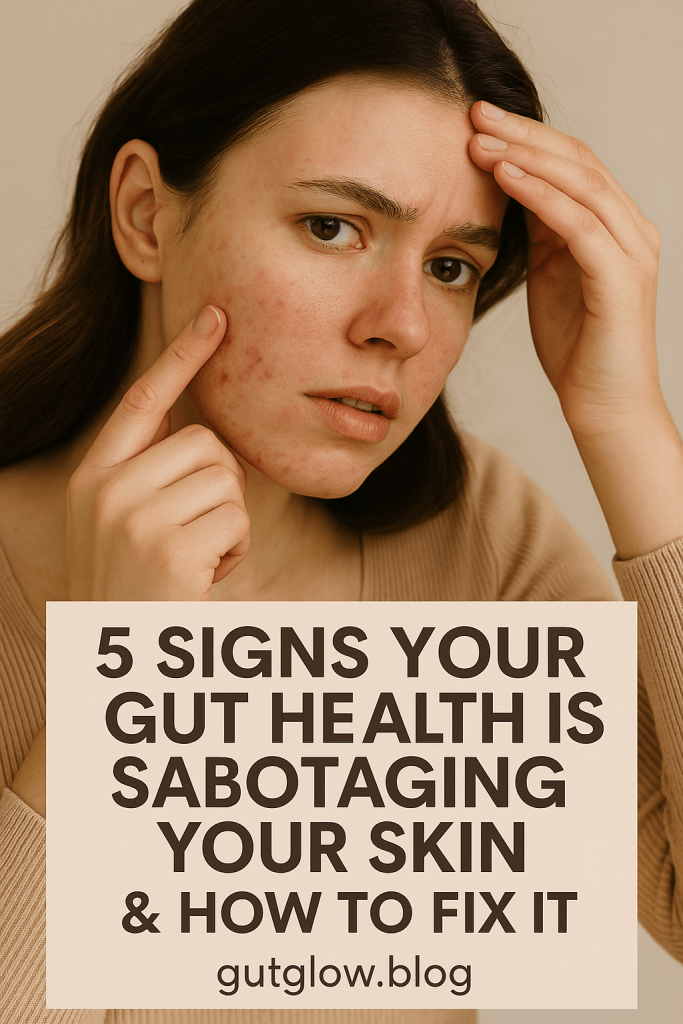
Wondering why your skin won’t cooperate? Your gut might be the culprit! Discover 5 signs your gut health is affecting your skin and learn nurse-approved tips to restore your glow.
Let’s be honest—when your skin is acting up, the first thought is usually “new serum, please!” But the truth? Your gut might be the real villain behind acne, dryness, redness, and dullness. 🦠💔
Recent research highlights the gut-skin axis, a communication superhighway where your gut microbes influence inflammation, nutrient absorption, and even hormone balance—all of which show up on your skin (Bowe & Logan, 2011, Journal of Drugs in Dermatology).
Below, I’ve broken down the top 5 signs your gut might be sabotaging your skin—plus actionable tips to get both your belly and face back on track.
1. Acne With a Mind of Its Own
Random breakouts? Your gut microbiome could be fueling inflammation that shows up as stubborn acne.
🧪 Nurse Tip: Add probiotic-rich foods like Greek yogurt, kefir, or fermented veggies. Supplement with a high-quality probiotic if needed. Your skin—and your microbiome—will thank you.
2. Sahara-Level Dryness
Dry, flaky skin isn’t just weather. Poor gut health can reduce nutrient absorption, especially essential fatty acids and vitamin E, both critical for skin hydration.
💧 Try This:
Bone broth
Chia seeds
Leafy greens
Water, water, water
Glow tip: hydration starts inside.
3. Redness & Inflammation
Eczema, rosacea, or random redness? A compromised gut lining (“leaky gut”) may trigger systemic inflammation.
🚨 Calm It Down: Include anti-inflammatory foods like turmeric, ginger, and omega-3-rich fish. Consistency is key—think daily, not just “sometimes.”
4. Post-Meal Skin Drama
Bloating today, breakouts tomorrow? That’s your gut-skin axis signaling distress. Poor digestion can allow toxins to linger and show up as acne or dullness.
🌀 Digestive Fix:
Fiber-rich meals
Smaller, slower meals
Digestive bitters
Chew like your life depends on it 😆
5. Dullness, Dark Circles & Uneven Tone
Your skin’s “I’m starving” face is often caused by nutrient malabsorption. Iron, B vitamins, and zinc are critical for glowing, even skin.
💊 Glow-Up Tips:
High-quality probiotic
B-complex vitamin
Nutrient-rich diet: leafy greens, nuts, seeds
Consult a nutritionist if needed
Your skin is a mirror of internal health, and your gut is the backstage manager. Feed it right, hydrate, and embrace fiber-rich, nutrient-dense meals—and your skin will reflect it.
💬 Let’s Chat! Have you noticed your gut affecting your skin? Share your glow-up story in the comments below.
⚠️ Disclaimer (Because I’m a Nurse, Not Your Nurse 😉) This blog is for educational and entertainment purposes only. Always consult a healthcare professional for personalized advice.