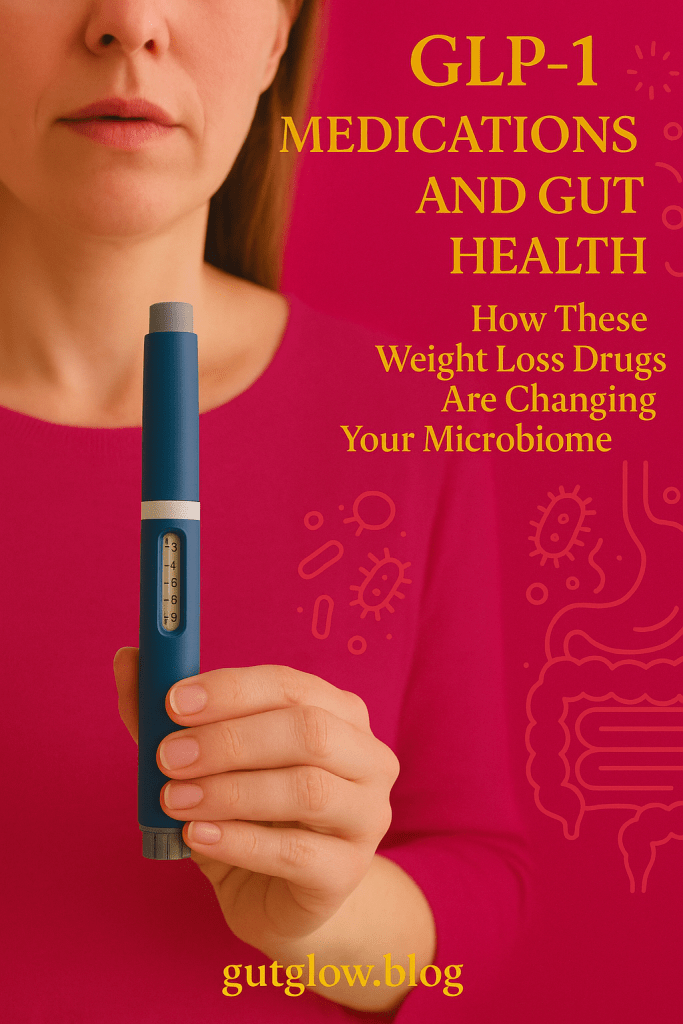
Learn how GLP-1 medications like Ozempic and Tirzepatide and others affect gut health. Discover nurse-approved tips to reduce digestive side effects and support your microbiome.
🧠 Are GLP-1 Drugs Doing More Than Just Helping You Lose Weight?
GLP-1 medications like Ozempic, Wegovy, and Tirzepatide and others are trending everywhere—from social media buzz to celebrity headlines. They’re praised for weight loss and appetite control, but did you know they can also impact your gut health and microbiome? 🌿
Your digestive system doesn’t just process food—it communicates with your brain, immune system, and hormones. That’s why medications that slow stomach emptying or alter appetite can have ripple effects on digestion, gut bacteria, and inflammation.
💊 Personal Experience: Navigating GLP-1 Side Effects
As a nurse with 22 years of experience, I’ve seen a lot of patients on GLP-1 medications, and I’ve also personally navigated the ups and downs. My experience with Ozempic included:
- 💥 Diarrhea
- 🔥 Acid reflux that woke me up at night (horrible)
- 😣 Severe stomach pain
It was a real wake-up call that even effective medications can have digestive side effects.
After switching to Tirzepatide and combining it with Nexium for acid reflux, along with a low dose GLP-1, I finally found a regimen that works. ✅ The difference? A balanced, gut-friendly diet, calorie deficit, and regular exercise helped me maximize benefits while minimizing gut discomfort.
This personal insight reinforces an important point: GLP-1 drugs interact deeply with your digestive system and microbiome, so supporting your gut with the right lifestyle strategies is key to success. 🌿
🔬 How GLP-1 Medications Affect Your Gut
GLP-1 drugs mimic the natural hormone glucagon-like peptide-1, which:
- Slows stomach emptying ⏳
- Reduces appetite 🍽️
- Enhances insulin secretion 💉
Because GLP-1 receptors are abundant in the gut and brain, these medications can:
- Alter Gut Motility
Slower digestion can shift nutrient availability for gut bacteria, which may change microbial composition. - Modulate Inflammation
Studies suggest GLP-1 drugs reduce systemic inflammation, which can support a healthier gut lining and microbial diversity. (Frontiers in Endocrinology, 2022) - Change Appetite & Diet Habits
Reduced appetite often leads to healthier food choices, which act as prebiotics for beneficial gut bacteria. 🥦
🥗 Nurse-Approved Tips to Support Your Gut While on GLP-1 Therapy
Supporting your microbiome can maximize benefits and minimize digestive side effects.
| 🌿 Strategy | 💡 What to Try | 💪 Why It Helps |
|---|---|---|
| Fiber Diversity | Eat 25–40 plant foods per week | Feeds beneficial bacteria, improves gut resilience |
| Fermented Foods | Yogurt, kefir, kimchi | Introduces live probiotics |
| Hydration | Drink water consistently | Supports digestion and stool consistency |
| Mindful Eating | Chew slowly, eat at a regular pace | Reduces bloating and improves nutrient absorption |
| Prebiotic Foods | Garlic, onions, asparagus, oats | Encourages SCFA-producing bacteria growth |
| Monitor Digestive Symptoms | Track bloating, diarrhea, acid reflux | Early adjustments prevent microbiome disruption |
✨ Glow tip: Introduce one gut-supporting habit every 1–2 weeks to avoid digestive overwhelm.
🔬 Evidence-Based Insights
- A 2019 study in Diabetes Care found GLP-1 therapies can influence gut hormone activity and microbiome balance.
- Frontiers in Endocrinology (2022) noted reduced systemic inflammation with GLP-1, which can indirectly support microbiome health.
- Combining medications with diet and exercise may optimize gut and metabolic outcomes.
🌈 Key Takeaways
GLP-1 medications like Ozempic and Tirzepatide do more than help with weight management. They interact with your digestive system and microbiome, meaning:
- You may experience digestive side effects initially. ⚡
- Supporting your gut with diet, hydration, and exercise can improve tolerance and results. 🌿
- Personalized strategies (like combining low-dose GLP-1 with Nexium if needed) are often most effective. ✅
🔗 Want More Gut & Wellness Tips?
- 🧬 The Gut-Brain Connection: Why Your Second Brain Holds the Key to Energy & Mood
- 💧 Inflammation and Skin: What Your Gut Is Trying to Tell You
- 🥦 Abs Are Made in the Kitchen — and in the Colon! Gut Tips for a Strong Core & Glowing Skin
💖 Pin this post and share the glow!
⚠️ Disclaimer:
This article is for educational purposes only and not medical advice. Consult your healthcare provider before starting, stopping, or changing any medication, diet, or supplement. Individual responses to GLP-1 medications vary, and gut health strategies should be personalized.