🌟 PCOS and Your Gut: How a Balanced Microbiome Can Support Hormones and Fertility

Learn how gut health impacts PCOS. Nurse-approved tips to balance hormones, reduce inflammation, and support fertility naturally.

🧠 Could your gut be the missing link to managing PCOS symptoms and improving fertility?

Polycystic Ovary Syndrome (PCOS) affects millions of women worldwide, often leading to hormonal imbalances, irregular cycles, insulin resistance, and fertility challenges. But did you know that your gut microbiome may play a significant role in PCOS management? 🌿

Emerging research shows that gut bacteria influence hormone regulation, inflammation, and insulin sensitivity, all of which are key players in PCOS. Let’s break down the science and provide practical, nurse-approved strategies to support your gut—and your hormones.


🔬 Science Made Simple: The Gut-PCOS Connection

Your gut does more than digest food. It’s a communication hub linking your brain, hormones, immune system, and metabolism.

Here’s how gut health impacts PCOS:

  1. Gut Dysbiosis & Hormonal Imbalance
    • Low diversity in gut bacteria can worsen androgen levels, contributing to acne, hair growth, and irregular cycles.
    • A balanced microbiome helps regulate estrogen and progesterone, improving overall hormonal harmony. (Harvard Health, 2024)
  2. Insulin Resistance & Gut Health
    • Many women with PCOS experience insulin resistance.
    • Gut bacteria affect glucose metabolism and inflammation, influencing insulin sensitivity and energy balance.
  3. Inflammation & Fertility
    • Dysbiosis can increase systemic inflammation, affecting ovulation and egg quality.
    • Supporting a healthy gut may help reduce inflammatory markers, supporting fertility naturally.

🧬 Evidence & Insights

  • A 2021 study in Frontiers in Endocrinology found that women with PCOS often have altered gut microbiota, which correlates with higher androgen levels and metabolic issues.
  • Certain probiotics and prebiotics have been shown to improve insulin sensitivity and reduce inflammation in women with PCOS.
  • Lifestyle factors like diet, exercise, and sleep significantly influence both gut health and PCOS symptoms.

🥗 Nurse-Approved Tips to Support Your Gut & Hormones

Supporting your microbiome can improve PCOS symptoms, hormone balance, and fertility.

🌿 Strategy💡 What to Try💪 Why It Helps
Eat Fiber-Rich FoodsVegetables, fruits, legumes, whole grainsSupports SCFA-producing bacteria, regulates hormones
Include Fermented FoodsYogurt, kefir, sauerkraut, kimchiProvides probiotics to balance microbiome
Add PrebioticsGarlic, onions, asparagus, oatsFeeds beneficial bacteria, reduces inflammation
Limit Processed Sugars & Refined CarbsAvoid sugary drinks and snacksImproves insulin sensitivity, reduces dysbiosis
Move Your BodyDaily walks, strength training, yogaEnhances insulin sensitivity, reduces stress
Manage Stress & Sleep7–9 hours sleep, mindfulness, meditationLowers cortisol, supports hormone and gut balance

Glow tip: Introduce one habit at a time for sustainable, long-term results.


🙋‍♀️ Common Questions

“Can probiotics help PCOS?”
Yes! Certain probiotics may improve insulin sensitivity and reduce inflammation, but they work best alongside diet, exercise, and lifestyle changes.

“Does leaky gut affect PCOS?”
It can contribute. Supporting gut integrity with fiber, prebiotics, and anti-inflammatory foods can help hormonal balance.

“Which foods are best for gut and hormone health?”
Focus on high-fiber vegetables, fermented foods, healthy fats, and lean protein, while reducing processed sugars and refined carbs.


🌈 Key Takeaways

  • Your gut microbiome plays a major role in PCOS, affecting hormones, insulin, inflammation, and fertility.
  • Supporting a diverse, balanced gut can improve symptoms and hormone regulation naturally.
  • Combining diet, probiotics, prebiotics, exercise, and sleep creates a synergistic approach for PCOS management. 🌿

🔗 Explore More Related Posts

💖 Pin this post and share the glow!


⚠️ Disclaimer:

This article is for educational purposes only and is not medical advice. Consult your healthcare provider before making any changes to medication, diet, or lifestyle. Individual results may vary.
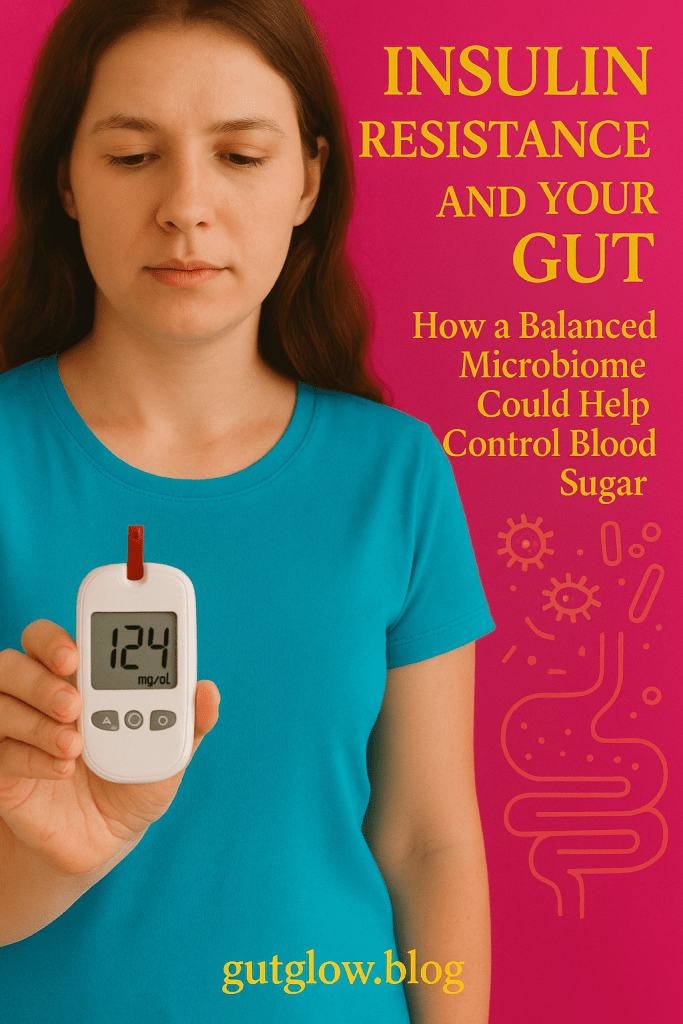
🌟 Insulin Resistance and Your Gut: How a Balanced Microbiome Could Help Control Blood Sugar

Discover how gut health affects insulin resistance. Nurse-approved tips for balancing your microbiome and improving blood sugar naturally.

🧠 Could your gut be the missing link in managing insulin resistance?

If you’re struggling with insulin resistance, you might already know how frustrating it can be to manage blood sugar levels despite diet, exercise, and lifestyle changes. But here’s a fascinating twist: your gut microbiome could be playing a starring role in your body’s insulin response. 🌿

Recent research shows that the composition and diversity of gut bacteria can influence glucose metabolism, inflammation, and hormone signaling—all critical players in insulin resistance. Let’s break it down in a way that’s easy to understand, nurse-approved, and practical.


🔬 Science Made Simple: The Gut-Insulin Connection

Your gut isn’t just for digestion. It’s a communication hub linking your brain, hormones, immune system, and metabolism.

Here’s how gut health impacts insulin resistance:

  1. Microbiome Diversity & Insulin Sensitivity
    • A diverse gut microbiome supports short-chain fatty acid (SCFA) production, which helps regulate glucose metabolism and reduces inflammation.
    • Low diversity can lead to dysbiosis, increasing insulin resistance risk. (Harvard Health, 2024)
  2. Leaky Gut & Chronic Inflammation
    • Poor gut integrity allows endotoxins like LPS into the bloodstream.
    • This triggers chronic low-grade inflammation, which directly worsens insulin resistance.
  3. Gut-Brain-Hormone Axis
    • Your gut communicates with your brain and pancreas, influencing appetite, satiety, and insulin secretion.
    • An unhealthy microbiome can disrupt these signals, making blood sugar management harder.

🧬 Evidence & Insights

  • A 2022 study in Frontiers in Endocrinology found that people with higher gut microbiome diversity had better insulin sensitivity and lower fasting glucose levels.
  • Certain prebiotics and probiotics may improve glucose metabolism by promoting beneficial gut bacteria growth.
  • Lifestyle factors—like diet, exercise, and sleep—dramatically influence both microbiome health and insulin resistance.

🥗 Nurse-Approved Tips to Support Your Gut & Blood Sugar

Here’s a practical, actionable guide to help your gut—and your blood sugar—stay in balance:

🌿 Strategy💡 What to Try💪 Why It Helps
Eat Fiber-Rich FoodsVegetables, fruits, whole grains, legumesSupports SCFA-producing bacteria and slows glucose absorption
Include Fermented FoodsYogurt, kefir, kimchi, sauerkrautProvides probiotics to boost microbial diversity
Add PrebioticsGarlic, onions, asparagus, oatsFeeds beneficial bacteria, improves insulin response
Limit Processed SugarsAvoid high-sugar drinks & snacksReduces dysbiosis and glucose spikes
Move Your BodyDaily walks, resistance trainingEnhances insulin sensitivity and gut motility
Prioritize Sleep & Stress Management7–9 hours sleep, mindfulnessLowers cortisol, reduces inflammation, supports microbiome balance

Glow tip: Small, consistent changes are more effective than drastic measures. Start with one gut-supporting habit at a time.


🙋‍♀️ Common Questions

“Can probiotics reverse insulin resistance?”
Probiotics can help improve gut health and metabolic function, but they’re most effective when combined with diet, exercise, and lifestyle changes.

“Is leaky gut the reason for my insulin issues?”
It could be a contributing factor. Restoring gut integrity with fiber, prebiotics, probiotics, and anti-inflammatory foods can support blood sugar regulation.

“Which foods are best for my gut and blood sugar?”
Prioritize high-fiber vegetables, fermented foods, lean proteins, and healthy fats while minimizing processed sugars and refined carbs.


🌈 Key Takeaways

  • Your gut microbiome plays a major role in insulin resistance and blood sugar management.
  • Diverse, balanced gut bacteria help regulate glucose metabolism and reduce inflammation.
  • Combining diet, probiotics, prebiotics, exercise, and sleep creates a synergistic approach for better blood sugar control. 🌿

🔗 Explore More Related Posts

💖 Pin this post and share the glow!


⚠️ Disclaimer:

This article is for educational purposes only and is not medical advice. Consult your healthcare provider before making any changes to medication, diet, or lifestyle. Individual results may vary.

💪 Fiber = Fitness Fuel: The Gut-Healthy Secret to Better Workouts, Better Poops, and a Tighter Core


Discover how fiber boosts your fitness, digestion, and skin health! This nurse-approved guide shares the gut-skin connection, best high-fiber foods, and how to fuel your workouts (and your bowel movements) naturally. Let’s talk fiber, fitness, and 💩—with science and sass.


Wait, Fiber for Abs?! Why Your Poop Game Affects Your Core Strength

If you thought fiber was just for your grandma’s breakfast cereal—think again. 💥 Whether you’re crushing workouts, trying to beat the bloat, or aiming for radiant skin, fiber is your underrated MVP.

As a nurse in my 40s who’s obsessed with all things skin, gut, and wellness (and yes, poop too 💩), I’m here to tell you: fiber is not just for digestion—it’s your fitness fuel. And it could be the missing link between your glow-up and go-up at the gym.


The Gut-Skin-Fitness Triangle 🔺

You’ve heard of the gut-skin connection, but let’s take it a step further. Your gut, skin, and muscles are part of a powerful ecosystem.

  • Gut health influences nutrient absorption, inflammation, and hormones.
  • Healthy digestion reduces bloating and helps regulate your core.
  • Fiber supports stable energy levels, clearer skin, and regular poops (yes, we’re celebrating bowel movements here).

🧠 A 2023 review in the journal Nutrients found that a high-fiber diet improves metabolic health, reduces inflammation, and positively impacts the skin via microbiome modulation.


Fiber: The Real Pre-Workout

Forget mystery powders. Soluble and insoluble fibers work together like a fitness duo:

🥬 Soluble Fiber:

  • Found in oats, apples, chia seeds
  • Feeds your gut bacteria (a.k.a. your microscopic hype squad)
  • Balances blood sugar, keeping you energized

🌾 Insoluble Fiber:

  • Found in whole grains, flax, veggies
  • Keeps things moving 💨
  • Helps eliminate toxins and reduce constipation bloat

⚠️ Constipation causes sluggishness and can make your abs disappear under bloating. A backed-up gut = backed-up workouts.


The Skin-Fiber Connection: Poop = Glow

Okay, not directly, but here’s the deal.

When waste isn’t eliminated efficiently, toxins can recirculate in your system. Cue: acne, dull skin, inflammation. 😩

By helping you poop regularly, fiber reduces that toxic load and supports:

✅ Balanced hormones
✅ Less gut inflammation
✅ Reduced skin flare-ups (especially around the jawline and chin)

📊 A 2022 study in the Journal of Dermatological Science showed that improving gut microbiota diversity (via fiber intake) reduced acne severity in adult women.


My Personal Gut-Glute-Fiber Story 🍑

Let me keep it real: I used to get bloated every time I tried to “eat clean.” My abdomen? Hiding behind inflammation. My energy? Tanked. And let’s just say my poops were less-than-legendary.

Enter: fiber.

I upped my soluble fiber from things like chia seeds and berries, added flax to my protein shakes, and boom—bloating gone, energy up, skin clear, and my abdomen started to behave better.

And yes, I now celebrate my daily “smooth exit” like a small win. 💩✨


Best High-Fiber Foods for Fitness and Skin 🥗

FoodFiber TypeBenefits
Chia seedsSolubleGut microbiome booster, keeps you full
OatsSolubleBlood sugar control, great for pre-workout
LentilsInsolublePromotes regularity, protein-rich
Avocado 🥑BothGlowing skin, healthy fats, gut-loving
RaspberriesInsolubleHigh in antioxidants and fiber
FlaxseedSolubleHormone balance, skin clarity
Sweet potatoes 🍠InsolubleSupports digestion, energy for workouts

💡 Try adding 1 tbsp of ground flax to your oatmeal or smoothies—it’s a total gut-skin win.


Quick Gut-Friendly Fiber Pre-Workout Bowl 🥣

BONUS RECIPE: Glow & Go Chia Oats

Ingredients:

  • 1/2 cup rolled oats
  • 1 cup oat milk
  • 1 tbsp chia seeds
  • 1/2 banana, mashed
  • 1 tsp cinnamon
  • 1 tbsp almond butter
  • Handful of berries

Mix, soak overnight, and eat before your workout. Your gut—and your glutes—will thank you. 🍓💪


Internal Links You’ll Love:


Reader Testimonial 💬

“I started adding more fiber to my diet because of your blog, and WOW. Not only do I feel less bloated, but my skin is clearing up and I feel stronger during workouts. Game-changer!” – Melissa, 41


So, Is Fiber Your Secret Weapon? 🦸‍♀️

Absolutely. It’s free, it’s powerful, and it works from the inside out.

Fiber:

  • Cleans out your gut
  • Fuels your workouts
  • Supports your glow
  • Helps you poop like a champ

Talk to Me 👇

What’s your favorite gut-friendly fiber food? Have you noticed changes in your skin or workouts after adding more fiber to your diet?

Let’s get chatty in the comments or come find me on Pinterest 💬🧡


Final Thoughts:
If you’re working on your abs, your workouts, or your glow, don’t overlook fiber. It’s not flashy, but it’s powerful. Especially when paired with hydration, movement, and a gut-healthy mindset.

This isn’t just another wellness trend. It’s biology. It’s real. And as a nurse in her fabulous 40s, I’m here to remind you: you don’t need a detox—you need fiber and water. 😉


⚠️ Disclaimer (Because I’m a Nurse, Not Your Nurse 😉)

This blog is for general education and entertainment purposes only. While I am a wound and ostomy nurse with 22 years of experience, please consult your healthcare provider for personalized medical advice.

🥗 Eat for Glow: The Gut-Skin Connection in Every Meal

Let’s talk glow-up—and not the Instagram-filter kind. I’m talking real, nurse-approved, radiant-from-the-inside-out kind of glow ✨. That post-veggie-bowl, happy-bowels, hydrated-skin, clear-complexion kind of magic.

As a wound and ostomy nurse who’s spent over two decades knee-deep in poop (literally and figuratively 💩), I can confidently say: your gut health and skin health are BFFs—and your fork is the matchmaker. 🍴💘

So if you’ve been slathering on serums but still dealing with breakouts, inflammation, or dry patches, it might be time to look below the surface—yep, we’re going gut deep.


🌿 The Gut-Skin Axis: It’s a Thing, I Promise

Your digestive tract isn’t just about absorbing nutrients and giving you that glorious morning poop. 🚽 It also plays a major role in:

  • 💥 Inflammation levels
  • 🦠 Immune system regulation
  • 💧 Skin hydration and barrier repair
  • 🌟 Collagen production and wrinkle resilience

Basically, when your gut’s out of whack, your skin sends out a distress flare—cue acne, dullness, eczema, or even delayed wound healing.


🧠 Fun Nurse Fact: The Gut Has a Brain of Its Own

The enteric nervous system, aka the “second brain,” talks to your skin through the gut-brain-skin axis. Stressful day? Your gut bacteria notice. Eat junk food all weekend? Your skin spills the tea Monday morning. ☕️


🥑 Glow-Up Grocery List: What to Eat for That Inside-Out Radiance

These foods are skin AND gut heroes. Think of them as the support squad for both your intestines and your Instagram selfies:

🥬 Leafy Greens (Kale, Spinach, Arugula)

Packed with fiber and antioxidants—think of them as a broom and a shield in your gut.

🥕 Orange & Red Veggies (Carrots, Sweet Potatoes, Bell Peppers)

Loaded with beta-carotene (hello, vitamin A precursor!)—supports skin renewal and reduces dryness.

🥥 Healthy Fats (Avocados, Olive Oil, Nuts)

Support cell membranes and reduce inflammation. Plus, fat helps you absorb fat-soluble skin vitamins (A, D, E, K).

🫐 Berries

These antioxidant powerhouses help your skin fight off free radicals—and they taste like dessert.

🧄 Fermented Foods (Kimchi, Sauerkraut, Kefir, Yogurt)

Bring on the probiotics! They balance gut flora and calm skin issues like acne, rosacea, and eczema.


❌ Gut-Skin Glow Killers (Sorry, But We Need to Talk…)

🍬 Sugar Bombs

Inflammatory and collagen-destroying. That “sugar face” thing? It’s real.

🧪 Ultra-Processed Junk

Your microbiome thrives on whole food diversity—not fake cheese dust and artificial dyes.

🥤 Dehydration

Okay, water’s not food, but it’s ESSENTIAL. Dry gut = dry skin. 💦 Drink up, friend.


💊 Bonus: Gut-Friendly Supplements That Help Skin Heal

Always talk with your provider first, but here are some MVPs I recommend (especially for wound healing!):

  • Zinc: For tissue repair and immune health
  • Vitamin C: Boosts collagen and immune support
  • Vitamin D: Crucial for immune modulation and skin resilience
  • Probiotics: Choose one with multiple strains for gut flora diversity

🌟 Real Talk From Your Wound Care Nurse

Whether you’re healing from a surgical wound, managing your ostomy, or just trying to keep your 40s face glowing while juggling life—food is your ally. I’ve seen people heal faster, feel better, and glow brighter when they support their guts with good nutrition.

Skincare isn’t just what you put on your skin—it’s what you feed it, too. 🍽💕


⚠️ Disclaimer (Because I’m a Nurse, Not Your Nurse 😉)

This blog is for general education and entertainment purposes only. Always consult with your doctor, dietitian, dermatologist or wound/ostomy care specialist—especially if you have specific conditions, allergies, or a medical device like an ostomy. What works for one person might not work for another (especially if we’re talking ileostomy vs colostomy vs urostomy—big differences, folks!).


🌈 Final Thought

Eating for glow isn’t about being perfect—it’s about being kind to your gut and consistent with your choices. Your skin is your biggest organ, and your gut? Well, it’s the backstage crew that keeps the whole show running.

So go ahead—pile your plate with color, fiber, and fermented goodness. Your skin (and your poop 💩) will thank you.


Probiotics, Prebiotics, and All the Biotics: What’s the Deal?

A nurse’s guide to the little bugs running your gut, your glow, and maybe even your mood

Let’s get real: somewhere between drinking kombucha and reading labels on probiotic yogurt that costs more than a co-pay, we all started wondering…
“What are all these -biotics? And why are they suddenly the Beyoncé of gut health?”

As a nurse with 22 years of experience—many of them up to my elbows in wounds, ostomies, and talking to patients about their poop—let me explain things the way we like it in the medical world: clear, quick, and with a touch of sass.


🦠 Meet Your Microbiome (AKA the Gut Squad)

You’ve got trillions of bacteria living in your gut. Sounds creepy? It’s not. These microbes are the real MVPs of digestion, immunity, skin health, mood, inflammation, and yes—even wound healing. The goal is to keep this gut community thriving and balanced. That’s where the -biotics come in.


🧪 So What’s the Difference?

Probiotics = The Good Guys You Add In

These are live bacteria you consume to support your gut’s army. Think of probiotics like hiring reinforcements for your body’s microscopic wellness team.

Found in:

  • Yogurt with live cultures
  • Kefir
  • Kimchi
  • Sauerkraut
  • Miso
  • Probiotic supplements

What they do:

  • Balance gut flora
  • Reduce bloating and constipation
  • Support skin health (bye, breakouts!)
  • Boost immunity
  • Help absorb nutrients (hello, glowing skin + stronger wounds)

🩺 Nurse Note: Not all probiotic strains are the same! Lactobacillus and Bifidobacterium are solid picks—but make sure they’re alive and well in your product.


Prebiotics = Food for Your Good Bugs

Prebiotics are non-digestible fibers that your good bacteria LOVE to eat. They keep the probiotics thriving, happy, and multiplying.

Found in:

  • Garlic
  • Onions
  • Leeks
  • Asparagus
  • Bananas (especially the slightly green ones)
  • Oats
  • Chicory root

What they do:

  • Fuel your gut flora
  • Help keep bowel movements regular (💩 cheers!)
  • Improve calcium absorption
  • Support clearer skin by reducing inflammation

💡 Think of it this way: Prebiotics are like fertilizer for your inner garden. No food = no healthy gut bugs = sad skin, poor poops, and sluggish vibes.


Postbiotics = The Bonus Products

Wait, there’s more? Yes! Postbiotics are the byproducts (a.k.a. leftovers) that probiotics produce after feeding on prebiotics. They’re kind of like the secret sauce that helps reduce inflammation and support immunity.

Found in:

  • Fermented foods (again!)
  • Your own gut… if it’s well-fed with the first two

What they do:

  • Strengthen your gut lining
  • Calm inflammation (skin and gut)
  • Support immune response
  • May even reduce allergy symptoms

👩‍⚕️ Bottom line: Don’t stress about buying “postbiotic products.” Just feed your gut right, and your body will do the work.


🧴 But What Does This Have to Do with My Skin?

EVERYTHING. Your gut and your skin are BFFs. When your gut microbiome is healthy, it reduces systemic inflammation—which means:

  • Fewer breakouts
  • Less eczema or psoriasis flares
  • Better hydration and glow
  • Faster wound healing (yep, I went there—nurse bonus tip)

A stressed-out gut can lead to toxins leaking into your bloodstream (leaky gut syndrome), which then manifests as breakouts, dullness, or chronic skin irritation.

✨ Nurse Wisdom: Beautiful skin starts in the bathroom. Yes, that bathroom.


🚽 How to Build a “Biotic” Routine That Works

  1. Eat fermented foods regularly. They’re the easiest way to get natural probiotics.
  2. Add prebiotic fiber daily. Don’t skip your garlic, onions, and oats!
  3. Drink water like it’s your job. Fiber without water = constipation central.
  4. Consider a quality probiotic supplement if your gut needs extra support (like after antibiotics or stress).
  5. Ditch the ultra-processed junk. Sugar, fried foods, and alcohol feed the wrong bacteria.

🧠 Final Thoughts from Your Gut-Loving Nurse Blogger

Your gut isn’t just about digestion. It’s the HQ of your immunity, energy, mood, skin, and so much more. When you give it the tools (hello, probiotics and prebiotics), it shows up for you—in the mirror and the bathroom.

So the next time someone asks what all the -biotics hype is about, you can smile and say,
“They’re why I poop like a queen and glow like one, too.”


Want gut-friendly recipes, wound-healing nutrition tips, or nurse-approved skin care hacks?
Stick around, subscribe, and share with your favorite constipated coworker. You know the one. 💩😉


🍽️✨Eat This, Not That—for Happier Bowels and Better Skin 🌿💩💖

Because what you eat shows up in your poop AND your pores.

If you’re in your 40s like me, and you’ve ever said, “Wow, I didn’t used to bloat like this after a salad,” or “Why is my skin freaking out like I’m 16 again?”—welcome, friend. Let’s talk about the not-so-secret secret behind it all: your gut.

As a nurse with 22 years of experience (and way too many conversations about poop before lunch), I’ve seen firsthand how what you eat affects how you go—and how you glow. The connection between your gut and your skin is as real as that one coworker who always microwaves fish in the breakroom.

So today we’re diving into my favorite kind of list:
Eat this, not that—for happier bowels and better skin.
Because good skin starts in the gut, and so does not hating your bathroom time.


🍞 Bread Edition: Whole > White

Eat This: Sprouted grain bread or whole wheat
Not That: White bread, croissants, or anything with “enriched” flour

White bread is basically cardboard for your gut. It spikes your blood sugar, feeds the bad bacteria, and leaves you hungry in 20 minutes. Whole grains? They’re fiber-packed, feed your good gut bugs, and help you poop like a champion.

💩 Gut bonus: Fiber = movement = less constipation = less toxin reabsorption = clearer skin.


🧃 Drink Edition: Water > Juice

Drink This: Water (with lemon, cucumber, or even chia seeds)
Not That: Sugary juices, soda, or “detox teas” that are just glorified laxatives

Juice may look healthy, but your gut and skin know better. It’s a sugar bomb in disguise. Water keeps everything hydrated—from your colon to your collagen.

💦 Pro tip: Dehydration is the fastest way to look tired and get constipated.


🍟 Snack Edition: Avocados > Chips

Eat This: Avocado toast, guac with veggie sticks, or even just a spoonful
Not That: Potato chips, pretzels, or “low-fat” snack packs

Avocados are loaded with healthy fats that keep your skin plump and your gut lining happy. Chips? Mostly salt and empty carbs. Sorry, not sorry.

🥑 Bonus: Avocados contain fiber + vitamin E, a double win for your glow.


🍫 Treat Edition: Dark Chocolate > Candy Bars

Eat This: 70%+ dark chocolate
Not That: Milk chocolate candy bars with sugar as the first ingredient

Dark chocolate (in moderation, of course) has polyphenols—plant compounds that love your gut and fight inflammation. Candy bars? Just a sugar party for acne-causing bacteria.

🍫 Nurse wisdom: Eat the chocolate. Just make it dark and mysterious, like your favorite medical drama.


🍗 Protein Edition: Salmon > Processed Meats

Eat This: Wild salmon, sardines, eggs, beans
Not That: Deli meats, bacon, hot dogs

Omega-3s in salmon are great for calming skin inflammation and soothing the gut. Processed meats? They’re full of preservatives and inflammatory fats that make your gut and face very unhappy.

🧠 Gut-skin note: Omega-3s support mood, too. So you’ll look good and stop yelling at your houseplants.


🥤 Gut Helper Edition: Fermented Foods > “Probiotic” Gimmicks

Eat This: Yogurt, kefir, kimchi, sauerkraut, miso
Not That: Sugary probiotic drinks with cartoon labels

Fermented foods bring real, living bacteria to your gut party. Fake probiotic products are like inviting a clown to a medical conference. Not helpful.

🧬 A healthy microbiome = better digestion, better immunity, fewer breakouts. Win-win-win.


🚫 Avoid the “Low-Fat” Lies

Let me be clear: your skin and gut need fat. Healthy fats. Not the “low-fat” processed stuff that spiked in popularity in the 90s (and ruined all our hormones). Your skin barrier and your gut lining are made of lipids. Give them what they need.


👩‍⚕️ Final Thoughts from Your Friendly Nurse Blogger

What you eat either feeds the inflammation or fights it. It either supports your gut-skin connection—or sabotages it one soda at a time.

You don’t need a perfect diet. Just a realistic, whole-food, gut-happy plan that works with your life (and your shift schedule). If your poop is regular, your skin is glowing, and you’ve got energy to spare—you’re on the right track.

And if not? Just remember, you can turn things around one avocado at a time.


Want more tips like this—plus recipes, skin care advice, and real nurse-approved wellness hacks?
Subscribe, share, or send this to a friend who’s currently mad at their skin and their bowels.