🌟 PCOS and Your Gut: How a Balanced Microbiome Can Support Hormones and Fertility

Learn how gut health impacts PCOS. Nurse-approved tips to balance hormones, reduce inflammation, and support fertility naturally.

🧠 Could your gut be the missing link to managing PCOS symptoms and improving fertility?

Polycystic Ovary Syndrome (PCOS) affects millions of women worldwide, often leading to hormonal imbalances, irregular cycles, insulin resistance, and fertility challenges. But did you know that your gut microbiome may play a significant role in PCOS management? 🌿

Emerging research shows that gut bacteria influence hormone regulation, inflammation, and insulin sensitivity, all of which are key players in PCOS. Let’s break down the science and provide practical, nurse-approved strategies to support your gut—and your hormones.


🔬 Science Made Simple: The Gut-PCOS Connection

Your gut does more than digest food. It’s a communication hub linking your brain, hormones, immune system, and metabolism.

Here’s how gut health impacts PCOS:

  1. Gut Dysbiosis & Hormonal Imbalance
    • Low diversity in gut bacteria can worsen androgen levels, contributing to acne, hair growth, and irregular cycles.
    • A balanced microbiome helps regulate estrogen and progesterone, improving overall hormonal harmony. (Harvard Health, 2024)
  2. Insulin Resistance & Gut Health
    • Many women with PCOS experience insulin resistance.
    • Gut bacteria affect glucose metabolism and inflammation, influencing insulin sensitivity and energy balance.
  3. Inflammation & Fertility
    • Dysbiosis can increase systemic inflammation, affecting ovulation and egg quality.
    • Supporting a healthy gut may help reduce inflammatory markers, supporting fertility naturally.

🧬 Evidence & Insights

  • A 2021 study in Frontiers in Endocrinology found that women with PCOS often have altered gut microbiota, which correlates with higher androgen levels and metabolic issues.
  • Certain probiotics and prebiotics have been shown to improve insulin sensitivity and reduce inflammation in women with PCOS.
  • Lifestyle factors like diet, exercise, and sleep significantly influence both gut health and PCOS symptoms.

🥗 Nurse-Approved Tips to Support Your Gut & Hormones

Supporting your microbiome can improve PCOS symptoms, hormone balance, and fertility.

🌿 Strategy💡 What to Try💪 Why It Helps
Eat Fiber-Rich FoodsVegetables, fruits, legumes, whole grainsSupports SCFA-producing bacteria, regulates hormones
Include Fermented FoodsYogurt, kefir, sauerkraut, kimchiProvides probiotics to balance microbiome
Add PrebioticsGarlic, onions, asparagus, oatsFeeds beneficial bacteria, reduces inflammation
Limit Processed Sugars & Refined CarbsAvoid sugary drinks and snacksImproves insulin sensitivity, reduces dysbiosis
Move Your BodyDaily walks, strength training, yogaEnhances insulin sensitivity, reduces stress
Manage Stress & Sleep7–9 hours sleep, mindfulness, meditationLowers cortisol, supports hormone and gut balance

Glow tip: Introduce one habit at a time for sustainable, long-term results.


🙋‍♀️ Common Questions

“Can probiotics help PCOS?”
Yes! Certain probiotics may improve insulin sensitivity and reduce inflammation, but they work best alongside diet, exercise, and lifestyle changes.

“Does leaky gut affect PCOS?”
It can contribute. Supporting gut integrity with fiber, prebiotics, and anti-inflammatory foods can help hormonal balance.

“Which foods are best for gut and hormone health?”
Focus on high-fiber vegetables, fermented foods, healthy fats, and lean protein, while reducing processed sugars and refined carbs.


🌈 Key Takeaways

  • Your gut microbiome plays a major role in PCOS, affecting hormones, insulin, inflammation, and fertility.
  • Supporting a diverse, balanced gut can improve symptoms and hormone regulation naturally.
  • Combining diet, probiotics, prebiotics, exercise, and sleep creates a synergistic approach for PCOS management. 🌿

🔗 Explore More Related Posts

💖 Pin this post and share the glow!


⚠️ Disclaimer:

This article is for educational purposes only and is not medical advice. Consult your healthcare provider before making any changes to medication, diet, or lifestyle. Individual results may vary.

🌟 Insulin Resistance and Your Gut: How a Balanced Microbiome Could Help Control Blood Sugar

Discover how gut health affects insulin resistance. Nurse-approved tips for balancing your microbiome and improving blood sugar naturally.

🧠 Could your gut be the missing link in managing insulin resistance?

If you’re struggling with insulin resistance, you might already know how frustrating it can be to manage blood sugar levels despite diet, exercise, and lifestyle changes. But here’s a fascinating twist: your gut microbiome could be playing a starring role in your body’s insulin response. 🌿

Recent research shows that the composition and diversity of gut bacteria can influence glucose metabolism, inflammation, and hormone signaling—all critical players in insulin resistance. Let’s break it down in a way that’s easy to understand, nurse-approved, and practical.


🔬 Science Made Simple: The Gut-Insulin Connection

Your gut isn’t just for digestion. It’s a communication hub linking your brain, hormones, immune system, and metabolism.

Here’s how gut health impacts insulin resistance:

  1. Microbiome Diversity & Insulin Sensitivity
    • A diverse gut microbiome supports short-chain fatty acid (SCFA) production, which helps regulate glucose metabolism and reduces inflammation.
    • Low diversity can lead to dysbiosis, increasing insulin resistance risk. (Harvard Health, 2024)
  2. Leaky Gut & Chronic Inflammation
    • Poor gut integrity allows endotoxins like LPS into the bloodstream.
    • This triggers chronic low-grade inflammation, which directly worsens insulin resistance.
  3. Gut-Brain-Hormone Axis
    • Your gut communicates with your brain and pancreas, influencing appetite, satiety, and insulin secretion.
    • An unhealthy microbiome can disrupt these signals, making blood sugar management harder.

🧬 Evidence & Insights

  • A 2022 study in Frontiers in Endocrinology found that people with higher gut microbiome diversity had better insulin sensitivity and lower fasting glucose levels.
  • Certain prebiotics and probiotics may improve glucose metabolism by promoting beneficial gut bacteria growth.
  • Lifestyle factors—like diet, exercise, and sleep—dramatically influence both microbiome health and insulin resistance.

🥗 Nurse-Approved Tips to Support Your Gut & Blood Sugar

Here’s a practical, actionable guide to help your gut—and your blood sugar—stay in balance:

🌿 Strategy💡 What to Try💪 Why It Helps
Eat Fiber-Rich FoodsVegetables, fruits, whole grains, legumesSupports SCFA-producing bacteria and slows glucose absorption
Include Fermented FoodsYogurt, kefir, kimchi, sauerkrautProvides probiotics to boost microbial diversity
Add PrebioticsGarlic, onions, asparagus, oatsFeeds beneficial bacteria, improves insulin response
Limit Processed SugarsAvoid high-sugar drinks & snacksReduces dysbiosis and glucose spikes
Move Your BodyDaily walks, resistance trainingEnhances insulin sensitivity and gut motility
Prioritize Sleep & Stress Management7–9 hours sleep, mindfulnessLowers cortisol, reduces inflammation, supports microbiome balance

Glow tip: Small, consistent changes are more effective than drastic measures. Start with one gut-supporting habit at a time.


🙋‍♀️ Common Questions

“Can probiotics reverse insulin resistance?”
Probiotics can help improve gut health and metabolic function, but they’re most effective when combined with diet, exercise, and lifestyle changes.

“Is leaky gut the reason for my insulin issues?”
It could be a contributing factor. Restoring gut integrity with fiber, prebiotics, probiotics, and anti-inflammatory foods can support blood sugar regulation.

“Which foods are best for my gut and blood sugar?”
Prioritize high-fiber vegetables, fermented foods, lean proteins, and healthy fats while minimizing processed sugars and refined carbs.


🌈 Key Takeaways

  • Your gut microbiome plays a major role in insulin resistance and blood sugar management.
  • Diverse, balanced gut bacteria help regulate glucose metabolism and reduce inflammation.
  • Combining diet, probiotics, prebiotics, exercise, and sleep creates a synergistic approach for better blood sugar control. 🌿

🔗 Explore More Related Posts

💖 Pin this post and share the glow!


⚠️ Disclaimer:

This article is for educational purposes only and is not medical advice. Consult your healthcare provider before making any changes to medication, diet, or lifestyle. Individual results may vary.
🌸Hormonal Acne and Gut Health: The Hidden Link (And How to Fix It Naturally at Any Age) 🧴


Struggling with hormonal acne? 🧴 The secret may be in your gut. Discover the science-backed gut-skin connection and natural ways to heal from the inside out.


Ever feel like your skin has a mind of its own—especially around that time of the month? 🙋‍♀️ Hormonal acne isn’t just a teenage problem. Many adults, especially women in their 40s and beyond, find themselves battling stubborn chin breakouts while juggling careers, family, and perimenopause.

But here’s the kicker: what if the true culprit isn’t just your hormones… but your gut? 🦠

Recent research has been uncovering the gut-skin axis, showing that your microbiome (those trillions of bacteria in your digestive system) plays a direct role in acne, inflammation, and skin clarity. A 2023 article in Dermatology Times highlighted that dysbiosis (imbalance in gut bacteria) can trigger systemic inflammation, worsening acne and rosacea flare-ups.

In this article, I’ll break down the hidden gut-acne link, sprinkle in some nurse-approved humor, and share realistic tips you can start today. Because glowing skin shouldn’t require a chemistry degree—or a second mortgage on skincare products.


🌸 The Hormonal Acne Struggle Is Real

Hormonal acne typically shows up as painful cysts on the chin, jawline, and sometimes the back or chest. Fluctuating estrogen, progesterone, and testosterone levels create the “perfect storm” of oil overproduction, clogged pores, and inflammation.

But if hormones are the gas pedal, your gut may be the engine. 🚗

Why Your Gut Matters for Hormonal Acne

  • Gut Dysbiosis = Inflammation → When the gut lining is leaky or bacteria are imbalanced, inflammatory signals travel through the bloodstream and straight to the skin.
  • Poor Detox Pathways → The gut and liver help break down excess hormones. If they’re sluggish, hormones recirculate, fueling acne.
  • Nutrient Absorption → If your gut can’t absorb zinc, vitamin A, and omega-3s properly, your skin misses key acne-fighting tools.

👉 Question for you: Have you noticed breakouts spike after a weekend of pizza, cocktails, or stress-snacking? (Yep, your gut is talking!)


🥦 Gut-Friendly Foods That Heal Skin From Within

The good news? You can improve your gut health with food. No expensive “detox teas” required.

Nurse-Approved Acne-Friendly Foods

  • Fiber-rich veggies & legumes → Help regulate estrogen and keep bowel movements regular (because constipation = acne’s BFF).
  • Fermented foods (kimchi, sauerkraut, kefir) → Add healthy bacteria to balance your microbiome.
  • Omega-3 rich foods (salmon, chia seeds, flaxseeds) → Lower inflammation and support healthy oil production in skin.
  • Green tea → Packed with polyphenols that fight oxidative stress. (A 2022 review in Nutrients showed green tea catechins reduced acne lesion counts in adults.)

Glow Tip: Think of your gut as the “skincare fridge” you didn’t know you had. Stock it wisely, and your skin will thank you.


🚰 Hydration, Exercise, and Stress: The Underestimated Acne Triggers

You don’t need me (a nurse) to tell you that water is life—but hydration truly helps flush toxins and regulate digestion. Aim for at least half your body weight in ounces per day. Add electrolytes if you sweat a lot.

Exercise? A must. Movement improves circulation, lowers cortisol (your stress hormone), and helps balance blood sugar—all acne triggers. A 2023 study in Journal of Clinical Medicine found that women who exercised regularly had fewer inflammatory skin conditions compared to sedentary peers.

And stress? Oh honey, it’s acne fuel. Chronic stress shifts your microbiome, weakens your gut lining, and sends cortisol skyrocketing. Cue jawline breakout city.


💊 Supplements and Skincare Synergy

While food comes first, supplements can give you extra support:

  • Probiotics → Improve gut microbiome balance (look for Lactobacillus and Bifidobacterium strains).
  • Zinc → Reduces acne lesions by regulating oil production.
  • Vitamin D → Supports immunity and inflammation control.

Skincare matters too, but think of it as “support staff” while your gut does the heavy lifting. Gentle cleansers, non-comedogenic moisturizers, and niacinamide serums help manage inflammation without stripping the skin barrier.


✨ Key Takeaways

  • Hormonal acne isn’t just about hormones—it’s deeply tied to gut health.
  • Heal from the inside: eat gut-friendly foods, hydrate, manage stress, and move your body.
  • Supplements and skincare should complement—not replace—a healthy gut routine.

💬 I’d love to hear from you: Have you noticed your skin breaking out after gut-disrupting habits (like antibiotics, stress, or diet changes)? Drop your experience in the comments—I promise you’re not alone.

⚠️ Disclaimer (Because I’m a Nurse, Not Your Nurse 😉): This blog is for general education and entertainment purposes only. Always consult your own healthcare provider before making changes to your diet, supplements, or skincare routine.


Continue reading:

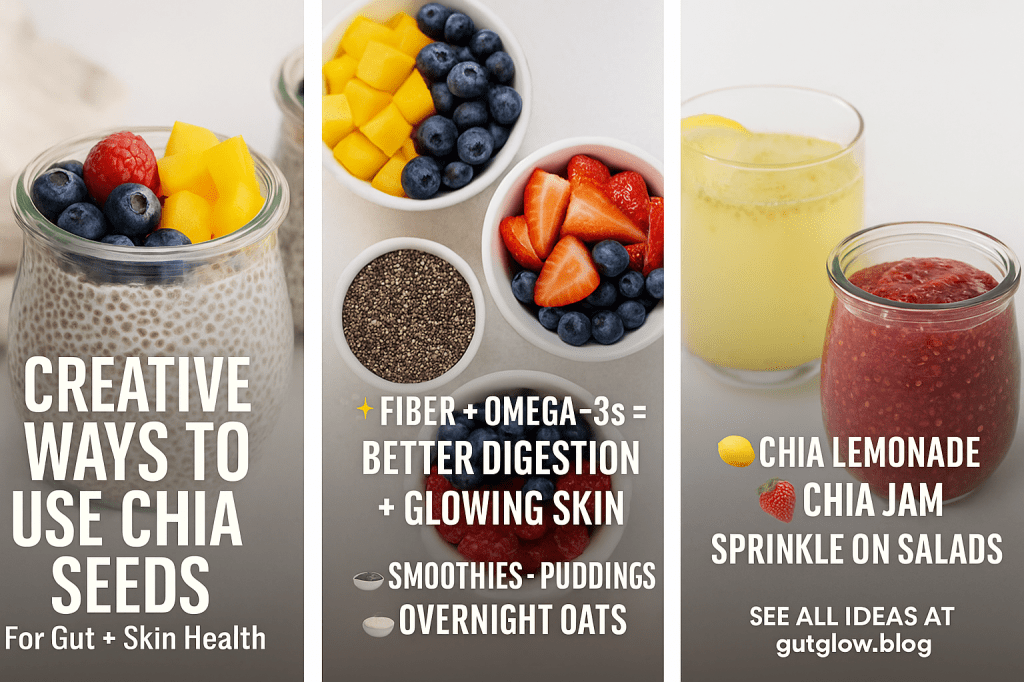
10 Creative Ways to Use Chia Seeds for Gut and Skin Health: Nurse-Approved Tips for Glowing Skin and Happy Digestion 🥣✨

Discover 10 nurse-approved ways to use chia seeds for gut health, glowing skin, and overall wellness. Easy recipes, tips, and research-backed benefits!

Ever wonder why chia seeds are hailed as a “superfood” beyond the trendy Instagram bowls? 🥣 As a nurse in my 40s with 22+ years in nursing, I’ve seen firsthand how gut health influences skin, energy, and overall wellness. Chia seeds may be tiny, but they pack a punch for digestion, hydration, and anti-aging benefits.

In this article, I’ll share 10 creative ways to use chia seeds to support your gut, calm inflammation, and promote healthy, glowing skin. Think of it as a nurse-approved guide to eating your way to a happier belly and radiant skin—without boring recipes or gimmicks!

1. Chia Seed Pudding – The Classic Gut Glow Breakfast

  • Why it works: Soaked chia seeds are rich in soluble fiber that supports healthy digestion and feeds your microbiome 🦠.
  • Mix 3 tbsp chia seeds with 1 cup unsweetened almond or oat milk, let sit overnight, add berries for antioxidants. 🥛
  • “I started my mornings with this pudding, and within a week, I noticed less bloating and smoother skin texture—goodbye morning puffiness!”

2. Smoothie Booster – Add a Spoonful for Skin & Gut

  • Blend 1–2 tbsp chia seeds into your morning smoothie.
  • Helps stabilize blood sugar, which can reduce acne flare-ups caused by insulin spikes.🍌🥬

3. Chia Egg – A Vegan Baking Hack 🥚

  • Mix 1 tbsp chia seeds + 3 tbsp water, let sit 10 mins = 1 egg replacement.
  • Adds fiber and omega-3s for gut-friendly baking.
  • Omega-3s can reduce systemic inflammation, improving skin conditions like eczema.

4. Chia-Infused Water – Hydration Hero 💧

  • Add 1 tsp chia seeds to a glass of water with lemon 🍋.
  • Seeds absorb water, keeping you hydrated longer, aiding skin elasticity.

5. Yogurt or Oat Topper

  • Sprinkle chia seeds on yogurt or oatmeal for a fiber and protein boost.
  • Supports beneficial gut bacteria and slows digestion to keep energy steady.

6. Homemade Energy Bars

  • Mix chia seeds with dates, nuts, and dark chocolate for gut-friendly snacks.
  • Great pre- or post-workout snack to support digestion and skin repair.

7. Chia Jam – No Sugar Needed 🍓

  • Cook berries + chia seeds for 10 mins = natural jam.
  • Keeps sugar low (reduces skin inflammation) while providing antioxidants for your glow.

8. Chia Seed Face Mask – Topical Benefits

  • Mix chia seeds with honey and yogurt for a gentle, anti-inflammatory mask.
  • Hydrates skin and calms redness.

9. Salad Booster – Crunch & Gut Love 🥬

  • Sprinkle chia seeds over salads for crunch + omega-3s.
  • Supports skin barrier health and gut flora.

10. Soup & Stew Thickener

  • Stir chia seeds into soups or stews to naturally thicken while adding fiber.
  • Promotes fullness and nourishes gut microbiome.

Chia seeds are small, but mighty 🌟. From breakfasts to skincare masks, these tiny seeds can make a big difference for digestion, inflammation, and glowing skin. Start with one or two ideas this week and see how your gut—and skin—responds!

💬 I’d love to hear from you: Have you tried chia seeds for your gut or skin? Which method is your favorite?

⚠️ Disclaimer (Because I’m a Nurse, Not Your Nurse 😉) This blog is for general education and entertainment purposes only. Always consult your healthcare provider before making significant changes to your diet or wellness routine.


🥦 Abs Are Made in the Kitchen—And in the Colon! Gut Tips for a Strong Core & Glowing Skin


Discover why abs aren’t just about crunches. Learn how gut health affects core strength, skin clarity, and inflammation. Nurse-approved gut tips for a sculpted core and radiant glow from the inside out


Core Truth: It’s Not Just About Crunches 💥

“Abs are made in the kitchen” is a phrase we’ve all heard—and probably ignored while eating chips on the couch. But what if I told you that your colon has just as much to do with that six-pack (or bloat-pack) as your diet and workouts?

As a wound and ostomy nurse in her fabulous 40s with a passion for poop, peptides, and probiotic-packed smoothies, I’ve seen firsthand how the gut-skin connection impacts everything from our ab definition to our forehead glow. Yep—your microbiome might be the secret sauce for your core goals and your skincare dreams.

Let’s dig into how your digestive system helps you tone up, de-bloat, and shine—inside and out.


🧠 The Gut-Core-Skin Triangle: Why It All Connects

If you think your gut is just a food chute, think again. Your gut microbiome—the trillions of bacteria living in your digestive tract—plays a critical role in:

  • Reducing inflammation (aka the bloat enemy)
  • Regulating hormones (hello, cortisol belly!)
  • Producing key nutrients (like B vitamins and butyrate)
  • Detoxifying waste (bye-bye, skin dullness and breakouts)

👉 In fact, a 2023 review in Nature Reviews Endocrinology linked gut dysbiosis (microbial imbalance) with increased visceral fat, hormonal imbalances, and even mood disorders that can impact your motivation to stay active.
Your gut is not just about digestion. It’s your internal gym partner, esthetician, and therapist.


🧃 Flat Tummy from the Inside Out: Gut Tips for a Strong Core

1. Eat More Fermented Foods (and Less Fake Stuff)

If your plate looks more like a food science experiment than a farmer’s market, your gut is probably waving a white flag.

✅ Add:

  • Greek yogurt with live cultures
  • Kimchi and sauerkraut
  • Kefir
  • Miso
  • Kombucha (watch the sugar, though!)

❌ Skip:

  • Ultra-processed protein bars
  • Artificial sweeteners like sucralose and aspartame (they are terrible for your health)
  • Gut-wrecking emulsifiers (carrageenan, polysorbate-80)

🧬 Pro tip: Fermented foods help feed good gut bacteria, which aid in digestion, reduce gas and bloating, and may even help with fat distribution around your abdomen.


2. Prioritize Prebiotic Fiber 🍌

Prebiotics are what your good bacteria eat to thrive. Without them, it’s like throwing a party with no snacks—awkward and empty.

✅ Best sources:

  • Bananas
  • Garlic
  • Onions
  • Leeks
  • Oats
  • Flaxseed

🌱 Prebiotic-rich foods support regular bowel movements, reduce abdominal inflammation, and even boost collagen production by improving gut lining integrity.

🧻 Translation? Fewer breakouts, smoother poops, and flatter abs. Win-win-win.


3. Hydration = Happy Gut, Less Bloat 💧

Water helps flush toxins, supports regularity, and prevents the kind of bloat that makes you unbutton your jeans by 2 p.m.

💦 Aim for half your body weight in ounces daily (minimum).
🧂 Bonus: Add a pinch of Himalayan salt or a splash of lemon for natural electrolytes and digestive support.


🏋️‍♀️ Movement That Matters: Exercise That Loves Your Gut

Core exercises are great, but if your gut’s inflamed or sluggish, even a million crunches won’t cut it.

Best Gut-Loving Moves:

  • Walking after meals: improves digestion and blood sugar regulation
  • Yoga poses like twists and child’s pose: gentle bowel massage
  • Pilates: strengthens deep core muscles and promotes mobility

🧘‍♀️ In one study, participants who practiced yoga 3x/week had significantly reduced bloating and GI symptoms (Journal of Clinical Gastroenterology, 2022).

And guess what? These movements also calm the nervous system—lowering cortisol (aka belly fat hormone).


💩 Real Talk: My Poop, My Progress

Let me get real for a sec.

A few years ago, I was exercising regularly, eating “healthy,” but my belly was always bloated, my energy was tanked, and my skin was acting like a hormonal teenager.

Turns out? My gut was angry. Between low fiber, stress, and lack of probiotics, I was a hot inflamed mess.

Once I started focusing on gut repair—adding fermented foods, drinking more water, cutting down on ultra-processed snacks—I noticed:

  • My bloat vanished (my abs came out of hiding)
  • My skin cleared
  • I actually had the energy to want to move my body

💃🏼 It was a glow-up from the inside out.


✨ Skin in the Game: Gut Health for Glowing Skin

Your gut doesn’t just affect your abs—it literally shows up on your face.

Gut issues linked to:

  • Acne: Especially cystic breakouts and jawline acne
  • Eczema/rosacea: Leaky gut = inflammation city
  • Dry, flaky skin: Poor fat absorption and low hydration
  • Premature aging: Chronic inflammation accelerates collagen breakdown

💡 Internal link idea: Read more in “How a Healthy Gut Can Transform Your Skin and Hair Naturally”


🛒 Gut-Friendly Grocery List (Save This!)

  • Plain kefir or Greek yogurt (unsweetened)
  • Oatmeal
  • Avocados
  • Bone broth
  • Leafy greens
  • Chia seeds
  • Blueberries
  • Ginger and turmeric
  • Lentils and legumes
  • Dark chocolate (80%+ cacao = polyphenol heaven)

📌 Stick this on your fridge—and thank your colon later.


👩‍⚕️ Nurse-Approved Gut Glow Protocol

Here’s a sample daily gut-core-glow routine:

TimeAction
MorningLemon water + probiotic + 10 min walk
BreakfastOatmeal + chia + berries + kefir
MiddayLight lunch with leafy greens & lean protein
Post-lunch10–15 min walk or stretching
AfternoonBone broth or herbal tea
DinnerFermented side (kimchi) + low sugar
EveningMagnesium + journaling or gentle yoga

🤔 Your Turn: What’s Your Gut Telling You?

Have you ever noticed your skin or bloating improve after changing your diet?
Are you team kombucha or kefir?
Drop a comment and let’s talk about what your gut’s been whispering to you lately 👇


Final Thoughts: Strong Core, Radiant Skin, and a Happy Colon

If you want to tone your core, clear your skin, and feel truly well—start with your gut.
Because let’s be honest, abs aren’t just made in the kitchen… they’re also made in the colon.

You don’t need a detox tea. You need a diverse, nourished microbiome, a poop you’re proud of, and movement that makes your body feel good.

💚 Your gut’s got your back—and your abs.


✨ Related Posts You’ll Love:

⚠️ Disclaimer (Because I’m a Nurse, Not Your Nurse 😉)

This blog is for general education and entertainment purposes only. It is not intended to diagnose, treat, or cure any condition. Always consult with your healthcare provider before making any changes to your routine—especially the ones involving your colon, skincare, or squats!

Gut Health and Acne: What Your Breakouts Are Trying to Tell 🧠🧼


Struggling with breakouts that won’t quit? Your gut might be the real culprit. Learn how gut health affects acne, the best foods for clear skin, and how to heal from the inside out—nurse-approved!”

Acne and Gut Health: More Connected Than You Think ✨

As a wound and ostomy nurse in my 40s who’s obsessed with all things skin, poop, and probiotics (yep, I said it 💩💁‍♀️), I can confidently say your breakouts might be your gut waving a red flag 🚩.

It’s not just about what you put on your face. It’s about what’s happening inside your digestive system. This is the gut-skin connection in action — and it’s real, backed by science, and something I’ve seen both personally and professionally.


What Is the Gut-Skin Axis? 💛

The gut-skin axis is the two-way communication system between your digestive system and your skin. When your gut is out of balance (a condition called dysbiosis), it can set off inflammatory responses that show up as acne, rashes, or dullness.

🧪 What the Research Says:

A 2022 study in the Journal of Clinical Medicine found that people with acne had less diverse gut bacteria and higher levels of harmful microbes compared to those with clear skin. Gut imbalances were linked to increased systemic inflammation and compromised skin barriers.

Translation? Your gut microbiome may be throwing shade at your glow ✨.


💩 Poop Clues: How to Tell If Your Gut Is Messing with Your Skin

  • You get breakouts after eating sugary or dairy-rich foods 🍦
  • You have bloating, gas, or irregular poops
  • Your skin flares up after stress or antibiotics
  • You feel “off” in your digestion and your skin looks dull or inflamed

My Story: How Fixing My Gut Helped My Skin 🫂

In my 30s, I broke out along my jawline like a teen prepping for prom. I was using fancy skincare and eating what I thought was healthy — but I still had breakouts.

Once I focused on my gut, things changed. I added probiotic-rich foods, upped my fiber, cut back on sugar, and focused on hydration. Within 6 weeks, I noticed fewer breakouts, better digestion, and more energy. 🙌


Gut-Friendly Foods That Help Heal Skin From the Inside 🍽️✨

1. Probiotic-Rich Foods

  • Examples: Yogurt, kefir, kimchi, miso
  • Why: They restore gut flora and reduce systemic inflammation that fuels acne

2. Prebiotic Foods

  • Examples: Bananas, onions, garlic, leeks, asparagus
  • Why: These feed the good bacteria in your gut

3. Omega-3s

  • Examples: Salmon, sardines, flaxseeds, walnuts
  • Why: Fight inflammation and support the skin barrier

4. Antioxidant Powerhouses

  • Examples: Blueberries, spinach, sweet potatoes
  • Why: Protect against oxidative stress and brighten skin tone

What to Avoid to Keep Your Gut & Skin Happy 🙅‍♀️

  • Processed sugar: Feeds bad bacteria and increases breakouts
  • Overuse of antibiotics: Kills off your good gut bugs
  • Stress: Weakens the gut lining and messes with hormones
  • Low-fiber diets: Starve your beneficial microbes

Nurse Talk: Why This Gut-Skin Thing Matters Beyond Pimples 👩‍⚕️🧬

As someone who works with skin and guts all day (yes, even colostomies), I see firsthand how gut health influences wound healing, skin regeneration, hydration, and immunity.

Your skin isn’t just for selfies — it’s your largest organ and reflects what’s going on inside. When your gut is inflamed, your skin is too.


What About You? 🗣️

Have you noticed breakouts when your gut is off? Ever tried probiotics for your skin? Drop a comment and let’s compare poop-and-pimple stories 🤭💬


Stay glowy (and regular),

Your Favorite Wound Care Nurse Who Talks About Poop & Pimples 💕

⚠️ Disclaimer: I’m a Nurse, But Not Your Nurse 😉
This blog is for general education and entertainment purposes only. It’s not medical advice. Always talk to your healthcare provider before starting new diets, supplements, or treatments. Your skin is unique—just like your poop 💩.

👉 Related: Best Gut-Healing Foods for Thicker, Shinier Hair
👉 Don’t miss: What Your Poop Is Telling You (And When to Worry)

Dad’s Wrinkle Eraser: The Man Glow Juice That Fights Aging from the Inside Out 💪✨

Wrinkles? Dry skin? Dull complexion? Forget expensive creams for a minute — what if the real secret to youthful skin isn’t just what you put on your face, but what you put in your gut? 🤔🍏

Hey there! I’m a nurse in my 40s, an ostomy and wound care specialist, and a huge fan of all things skin, gut, and wellness. Today, I want to share a secret weapon I call “Dad’s Wrinkle Eraser” — also known as the “Man Glow Juice.” 🧃 This powerful gut-friendly elixir is designed to nourish your skin from the inside out, smooth out wrinkles, and give you that glow that screams “healthy, vibrant, and ageless.” ✨💥

Why? Because the gut-skin connection is real, and it’s backed by science. Let’s dive in! 🔬💡


The Gut-Skin Connection: Why Your Wrinkles Might Start in Your Gut 🦠➡️👵

We often think of wrinkles as an inevitable side effect of aging or sun damage. But recent research shows that what’s happening in your digestive system plays a huge role in your skin’s health.

What Science Says 📚🧪

A 2023 review published in Nutrients highlighted that intestinal health directly impacts skin conditions like eczema, acne, rosacea, and premature aging. The gut microbiome — trillions of bacteria living in your intestines — influences inflammation, nutrient absorption, and even collagen production, all critical for youthful skin.

An imbalanced gut (dysbiosis) can increase systemic inflammation, leading to faster skin aging and more wrinkles. So yes, your gut health and your wrinkle count are more connected than you might think. 🤯


What Is “Dad’s Wrinkle Eraser” (Man Glow Juice)? 🧃✨

This isn’t a magical fountain of youth but a carefully crafted drink packed with gut-loving, skin-boosting ingredients. It’s like giving your digestive system a spa day 🧖‍♀️ and your skin a facelift — naturally. 🌿💆‍♀️

The Core Ingredients and Their Benefits:

  • Kefir or Probiotic Yogurt: Loaded with probiotics to balance your gut bacteria and reduce inflammation. 🦠✅
  • Collagen Peptides: Supports skin elasticity and hydration from within. 💧💪
  • Turmeric: A potent anti-inflammatory that calms skin irritation and redness. 🌟🔥
  • Lemon Juice: High in vitamin C, essential for collagen synthesis and brightening dull skin. 🍋✨
  • Ginger: Boosts digestion and reduces gut inflammation. 🫚🔥
  • Honey: A natural prebiotic that feeds good gut bacteria. 🍯🐝
  • Spinach or Kale: Packed with antioxidants and vitamins A and K for skin repair. 🥬💚

How to Make Dad’s Wrinkle Eraser: The Man Glow Juice Recipe 🥤👩‍🍳

Ingredients:

  • 1 cup kefir or probiotic yogurt 🥛
  • 1 scoop collagen peptides 💊
  • 1/2 teaspoon turmeric powder 🌿
  • Juice of 1/2 lemon 🍋
  • 1/2 inch fresh ginger root, grated 🫚
  • 1 teaspoon raw honey 🍯
  • A handful of spinach or kale 🥬
  • 1 cup water or coconut water 🥥💧

Instructions:

  1. Add all ingredients to a blender. 🔄
  2. Blend until smooth. 🍹
  3. Drink fresh daily for best results! 💥

Bonus: You can swap spinach/kale with cucumber or celery if you prefer a milder taste. 🥒


Why This Juice Works: The Science-Backed Gut-Skin Boost 🔬🧴

  • Probiotics in kefir help restore the gut’s natural balance, reducing inflammation that can accelerate skin aging. 🦠👌
  • Collagen peptides replenish the skin’s structural protein, decreasing fine lines and wrinkles. 🧓➡️🧑‍🦱
  • Turmeric and ginger fight oxidative stress and inflammation — two big culprits behind dull, aging skin. 💥🔥
  • Vitamin C from lemon juice aids collagen production and brightens your complexion. 🍋🌞
  • Prebiotics from honey support the growth of beneficial bacteria, maintaining gut health long-term. 🍯🦠
  • Leafy greens provide antioxidants and hydration to promote skin repair and smoothness. 🥬✨

A Personal Story: How I Used Gut Health to Fight My Own Skin Battles 🩺❤️

After years of nursing patients with chronic wounds and skin issues, I realized that my own skin problems were linked to gut health — not just creams or topical products. I used to struggle with adult acne and early wrinkles. 😩🧴 Incorporating gut-friendly foods and this “Man Glow Juice” into my daily routine, along with proper hydration and sunscreen, helped me see noticeable skin improvement within weeks. 🌿💧 My skin felt plumper, wrinkles softened, and my digestion improved too.

Seeing this made me even more passionate about teaching others the gut-skin connection, especially men like Dad who might not think about their gut health impacting their skin. 👨‍👧✨


More Gut-Friendly Foods to Boost Your Skin Glow 🥗🌟

Here are some additional superstar foods to add to your diet:

  • Fermented foods: Sauerkraut, kimchi, miso — all great for probiotics. 🥢🦠
  • Omega-3 rich foods: Salmon, chia seeds, flaxseeds reduce inflammation. 🐟🌰
  • Polyphenol-rich foods: Dark chocolate, green tea, berries nourish your skin and gut bacteria. 🍫🍵🍓
  • Fiber-rich veggies: Carrots, sweet potatoes, broccoli support digestion and toxin elimination. 🥕🍠🥦

Other Lifestyle Tips to Erase Wrinkles and Support Gut Health 💪🧴

  • Stay hydrated: Aim for at least 8 glasses of water a day. 💧💦
  • Exercise regularly: Physical activity improves circulation and gut motility. 🏃‍♀️🏋️‍♀️
  • Get quality sleep: Skin repairs itself during deep sleep stages. 😴🌙
  • Use broad-spectrum sunscreen daily: UV damage accelerates aging. 🧴☀️
  • Consider vitamin supplements: Vitamin D, zinc, and biotin are key for skin repair and wound healing. 💊🌟

Wrapping It Up: The Ultimate Gut-Skin Glow Plan for Dads (and Everyone!) 🎁👨‍👧✨

“Dad’s Wrinkle Eraser” isn’t just a juice; it’s a lifestyle shift. Nourishing your gut means your skin will thank you with fewer wrinkles, less inflammation, and a healthy glow. The best part? It’s simple, natural, and backed by science. 🔬❤️


Ready to Give Your Gut (and Skin) a Boost? 🚀🥤

Have you ever tried focusing on your gut health to improve your skin? Or maybe you’ve noticed a flare-up when your digestion is off? Drop your stories or questions below — I’d love to hear how your gut and skin journey is going! 💬👇

Thank you for reading! Remember, great skin starts with a happy gut — so let’s drink to that glow. 🥂✨


⚠️ Disclaimer (Because I’m a Nurse, Not Your Nurse 😉)

This blog is for general education and entertainment purposes only. It’s not medical advice. Always check with your healthcare provider before making any major changes to your diet or health routine. 🩺💬

🦠 Probiotics for Your Face? The Gut-Skin Connection You Need to Know

If someone told you that the secret to glowing, healthy skin might actually start in your gut, you’d probably raise an eyebrow—and maybe your probiotic supplement bottle too. But as a wound and ostomy care nurse in my 40s with a passion for all things skin, gut, and wellness, I’m here to spill the (kefir) tea on why your gut microbiome is one of the biggest players in your skin health game. Spoiler alert: probiotics aren’t just for your gut—they might be a secret weapon for your face too! 🌟


What Are Probiotics, Anyway?

Probiotics are those friendly bacteria that live in your digestive tract helping you digest food, fight off bad bugs, and keep your immune system strong. Think of them as your gut’s personal bodyguards. But here’s the kicker: research now shows that a happy gut microbiome can have a powerful influence on your skin’s health, appearance, and even its ability to heal wounds. Cool, right?


The Gut-Skin Axis: What’s the Connection?

Your gut and skin are like besties who text each other constantly. When your gut is out of balance—maybe because of stress, poor diet, antibiotics, or illness—it can lead to inflammation that shows up as redness, acne, eczema, or even premature wrinkles on your skin. This “gut-skin axis” means what’s happening inside can literally show up on your face. 😳


Can Probiotics Help Your Skin?

Yes! While more research is ongoing, studies suggest that taking probiotics can:

  • Reduce inflammation that contributes to acne and rosacea
  • Improve skin hydration and barrier function
  • Support healing of wounds and irritations (hi, wound care nurse here 👋)
  • Potentially slow down skin aging by modulating immune responses

How To Add Probiotics to Your Skin Care Routine

1. Eat Your Probiotics

Yogurt, kefir, kimchi, sauerkraut, miso, and kombucha are delicious ways to feed your gut-friendly bacteria. Bonus: many are packed with vitamins and antioxidants good for your skin too! 🥒🥛

2. Try Probiotic Skincare Products

Some creams and serums now include probiotics or prebiotics (food for good bacteria) to help balance your skin’s own microbiome. Remember, your skin has bacteria too, and keeping them happy supports skin health and reduces irritation.

3. Consider Supplements

Probiotic supplements can be helpful—especially if you’ve been on antibiotics or dealing with gut issues. Talk with your healthcare provider to find the right strain and dosage.


What To Watch Out For

  • Not all probiotic strains are created equal—some are better for gut health, others for skin.
  • If you have a compromised immune system or certain medical conditions, probiotics might not be for you.
  • Always patch test topical probiotic products to avoid irritation.

Nurse Tips to Maximize Your Gut-Skin Health

  • Pair probiotics with a fiber-rich diet (prebiotics) to feed those good bugs
  • Avoid excessive sugar and processed foods that feed bad bacteria
  • Manage stress with exercise, meditation, or hobbies
  • Stay hydrated for overall skin and gut function

⚠️ Disclaimer (Because I’m a Nurse, Not Your Nurse 😉)

This blog is for general education and entertainment purposes only. Always consult with your doctor, dietitian, dermatologist, or wound/ostomy care specialist before starting new supplements or skincare products, especially if you have health concerns or allergies.


Final Thoughts

Your gut and your skin are in a lifelong conversation—and probiotics might just be the translators that keep the peace. By supporting your gut health, you’re giving your skin a powerful boost toward looking and feeling its best. So cheers to happy guts and glowing faces! 🥂✨

Father Figures & Fiber: Why Your Dad Needs to Poop Better 💩🌾

Fiber-packed advice with a side of colon-friendly love

Hey there, fiber fans and gut guardians! 👋 Let’s talk about something that doesn’t get nearly enough attention in Father’s Day cards: your dad’s bowel habits. Yep, we’re going there. Because as a nurse who’s seen the backside (literally) of gut issues—from constipation to skin breakdown—I can tell you this: poop matters. A lot. Especially when it comes to the skin, energy, and overall health of the men we love.

And if your dad’s idea of “fiber” is the crust on a pizza or the lettuce under a burger patty… this one’s for him. 🍕


🚽 Why Dads (and All Men) Need Better Fiber Habits

Let’s be real: many men weren’t raised to think about gut health unless something explodes or bleeds. That “tough it out” mentality? Not great for digestion. Over time, low-fiber diets can lead to:

  • Constipation (hello, gut bloat and grumpiness)
  • Diverticulosis
  • Hemorrhoids
  • Skin issues (yes, your gut affects your skin!)
  • Sluggish wound healing (big deal for post-op dads)

🌾 Fiber: The Unsung Hero of Dad Wellness

Fiber isn’t just a buzzword—it’s essential for gut motility, toxin elimination, and keeping that gut microbiome in balance. And guess what? A happy gut = better skin, better energy, and fewer mystery rashes.

Here’s how fiber helps:

  • Feeds the good bacteria in your gut (prebiotics FTW!)
  • Keeps things moving, preventing the dreaded nurse-diagnosed “bowel traffic jam”
  • Helps regulate cholesterol and blood sugar
  • Supports immune function (yes, the gut is a big part of immunity!)

🥕 Simple Fiber Upgrades for Father Figures

Let’s not overhaul dad’s entire diet in one day. Here’s how to sneak fiber in without a full-blown quinoa intervention:

  1. Swap white for brown – whole grain bread, brown rice, and whole wheat pasta.
  2. Add flax or chia seeds to smoothies, yogurt, or even his morning cereal.
  3. Upgrade snacks – roasted chickpeas, trail mix, or fruit with skin (yes, apples count).
  4. Start with soup or salad – fiber in the form of beans, lentils, or leafy greens.
  5. Don’t forget water! 💧 Fiber without hydration is like driving a car with no gas.

💩 But Wait—Let’s Talk About Poop

Normal doesn’t mean once a week. Regular, formed, easy-to-pass poops are a sign of gut wellness. Fiber helps normalize bowel patterns and supports colon health in a big way. So if dad’s a once-a-week kind of guy… it’s time to fiber-up.


🧴 The Gut-Skin Connection (Yep, Even for Dudes)

Low fiber → gut inflammation → poor detox → skin breakouts, dullness, or eczema flares. Yes, even rugged dads get rosacea and dry patches. A fiber-rich diet helps filter toxins, reduce inflammation, and keep skin clearer from the inside out.


🎁 Father’s Day Challenge: Give Dad the Gift of Good Poops

Make it fun (or funny). Try:

  • A fiber-packed breakfast together (oats with berries)
  • A poop journal (seriously)
  • A new water bottle (hydration = gut love)
  • A copy of this blog post, gently folded and placed next to his remote 🛋️📺

⚠️ Disclaimer (Because I’m a Nurse, Not Your Nurse 😉)
This blog is for general education and entertainment purposes only. Always consult with your doctor, dietitian, dermatologist or wound/ostomy care specialist—especially if you have specific conditions, allergies, or a medical device like an ostomy. What works for one person might not work for another—especially if we’re talking ileostomy vs colostomy vs urostomy—big differences, folks!