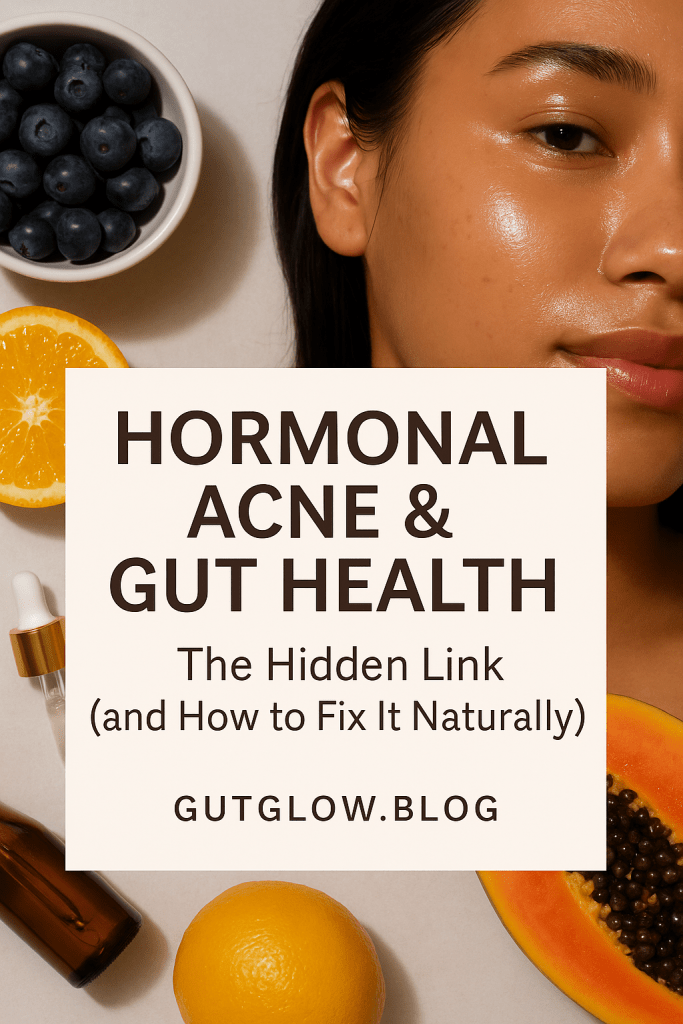
🌸Hormonal Acne and Gut Health: The Hidden Link (And How to Fix It Naturally at Any Age) 🧴


Struggling with hormonal acne? 🧴 The secret may be in your gut. Discover the science-backed gut-skin connection and natural ways to heal from the inside out.


Ever feel like your skin has a mind of its own—especially around that time of the month? 🙋‍♀️ Hormonal acne isn’t just a teenage problem. Many adults, especially women in their 40s and beyond, find themselves battling stubborn chin breakouts while juggling careers, family, and perimenopause.

But here’s the kicker: what if the true culprit isn’t just your hormones… but your gut? 🦠

Recent research has been uncovering the gut-skin axis, showing that your microbiome (those trillions of bacteria in your digestive system) plays a direct role in acne, inflammation, and skin clarity. A 2023 article in Dermatology Times highlighted that dysbiosis (imbalance in gut bacteria) can trigger systemic inflammation, worsening acne and rosacea flare-ups.

In this article, I’ll break down the hidden gut-acne link, sprinkle in some nurse-approved humor, and share realistic tips you can start today. Because glowing skin shouldn’t require a chemistry degree—or a second mortgage on skincare products.


🌸 The Hormonal Acne Struggle Is Real

Hormonal acne typically shows up as painful cysts on the chin, jawline, and sometimes the back or chest. Fluctuating estrogen, progesterone, and testosterone levels create the “perfect storm” of oil overproduction, clogged pores, and inflammation.

But if hormones are the gas pedal, your gut may be the engine. 🚗

Why Your Gut Matters for Hormonal Acne

  • Gut Dysbiosis = Inflammation → When the gut lining is leaky or bacteria are imbalanced, inflammatory signals travel through the bloodstream and straight to the skin.
  • Poor Detox Pathways → The gut and liver help break down excess hormones. If they’re sluggish, hormones recirculate, fueling acne.
  • Nutrient Absorption → If your gut can’t absorb zinc, vitamin A, and omega-3s properly, your skin misses key acne-fighting tools.

👉 Question for you: Have you noticed breakouts spike after a weekend of pizza, cocktails, or stress-snacking? (Yep, your gut is talking!)


🥦 Gut-Friendly Foods That Heal Skin From Within

The good news? You can improve your gut health with food. No expensive “detox teas” required.

Nurse-Approved Acne-Friendly Foods

  • Fiber-rich veggies & legumes → Help regulate estrogen and keep bowel movements regular (because constipation = acne’s BFF).
  • Fermented foods (kimchi, sauerkraut, kefir) → Add healthy bacteria to balance your microbiome.
  • Omega-3 rich foods (salmon, chia seeds, flaxseeds) → Lower inflammation and support healthy oil production in skin.
  • Green tea → Packed with polyphenols that fight oxidative stress. (A 2022 review in Nutrients showed green tea catechins reduced acne lesion counts in adults.)

Glow Tip: Think of your gut as the “skincare fridge” you didn’t know you had. Stock it wisely, and your skin will thank you.


🚰 Hydration, Exercise, and Stress: The Underestimated Acne Triggers

You don’t need me (a nurse) to tell you that water is life—but hydration truly helps flush toxins and regulate digestion. Aim for at least half your body weight in ounces per day. Add electrolytes if you sweat a lot.

Exercise? A must. Movement improves circulation, lowers cortisol (your stress hormone), and helps balance blood sugar—all acne triggers. A 2023 study in Journal of Clinical Medicine found that women who exercised regularly had fewer inflammatory skin conditions compared to sedentary peers.

And stress? Oh honey, it’s acne fuel. Chronic stress shifts your microbiome, weakens your gut lining, and sends cortisol skyrocketing. Cue jawline breakout city.


💊 Supplements and Skincare Synergy

While food comes first, supplements can give you extra support:

  • Probiotics → Improve gut microbiome balance (look for Lactobacillus and Bifidobacterium strains).
  • Zinc → Reduces acne lesions by regulating oil production.
  • Vitamin D → Supports immunity and inflammation control.

Skincare matters too, but think of it as “support staff” while your gut does the heavy lifting. Gentle cleansers, non-comedogenic moisturizers, and niacinamide serums help manage inflammation without stripping the skin barrier.


✨ Key Takeaways

  • Hormonal acne isn’t just about hormones—it’s deeply tied to gut health.
  • Heal from the inside: eat gut-friendly foods, hydrate, manage stress, and move your body.
  • Supplements and skincare should complement—not replace—a healthy gut routine.

💬 I’d love to hear from you: Have you noticed your skin breaking out after gut-disrupting habits (like antibiotics, stress, or diet changes)? Drop your experience in the comments—I promise you’re not alone.

⚠️ Disclaimer (Because I’m a Nurse, Not Your Nurse 😉): This blog is for general education and entertainment purposes only. Always consult your own healthcare provider before making changes to your diet, supplements, or skincare routine.


Continue reading:

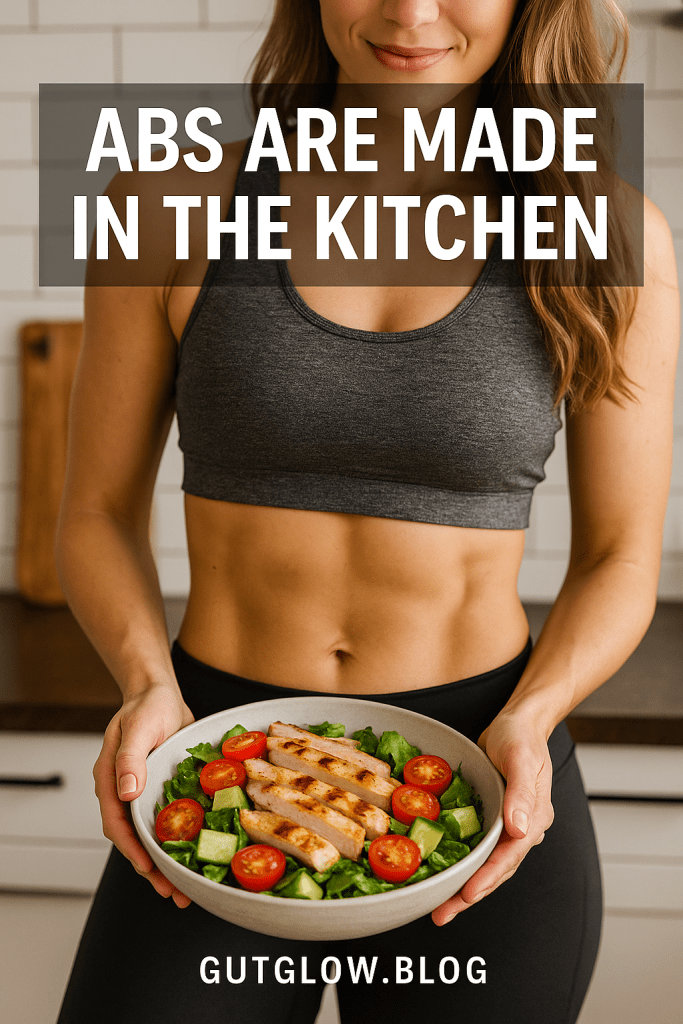
🥦 Abs Are Made in the Kitchen—And in the Colon! Gut Tips for a Strong Core & Glowing Skin


Discover why abs aren’t just about crunches. Learn how gut health affects core strength, skin clarity, and inflammation. Nurse-approved gut tips for a sculpted core and radiant glow from the inside out


Core Truth: It’s Not Just About Crunches 💥

“Abs are made in the kitchen” is a phrase we’ve all heard—and probably ignored while eating chips on the couch. But what if I told you that your colon has just as much to do with that six-pack (or bloat-pack) as your diet and workouts?

As a wound and ostomy nurse in her fabulous 40s with a passion for poop, peptides, and probiotic-packed smoothies, I’ve seen firsthand how the gut-skin connection impacts everything from our ab definition to our forehead glow. Yep—your microbiome might be the secret sauce for your core goals and your skincare dreams.

Let’s dig into how your digestive system helps you tone up, de-bloat, and shine—inside and out.


🧠 The Gut-Core-Skin Triangle: Why It All Connects

If you think your gut is just a food chute, think again. Your gut microbiome—the trillions of bacteria living in your digestive tract—plays a critical role in:

  • Reducing inflammation (aka the bloat enemy)
  • Regulating hormones (hello, cortisol belly!)
  • Producing key nutrients (like B vitamins and butyrate)
  • Detoxifying waste (bye-bye, skin dullness and breakouts)

👉 In fact, a 2023 review in Nature Reviews Endocrinology linked gut dysbiosis (microbial imbalance) with increased visceral fat, hormonal imbalances, and even mood disorders that can impact your motivation to stay active.
Your gut is not just about digestion. It’s your internal gym partner, esthetician, and therapist.


🧃 Flat Tummy from the Inside Out: Gut Tips for a Strong Core

1. Eat More Fermented Foods (and Less Fake Stuff)

If your plate looks more like a food science experiment than a farmer’s market, your gut is probably waving a white flag.

✅ Add:

  • Greek yogurt with live cultures
  • Kimchi and sauerkraut
  • Kefir
  • Miso
  • Kombucha (watch the sugar, though!)

❌ Skip:

  • Ultra-processed protein bars
  • Artificial sweeteners like sucralose and aspartame (they are terrible for your health)
  • Gut-wrecking emulsifiers (carrageenan, polysorbate-80)

🧬 Pro tip: Fermented foods help feed good gut bacteria, which aid in digestion, reduce gas and bloating, and may even help with fat distribution around your abdomen.


2. Prioritize Prebiotic Fiber 🍌

Prebiotics are what your good bacteria eat to thrive. Without them, it’s like throwing a party with no snacks—awkward and empty.

✅ Best sources:

  • Bananas
  • Garlic
  • Onions
  • Leeks
  • Oats
  • Flaxseed

🌱 Prebiotic-rich foods support regular bowel movements, reduce abdominal inflammation, and even boost collagen production by improving gut lining integrity.

🧻 Translation? Fewer breakouts, smoother poops, and flatter abs. Win-win-win.


3. Hydration = Happy Gut, Less Bloat 💧

Water helps flush toxins, supports regularity, and prevents the kind of bloat that makes you unbutton your jeans by 2 p.m.

💦 Aim for half your body weight in ounces daily (minimum).
🧂 Bonus: Add a pinch of Himalayan salt or a splash of lemon for natural electrolytes and digestive support.


🏋️‍♀️ Movement That Matters: Exercise That Loves Your Gut

Core exercises are great, but if your gut’s inflamed or sluggish, even a million crunches won’t cut it.

Best Gut-Loving Moves:

  • Walking after meals: improves digestion and blood sugar regulation
  • Yoga poses like twists and child’s pose: gentle bowel massage
  • Pilates: strengthens deep core muscles and promotes mobility

🧘‍♀️ In one study, participants who practiced yoga 3x/week had significantly reduced bloating and GI symptoms (Journal of Clinical Gastroenterology, 2022).

And guess what? These movements also calm the nervous system—lowering cortisol (aka belly fat hormone).


💩 Real Talk: My Poop, My Progress

Let me get real for a sec.

A few years ago, I was exercising regularly, eating “healthy,” but my belly was always bloated, my energy was tanked, and my skin was acting like a hormonal teenager.

Turns out? My gut was angry. Between low fiber, stress, and lack of probiotics, I was a hot inflamed mess.

Once I started focusing on gut repair—adding fermented foods, drinking more water, cutting down on ultra-processed snacks—I noticed:

  • My bloat vanished (my abs came out of hiding)
  • My skin cleared
  • I actually had the energy to want to move my body

💃🏼 It was a glow-up from the inside out.


✨ Skin in the Game: Gut Health for Glowing Skin

Your gut doesn’t just affect your abs—it literally shows up on your face.

Gut issues linked to:

  • Acne: Especially cystic breakouts and jawline acne
  • Eczema/rosacea: Leaky gut = inflammation city
  • Dry, flaky skin: Poor fat absorption and low hydration
  • Premature aging: Chronic inflammation accelerates collagen breakdown

💡 Internal link idea: Read more in “How a Healthy Gut Can Transform Your Skin and Hair Naturally”


🛒 Gut-Friendly Grocery List (Save This!)

  • Plain kefir or Greek yogurt (unsweetened)
  • Oatmeal
  • Avocados
  • Bone broth
  • Leafy greens
  • Chia seeds
  • Blueberries
  • Ginger and turmeric
  • Lentils and legumes
  • Dark chocolate (80%+ cacao = polyphenol heaven)

📌 Stick this on your fridge—and thank your colon later.


👩‍⚕️ Nurse-Approved Gut Glow Protocol

Here’s a sample daily gut-core-glow routine:

TimeAction
MorningLemon water + probiotic + 10 min walk
BreakfastOatmeal + chia + berries + kefir
MiddayLight lunch with leafy greens & lean protein
Post-lunch10–15 min walk or stretching
AfternoonBone broth or herbal tea
DinnerFermented side (kimchi) + low sugar
EveningMagnesium + journaling or gentle yoga

🤔 Your Turn: What’s Your Gut Telling You?

Have you ever noticed your skin or bloating improve after changing your diet?
Are you team kombucha or kefir?
Drop a comment and let’s talk about what your gut’s been whispering to you lately 👇


Final Thoughts: Strong Core, Radiant Skin, and a Happy Colon

If you want to tone your core, clear your skin, and feel truly well—start with your gut.
Because let’s be honest, abs aren’t just made in the kitchen… they’re also made in the colon.

You don’t need a detox tea. You need a diverse, nourished microbiome, a poop you’re proud of, and movement that makes your body feel good.

💚 Your gut’s got your back—and your abs.


✨ Related Posts You’ll Love:

⚠️ Disclaimer (Because I’m a Nurse, Not Your Nurse 😉)

This blog is for general education and entertainment purposes only. It is not intended to diagnose, treat, or cure any condition. Always consult with your healthcare provider before making any changes to your routine—especially the ones involving your colon, skincare, or squats!

🕵️‍♀️ Wrinkle Prevention Secrets: More Than Just Creams and Botox

Let’s get real: no one wants their face to look like a well-used map before its time. But preventing wrinkles isn’t just about slathering on expensive creams or booking Botox appointments (although those can help!). As a wound and ostomy care nurse in my 40s who’s obsessed with skin, gut health, and overall wellness, I’m here to spill the tea ☕ on real wrinkle prevention. Spoiler alert: it’s a whole-body game.


🧴 Why Wrinkles Happen (And Why It’s Not Just About Age)

Wrinkles come from a mix of genetics, sun exposure, lifestyle choices, and—believe it or not—your gut health. Yep, that’s right. Chronic inflammation and poor gut function can sabotage collagen production and accelerate skin aging. Plus, stress? It’s a wrinkle factory. 😱


💡 Nurse-Approved Wrinkle Prevention Tips That Actually Work

1. Sun Protection Is Your #1 Anti-Aging Weapon

You cannot out-cream sun damage. Broad spectrum sunscreen (SPF 30+) daily, even on cloudy days, is non-negotiable. Hats, sunglasses, and seeking shade are your friends. Think of it as wrinkle prevention insurance! ☂️

2. Feed Your Skin (And Gut) From the Inside Out

Your skin cells need nutrients, and your gut has to absorb them! Eat plenty of antioxidants (berries, leafy greens), omega-3 fatty acids (salmon, walnuts), and collagen-boosting foods (bone broth, vitamin C-rich fruits). Avoid processed junk that inflames your gut—and your face. 🍓🥦🐟

3. Hydrate, But Don’t Rely on Water Alone

Water is essential, but skin hydration depends on your skin barrier too. Use moisturizers with ceramides and hyaluronic acid, and support gut health to optimize hydration system-wide. 💧

4. Manage Stress Like a Pro

Chronic stress increases cortisol, which breaks down collagen and elastin. Try meditation, yoga, or even just deep breathing. Your skin and gut will thank you. 🧘‍♀️

5. Get Moving

Exercise boosts circulation, delivering oxygen and nutrients to your skin cells while reducing inflammation. Plus, it helps regulate digestion—another win for wrinkle prevention. 🏃‍♀️

6. Sleep Like Your Skin Depends On It (Because It Does)

Growth hormone released during deep sleep helps repair and regenerate skin. Aim for 7–9 hours of quality sleep nightly. Bonus: less under-eye puffiness! 😴

7. Be Gentle With Your Skin

Avoid harsh scrubs or overwashing, which strip natural oils and weaken the barrier. Use gentle cleansers, and never skip sunscreen.


🔬 The Gut-Skin Connection: Your Secret Weapon

Chronic gut inflammation leads to systemic inflammation, which accelerates skin aging and wrinkles. Probiotics, prebiotics, and a fiber-rich diet help maintain a healthy gut microbiome—supporting youthful skin from the inside out.


⚠️ Disclaimer (Because I’m a Nurse, Not Your Nurse 😉)

This blog is for general education and entertainment purposes only. Always consult your doctor, dietitian, dermatologist, or wound/ostomy care nurse before making major lifestyle changes or starting new treatments.


✨ Final Thoughts:

Wrinkle prevention is a whole-body, lifestyle endeavor. It’s about nourishing your gut, protecting your skin, managing stress, and honoring your body’s natural rhythms. When you treat your skin like the living organ it is, your glow will last far beyond any cream’s shelf life.

Here’s to aging gracefully and glowing fiercely! 🌟💪

💧 Hydration Hacks: Why Water Alone Won’t Save Your Skin

Because chugging from a Stanley Cup isn’t a cure-all (sorry, TikTok).

We’ve all heard it: “Drink more water and your skin will glow!” While it’s true that hydration is important, I’m here to lovingly burst your bubbly water bottle and tell you the truth: water alone isn’t the secret to radiant, wrinkle-free skin. As a wound and ostomy care nurse in her 40s who’s obsessed with skin, gut health, poop talk, and practical wellness—trust me, I’ve done the homework so you don’t have to.


💦 Water Is Essential… But Not Enough

Let’s clear the air: yes, you need water. It helps with:

  • Circulation 🚰
  • Nutrient transport 🥬
  • Poop mobility 💩
  • Skin plumpness and cell turnover ✨

But if you’re dehydrated on the inside—or if your skin barrier is compromised on the outside—no amount of water will save your skin from flaking, dullness, or breakouts.

Think of hydration like building a house:
Water is the bricks.
But you also need cement, insulation, and a roof—otherwise it all crumbles.


🧠 Real Talk: Why You’re Still Dry Despite Drinking Water

Here’s what might be sabotaging your skin:

1. Caffeine Overload ☕

Coffee’s a diuretic. It makes you pee more, which means you’re losing water before your skin gets a chance to benefit.

2. Not Enough Electrolytes 🧂

Sodium, potassium, and magnesium help your body hold on to water. No electrolytes? You’re basically pouring water through a colander.

3. Low-Fat Diets 🥑🚫

Healthy fats (omega-3s!) lock moisture into your skin. No fat = dry, cracked barrier.

4. A Damaged Skin Barrier 🧱

If you’re over-exfoliating, using harsh products, or skipping moisturizer, your skin is literally leaking water into the air. (Not even kidding.)

5. Gut Imbalance 🦠

If your microbiome is out of whack, you might be inflamed, constipated, and not absorbing nutrients properly. That means dull skin, dryness, and even breakouts.


🧴 Nurse-Approved Hydration Hacks (That Actually Work)

Let’s build better hydration from the inside out and outside in:


💊 Internal Hydration:

  • Electrolyte packs or coconut water (especially after workouts or heat)
  • Eat your water: cucumbers, watermelon, oranges, leafy greens 🥒🍉
  • Healthy fats: avocado, salmon, flaxseed
  • Probiotics + fiber: support gut balance for better nutrient absorption
  • Daily water intake goal: Aim for ½ your body weight (lbs) in ounces

🧴 External Hydration:

  • Use a gentle, non-stripping cleanser
  • Layer in hydrating serums (hyaluronic acid, glycerin, panthenol)
  • Lock it in with moisturizer—don’t skip this step!
  • Apply SPF daily—yes, even when it’s cloudy ☁️
  • Avoid hot showers and harsh scrubs (they dehydrate the skin barrier!)

🩺 Nurse Wisdom: What I Tell My Patients

As someone who helps heal wounds every day, I’ve seen firsthand what dehydration (internal and topical) can do:

  • Slower wound healing
  • Increased skin tears
  • Chronic dryness
  • Skin infections

So yes, hydration is key—but only when paired with barrier support, gut health, and smart nutrition. Think whole-body hydration, not just a “drink more water” fix.


⚠️ Disclaimer (Because I’m a Nurse, Not Your Nurse 😉)

This blog is for general education and entertainment purposes only. Always consult with your doctor, dermatologist, dietitian, or wound/ostomy care nurse—especially if you have medical conditions or concerns.


💡 The Bottom Line:

💧 Water helps—but it’s not the hero.
🥑 Eat healthy fats.
🦠 Heal your gut.
🧴 Protect your skin barrier.
🌞 Wear SPF.
💩 And for the love of all things skincare… poop daily.

Want more real-talk skin + gut care tips from your favorite wound nerd? Subscribe to the blog or leave me a comment—I’m all ears (and elbows).


DIY Face Masks: Beauty Hack or Skin Disaster? Nurse Weighs In

🥑🧪 Slathering kitchen leftovers on your face might sound fun… but should you?

Let’s talk about the Pinterest rabbit hole of DIY face masks. If you’ve ever thought, “Maybe if I smear honey, turmeric, and Greek yogurt on my face, I’ll glow like J.Lo,” you’re not alone. As a wound and ostomy nurse who lives for gut health, glowing skin, and a good poop chat—I get the urge to keep it “natural.” But here’s the deal:

Not everything in your fridge belongs on your face.
(And yes, that includes oatmeal… sometimes. Let’s break it down.)


🍯 The Appeal of DIY Masks: Natural, Cheap, Fun

  • No weird chemicals
  • You know exactly what’s in it
  • Kitchen spa day = self-care
  • Instagram loves a mask selfie

But… are they safe? Are they effective? Or are you unknowingly destroying your skin barrier while trying to “detox”?

Let’s nurse this topic into clarity, shall we?


⚠️ When DIY Becomes D-I-Why-Did-I-Do-That?

Here’s where I see kitchen chaos turn into skin trouble:

🍋 1. Lemon Juice

✖️ Too acidic → disrupts pH
✖️ Can cause chemical burns
✖️ Increases sun sensitivity (hello, hyperpigmentation)

🥣 2. Baking Soda

✖️ High pH → strips your natural oils
✖️ Leaves skin raw, dry, and vulnerable
✖️ Especially risky for sensitive or mature skin

🧂 3. Sugar or Salt Scrubs

✖️ Feels satisfying, but those grains are too harsh
✖️ Can create microtears in your skin
✖️ Inflames acne-prone or aging skin


✅ Nurse-Approved DIY Ingredients (If You Must)

If you’re going the homemade route, here are some gentle heroes:

Honey (raw & local is best)

  • Antibacterial & hydrating
  • Good for acne-prone, dry, or inflamed skin

Plain Greek Yogurt

  • Lactic acid = gentle exfoliation
  • Contains probiotics = barrier-friendly

Oatmeal (finely ground)

  • Soothes itchy, inflamed skin
  • Ideal for eczema or sensitive skin

Aloe Vera (from the plant, not the green gel full of alcohol)

  • Calms redness and hydrates
  • Great for post-sun or irritation

Pro Tip: Always patch test your DIY concoctions before going full-face. Even “natural” things can trigger reactions—especially if your skin barrier is already stressed.


🧠 Nurse Perspective: Why Gut Health Still Matters

Let me be real: no mask in the world (DIY or $300 luxury) will fix…

  • Poor digestion
  • Chronic stress
  • Dehydration
  • Constipation
  • Nutrient deficiencies

If your skin’s acting up, don’t just reach for the avocado—ask your gut what’s going on.

💩 Are you pooping daily?
🥬 Are you eating enough fiber, good fats, and protein?
💧 Are you hydrated or just caffeinated?
🧘‍♀️ Stressed and inflamed or chill and glowing?

Fix your insides, and your outsides will follow. Skin is a mirror—not a mask.


🧴 Safer Alternatives to DIY Mayhem

  • Clay masks (like kaolin or bentonite)—great for oily skin
  • Sheet masks with ceramides or hyaluronic acid
  • Gentle exfoliating masks with lactic acid or enzymes (NOT scrubs!)
  • Hydrating masks with aloe, panthenol, or niacinamide

Pro tip from your friendly wound nurse: Healing takes TIME. Don’t sabotage your skin trying to rush the glow.


🧼 My Go-To Glow Routine:

  1. Gentle cleanser
  2. Hydrating toner or mist
  3. Barrier-repair serum (niacinamide or peptides)
  4. Moisturizer
  5. SPF every morning—no excuses

Bonus: Eat gut-friendly, poop daily, and manage stress. (Your skin will thank you.)


⚠️ Disclaimer (Because I’m a Nurse, Not Your Nurse 😉)

This blog is for general education and entertainment purposes only. Always consult with your doctor, dermatologist, dietitian, or wound/ostomy care nurse before starting new skin routines—especially if you have conditions, allergies, or active acne.


✨ TL;DR – The Nurse’s Verdict:

  • DIY masks can be fun—but not all are skin-safe
  • Avoid lemon, baking soda, scrubs
  • Use honey, yogurt, oats with caution
  • Focus on gut health and consistent care
  • Stop blaming your face—start listening to your body

Want more skin-safe, gut-loving skincare advice from someone who’s seen it all (and isn’t afraid to talk about poop)? Subscribe or drop a comment—I’d love to nerd out with you. 💩💖


🦠 Probiotics for Your Face? The Gut-Skin Connection You Need to Know

If someone told you that the secret to glowing, healthy skin might actually start in your gut, you’d probably raise an eyebrow—and maybe your probiotic supplement bottle too. But as a wound and ostomy care nurse in my 40s with a passion for all things skin, gut, and wellness, I’m here to spill the (kefir) tea on why your gut microbiome is one of the biggest players in your skin health game. Spoiler alert: probiotics aren’t just for your gut—they might be a secret weapon for your face too! 🌟


What Are Probiotics, Anyway?

Probiotics are those friendly bacteria that live in your digestive tract helping you digest food, fight off bad bugs, and keep your immune system strong. Think of them as your gut’s personal bodyguards. But here’s the kicker: research now shows that a happy gut microbiome can have a powerful influence on your skin’s health, appearance, and even its ability to heal wounds. Cool, right?


The Gut-Skin Axis: What’s the Connection?

Your gut and skin are like besties who text each other constantly. When your gut is out of balance—maybe because of stress, poor diet, antibiotics, or illness—it can lead to inflammation that shows up as redness, acne, eczema, or even premature wrinkles on your skin. This “gut-skin axis” means what’s happening inside can literally show up on your face. 😳


Can Probiotics Help Your Skin?

Yes! While more research is ongoing, studies suggest that taking probiotics can:

  • Reduce inflammation that contributes to acne and rosacea
  • Improve skin hydration and barrier function
  • Support healing of wounds and irritations (hi, wound care nurse here 👋)
  • Potentially slow down skin aging by modulating immune responses

How To Add Probiotics to Your Skin Care Routine

1. Eat Your Probiotics

Yogurt, kefir, kimchi, sauerkraut, miso, and kombucha are delicious ways to feed your gut-friendly bacteria. Bonus: many are packed with vitamins and antioxidants good for your skin too! 🥒🥛

2. Try Probiotic Skincare Products

Some creams and serums now include probiotics or prebiotics (food for good bacteria) to help balance your skin’s own microbiome. Remember, your skin has bacteria too, and keeping them happy supports skin health and reduces irritation.

3. Consider Supplements

Probiotic supplements can be helpful—especially if you’ve been on antibiotics or dealing with gut issues. Talk with your healthcare provider to find the right strain and dosage.


What To Watch Out For

  • Not all probiotic strains are created equal—some are better for gut health, others for skin.
  • If you have a compromised immune system or certain medical conditions, probiotics might not be for you.
  • Always patch test topical probiotic products to avoid irritation.

Nurse Tips to Maximize Your Gut-Skin Health

  • Pair probiotics with a fiber-rich diet (prebiotics) to feed those good bugs
  • Avoid excessive sugar and processed foods that feed bad bacteria
  • Manage stress with exercise, meditation, or hobbies
  • Stay hydrated for overall skin and gut function

⚠️ Disclaimer (Because I’m a Nurse, Not Your Nurse 😉)

This blog is for general education and entertainment purposes only. Always consult with your doctor, dietitian, dermatologist, or wound/ostomy care specialist before starting new supplements or skincare products, especially if you have health concerns or allergies.


Final Thoughts

Your gut and your skin are in a lifelong conversation—and probiotics might just be the translators that keep the peace. By supporting your gut health, you’re giving your skin a powerful boost toward looking and feeling its best. So cheers to happy guts and glowing faces! 🥂✨

Nurse Life Wellness: 5 Simple Habits That Keep Me Going 👩‍⚕️💪💧🧴🥗💤

Let’s face it—nurse life is go-go-go, with a side of “did I even pee today?” If you’re a fellow nurse, you already know the hustle. And if you’re not, welcome to a peek inside the caffeine-fueled, compression-sock-wearing world we live in. As a wound and ostomy care nurse in my 40s (aka Team Skin & Poop Forever), I’ve learned that if I don’t intentionally care for myself, I’m basically a wound waiting to happen.

So here it is: my five non-negotiable wellness habits that help me stay sane, energized, and skin-glow ready—even after back-to-back shifts, charting marathons, and the occasional code brown 💩.


1. Hydration Like It’s My Job 💧

You’ve heard it before—but are you actually doing it? I used to tell patients to hydrate while nursing a 5-hour-old iced coffee. Now, I keep a big, straw-top water bottle with me always. Dehydration doesn’t just mess with energy—it slows digestion, dries out skin, and increases fatigue (aka nurse Kryptonite). Bonus: well-hydrated skin heals faster. Yes, even Grandma’s elbow knows.

Pro tip: Add electrolytes for long shifts or hot units.


2. Magnesium = My Gut MVP 🧠💩

Stress + inconsistent meals = gut drama. And let’s not even talk about night shifts. Magnesium glycinate or citrate helps keep my motility on point and my poops regular without being too harsh (especially helpful for ostomy folks too!). My skin even looks calmer when my gut’s happy.


3. Skin Care: The 3-Minute Nurse Version 🧴✨

Here’s the deal: you don’t need a 15-step Korean skincare routine. I swear by this trio:

  • Gentle cleanser (because hospital air = yuck)
  • Vitamin C serum (brightens, boosts healing)
  • Mineral sunscreen (for that hospital parking lot sun)

Even after a 12-hour shift in a mask, your skin can bounce back with just a little consistency. Don’t skip sunscreen, even if you never see the light of day during your shift. That fluorescent lighting still ages you, friend. 😏


4. Meal Prep That Loves My Gut (and Skin) 🥗

I try to prep 2-3 gut-friendly meals/snacks that are easy to grab. Think:

  • Greek yogurt + chia + berries (probiotics + fiber)
  • Roasted veggies + quinoa + salmon (skin fuel!)
  • A stash of almonds and dark chocolate in my locker (don’t judge, it’s balance)

I avoid overly processed snacks that mess with my gut (and cause breakouts) and aim for meals that keep my blood sugar steady and my mood less hangry.


5. Sleep, Even If It’s Weirdly Scheduled 😴

I know, I know—night shift ruins everything. But I treat sleep like medicine. Eye mask. White noise. Magnesium at night. No scrolling before bed. When I’m well rested, I’m kinder, quicker on my feet, and my skin isn’t screaming “fatigue” from across the nurse’s station.


Bonus: Laugh Often & Poop Regularly 😄💩

Listen, I talk about poop for a living—might as well have fun with it. Nurse burnout is real, but wellness doesn’t have to be overwhelming. It’s about building realistic habits that keep your gut happy, your skin glowing, and your energy up. You don’t need perfection. Just progress.


⚠️ Disclaimer (Because I’m a Nurse, Not Your Nurse 😉)
This blog is for general education and entertainment purposes only. Always consult with your doctor, dietitian, dermatologist, or wound/ostomy care specialist—especially if you have specific conditions, allergies, or a medical device like an ostomy.


Wound Healing Nutrition: The Top 5 Vitamins I Recommend

Because wounds don’t heal on their own… no matter how much you wish they would.

Hey there! I’m a wound and ostomy care nurse in my fabulous 40s with over two decades of clinical experience—and a deep passion for all things skin, gut, and wellness. If you think wound healing is just about bandages and ointments, think again. Nutrition is a power player in the healing game, especially when it comes to vitamins that your body actually needs to repair itself efficiently.

Today, I’m breaking down the top 5 vitamins I swear by to help wounds heal faster, skin glow brighter, and your gut stay happy—because the gut-skin connection isn’t just a buzzword. It’s science.


1. Vitamin C — The Collagen Commander

Vitamin C isn’t just for fighting off colds or looking fresh in your selfies. It’s a key ingredient in collagen synthesis—hello, the protein that forms the scaffolding of your skin and wounds! Without enough vitamin C, your body’s wound repair slows to a snail’s pace.

Food sources: Oranges, strawberries, bell peppers, broccoli.
Pro tip: Pop a juicy orange post-lunch and watch your skin (and wounds) thank you.


2. Vitamin A — The Skin Renovator

Vitamin A is like that super-organized nurse who makes sure every healing step happens on schedule. It supports cell growth and immune function, both critical for skin regeneration and fighting infection.

Food sources: Sweet potatoes, carrots, spinach, kale.
Nurse’s note: Don’t overdo vitamin A supplements; too much can backfire. Food first, pills second.


3. Zinc — The Repair Crew Chief

Zinc’s like your wound care team’s MVP. It’s involved in DNA synthesis, immune response, and inflammation control—all essential for wound healing. If your wound feels like it’s stuck in traffic, low zinc might be the culprit.

Food sources: Pumpkin seeds, chickpeas, nuts, beef.
Gut-skin tip: Zinc supports your gut lining too, keeping everything running smoothly inside and out.


4. Vitamin D — The Immune Booster

Vitamin D isn’t just the sunshine vitamin that boosts your mood. It’s also crucial for modulating your immune system and reducing inflammation, giving wounds the best chance to heal without drama.

Food sources: Fatty fish (salmon, mackerel), fortified dairy, and good ol’ sunshine.
Sun safety tip: Get your D, but don’t forget your sunscreen—you’re a nurse, you know the drill!


5. B Vitamins — The Energy Providers

B vitamins, especially B12 and B6, are the behind-the-scenes workers that fuel your cells and support nerve function. Healing wounds need energy (hello mitochondria!), and B vitamins help provide just that.

Food sources: Eggs, dairy, whole grains, leafy greens.
Quick fix: A balanced diet typically covers your B’s, but sometimes a supplement might be needed—check with your healthcare provider.


Bonus: Hydration — The Unsung Hero

While not a vitamin, drinking enough water is critical for nutrient delivery and tissue repair. Dehydrated skin is slow to heal, so keep that water bottle close—preferably not the one you use for coffee.


The Gut-Skin-Wound Connection

Here’s the clincher: your gut health influences how well your body absorbs these vitamins and how your immune system responds. A happy gut means better nutrient uptake, less inflammation, and faster healing skin. So don’t just slather on creams—feed your microbiome and your body the nutrients it craves.


Nurse-Approved Takeaway:

Bandages and creams are just part of the story. For real wound healing magic, nourish from the inside out. Focus on a colorful, balanced diet rich in these vitamins, stay hydrated, and keep your gut microbiome thriving.

And if you ever wondered why you’re not healing as fast as you’d like—maybe your vitamins need a little boost.


Topical vs Internal: How Gut Health Shows Up on Your Face

Because no amount of $98 serum can outdo a constipated colon.


Let’s be real: your skin is a tattletale. It spills the tea on your sleep, stress, hormones, and yes—your gut health. So if you’re slathering on all the serums but still waking up with breakouts, dullness, or that charming mid-40s inflammation glow, it might be time to stop blaming your skincare and start asking your digestion what’s up.

As a nurse with 22 years of experience (and as someone who’s obsessed with both poop and peptides), I’m here to walk you through the ultimate skin showdown: Topical vs Internal.


🧴 Round 1: Topical Treatments (a.k.a. The Skincare Cabinet MVPs)

There’s a reason the beauty industry is worth billions—we love a cream with a promise. And some of them do work:

  • Retinoids boost collagen and smooth fine lines
  • Vitamin C brightens and defends
  • Peptides help firm skin
  • SPF (bless it) protects from further damage

Topical products treat the surface symptoms—and they matter. But if you’re trying to cover up what your gut is crying about, it’s like putting concealer on a bruise without treating the injury underneath.

🩺 Nurse truth bomb: If your gut is inflamed, your skin will stay cranky—no matter how fancy your serum is.


🥦 Round 2: Internal Health (a.k.a. The Gut-Skin Pipeline)

Your gut and skin are basically in a long-distance relationship with major chemistry. What happens in your intestines shows up on your cheeks, chin, and even your forehead. Here’s how:

  • Leaky gut = inflamed skin (hello, redness, rosacea, and breakouts)
  • Poor digestion = poor nutrient absorption = lackluster skin
  • Constipation = toxin buildup = skin tries to detox = acne or dullness
  • Gut dysbiosis (imbalance) = systemic inflammation = aging skin + flare-ups

If your skin’s acting up and you’ve tried everything topical? It’s time to talk poop. (This is my happy place.)


👩‍⚕️ Common Skin Clues Your Gut Is Mad at You:

  • Chin acne? Often linked to hormonal imbalances + poor elimination
  • Red, bumpy cheeks? Could be food sensitivities or gut inflammation
  • Dull, dry skin? Are you even absorbing your nutrients?
  • Eczema flares? Check for gut dysbiosis or leaky gut triggers

✨ The Best Skin Routine? Inside + Out

Here’s your glow-up protocol, nurse-approved and gut-friendly:

Topical Heroes

  • Gentle cleanser (ditch the 10-step routine)
  • Vitamin C (AM)
  • Retinol (PM, 2–3x/week)
  • SPF 50 (every. single. day.)
  • Moisturizer with peptides and ceramides

Internal Game-Changers

  • Probiotics: balance your gut flora
  • Prebiotics: feed the good bacteria (think asparagus, garlic, onions)
  • Fiber: aim for 25–35g daily—your bowels and skin will thank you
  • Magnesium: helps with motility and stress (which both impact your face)
  • Collagen + Vitamin C: support healing from the inside out
  • Hydration: water, herbal teas, broths—get those cells plump and happy

💩 Bonus Tip: If you haven’t pooped today, don’t expect your glow to show up either.


🧖‍♀️ From My Nurse Brain to Your Face

After two decades in healthcare and four decades in this face, I can confidently say this: you need both. The internal and the external. The broccoli and the balm. The poop talk and the peptide cream.

You can’t fake a glow that comes from the inside—but when your gut and your skincare routine hold hands? That’s when the magic happens.


Botox for Bros? 💉 Skin Treatments Your Dad Shouldn’t Be Ashamed to Ask About

Let’s be real—if your dad can fix a leaking sink with one hand while grilling burgers with the other and dodging family group texts… he can definitely handle a little Botox.

Men’s skin ages too. Pores clog, wrinkles deepen, and yes—stress, diet, and gut health all show up on his face. But thanks to outdated macho myths, a lot of dads still treat skin care like a secret shame.

It’s time we normalize self-care for all genders—including clinical skin treatments like Botox, facials, chemical peels, and yes, even moisturizer. Because healthy, confident skin is not just for the ladies. 💅🏽


Men Age Too: Why Skin Care Isn’t Just “Extra” for Dads 🧔🏽➡️🧖🏻‍♂️

Dad skin is often:

  • Exposed to the sun more (mowing lawns, fishing, fixing roofs, being a manly man) ☀️
  • Less likely to be protected by sunscreen 😬
  • Ignored until it’s dry, red, breaking out—or all three
  • Affected by gut health, stress, hydration, and nutrient deficiencies (yep, poop and wrinkles are related)

So if your dad looks tired even after 8 hours of sleep, or has forehead lines that could double as a road map, it’s not vanity—it’s biology.


Botox: It’s Not Just for Housewives or Hollywood 💉

Botox is a safe, FDA-approved treatment that relaxes the muscles causing wrinkles. It’s one of the most common cosmetic treatments for men today. Why? Because:

  • It smooths frown lines and crow’s feet
  • Results look natural when done right (no frozen face required)
  • Sessions take 10–15 minutes. Faster than a coffee run.
  • It’s preventative—starting early means fewer deep lines later

It’s like wrinkle insurance. And there’s no shame in that.


Other Skin Treatments Dads Should Know About 💆🏽‍♂️

1. Hydrafacials & Deep Pore Cleansing

Great for oily or acne-prone skin—these facials remove gunk, hydrate, and calm inflammation.

2. Chemical Peels

Gentle exfoliation that targets dull skin, sun spots, and fine lines. Bonus: stimulates collagen!

3. Microneedling

Tiny controlled pinpricks that boost skin regeneration. Helps with acne scars, wrinkles, and firmness.

4. Laser Treatments

Great for redness, age spots, and uneven tone—especially if Dad’s been ignoring sun protection since 1987.


What Does This Have to Do with Gut Health? 🥬💩

Plenty. The gut-skin axis is real. When the digestive system is inflamed, sluggish, or out of balance (think: processed foods, stress, dehydration), the skin reacts—acne, rosacea, eczema, and premature aging.

Want better Botox results? Help your gut help your skin:

  • Eat fiber-rich, anti-inflammatory foods (berries, greens, fermented goodies)
  • Stay hydrated (water, not soda or beer 🫣)
  • Manage stress (your nervous system and gut are besties)
  • Supplement with skin-supporting vitamins like C, E, Zinc, and Omega-3s

Skin Care Isn’t Weak—It’s Smart 🧠💪

Taking care of your skin doesn’t make you any less “manly.” It means you’re paying attention to your health, your confidence, and your future face. Whether you’re 40 and fine or 60 and sun-damaged, it’s never too late to start.

Pro tip: A little SPF now can save you a lot of Botox later. Just sayin’.


⚠️ Disclaimer (Because I’m a Nurse, Not Your Nurse 😉)

This blog is for general education and entertainment purposes only. Always consult with your doctor, dietitian, dermatologist, or wound/ostomy care specialist—especially if you have specific conditions, allergies, or persistent skin or gut issues.


Final Thought: Normalize Self-Care for Dads 🙌

Let’s make skin maintenance, gut health, and wrinkle prevention as normal as changing your oil. Because healthy skin isn’t a luxury—it’s a reflection of what’s going on inside. And every dad deserves to feel confident in his own skin (even if it’s after a little Botox 😎).