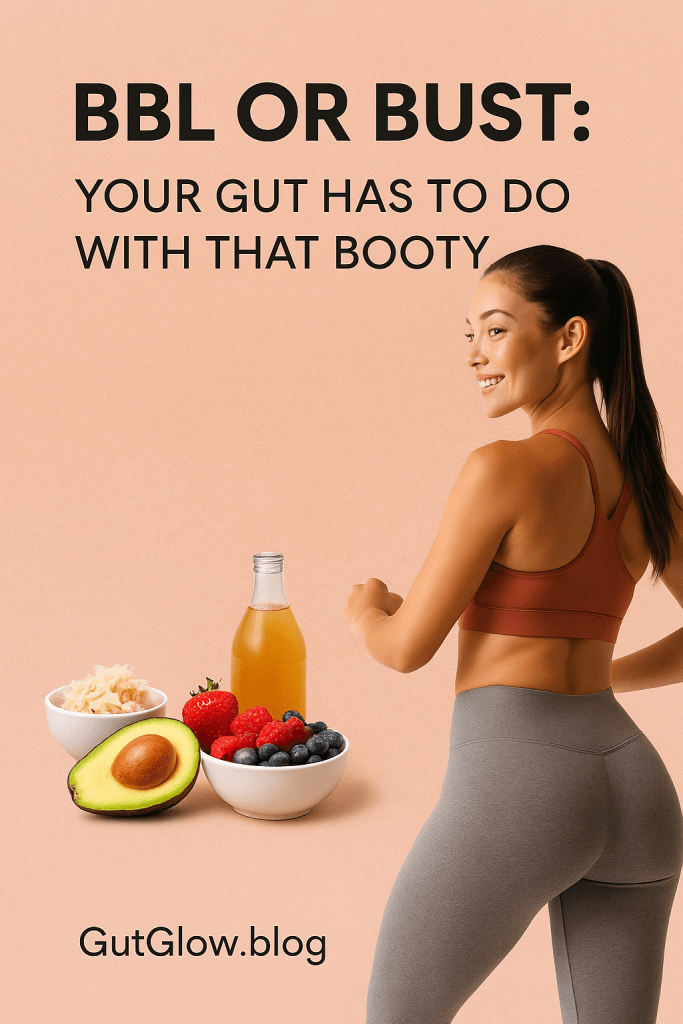
BBL or Bust: What Your Gut Has to Do with That Booty 🍑🦠


Thinking about a Brazilian Butt Lift (BBL)? 💉 Before you book the OR, let’s talk gut health, healing, and long-term glow-up. Discover the gut-skin-booty connection from a nurse who’s seen it all—from poop to post-op recovery.


🍑 BBLs Are Everywhere—But What About What’s Inside?

BBLs are trending harder than green smoothies in January. From TikTok transformations to celebrity curves, the “booty era” is still going strong. But let’s pause for a second. Whether you’re team surgery or team squats, there’s one thing that isn’t getting enough attention:

👉 Your gut health.

Yep, your gut plays a surprising role in everything from post-op recovery to skin glow to even how your body metabolizes fat and handles inflammation after surgery. And as a wound and ostomy nurse with over 20 years of experience, I’ve seen what happens after the filters fade.

So before you go chasing curves with a credit card, let’s talk about what’s happening inside—and how to support your health whether you go under the knife or build that booty naturally.


💉 BBL Basics (in Case You’re New Here)

A Brazilian Butt Lift is a surgical procedure where fat is taken from areas like the abdomen, flanks, or thighs via liposuction—and then transferred into the glutes for a rounder, fuller look.

It’s marketed as “natural” (since it’s your own fat), but make no mistake:

  • It’s major surgery
  • It comes with risks, including infection, fat embolism, wound complications, and even death
  • It requires recovery time, special positioning, and smart post-op nutrition

And guess what plays a major role in all of the above? That little microbiome in your belly. 🦠


🧬 Gut Health & Surgery Recovery: The Hidden Hero

A healthy gut = better healing, immunity, and inflammation control. If you’re considering (or recovering from) a BBL, your gut is part of your glow-up team.

Here’s how:

1. Faster Wound Healing

Your gut is where nutrients like vitamin C, zinc, and protein are absorbed. These are essential for skin healing, collagen formation, and tissue regeneration.

Poor gut health = poor absorption = delayed healing (and possibly not-so-cute scars).

2. Immune System Superpower

Up to 70% of your immune system lives in your gut. That means your ability to fight off infection (a real concern post-BBL) depends on a healthy microbiome.

A dysbiotic gut could mean a higher chance of post-op infections and slower recovery.

3. Inflammation Management

Surgery = trauma. Trauma = inflammation.
A strong gut helps manage this by producing short-chain fatty acids (like butyrate) that reduce inflammatory cytokines and promote tissue repair.


🥗 Gut-Glow Foods for Pre + Post-Surgery Support

Whether you’re healing from a BBL or just here for the booty and skin benefits, these gut-friendly foods can level up your recovery—and your results.


🥚 1. Eggs – Healing Protein Powerhouse

Loaded with high-quality protein and biotin (hello, hair and skin), eggs support tissue repair and immune function. Scrambled, poached, or boiled—just eat ’em.


🫐 2. Berries – Antioxidant Armor

Rich in vitamin C and polyphenols, berries reduce oxidative stress and inflammation. Plus, they feed good gut bacteria.


🍵 3. Bone Broth – Collagen + Gut Soother

Bone broth delivers glycine, collagen, and glutamine, which support gut lining integrity and skin elasticity—essential for healing surgical wounds.


🥦 4. Fermented Foods – Probiotic Power

Think sauerkraut, kimchi, kefir, and yogurt. These boost microbial diversity, strengthen immunity, and reduce gut inflammation.


🥑 5. Avocados – Healthy Fats for Healing

Avocados are rich in monounsaturated fats, fiber, and potassium, helping with tissue repair and keeping digestion smooth (and we love smooth, especially post-surgery 💩).


🥬 6. Leafy Greens – Detox & Repair

Spinach, kale, and arugula provide folate, magnesium, and antioxidants, which help detox the liver and support blood flow to healing tissue.


👩‍⚕️ My Nurse Take: What I’ve Seen Post-Surgery

Let me be real: I’ve cared for BBL patients during the not-so-glamorous parts—drainage, wound dehiscence, constipation (so real), and frustration from delayed healing.

One patient in her early 30s came in with surgical wounds that weren’t healing well. She’d been eating mostly takeout post-op and skipping hydration. Once we worked on her nutrition and added probiotic foods, bone broth, and vitamin C-rich produce, she healed significantly faster—and felt better overall.

Lesson? You can’t shortcut your body’s needs. Whether you buy your booty or build it, your gut needs to be part of the equation.


🚫 Foods to Avoid After Surgery (or Anytime You Love Your Gut)

  • 🍬 Added Sugar: Increases inflammation, weakens immunity
  • 🧁 Processed Carbs: Slow digestion, spike blood sugar
  • 🧂 Excess Salt: Causes bloating, fluid retention
  • 🍷 Alcohol: Damages the gut lining and weakens liver detox

💩 Don’t Forget Digestion (Seriously)

Many patients complain about post-op constipation, especially after anesthesia and pain meds. This is where fiber + hydration + probiotics come to the rescue.

Constipation = pressure, pain, and delayed healing. Keep things moving with chia seeds, leafy greens, water, and gentle walks.


Related Articles You’ll Love:


💬 Let’s Talk Real Talk:

Have you ever had surgery and noticed your digestion or skin took a hit afterward? Or maybe you focused on gut health and saw a glow-up in unexpected ways?
Drop your story or questions in the comments—I’d love to hear how your gut is helping (or hurting) your wellness journey. 👇

⚠️ Disclaimer: I’m a Nurse… But Not Your Nurse 😉
This blog is for general education and entertainment only. I’m here to inform and empower—not to diagnose, treat, or throw shade at your choices. Always consult your healthcare provider before making any medical, surgical, or nutritional decisions.
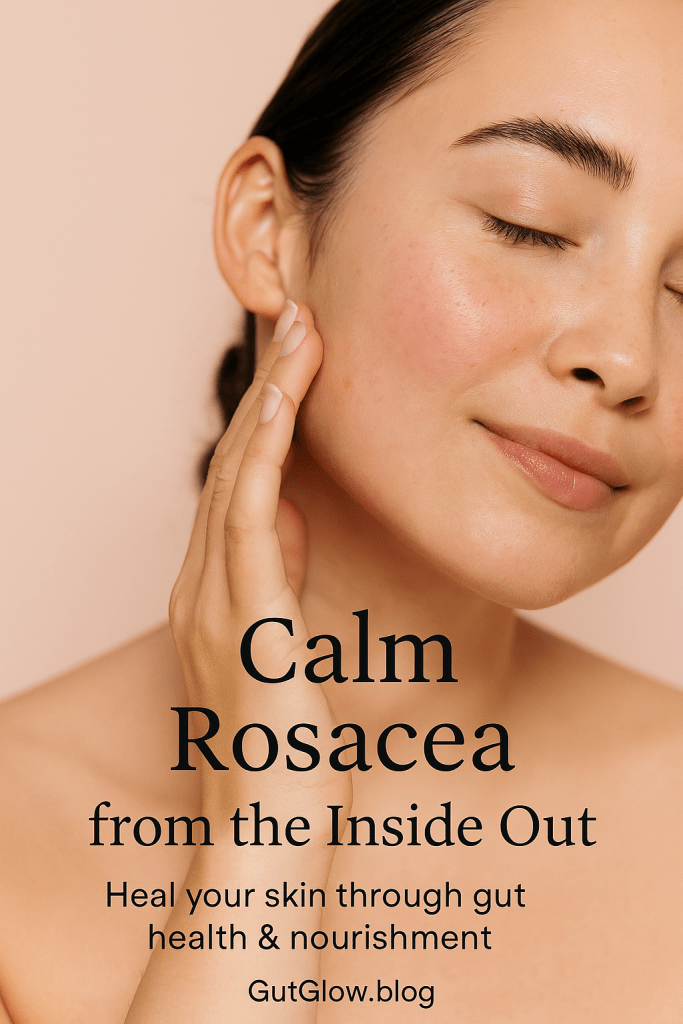
The Gut-Rosacea Link: What You Need to Know for Calmer Skin 🌿🔥


Discover how healing your gut can calm rosacea flare-ups naturally. Learn which gut-friendly foods reduce redness, and why your skin may be shouting for a microbiome reset.


Red Cheeks, Raging Gut? Let’s Talk Rosacea 🥵

Have you ever looked in the mirror and thought, “Why do I look like I just ran a 5K in the desert?” when you’ve done literally nothing? If so, rosacea might be flaring—and your gut could be whispering (or screaming) for attention.

Rosacea is more than just a surface issue. Sure, it shows up as persistent redness, visible blood vessels, bumps, or even eye irritation—but beneath that flushed exterior, your gut may be the silent troublemaker.

As a wound and ostomy nurse in my 40s, I’ve seen firsthand how skin reflects internal chaos. And yes, even poop problems can show up as skin drama! Let’s break down the gut-skin drama and get you on track to calmer, clearer skin.


💡 What Is Rosacea—And Why Might Your Gut Be Involved?

Rosacea is a chronic inflammatory skin condition that affects over 14 million Americans, according to the American Academy of Dermatology.

While the exact cause is still being researched, triggers include:

  • Spicy food
  • Alcohol (I know… I’m crying too)
  • Stress
  • Sun exposure
  • Certain skincare ingredients
  • AND gut dysfunction 🤯

A 2022 study in The Journal of Clinical Medicine found a strong association between rosacea and small intestinal bacterial overgrowth (SIBO). Another study showed that patients with rosacea were more likely to have Helicobacter pylori infections—yep, that same bacteria linked to stomach ulcers.


🔬 Your Microbiome Matters—Here’s Why

Your gut is home to trillions of bacteria (a literal microbial metropolis 🏙️). When that delicate ecosystem gets disrupted—by poor diet, antibiotics, stress, or even lack of sleep—your immune system can go haywire, triggering inflammatory skin conditions like rosacea.

Inflammation, leaky gut syndrome, and dysbiosis (an imbalance in gut bacteria) can all lead to increased skin sensitivity, redness, and breakouts.


🌿 Gut-Healthy Foods That Soothe Rosacea

Your gut can be your greatest ally—or your worst enemy—when it comes to skin health. Here’s how to feed it right:

🥦 1. Prebiotics = Skin’s Peacekeepers

Prebiotics feed your good gut bacteria, which help reduce inflammation.
Eat more of these:

  • Asparagus
  • Garlic
  • Onions
  • Leeks
  • Green bananas
  • Oats

🥣 2. Probiotics = Redness Reducers

Live bacteria in probiotics help restore gut balance and can calm rosacea symptoms.
Try these:

  • Yogurt with live cultures
  • Kefir
  • Sauerkraut
  • Kimchi
  • Miso
  • Kombucha (opt for low sugar)

🫐 3. Antioxidants = Skin’s Fire Extinguishers

Antioxidants help fight oxidative stress and flare-ups.
Top choices:

  • Blueberries
  • Green tea
  • Spinach
  • Avocados
  • Wild-caught salmon (omega-3s, baby!)

💧 4. Hydration = Barrier Support

Drink your water, folks. A dry gut = a dry, reactive face. Aim for 8–10 cups daily. Bonus if you infuse it with cucumber or mint for a skin-loving boost!


🚫 Foods That Fuel Flare-Ups

Some foods make rosacea worse by disrupting the gut or triggering inflammation. Sorry in advance…

  • Refined sugar
  • Processed meats
  • Fried foods
  • Excess alcohol
  • Gluten (for some people, especially if they have celiac or gluten sensitivity)
  • Dairy (individual tolerance varies)

🧪 My Story: From Red-Faced to Radiant

Let me spill the (kombucha) tea. Years ago, during a super stressful work season, I noticed redness creeping across my cheeks. I blamed stress. Or maybe too much coffee.

Turns out, my gut was a mess—poor sleep, stress, way too much takeout, and antibiotics had wrecked my microbiome. Once I started focusing on gut-healing meals, sipping bone broth, adding fermented foods, and cutting back on sugar and alcohol… my skin started behaving like it loved me again 💕

And now? People ask what I use on my skin. Spoiler: It’s mostly what I eat.


🧘‍♀️ Lifestyle Hacks That Calm Both Gut and Skin

☀️ Use Mineral Sunscreen

Zinc oxide isn’t just reef-safe—it’s also anti-inflammatory and perfect for sensitive, rosacea-prone skin.

I like EltaMD SPF40 because is a moistener sunscreen with zinc oxide.

🧘‍♀️ Practice Gentle Movement

Walking, yoga, and deep breathing reduce cortisol and support digestion. Stress = flares, so chill is the goal.

💊 Consider Supplements (With Your Doc’s Okay)

  • Probiotics for gut balance
  • Zinc for skin healing
  • Omega-3s for inflammation
  • Vitamin D for immune support

(Again, check with your provider before starting anything new!)


✅ Quick Rosacea Recovery Checklist

Glow Up from the Inside: Your Rosacea Recovery Checklist
🔲 Add a probiotic-rich food to your daily meals
🔲 Swap refined carbs for fiber-rich veggies
🔲 Drink herbal teas (peppermint or ginger are gut-loving faves)
🔲 Apply a gentle, fragrance-free mineral sunscreen daily
🔲 Get 7–8 hours of sleep (your skin regenerates at night!)
🔲 Track your triggers in a food + skin journal


✨ Final Thoughts: Heal Your Gut, Calm Your Face

Rosacea isn’t just skin-deep. Inflammation starts within—and often, that “within” is your gut. With some diet tweaks, daily habits, and a whole lot of skin-gut love, you can calm the fire and glow from the inside out.

You don’t have to accept flare-ups as your forever look. Your skin is trying to tell you something—listen to your gut (literally).


💬 I’d Love to Hear from You!

Have you tried changing your diet to manage rosacea or other skin conditions? What worked for you—or what totally didn’t? Drop your thoughts, tips, or stories in the comments below!

⚠️ Disclaimer: Read This Before You Glow!
I’m a nurse, but I’m not your nurse. This blog is for general education, empowerment, and a sprinkle of entertainment. It’s not medical advice, diagnosis, or treatment. Always check in with your healthcare provider before making changes to your diet, supplements, or skincare routine—especially if you’re dealing with chronic conditions. Your body is beautifully unique, and it deserves personalized care. 💛

🧘‍♀️ Flow for Your Flora: Yoga Poses to Improve Digestion and Reduce Inflammation

Gentle yoga for gut health and glowing skin—straight from a nurse who talks about poop for a living.


Discover the best yoga poses to improve digestion, reduce gut inflammation, and support glowing skin naturally. Learn how movement supports the gut-skin connection—written by a wound care nurse with a gut-health obsession.


Why Yoga Is Your Gut’s New Best Friend (and Your Skin’s Secret Weapon)

Let me say it loud and proud: healthy poop = healthy skin.

I’ve been a wound and ostomy care nurse for over two decades. In that time, I’ve cared for bellies, bowels, skin wounds, rashes, and every type of poop you can imagine. And guess what? The gut-skin connection is very real—and wildly underappreciated.

When your digestion is sluggish, bloating is your daily reality, and your microbiome is out of whack, it shows up in your skin:
✨ Dullness
🚨 Redness and inflammation
💥 Breakouts or flare-ups
👵 Premature aging

Yoga is one of the most underrated tools to improve digestion, stimulate your gut, lower cortisol (a sneaky skin ager), and reduce inflammation.


The Gut-Skin Axis: What You Feel in Your Belly Shows Up on Your Face

Recent research from the Journal of Clinical Medicine (2022) confirms that the gut-skin axis is a legit biological pathway. When your microbiome is off, it can lead to leaky gut, systemic inflammation, and increased skin issues like acne, rosacea, and eczema.

Yoga benefits the gut-skin connection by:

  • Massaging internal organs
  • Stimulating the vagus nerve (which lowers stress + improves digestion)
  • Reducing systemic inflammation
  • Enhancing lymphatic and blood flow to the skin
  • Supporting microbiome balance

Basically, it’s like a gentle skincare routine for your intestines. 💅🏼🦠


🧘‍♀️ Yoga Poses to Support Digestion and Reduce Inflammation

1. Supine Twist (Supta Matsyendrasana)

Your colon’s favorite stretch.

Lie on your back, hug one knee to your chest, and gently twist to the opposite side. This wringing-out motion stimulates peristalsis (the gut’s “wave” movement) and helps with gas and bloating.

💡 important: This one is great after a heavy meal. Or cheese. Or life.


2. Cat-Cow (Marjaryasana–Bitilasana)

A classic for a reason.

Move gently between arching and rounding your spine. This pose massages abdominal organs, wakes up the digestive system, and helps calm the nervous system.

tip: It’s great for spine mobility and makes you look very zen to bystanders.


3. Wind-Relieving Pose (Pavanamuktasana)

Yes, it’s exactly what it sounds like. You’re welcome.

Lay flat, hug both knees into your chest, and gently rock side to side. This pose encourages gas to move through your intestines and relieves bloating.


4. Seated Forward Fold (Paschimottanasana)

A fold for your flora.

This pose compresses the abdominal area, stimulates digestion, and helps stretch the spine and hamstrings. Focus on gentle breaths—no need to force it.


5. Legs-Up-the-Wall (Viparita Karani)

The lazy girl’s digestive reset.

Simply lie on your back and extend your legs vertically up a wall. This pose supports lymphatic drainage, reduces lower belly inflammation, and helps calm the nervous system. Do this before bed for extra gut-skin healing power.


My Personal Gut-Skin Yoga Glow-Up Story 🌿✨

A few years ago, my skin went from “you look rested!” to “are you okay?” practically overnight. My digestion was off, I was bloated constantly, and stress was eating me alive (nurse life, am I right?).

Instead of overhauling everything, I started doing 15 minutes of yoga every morning—just basic poses, slow breathing, and letting my belly move. Within 3 weeks:

  • My bloating reduced
  • I was pooping like a pro 💩
  • My skin looked clearer and less inflamed
  • I slept better and felt more grounded

No fancy face cream can compete with a de-stressed gut.


Gut-Friendly Foods to Pair with Your Practice 🥑

Yoga moves things along—but what you eat matters just as much.

Here are my go-to gut-friendly + glow-enhancing foods:

FoodGut BenefitSkin Benefit
Fermented foods (yogurt, sauerkraut, kimchi)Restores healthy gut floraReduces inflammation & breakouts
AvocadosRich in fiber & healthy fatsHydrates and plumps skin
BlueberriesAntioxidants & polyphenolsPrevents oxidative stress (hello glow!)
Leafy greensAlkalizing, high in fiberDetoxes skin & supports healing
Bone brothCollagen-rich & gut-soothingBoosts elasticity & reduces wrinkles

For a post-yoga snack, I love this:
🥣 Warm bone broth + a slice of avocado toast on sourdough + lemon water.
A glow-up you can taste.


Try This: A Quick 15-Minute Gut Flow Sequence 💫

  • 1 min: Deep belly breathing in Child’s Pose
  • 3 min: Flow between Cat-Cow
  • 2 min each side: Supine Twist
  • 2 min: Seated Forward Fold
  • 5 min: Legs-Up-the-Wall

Pop on calming music or silence your mind with nothing but breath. Your gut will say thank you—and so will your skin.


Let’s Get Personal 💬

Have you ever tried yoga for digestion or inflammation? What pose (or poop hack) works best for you?

💬 Leave a comment below—I’d love to hear your gut-skin success story!
You might inspire someone else to try their first yoga flow.


⚠️ Disclaimer (Because I’m a Nurse, Not Your Nurse 😉)
This blog is for general education and entertainment purposes only. Always consult your provider before starting any new health or fitness routine.

The Gut-Skin-Hair Connection: What Your Microbiome Says About Beauty 💁🏽


Beauty Starts in the Belly: Let’s Talk Microbiome Magic ✨

Hey hey! I’m a 40-something wound and ostomy care nurse who loves skin care, poop talk, digestive health, and chasing glow (without chasing trends). I’ve helped hundreds of patients heal wounds from the inside out—and trust me, your gut might just be your best-kept beauty secret.

Your gut microbiome (aka your inner rainforest) has trillions of bacteria that influence how you digest food, fight inflammation, produce hormones, and yes—how your skin and hair behave. When your gut’s out of whack, it doesn’t just affect your poop—it shows up on your face and scalp too.

The Gut-Skin-Hair Axis: A 3-Way Conversation 😄

What Is It?

Science now shows us that your gut, skin, and even your hair follicles are connected by immune responses, inflammation pathways, and nutrient absorption. This trifecta is sometimes called the gut-skin-hair axis. When your gut is inflamed, your skin might break out or get dry, and your hair may lose its luster (or fall out!).

Research Backs It Up

A 2023 review in Microorganisms highlighted how an imbalanced gut microbiome can lead to inflammatory skin conditions like acne, rosacea, and eczema, and even contribute to hair loss. Another study in Nutrients found that people with a diverse gut microbiota had fewer signs of skin aging. Translation? Feed your gut, and your mirror will thank you.

Personal Story: My Gut Was a Hot Mess 🤦🏽‍♀️

After a stressful year full of night shifts, hospital coffee, and zero vegetables, I noticed more than just dark circles. My skin was dull, my hair was shedding, and my digestion was a disaster. I started paying attention to my gut by adding fiber, fermented foods, and yes—more water than I thought was humanly possible.

Three months later? Less bloating, glowing skin, fewer breakouts, and shinier hair. The combo of gut love and self-care really did make me feel younger and more energized. Plus, poop was finally back on a schedule. 😎

Eat This, Not That: Gut-Friendly Foods for Skin & Hair Health 🌿

1. Fermented Foods (Hello, Probiotics!)

  • Yogurt (with live cultures)
  • Kimchi
  • Sauerkraut
  • Miso These feed your good bacteria, which boosts immunity, calms inflammation, and even helps your scalp.

2. Prebiotic-Rich Foods

  • Bananas
  • Garlic
  • Onions
  • Leeks Prebiotics are the food for your probiotics. They help strengthen your gut lining, which keeps skin strong and reduces puffiness.

3. Omega-3s and Healthy Fats

  • Salmon
  • Avocados
  • Chia seeds
  • Walnuts Healthy fats reduce inflammation and support strong hair follicles and hydrated skin.

4. Antioxidant-Rich Fruits and Veggies

  • Blueberries
  • Spinach
  • Sweet potatoes
  • Red peppers These neutralize oxidative stress that causes premature wrinkles and hair damage.

5. Hydration Station 💧

Water keeps your cells plump, reduces dry scalp and skin, and supports detox pathways.

Don’ts: Enemies of Gut & Beauty ❌

  • Sugary drinks
  • Processed foods
  • Excess alcohol
  • Smoking
  • Chronic stress

All of these disrupt the gut barrier, kill good bacteria, and spike inflammation. And yes—you’ll see it on your skin.

Supplements That Support the Gut-Skin-Hair Glow 💊

(Always consult your provider before starting something new)

  • Probiotics (multi-strain)
  • Vitamin D (deficiency = dry skin and hair loss)
  • Biotin (helps with keratin production)
  • Collagen (supports skin elasticity and hair strength)
  • Zinc (heals skin and supports immune system)

Movement, Sleep & Poop: The Underrated Beauty Routine 🤷‍♀️

  • Exercise boosts circulation and improves digestion
  • Sleep is when skin cells regenerate and hormones reset
  • Regular Bowel Movements remove toxins that otherwise exit via skin

It’s not sexy, but beauty truly starts in the bathroom.

What You Can Do Today 📅

  • Add one fermented food to a meal
  • Drink half your body weight in ounces of water
  • Walk 20 minutes after dinner
  • Swap your afternoon snack for a banana with almond butter
  • Start a skin journal to track changes

What Does Your Gut Say About Your Glow? 🧠

Have you noticed a connection between your gut health, skin, or hair?

Drop your story in the comments ⬇️ I’d love to hear what’s working for you (and what isn’t) on your gut-glow journey.

Until next time, stay hydrated, stay regular, and keep shining from the inside out! ✨

⚠️ Disclaimer (Because I’m a Nurse, Not Your Nurse 😉)

This blog is for general education and entertainment purposes only. It doesn’t replace personalized medical advice. Always check with your healthcare provider about anything health-related. Now, let’s get into the juicy stuff—poop, probiotics, and that glow-up from the inside out!

Stress and Your Skin: The Ugly Truth and How to Calm the Chaos 😫💥 → 🧘‍♀️✨

If stress had a smell, it would be that burnt popcorn-meets-sweaty-socks aroma after a 12-hour shift. As a nurse in my 40s who’s been in the trenches (shoutout to wound and ostomy care!), I’ve seen what stress can do—not just to our minds, but to our skin, guts, and yes, even our poop 💩.

Let’s be real: you can eat all the kale, chug your chlorophyll, and slather on serums like it’s your job—but if you’re running on stress fumes, your skin will still tell on you. So let’s break it down—what stress really does to your skin, how your gut plays backup singer to the chaos, and most importantly, what to do about it.


😬 The Ugly Truth: What Stress Does to Your Skin

You’re not imagining it—your breakouts do get worse before big events. That mystery rash does flare when your in-laws come to town. Here’s why:

  • Cortisol (the stress hormone) ramps up oil production, which clogs pores and creates the perfect storm for acne.
  • It also triggers inflammation, worsening conditions like eczema, rosacea, psoriasis, and even wound healing.
  • Your skin barrier becomes weaker, so it’s more prone to irritation, dehydration, and flare-ups.
  • Sleep suffers, digestion slows, and your skin ends up looking as exhausted as you feel.

💩 The Gut-Skin-Stress Triangle

Your gut and brain are in constant communication via the gut-brain-skin axis. When you’re stressed:

  • Your gut becomes more leaky (yes, that’s a thing), letting toxins escape into your system—leading to inflammation, breakouts, and dull skin.
  • You may get constipated, bloated, or backed up, which means your body struggles to eliminate waste—and when it can’t get it out, it often shows up on your skin instead.
  • Stress kills off good gut bacteria, leaving bad guys to run the show. This imbalance (a.k.a. dysbiosis) can worsen acne, eczema, and even wrinkles.

Your skin is the mirror. Your gut is the engine. And stress? Stress is the wild raccoon chewing through the wiring.


✅ Solutions: How to Calm the Chaos (Inside and Out)

This isn’t about perfection—this is about giving your nervous system, skin, and gut a break. Here’s what actually helps:


🧘‍♀️ 1. Nervous System Reset

  • Box breathing: Inhale for 4, hold for 4, exhale for 4, hold for 4. Repeat.
  • Walks without your phone (yes, really).
  • Cold water splashes on the face can activate the vagus nerve—reduces anxiety and inflammation.

🥬 2. Feed Your Skin via Your Gut

  • Add fermented foods (sauerkraut, kimchi, kefir) to feed your microbiome.
  • Prioritize prebiotics (onions, garlic, asparagus).
  • Keep digestion moving with hydration + fiber (chia seeds, berries, leafy greens).
  • Don’t underestimate vitamins: Zinc, Vitamin C, and Omega-3s are wound-healing and anti-inflammatory MVPs.
  • Cut back on processed sugar + alcohol during high-stress periods—they’re instant fuel for skin chaos.

🧴 3. Simplify Your Skincare Routine

  • Gentle cleanser (don’t strip your skin—stress already is).
  • Add niacinamide or azelaic acid to calm redness + support barrier function.
  • Never skip moisturizer and SPF—especially during flare-ups.
  • Think of skin care as nervous system care—massage it in, breathe, and be kind to yourself.

💧 4. Hydration Isn’t Optional

Your skin is 64% water. Your poop? About 75%. Dehydration will slow digestion, cause fatigue, and make your skin look like a raisin that’s been through it. Aim for half your body weight in ounces daily, and more if you’re sweating or drinking caffeine.


😴 5. Don’t Underestimate Sleep

You can’t out-supplement poor sleep. Prioritize 7–9 hours per night, and your cortisol levels, gut flora, and skin health will thank you.


💬 Real Talk from a Nurse Who Gets It

I’m not here to tell you to “just relax.” Life is real, stress is real, and sometimes the self-care feels like another job. But taking even one step—a few deep breaths, a glass of water, five minutes of silence in your car—can shift your biology. You’re not broken. Your body’s just overwhelmed. Help it help you. ❤️


⚠️ Disclaimer (Because I’m a Nurse, Not Your Nurse 😉)

This blog is for general education and entertainment purposes only. Always consult with your doctor, dietitian, dermatologist, or wound/ostomy care specialist—especially if you have specific conditions, allergies, or ongoing issues.


🔄 Recap: When Stress Hits, Try This…

✅ Breathe (box breathing = magic)
✅ Eat fiber + fermented foods
✅ Hydrate like it’s your job
✅ Go gentle on your skin
✅ Sleep like your face depends on it (it does)