
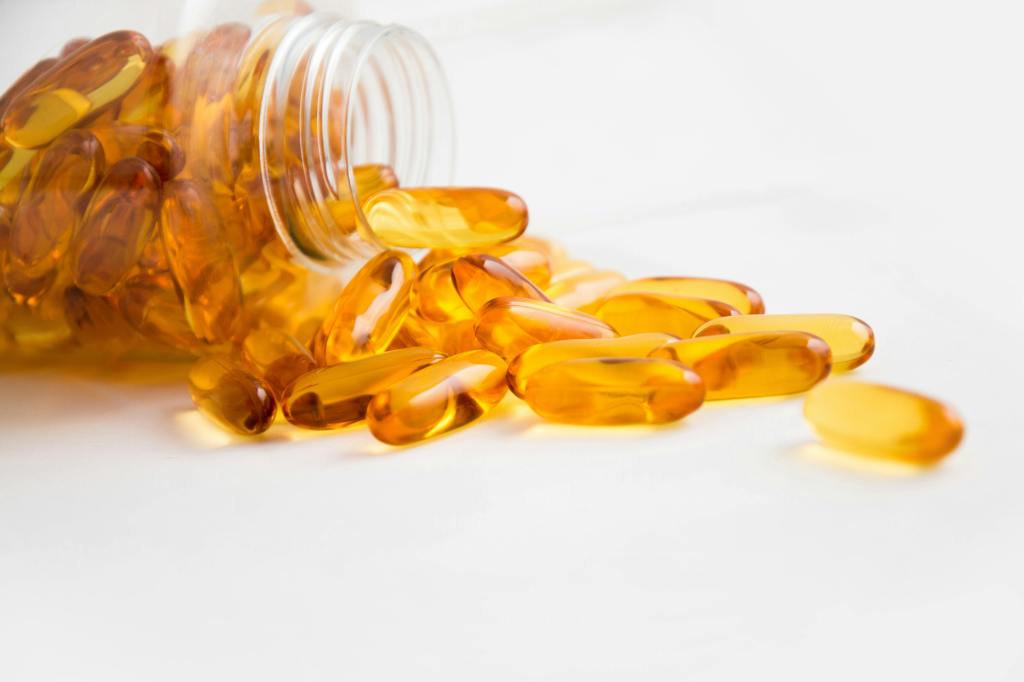
Supplements I Actually Recommend (and the Ones I Don’t) 💊✨

Hey there, fellow wellness warriors! As a nurse, rocking my 40s while juggling skin, guts, and everything in between—I’m here to spill the tea ☕ on supplements. With so many options out there, it’s easy to get overwhelmed, confused, or end up with a cabinet full of pills you never touch. So, let’s cut through the noise with some nurse-approved, gut-friendly, skin-loving supplement wisdom. Ready? Let’s dive in!


What I Actually Recommend ✅

1. Vitamin C — Your Skin’s Bestie 🍊
Vitamin C isn’t just for fighting colds. It’s a powerhouse antioxidant that boosts collagen production, helping your skin stay plump and wrinkle-resistant. Plus, it supports immune health and wound healing—crucial if you’re managing any skin or ostomy-related care.

2. Magnesium — The “Chill Pill” Mineral 🧘‍♀️
Magnesium helps with muscle relaxation, sleep quality, and even gut motility (hello, morning poops!). Many adults are deficient, so a supplement can help keep your digestion smooth and your stress levels down.

3. Probiotics — The Gut’s Cheerleaders 🦠
A good probiotic can support a balanced microbiome, which we know plays a role in everything from digestion to skin health. Not all probiotics are created equal, so choose strains backed by science (like Lactobacillus and Bifidobacterium).

4. Zinc — Healing Hero ⚡
Zinc supports immune function, wound healing, and can even reduce inflammation in skin conditions. Just be mindful not to overdo it—balance is key!

5. Omega-3 Fatty Acids — Skin & Gut Superstars 🐟
Omega-3s help reduce inflammation, support brain health, and keep skin supple and hydrated. I recommend getting these from high-quality fish oil or plant-based alternatives if you’re vegan.


What I’m Not Sold On ❌

1. Collagen Supplements — Meh, Maybe? 🤷‍♀️
While collagen is essential for skin and wound healing, taking it as a pill or powder doesn’t always guarantee it’ll reach your skin intact. Your body breaks it down into amino acids like any protein. Focus more on a balanced diet with protein-rich foods.

2. Detox Teas & Quick-Fix Supplements 🚫
If it sounds too good to be true—like “flush toxins in 3 days”—it probably is. Your liver and kidneys do a stellar job detoxing; no magic potion required.

3. Over-the-Top Multivitamins 🧪
A mega-dose multivitamin can sometimes do more harm than good. Excess fat-soluble vitamins (like A, D, E, K) can build up and cause problems. Stick to targeted supplements based on your needs.


My Nurse-to-You Advice 💡

  • Supplements can be great, but they’re just one piece of the puzzle. Your gut and skin thrive on good food, hydration, sleep, and stress management.
  • Always check with your healthcare provider before starting anything new—especially if you have an ostomy, chronic condition, or take medications.
  • What works for me or my patients might not be your perfect fit—everyone’s gut and skin story is unique!

⚠️ Disclaimer: Because I’m a Nurse, Not Your Nurse 😉
This blog is for general education and entertainment purposes only. Always consult with your doctor, dietitian, dermatologist, or wound/ostomy care specialist—especially if you have specific conditions, allergies, or a medical device like an ostomy.


In a nutshell: Choose your supplements wisely, listen to your body, and remember — the best glow comes from a happy gut and a nourished soul! 🌟💪


Would you like me to suggest some specific supplement brands or recipes that support gut and skin health? Just ask! 😊
Why Nurses Don’t Have Time to Poop (and How It Affects Our Gut) 💩⏰

Let’s just say it: nurses are the constipated heroes nobody talks about. We run on caffeine, adrenaline, and prayers. We can insert an IV during a code, chart with our elbows, and de-escalate a family meltdown at 140/90—but find time to poop? LOL. 😅

As a wound and ostomy care nurse in her 40s who is deeply in love with all things skin, gut, and “glow from the inside,” I’m here to shine a (well-moisturized) light on a truth many of us live but rarely talk about:

🚽 Nurses don’t poop. And it’s messing with our gut.


The Shift is Long, But the Colon Is Patient… Until It’s Not 🕒

Let’s be real. Between med passes, dressing changes, call lights, short staffing, and family updates, taking a moment to pee is an Olympic event—let alone finding a quiet five minutes to drop the kids off at the pool. So we do what we always do:

We hold it.
And hold it.
And… well, now we’re bloated and cranky and haven’t gone since Sunday. 🫠


What Happens When You Chronically “Hold It”?

1. Sluggish Motility = Constipation Party 🎉 (But You’re Not Invited)

Your colon is like a conveyor belt. When it slows down, waste sits longer, gets drier, and turns into something that deserves its own horror movie. Not only is it uncomfortable—it affects your whole digestive system.

2. Skin Flare-Ups from Gut Drama 😬

Yep, the gut-skin connection strikes again! When waste builds up, toxins don’t exit efficiently. That internal traffic jam can show up externally—think breakouts, dullness, rashes, and inflammation.

3. Hormonal Disruption & Cortisol Chaos 🔥

When your gut is backed up, stress hormones love to pile on. Your already-busy nurse brain is now riding a hormonal rollercoaster, complete with bloating, mood swings, and fatigue. Cute!

4. Microbiome Mayhem 🦠

Delaying bowel movements can throw your gut flora out of whack. That healthy bacteria you worked so hard to cultivate (hello, probiotics)? They’re not thrilled. It’s like skipping watering your plants and wondering why they’re sad.


The Nurse Gut Survival Guide 💡

Here’s what I (try to) do to stay regular in the world of 12s and no breaks:

🚰 Hydrate Like You’re Getting Paid For It

Water is a nurse’s best friend. Aim for at least 8 cups—even if it means timing it with your charting or shift huddles.

🥦 Fiber Is Your BFF

Sneak in fiber-rich snacks—chia pudding, apples, hummus and veggies, or even a high-fiber protein bar stashed in your bag like a secret weapon.

🚶‍♀️ Movement Matters

Even if it’s just walking laps around the unit or doing squats while waiting on pharmacy (don’t knock it!), keep things moving.

🧘‍♀️ Relax Your Nervous System

Stress literally shuts down digestion. Try deep breathing in the med room, stretching, or playing music on your commute to switch off the cortisol faucet.

💩 Make Time to Poop (Seriously)

Normalize taking five minutes. Yes, the unit might survive without you for 300 seconds. You can’t pour from an empty cup—or poop with a full colon. 😉


Bottom Line? Don’t Ignore Your Bottom 🧻❤️

Holding your poop for 13-hour shifts isn’t just uncomfortable—it’s a slow sabotage of your gut, skin, and sanity. Nurses are incredible, but we’re also human. Let’s start treating ourselves with the same care we give our patients.

Your colon—and your complexion—will thank you.


⚠️ Disclaimer (Because I’m a Nurse, Not Your Nurse 😉)
This blog is for general education and entertainment purposes only. Always consult with your doctor, dietitian, dermatologist, or wound/ostomy care specialist—especially if you have specific conditions, allergies, or a medical device like an ostomy.

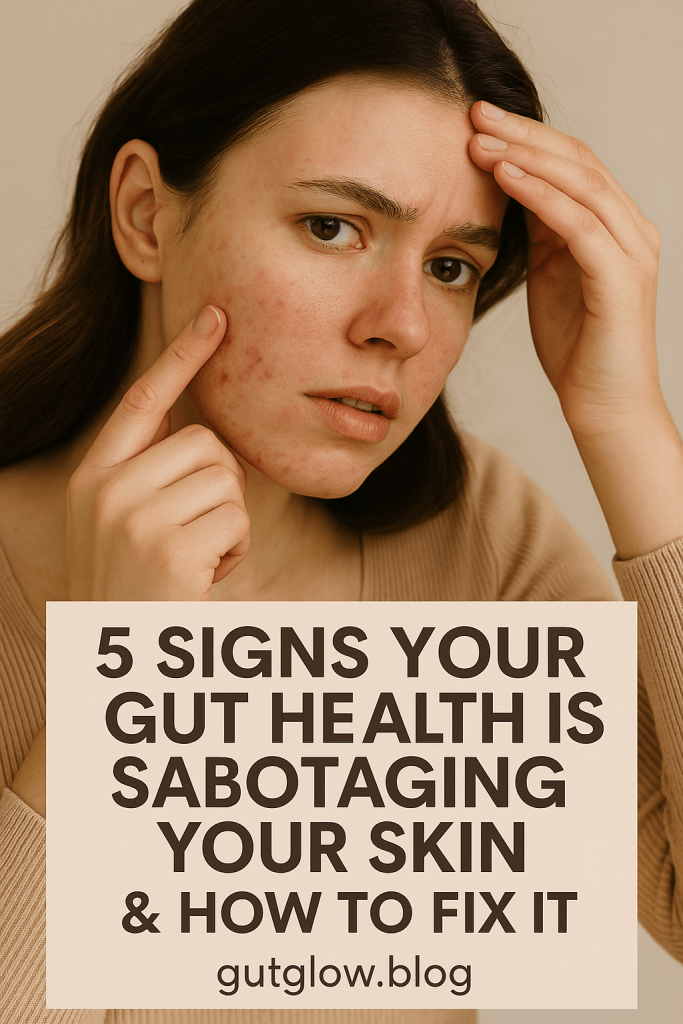
5 Signs Your Gut Health Is Sabotaging Your Skin (And How to Fix It) 🦠💁‍♀️


Wondering why your skin won’t cooperate? Your gut might be the culprit! Discover 5 signs your gut health is affecting your skin and learn nurse-approved tips to restore your glow.


Let’s be honest—when your skin is acting up, the first thought is usually “new serum, please!” But the truth? Your gut might be the real villain behind acne, dryness, redness, and dullness. 🦠💔

Recent research highlights the gut-skin axis, a communication superhighway where your gut microbes influence inflammation, nutrient absorption, and even hormone balance—all of which show up on your skin (Bowe & Logan, 2011, Journal of Drugs in Dermatology).

Below, I’ve broken down the top 5 signs your gut might be sabotaging your skin—plus actionable tips to get both your belly and face back on track.


1. Acne With a Mind of Its Own

Random breakouts? Your gut microbiome could be fueling inflammation that shows up as stubborn acne.

🧪 Nurse Tip:
Add probiotic-rich foods like Greek yogurt, kefir, or fermented veggies. Supplement with a high-quality probiotic if needed. Your skin—and your microbiome—will thank you.


2. Sahara-Level Dryness

Dry, flaky skin isn’t just weather. Poor gut health can reduce nutrient absorption, especially essential fatty acids and vitamin E, both critical for skin hydration.

💧 Try This:

  • Bone broth
  • Chia seeds
  • Leafy greens
  • Water, water, water

Glow tip: hydration starts inside.


3. Redness & Inflammation

Eczema, rosacea, or random redness? A compromised gut lining (“leaky gut”) may trigger systemic inflammation.

🚨 Calm It Down:
Include anti-inflammatory foods like turmeric, ginger, and omega-3-rich fish. Consistency is key—think daily, not just “sometimes.”


4. Post-Meal Skin Drama

Bloating today, breakouts tomorrow? That’s your gut-skin axis signaling distress. Poor digestion can allow toxins to linger and show up as acne or dullness.

🌀 Digestive Fix:

  • Fiber-rich meals
  • Smaller, slower meals
  • Digestive bitters
  • Chew like your life depends on it 😆

5. Dullness, Dark Circles & Uneven Tone

Your skin’s “I’m starving” face is often caused by nutrient malabsorption. Iron, B vitamins, and zinc are critical for glowing, even skin.

💊 Glow-Up Tips:

  • High-quality probiotic
  • B-complex vitamin
  • Nutrient-rich diet: leafy greens, nuts, seeds
  • Consult a nutritionist if needed

Your skin is a mirror of internal health, and your gut is the backstage manager. Feed it right, hydrate, and embrace fiber-rich, nutrient-dense meals—and your skin will reflect it.

💬 Let’s Chat! Have you noticed your gut affecting your skin? Share your glow-up story in the comments below.

⚠️ Disclaimer (Because I’m a Nurse, Not Your Nurse 😉)
This blog is for educational and entertainment purposes only. Always consult a healthcare professional for personalized advice.


Keep scrolling for the full scoop!