
Father Figures & Fiber: Why Your Dad Needs to Poop Better 💩🌾

Fiber-packed advice with a side of colon-friendly love

Hey there, fiber fans and gut guardians! 👋 Let’s talk about something that doesn’t get nearly enough attention in Father’s Day cards: your dad’s bowel habits. Yep, we’re going there. Because as a nurse who’s seen the backside (literally) of gut issues—from constipation to skin breakdown—I can tell you this: poop matters. A lot. Especially when it comes to the skin, energy, and overall health of the men we love.

And if your dad’s idea of “fiber” is the crust on a pizza or the lettuce under a burger patty… this one’s for him. 🍕


🚽 Why Dads (and All Men) Need Better Fiber Habits

Let’s be real: many men weren’t raised to think about gut health unless something explodes or bleeds. That “tough it out” mentality? Not great for digestion. Over time, low-fiber diets can lead to:

  • Constipation (hello, gut bloat and grumpiness)
  • Diverticulosis
  • Hemorrhoids
  • Skin issues (yes, your gut affects your skin!)
  • Sluggish wound healing (big deal for post-op dads)

🌾 Fiber: The Unsung Hero of Dad Wellness

Fiber isn’t just a buzzword—it’s essential for gut motility, toxin elimination, and keeping that gut microbiome in balance. And guess what? A happy gut = better skin, better energy, and fewer mystery rashes.

Here’s how fiber helps:

  • Feeds the good bacteria in your gut (prebiotics FTW!)
  • Keeps things moving, preventing the dreaded nurse-diagnosed “bowel traffic jam”
  • Helps regulate cholesterol and blood sugar
  • Supports immune function (yes, the gut is a big part of immunity!)

🥕 Simple Fiber Upgrades for Father Figures

Let’s not overhaul dad’s entire diet in one day. Here’s how to sneak fiber in without a full-blown quinoa intervention:

  1. Swap white for brown – whole grain bread, brown rice, and whole wheat pasta.
  2. Add flax or chia seeds to smoothies, yogurt, or even his morning cereal.
  3. Upgrade snacks – roasted chickpeas, trail mix, or fruit with skin (yes, apples count).
  4. Start with soup or salad – fiber in the form of beans, lentils, or leafy greens.
  5. Don’t forget water! 💧 Fiber without hydration is like driving a car with no gas.

💩 But Wait—Let’s Talk About Poop

Normal doesn’t mean once a week. Regular, formed, easy-to-pass poops are a sign of gut wellness. Fiber helps normalize bowel patterns and supports colon health in a big way. So if dad’s a once-a-week kind of guy… it’s time to fiber-up.


🧴 The Gut-Skin Connection (Yep, Even for Dudes)

Low fiber → gut inflammation → poor detox → skin breakouts, dullness, or eczema flares. Yes, even rugged dads get rosacea and dry patches. A fiber-rich diet helps filter toxins, reduce inflammation, and keep skin clearer from the inside out.


🎁 Father’s Day Challenge: Give Dad the Gift of Good Poops

Make it fun (or funny). Try:

  • A fiber-packed breakfast together (oats with berries)
  • A poop journal (seriously)
  • A new water bottle (hydration = gut love)
  • A copy of this blog post, gently folded and placed next to his remote 🛋️📺

⚠️ Disclaimer (Because I’m a Nurse, Not Your Nurse 😉)
This blog is for general education and entertainment purposes only. Always consult with your doctor, dietitian, dermatologist or wound/ostomy care specialist—especially if you have specific conditions, allergies, or a medical device like an ostomy. What works for one person might not work for another—especially if we’re talking ileostomy vs colostomy vs urostomy—big differences, folks!

🥩🍠 Dad Bod, But Make It Glowing: Gut-Healthy Foods for the Father Figure in Your Life

Let’s be honest—dad bods are in, but bloated dad bods with breakouts? Not exactly the Father’s Day glow-up we’re going for. Whether you’re married to one, raised by one, or are one—this one’s for the fellas. 👨‍🦱💪

As a nurse (and a card-carrying member of the Skin-Gut-Health Fan Club), I see firsthand how what we eat affects our poop, skin, mood, and energy. And yes—this applies to dads, too. Even the ones who claim “I don’t need moisturizer” as they rub their face raw with Irish Spring.

So this Father’s Day, let’s talk about gut-friendly foods that can reduce inflammation, support digestion, and bring that subtle glow (no bronzer required).


🍳 The Dad Bod Diet Glow-Up

Here’s what we’re swapping into the diet—without taking away his beloved BBQ.


1. Salmon or Sardines (a.k.a. Dad’s Omega-3 Boost)

🐟 Omega-3s = less gut inflammation + clearer, calmer skin.
Grill it. Smoke it. Toss it on a salad. Just skip the deep fryer, please.

Bonus: Great for heart health and joint pain. Who says you can’t age like a fine whiskey?


2. Sweet Potatoes

🍠 Complex carbs with beta-carotene, a skin-loving antioxidant.
Swap the fries for roasted sweet potato wedges. Air fryer optional, but encouraged.


3. Greek Yogurt or Kefir

🦠 Packed with probiotics that keep the gut happy and skin clearer.
Want a real treat? Add some berries and honey. Call it “man parfait.”


4. Kimchi, Sauerkraut, or Pickles (fermented, not fake)

🥬 A crunchy way to fuel the microbiome.
If it smells funky, it’s probably working. Just don’t mix with beer pong.


5. Avocados

🥑 Healthy fats that help absorb fat-soluble vitamins (like A, D, E, and K—yes, those are skin MVPs).
Put it on toast, burgers, or just hand him a spoon.


6. Blueberries

🫐 Antioxidant powerhouses that fight oxidative stress (aka skin damage + gut inflammation).
Also pairs well with dad jokes.


7. Beans & Lentils

🥣 Full of fiber = regular poops = less bloat = better skin.
Trust me, if you’re constipated, your face knows. So does your mood.


🚫 Foods That Wreck the Glow (Sorry, Dad)

Here’s what might be contributing to bloating, sluggish digestion, or random “angry forehead zits”:

  • Highly processed meats (hello, nitrates)
  • Too much added sugar (hello, belly fat + breakouts)
  • Excess alcohol (sorry beer gut, your glow is gone)
  • Dairy (for some, this = skin flare-ups and gas attacks)
  • Fried foods (gut inflammation’s favorite snack)

💩 Bonus Tip: Poop Watch = Skin Watch

Constipated? Bloated? Passing gas like it’s a talent?
Yeah, your skin will reflect that. The gut-skin axis is real. When your gut is sluggish, so is your glow.


💧 Hydration Station: Real Men Drink Water

Tell him hydration isn’t just for marathon runners or skincare influencers.
Water helps:

  • Digestion
  • Skin plumpness
  • Wound healing
  • Energy (and better workouts)

Start with half his body weight in ounces per day.


🧴 Skin Care for the Dad Who “Doesn’t Need It”

Keep it simple:

  • Gentle cleanser (not the 3-in-1 body wash)
  • Moisturizer with SPF
  • Hydrating balm for dry hands, elbows, or dad knees

Tell him: “If you can take care of a car, you can take care of your skin.”


🧠 Glow Up the Gut = Glow Up the Mood

Gut health doesn’t just show up on your face—it affects energy, mood, and even motivation. Help your favorite dad feel better, not just look better.


🛒 Grocery List: The Glowing Dad Starter Pack

  • Salmon fillets
  • Sweet potatoes
  • Greek yogurt
  • Kimchi or sauerkraut
  • Avocados
  • Blueberries
  • Canned beans/lentils
  • Herbal tea or lemon water

⚠️ Disclaimer (Because I’m a Nurse, Not Your Nurse 😉)

This blog is for general education and entertainment purposes only. Always consult with your doctor, dietitian, dermatologist, or wound/ostomy care specialist—especially if you have specific conditions, allergies, or a medical device like an ostomy. What works for one person might not work for another (especially if we’re talking ileostomy vs colostomy vs urostomy—big differences, folks!).


Final Thought 💬

This Father’s Day, let’s go beyond grilling gear and gift cards. Give the dad in your life a little gut glow-up—his skin (and his poop) will thank you. 💩✨


Leaky Gut: Trendy Diagnosis or Real Problem?

From the desk of a nurse who talks poop professionally

Let’s cut to the cheese (because dairy might be triggering your gut, but we’ll get there): Is “leaky gut” just the latest health buzzword, or is your digestive system actually betraying you one cell at a time?

As a nurse with 22 years of experience—who now spends her days talking about guts, wounds, ostomies, and everything in between—I’ve heard “leaky gut” tossed around more than a salad at a wellness retreat. So, let’s break it down in plain speak, minus the fear-mongering and plus a whole lot of real talk.


What Even Is Leaky Gut?

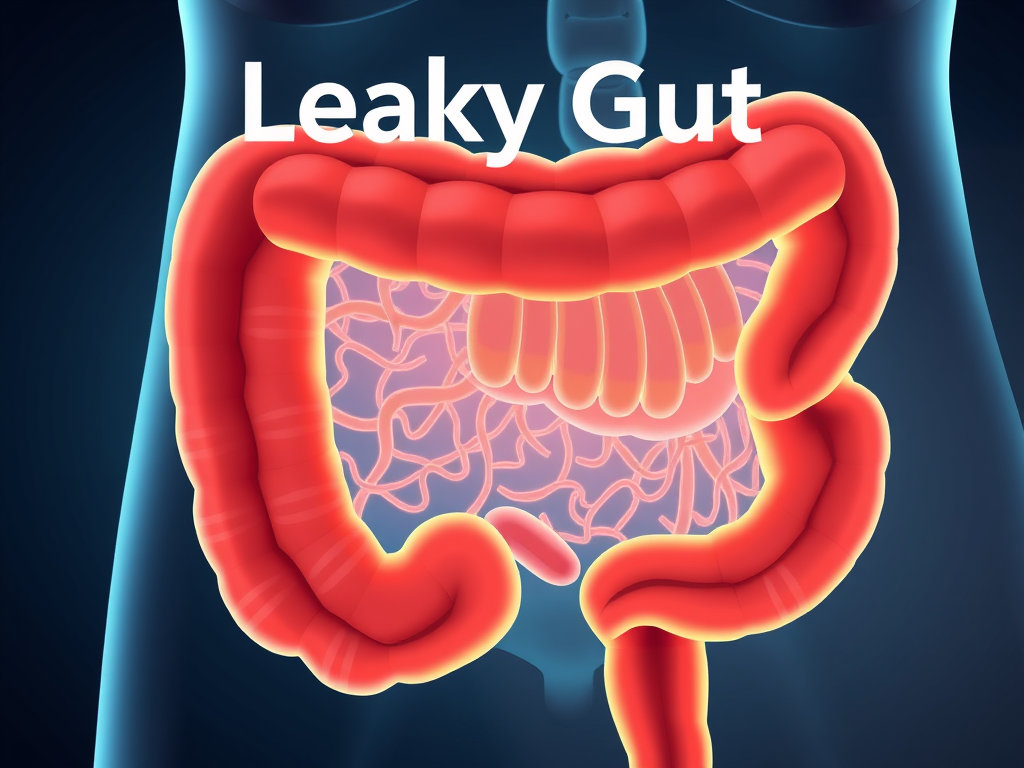
Leaky gut—also known in the science world as increased intestinal permeability—is when the lining of your intestines becomes damaged or inflamed. Normally, your gut lining is like a super-selective bouncer at a VIP club: it lets the good stuff (nutrients, water) in and keeps the riffraff (toxins, undigested food, bad bacteria) out.

When it becomes “leaky,” it’s like the bouncer got tired, took a nap, and now anyone can stroll into the bloodstream. Cue: inflammation, bloating, fatigue, skin breakouts, brain fog, and the dreaded poop problems.


Is It Real or Just Really Instagrammable?

Here’s the deal—leaky gut is real, but it’s not officially recognized as a diagnosis by all mainstream medical communities. Why? Because it’s tricky to prove directly in humans, and many of its symptoms mimic other conditions like IBS, food sensitivities, or even chronic stress.

But from my nurse perspective? I believe it’s a red flag. Not just a TikTok trend. When someone comes in with mystery rashes, chronic bloating, or poops that range from rabbit pellets to Niagara Falls, I start thinking gut barrier.


Signs Your Gut Might Be Leaking More Than Gossip

  • Bloating after every meal (no, it’s not just “getting older”)
  • Food sensitivities that didn’t used to be a thing
  • Fatigue no matter how many B12 shots you get
  • Skin issues: eczema, acne, or mystery breakouts
  • Frequent colds or “meh” immune function
  • Poop problems (constipation, diarrhea, or both on rotation)
  • Brain fog or mood swings that come out of nowhere

What Can You Actually Do About It?

I’m glad you asked. (Or maybe you didn’t, but I’m answering anyway.)

🥦 Eat Real Food

Minimize processed stuff. Think fiber-rich foods (veggies, fruits, whole grains), bone broth, and fermented foods like kimchi and kefir. Your gut bugs LOVE that stuff.

🚫 Avoid Gut Saboteurs

Common culprits? Excess sugar, alcohol, NSAIDs (like ibuprofen), and chronic stress. Yes, stress messes with your poop. Science backs me on this.

💊 Consider Supplements

Zinc, L-glutamine, collagen, and probiotics are often used to help support gut lining repair. Talk to your provider before adding a cart full of Amazon supplements, though.

💧 Hydrate Like It’s Your Job

Because it is your job—if you want better poops, better skin, and better energy.

🧘‍♀️ Chill the Heck Out

Stress is a major gut-wrecker. Meditation, yoga, deep breathing, or just screaming into a pillow in the supply closet (nurses, I see you)—whatever works.


So… Should You Panic?

Nah. Don’t panic. But don’t ignore your gut either.
If you’ve got skin flare-ups that won’t quit, poop that’s unpredictable, or you’re feeling “off” in ways that labs can’t explain—your gut might be trying to tell you something. And as your friendly, wound-and-gut-loving nurse in her 40s, I say: listen.

You don’t have to go full kale-smoothie-cleanse (please don’t), but you do need to take your gut health seriously. Because when your gut’s not happy, your skin, mood, and poop will absolutely snitch on it.


Nurse’s Final Note:

You can’t slap a collagen cream on a leaky gut. Skin glow starts inside—and yes, it often begins with your poop. 💩


Want more gut-friendly tips, recipes, or just a good laugh about poop and wrinkles?
Subscribe to the blog and stay weirdly well-informed.


Probiotics, Prebiotics, and All the Biotics: What’s the Deal?

A nurse’s guide to the little bugs running your gut, your glow, and maybe even your mood

Let’s get real: somewhere between drinking kombucha and reading labels on probiotic yogurt that costs more than a co-pay, we all started wondering…
“What are all these -biotics? And why are they suddenly the Beyoncé of gut health?”

As a nurse with 22 years of experience—many of them up to my elbows in wounds, ostomies, and talking to patients about their poop—let me explain things the way we like it in the medical world: clear, quick, and with a touch of sass.


🦠 Meet Your Microbiome (AKA the Gut Squad)

You’ve got trillions of bacteria living in your gut. Sounds creepy? It’s not. These microbes are the real MVPs of digestion, immunity, skin health, mood, inflammation, and yes—even wound healing. The goal is to keep this gut community thriving and balanced. That’s where the -biotics come in.


🧪 So What’s the Difference?

Probiotics = The Good Guys You Add In

These are live bacteria you consume to support your gut’s army. Think of probiotics like hiring reinforcements for your body’s microscopic wellness team.

Found in:

  • Yogurt with live cultures
  • Kefir
  • Kimchi
  • Sauerkraut
  • Miso
  • Probiotic supplements

What they do:

  • Balance gut flora
  • Reduce bloating and constipation
  • Support skin health (bye, breakouts!)
  • Boost immunity
  • Help absorb nutrients (hello, glowing skin + stronger wounds)

🩺 Nurse Note: Not all probiotic strains are the same! Lactobacillus and Bifidobacterium are solid picks—but make sure they’re alive and well in your product.


Prebiotics = Food for Your Good Bugs

Prebiotics are non-digestible fibers that your good bacteria LOVE to eat. They keep the probiotics thriving, happy, and multiplying.

Found in:

  • Garlic
  • Onions
  • Leeks
  • Asparagus
  • Bananas (especially the slightly green ones)
  • Oats
  • Chicory root

What they do:

  • Fuel your gut flora
  • Help keep bowel movements regular (💩 cheers!)
  • Improve calcium absorption
  • Support clearer skin by reducing inflammation

💡 Think of it this way: Prebiotics are like fertilizer for your inner garden. No food = no healthy gut bugs = sad skin, poor poops, and sluggish vibes.


Postbiotics = The Bonus Products

Wait, there’s more? Yes! Postbiotics are the byproducts (a.k.a. leftovers) that probiotics produce after feeding on prebiotics. They’re kind of like the secret sauce that helps reduce inflammation and support immunity.

Found in:

  • Fermented foods (again!)
  • Your own gut… if it’s well-fed with the first two

What they do:

  • Strengthen your gut lining
  • Calm inflammation (skin and gut)
  • Support immune response
  • May even reduce allergy symptoms

👩‍⚕️ Bottom line: Don’t stress about buying “postbiotic products.” Just feed your gut right, and your body will do the work.


🧴 But What Does This Have to Do with My Skin?

EVERYTHING. Your gut and your skin are BFFs. When your gut microbiome is healthy, it reduces systemic inflammation—which means:

  • Fewer breakouts
  • Less eczema or psoriasis flares
  • Better hydration and glow
  • Faster wound healing (yep, I went there—nurse bonus tip)

A stressed-out gut can lead to toxins leaking into your bloodstream (leaky gut syndrome), which then manifests as breakouts, dullness, or chronic skin irritation.

✨ Nurse Wisdom: Beautiful skin starts in the bathroom. Yes, that bathroom.


🚽 How to Build a “Biotic” Routine That Works

  1. Eat fermented foods regularly. They’re the easiest way to get natural probiotics.
  2. Add prebiotic fiber daily. Don’t skip your garlic, onions, and oats!
  3. Drink water like it’s your job. Fiber without water = constipation central.
  4. Consider a quality probiotic supplement if your gut needs extra support (like after antibiotics or stress).
  5. Ditch the ultra-processed junk. Sugar, fried foods, and alcohol feed the wrong bacteria.

🧠 Final Thoughts from Your Gut-Loving Nurse Blogger

Your gut isn’t just about digestion. It’s the HQ of your immunity, energy, mood, skin, and so much more. When you give it the tools (hello, probiotics and prebiotics), it shows up for you—in the mirror and the bathroom.

So the next time someone asks what all the -biotics hype is about, you can smile and say,
“They’re why I poop like a queen and glow like one, too.”


Want gut-friendly recipes, wound-healing nutrition tips, or nurse-approved skin care hacks?
Stick around, subscribe, and share with your favorite constipated coworker. You know the one. 💩😉


Gut Check: 7 Signs Your Microbiome Is Out of Whack

A nurse’s guide to the microscopic chaos in your gut—and how to fix it

Let’s start with the truth: your gut isn’t just a glorified food tube—it’s home to trillions of tiny organisms that basically run your health show. We’re talking bacteria, yeasts, and other microscopic freeloaders who can either be helpful roommates or the kind who never do their dishes and steal your toilet paper.

I’ve seen what happens when your gut microbiome gets out of balance—and it’s not pretty. Think skin flare-ups, brain fog, bloating that makes you look 6 months pregnant (without the baby), and a mood that changes faster than a toddler denied snacks.

So if you’re feeling “off” and can’t quite put your finger on why, it might be time for a gut check—literally.


🦠 Wait, What’s the Microbiome Again?

Your gut microbiome is the collection of bacteria, fungi, and other microorganisms living in your digestive tract. These little guys help with:

  • Digesting your food
  • Producing vitamins
  • Regulating your immune system
  • Keeping your skin clear
  • Balancing your mood
    (Yes—your gut and brain text each other daily. It’s a thing.)

When your microbiome is happy, you’re glowing, going, and thriving. When it’s out of whack… chaos ensues.


🚨 7 Signs Your Microbiome Might Be Throwing a Fit

1. You’re Bloated After Everything. Even Water.

Bloating is like your gut’s way of passive-aggressively saying, “Help me!” If you’re suddenly puffing up after basic meals, it could mean your gut bacteria are having a turf war—or you’re not digesting carbs and fibers well.

2. Bathroom Habits Are… Unpredictable

Pooping like a champ one day, and nothing the next? Or maybe you’re riding the diarrhea express with no end in sight? A healthy gut = regular, comfortable BMs. If your output looks like it belongs on the Bristol Stool Chart’s warning end (types 1 or 7), something’s up.

💩 Nurse tip: The “gold standard” poop is a smooth, sausage-shaped log that doesn’t require a toilet paper workout.

3. You’re Breaking Out, and It’s Not Hormones

Adult acne? Eczema? Rosacea that’s suddenly raging? Skin issues can be a red flag for internal inflammation—and your gut is often ground zero. The gut-skin connection is real, and I’ve seen wound healing slow way down when gut health isn’t addressed.

4. You’re Tired, But Can’t Sleep

Exhausted but wide awake at 3 a.m.? Your gut bacteria help regulate your sleep-wake cycle and produce neurotransmitters like serotonin. If you’re sleep-deprived, cranky, and reaching for your fifth coffee by 10 a.m., it might be your microbiome crying for help.

5. Your Mood Is All Over the Place

Ever felt hangry? Now imagine your gut’s been inflamed for weeks—cue anxiety, irritability, or even depression. There’s a reason they call the gut the “second brain.” (And no, it’s not because it overthinks everything too.)

6. Sugar Cravings Are Running the Show

Bad bacteria love sugar. If you’re constantly craving sweets or carbs, those little gut gremlins may be hijacking your taste buds to feed their own survival. I promise—your microbiome is sneakier than a toddler with a Sharpie.

7. You’ve Been on Antibiotics (and Never Rebalanced)

Antibiotics save lives—but they also wipe out the good guys in your gut. If you’ve been on antibiotics recently (or frequently over the years), and never followed up with probiotics or gut-healing foods, your internal ecosystem might be missing some key players.


🛠️ So… What Can You Do About It?

Glad you asked! You can absolutely get your microbiome back on track. Here’s what I recommend, nurse-approved and 100% real-world doable:

✅ Eat More Plants (Fiber Is Food for Your Good Bacteria)

Aim for 20–30 different plant foods a week. Yes, variety matters more than just “eating healthy.”

✅ Add Fermented Foods

Think yogurt, kefir, kimchi, sauerkraut, miso. These natural probiotics help reintroduce good bugs.

✅ Drink More Water

Hydration helps everything move—including the good bugs.

✅ Move Your Body

Even light exercise helps support digestion and microbiome diversity.

✅ Manage Stress

Easier said than done, I know. But meditation, breathwork, or even walking outside can keep cortisol from turning your gut into a warzone.

✅ Avoid Artificial Sweeteners

Some (like sucralose) can disrupt your gut bacteria and lead to bloating and glucose issues.


💬 Final Thought: Your Gut Is Talking. Are You Listening?

You don’t need a PhD in microbiology to spot when your gut is out of balance. You just need to pay attention to the signals: poop changes, skin flare-ups, cravings, mood swings, and bloating that makes you rethink your outfit.

Your microbiome wants you to feel good, glow brighter, and poop like a pro. Show it some love, and it’ll love you back—from your brain to your skin and everything in between.


Want to dive deeper into gut-skin-wellness with a nurse who gets it?
Subscribe, share, or slide into my inbox—just don’t ignore your gut!

💧 Hydration Habits: Why Water Is a Free Anti-Aging Tool

Let’s talk about the real MVP of your skincare routine—plain ol’ water. Not a fancy serum. Not a $150 cream with a name that sounds like a European vacation. Just H₂O—available from your tap, your bottle, or that emotional support water tumbler we all carry around now. (I see you 👀)

As a nurse with 22 years under my belt—and as someone deep in the trenches of wound and ostomy care—trust me when I say: hydration is not optional. It’s the unsung hero behind healthy skin, better digestion, and smoother poops (yep, we’re going there).


🧴 Water = Skin’s Natural Moisturizer

Dry skin isn’t just about what you slather on. If you’re dehydrated, your skin will show it. Think dull, flaky, fine lines that suddenly look less “fine” and more like “deep concerns.”

Hydration helps:

  • Improve skin elasticity
  • Reduce the appearance of wrinkles
  • Keep your skin barrier happy (hello, fewer breakouts and irritation!)

💡Pro Tip: Drinking water won’t erase your crow’s feet overnight—but it will give your skin a fighting chance. Plus, hydrated skin heals better. And if you’ve got a wound (or even just a stubborn zit), healing matters.


💩 Gut Check: Water Keeps Things Moving

Constipated? Crampy? Bloated like a balloon at a toddler’s birthday party?

You might just need more water.

Your digestive system needs hydration to keep food moving, absorb nutrients, and keep your poop from turning into bricks (especially for folks with an ostomy—output consistency is key 🔑).

🌀 Fun nurse fact: Even your colon has feelings—when it’s dehydrated, it holds onto water like it’s prepping for a desert trek. That means slower motility and, you guessed it, poop problems.


💥 Dehydration Looks Like…

  • Headaches
  • Fatigue
  • Dull, saggy skin
  • Funky breath
  • Cranky gut (gas, constipation, sluggish digestion)
  • And yes… more pronounced wrinkles 😬

🥤 Hydration Habits That Actually Work

Let’s keep it simple, nurse-style:

  1. Start your day with water before coffee. Your gut will thank you.
  2. Aim for 8 cups a day—but adjust for activity, climate, and personal needs.
  3. Add fruit or cucumber for flavor if you’re bored (hydration doesn’t have to be bland).
  4. Track it if you’re forgetful. (We all are. Nurses are chronically dehydrated from shift life.)
  5. Eat your water – cucumbers, watermelon, lettuce, and bone broth all count!

🧪 For My Ostomates:

Hydration is CRUCIAL, especially for those with an ileostomy, where water absorption is reduced. Low hydration = thicker output, which increases the risk of pancaking, leaks, and skin issues. Not fun.
💡 Electrolyte balance matters too! Consider low-sugar oral rehydration drinks when needed.


👵 Bonus: Hydration & Aging Gracefully

Water won’t stop time—but it can soften its effects:

  • Hydrated skin = plumper appearance
  • Better digestion = fewer breakouts, more glow
  • Fewer UTIs, better circulation, more energy—what’s not to love?

Basically, water is the Botox of the gut-skin connection… but cheaper and with fewer needles.


⚠️ Disclaimer (Because I’m a Nurse, Not Your Nurse 😉)

This blog is for general education and entertainment purposes only. Always consult with your doctor, dietitian, dermatologist or wound/ostomy care specialist—especially if you have specific conditions, allergies, or a medical device like an ostomy. What works for one person might not work for another (especially if we’re talking ileostomy vs colostomy vs urostomy—big differences, folks!).


Now go refill that water bottle, friend. Your gut, skin, and nurse-brain will thank you. 💦🧠✨


Skincare Myths That Make Me Cringe (As a Wound Nurse)

Spoiler alert: Coconut oil is not a cure-all.


Let me start by saying—bless everyone trying their best to take care of their skin. Truly. But as a wound and ostomy nurse with 22 years of clinical experience (and a slight addiction to skincare aisles), I’ve heard some myths that make me want to scream into a collagen peptide smoothie.

So today, I’m busting open the bandages and spilling the tea (green, of course) on the skincare myths that make my medically-trained eye twitch.


🔥 Myth #1: “If it burns, it means it’s working.”

As a wound nurse? HARD NO.
Pain is your body’s way of telling you something is wrong—not that your product is super effective. If your skincare burns, it might be doing more harm than good. Red, irritated skin = barrier damage, not #glowgoals.

💡 Nurse Tip: A healthy skin barrier = less inflammation, better healing, and fewer surprise breakouts.


🥥 Myth #2: “Coconut oil fixes everything.”

Yes, it smells like a tropical vacation. No, it should not be your go-to for every skin issue—especially on the face or wounds. Coconut oil is comedogenic, meaning it can clog pores and trap bacteria. Not ideal for healing, acne, or sensitive skin.

I wouldn’t put it on a wound. I’m not putting it on my pores either.


💧 Myth #3: “I don’t need moisturizer if I have oily skin.”

Wrong. Dead wrong.
Your skin might be overproducing oil because it’s dehydrated. Skipping moisturizer can make oiliness worse. Think of moisturizer as hydration, not grease.

💦 Even wounds need the right moisture balance to heal. Your skin’s the same.


🚿 Myth #4: “Hot water opens your pores.”

As someone who spends their days managing skin integrity, let me say this clearly: Pores don’t have doors.
Hot water can irritate and strip your skin, leading to dryness and redness—especially in your 40s when our skin’s natural oils need all the support they can get.

Warm water = kind. Scalding showers = a crime against your collagen.


☀️ Myth #5: “You don’t need sunscreen if it’s cloudy or you’re inside.”

As a nurse who’s seen skin tears, burns, and age-related fragility up close—sun protection is non-negotiable.
UVA rays (aka aging rays) penetrate clouds and glass. Every. Single. Day.

Wearing SPF indoors is like washing your hands after using gloves. You’re covering all your bases.


🧴 Myth #6: “Natural = better.”

Arsenic is natural. So is poison ivy.
Not all “chemical” ingredients are bad, and not all “natural” ones are safe. Let science and your skin’s needs guide you—not fear-based marketing.

As a wound nurse, I trust evidence-based products. Your skin deserves the same.


💊 Myth #7: “You can heal your skin without thinking about your gut.”

Okay, now I’m yelling.
The gut-skin connection is real. Inflammation, nutrient absorption, microbiome imbalance—all of it affects your skin’s health and healing power.

You want clear, calm skin? Start with what you put in your mouth, not just on your face.


👩‍⚕️ Real Talk from a Nurse in Her 40s:

I’ve cleaned wounds on frail skin, helped ostomy patients protect delicate peristomal tissue, and counseled people through rashes, reactions, and breakdowns (emotional and epidermal). Trust me—your skin is smart. Respect its signals, support its barrier, and don’t fall for viral fads.

Also—please stop putting toothpaste on pimples.


✨ Final Thought:

You don’t need 12 steps or snake oil. What you need is science, consistency, and a little nursing wisdom. Skincare is health care—and when you know better, you glow better.

Sunscreen for Nurses: Best Picks for Long Shifts & Real Life

Because our skin deserves more than fluorescent lighting and chart stress.


Let’s be real—most nurses can run on caffeine, half a protein bar, and a prayer. But when it comes to sun protection, we need to do better. Especially if you’re like me—a nurse in her 40s who’s now obsessed with preventing wrinkles, hyperpigmentation, and those rogue forehead freckles that showed up during a parking lot walk from hell.

As a wound and ostomy care nurse, I preach barrier protection all day. So yes, that includes the most underappreciated one: your skin’s barrier against UV radiation.

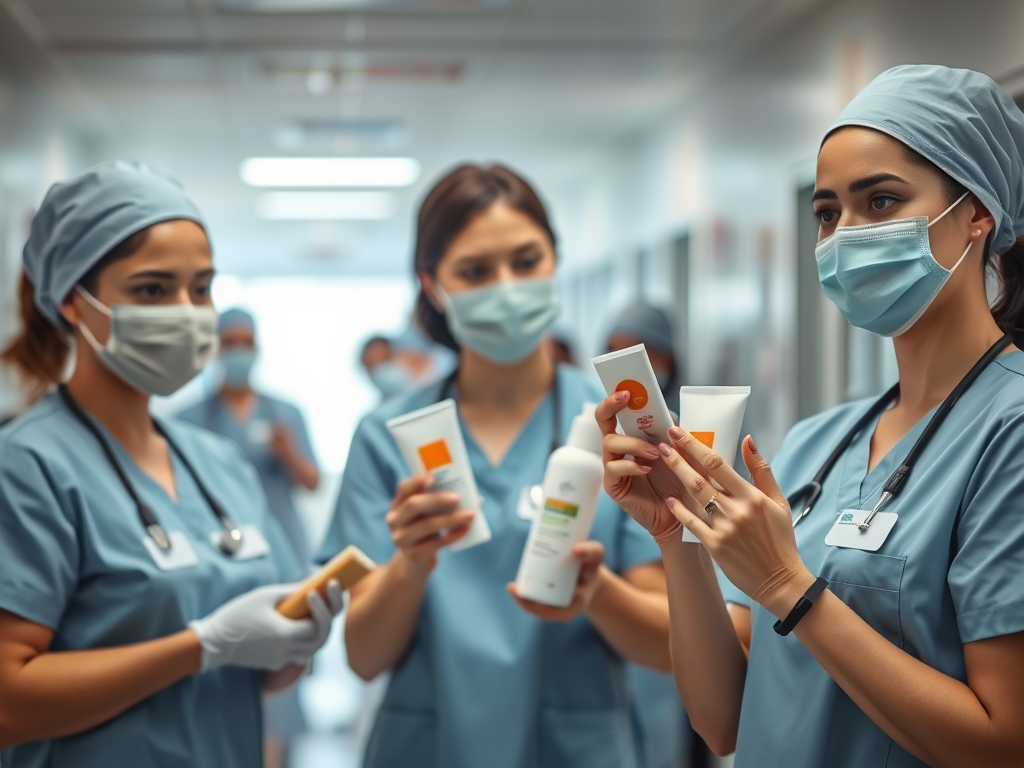
Let’s talk real-life sunscreen—what works for long shifts, under PPE, on sweaty days, and for skin that still needs to breathe, heal, and GLOW.


☀️ Why Nurses Actually Need Sunscreen at Work

You might be thinking, “I’m inside all day!”

Okay, but hear me out:

  • Windows let in UVA rays – yes, the aging ones.
  • Quick outdoor runs (lunch break, shift change, fire drills) = sneaky UV exposure.
  • Hospital lights + devices emit blue light that contributes to skin aging and pigmentation.

Add that to 12-hour shifts and constant skin barrier stress from sweat, masks, hand sanitizer, and friction—your skin deserves armor.


👩‍⚕️ Nurse-Approved Sunscreen Criteria:

We’re not asking for luxury here. We’re asking for:

  • Non-greasy
  • Fast-absorbing
  • No white cast (we don’t have time to blend)
  • Safe for sensitive skin (wound nurse approved!)
  • Plays nice with makeup or bare faces
  • Doesn’t break you out by hour six

And yes—affordable, because let’s be honest: we still haven’t been reimbursed for that “unpaid lunch break.”


🧴 Top Sunscreen Picks for Nurses Who Don’t Sit Still

1. EltaMD UV Clear SPF 46

⭐️ Dermatologist favorite
✅ Lightweight, great under masks, ideal for acne-prone skin
💊 Packed with niacinamide (hello skin barrier support!)

Perfect for: Anyone dealing with maskne or rosacea flare-ups.


2. La Roche-Posay Anthelios Melt-In Milk SPF 60

☁️ Super smooth, sheer, and hydrating
💪 Holds up during sweaty shifts or power walks
🌿 Gentle enough for sensitive skin

Perfect for: Nurses who hustle in and out of the building.


3. Neutrogena Hydro Boost Water Gel SPF 30

💧 Cooling, water-based formula
💸 Budget-friendly and drugstore accessible
🏃‍♀️ Absorbs fast so you’re not late for huddle

Perfect for: Nurses who need zero-fuss SPF.


4. Colorescience Sunforgettable Brush-On SPF 50

🖌 Powder format—great for mid-shift reapplication
✨ Sets makeup and soaks up sweat
🚑 Can be used over PPE with no mess

Perfect for: ICU/ER folks who can’t reapply lotion during chaos.


5. Black Girl Sunscreen SPF 30

🌈 Inclusive formula with zero white cast
💧 Super moisturizing
🧴 Great for dry, mature, or melanin-rich skin

Perfect for: Everyone who’s been ghosted by mineral sunscreens.


💡 Bonus Tips for Shifts Under Stress & Sweat:

  • Apply before your shift (even if it’s 5:15 AM—your skin clock is watching).
  • Keep a mini SPF in your scrub pocket or locker for mid-day reups.
  • Pair with antioxidant serums like Vitamin C to boost sun protection.
  • Hydrate – because UV exposure + dehydration = dull, tired skin.

🧠 Gut-Skin Connection Alert: UV damage increases skin inflammation. A poor gut microbiome? Makes it worse. Feed your gut and protect your face = double win.


🩺 Real Talk From a Nurse in Her 40s

I’ve seen the effects of UV damage on wound healing, skin tears, and long-term skin integrity. I’ve also seen coworkers skip sunscreen, then wonder where the crepey texture came from (hint: it wasn’t the night shift pizza).

So let this be your reminder: prevention is everything. One less wrinkle, one less sunspot, one more glow-up.


☀️ Final Thought:

You spend your days caring for everyone else. Your skin? It’s part of your story—and it deserves care too. So before you dive into another long shift, do the 30-second thing that future you will thank you for.

🧱 Beyond the Face: Nurse-Approved Skin Barrier Tips (and the Gut Connection You’re Probably Ignoring)

Spoiler: it’s not just your face that deserves love.


Skin barrier health goes way beyond your face. Learn how gut health impacts barrier function, and why your underboob, sacrum, and elbows deserve just as much love. Nurse-approved skincare tips that blend clinical credibility and gut-skin truth.


Let’s Be Honest: When’s the Last Time You Moisturized Your Elbows?

Or showed your underboob skin some barrier cream love? Or gave your belly folds a legit spa moment?

Exactly.

As a wound care nurse in her fabulous 40s—with a passion for poop and peptides—I’m here to tell you: 👉 Your skin barrier is not just a cute TikTok trend. It’s real. It’s vital. And it goes far beyond your face.

So let’s chat about the forgotten skin, barrier basics, gut health, and why ceramides should absolutely be your new BFF.


🧱 What Is the Skin Barrier, and Why Should You Care?

Think of your skin barrier like a brick wall:

  • 🧱 Skin cells = the bricks
  • 🧈 Lipids (fats) = the mortar holding it together

When that barrier is healthy, it keeps moisture in and irritants out. But when it’s damaged—through overwashing, harsh products, friction (hello, PPE life), or inflammation—it’s like a wall with missing bricks.

Cue: dryness, burning, cracking, rashes, mystery flaking at the worst times.

🩺 Nurse Note:

I see broken skin barriers every single day—from sacral wounds and underboob irritation to overzealous retinol regrets. The good news? It’s fixable. With the right plan.


🧴 Ceramides: The Unsung Heroes of Skin Health

Ceramides are natural fats that make up about 50% of your stratum corneum (your outermost skin layer). Translation: they’re a big deal.

Low ceramide levels = dry, irritated, inflamed skin.

Ceramides help:

  • Lock in moisture
  • Strengthen the skin barrier
  • Protect against bacteria and toxins
  • Reduce inflammation

And no—it’s not just your face that needs them.

Apply ceramide-rich creams to:

  • Hands (after 437 hand washes)
  • Inner thighs (chafing is real 😊)
  • Under breasts (sweat + yeast = no thanks)
  • Sacrum and buttocks (especially if sedentary)
  • Belly folds or other friction-prone areas

💡 Forgotten Skin Zones That Deserve Barrier Cream

If you’ve ever:

  • Treated MASD (moisture-associated skin damage)
  • Fought a diaper rash stronger than a toddler’s will
  • Dealt with heat rash under a belly fold after a shift in scrubs…

…then you know.

MVP barrier ingredients:

  • Zinc oxide: anti-inflammatory, creates a physical barrier
  • Dimethicone: smooths and protects skin
  • Petrolatum: locks in moisture (yes, super cheap)

Pair barrier creams with ceramides for next-level results.


🔬 The Gut-Skin Connection: What’s Inside Shows Up Outside

Recent research continues to show what nurses (and grandmas) have known for years: When your gut’s unhappy, your skin acts out.

According to a 2023 review in Frontiers in Microbiology:

  • Dysbiosis (imbalanced gut flora) has been linked to acne, eczema, psoriasis, and delayed wound healing.
  • A healthy gut can increase ceramide production in the skin and improve barrier function.

Signs your gut may be affecting your skin:

  • Unexplained dryness or flaking
  • Red, irritated patches (even in odd places)
  • Slow healing after minor injuries
  • Recurring rashes, especially with stress or diet changes

Key gut-skin supporters:

  • Probiotics & prebiotics: balance gut flora
  • Omega-3s: reduce inflammation
  • Zinc & vitamin A: aid in skin repair
  • Fiber: feeds the good bacteria

👩‍⚕️ Personal Story: From Cracked Skin to Ceramide Queen

After one particularly chaotic week (back-to-back shifts, minimal water, lots of stress, zero vegetables), I noticed the skin under my sports bra looked like it had lost a fight with sandpaper.

I swapped in a ceramide-heavy moisturizer and a barrier cream with zinc oxide. I also upped my probiotic, chugged more water than usual, and added fermented foods.

Within days, the irritation calmed, and within a week? Back to baseline—no redness, no stinging.

Moral of the story? Inside-out care works.


🧖‍♀️ Nurse-Approved Barrier Boost Routine

💪 For Skin:

  • Post-shower: Ceramide-rich lotion on damp skin
  • Hot spots: Barrier cream on folds, thighs, sacrum, under breasts
  • Hands: Reapply barrier balm every 8–10 washes

🥗 For Gut:

  • Stay hydrated (aim for 60–80 oz daily)
  • Eat collagen-rich foods: bone broth, berries, leafy greens
  • Avoid ultra-processed foods
  • Take a daily probiotic and include fermented foods

🧡 Final Takeaway: Your Skin Doesn’t Stop at Your Jawline

You don’t need 18 serums or a spa weekend to build a healthy skin barrier. You need:

  • Consistency
  • Ceramides + barrier creams
  • Gut support
  • A little humor (yes, it’s healthy) 😊 and a lot of hydration

Next time you slather your face with serum, remember: Your gut, your underboob, and your belly folds deserve love too.

Glow biologically—and don’t forget to moisturize your elbows. 😉

⚠️ Disclaimer (Because I’m a Nurse, Not Your Nurse 😉)

This blog is for general educational and entertainment purposes. It doesn’t replace personalized medical advice. Always consult your healthcare provider, especially if you’re treating wounds, rashes, or skin conditions.

Constipation Crisis: Why Nurses Don’t Poop Like They Used To 💩🚽

A gut-check from a wound & ostomy nurse who knows the struggle is real (and real slow)

Let’s talk about something near, dear, and backed up—our bowels.
If you’re a nurse (or anyone in healthcare), you already know: Nurses don’t poop like they used to. Somewhere between the 12-hour shifts, too much caffeine, too little hydration, and holding our bladder until it feels like a personal achievement… our guts have thrown in the towel.

As a nurse, (most of them spent talking about poop more than most people talk about the weather), I’ve seen it all. From chronic constipation to stress diarrhea, to the poor soul who swore she hadn’t pooped since the last full moon—gut health is no joke. And it’s way more connected to our skin, mood, energy, and wound healing than most people realize.

So today, I’m diving deep into the constipation crisis, nurse edition.


🚫 Why Nurses Are the Constipation Poster Children

Let’s break it down, shall we?

1. We Never Sit Still (Except on the Toilet, Praying for a Movement)

On our feet all day, running from room to room, charting while standing… we burn calories but somehow forget to drink water or even breathe properly. Hydration? Fiber? Regular meals? LOL.

2. Caffeine Is Our Blood Type

Coffee to wake up. More coffee to stay awake. Maybe an energy drink for the night shift. That much caffeine can dehydrate you AND slow digestion, even though it’s technically a stimulant. Betrayal.

3. We Ignore Our Bodies

Feel the urge to poop at 9 a.m.? Sorry, you’re in wound care rounds until noon. By the time you’re free, your colon has emotionally shut down and decided to store that stool indefinitely.

4. Shift Work & Stress = Gut Confusion

Your body loves a rhythm. Your schedule? Absolute chaos. Add stress, skipped meals, no sleep, and your microbiome starts googling “How to apply for early retirement.”


💩 Constipation Isn’t Just Inconvenient—It’s a Skin + Gut Issue

This is where my love of gut health and skin care nerdiness collide. Constipation isn’t just a plumbing problem—it impacts:

  • Detoxification: If you’re not pooping, you’re reabsorbing toxins meant to exit. That can show up as acne, dull skin, breakouts, and more.
  • Inflammation: Sluggish bowels can increase systemic inflammation, which slows down wound healing and messes with your skin barrier.
  • Hormone Balance: Estrogen is excreted via the gut. If you’re not going, hormones recirculate. Hello, mood swings and breakouts.
  • Mood + Energy: Your gut helps make neurotransmitters. A backed-up colon can lead to foggy thinking, fatigue, and straight-up irritability.

👩‍⚕️ Nurse Truth: If you’re constipated and cranky, it’s probably connected.


🚽 What Can You Actually Do (That Doesn’t Involve Quitting Your Job)?

Yes, we’re busy. But your gut deserves more than a once-a-week courtesy flush. Here’s what I suggest:

Hydrate Like It’s Your Side Hustle

Keep a giant water bottle at your station. Chug during charting. Add electrolytes if plain water bores you.

Fiber Up—But Gently

Start with chia seeds, flaxseed, oats, or berries. Don’t go from 5g to 30g in one day, unless you enjoy bloating and regret.

Magnesium Is Magic

Magnesium citrate or glycinate helps move things along and eases muscle tension (which we ALL need). Just start low and go slow.

Move It, Even Just a Bit

Desk job? Stretch. Walk the hallway. Do squats in the breakroom (bonus: coworkers think you’re fitness goals).

Poop Routine = Gut Gold

Try to poop at the same time each day. Sit. Breathe. Do not scroll. Your colon deserves your full attention.

Probiotics + Prebiotics

Balance your gut flora with fermented foods (yogurt, kimchi, kefir) and prebiotic-rich foods (onions, garlic, bananas).


🧻 Final Flush: Nurses Deserve Smooth Moves, Too

Let’s not normalize constipation. Let’s normalize talking about it—and doing something about it. Because regular poops aren’t just about comfort. They’re about whole-body health—from your skin to your stress level to how well that surgical site heals.

So here’s to fiber, hydration, and pooping like a nurse who finally remembered she has a digestive system.


Need help getting your gut back on track?
Stick around. I share real talk, skin tips, gut-loving recipes, and more—straight from a nurse who’s seen the (bowel) light.

💩 Because constipation may be common, but that doesn’t mean it’s normal.