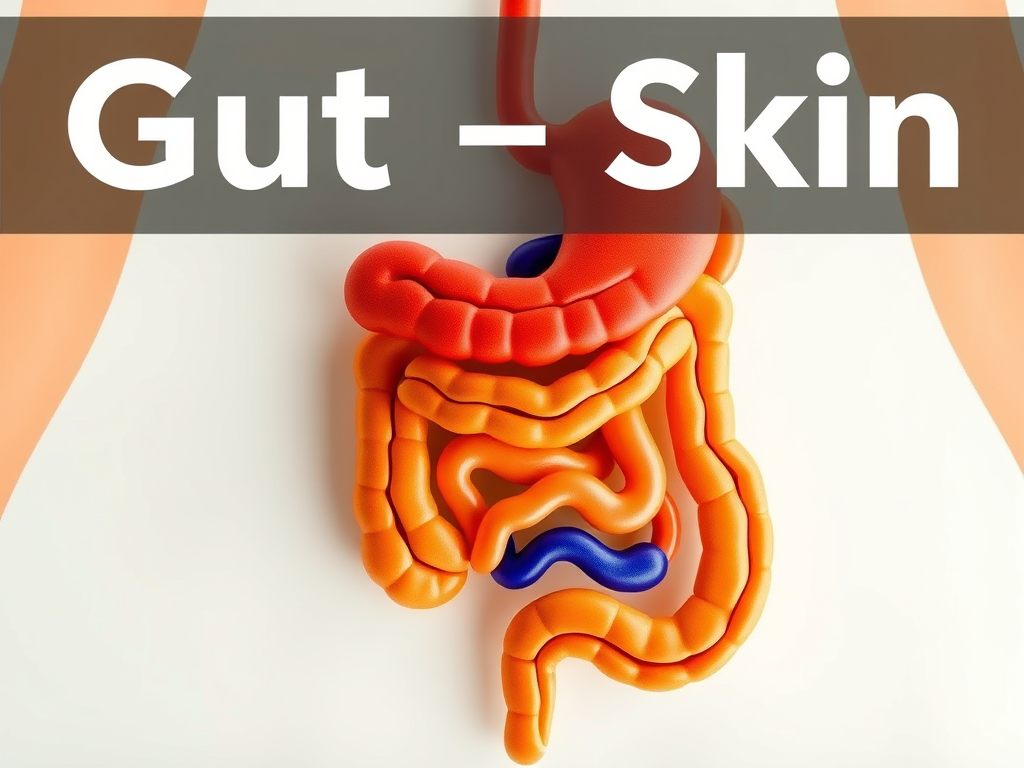
🍽️✨Eat This, Not That—for Happier Bowels and Better Skin 🌿💩💖

Because what you eat shows up in your poop AND your pores.

If you’re in your 40s like me, and you’ve ever said, “Wow, I didn’t used to bloat like this after a salad,” or “Why is my skin freaking out like I’m 16 again?”—welcome, friend. Let’s talk about the not-so-secret secret behind it all: your gut.

As a nurse with 22 years of experience (and way too many conversations about poop before lunch), I’ve seen firsthand how what you eat affects how you go—and how you glow. The connection between your gut and your skin is as real as that one coworker who always microwaves fish in the breakroom.

So today we’re diving into my favorite kind of list:
Eat this, not that—for happier bowels and better skin.
Because good skin starts in the gut, and so does not hating your bathroom time.


🍞 Bread Edition: Whole > White

Eat This: Sprouted grain bread or whole wheat
Not That: White bread, croissants, or anything with “enriched” flour

White bread is basically cardboard for your gut. It spikes your blood sugar, feeds the bad bacteria, and leaves you hungry in 20 minutes. Whole grains? They’re fiber-packed, feed your good gut bugs, and help you poop like a champion.

💩 Gut bonus: Fiber = movement = less constipation = less toxin reabsorption = clearer skin.


🧃 Drink Edition: Water > Juice

Drink This: Water (with lemon, cucumber, or even chia seeds)
Not That: Sugary juices, soda, or “detox teas” that are just glorified laxatives

Juice may look healthy, but your gut and skin know better. It’s a sugar bomb in disguise. Water keeps everything hydrated—from your colon to your collagen.

💦 Pro tip: Dehydration is the fastest way to look tired and get constipated.


🍟 Snack Edition: Avocados > Chips

Eat This: Avocado toast, guac with veggie sticks, or even just a spoonful
Not That: Potato chips, pretzels, or “low-fat” snack packs

Avocados are loaded with healthy fats that keep your skin plump and your gut lining happy. Chips? Mostly salt and empty carbs. Sorry, not sorry.

🥑 Bonus: Avocados contain fiber + vitamin E, a double win for your glow.


🍫 Treat Edition: Dark Chocolate > Candy Bars

Eat This: 70%+ dark chocolate
Not That: Milk chocolate candy bars with sugar as the first ingredient

Dark chocolate (in moderation, of course) has polyphenols—plant compounds that love your gut and fight inflammation. Candy bars? Just a sugar party for acne-causing bacteria.

🍫 Nurse wisdom: Eat the chocolate. Just make it dark and mysterious, like your favorite medical drama.


🍗 Protein Edition: Salmon > Processed Meats

Eat This: Wild salmon, sardines, eggs, beans
Not That: Deli meats, bacon, hot dogs

Omega-3s in salmon are great for calming skin inflammation and soothing the gut. Processed meats? They’re full of preservatives and inflammatory fats that make your gut and face very unhappy.

🧠 Gut-skin note: Omega-3s support mood, too. So you’ll look good and stop yelling at your houseplants.


🥤 Gut Helper Edition: Fermented Foods > “Probiotic” Gimmicks

Eat This: Yogurt, kefir, kimchi, sauerkraut, miso
Not That: Sugary probiotic drinks with cartoon labels

Fermented foods bring real, living bacteria to your gut party. Fake probiotic products are like inviting a clown to a medical conference. Not helpful.

🧬 A healthy microbiome = better digestion, better immunity, fewer breakouts. Win-win-win.


🚫 Avoid the “Low-Fat” Lies

Let me be clear: your skin and gut need fat. Healthy fats. Not the “low-fat” processed stuff that spiked in popularity in the 90s (and ruined all our hormones). Your skin barrier and your gut lining are made of lipids. Give them what they need.


👩‍⚕️ Final Thoughts from Your Friendly Nurse Blogger

What you eat either feeds the inflammation or fights it. It either supports your gut-skin connection—or sabotages it one soda at a time.

You don’t need a perfect diet. Just a realistic, whole-food, gut-happy plan that works with your life (and your shift schedule). If your poop is regular, your skin is glowing, and you’ve got energy to spare—you’re on the right track.

And if not? Just remember, you can turn things around one avocado at a time.


Want more tips like this—plus recipes, skin care advice, and real nurse-approved wellness hacks?
Subscribe, share, or send this to a friend who’s currently mad at their skin and their bowels.

Skincare in Your 40s: A Nurse’s Guide to Glowing Skin and a Happy Gut ✨🧴

Discover a nurse-approved skincare routine for your 40s that heals below the surface. Learn how the gut-skin connection, hydration, and real ingredients can help you glow—inside and out.


Welcome to your 40s—where your smile lines say, “I’ve lived,” and your forehead creases whisper, “I’ve worried (a lot).”

👉 Skincare in your 40s is a whole different ball game.

The good news? It doesn’t have to be complicated—or cost as much as your first car.

Let’s break it down nurse-style: science-backed tips and a gut-skin wellness twist that your face (and your microbiome) will love.


🧼 Step 1: Cleanse Like You Mean It (Without Stripping Your Barrier)

Forget those 15-step influencer routines. In your 40s, it’s time to get serious about protecting your skin’s barrier.
Your oil production has slowed, your skin is thinner, and your wound-healing abilities aren’t what they used to be. That’s why your cleanser matters—a lot.

Look for:

  • pH-balanced formulas
  • Creamy, non-foaming textures
  • Ingredients like glycerin, oat extract, or aloe

If it sounds like something you’d feel safe using near a surgical site, you’re on the right track.

🧠 Bonus tip: Your skin microbiome needs TLC too. A stripped barrier can mess with both your skin and gut health—yes, they’re connected!

🔗 Related read: How a Healthy Gut Can Transform Your Skin and Hair Naturally


🍊 Step 2: Brighten + Protect with Vitamin C

Vitamin C is your daytime BFF. In your 40s, environmental stress starts to leave its mark—pollution, UV exposure, and (ahem) years of cortisol spikes from shift work and parenting.

💥 Enter: L-ascorbic acid (aka the most effective form of Vitamin C).

It:

  • Boosts collagen
  • Brightens dark spots
  • Protects against free radicals
  • Pairs perfectly under sunscreen

✅ Choose a serum with 10–20% concentration, and apply before your moisturizer in the morning.

🌿 If you’re sensitive, try magnesium ascorbyl phosphate instead. It’s gentler on skin that’s been through the trenches.


🌞 Step 3: SPF = Aging Insurance

Look, I love a good anti-aging cream—but sunscreen still reigns supreme. It’s your #1 defense against wrinkles, dark spots, and skin cancer. And yes, even when it’s cloudy. Even if you’re just going to Target.

🔬 As a nurse, I’ve seen firsthand what lack of SPF does to healing and collagen. Trust me—you want to keep that skin protected and supported.

🧴 Use a broad-spectrum SPF 30 or higher, preferably mineral-based if you’re sensitive.

💡 Pro tip: Reapply every 2 hours if you’re outside, even if you’re just sipping iced coffee and reading skin blogs (like this one 😉).

🔗 Related: Sunscreen for Dads Who Think They’re Invincible


💧 Step 4: Hydrate Like It’s Your Job (Because It Kinda Is)

Hydration = glow + gut support + smoother skin

Aging skin tends to be drier, thinner, and more prone to transepidermal water loss. Add in night shifts, coffee habits, or not enough water (you know who you are), and your skin is begging for hydration.

What your 40s skin craves:

  • Hyaluronic acid (draws water in)
  • Ceramides (seals the deal)
  • Peptides (tells your skin to keep repairing)

🥤 And yes, drink that water! Your gut bacteria thrive in hydrated environments—and when your gut is happy, your skin usually glows in gratitude.


🥦 Step 5: Feed Your Face (From the Inside Out)

Want clear, vibrant, bounce-back skin in your 40s? Your gut microbiome needs to be part of your beauty regimen.

What to eat for better skin:

  • 🐟 Omega-3s: Fatty fish, chia seeds
  • 🥬 Leafy greens: Anti-inflammatory + antioxidant-rich
  • 🥣 Bone broth: Collagen and gut-healing amino acids
  • 🥛 Fermented foods: Yogurt, kefir, kimchi = happy gut flora
  • 🧄 Prebiotics: Garlic, onions, bananas (fuel for good bacteria)

🦠 The gut-skin axis is real: poor digestion, leaky gut, or dysbiosis can all show up as acne, rosacea, dullness, or inflammation.

🔗 Related: The Surprising Link Between Rosacea and Your Gut Microbiome


💊 Step 6: Use Smart Actives (One at a Time, Please)

In your 40s, you’ve earned the right to target your skincare concerns—but don’t overdo it. More isn’t better. It’s just… inflamed.

Choose actives based on your needs:

  • Retinol or retinaldehyde: For fine lines, collagen loss
  • Peptides: For firmness and repair
  • Niacinamide: For redness, barrier support, and pigment
  • Glycolic or lactic acid: For texture and tone

👩‍⚕️ Nurse tip: Introduce one active at a time. Start 2x per week, then work up. If your skin feels tight, dry, or angry—it’s time to back off.


🛏 Step 7: Sleep + Stress = Skin Care (Seriously)

Let’s talk cortisol. When stress hormones spike:

  • Collagen breaks down faster
  • Skin becomes more reactive
  • Inflammation increases
  • Digestion slows = gut chaos = skin chaos

😴 Aim for 7–9 hours of sleep.
🧘‍♀️ Add daily decompression rituals: deep breathing, journaling, light stretching, or just watching trash TV without guilt.

🔗 Need help resetting your gut? Check out Anti-Aging from the Gut: https://gutglow.blog/2025/06/14/anti-aging-from-the-gut-what-to-eat-to-reduce-wrinkles-and-hair-loss-naturally-%f0%9f%8c%bf%e2%9c%a8/What to Eat to Reduce Wrinkles and Hair Loss Naturally 


👩‍⚕️ Final Thoughts from Your Favorite Nurse

Aging is a privilege—and so is caring for your skin with intention. You don’t need fancy tools or a drawer full of serums. You just need to:
💛 Understand your body
💧 Feed your gut
🌿 Support your barrier
😴 Sleep more
☀️ Wear SPF
🧠 And trust the process

In your 40s, your skin can still glow—it just needs a little more love and a lot more support.

So hydrate, exfoliate, meditate—and celebrate that beautiful face of yours.

Now go glow, beautifully and biologically. ✨🧠💪

💩 What Your Poop Is Telling You (And When to Worry)

From a Nurse Who Talks About Poop Like It’s Her Job—Because It Is

Let’s normalize something real quick: talking about poop.
Because as a nurse with 22 years in the game—and plenty of time spent in wound and ostomy care—let me tell you, poop is one of the most honest health reporters you’ll ever meet. Forget the fancy wearables and wellness apps; your stool is the original body feedback system. It tells you everything from hydration status to digestion drama to whether or not your kombucha obsession is paying off.

So yes, today we’re going there. I’m in my 40s, and I’ve had more conversations about poop than most people have had about their careers—and I’m proud of it. Let’s break down what your daily (or not-so-daily) deposit is saying about your overall health, and when it’s time to raise an eyebrow… or call your doc.


💩 First, What Is “Normal” Poop?

Welcome to the Bristol Stool Chart—every nurse’s favorite dinner topic. It classifies poop into 7 types:

  • Type 1: Hard pellets (aka rabbit poop). Hello, constipation.
  • Type 2: Lumpy sausage. Still constipated, but working on it.
  • Type 3 & 4: Smooth sausage or soft log. 🎯 Gold standard of poop.
  • Type 5: Soft blobs with clear edges. Okay, maybe had too much fiber.
  • Type 6 & 7: Mushy or watery. Now we’re in diarrhea territory.

Ideal poop? Type 3 or 4. Smooth, soft, easy to pass, and about the length of a banana. Bonus points if you barely need toilet paper. 🧻


🧠 What Poop Can Tell You About Your Health

1. Color Commentary

  • Brown = Gold star! That’s bilirubin doing its job.
  • Green = Fast transit time or too much kale. Not usually a crisis.
  • Yellow = Fat malabsorption (watch for floating, greasy stools).
  • Black or red = 🚨 Call your provider. Could indicate bleeding.
  • Pale, clay-colored = Possible bile duct issue. Check in with your doc.

👩‍⚕️ Nurse tip: If your stool looks like a Halloween decoration or smells like a dead raccoon in the sun, it’s worth checking out.


2. Consistency Is Key

If you’re pooping rabbit pellets on Monday and have a butt volcano by Wednesday, something’s off. Stress, hydration, hormones, food intolerances, antibiotics—all of these affect your gut rhythm.

  • Constipation: Drink more water, move more, up your fiber. Magnesium citrate is my go-to sidekick.
  • Diarrhea: Rule out infection, food triggers, or gut imbalances. Too many sugar-free gums can cause chaos too—yes, I’m looking at you, xylitol.

3. Odor Clues (Yes, the Smell Matters)

All poop stinks—but sudden, knock-you-out foulness could mean:

  • Poor digestion
  • Infection (think C. diff)
  • Food intolerance (hello, lactose!)
  • Malabsorption (especially if it’s oily or sticky)

Don’t ignore new stink levels that linger. Your poop should not require a hazmat evacuation plan.


🚽 When to Worry (A Nurse’s Real Talk)

Here’s when poop deserves more than a passing thought:

  • Blood (bright or dark)
  • Ongoing diarrhea or constipation (more than a few days)
  • Severe abdominal pain
  • Weight loss without trying
  • Floating, greasy stools (every time)
  • Changes in color or consistency that last over a week

If your gut’s been acting like a moody teenager for more than a week, it’s time to bring in a professional.


🥬 How to Make Your Poop… Well, Poop Better

Healthy poop starts with gut-friendly habits. Here’s what I recommend (and practice myself):

  • Fiber daily: Aim for 25–35g. Veggies, fruits, oats, chia seeds.
  • Hydrate like a boss: Water helps everything move.
  • Move your body: Exercise = better motility.
  • Probiotics: Yogurt, kefir, sauerkraut—or a good supplement.
  • Prebiotics: Feed the good bugs with garlic, onions, asparagus, etc.
  • Watch your stress: Cortisol and your colon are NOT friends.

💬 Final Flush

You don’t need to be obsessed with your poop—but you should be checking in with it. Your stool is basically your gut’s way of texting you, and ignoring it is like leaving your doctor on read.

So the next time you drop a deuce, take a peek. Is it shaped like a banana? Does it flush with pride? Great. If not—your body might be nudging you to make a few gut-friendly tweaks.

And hey, if you’ve got an ostomy, your output tells a story too! (But that’s another post—coming soon.)

Here’s to healthy guts, glowing skin, and poop that makes you proud. 💩✨


Want more gut-skin-wellness info from a nurse who’s seen it all?
Subscribe to my blog


✨ Eat for Glow – Gut-Friendly Recipes & Nutrition Tips

Let’s be honest—aging is a gift, but also sometimes a weird science experiment. One day you’re bouncing back from Taco Bell at 2 a.m., the next you’re bloated from a banana. As a nurse in my 40s (with 22 years of experience and lots of wound and ostomy stories I won’t share here—you’re welcome), I’ve learned that what we eat shows up everywhere: in our skin, our energy, our digestion, and yes, even our mood.

So if you’re ready to eat for glow—not just skin-deep, but gut-deep—grab your fork and let’s get glowing.


💡 Why Gut-Friendly Eating = Glowing From the Inside Out

Your gut is basically your body’s VIP lounge—only the best microbes get bottle service. When your digestive system is happy, you absorb nutrients better, reduce inflammation, and eliminate waste like a well-oiled machine. And when that happens?
✔️ Skin clears
✔️ Energy climbs
✔️ Mood lifts
✔️ Poop becomes… dare I say… predictable

As a certified wound and ostomy care nurse, I can tell you that gut health and skin healing go hand in hand. What’s going on inside will eventually show up outside—so let’s feed the body what it actually wants.


🥑 Glowing Gut Nutrition Tips (Nurse-Approved)

🥗 1. Eat the Rainbow (No, Not Skittles)

Colorful fruits and veggies = a variety of antioxidants, phytonutrients, and fiber. Think berries, leafy greens, carrots, beets, and purple cabbage. Basically, if your plate looks like a Lisa Frank folder, you’re winning.

🥣 2. Get Fermented with It

Fermented foods bring beneficial bacteria to the party—great for digestion and for keeping things balanced. Add:

  • Sauerkraut to salads
  • Greek yogurt to smoothies
  • Kimchi to rice bowls
  • Miso to soups
  • Kefir as a creamy base

Pro tip: Introduce these slowly unless you enjoy sudden digestive plot twists.

🥕 3. Feed Your Flora with Fiber

Prebiotics (fiber that feeds your good gut bacteria) are your microbiome’s favorite snack. Think:

  • Oats
  • Onions & garlic
  • Apples
  • Artichokes
  • Bananas (greener ones are best for resistant starch)

💦 4. Hydrate Like You Mean It

Water helps move things along—bowel-wise and skin-wise. Aim for half your body weight in ounces, and yes, coffee counts a little. Just not a lot.

🧘 5. Don’t Forget to Chill

Stress = gut disruption = skin freak-outs. Breathing, laughing, journaling, even a dance break between patient charts—whatever keeps your cortisol from going full Godzilla.


🍽️ Simple Gut-Glowing Recipes

🥣 1. Overnight Glow Oats

Ingredients:

  • ½ cup rolled oats
  • ¾ cup kefir or almond milk
  • 1 tbsp chia seeds
  • ½ banana (sliced)
  • Berries, cinnamon, and a drizzle of honey

Why it works:
Fiber, prebiotics, probiotics, and antioxidants. Plus, it takes 2 minutes to prep, which is perfect for when your morning starts with coffee and chaos.


🥗 2. Gut-Lovin’ Salad Bowl

Ingredients:

  • Mixed greens
  • Shredded carrots
  • Beets
  • Quinoa
  • Roasted chickpeas
  • Sauerkraut or kimchi
  • Olive oil + apple cider vinegar dressing

Why it works:
Fiber + fermented crunch = a microbiome-friendly masterpiece.


🍵 3. Glowy Gut Soup (aka Nurse’s Gut Reset)

Ingredients:

  • Bone broth or veggie broth
  • Chopped garlic, onions, ginger
  • Spinach or kale
  • Shredded carrots
  • Miso paste (add at the end)
  • Optional: tofu or shredded chicken

Why it works:
Healing, hydrating, and full of prebiotic + probiotic power.


🚽 Bonus Tips for That Glow-From-The-Toilet Feeling

Because let’s be real, good gut health isn’t glamorous unless it shows up in the bathroom. Some extra tricks:

  • Magnesium citrate for gentle regularity
  • L-glutamine for gut lining support
  • Peppermint tea post-meal to soothe and de-bloat
  • No multitasking while eating—your gut isn’t great at divided attention either

👩‍⚕️ Final Thoughts from the Nurse Who’s Seen It All (and Then Some)

If there’s one thing I’ve learned from the bedside to the breakroom, it’s this: healing starts in the gut. Whether it’s skin, energy, immunity, or your mood that’s feeling off, start with your fork. You don’t need a detox, a juice cleanse, or some influencer’s overpriced powder. You just need real food, real fiber, and real rest.


Bloating and Breakouts: Understanding Your Gut-Skin Connection

Let’s talk about bloating, because nothing says “glow-killer” like feeling (and looking) like a human balloon. But here’s where it gets even juicier: that gut unrest? It’s probably showing up on your face too.

When your digestive system is inflamed, overfed with sugar, or under-supported by fiber and water, it doesn’t just lead to gas—it can disrupt your microbiome. That imbalance can trigger skin inflammation, redness, and those “wait, I’m not 16 anymore??” breakouts.

And yes, your gut and skin talk behind your back through your immune system and hormones. Rude.

So if you’re bloated, cranky, and breaking out?
➡️ It’s probably not just the burrito.
➡️ But don’t stress. Unless you want stress acne too. (Kidding. Sort of.)

🥬 Try fiber, probiotics, water, and a little self-compassion. Your gut (and jawline) will thank you.

“Does Dairy Really Mess with Your Skin, or Is That Just Internet Gossip?”

Ah, dairy. Delicious. Creamy. Innocent-looking… until your chin turns into a crime scene.

Here’s the deal: dairy can mess with your skin, but it depends on your gut. When your digestive system isn’t vibing with lactose or casein (milk proteins), it can trigger inflammation—which for some people means bloating, and for others, breakouts that scream “teenage angst” in your 40s.

Bottom line: If your gut gets gassy and your face gets rashy after cheese night, it might be time to flirt with oat milk.

Not everyone has to quit dairy, but if your gut throws a tantrum every time you say “cheddar,” your skin might be the innocent bystander.

🧀 Proceed with caution. And maybe carry lactase pills and concealer.

“Does Dairy Really Mess with Your Skin, or Is That Just Internet Gossip?”

Ah, dairy. Delicious. Creamy. Innocent-looking… until your chin turns into a crime scene.

Here’s the deal: dairy can mess with your skin, but it depends on your gut. When your digestive system isn’t vibing with lactose or casein (milk proteins), it can trigger inflammation—which for some people means bloating, and for others, breakouts that scream “teenage angst” in your 40s.

Also, many dairy cows are treated with hormones, and surprise—those can sneak into your system too, possibly leading to hormonal acne.

Bottom line: If your gut gets gassy and your face gets rashy after cheese night, it might be time to flirt with oat milk.

Not everyone has to quit dairy, but if your gut throws a tantrum every time you say “cheddar,” your skin might be the innocent bystander.

🧀 Proceed with caution. And maybe carry lactase pills and concealer.