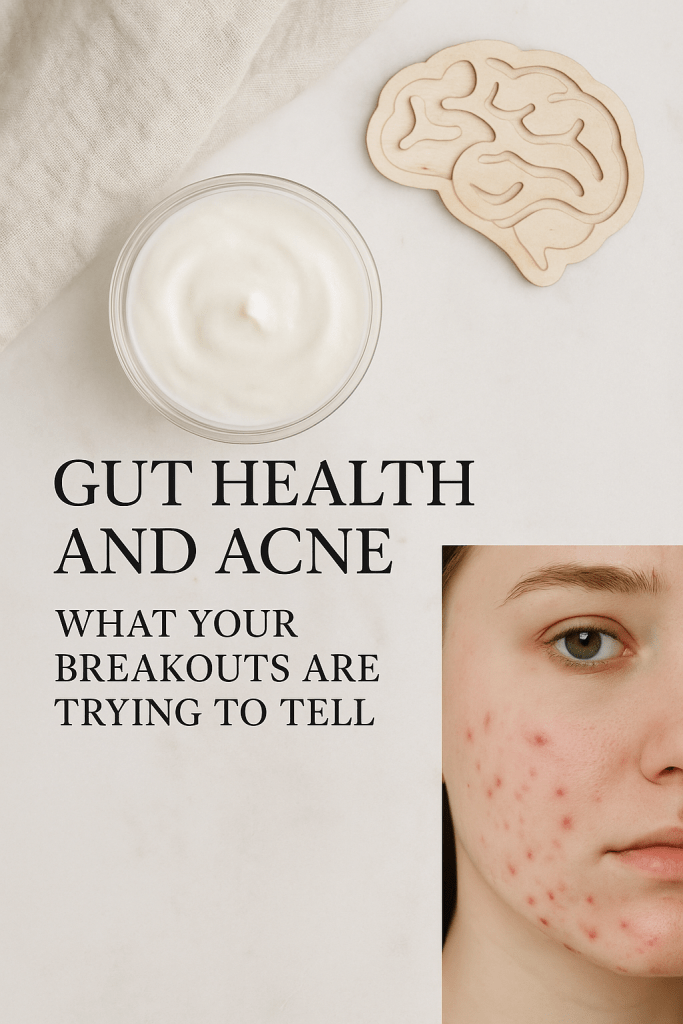
Gut Health and Acne: What Your Breakouts Are Trying to Tell 🧠🧼


Struggling with breakouts that won’t quit? Your gut might be the real culprit. Learn how gut health affects acne, the best foods for clear skin, and how to heal from the inside out—nurse-approved!”

Acne and Gut Health: More Connected Than You Think ✨

As a wound and ostomy nurse in my 40s who’s obsessed with all things skin, poop, and probiotics (yep, I said it 💩💁‍♀️), I can confidently say your breakouts might be your gut waving a red flag 🚩.

It’s not just about what you put on your face. It’s about what’s happening inside your digestive system. This is the gut-skin connection in action — and it’s real, backed by science, and something I’ve seen both personally and professionally.


What Is the Gut-Skin Axis? 💛

The gut-skin axis is the two-way communication system between your digestive system and your skin. When your gut is out of balance (a condition called dysbiosis), it can set off inflammatory responses that show up as acne, rashes, or dullness.

🧪 What the Research Says:

A 2022 study in the Journal of Clinical Medicine found that people with acne had less diverse gut bacteria and higher levels of harmful microbes compared to those with clear skin. Gut imbalances were linked to increased systemic inflammation and compromised skin barriers.

Translation? Your gut microbiome may be throwing shade at your glow ✨.


💩 Poop Clues: How to Tell If Your Gut Is Messing with Your Skin

  • You get breakouts after eating sugary or dairy-rich foods 🍦
  • You have bloating, gas, or irregular poops
  • Your skin flares up after stress or antibiotics
  • You feel “off” in your digestion and your skin looks dull or inflamed

My Story: How Fixing My Gut Helped My Skin 🫂

In my 30s, I broke out along my jawline like a teen prepping for prom. I was using fancy skincare and eating what I thought was healthy — but I still had breakouts.

Once I focused on my gut, things changed. I added probiotic-rich foods, upped my fiber, cut back on sugar, and focused on hydration. Within 6 weeks, I noticed fewer breakouts, better digestion, and more energy. 🙌


Gut-Friendly Foods That Help Heal Skin From the Inside 🍽️✨

1. Probiotic-Rich Foods

  • Examples: Yogurt, kefir, kimchi, miso
  • Why: They restore gut flora and reduce systemic inflammation that fuels acne

2. Prebiotic Foods

  • Examples: Bananas, onions, garlic, leeks, asparagus
  • Why: These feed the good bacteria in your gut

3. Omega-3s

  • Examples: Salmon, sardines, flaxseeds, walnuts
  • Why: Fight inflammation and support the skin barrier

4. Antioxidant Powerhouses

  • Examples: Blueberries, spinach, sweet potatoes
  • Why: Protect against oxidative stress and brighten skin tone

What to Avoid to Keep Your Gut & Skin Happy 🙅‍♀️

  • Processed sugar: Feeds bad bacteria and increases breakouts
  • Overuse of antibiotics: Kills off your good gut bugs
  • Stress: Weakens the gut lining and messes with hormones
  • Low-fiber diets: Starve your beneficial microbes

Nurse Talk: Why This Gut-Skin Thing Matters Beyond Pimples 👩‍⚕️🧬

As someone who works with skin and guts all day (yes, even colostomies), I see firsthand how gut health influences wound healing, skin regeneration, hydration, and immunity.

Your skin isn’t just for selfies — it’s your largest organ and reflects what’s going on inside. When your gut is inflamed, your skin is too.


What About You? 🗣️

Have you noticed breakouts when your gut is off? Ever tried probiotics for your skin? Drop a comment and let’s compare poop-and-pimple stories 🤭💬


Stay glowy (and regular),

Your Favorite Wound Care Nurse Who Talks About Poop & Pimples 💕

⚠️ Disclaimer: I’m a Nurse, But Not Your Nurse 😉
This blog is for general education and entertainment purposes only. It’s not medical advice. Always talk to your healthcare provider before starting new diets, supplements, or treatments. Your skin is unique—just like your poop 💩.

👉 Related: Best Gut-Healing Foods for Thicker, Shinier Hair
👉 Don’t miss: What Your Poop Is Telling You (And When to Worry)
The Gut-Rosacea Link: What You Need to Know for Calmer Skin 🌿🔥


Discover how healing your gut can calm rosacea flare-ups naturally. Learn which gut-friendly foods reduce redness, and why your skin may be shouting for a microbiome reset.


Red Cheeks, Raging Gut? Let’s Talk Rosacea 🥵

Have you ever looked in the mirror and thought, “Why do I look like I just ran a 5K in the desert?” when you’ve done literally nothing? If so, rosacea might be flaring—and your gut could be whispering (or screaming) for attention.

Rosacea is more than just a surface issue. Sure, it shows up as persistent redness, visible blood vessels, bumps, or even eye irritation—but beneath that flushed exterior, your gut may be the silent troublemaker.

As a wound and ostomy nurse in my 40s, I’ve seen firsthand how skin reflects internal chaos. And yes, even poop problems can show up as skin drama! Let’s break down the gut-skin drama and get you on track to calmer, clearer skin.


💡 What Is Rosacea—And Why Might Your Gut Be Involved?

Rosacea is a chronic inflammatory skin condition that affects over 14 million Americans, according to the American Academy of Dermatology.

While the exact cause is still being researched, triggers include:

  • Spicy food
  • Alcohol (I know… I’m crying too)
  • Stress
  • Sun exposure
  • Certain skincare ingredients
  • AND gut dysfunction 🤯

A 2022 study in The Journal of Clinical Medicine found a strong association between rosacea and small intestinal bacterial overgrowth (SIBO). Another study showed that patients with rosacea were more likely to have Helicobacter pylori infections—yep, that same bacteria linked to stomach ulcers.


🔬 Your Microbiome Matters—Here’s Why

Your gut is home to trillions of bacteria (a literal microbial metropolis 🏙️). When that delicate ecosystem gets disrupted—by poor diet, antibiotics, stress, or even lack of sleep—your immune system can go haywire, triggering inflammatory skin conditions like rosacea.

Inflammation, leaky gut syndrome, and dysbiosis (an imbalance in gut bacteria) can all lead to increased skin sensitivity, redness, and breakouts.


🌿 Gut-Healthy Foods That Soothe Rosacea

Your gut can be your greatest ally—or your worst enemy—when it comes to skin health. Here’s how to feed it right:

🥦 1. Prebiotics = Skin’s Peacekeepers

Prebiotics feed your good gut bacteria, which help reduce inflammation.
Eat more of these:

  • Asparagus
  • Garlic
  • Onions
  • Leeks
  • Green bananas
  • Oats

🥣 2. Probiotics = Redness Reducers

Live bacteria in probiotics help restore gut balance and can calm rosacea symptoms.
Try these:

  • Yogurt with live cultures
  • Kefir
  • Sauerkraut
  • Kimchi
  • Miso
  • Kombucha (opt for low sugar)

🫐 3. Antioxidants = Skin’s Fire Extinguishers

Antioxidants help fight oxidative stress and flare-ups.
Top choices:

  • Blueberries
  • Green tea
  • Spinach
  • Avocados
  • Wild-caught salmon (omega-3s, baby!)

💧 4. Hydration = Barrier Support

Drink your water, folks. A dry gut = a dry, reactive face. Aim for 8–10 cups daily. Bonus if you infuse it with cucumber or mint for a skin-loving boost!


🚫 Foods That Fuel Flare-Ups

Some foods make rosacea worse by disrupting the gut or triggering inflammation. Sorry in advance…

  • Refined sugar
  • Processed meats
  • Fried foods
  • Excess alcohol
  • Gluten (for some people, especially if they have celiac or gluten sensitivity)
  • Dairy (individual tolerance varies)

🧪 My Story: From Red-Faced to Radiant

Let me spill the (kombucha) tea. Years ago, during a super stressful work season, I noticed redness creeping across my cheeks. I blamed stress. Or maybe too much coffee.

Turns out, my gut was a mess—poor sleep, stress, way too much takeout, and antibiotics had wrecked my microbiome. Once I started focusing on gut-healing meals, sipping bone broth, adding fermented foods, and cutting back on sugar and alcohol… my skin started behaving like it loved me again 💕

And now? People ask what I use on my skin. Spoiler: It’s mostly what I eat.


🧘‍♀️ Lifestyle Hacks That Calm Both Gut and Skin

☀️ Use Mineral Sunscreen

Zinc oxide isn’t just reef-safe—it’s also anti-inflammatory and perfect for sensitive, rosacea-prone skin.

I like EltaMD SPF40 because is a moistener sunscreen with zinc oxide.

🧘‍♀️ Practice Gentle Movement

Walking, yoga, and deep breathing reduce cortisol and support digestion. Stress = flares, so chill is the goal.

💊 Consider Supplements (With Your Doc’s Okay)

  • Probiotics for gut balance
  • Zinc for skin healing
  • Omega-3s for inflammation
  • Vitamin D for immune support

(Again, check with your provider before starting anything new!)


✅ Quick Rosacea Recovery Checklist

Glow Up from the Inside: Your Rosacea Recovery Checklist
🔲 Add a probiotic-rich food to your daily meals
🔲 Swap refined carbs for fiber-rich veggies
🔲 Drink herbal teas (peppermint or ginger are gut-loving faves)
🔲 Apply a gentle, fragrance-free mineral sunscreen daily
🔲 Get 7–8 hours of sleep (your skin regenerates at night!)
🔲 Track your triggers in a food + skin journal


✨ Final Thoughts: Heal Your Gut, Calm Your Face

Rosacea isn’t just skin-deep. Inflammation starts within—and often, that “within” is your gut. With some diet tweaks, daily habits, and a whole lot of skin-gut love, you can calm the fire and glow from the inside out.

You don’t have to accept flare-ups as your forever look. Your skin is trying to tell you something—listen to your gut (literally).


💬 I’d Love to Hear from You!

Have you tried changing your diet to manage rosacea or other skin conditions? What worked for you—or what totally didn’t? Drop your thoughts, tips, or stories in the comments below!

⚠️ Disclaimer: Read This Before You Glow!
I’m a nurse, but I’m not your nurse. This blog is for general education, empowerment, and a sprinkle of entertainment. It’s not medical advice, diagnosis, or treatment. Always check in with your healthcare provider before making changes to your diet, supplements, or skincare routine—especially if you’re dealing with chronic conditions. Your body is beautifully unique, and it deserves personalized care. 💛

Microdermabrasion 101: The Secret to Radiant, Smooth Skin ✨

Hey there, skin lovers! I’m a nurse in my fabulous 40s who’s been obsessed with all things skin, gut, and wellness for years. When I’m not helping patients with wound care and ostomies, you’ll find me nerding out on skincare science, gut health, and yes — the magical connection between your digestion and your glow.

Today, let’s dive into the world of microdermabrasion — a powerful (and pretty satisfying) treatment that can seriously upgrade your skin’s radiance and smoothness. But spoiler alert: while microdermabrasion can do wonders, the real secret to radiant skin comes from a combo of great skincare AND a happy gut. Yep, your gut and skin are BFFs! 💁‍♀️


What is Microdermabrasion? 🤔

Microdermabrasion is a non-invasive cosmetic procedure that gently buffs away the outer layer of dead skin cells using tiny crystals or a diamond-tipped wand. Think of it like sanding wood — it smooths the surface to reveal fresher, brighter skin underneath.

It’s great for:

  • Fading fine lines & wrinkles
  • Minimizing pores
  • Improving texture and tone
  • Reducing mild acne scars and sun damage

Unlike harsher peels, it’s gentle enough for most skin types with minimal downtime — hello, glow without the drama! ✨


The Science: How Does It Work? 🔬

When you remove the dead skin barrier, microdermabrasion stimulates your skin’s natural healing process. This jumpstarts collagen and elastin production — the proteins that keep your skin firm and youthful. Plus, sloughing off dead cells allows your skincare products to penetrate deeper and work better.

A 2023 study published in the Journal of Dermatology Research found that microdermabrasion treatments significantly increased skin hydration and elasticity, reinforcing its reputation as a go-to for skin rejuvenation.


But Wait — What About Your Gut? 🍎🥦

As someone who’s spent years caring for wounds and digestive health, I’m here to tell you: Your gut health is a game changer for your skin’s radiance. The gut-skin axis is real — your gut microbiome influences inflammation, immune response, and even collagen synthesis.

Recent research highlights this beautifully: a 2024 review in Gut Microbes showed that people with balanced gut bacteria have fewer inflammatory skin conditions and better skin barrier function. That means what you eat directly impacts your skin’s glow.

Gut-Friendly Foods for Glowing Skin:

  • Fermented foods like yogurt, kimchi, and sauerkraut boost good bacteria 🥒
  • Fiber-rich veggies like broccoli, spinach, and sweet potatoes feed those bacteria 🌿
  • Omega-3 rich foods like salmon and walnuts reduce inflammation 🐟
  • Antioxidant-packed fruits like berries and citrus fight free radical damage 🍓

A Personal Story: How I Found My Glow 🌟

A few years ago, after struggling with persistent dullness and early wrinkles despite fancy creams and serums, I shifted focus to my gut health. I started eating probiotic-rich foods daily, drinking more water, and cutting back on processed sugars. Within weeks, my skin looked visibly brighter and felt smoother — almost like a microdermabrasion glow, but from within. It was a lightbulb moment!

This experience reinforced my belief that skincare isn’t just about what you put on your skin, but what you nourish your body with.


How to Combine Microdermabrasion and Gut Health for Maximum Results 💪

  1. Get microdermabrasion treatments every 4-6 weeks (professionally or at home with a trusted device)
  2. Eat a gut-friendly diet rich in probiotics, fiber, and antioxidants
  3. Stay hydrated — water is your skin’s bestie! 💧
  4. Use gentle, hydrating skincare after treatments to soothe and protect
  5. Avoid excessive sun exposure and always use sunscreen (no shortcuts here!) ☀️

⚠️ Disclaimer (Because I’m a Nurse, Not Your Nurse 😉)

This blog is for general education and entertainment purposes only. Always consult your healthcare provider or dermatologist before starting any new skin or gut health regimen.


Your Turn! 💬

What’s your experience been with microdermabrasion or focusing on gut health to improve your skin? Have you noticed a “glow-up” from inside out? Drop your stories, questions, or favorite gut-friendly snacks in the comments — I’d love to hear!


Leaky Gut: Trendy Diagnosis or Real Problem?

From the desk of a nurse who talks poop professionally

Let’s cut to the cheese (because dairy might be triggering your gut, but we’ll get there): Is “leaky gut” just the latest health buzzword, or is your digestive system actually betraying you one cell at a time?

As a nurse with 22 years of experience—who now spends her days talking about guts, wounds, ostomies, and everything in between—I’ve heard “leaky gut” tossed around more than a salad at a wellness retreat. So, let’s break it down in plain speak, minus the fear-mongering and plus a whole lot of real talk.


What Even Is Leaky Gut?

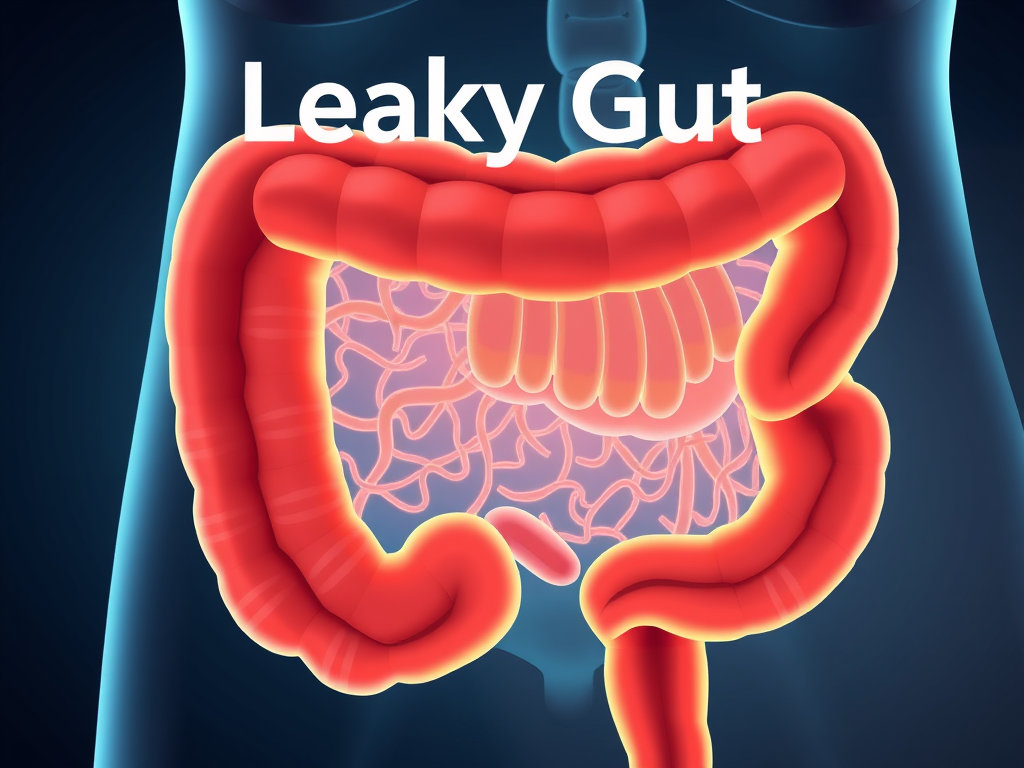
Leaky gut—also known in the science world as increased intestinal permeability—is when the lining of your intestines becomes damaged or inflamed. Normally, your gut lining is like a super-selective bouncer at a VIP club: it lets the good stuff (nutrients, water) in and keeps the riffraff (toxins, undigested food, bad bacteria) out.

When it becomes “leaky,” it’s like the bouncer got tired, took a nap, and now anyone can stroll into the bloodstream. Cue: inflammation, bloating, fatigue, skin breakouts, brain fog, and the dreaded poop problems.


Is It Real or Just Really Instagrammable?

Here’s the deal—leaky gut is real, but it’s not officially recognized as a diagnosis by all mainstream medical communities. Why? Because it’s tricky to prove directly in humans, and many of its symptoms mimic other conditions like IBS, food sensitivities, or even chronic stress.

But from my nurse perspective? I believe it’s a red flag. Not just a TikTok trend. When someone comes in with mystery rashes, chronic bloating, or poops that range from rabbit pellets to Niagara Falls, I start thinking gut barrier.


Signs Your Gut Might Be Leaking More Than Gossip

  • Bloating after every meal (no, it’s not just “getting older”)
  • Food sensitivities that didn’t used to be a thing
  • Fatigue no matter how many B12 shots you get
  • Skin issues: eczema, acne, or mystery breakouts
  • Frequent colds or “meh” immune function
  • Poop problems (constipation, diarrhea, or both on rotation)
  • Brain fog or mood swings that come out of nowhere

What Can You Actually Do About It?

I’m glad you asked. (Or maybe you didn’t, but I’m answering anyway.)

🥦 Eat Real Food

Minimize processed stuff. Think fiber-rich foods (veggies, fruits, whole grains), bone broth, and fermented foods like kimchi and kefir. Your gut bugs LOVE that stuff.

🚫 Avoid Gut Saboteurs

Common culprits? Excess sugar, alcohol, NSAIDs (like ibuprofen), and chronic stress. Yes, stress messes with your poop. Science backs me on this.

💊 Consider Supplements

Zinc, L-glutamine, collagen, and probiotics are often used to help support gut lining repair. Talk to your provider before adding a cart full of Amazon supplements, though.

💧 Hydrate Like It’s Your Job

Because it is your job—if you want better poops, better skin, and better energy.

🧘‍♀️ Chill the Heck Out

Stress is a major gut-wrecker. Meditation, yoga, deep breathing, or just screaming into a pillow in the supply closet (nurses, I see you)—whatever works.


So… Should You Panic?

Nah. Don’t panic. But don’t ignore your gut either.
If you’ve got skin flare-ups that won’t quit, poop that’s unpredictable, or you’re feeling “off” in ways that labs can’t explain—your gut might be trying to tell you something. And as your friendly, wound-and-gut-loving nurse in her 40s, I say: listen.

You don’t have to go full kale-smoothie-cleanse (please don’t), but you do need to take your gut health seriously. Because when your gut’s not happy, your skin, mood, and poop will absolutely snitch on it.


Nurse’s Final Note:

You can’t slap a collagen cream on a leaky gut. Skin glow starts inside—and yes, it often begins with your poop. 💩


Want more gut-friendly tips, recipes, or just a good laugh about poop and wrinkles?
Subscribe to the blog and stay weirdly well-informed.