

Stress and Your Skin: The Ugly Truth and How to Calm the Chaos 😫💥 → 🧘‍♀️✨

If stress had a smell, it would be that burnt popcorn-meets-sweaty-socks aroma after a 12-hour shift. As a nurse in my 40s who’s been in the trenches (shoutout to wound and ostomy care!), I’ve seen what stress can do—not just to our minds, but to our skin, guts, and yes, even our poop 💩.

Let’s be real: you can eat all the kale, chug your chlorophyll, and slather on serums like it’s your job—but if you’re running on stress fumes, your skin will still tell on you. So let’s break it down—what stress really does to your skin, how your gut plays backup singer to the chaos, and most importantly, what to do about it.


😬 The Ugly Truth: What Stress Does to Your Skin

You’re not imagining it—your breakouts do get worse before big events. That mystery rash does flare when your in-laws come to town. Here’s why:

  • Cortisol (the stress hormone) ramps up oil production, which clogs pores and creates the perfect storm for acne.
  • It also triggers inflammation, worsening conditions like eczema, rosacea, psoriasis, and even wound healing.
  • Your skin barrier becomes weaker, so it’s more prone to irritation, dehydration, and flare-ups.
  • Sleep suffers, digestion slows, and your skin ends up looking as exhausted as you feel.

💩 The Gut-Skin-Stress Triangle

Your gut and brain are in constant communication via the gut-brain-skin axis. When you’re stressed:

  • Your gut becomes more leaky (yes, that’s a thing), letting toxins escape into your system—leading to inflammation, breakouts, and dull skin.
  • You may get constipated, bloated, or backed up, which means your body struggles to eliminate waste—and when it can’t get it out, it often shows up on your skin instead.
  • Stress kills off good gut bacteria, leaving bad guys to run the show. This imbalance (a.k.a. dysbiosis) can worsen acne, eczema, and even wrinkles.

Your skin is the mirror. Your gut is the engine. And stress? Stress is the wild raccoon chewing through the wiring.


✅ Solutions: How to Calm the Chaos (Inside and Out)

This isn’t about perfection—this is about giving your nervous system, skin, and gut a break. Here’s what actually helps:


🧘‍♀️ 1. Nervous System Reset

  • Box breathing: Inhale for 4, hold for 4, exhale for 4, hold for 4. Repeat.
  • Walks without your phone (yes, really).
  • Cold water splashes on the face can activate the vagus nerve—reduces anxiety and inflammation.

🥬 2. Feed Your Skin via Your Gut

  • Add fermented foods (sauerkraut, kimchi, kefir) to feed your microbiome.
  • Prioritize prebiotics (onions, garlic, asparagus).
  • Keep digestion moving with hydration + fiber (chia seeds, berries, leafy greens).
  • Don’t underestimate vitamins: Zinc, Vitamin C, and Omega-3s are wound-healing and anti-inflammatory MVPs.
  • Cut back on processed sugar + alcohol during high-stress periods—they’re instant fuel for skin chaos.

🧴 3. Simplify Your Skincare Routine

  • Gentle cleanser (don’t strip your skin—stress already is).
  • Add niacinamide or azelaic acid to calm redness + support barrier function.
  • Never skip moisturizer and SPF—especially during flare-ups.
  • Think of skin care as nervous system care—massage it in, breathe, and be kind to yourself.

💧 4. Hydration Isn’t Optional

Your skin is 64% water. Your poop? About 75%. Dehydration will slow digestion, cause fatigue, and make your skin look like a raisin that’s been through it. Aim for half your body weight in ounces daily, and more if you’re sweating or drinking caffeine.


😴 5. Don’t Underestimate Sleep

You can’t out-supplement poor sleep. Prioritize 7–9 hours per night, and your cortisol levels, gut flora, and skin health will thank you.


💬 Real Talk from a Nurse Who Gets It

I’m not here to tell you to “just relax.” Life is real, stress is real, and sometimes the self-care feels like another job. But taking even one step—a few deep breaths, a glass of water, five minutes of silence in your car—can shift your biology. You’re not broken. Your body’s just overwhelmed. Help it help you. ❤️


⚠️ Disclaimer (Because I’m a Nurse, Not Your Nurse 😉)

This blog is for general education and entertainment purposes only. Always consult with your doctor, dietitian, dermatologist, or wound/ostomy care specialist—especially if you have specific conditions, allergies, or ongoing issues.


🔄 Recap: When Stress Hits, Try This…

✅ Breathe (box breathing = magic)
✅ Eat fiber + fermented foods
✅ Hydrate like it’s your job
✅ Go gentle on your skin
✅ Sleep like your face depends on it (it does)

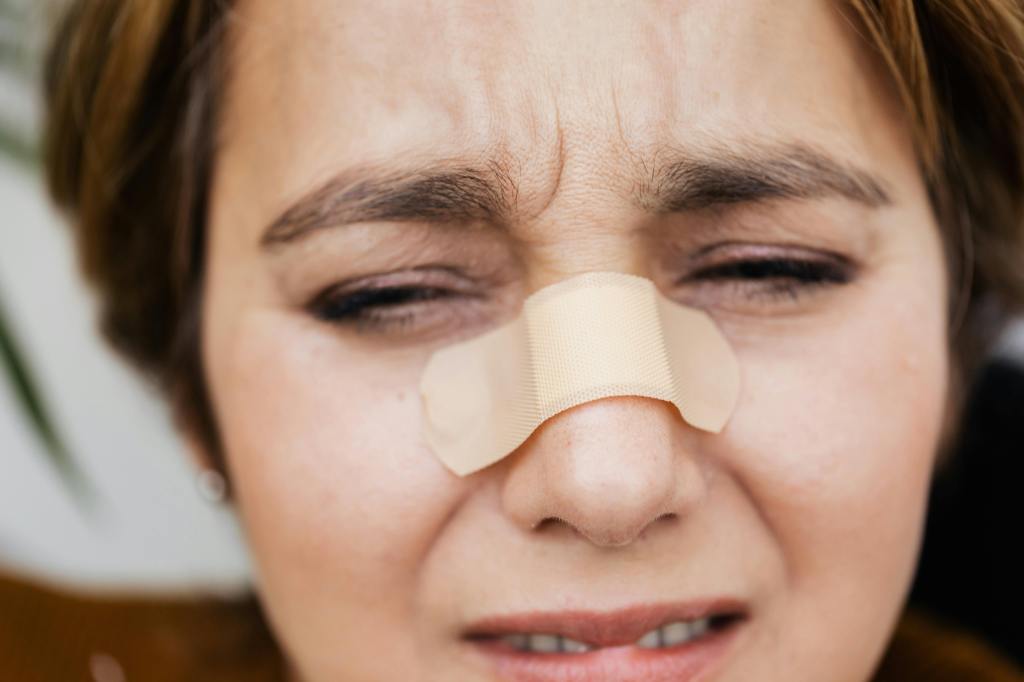
✨🚑 Because Your Skin Deserves More Than a Reel and a Prayer

Retinol can transform skin, but only if your gut and barrier are supported. Nurse-approved tips for glowing, healthy, irritation-free skin.

🧠 Ever panic-bought a $90 retinol serum because a 22-year-old influencer promised “magic”?

You’re not alone. 🙋‍♀️ But as a nurse in my 40s with 22 years of experience, obsessed with skin, gut health, poop, and wound healing, I’m here to tell you: retinol is powerful—but it’s not a magic wand. Misused, it can backfire like bad cafeteria chili 🌶️💨.

Let’s break down the real tea on retinol, nurse-style, with solutions that actually help your skin without burning it off.


🧴 What Is Retinol?

Retinol is a vitamin A derivative that helps your skin:

  • Turn over faster (bye dead skin)
  • Boost collagen production
  • Reduce fine lines, acne, dark spots, and uneven texture

It’s clinically studied and highly effective—but the fine print rarely makes Instagram: skin barrier health, gut connections, and why your face may feel like sandpaper.


🔬 Science Made Simple: How Retinol & Gut Health Connect

Retinol works best when your skin and gut are supported. Here’s why:

  1. Skin Barrier Matters
    • Damaged barrier = more irritation. Think of it like waxing a car that’s already on fire.
  2. Gut Health Influences Vitamin A Metabolism
    • Inflammation, nutrient depletion, or irregular digestion can impact vitamin A absorption, showing up as purging, breakouts, or dullness.
    • Studies show gut dysbiosis can influence skin inflammation and barrier repair (Harvard Health, 2024).
  3. Cell Turnover Needs Support
    • Retinol accelerates cell turnover. Without hydration, nutrients, and barrier care, your skin can break down—similar to wounds that heal poorly under stress or poor nutrition.

🩹 Nurse’s Insights: Why Retinol Isn’t One-Size-Fits-All

Compromised Skin Barrier? Red, flaky, burning skin + retinol = disaster.

Gut Issues? IBS, inflammation, or poor nutrition = less effective vitamin A metabolism.

Strength & Frequency Matter: More isn’t better. Starting high-strength retinol on sensitive skin is like running a marathon in stilettos.


👩‍⚕️ What Nurses Know That Influencers Don’t

  1. Retinol is medicine.
    • Start low: 0.25% 1–2 nights/week. Your skin isn’t lazy—it’s protective.
  2. Barrier is your frontline.
    • Red, flaky, or burning? Pause, hydrate, repair.
  3. Healthy skin starts from the inside.
    • Gut health, bile production, liver function, and diet impact vitamin A metabolism.
  4. Think like wound care.
    • Support your skin with hydration, nutrients, and barrier protection to prevent breakdown.

🧠 Gut + Skin: The Retinol Recovery Team

💩 Poop Check-In

  • Daily? Great.
  • Irregular? Toxins recirculating = slower healing and detox.

🥬 Feed Your Gut

  • Probiotics: yogurt, kefir, sauerkraut
  • Prebiotics: garlic, onions, asparagus
  • Anti-inflammatory foods: berries, turmeric, leafy greens

💧 Hydrate

  • Flush toxins, support barrier, reduce flaking.

💊 Supportive Nutrients

  • Vitamin C → collagen + antioxidant defense
  • Zinc → inflammation control + healing
  • Omega-3s → barrier health + reduce dryness

🔄 Nurse-Approved Retinol Routine

Week 1–4

  • Use 0.25–0.3% retinol, 1–2 nights/week
  • Apply over moisturizer (“retinol sandwich”)
  • Avoid AHAs, BHAs, and vitamin C same night
  • SPF every morning

If irritation occurs:

  • STOP retinol
  • Use hydrating barrier creams (ceramides, niacinamide, squalane)
  • Let skin recover before reintroducing

🗣️ Real Talk: Retinol Isn’t a Quick Fix

Retinol can transform your skin—but if your gut is off, stress is high, and barrier is compromised, it won’t work the way you want. That’s feedback, not failure.

Listen to your body. Nourish your insides. Respect the healing timeline. Great skin is a team effort, not a TikTok trend. 🌟


🔗 Related Blog Posts

💖 Pin this post and share the glow!


⚠️ Disclaimer

This blog is for educational purposes only. Consult your doctor, dermatologist, or wound/ostomy specialist before changing skincare, diet, or supplements.
✨💉💩💧💊🌿

Wrinkles, Wound Healing & Water: Skin Science After 40


By a wound care nurse who knows hydration isn’t just trendy—it’s critical

Let’s face it: turning 40 is kind of like skin’s midlife crisis. Suddenly, things that used to “bounce back” now just… linger. Wrinkles sneak in, healing slows down, and your moisturizer starts working overtime. But here’s the good news: as a nurse and someone who obsesses over both wound care and wellness—I’m here to tell you that your skin can still thrive. It just needs a little more science, strategy, and yes… water.

So grab a glass, because we’re about to hydrate your skin, your gut, and your entire mindset.


💧 Let’s Talk About Water (No, Really)

I know—everyone and their wellness influencer cousin says to “drink more water.” But here’s the clinical truth:

  • Dehydrated skin heals slower.
  • Dehydrated bodies poop less.
  • Dehydrated cells age faster.

As a wound care nurse, I can tell you firsthand: hydration is everything. It’s one of the most overlooked components in both chronic wound healing and aging skin. Your skin is your largest organ, and like any good organ, it needs hydration to function.

Nurse Tip: Aim for half your body weight in ounces per day (or more if you’re sweating or chugging coffee like it’s charting fuel).


🧬 Wrinkles: The Battle You Can Totally Win (Sort of)

Wrinkles aren’t the enemy—they’re the memoirs of your face. But if you want to smooth out some chapters, here’s what works:

  • Topical Retinoids: Vitamin A derivatives that boost collagen and reduce fine lines. Bonus—they also help with wound cell turnover!
  • Peptides & Growth Factors: Fancy talk for ingredients that coach your skin into behaving younger.
  • Daily SPF: Because preventing damage is easier than microneedling it away later. (Shoutout to the sun exposure I thought was “just a tan” in my 20s…)

Bonus Point: Gut inflammation can accelerate aging—yep, your wrinkles can be a digestive distress signal.


🩹 Wound Healing After 40: Slower, But Smarter

Aging skin is like an older nurse: wise, experienced… but it doesn’t rush anymore. Healing slows because:

  • Collagen production decreases
  • Circulation may reduce
  • Immune response changes

But don’t panic—we can support healing through:

  • Vitamin C + Zinc + Protein (the holy trinity of wound care)
  • Hydration and circulation-boosting habits (walk, massage, hydrate)
  • Gut health: because nutrient absorption = healing fuel

Ostomy Patients: Pay extra attention to hydration and skin barrier integrity. Peristomal skin loves a happy gut and a well-fed body.


🥦 Skin Starts in the Gut (And Poop Tells the Story)

Let me be super nurse-real with you: If your gut’s a mess, your skin will tattle.

  • Acne, eczema, and dullness can all be tied to gut dysbiosis
  • Poor digestion = less nutrient absorption = less skin support
  • Chronic constipation? It’s not just uncomfortable—it slows detox, which your skin often picks up the slack for

Add prebiotic foods (like garlic, onions, asparagus), fermented foods (kimchi, yogurt, sauerkraut), and fiber-rich plants to keep your insides as pretty as your outside.


🧖‍♀️ My Personal Glow-Up Routine (In Case You’re Wondering)

Here’s what this 40-something nurse swears by:

  • Morning magnesium water + walk
  • Probiotic + collagen in my coffee (yes, it dissolves)
  • Gentle cleanser, Vitamin C serum, SPF 50, moisturizer with peptides
  • Retinol 2–3x/week at night
  • Eat-the-rainbow meals and good fats (hello avocado)
  • 7+ hours of sleep (or pretending I did)

👩‍⚕️ Final Thoughts from Your Favorite Wound Nurse

Your skin is a reflection of your gut, your habits, and your hydration. It doesn’t need 14 expensive products or filters—it needs care, consistency, and clinical common sense.

Wrinkles happen. Wounds take longer to heal. But with water, good food, gut love, and SPF loyalty, your skin will be as strong as your nursing skills.

Because you don’t just glow—you’ve earned that glow.


🧱 Beyond the Face: Nurse-Approved Skin Barrier Tips (and the Gut Connection You’re Probably Ignoring)

Spoiler: it’s not just your face that deserves love.


Skin barrier health goes way beyond your face. Learn how gut health impacts barrier function, and why your underboob, sacrum, and elbows deserve just as much love. Nurse-approved skincare tips that blend clinical credibility and gut-skin truth.


Let’s Be Honest: When’s the Last Time You Moisturized Your Elbows?

Or showed your underboob skin some barrier cream love? Or gave your belly folds a legit spa moment?

Exactly.

As a wound care nurse in her fabulous 40s—with a passion for poop and peptides—I’m here to tell you: 👉 Your skin barrier is not just a cute TikTok trend. It’s real. It’s vital. And it goes far beyond your face.

So let’s chat about the forgotten skin, barrier basics, gut health, and why ceramides should absolutely be your new BFF.


🧱 What Is the Skin Barrier, and Why Should You Care?

Think of your skin barrier like a brick wall:

  • 🧱 Skin cells = the bricks
  • 🧈 Lipids (fats) = the mortar holding it together

When that barrier is healthy, it keeps moisture in and irritants out. But when it’s damaged—through overwashing, harsh products, friction (hello, PPE life), or inflammation—it’s like a wall with missing bricks.

Cue: dryness, burning, cracking, rashes, mystery flaking at the worst times.

🩺 Nurse Note:

I see broken skin barriers every single day—from sacral wounds and underboob irritation to overzealous retinol regrets. The good news? It’s fixable. With the right plan.


🧴 Ceramides: The Unsung Heroes of Skin Health

Ceramides are natural fats that make up about 50% of your stratum corneum (your outermost skin layer). Translation: they’re a big deal.

Low ceramide levels = dry, irritated, inflamed skin.

Ceramides help:

  • Lock in moisture
  • Strengthen the skin barrier
  • Protect against bacteria and toxins
  • Reduce inflammation

And no—it’s not just your face that needs them.

Apply ceramide-rich creams to:

  • Hands (after 437 hand washes)
  • Inner thighs (chafing is real 😊)
  • Under breasts (sweat + yeast = no thanks)
  • Sacrum and buttocks (especially if sedentary)
  • Belly folds or other friction-prone areas

💡 Forgotten Skin Zones That Deserve Barrier Cream

If you’ve ever:

  • Treated MASD (moisture-associated skin damage)
  • Fought a diaper rash stronger than a toddler’s will
  • Dealt with heat rash under a belly fold after a shift in scrubs…

…then you know.

MVP barrier ingredients:

  • Zinc oxide: anti-inflammatory, creates a physical barrier
  • Dimethicone: smooths and protects skin
  • Petrolatum: locks in moisture (yes, super cheap)

Pair barrier creams with ceramides for next-level results.


🔬 The Gut-Skin Connection: What’s Inside Shows Up Outside

Recent research continues to show what nurses (and grandmas) have known for years: When your gut’s unhappy, your skin acts out.

According to a 2023 review in Frontiers in Microbiology:

  • Dysbiosis (imbalanced gut flora) has been linked to acne, eczema, psoriasis, and delayed wound healing.
  • A healthy gut can increase ceramide production in the skin and improve barrier function.

Signs your gut may be affecting your skin:

  • Unexplained dryness or flaking
  • Red, irritated patches (even in odd places)
  • Slow healing after minor injuries
  • Recurring rashes, especially with stress or diet changes

Key gut-skin supporters:

  • Probiotics & prebiotics: balance gut flora
  • Omega-3s: reduce inflammation
  • Zinc & vitamin A: aid in skin repair
  • Fiber: feeds the good bacteria

👩‍⚕️ Personal Story: From Cracked Skin to Ceramide Queen

After one particularly chaotic week (back-to-back shifts, minimal water, lots of stress, zero vegetables), I noticed the skin under my sports bra looked like it had lost a fight with sandpaper.

I swapped in a ceramide-heavy moisturizer and a barrier cream with zinc oxide. I also upped my probiotic, chugged more water than usual, and added fermented foods.

Within days, the irritation calmed, and within a week? Back to baseline—no redness, no stinging.

Moral of the story? Inside-out care works.


🧖‍♀️ Nurse-Approved Barrier Boost Routine

💪 For Skin:

  • Post-shower: Ceramide-rich lotion on damp skin
  • Hot spots: Barrier cream on folds, thighs, sacrum, under breasts
  • Hands: Reapply barrier balm every 8–10 washes

🥗 For Gut:

  • Stay hydrated (aim for 60–80 oz daily)
  • Eat collagen-rich foods: bone broth, berries, leafy greens
  • Avoid ultra-processed foods
  • Take a daily probiotic and include fermented foods

🧡 Final Takeaway: Your Skin Doesn’t Stop at Your Jawline

You don’t need 18 serums or a spa weekend to build a healthy skin barrier. You need:

  • Consistency
  • Ceramides + barrier creams
  • Gut support
  • A little humor (yes, it’s healthy) 😊 and a lot of hydration

Next time you slather your face with serum, remember: Your gut, your underboob, and your belly folds deserve love too.

Glow biologically—and don’t forget to moisturize your elbows. 😉

⚠️ Disclaimer (Because I’m a Nurse, Not Your Nurse 😉)

This blog is for general educational and entertainment purposes. It doesn’t replace personalized medical advice. Always consult your healthcare provider, especially if you’re treating wounds, rashes, or skin conditions.