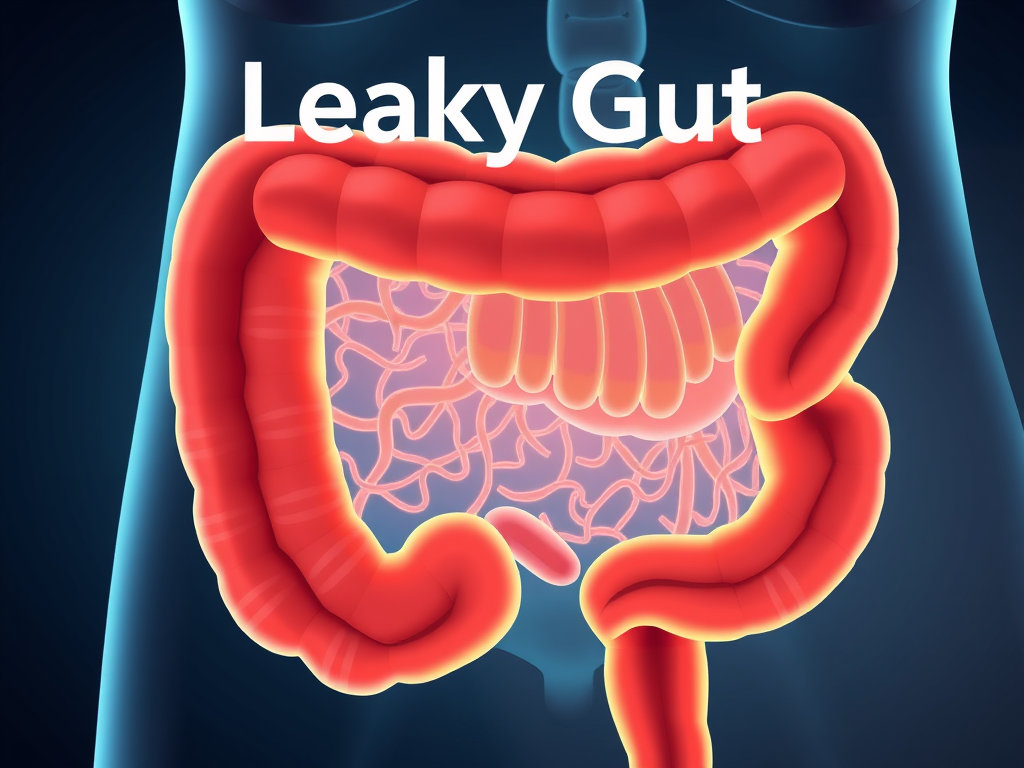

💆‍♀️ Fibromyalgia and Gut Health: How Your Microbiome May Be Fueling Pain & Fatigue

🧠 Is Your Gut Secretly Whispering Pain Signals?

Discover how gut health impacts fibromyalgia pain and fatigue. Learn research-backed tips to balance your microbiome for less pain and more energy.

You’ve tried everything — better sleep, gentle movement, supplements, meds — and yet fatigue and pain still crash your plans like uninvited guests. 😩

What if your gut is sending signals your body can’t ignore?
Emerging research suggests your microbiome — the trillions of bacteria living in your gut — may be quietly stoking the fires of fibromyalgia’s pain and exhaustion.

Let’s dig into the science, the symptoms, and what you can actually do (without buying $100 miracle powders 💸).


🔬 The Gut-Pain Connection (Without the Woo-Woo)

🧩 What Science Knows So Far About Fibromyalgia & Gut Health

Recent studies have uncovered some fascinating links between the gut and fibromyalgia:

  • 🧫 A 2019 study in PAIN Journal found that women with fibromyalgia had distinct gut microbiome changes compared to healthy controls — especially fewer beneficial bacteria like Faecalibacterium prausnitzii and Bacteroides uniformis.
  • 🐭 In a follow-up animal study, when gut microbes from fibromyalgia patients were transferred into healthy mice, the mice developed pain sensitivity similar to fibromyalgia. 😮
  • 🧬 A 2023 Frontiers in Microbiology review found that certain microbial imbalances may be causally linked to fibromyalgia symptoms through inflammation and neurotransmitter changes.
  • 🧘‍♀️ Researchers writing in Neuron (2025) described the microbiome as an “active player” in fibromyalgia pain — not just an innocent bystander.

Bottom line: The gut isn’t just about digestion — it’s part of your pain story.


🔁 How the Gut and Pain Pathways Communicate

So how does your gut end up gossiping with your nerves? Here’s what researchers think is happening:

  1. 🔥 Chronic Inflammation & Leaky Gut
    When gut bacteria are out of balance (dysbiosis), the gut lining can become “leaky.” This allows inflammatory molecules to enter your bloodstream, sensitizing your nerves and worsening pain.
  2. 💨 Loss of Short-Chain Fatty Acids (SCFAs)
    Beneficial bacteria produce SCFAs like butyrate that keep your gut barrier strong and inflammation low. Less butyrate = more pain and fatigue potential.
  3. 🧠 Nerve Communication via the Vagus
    The gut and brain chat constantly through the vagus nerve. When your gut microbes shift, it can alter how pain signals are sent and perceived.
  4. 🔄 Neurotransmitter Shifts
    Imbalances in gut flora can disrupt serotonin, dopamine, and GABA — the feel-good chemicals that regulate both mood and pain.

🩺 Fun fact: Up to 90% of serotonin is made in your gut — not your brain! No wonder gut issues can mess with your mood and energy.


🥗 Nurse-Approved Gut-Friendly Fixes (That Don’t Feel Like Homework)

These simple steps can help nurture your microbiome and calm inflammation — one day (and one bowel movement 💩) at a time.

🌿 Strategy💡 What to Try💪 Why It Helps
Diversify your plantsAim for 25–40 different plant foods weekly — fruits, veggies, legumes, herbs, seedsMore plant variety = more microbial diversity and stronger gut resilience
Add fermented foodsYogurt, kefir, sauerkraut, kimchi, misoAdds live probiotics naturally — start slow if bloating is an issue
Feed the good guysInclude prebiotics like garlic, onions, oats, green bananasHelps friendly bacteria produce healing SCFAs
Move mindfullyGentle yoga, stretching, walkingMovement supports lymph flow and gut motility
Reduce stressBreathwork, journaling, meditationCalms the gut-brain axis and helps reduce flares
Prioritize sleepConsistent bedtime, dark room, no screensMicrobes have circadian rhythms too — they love routine!
Be antibiotic-awareUse only when neededOveruse can wipe out microbial diversity — replenish afterward

Glow tip: Try one new gut habit every 2–3 weeks. Slow, steady changes = fewer flare-ups and better long-term results.


🙋‍♀️ Common Questions I Hear From Patients

“Do I have to go on a strict gut-healing protocol forever?”
Nope! The goal is balance, not perfection. Once your gut finds its groove, maintaining it becomes second nature. 🌸

“Should I take probiotics or do FMT?”
Early research shows potential benefits for certain probiotic strains, but FMT (fecal transplants) are still experimental and come with risks. Always discuss with your provider before trying new therapies.

“Is this all just another trend?”
The science is growing fast — and while it’s not a cure-all, improving gut health may help reduce symptom intensity and improve quality of life.


🌈 The Takeaway

Your gut isn’t just a digestion center — it’s a pain manager, mood regulator, and inflammation buffer.
By feeding it well, protecting it, and lowering stress, you’re not only nurturing your microbiome — you’re sending healing messages throughout your entire body. 💚

⚠️ Disclaimer:

This article is for educational and informational purposes only and is not medical advice. It’s written by a registered nurse to share evidence-based insights on gut and skin wellness. Always consult with your healthcare provider before making any changes to your diet, supplements, or treatment plan — especially if you have fibromyalgia, chronic illness, or are on prescribed medications.


🔗 Keep Reading — Your Gut Will Thank You!

💖 If you found this article helpful, share it on Pinterest and tag me — let’s help more people connect the dots between gut health and chronic pain!
Supplements I Actually Recommend (and the Ones I Don’t) 💊✨

Hey there, fellow wellness warriors! As a nurse, rocking my 40s while juggling skin, guts, and everything in between—I’m here to spill the tea ☕ on supplements. With so many options out there, it’s easy to get overwhelmed, confused, or end up with a cabinet full of pills you never touch. So, let’s cut through the noise with some nurse-approved, gut-friendly, skin-loving supplement wisdom. Ready? Let’s dive in!


What I Actually Recommend ✅

1. Vitamin C — Your Skin’s Bestie 🍊
Vitamin C isn’t just for fighting colds. It’s a powerhouse antioxidant that boosts collagen production, helping your skin stay plump and wrinkle-resistant. Plus, it supports immune health and wound healing—crucial if you’re managing any skin or ostomy-related care.

2. Magnesium — The “Chill Pill” Mineral 🧘‍♀️
Magnesium helps with muscle relaxation, sleep quality, and even gut motility (hello, morning poops!). Many adults are deficient, so a supplement can help keep your digestion smooth and your stress levels down.

3. Probiotics — The Gut’s Cheerleaders 🦠
A good probiotic can support a balanced microbiome, which we know plays a role in everything from digestion to skin health. Not all probiotics are created equal, so choose strains backed by science (like Lactobacillus and Bifidobacterium).

4. Zinc — Healing Hero ⚡
Zinc supports immune function, wound healing, and can even reduce inflammation in skin conditions. Just be mindful not to overdo it—balance is key!

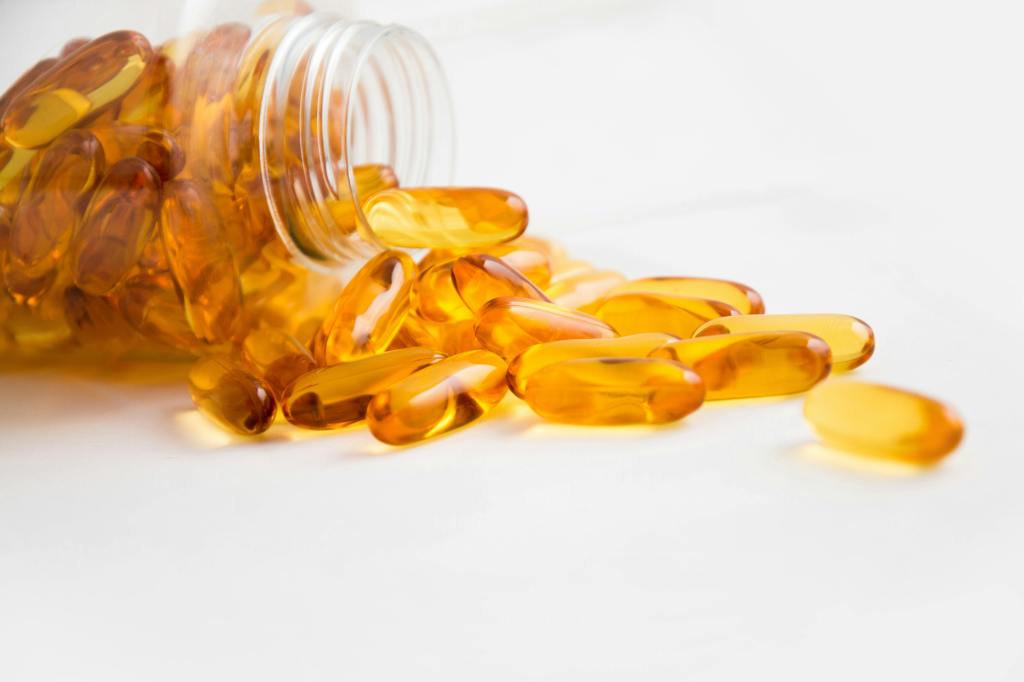
5. Omega-3 Fatty Acids — Skin & Gut Superstars 🐟
Omega-3s help reduce inflammation, support brain health, and keep skin supple and hydrated. I recommend getting these from high-quality fish oil or plant-based alternatives if you’re vegan.


What I’m Not Sold On ❌

1. Collagen Supplements — Meh, Maybe? 🤷‍♀️
While collagen is essential for skin and wound healing, taking it as a pill or powder doesn’t always guarantee it’ll reach your skin intact. Your body breaks it down into amino acids like any protein. Focus more on a balanced diet with protein-rich foods.

2. Detox Teas & Quick-Fix Supplements 🚫
If it sounds too good to be true—like “flush toxins in 3 days”—it probably is. Your liver and kidneys do a stellar job detoxing; no magic potion required.

3. Over-the-Top Multivitamins 🧪
A mega-dose multivitamin can sometimes do more harm than good. Excess fat-soluble vitamins (like A, D, E, K) can build up and cause problems. Stick to targeted supplements based on your needs.


My Nurse-to-You Advice 💡

  • Supplements can be great, but they’re just one piece of the puzzle. Your gut and skin thrive on good food, hydration, sleep, and stress management.
  • Always check with your healthcare provider before starting anything new—especially if you have an ostomy, chronic condition, or take medications.
  • What works for me or my patients might not be your perfect fit—everyone’s gut and skin story is unique!

⚠️ Disclaimer: Because I’m a Nurse, Not Your Nurse 😉
This blog is for general education and entertainment purposes only. Always consult with your doctor, dietitian, dermatologist, or wound/ostomy care specialist—especially if you have specific conditions, allergies, or a medical device like an ostomy.


In a nutshell: Choose your supplements wisely, listen to your body, and remember — the best glow comes from a happy gut and a nourished soul! 🌟💪


Would you like me to suggest some specific supplement brands or recipes that support gut and skin health? Just ask! 😊

Meal Ideas That Support Your Gut AND Your Skin 🍽️✨

Let’s be honest—who doesn’t want clearer skin and smoother poops? 🙋‍♀️ As a nurse with a full-on obsession with skin, gut, and wellness (plus a healthy respect for poop talk at the dinner table), I’m here to tell you: your skin and gut are in a lifelong situationship. And what you put on your plate? Total relationship therapy.

In this post, we’re diving into practical, delicious meal ideas that work double-duty: nourishing your microbiome and giving your skin that healthy, hydrated glow.


🥑 Why Your Gut & Skin Are Besties

Here’s the TL;DR: Your gut is like your second brain (or, for nurses, maybe your first brain when you’re 12 hours into a shift). It regulates inflammation, supports immunity, and yes—can directly affect the skin’s health, texture, and even breakouts.

Chronic constipation, bloating, or diarrhea? Those can all show up on your face as dullness, redness, or acne. Similarly, nutrient-poor meals can slow wound healing, exacerbate dryness, and make wrinkles feel like they’re shouting.


🍽️ Meal Ideas for Glowing Skin & Happy Guts

Let’s get to the fun part: FOOD! These meals are rich in fiber, antioxidants, good fats, and probiotics. Perfect for your gut and your glow ✨


🌞 Breakfast: The Gut-Glowing Start

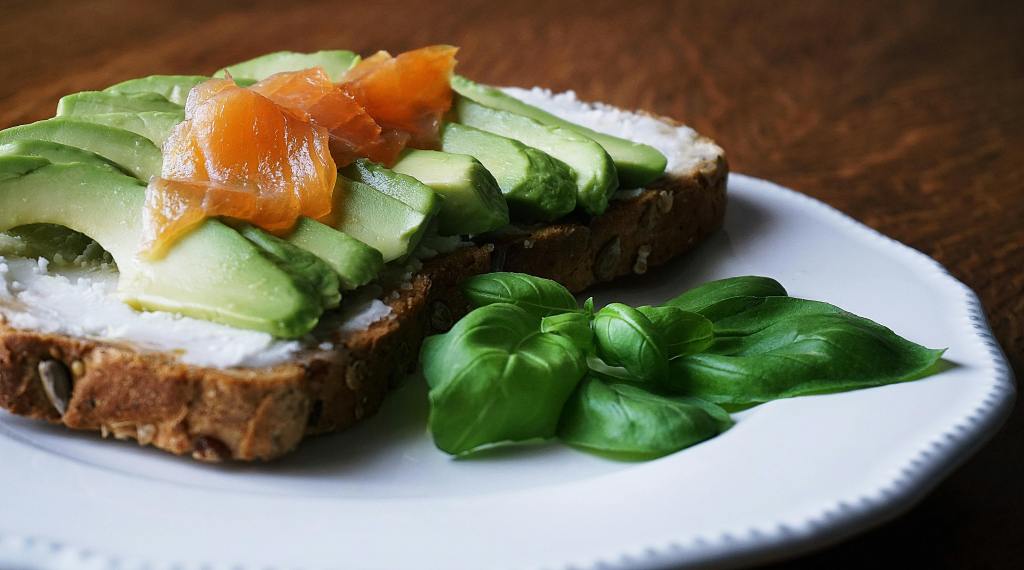
Avocado Toast with Fermented Veggies + Herbal Tea

  • Whole grain or sourdough bread (hello, fiber and prebiotics!)
  • Mashed avocado (healthy fats = plumper skin)
  • Topped with kimchi or sauerkraut (probiotic goodness)
  • Chamomile or ginger tea (calm your gut, calm your face)

👩‍⚕️ Nurse tip: Avoid heavy, dairy-laden coffees first thing if your gut is sensitive. Your skin will thank you too!


🥗 Lunch: Light, Filling, and Friendly to Your Digestive Fire

Salmon Salad Bowl

  • Grilled wild salmon (rich in omega-3s for anti-inflammatory skin benefits)
  • Mixed greens, cucumbers, bell peppers (fiber + hydration)
  • Olive oil and apple cider vinegar dressing (ACV can support gut acidity levels)
  • Sprinkle of pumpkin seeds (zinc = wound healing support)

🍲 Dinner: Balanced & Belly-Safe

Quinoa & Lentil Stew with Roasted Veggies

  • Lentils = fiber + plant-based protein
  • Quinoa = complete amino acid source
  • Add carrots, zucchini, onions, and sweet potatoes
  • Spices like turmeric, cumin, and black pepper for anti-inflammatory magic

🍓 Snack Attack: Gut-Loving Nibbles

  • Greek yogurt with berries & chia seeds
  • Hummus with cucumber slices
  • Bone broth (great for collagen + gut lining)
  • A few squares of dark chocolate (yes, really!)

💩 Let’s Talk Poop (You Knew I’d Go There)

If you’re not pooping regularly, your skin may not be detoxing efficiently either. Constipation can lead to breakouts, dull skin, and even exacerbate eczema or psoriasis. If you’re dealing with an ostomy, hydration and output consistency matter big time!

👉 Stool that’s too loose or too hard could be your gut waving a white flag. Balance your meals with:

  • Soluble fiber (oats, bananas, apples)
  • Hydration (aim for half your body weight in ounces of water 💦)
  • Magnesium-rich foods (spinach, almonds, dark chocolate—yum!)

👩‍⚕️ But Wait… What If I Have an Ostomy?

Friend, I got you. Some of these foods may need tweaking depending on your ostomy type:

  • Colostomy: You can often eat more “normally,” but watch for gas-producing foods.
  • Ileostomy: Hydration is key! Be mindful of high-fiber or very spicy meals.
  • Urostomy: Hydration and bladder-friendly foods (low acid) are your friends.

⚠️ Disclaimer (Because I’m a Nurse, Not Your Nurse 😉)
This blog is for general education and entertainment purposes only. Always consult with your doctor, dietitian, dermatologist, or wound/ostomy care specialist—especially if you have specific conditions, allergies, or a medical device like an ostomy. What works for one person might not work for another (especially if we’re talking ileostomy vs colostomy vs urostomy—big differences, folks!).


✨ Final Thoughts

Your plate has power. When you feed your gut, your skin gets the memo—and glows accordingly. Think of every meal as a chance to heal, hydrate, and help your body (and bowel) thrive. Plus, it’s delicious!

💬 Got a go-to gut/skin-friendly meal? Drop it in the comments—I’m always hungry for new ideas!

Wellness Without Woo: 💙 A Nurse’s Guide to Real Self-Care 👋

Hey there, fellow wellness warriors! 👋 As a nurse in my 40s who’s spent 22 years diving deep into skin, gut health, wounds, and all things wellness, I’m here to give you the real tea ☕ on self-care — minus the fluff, the “energy vortexes,” and those crystal elixir vibes that make you wonder if you’re on a reality show. Let’s talk wellness without the woo.


What Is “Wellness Without Woo,” Anyway?

In a world where detox teas promise a miracle cleanse and magic powders claim to fix your skin overnight, I’m here to say: nah. Real self-care isn’t about chasing the latest fad. It’s about science-backed habits that actually make a difference for your skin, gut, and overall health. Think hydration, balanced nutrition, sleep, and a dash of movement (yes, even those nursing shifts count as cardio sometimes! 🏃‍♀️).


1. Hydration: Your Skin’s BFF 💧

Your skin and gut thrive on water. Drinking enough H2O is the cheapest, easiest, and most effective anti-aging trick you can do. It keeps your skin plump, helps your digestive system flush out toxins, and supports wound healing. Plus, it prevents that “dehydrated nurse face” look after a 12-hour shift.


2. Eat Real, Not Magical 🍎

Forget the powders and potions. Your gut (and skin!) want whole foods — think colorful veggies, fiber-rich fruits, healthy fats, and protein. These nourish your microbiome, support digestion, and help your skin maintain elasticity. Pro tip: your gut health shows up on your face, so feed it well.


3. Move Your Body — Even If It’s Just a Walk 🏃‍♀️

You don’t need a gym membership or 2-hour yoga sessions. Moving daily — walking, stretching, or chasing toddlers — helps circulation, reduces stress, and supports skin cell turnover. Plus, it’s great for your gut motility (translation: better poop, less bloating — yay! 🚽).


4. Sunscreen Is a Must ☀️

No self-care routine is complete without sun protection. UV rays age your skin faster than stress does. (And trust me, nursing stress is real.) A broad-spectrum SPF shields your skin and lowers your risk for skin cancer — because glowing skin should last a lifetime.


5. Sleep Like Your Skin Depends on It 💤

Spoiler: it does. Sleep is when your body repairs skin damage, balances hormones, and resets your gut health. Aim for 7-9 hours and watch those wrinkles and digestion issues chill out.


6. Listen to Your Body, Not the Hype 🧘‍♀️

With ostomies, wounds, and skin issues in the mix, personalizing self-care is key. What works for one person may not work for another — especially when it comes to gut and skin health. Always chat with your healthcare providers before starting any new routine.


Final Thoughts

Self-care doesn’t need to be complicated or expensive. It’s about consistent, science-backed habits that nurture your body and mind — no crystals required. So ditch the “woo,” grab your water bottle, put on your sunscreen, and embrace wellness that’s real, reliable, and nurse-approved. 💙


⚠️ Disclaimer: Because I’m a Nurse, Not Your Nurse 😉
This blog is for general education and entertainment purposes only. Always consult with your doctor, dietitian, dermatologist, or wound/ostomy care specialist — especially if you have specific conditions, allergies, or medical devices like an ostomy. What works for one person might not work for another.


Want more practical tips without the fluff? You’re in the right place. Let’s keep it real, together. 💪✨

Leaky Gut: Trendy Diagnosis or Real Problem?

From the desk of a nurse who talks poop professionally

Let’s cut to the cheese (because dairy might be triggering your gut, but we’ll get there): Is “leaky gut” just the latest health buzzword, or is your digestive system actually betraying you one cell at a time?

As a nurse with 22 years of experience—who now spends her days talking about guts, wounds, ostomies, and everything in between—I’ve heard “leaky gut” tossed around more than a salad at a wellness retreat. So, let’s break it down in plain speak, minus the fear-mongering and plus a whole lot of real talk.


What Even Is Leaky Gut?

Leaky gut—also known in the science world as increased intestinal permeability—is when the lining of your intestines becomes damaged or inflamed. Normally, your gut lining is like a super-selective bouncer at a VIP club: it lets the good stuff (nutrients, water) in and keeps the riffraff (toxins, undigested food, bad bacteria) out.

When it becomes “leaky,” it’s like the bouncer got tired, took a nap, and now anyone can stroll into the bloodstream. Cue: inflammation, bloating, fatigue, skin breakouts, brain fog, and the dreaded poop problems.


Is It Real or Just Really Instagrammable?

Here’s the deal—leaky gut is real, but it’s not officially recognized as a diagnosis by all mainstream medical communities. Why? Because it’s tricky to prove directly in humans, and many of its symptoms mimic other conditions like IBS, food sensitivities, or even chronic stress.

But from my nurse perspective? I believe it’s a red flag. Not just a TikTok trend. When someone comes in with mystery rashes, chronic bloating, or poops that range from rabbit pellets to Niagara Falls, I start thinking gut barrier.


Signs Your Gut Might Be Leaking More Than Gossip

  • Bloating after every meal (no, it’s not just “getting older”)
  • Food sensitivities that didn’t used to be a thing
  • Fatigue no matter how many B12 shots you get
  • Skin issues: eczema, acne, or mystery breakouts
  • Frequent colds or “meh” immune function
  • Poop problems (constipation, diarrhea, or both on rotation)
  • Brain fog or mood swings that come out of nowhere

What Can You Actually Do About It?

I’m glad you asked. (Or maybe you didn’t, but I’m answering anyway.)

🥦 Eat Real Food

Minimize processed stuff. Think fiber-rich foods (veggies, fruits, whole grains), bone broth, and fermented foods like kimchi and kefir. Your gut bugs LOVE that stuff.

🚫 Avoid Gut Saboteurs

Common culprits? Excess sugar, alcohol, NSAIDs (like ibuprofen), and chronic stress. Yes, stress messes with your poop. Science backs me on this.

💊 Consider Supplements

Zinc, L-glutamine, collagen, and probiotics are often used to help support gut lining repair. Talk to your provider before adding a cart full of Amazon supplements, though.

💧 Hydrate Like It’s Your Job

Because it is your job—if you want better poops, better skin, and better energy.

🧘‍♀️ Chill the Heck Out

Stress is a major gut-wrecker. Meditation, yoga, deep breathing, or just screaming into a pillow in the supply closet (nurses, I see you)—whatever works.


So… Should You Panic?

Nah. Don’t panic. But don’t ignore your gut either.
If you’ve got skin flare-ups that won’t quit, poop that’s unpredictable, or you’re feeling “off” in ways that labs can’t explain—your gut might be trying to tell you something. And as your friendly, wound-and-gut-loving nurse in her 40s, I say: listen.

You don’t have to go full kale-smoothie-cleanse (please don’t), but you do need to take your gut health seriously. Because when your gut’s not happy, your skin, mood, and poop will absolutely snitch on it.


Nurse’s Final Note:

You can’t slap a collagen cream on a leaky gut. Skin glow starts inside—and yes, it often begins with your poop. 💩


Want more gut-friendly tips, recipes, or just a good laugh about poop and wrinkles?
Subscribe to the blog and stay weirdly well-informed.