🧽 Exfoliation Overload: How Too Much Scrubbing Wrecks Your Skin

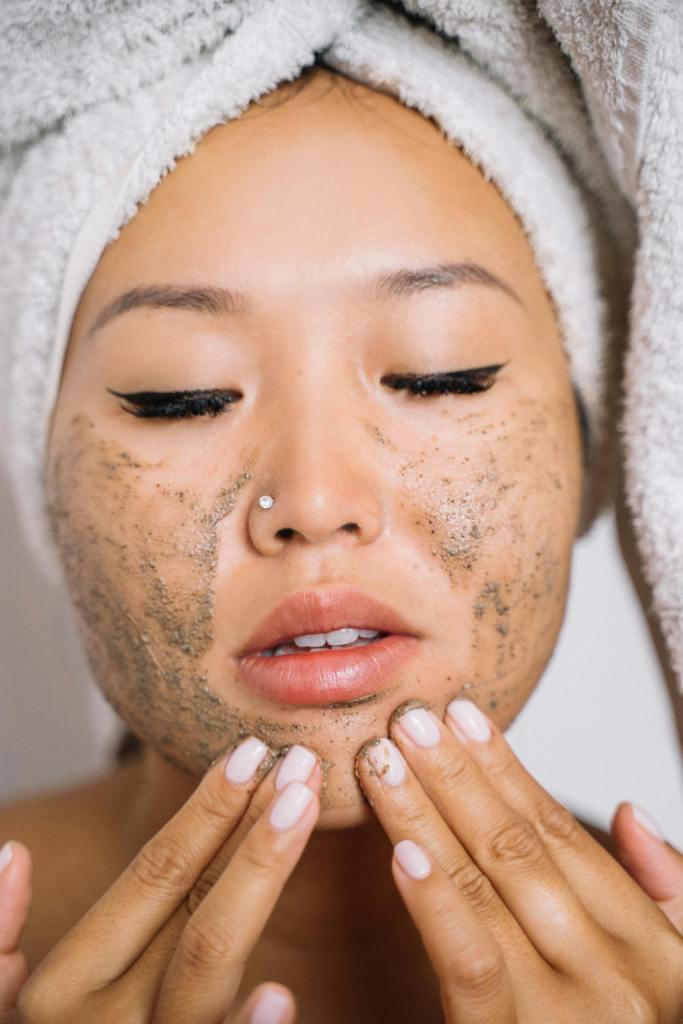
We’ve all been there. You buy that new scrub, you feel the grit, and suddenly you’re scrubbing like you’re trying to erase 10 years of regret off your face. But as a wound and ostomy care nurse in her 40s (aka: someone who’s seen what real skin damage looks like), I’m here to break the tough love news—over-exfoliating is not the flex you think it is. 😬

Let’s talk about what exfoliation does, how too much of it wrecks your skin barrier, and what to do instead—while keeping it fun, real, and gut-skin connected, of course.


🧴 What is Exfoliation, Really?

Exfoliation helps remove dead skin cells, unclog pores, and boost glow. Sounds great, right? It is—in moderation. There are two main types:

  • Physical exfoliation: Scrubs, brushes, loofahs (a.k.a. the sandpaper method)
  • Chemical exfoliation: AHAs, BHAs, and enzymes that dissolve dead skin gently (and yes, that’s science magic)

🚨 Signs You’re Over-Exfoliating

If your skin feels like it’s in witness protection—hiding behind flakiness, redness, and irritation—you may be doing too much. Look for:

  • Tightness, burning, or stinging
  • Red patches or breakouts (yes, over-scrubbing can cause acne)
  • Dryness and peeling
  • Skin that feels waxy or overly shiny
  • Heightened sensitivity to other products

Your skin barrier is like a bouncer at a club—it knows who to let in and who to keep out. Over-exfoliating weakens that bouncer, letting in irritants and kicking out moisture. 🚫💦


🔄 The Gut-Skin Link (Yes, Again!)

Your skin barrier and your gut lining are actually pretty similar—both protect from invaders and need the right balance of bacteria, hydration, and nutrients to thrive. Overdoing it with scrubs is like taking antibiotics daily with zero probiotics: you’re throwing everything off.

If you’re seeing inflammation on your skin, your gut might be inflamed too. Remember, skin is often a messenger of what’s happening inside!


✅ Solutions (Because We Love a Fix!)

1. Respect the Barrier

Use exfoliants only 1-3x a week depending on your skin type. Sensitive or dry skin? Once is plenty. Acne-prone or oily skin? Max three times—with a gentle formula.

2. Switch to Chemical Exfoliants (Gently)

AHAs like glycolic acid or lactic acid work deeper, smoother, and kinder—especially in a serum or toner form.

3. Moisturize Like Your Skin’s Life Depends On It (Because It Kinda Does)

Use barrier-repair moisturizers with ceramides, niacinamide, and hyaluronic acid. Bonus if it’s fragrance-free and doesn’t make your skin hiss at you.

4. Check Your Gut

Eat gut-friendly foods (hello, yogurt, fermented veggies, fiber). Add probiotics or prebiotics if needed. Healthy gut = less inflammation and stronger skin barrier.

5. Simplify Your Routine

Cleanse, treat, moisturize, protect. That’s it. You don’t need a 12-step K-beauty routine to have good skin—you need balance and consistency.


🧪 A Nurse’s Note: Exfoliation + Wound Healing?

You’d be surprised how many minor skin injuries I see from overly enthusiastic exfoliators. Skin with microtears can’t heal well—it’s more prone to infection and delayed recovery. If you have an ostomy or sensitive skin from medical issues, this is extra important.


⚠️ Disclaimer (Because I’m a Nurse, Not Your Nurse 😉)

This blog is for general education and entertainment purposes only. Always consult with your doctor, dermatologist, or wound/ostomy care specialist—especially if you have specific skin conditions, allergies, or sensitive skin.


✨ Final Scrub (er, Thought)

Exfoliation should be like wine—enjoyed in moderation and never on an empty stomach. 😄 Keep your gut happy, your skincare simple, and your exfoliation gentle. Your skin (and your mirror) will thank you.

From Wounds to Wrinkles: What Wound Care Has Taught Me About Skin Aging 👩‍⚕️💉➡️🧴✨

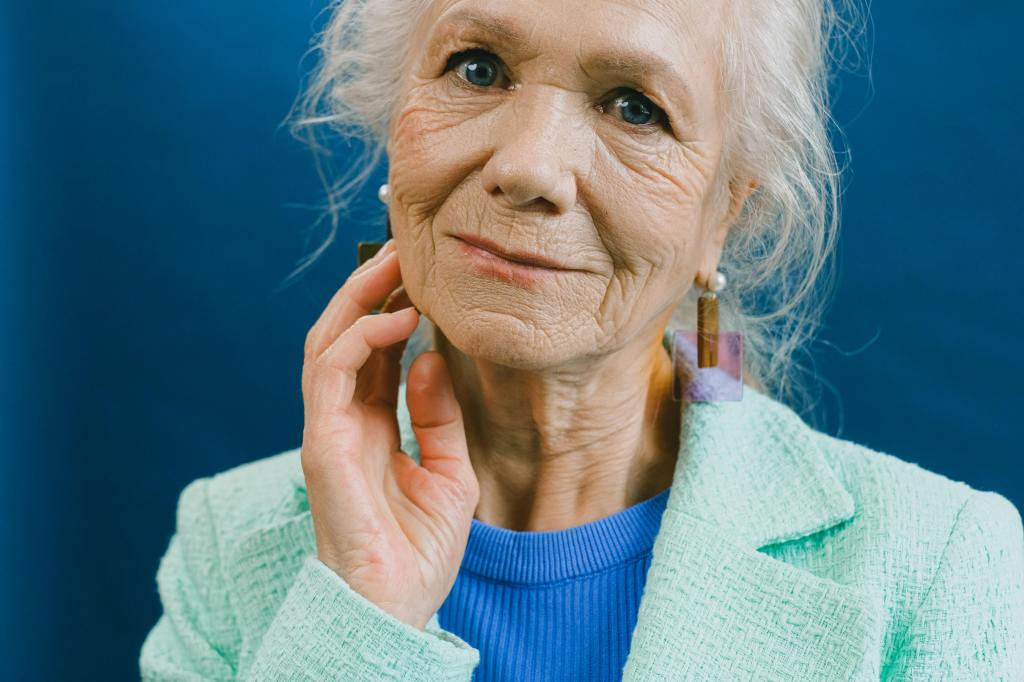
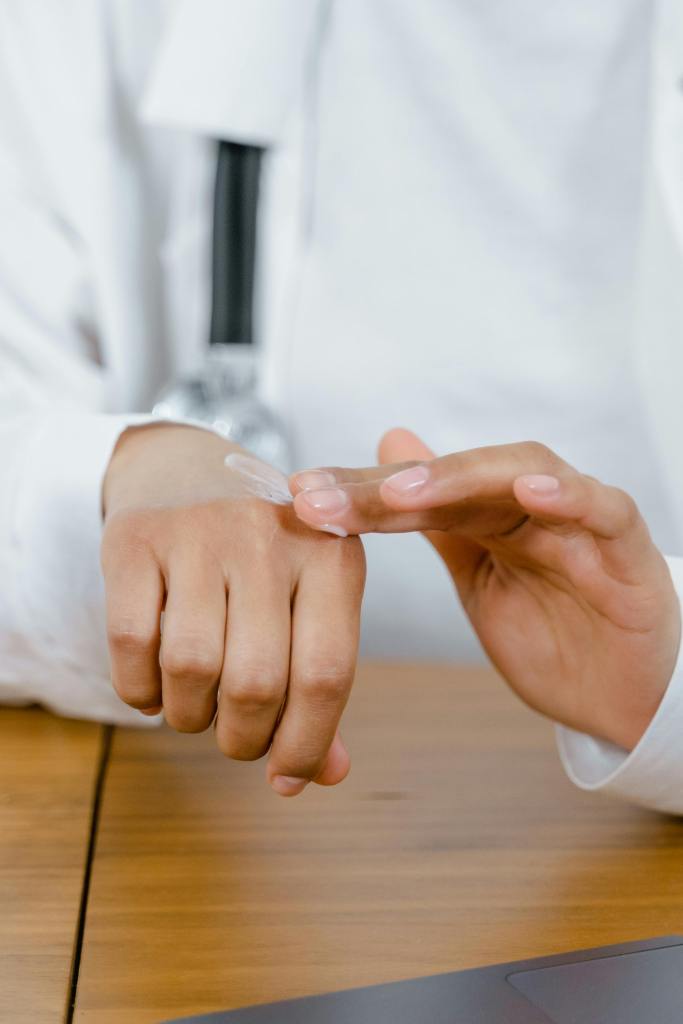
Let’s connect the dots between wound healing and skin aging—because yes, there’s more overlap than you’d think. As a wound and ostomy nurse in my fabulous 40s (with a minor obsession for all things gut, glow, and glutes 😅), I’ve spent years studying how skin heals—and spoiler alert: that knowledge also changed how I see wrinkles, serums, and my morning SPF routine.

So buckle up, skin lovers and gut nerds. We’re diving into why wound care wisdom is basically anti-aging gold.


💡 Wound Healing = Real-Time Skin Science

When I treat a wound, I’m watching the body work overtime to repair and regenerate. The same cells and signals responsible for closing a wound are also involved in keeping your skin plump, firm, and glowing. But here’s the catch: they slow down with age, inflammation, and (yep) poor nutrition.

Wrinkle 101?
It’s basically a tiny wound your skin doesn’t bother to heal anymore. Rude.


Here’s What Wound Care Taught Me About Skin Aging 👇

1. Hydration Is Non-Negotiable 💦

Whether it’s a dry wound bed or a dry T-zone, moisture is magic. Dehydrated skin = delayed healing AND faster aging. Your barrier function suffers, collagen breaks down, and fine lines look like they’ve been zoomed in. Drink water like it’s your job. And yes, that hydrating serum helps too.

2. Inflammation Is the Enemy 🔥

Chronic inflammation slows wound healing and accelerates aging (a process scientists call inflammaging—cute name, not cute on your face). Sugar, processed foods, stress, lack of sleep? All inflammatory triggers. Swap ‘em for berries, leafy greens, turmeric, and sleep. Your wounds AND wrinkles will thank you.

3. Protein = Collagen Fuel 🥚🐟

You can’t rebuild skin without amino acids. Wounds need protein to heal. Skin needs it to stay firm and bouncy. Low protein intake = saggy vibes. Get in your lean meats, beans, tofu, eggs, collagen powders—whatever works for you.

4. Sun Protection is Essential ☀️🧴

Wounds + sun = darker scars. Skin + sun = deeper wrinkles. Every wound nurse has seen what happens when UV hits compromised skin—it ain’t pretty. So trust me when I say: wear the dang sunscreen. Even on cloudy days. Even if you’re “just going to Target.”

5. Healing Takes Time—But Prevention Is Faster ⏳

You don’t wait until a wound is infected to treat it, right? Same goes for skin. Start now. Cleanse gently, moisturize daily, eat for your gut, use antioxidants, stay hydrated, move your body, and manage stress. Prevention is cheaper than Botox 💁‍♀️


The Gut Connection 🥗💩✨

Surprise twist? Your gut is a key player in both wound healing and aging skin. An inflamed, unbalanced gut leads to poor nutrient absorption, chronic inflammation, and—you guessed it—sluggish healing and dull, aging skin.

Nourish your gut with:

  • Probiotics (yogurt, kefir, sauerkraut)
  • Prebiotics (oats, bananas, asparagus)
  • Plenty of fiber + water
  • Low sugar, low junk

Healthy gut = clear skin, happy poops, and fewer frown lines.


Wrapping It Up (Like a Good Dressing 😉)

Working in wound care has taught me to respect the skin—how it repairs, protects, and reflects what’s happening inside your body. Aging skin isn’t the enemy—neglect is. With the right daily habits, you can support your skin the same way we support a healing wound: with patience, nourishment, protection, and love.

You’ve got one skin suit, and you’re wearing it every day. Treat it like the masterpiece it is. 🧖‍♀️💕


⚠️ Disclaimer (Because I’m a Nurse, Not Your Nurse 😉)
This blog is for general education and entertainment purposes only. Always consult with your doctor, dietitian, dermatologist or wound/ostomy care specialist—especially if you have specific conditions, allergies, or a medical device like an ostomy. What works for one person might not work for another (especially if we’re talking ileostomy vs colostomy vs urostomy—big differences, folks!).


💧 Hydration Habits: Why Water Is a Free Anti-Aging Tool

Let’s talk about the real MVP of your skincare routine—plain ol’ water. Not a fancy serum. Not a $150 cream with a name that sounds like a European vacation. Just H₂O—available from your tap, your bottle, or that emotional support water tumbler we all carry around now. (I see you 👀)

As a nurse with 22 years under my belt—and as someone deep in the trenches of wound and ostomy care—trust me when I say: hydration is not optional. It’s the unsung hero behind healthy skin, better digestion, and smoother poops (yep, we’re going there).


🧴 Water = Skin’s Natural Moisturizer

Dry skin isn’t just about what you slather on. If you’re dehydrated, your skin will show it. Think dull, flaky, fine lines that suddenly look less “fine” and more like “deep concerns.”

Hydration helps:

  • Improve skin elasticity
  • Reduce the appearance of wrinkles
  • Keep your skin barrier happy (hello, fewer breakouts and irritation!)

💡Pro Tip: Drinking water won’t erase your crow’s feet overnight—but it will give your skin a fighting chance. Plus, hydrated skin heals better. And if you’ve got a wound (or even just a stubborn zit), healing matters.


💩 Gut Check: Water Keeps Things Moving

Constipated? Crampy? Bloated like a balloon at a toddler’s birthday party?

You might just need more water.

Your digestive system needs hydration to keep food moving, absorb nutrients, and keep your poop from turning into bricks (especially for folks with an ostomy—output consistency is key 🔑).

🌀 Fun nurse fact: Even your colon has feelings—when it’s dehydrated, it holds onto water like it’s prepping for a desert trek. That means slower motility and, you guessed it, poop problems.


💥 Dehydration Looks Like…

  • Headaches
  • Fatigue
  • Dull, saggy skin
  • Funky breath
  • Cranky gut (gas, constipation, sluggish digestion)
  • And yes… more pronounced wrinkles 😬

🥤 Hydration Habits That Actually Work

Let’s keep it simple, nurse-style:

  1. Start your day with water before coffee. Your gut will thank you.
  2. Aim for 8 cups a day—but adjust for activity, climate, and personal needs.
  3. Add fruit or cucumber for flavor if you’re bored (hydration doesn’t have to be bland).
  4. Track it if you’re forgetful. (We all are. Nurses are chronically dehydrated from shift life.)
  5. Eat your water – cucumbers, watermelon, lettuce, and bone broth all count!

🧪 For My Ostomates:

Hydration is CRUCIAL, especially for those with an ileostomy, where water absorption is reduced. Low hydration = thicker output, which increases the risk of pancaking, leaks, and skin issues. Not fun.
💡 Electrolyte balance matters too! Consider low-sugar oral rehydration drinks when needed.


👵 Bonus: Hydration & Aging Gracefully

Water won’t stop time—but it can soften its effects:

  • Hydrated skin = plumper appearance
  • Better digestion = fewer breakouts, more glow
  • Fewer UTIs, better circulation, more energy—what’s not to love?

Basically, water is the Botox of the gut-skin connection… but cheaper and with fewer needles.


⚠️ Disclaimer (Because I’m a Nurse, Not Your Nurse 😉)

This blog is for general education and entertainment purposes only. Always consult with your doctor, dietitian, dermatologist or wound/ostomy care specialist—especially if you have specific conditions, allergies, or a medical device like an ostomy. What works for one person might not work for another (especially if we’re talking ileostomy vs colostomy vs urostomy—big differences, folks!).


Now go refill that water bottle, friend. Your gut, skin, and nurse-brain will thank you. 💦🧠✨


Skincare in Your 40s: A Nurse’s Guide to Glowing Skin and a Happy Gut ✨🧴

Discover a nurse-approved skincare routine for your 40s that heals below the surface. Learn how the gut-skin connection, hydration, and real ingredients can help you glow—inside and out.


Welcome to your 40s—where your smile lines say, “I’ve lived,” and your forehead creases whisper, “I’ve worried (a lot).”

👉 Skincare in your 40s is a whole different ball game.

The good news? It doesn’t have to be complicated—or cost as much as your first car.

Let’s break it down nurse-style: science-backed tips and a gut-skin wellness twist that your face (and your microbiome) will love.


🧼 Step 1: Cleanse Like You Mean It (Without Stripping Your Barrier)

Forget those 15-step influencer routines. In your 40s, it’s time to get serious about protecting your skin’s barrier.
Your oil production has slowed, your skin is thinner, and your wound-healing abilities aren’t what they used to be. That’s why your cleanser matters—a lot.

Look for:

  • pH-balanced formulas
  • Creamy, non-foaming textures
  • Ingredients like glycerin, oat extract, or aloe

If it sounds like something you’d feel safe using near a surgical site, you’re on the right track.

🧠 Bonus tip: Your skin microbiome needs TLC too. A stripped barrier can mess with both your skin and gut health—yes, they’re connected!

🔗 Related read: How a Healthy Gut Can Transform Your Skin and Hair Naturally


🍊 Step 2: Brighten + Protect with Vitamin C

Vitamin C is your daytime BFF. In your 40s, environmental stress starts to leave its mark—pollution, UV exposure, and (ahem) years of cortisol spikes from shift work and parenting.

💥 Enter: L-ascorbic acid (aka the most effective form of Vitamin C).

It:

  • Boosts collagen
  • Brightens dark spots
  • Protects against free radicals
  • Pairs perfectly under sunscreen

✅ Choose a serum with 10–20% concentration, and apply before your moisturizer in the morning.

🌿 If you’re sensitive, try magnesium ascorbyl phosphate instead. It’s gentler on skin that’s been through the trenches.


🌞 Step 3: SPF = Aging Insurance

Look, I love a good anti-aging cream—but sunscreen still reigns supreme. It’s your #1 defense against wrinkles, dark spots, and skin cancer. And yes, even when it’s cloudy. Even if you’re just going to Target.

🔬 As a nurse, I’ve seen firsthand what lack of SPF does to healing and collagen. Trust me—you want to keep that skin protected and supported.

🧴 Use a broad-spectrum SPF 30 or higher, preferably mineral-based if you’re sensitive.

💡 Pro tip: Reapply every 2 hours if you’re outside, even if you’re just sipping iced coffee and reading skin blogs (like this one 😉).

🔗 Related: Sunscreen for Dads Who Think They’re Invincible


💧 Step 4: Hydrate Like It’s Your Job (Because It Kinda Is)

Hydration = glow + gut support + smoother skin

Aging skin tends to be drier, thinner, and more prone to transepidermal water loss. Add in night shifts, coffee habits, or not enough water (you know who you are), and your skin is begging for hydration.

What your 40s skin craves:

  • Hyaluronic acid (draws water in)
  • Ceramides (seals the deal)
  • Peptides (tells your skin to keep repairing)

🥤 And yes, drink that water! Your gut bacteria thrive in hydrated environments—and when your gut is happy, your skin usually glows in gratitude.


🥦 Step 5: Feed Your Face (From the Inside Out)

Want clear, vibrant, bounce-back skin in your 40s? Your gut microbiome needs to be part of your beauty regimen.

What to eat for better skin:

  • 🐟 Omega-3s: Fatty fish, chia seeds
  • 🥬 Leafy greens: Anti-inflammatory + antioxidant-rich
  • 🥣 Bone broth: Collagen and gut-healing amino acids
  • 🥛 Fermented foods: Yogurt, kefir, kimchi = happy gut flora
  • 🧄 Prebiotics: Garlic, onions, bananas (fuel for good bacteria)

🦠 The gut-skin axis is real: poor digestion, leaky gut, or dysbiosis can all show up as acne, rosacea, dullness, or inflammation.

🔗 Related: The Surprising Link Between Rosacea and Your Gut Microbiome


💊 Step 6: Use Smart Actives (One at a Time, Please)

In your 40s, you’ve earned the right to target your skincare concerns—but don’t overdo it. More isn’t better. It’s just… inflamed.

Choose actives based on your needs:

  • Retinol or retinaldehyde: For fine lines, collagen loss
  • Peptides: For firmness and repair
  • Niacinamide: For redness, barrier support, and pigment
  • Glycolic or lactic acid: For texture and tone

👩‍⚕️ Nurse tip: Introduce one active at a time. Start 2x per week, then work up. If your skin feels tight, dry, or angry—it’s time to back off.


🛏 Step 7: Sleep + Stress = Skin Care (Seriously)

Let’s talk cortisol. When stress hormones spike:

  • Collagen breaks down faster
  • Skin becomes more reactive
  • Inflammation increases
  • Digestion slows = gut chaos = skin chaos

😴 Aim for 7–9 hours of sleep.
🧘‍♀️ Add daily decompression rituals: deep breathing, journaling, light stretching, or just watching trash TV without guilt.

🔗 Need help resetting your gut? Check out Anti-Aging from the Gut: https://gutglow.blog/2025/06/14/anti-aging-from-the-gut-what-to-eat-to-reduce-wrinkles-and-hair-loss-naturally-%f0%9f%8c%bf%e2%9c%a8/What to Eat to Reduce Wrinkles and Hair Loss Naturally 


👩‍⚕️ Final Thoughts from Your Favorite Nurse

Aging is a privilege—and so is caring for your skin with intention. You don’t need fancy tools or a drawer full of serums. You just need to:
💛 Understand your body
💧 Feed your gut
🌿 Support your barrier
😴 Sleep more
☀️ Wear SPF
🧠 And trust the process

In your 40s, your skin can still glow—it just needs a little more love and a lot more support.

So hydrate, exfoliate, meditate—and celebrate that beautiful face of yours.

Now go glow, beautifully and biologically. ✨🧠💪