
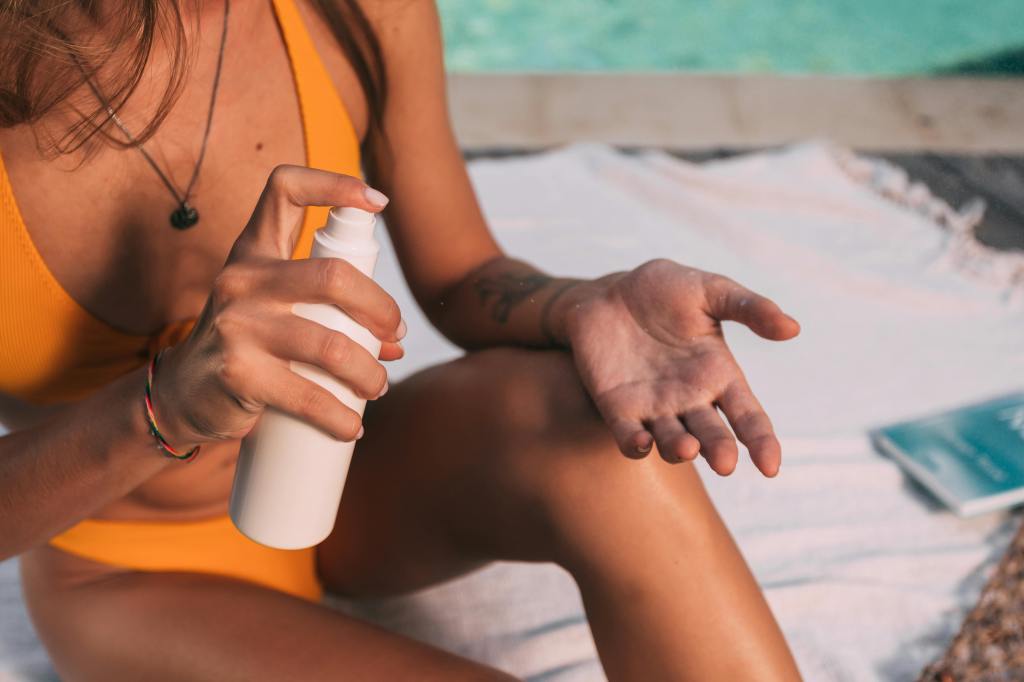
☀️ Sunscreens That Don’t Suck: Nurse-Approved Picks for Real Life

Because your skin deserves more than just a “nice smell” and a sticky feeling.

Let’s be real: sunscreen is non-negotiable if you want to keep wrinkles, dark spots, and skin cancer at bay. But finding a sunscreen that feels good, works well, and doesn’t make you look like a greasy ghost? That’s the real challenge.

As a wound and ostomy nurse in my 40s who’s obsessed with skin, gut health, and all things wellness, I’m here to cut through the sunscreen marketing noise and give you the no-BS lowdown. 💉✨


🧴 What Makes a Sunscreen Actually Good?

First, a quick refresher on the science because I geek out over this stuff:

  • Broad Spectrum: Protects against UVA (aging rays) and UVB (burning rays)
  • SPF 30 or Higher: Blocks ~97% of UVB rays (yes, 30 is the minimum, not 100)
  • Water Resistant: Because sweating, swimming, and life happen
  • Non-comedogenic: Won’t clog pores or cause breakouts
  • Safe Ingredients: Preferably mineral-based (zinc oxide, titanium dioxide) for sensitive or acne-prone skin

😩 Why So Many Sunscreens Suck

  • Too greasy or heavy → makes you shiny not glowy
  • White cast → hello, ghost face!
  • Chemical filters that irritate sensitive or gut-prone skin
  • Smells like a sunscreen factory (who signed off on that?)
  • Breakouts or dryness after use

🏆 Nurse-Approved Sunscreens That Actually Work (And Don’t Suck)

I’ve tested these gems on my own skin, in my nurse life, and with patients who have all skin types and conditions—including sensitive, acne-prone, and mature skin.

1. EltaMD UV Clear Broad-Spectrum SPF 46

  • Lightweight, non-greasy, and calming (hello, niacinamide!)
  • Great for acne-prone and rosacea skin
  • Zinc oxide mineral filter + chemical UV protection

2. CeraVe Hydrating Mineral Sunscreen SPF 30

  • Hydrating and barrier-friendly with ceramides
  • No white cast and perfect for dry or sensitive skin
  • Mineral-based, fragrance-free

3. La Roche-Posay Anthelios Melt-in Milk SPF 100

  • Super high protection for intense sun days
  • Lightweight and absorbs quickly
  • Great for all skin types, especially those with a history of skin cancer or photosensitivity

4. Blue Lizard Australian Sunscreen Sensitive SPF 30+

  • 100% mineral-based (zinc oxide + titanium dioxide)
  • Fragrance and paraben-free
  • Excellent for sensitive and eczema-prone skin

🔍 What To Look For When Buying Sunscreen IRL

  • Read labels for broad spectrum and SPF number
  • Test a small patch to check for irritation or breakouts
  • Consider your skin type and needs—dry? Oily? Sensitive?
  • Check for water resistance if you’re active or swimming
  • Avoid sunscreens with oxybenzone and octinoxate (potential irritants and reef-harming chemicals)

💡 Bonus Tips for Ultimate Sun Protection

  • Reapply every 2 hours (yes, every 2 hours!)
  • Use a hat and sunglasses for extra defense
  • Seek shade between 10 am and 4 pm
  • Wear UPF clothing if you’re outside a lot
  • Don’t forget your lips—apply lip balm with SPF too! 💄

🧠 Nurse’s Note on Gut & Skin Connection

Sunscreen isn’t just about slapping on chemicals—it’s part of your overall skin and gut health strategy. Chronic sun damage leads to inflammation, which affects your skin barrier and can worsen gut-skin conditions like eczema and acne. Keep your gut happy with good nutrition, hydration, and stress management for the best skin defense.


⚠️ Disclaimer (Because I’m a Nurse, Not Your Nurse 😉)

This blog is for general education and entertainment purposes only. Always consult with your doctor, dermatologist, dietitian, or wound/ostomy care nurse—especially if you have skin conditions or allergies.


✨ Final Thought:

Sunscreen doesn’t have to suck. With the right choices and a little nurse wisdom, you can protect your skin without compromise. Your future self (and your skin) will thank you. 🌞💖

Stress and Your Skin: The Ugly Truth and How to Calm the Chaos 😫💥 → 🧘‍♀️✨

If stress had a smell, it would be that burnt popcorn-meets-sweaty-socks aroma after a 12-hour shift. As a nurse in my 40s who’s been in the trenches (shoutout to wound and ostomy care!), I’ve seen what stress can do—not just to our minds, but to our skin, guts, and yes, even our poop 💩.

Let’s be real: you can eat all the kale, chug your chlorophyll, and slather on serums like it’s your job—but if you’re running on stress fumes, your skin will still tell on you. So let’s break it down—what stress really does to your skin, how your gut plays backup singer to the chaos, and most importantly, what to do about it.


😬 The Ugly Truth: What Stress Does to Your Skin

You’re not imagining it—your breakouts do get worse before big events. That mystery rash does flare when your in-laws come to town. Here’s why:

  • Cortisol (the stress hormone) ramps up oil production, which clogs pores and creates the perfect storm for acne.
  • It also triggers inflammation, worsening conditions like eczema, rosacea, psoriasis, and even wound healing.
  • Your skin barrier becomes weaker, so it’s more prone to irritation, dehydration, and flare-ups.
  • Sleep suffers, digestion slows, and your skin ends up looking as exhausted as you feel.

💩 The Gut-Skin-Stress Triangle

Your gut and brain are in constant communication via the gut-brain-skin axis. When you’re stressed:

  • Your gut becomes more leaky (yes, that’s a thing), letting toxins escape into your system—leading to inflammation, breakouts, and dull skin.
  • You may get constipated, bloated, or backed up, which means your body struggles to eliminate waste—and when it can’t get it out, it often shows up on your skin instead.
  • Stress kills off good gut bacteria, leaving bad guys to run the show. This imbalance (a.k.a. dysbiosis) can worsen acne, eczema, and even wrinkles.

Your skin is the mirror. Your gut is the engine. And stress? Stress is the wild raccoon chewing through the wiring.


✅ Solutions: How to Calm the Chaos (Inside and Out)

This isn’t about perfection—this is about giving your nervous system, skin, and gut a break. Here’s what actually helps:


🧘‍♀️ 1. Nervous System Reset

  • Box breathing: Inhale for 4, hold for 4, exhale for 4, hold for 4. Repeat.
  • Walks without your phone (yes, really).
  • Cold water splashes on the face can activate the vagus nerve—reduces anxiety and inflammation.

🥬 2. Feed Your Skin via Your Gut

  • Add fermented foods (sauerkraut, kimchi, kefir) to feed your microbiome.
  • Prioritize prebiotics (onions, garlic, asparagus).
  • Keep digestion moving with hydration + fiber (chia seeds, berries, leafy greens).
  • Don’t underestimate vitamins: Zinc, Vitamin C, and Omega-3s are wound-healing and anti-inflammatory MVPs.
  • Cut back on processed sugar + alcohol during high-stress periods—they’re instant fuel for skin chaos.

🧴 3. Simplify Your Skincare Routine

  • Gentle cleanser (don’t strip your skin—stress already is).
  • Add niacinamide or azelaic acid to calm redness + support barrier function.
  • Never skip moisturizer and SPF—especially during flare-ups.
  • Think of skin care as nervous system care—massage it in, breathe, and be kind to yourself.

💧 4. Hydration Isn’t Optional

Your skin is 64% water. Your poop? About 75%. Dehydration will slow digestion, cause fatigue, and make your skin look like a raisin that’s been through it. Aim for half your body weight in ounces daily, and more if you’re sweating or drinking caffeine.


😴 5. Don’t Underestimate Sleep

You can’t out-supplement poor sleep. Prioritize 7–9 hours per night, and your cortisol levels, gut flora, and skin health will thank you.


💬 Real Talk from a Nurse Who Gets It

I’m not here to tell you to “just relax.” Life is real, stress is real, and sometimes the self-care feels like another job. But taking even one step—a few deep breaths, a glass of water, five minutes of silence in your car—can shift your biology. You’re not broken. Your body’s just overwhelmed. Help it help you. ❤️


⚠️ Disclaimer (Because I’m a Nurse, Not Your Nurse 😉)

This blog is for general education and entertainment purposes only. Always consult with your doctor, dietitian, dermatologist, or wound/ostomy care specialist—especially if you have specific conditions, allergies, or ongoing issues.


🔄 Recap: When Stress Hits, Try This…

✅ Breathe (box breathing = magic)
✅ Eat fiber + fermented foods
✅ Hydrate like it’s your job
✅ Go gentle on your skin
✅ Sleep like your face depends on it (it does)


Topical vs Internal: How Gut Health Shows Up on Your Face

Because no amount of $98 serum can outdo a constipated colon.


Let’s be real: your skin is a tattletale. It spills the tea on your sleep, stress, hormones, and yes—your gut health. So if you’re slathering on all the serums but still waking up with breakouts, dullness, or that charming mid-40s inflammation glow, it might be time to stop blaming your skincare and start asking your digestion what’s up.

As a nurse with 22 years of experience (and as someone who’s obsessed with both poop and peptides), I’m here to walk you through the ultimate skin showdown: Topical vs Internal.


🧴 Round 1: Topical Treatments (a.k.a. The Skincare Cabinet MVPs)

There’s a reason the beauty industry is worth billions—we love a cream with a promise. And some of them do work:

  • Retinoids boost collagen and smooth fine lines
  • Vitamin C brightens and defends
  • Peptides help firm skin
  • SPF (bless it) protects from further damage

Topical products treat the surface symptoms—and they matter. But if you’re trying to cover up what your gut is crying about, it’s like putting concealer on a bruise without treating the injury underneath.

🩺 Nurse truth bomb: If your gut is inflamed, your skin will stay cranky—no matter how fancy your serum is.


🥦 Round 2: Internal Health (a.k.a. The Gut-Skin Pipeline)

Your gut and skin are basically in a long-distance relationship with major chemistry. What happens in your intestines shows up on your cheeks, chin, and even your forehead. Here’s how:

  • Leaky gut = inflamed skin (hello, redness, rosacea, and breakouts)
  • Poor digestion = poor nutrient absorption = lackluster skin
  • Constipation = toxin buildup = skin tries to detox = acne or dullness
  • Gut dysbiosis (imbalance) = systemic inflammation = aging skin + flare-ups

If your skin’s acting up and you’ve tried everything topical? It’s time to talk poop. (This is my happy place.)


👩‍⚕️ Common Skin Clues Your Gut Is Mad at You:

  • Chin acne? Often linked to hormonal imbalances + poor elimination
  • Red, bumpy cheeks? Could be food sensitivities or gut inflammation
  • Dull, dry skin? Are you even absorbing your nutrients?
  • Eczema flares? Check for gut dysbiosis or leaky gut triggers

✨ The Best Skin Routine? Inside + Out

Here’s your glow-up protocol, nurse-approved and gut-friendly:

Topical Heroes

  • Gentle cleanser (ditch the 10-step routine)
  • Vitamin C (AM)
  • Retinol (PM, 2–3x/week)
  • SPF 50 (every. single. day.)
  • Moisturizer with peptides and ceramides

Internal Game-Changers

  • Probiotics: balance your gut flora
  • Prebiotics: feed the good bacteria (think asparagus, garlic, onions)
  • Fiber: aim for 25–35g daily—your bowels and skin will thank you
  • Magnesium: helps with motility and stress (which both impact your face)
  • Collagen + Vitamin C: support healing from the inside out
  • Hydration: water, herbal teas, broths—get those cells plump and happy

💩 Bonus Tip: If you haven’t pooped today, don’t expect your glow to show up either.


🧖‍♀️ From My Nurse Brain to Your Face

After two decades in healthcare and four decades in this face, I can confidently say this: you need both. The internal and the external. The broccoli and the balm. The poop talk and the peptide cream.

You can’t fake a glow that comes from the inside—but when your gut and your skincare routine hold hands? That’s when the magic happens.