
🕵️‍♀️ Wrinkle Prevention Secrets: More Than Just Creams and Botox

Let’s get real: no one wants their face to look like a well-used map before its time. But preventing wrinkles isn’t just about slathering on expensive creams or booking Botox appointments (although those can help!). As a wound and ostomy care nurse in my 40s who’s obsessed with skin, gut health, and overall wellness, I’m here to spill the tea ☕ on real wrinkle prevention. Spoiler alert: it’s a whole-body game.


🧴 Why Wrinkles Happen (And Why It’s Not Just About Age)

Wrinkles come from a mix of genetics, sun exposure, lifestyle choices, and—believe it or not—your gut health. Yep, that’s right. Chronic inflammation and poor gut function can sabotage collagen production and accelerate skin aging. Plus, stress? It’s a wrinkle factory. 😱


💡 Nurse-Approved Wrinkle Prevention Tips That Actually Work

1. Sun Protection Is Your #1 Anti-Aging Weapon

You cannot out-cream sun damage. Broad spectrum sunscreen (SPF 30+) daily, even on cloudy days, is non-negotiable. Hats, sunglasses, and seeking shade are your friends. Think of it as wrinkle prevention insurance! ☂️

2. Feed Your Skin (And Gut) From the Inside Out

Your skin cells need nutrients, and your gut has to absorb them! Eat plenty of antioxidants (berries, leafy greens), omega-3 fatty acids (salmon, walnuts), and collagen-boosting foods (bone broth, vitamin C-rich fruits). Avoid processed junk that inflames your gut—and your face. 🍓🥦🐟

3. Hydrate, But Don’t Rely on Water Alone

Water is essential, but skin hydration depends on your skin barrier too. Use moisturizers with ceramides and hyaluronic acid, and support gut health to optimize hydration system-wide. 💧

4. Manage Stress Like a Pro

Chronic stress increases cortisol, which breaks down collagen and elastin. Try meditation, yoga, or even just deep breathing. Your skin and gut will thank you. 🧘‍♀️

5. Get Moving

Exercise boosts circulation, delivering oxygen and nutrients to your skin cells while reducing inflammation. Plus, it helps regulate digestion—another win for wrinkle prevention. 🏃‍♀️

6. Sleep Like Your Skin Depends On It (Because It Does)

Growth hormone released during deep sleep helps repair and regenerate skin. Aim for 7–9 hours of quality sleep nightly. Bonus: less under-eye puffiness! 😴

7. Be Gentle With Your Skin

Avoid harsh scrubs or overwashing, which strip natural oils and weaken the barrier. Use gentle cleansers, and never skip sunscreen.


🔬 The Gut-Skin Connection: Your Secret Weapon

Chronic gut inflammation leads to systemic inflammation, which accelerates skin aging and wrinkles. Probiotics, prebiotics, and a fiber-rich diet help maintain a healthy gut microbiome—supporting youthful skin from the inside out.


⚠️ Disclaimer (Because I’m a Nurse, Not Your Nurse 😉)

This blog is for general education and entertainment purposes only. Always consult your doctor, dietitian, dermatologist, or wound/ostomy care nurse before making major lifestyle changes or starting new treatments.


✨ Final Thoughts:

Wrinkle prevention is a whole-body, lifestyle endeavor. It’s about nourishing your gut, protecting your skin, managing stress, and honoring your body’s natural rhythms. When you treat your skin like the living organ it is, your glow will last far beyond any cream’s shelf life.

Here’s to aging gracefully and glowing fiercely! 🌟💪
The Healing Plate: Anti-Inflammatory Foods I Swear By 🥦🍇✨

Hey friends! Nurse here — with 22 years of experience, a passion for skin, gut, and all things wellness, and yes, a serious love for food that heals. As an ostomy and wound care nurse in my fabulous 40s, I’ve learned that what you put on your plate can make a massive difference—not just for your gut, but for your skin too. Because guess what? Your gut and skin are BFFs, and inflammation is the party crasher nobody invited.

So let’s talk anti-inflammatory foods that I swear by. These are not just trendy buzzwords—these foods really work to calm your body, help your wounds heal, and keep your skin glowing like you just stepped out of a spa. Ready? Let’s dive in! 🥑

Why Anti-Inflammatory Foods Matter for Gut & Skin Health

Inflammation is your body’s natural response to injury or infection. But when inflammation sticks around too long, it can wreak havoc on your digestive system and skin. That means more bloating, breakouts, wrinkles, and slower wound healing (and nobody wants grandma’s elbow look on their face, right?).

Eating foods that fight inflammation helps:

  • Support your gut lining and microbiome 🦠
  • Boost collagen production for smooth, plump skin 💧
  • Speed up wound healing ⏳
  • Reduce redness, puffiness, and wrinkles 🧴

My Top Anti-Inflammatory Foods That Make the Cut

1. Fatty Fish 🐟

Think salmon, mackerel, sardines. Loaded with omega-3 fatty acids, these fish are inflammation’s worst enemy and your skin’s best friend.

2. Berries 🍓

Blueberries, strawberries, raspberries — antioxidants galore. They fight free radicals that age your skin and irritate your gut.

3. Leafy Greens 🥬

Spinach, kale, collards. Packed with vitamins A, C, and K plus fiber to keep your digestion smooth and skin radiant.

4. Nuts & Seeds 🌰

Almonds, walnuts, chia, flaxseeds — full of healthy fats and fiber that nourish your gut and support skin elasticity.

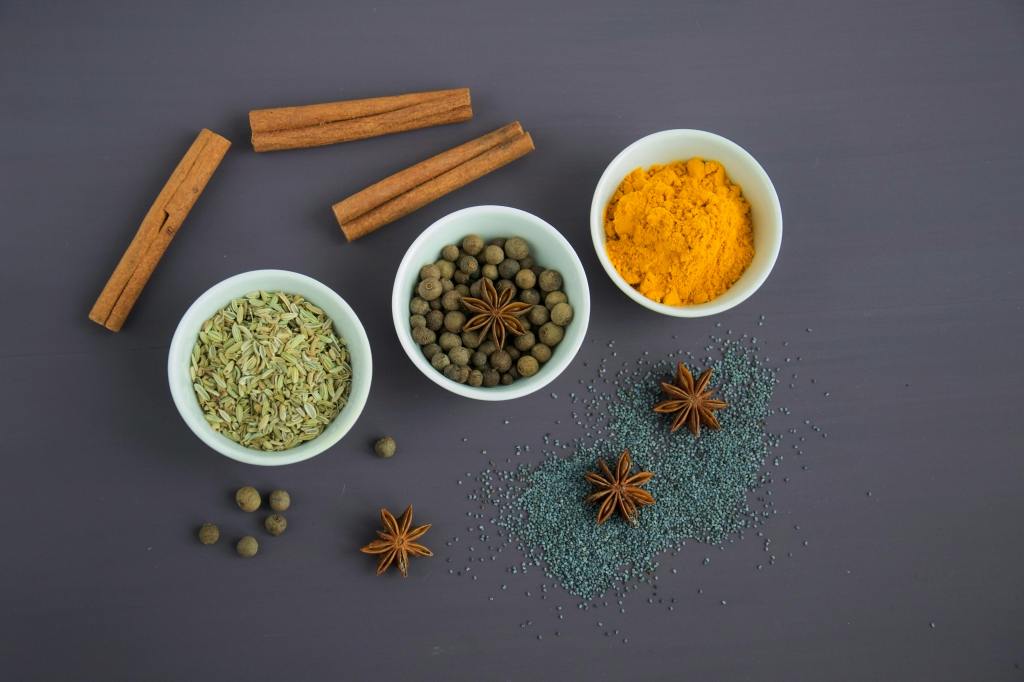
5. Turmeric & Ginger 🌿

These spicy roots are like nature’s anti-inflammatory superheroes. Bonus: turmeric adds a beautiful golden glow to your meals (and your skin)!

6. Olive Oil 🫒

A Mediterranean staple that keeps inflammation down and your skin supple and moisturized.

7. Green Tea 🍵

Sip your way to calmness and antioxidants that protect skin cells and soothe your digestive tract.

Foods to Take It Easy On 🚫

  • Sugar (the sneaky wrinkle and gut bloat culprit)
  • Processed snacks and fast food
  • Excess alcohol
  • Refined carbs

Bonus Tips for Gut & Skin Love 💕

  • Stay hydrated like your skin depends on it (because it does!) 💦
  • Move your body daily — exercise helps reduce inflammation and keeps your circulation up
  • Prioritize sleep — healing happens when you’re catching those Zzzs 😴

⚠️ Disclaimer (Because I’m a Nurse, Not Your Nurse 😉)
This blog is for general education and entertainment purposes only. Always consult with your doctor, dietitian, dermatologist, or wound/ostomy care specialist—especially if you have specific conditions, allergies, or medical devices like an ostomy. What works for one person might not work for another (especially when it comes to ileostomy vs colostomy vs urostomy—big differences, folks!).


Feed your gut, nourish your skin, and rock that healing glow from the inside out! Got a favorite anti-inflammatory food I missed? Drop it in the comments—I’m always hungry for knowledge! 🥗✨


✨🚑 Because Your Skin Deserves More Than a Reel and a Prayer

Retinol can transform skin, but only if your gut and barrier are supported. Nurse-approved tips for glowing, healthy, irritation-free skin.

🧠 Ever panic-bought a $90 retinol serum because a 22-year-old influencer promised “magic”?

You’re not alone. 🙋‍♀️ But as a nurse in my 40s with 22 years of experience, obsessed with skin, gut health, poop, and wound healing, I’m here to tell you: retinol is powerful—but it’s not a magic wand. Misused, it can backfire like bad cafeteria chili 🌶️💨.

Let’s break down the real tea on retinol, nurse-style, with solutions that actually help your skin without burning it off.


🧴 What Is Retinol?

Retinol is a vitamin A derivative that helps your skin:

  • Turn over faster (bye dead skin)
  • Boost collagen production
  • Reduce fine lines, acne, dark spots, and uneven texture

It’s clinically studied and highly effective—but the fine print rarely makes Instagram: skin barrier health, gut connections, and why your face may feel like sandpaper.


🔬 Science Made Simple: How Retinol & Gut Health Connect

Retinol works best when your skin and gut are supported. Here’s why:

  1. Skin Barrier Matters
    • Damaged barrier = more irritation. Think of it like waxing a car that’s already on fire.
  2. Gut Health Influences Vitamin A Metabolism
    • Inflammation, nutrient depletion, or irregular digestion can impact vitamin A absorption, showing up as purging, breakouts, or dullness.
    • Studies show gut dysbiosis can influence skin inflammation and barrier repair (Harvard Health, 2024).
  3. Cell Turnover Needs Support
    • Retinol accelerates cell turnover. Without hydration, nutrients, and barrier care, your skin can break down—similar to wounds that heal poorly under stress or poor nutrition.

🩹 Nurse’s Insights: Why Retinol Isn’t One-Size-Fits-All

Compromised Skin Barrier? Red, flaky, burning skin + retinol = disaster.

Gut Issues? IBS, inflammation, or poor nutrition = less effective vitamin A metabolism.

Strength & Frequency Matter: More isn’t better. Starting high-strength retinol on sensitive skin is like running a marathon in stilettos.


👩‍⚕️ What Nurses Know That Influencers Don’t

  1. Retinol is medicine.
    • Start low: 0.25% 1–2 nights/week. Your skin isn’t lazy—it’s protective.
  2. Barrier is your frontline.
    • Red, flaky, or burning? Pause, hydrate, repair.
  3. Healthy skin starts from the inside.
    • Gut health, bile production, liver function, and diet impact vitamin A metabolism.
  4. Think like wound care.
    • Support your skin with hydration, nutrients, and barrier protection to prevent breakdown.

🧠 Gut + Skin: The Retinol Recovery Team

💩 Poop Check-In

  • Daily? Great.
  • Irregular? Toxins recirculating = slower healing and detox.

🥬 Feed Your Gut

  • Probiotics: yogurt, kefir, sauerkraut
  • Prebiotics: garlic, onions, asparagus
  • Anti-inflammatory foods: berries, turmeric, leafy greens

💧 Hydrate

  • Flush toxins, support barrier, reduce flaking.

💊 Supportive Nutrients

  • Vitamin C → collagen + antioxidant defense
  • Zinc → inflammation control + healing
  • Omega-3s → barrier health + reduce dryness

🔄 Nurse-Approved Retinol Routine

Week 1–4

  • Use 0.25–0.3% retinol, 1–2 nights/week
  • Apply over moisturizer (“retinol sandwich”)
  • Avoid AHAs, BHAs, and vitamin C same night
  • SPF every morning

If irritation occurs:

  • STOP retinol
  • Use hydrating barrier creams (ceramides, niacinamide, squalane)
  • Let skin recover before reintroducing

🗣️ Real Talk: Retinol Isn’t a Quick Fix

Retinol can transform your skin—but if your gut is off, stress is high, and barrier is compromised, it won’t work the way you want. That’s feedback, not failure.

Listen to your body. Nourish your insides. Respect the healing timeline. Great skin is a team effort, not a TikTok trend. 🌟


🔗 Related Blog Posts

💖 Pin this post and share the glow!


⚠️ Disclaimer

This blog is for educational purposes only. Consult your doctor, dermatologist, or wound/ostomy specialist before changing skincare, diet, or supplements.
✨💉💩💧💊🌿

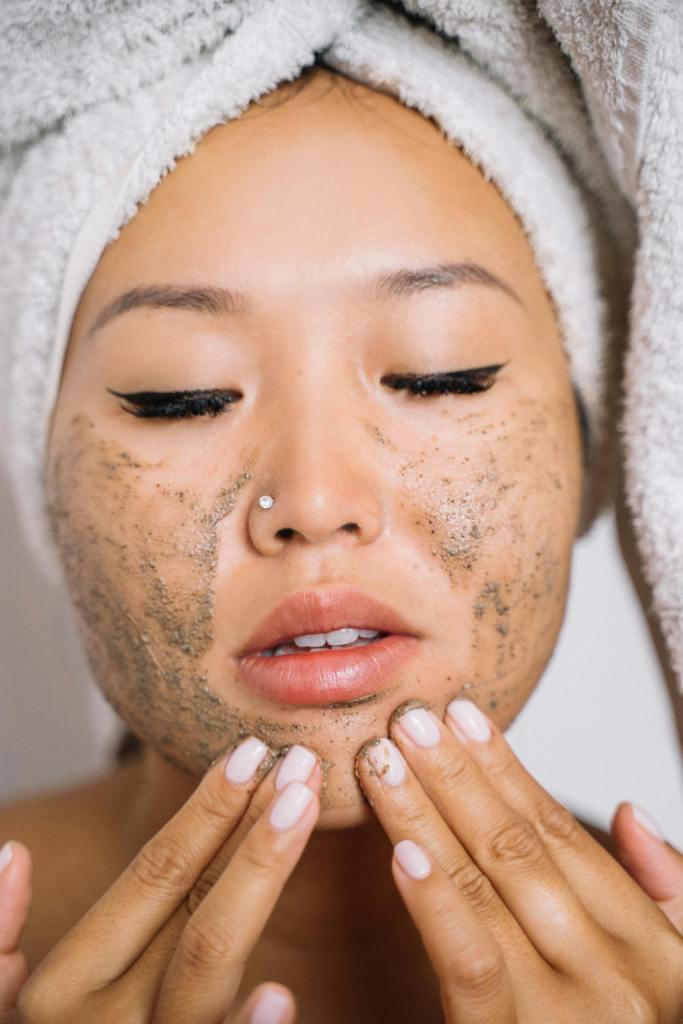
🧽 Exfoliation Overload: How Too Much Scrubbing Wrecks Your Skin

We’ve all been there. You buy that new scrub, you feel the grit, and suddenly you’re scrubbing like you’re trying to erase 10 years of regret off your face. But as a wound and ostomy care nurse in her 40s (aka: someone who’s seen what real skin damage looks like), I’m here to break the tough love news—over-exfoliating is not the flex you think it is. 😬

Let’s talk about what exfoliation does, how too much of it wrecks your skin barrier, and what to do instead—while keeping it fun, real, and gut-skin connected, of course.


🧴 What is Exfoliation, Really?

Exfoliation helps remove dead skin cells, unclog pores, and boost glow. Sounds great, right? It is—in moderation. There are two main types:

  • Physical exfoliation: Scrubs, brushes, loofahs (a.k.a. the sandpaper method)
  • Chemical exfoliation: AHAs, BHAs, and enzymes that dissolve dead skin gently (and yes, that’s science magic)

🚨 Signs You’re Over-Exfoliating

If your skin feels like it’s in witness protection—hiding behind flakiness, redness, and irritation—you may be doing too much. Look for:

  • Tightness, burning, or stinging
  • Red patches or breakouts (yes, over-scrubbing can cause acne)
  • Dryness and peeling
  • Skin that feels waxy or overly shiny
  • Heightened sensitivity to other products

Your skin barrier is like a bouncer at a club—it knows who to let in and who to keep out. Over-exfoliating weakens that bouncer, letting in irritants and kicking out moisture. 🚫💦


🔄 The Gut-Skin Link (Yes, Again!)

Your skin barrier and your gut lining are actually pretty similar—both protect from invaders and need the right balance of bacteria, hydration, and nutrients to thrive. Overdoing it with scrubs is like taking antibiotics daily with zero probiotics: you’re throwing everything off.

If you’re seeing inflammation on your skin, your gut might be inflamed too. Remember, skin is often a messenger of what’s happening inside!


✅ Solutions (Because We Love a Fix!)

1. Respect the Barrier

Use exfoliants only 1-3x a week depending on your skin type. Sensitive or dry skin? Once is plenty. Acne-prone or oily skin? Max three times—with a gentle formula.

2. Switch to Chemical Exfoliants (Gently)

AHAs like glycolic acid or lactic acid work deeper, smoother, and kinder—especially in a serum or toner form.

3. Moisturize Like Your Skin’s Life Depends On It (Because It Kinda Does)

Use barrier-repair moisturizers with ceramides, niacinamide, and hyaluronic acid. Bonus if it’s fragrance-free and doesn’t make your skin hiss at you.

4. Check Your Gut

Eat gut-friendly foods (hello, yogurt, fermented veggies, fiber). Add probiotics or prebiotics if needed. Healthy gut = less inflammation and stronger skin barrier.

5. Simplify Your Routine

Cleanse, treat, moisturize, protect. That’s it. You don’t need a 12-step K-beauty routine to have good skin—you need balance and consistency.


🧪 A Nurse’s Note: Exfoliation + Wound Healing?

You’d be surprised how many minor skin injuries I see from overly enthusiastic exfoliators. Skin with microtears can’t heal well—it’s more prone to infection and delayed recovery. If you have an ostomy or sensitive skin from medical issues, this is extra important.


⚠️ Disclaimer (Because I’m a Nurse, Not Your Nurse 😉)

This blog is for general education and entertainment purposes only. Always consult with your doctor, dermatologist, or wound/ostomy care specialist—especially if you have specific skin conditions, allergies, or sensitive skin.


✨ Final Scrub (er, Thought)

Exfoliation should be like wine—enjoyed in moderation and never on an empty stomach. 😄 Keep your gut happy, your skincare simple, and your exfoliation gentle. Your skin (and your mirror) will thank you.


Skin Breakdown: What Your Grandma’s Elbow Can Teach You About Prevention

Let’s be honest: If you’ve ever helped your grandma out of bed and caught sight of that papery, fragile elbow skin, you’ve probably had one of two reactions:

  1. Mild horror.
  2. A nurse’s instinct to grab a moisture barrier cream immediately.

As a wound and ostomy care nurse in my 40s (with a healthy obsession for skin, gut, and wellness), I’ve seen more skin breakdown than a dermatologist at a rock festival. And I’m here to say: we can do better for our skin—at any age. Especially if we start before it’s translucent and tearing at the thought of a bedsheet.


What Is Skin Breakdown Anyway?

Skin breakdown is like that guest who shows up uninvited and never leaves. It’s what happens when the skin’s integrity is compromised due to pressure, friction, moisture, or just plain ol’ neglect. It starts with a little redness or dryness and can turn into an ulcer or open wound faster than you can say, “Where’s the barrier cream?”


So, What Can Grandma’s Elbow Teach Us?

Glad you asked. Here’s the skin-saving wisdom hidden in that wrinkly elbow:


1. Hydration Is Not Optional

Dehydrated skin = fragile skin. The older we get, the more our skin begs for water. Not just slathered on, but gulped down too. Grandma’s elbow? Probably as dry as her Thanksgiving turkey.

Prevention tip:
Drink water. Then drink some more. Add hydrating foods like cucumber, watermelon, and leafy greens. Top it off with a good humectant-based moisturizer (bonus if it has ceramides!).


2. Friction + Pressure = The Silent Skin Killers

That elbow didn’t break down because she ran a marathon. It happened because skin + bone + hard surface = trouble. Whether it’s a tailbone, heel, or sacrum—pressure and friction are public enemy #1 and #2 for aging skin.

Nurse tip:
Use pillows, foam pads, and positional changes. If you’re sitting for long periods (looking at you, charting nurses), shift often and moisturize areas that take the brunt of your day.


3. Nutrition Isn’t Just About Weight—It’s About Healing

Wounds don’t heal without the right nutrients. Grandma’s skin breakdown could be worsened by low protein, poor vitamin intake (hello zinc, C, and A), or gut issues that interfere with absorption. Yes, even your gut bugs are on team “Skin Health.”

Your checklist:
Protein at every meal, a colorful plate, and maybe a probiotic. Think of your gut as your skin’s backstage crew—if they’re not on point, the show won’t go on.


4. Barrier Creams Aren’t Just for Babies and Backsides

Moisture-associated skin damage (MASD) is real—and it’s not just a nursing home problem. Sweat, urine, or even too much hand-washing can strip the skin faster than a bad toner.

Wound nurse pro move:
Keep a good barrier cream on hand (zinc oxide-based is my go-to), especially in high-risk areas like groin folds, under breasts, and (yes) elbows.


5. Touch Your Skin—And Actually Look At It

Skin breakdown doesn’t usually scream for help until it’s already in trouble. A daily once-over—especially on aging skin—is worth its weight in gold.

Think like a nurse:
Redness? Heat? Tenderness? All warning signs. Catch it early and you save time, money, and future tears (literally and emotionally).


Bonus: The Gut-Skin Connection

Here’s where I really geek out: your gut health matters. A lot. Inflammation in your gut can show up in your skin as slower healing, more irritation, and (you guessed it) higher risk for skin breakdown.

TL;DR:
Feed your skin from within: fermented foods, anti-inflammatory meals, and a gut-friendly lifestyle can help keep your barrier strong from the inside out.


Wrapping It Up (Not Like a Mummy, Please)

Whether you’re in your 40s like me or lovingly tending to grandma’s skin, prevention is the best medicine. And while we joke about elbows and barrier cream, the truth is—skin care at every age is healthcare.

So hydrate, nourish, move, moisturize, and be proactive. Because whether it’s your grandma’s elbow or your own, you deserve skin that holds up—not breaks down.


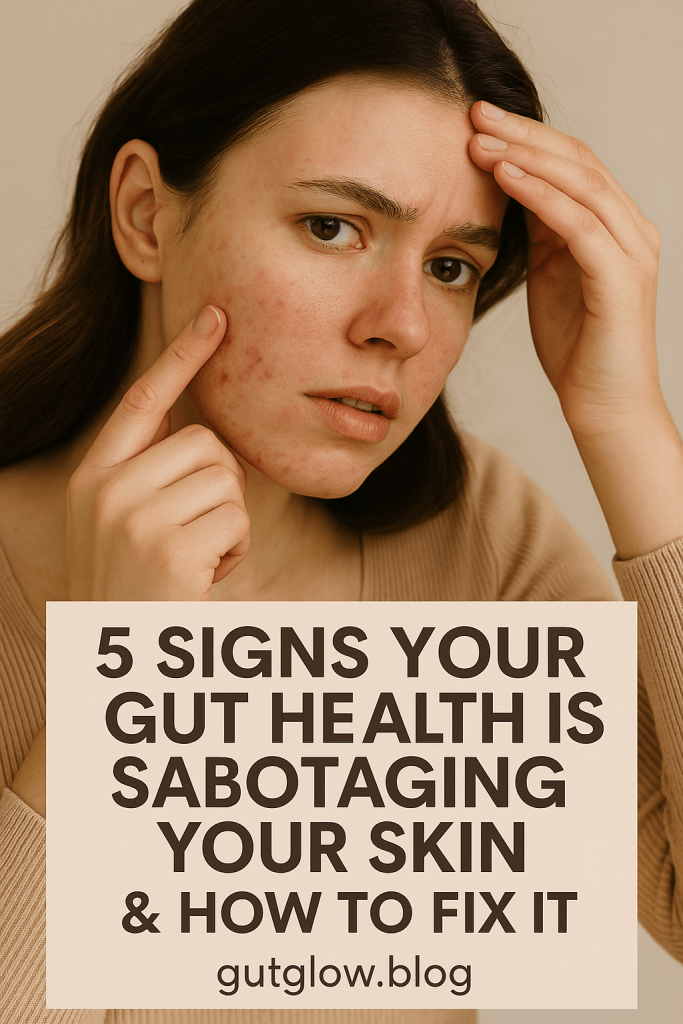
5 Signs Your Gut Health Is Sabotaging Your Skin (And How to Fix It) 🦠💁‍♀️


Wondering why your skin won’t cooperate? Your gut might be the culprit! Discover 5 signs your gut health is affecting your skin and learn nurse-approved tips to restore your glow.


Let’s be honest—when your skin is acting up, the first thought is usually “new serum, please!” But the truth? Your gut might be the real villain behind acne, dryness, redness, and dullness. 🦠💔

Recent research highlights the gut-skin axis, a communication superhighway where your gut microbes influence inflammation, nutrient absorption, and even hormone balance—all of which show up on your skin (Bowe & Logan, 2011, Journal of Drugs in Dermatology).

Below, I’ve broken down the top 5 signs your gut might be sabotaging your skin—plus actionable tips to get both your belly and face back on track.


1. Acne With a Mind of Its Own

Random breakouts? Your gut microbiome could be fueling inflammation that shows up as stubborn acne.

🧪 Nurse Tip:
Add probiotic-rich foods like Greek yogurt, kefir, or fermented veggies. Supplement with a high-quality probiotic if needed. Your skin—and your microbiome—will thank you.


2. Sahara-Level Dryness

Dry, flaky skin isn’t just weather. Poor gut health can reduce nutrient absorption, especially essential fatty acids and vitamin E, both critical for skin hydration.

💧 Try This:

  • Bone broth
  • Chia seeds
  • Leafy greens
  • Water, water, water

Glow tip: hydration starts inside.


3. Redness & Inflammation

Eczema, rosacea, or random redness? A compromised gut lining (“leaky gut”) may trigger systemic inflammation.

🚨 Calm It Down:
Include anti-inflammatory foods like turmeric, ginger, and omega-3-rich fish. Consistency is key—think daily, not just “sometimes.”


4. Post-Meal Skin Drama

Bloating today, breakouts tomorrow? That’s your gut-skin axis signaling distress. Poor digestion can allow toxins to linger and show up as acne or dullness.

🌀 Digestive Fix:

  • Fiber-rich meals
  • Smaller, slower meals
  • Digestive bitters
  • Chew like your life depends on it 😆

5. Dullness, Dark Circles & Uneven Tone

Your skin’s “I’m starving” face is often caused by nutrient malabsorption. Iron, B vitamins, and zinc are critical for glowing, even skin.

💊 Glow-Up Tips:

  • High-quality probiotic
  • B-complex vitamin
  • Nutrient-rich diet: leafy greens, nuts, seeds
  • Consult a nutritionist if needed

Your skin is a mirror of internal health, and your gut is the backstage manager. Feed it right, hydrate, and embrace fiber-rich, nutrient-dense meals—and your skin will reflect it.

💬 Let’s Chat! Have you noticed your gut affecting your skin? Share your glow-up story in the comments below.

⚠️ Disclaimer (Because I’m a Nurse, Not Your Nurse 😉)
This blog is for educational and entertainment purposes only. Always consult a healthcare professional for personalized advice.


Keep scrolling for the full scoop!