🧠 Is Your Gut Secretly Whispering Pain Signals?
Discover how gut health impacts fibromyalgia pain and fatigue. Learn research-backed tips to balance your microbiome for less pain and more energy.
You’ve tried everything — better sleep, gentle movement, supplements, meds — and yet fatigue and pain still crash your plans like uninvited guests. 😩
What if your gut is sending signals your body can’t ignore?
Emerging research suggests your microbiome — the trillions of bacteria living in your gut — may be quietly stoking the fires of fibromyalgia’s pain and exhaustion.
Let’s dig into the science, the symptoms, and what you can actually do (without buying $100 miracle powders 💸).
🔬 The Gut-Pain Connection (Without the Woo-Woo)
🧩 What Science Knows So Far About Fibromyalgia & Gut Health
Recent studies have uncovered some fascinating links between the gut and fibromyalgia:
- 🧫 A 2019 study in PAIN Journal found that women with fibromyalgia had distinct gut microbiome changes compared to healthy controls — especially fewer beneficial bacteria like Faecalibacterium prausnitzii and Bacteroides uniformis.
- 🐭 In a follow-up animal study, when gut microbes from fibromyalgia patients were transferred into healthy mice, the mice developed pain sensitivity similar to fibromyalgia. 😮
- 🧬 A 2023 Frontiers in Microbiology review found that certain microbial imbalances may be causally linked to fibromyalgia symptoms through inflammation and neurotransmitter changes.
- 🧘♀️ Researchers writing in Neuron (2025) described the microbiome as an “active player” in fibromyalgia pain — not just an innocent bystander.
Bottom line: The gut isn’t just about digestion — it’s part of your pain story.
🔁 How the Gut and Pain Pathways Communicate
So how does your gut end up gossiping with your nerves? Here’s what researchers think is happening:
- 🔥 Chronic Inflammation & Leaky Gut
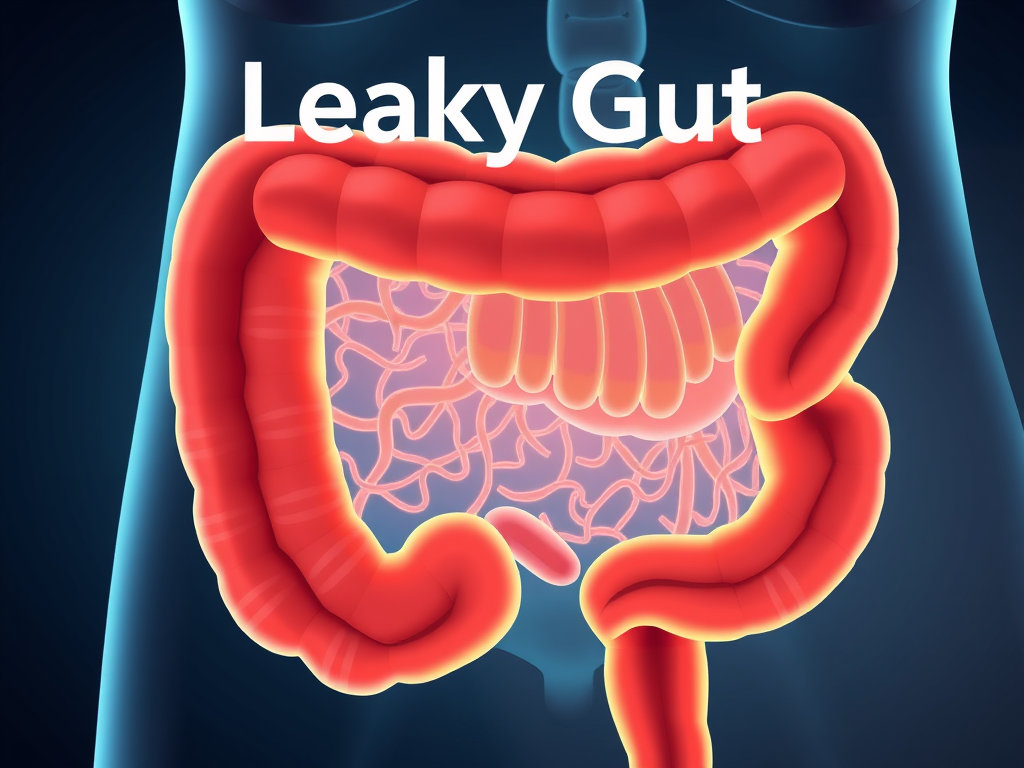
When gut bacteria are out of balance (dysbiosis), the gut lining can become “leaky.” This allows inflammatory molecules to enter your bloodstream, sensitizing your nerves and worsening pain. - 💨 Loss of Short-Chain Fatty Acids (SCFAs)
Beneficial bacteria produce SCFAs like butyrate that keep your gut barrier strong and inflammation low. Less butyrate = more pain and fatigue potential. - 🧠 Nerve Communication via the Vagus
The gut and brain chat constantly through the vagus nerve. When your gut microbes shift, it can alter how pain signals are sent and perceived. - 🔄 Neurotransmitter Shifts
Imbalances in gut flora can disrupt serotonin, dopamine, and GABA — the feel-good chemicals that regulate both mood and pain.
🩺 Fun fact: Up to 90% of serotonin is made in your gut — not your brain! No wonder gut issues can mess with your mood and energy.
🥗 Nurse-Approved Gut-Friendly Fixes (That Don’t Feel Like Homework)
These simple steps can help nurture your microbiome and calm inflammation — one day (and one bowel movement 💩) at a time.
| 🌿 Strategy | 💡 What to Try | 💪 Why It Helps |
|---|---|---|
| Diversify your plants | Aim for 25–40 different plant foods weekly — fruits, veggies, legumes, herbs, seeds | More plant variety = more microbial diversity and stronger gut resilience |
| Add fermented foods | Yogurt, kefir, sauerkraut, kimchi, miso | Adds live probiotics naturally — start slow if bloating is an issue |
| Feed the good guys | Include prebiotics like garlic, onions, oats, green bananas | Helps friendly bacteria produce healing SCFAs |
| Move mindfully | Gentle yoga, stretching, walking | Movement supports lymph flow and gut motility |
| Reduce stress | Breathwork, journaling, meditation | Calms the gut-brain axis and helps reduce flares |
| Prioritize sleep | Consistent bedtime, dark room, no screens | Microbes have circadian rhythms too — they love routine! |
| Be antibiotic-aware | Use only when needed | Overuse can wipe out microbial diversity — replenish afterward |
✨ Glow tip: Try one new gut habit every 2–3 weeks. Slow, steady changes = fewer flare-ups and better long-term results.
🙋♀️ Common Questions I Hear From Patients
“Do I have to go on a strict gut-healing protocol forever?”
Nope! The goal is balance, not perfection. Once your gut finds its groove, maintaining it becomes second nature. 🌸
“Should I take probiotics or do FMT?”
Early research shows potential benefits for certain probiotic strains, but FMT (fecal transplants) are still experimental and come with risks. Always discuss with your provider before trying new therapies.
“Is this all just another trend?”
The science is growing fast — and while it’s not a cure-all, improving gut health may help reduce symptom intensity and improve quality of life.
🌈 The Takeaway
Your gut isn’t just a digestion center — it’s a pain manager, mood regulator, and inflammation buffer.
By feeding it well, protecting it, and lowering stress, you’re not only nurturing your microbiome — you’re sending healing messages throughout your entire body. 💚
⚠️ Disclaimer:
This article is for educational and informational purposes only and is not medical advice. It’s written by a registered nurse to share evidence-based insights on gut and skin wellness. Always consult with your healthcare provider before making any changes to your diet, supplements, or treatment plan — especially if you have fibromyalgia, chronic illness, or are on prescribed medications.
🔗 Keep Reading — Your Gut Will Thank You!
- 🧬 The Gut-Brain Connection: Why Your Second Brain Holds the Key to Energy & Mood
- 💧 Inflammation and Skin: What Your Gut Is Trying to Tell You
- 🥦 Abs Are Made in the Kitchen — and in the Colon! Gut Tips for a Strong Core & Glowing Skin
💖 If you found this article helpful, share it on Pinterest and tag me — let’s help more people connect the dots between gut health and chronic pain!