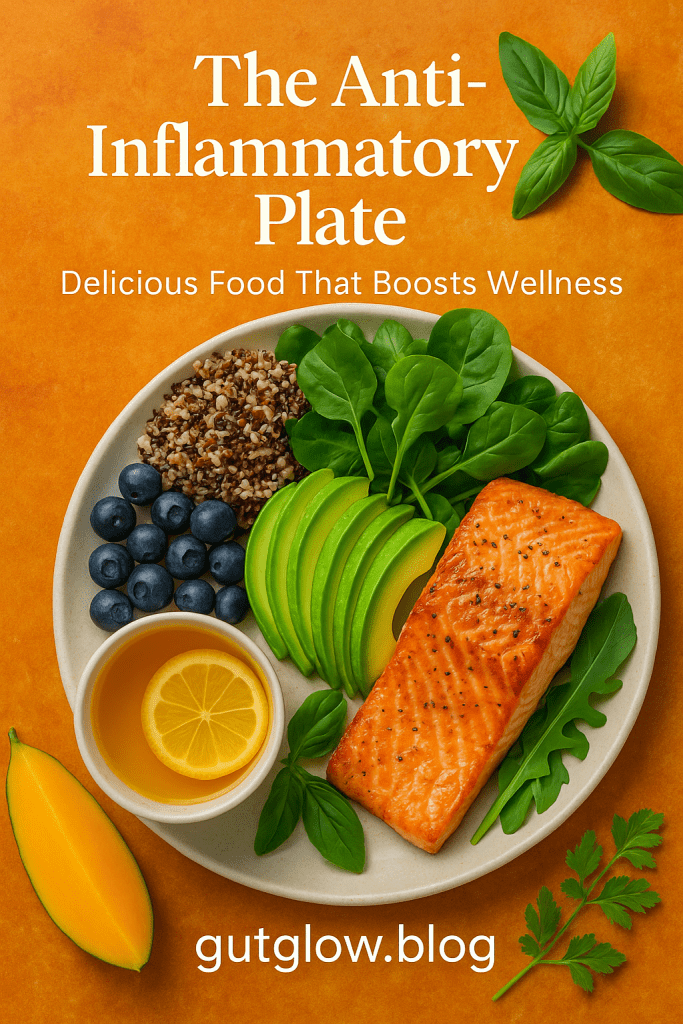
The Anti-Inflammatory Plate: Delicious Foods That Fight Inflammation and Boost Wellness 🥦✨

“Discover nurse-approved anti-inflammatory foods that support gut health, reduce inflammation, and promote glowing skin 🌿🥗. Your healing plate starts here!”


Ever notice how certain foods make you feel bloated, tired, or even trigger skin flare-ups? 😅 As a nurse with over 22 years of experience in wound, ostomy, and skin care, I can tell you: what you eat directly affects gut health, inflammation, and skin wellness.

Enter the anti-inflammatory plate—a simple, delicious way to eat your way to better digestion, glowing skin, and overall vitality. Research in Nutrients (2022) shows that diets rich in anti-inflammatory foods can reduce chronic inflammation, support gut microbiome diversity, and even improve skin elasticity.

Let’s break down my go-to anti-inflammatory foods and actionable tips to create a healing plate that works in real life (yes, even on busy weekdays 🥗✨).


🥦 What is an Anti-Inflammatory Diet?

An anti-inflammatory diet focuses on foods that reduce chronic inflammation in the body, which is often linked to:

  • Digestive issues (IBS, bloating)
  • Skin flare-ups (acne, eczema, rosacea)
  • Joint pain or stiffness
  • Low energy and premature aging

Glow tip:

I’ve seen countless patients improve gut and skin health simply by shifting to anti-inflammatory foods—no magic pills required.


🌱 Key Anti-Inflammatory Foods I Swear By

1. Leafy Greens

  • Spinach, kale, Swiss chard
  • High in magnesium, which helps calm inflammation
  • Packed with antioxidants for skin repair

2. Berries

  • Blueberries, strawberries, raspberries
  • Rich in polyphenols, fighting oxidative stress
  • Great for gut microbiome diversity

3. Fatty Fish

  • Salmon, sardines, mackerel
  • High in omega-3s, reducing inflammation and promoting glowing skin
  • Supports joint health

4. Nuts & Seeds

  • Walnuts, almonds, chia, flax
  • Provide healthy fats and fiber, improving digestion
  • Helps reduce inflammatory markers in the blood

5. Fermented Foods

  • Kefir, yogurt, kimchi, sauerkraut
  • Boost probiotics, balancing gut bacteria
  • Linked to reduced skin flare-ups (acne, eczema)

6. Herbs & Spices

  • Turmeric, ginger, garlic, cinnamon
  • Natural anti-inflammatory compounds
  • Easy to add to meals without extra calories

🥗 How to Build Your Healing Plate

  1. 50% vegetables & fruits → Mix colors for maximum nutrients
  2. 25% lean protein or fatty fish → Anti-inflammatory and satiating
  3. 25% whole grains or legumes → Fiber for gut health
  4. Add healthy fats & seeds → Olive oil, nuts, chia/flax
  5. Season with anti-inflammatory herbs & spices → Flavor + functional benefits

⚡ Gut Tip: Use meal prepping hacks to make anti-inflammatory meals quick and stress-free.


🌿 Lifestyle Habits That Boost Your Plate

  • Hydration 💧 → Supports digestion, skin elasticity, and detox pathways
  • Regular movement 🏃‍♀️ → Circulation boosts nutrient delivery and reduces inflammation
  • Stress management 🧘‍♀️ → Cortisol spikes can negate the benefits of anti-inflammatory foods
  • Sleep 😴 → Healing, skin repair, and hormone balance

🥄 Nurse-Approved Recipes & Snack Ideas

  • Berry + spinach smoothie with kefir and flax
  • Salmon salad with kale, walnuts, and olive oil dressing
  • Overnight oats with cinnamon, berries, and chia seeds
  • Kimchi and veggie stir-fry with turmeric-infused oil

Key Takeaways

  • Anti-inflammatory foods reduce inflammation, improve gut health, and support glowing skin.
  • Focus on colorful fruits, veggies, fatty fish, nuts, seeds, and fermented foods.
  • Small, consistent lifestyle habits amplify the benefits of your healing plate.

💬 What’s your favorite anti-inflammatory food or recipe? Share in the comments—I love swapping ideas!

⚠️ Disclaimer (Because I’m a Nurse, Not Your Nurse 😉): This blog is for general education and entertainment purposes only. Consult your healthcare provider before making major dietary changes.


Your next read is waiting… click below! ⬇️

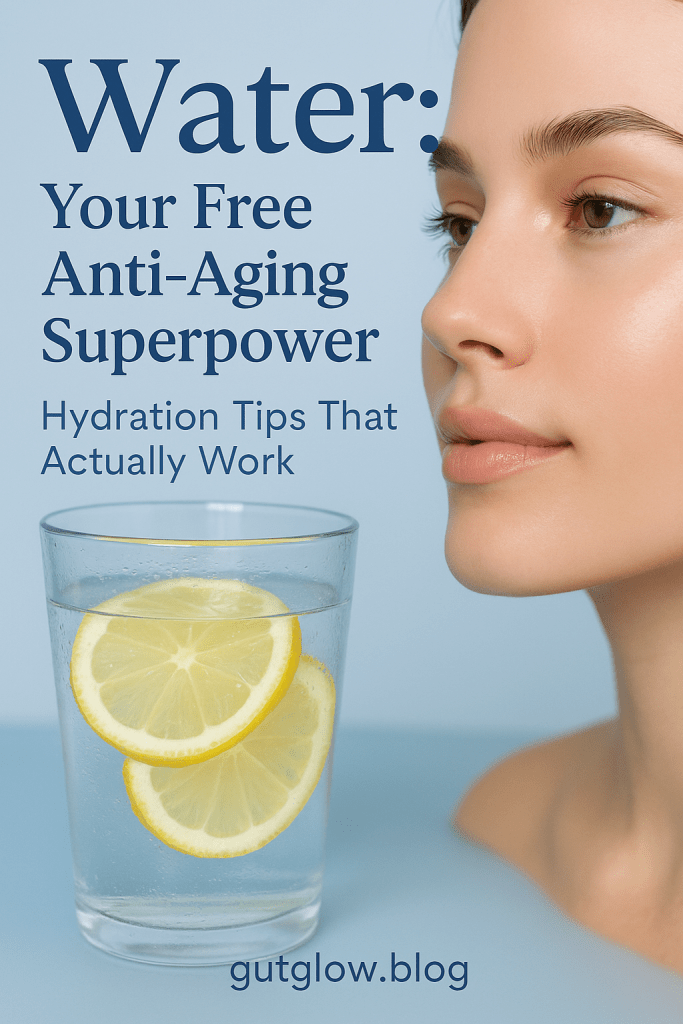
Water: 💦🌸 Your Free Anti-Aging Superpower (Hydration Tips That Actually Work) 🥤✨


“Hydration is your secret anti-aging weapon! 💦 Discover nurse-approved tips for glowing skin, gut health, and overall wellness with simple water habits.”


Ever notice your skin looks dull, tired, or even fine lines pop up after a week of skipping your usual water intake? 😅 You’re not imagining it—hydration is literally one of the most underrated anti-aging tools.

As a nurse with 22+ years of experience in skin, wound, and gut health, I can tell you: water isn’t just for quenching thirst. Proper hydration keeps your skin plump, supports digestion, regulates hormones, and even helps with detox pathways. Think of it as a free beauty elixir that works from the inside out.

A 2023 study in Clinical, Cosmetic and Investigational Dermatology confirmed that increased water intake improves skin elasticity and overall appearance, proving that drinking up is one of the simplest ways to fight the signs of aging.

Let’s dive into hydration habits that actually work—and the science behind why water is your skin’s best friend.


💧 Why Hydration Is Key for Skin & Anti-Aging

  • Elasticity & plumpness → Water keeps skin cells hydrated and reduces appearance of fine lines.
  • Supports collagen function → Proper hydration improves nutrient delivery to skin cells.
  • Flushes toxins → A well-hydrated body eliminates waste more efficiently, reducing inflammation and breakouts.

🥤 How Hydration Impacts Gut Health

  • Supports digestion → Water keeps bowel movements regular and aids nutrient absorption.
  • Balances microbiome → Hydrated digestive tract helps probiotics thrive.
  • Reduces bloating → Adequate water intake prevents fluid retention and digestive discomfort.

🌿 Nurse-Approved Hydration Tips That Actually Work

  1. Morning ritual → Start with 16 oz of water before coffee or breakfast.
  2. Infuse your water → Lemon, cucumber, or berries for flavor + antioxidants.
  3. Set reminders → Apps or alarms to avoid forgetting throughout the day.
  4. Hydrate with food → Include water-rich fruits and vegetables (cucumber, watermelon, oranges).
  5. Post-workout & evening hydration → Replace fluids lost in sweat; drink mindfully before bed.

✨ Extra Anti-Aging Hydration Hacks

  • Add electrolytes if you sweat → Keeps cells properly balanced.
  • Limit diuretics → Too much caffeine or alcohol can dehydrate skin.
  • Track your intake visually → Reusable water bottles with markers help you hit daily goals.

Key Takeaways

  • Water is a free, natural anti-aging tool.
  • Proper hydration improves skin, supports gut health, and reduces inflammation.
  • Small, consistent habits make a huge difference over time.

💬 How do you stay hydrated during busy days? Share your favorite tips below—I love swapping practical hacks!

⚠️ Disclaimer (Because I’m a Nurse, Not Your Nurse 😉): This blog is for general education and entertainment purposes only. Consult your healthcare provider before making major lifestyle changes.


Dive in for all the juicy details 🍓

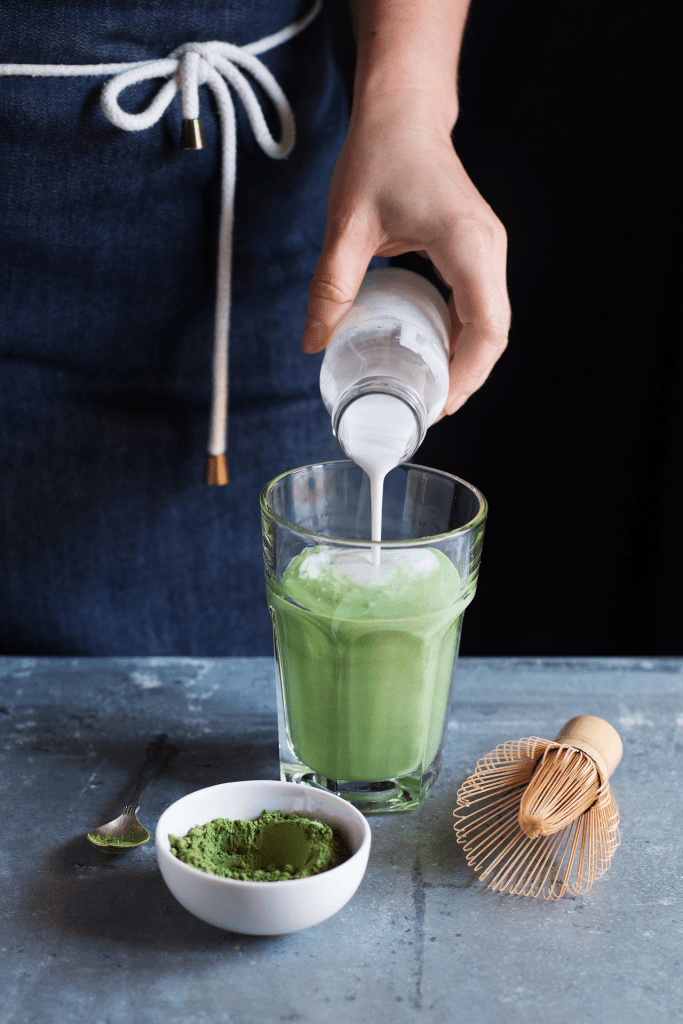
Matcha Magic: How This Green Powerhouse Boosts Your Gut Health, Glowing Skin, and Energy 🌿🍵

Why Matcha Deserves a Spot in Your Beauty and Wellness Routine ✨

Hey, Nurse Glo here! If you’re anything like me—a busy nurse juggling skin care, gut health, and life in your 40s—you’ve probably heard about matcha but wonder if it’s more hype than health. Spoiler alert: matcha is the real deal. Packed with antioxidants, fiber, and gentle caffeine, it’s a green tea powder that can support your digestion, brighten your skin, and give you clean, calm energy without the jitters.


The Science Behind Matcha: Gut, Skin, and Energy Benefits 🔬

Matcha contains a powerful antioxidant called EGCG (epigallocatechin gallate) shown in studies to reduce inflammation, protect skin cells from UV damage, and improve gut microbiome diversity. Plus, its fiber helps feed the good bacteria in your gut, supporting digestion and nutrient absorption—key for skin and hair health.

A 2023 study in Journal of Nutritional Biochemistry linked regular matcha consumption to lower oxidative stress and improved skin elasticity.


Matcha’s Gut-Skin-Beauty Benefits 🍵🌿

  • Gut Health: Matcha’s fiber and polyphenols promote a balanced microbiome and reduce gut inflammation.
  • Skin Glow: Antioxidants protect collagen and fight free radicals that cause wrinkles and dullness.
  • Natural Energy: Contains L-theanine for calm alertness, avoiding caffeine crashes.

How I Use Matcha in My Daily Routine (Spoiler: It’s Not Just Tea!) ☕✨

I like to start my mornings with a creamy matcha latte made with oat milk and a drizzle of honey. Sometimes I toss matcha powder into smoothies or homemade energy balls for a gut-friendly, antioxidant boost. The ritual feels calming and energizing after a hectic night shift.


Simple Matcha Recipes to Try Today 🍵💚

  • Classic Matcha Latte: Matcha powder, hot water, your choice of milk, and a sweetener.
  • Matcha Smoothie: Blend matcha, banana, spinach, almond milk, and chia seeds.
  • Matcha Energy Bites: Mix matcha with oats, nut butter, honey, and coconut flakes.

Quick Tips When Choosing Matcha 🛒

  • Look for ceremonial grade matcha for highest antioxidant content.
  • Avoid blends with fillers or added sugars.
  • Store in an airtight container away from light and heat to preserve freshness.

Final Sip: Why Matcha Is a Gut-Skin Glow Game-Changer 💫

Matcha isn’t just trendy green powder—it’s a nutrient-packed ally for your skin, gut, and energy. Adding it mindfully to your wellness routine can help reduce inflammation, support healthy digestion, and keep your skin radiant well into your 40s and beyond.


What’s your favorite way to enjoy matcha? Have you noticed a glow-up since adding it to your diet? Drop your tips or questions below—I’m all ears! 👇✨

🌟 BONUS: Nurse Glo’s “Calm Not Cranky” Matcha Latte 💚

A cozy, gut-loving sip with oat milk, vanilla & cinnamon (and zero crash)

🍵 Nurse Glo’s “Calm Not Cranky” Matcha Latte Recipe 💚

Because caffeine shouldn’t feel like a slap in the nervous system. This creamy, gut-hugging latte is smooth, anti-inflammatory, and just bougie enough to make you feel like you have your life together—even if you’re sipping it in wrinkled scrubs. Bonus: it tastes like a green tea cloud gave you a hug.

🌿 Ingredients:

  • 1 tsp ceremonial grade matcha (because we’re classy like that)
  • 2 tbsp hot water (not boiling! We’re steeping, not scalding)
  • 1 cup unsweetened oat milk (barista-style = extra frothy dreams)
  • 1/2 tsp pure vanilla extract (or just a whisper if you’re fancy)
  • 1/4 tsp cinnamon (aka gut-friendly fairy dust)
  • 1–2 tsp maple syrup or honey (optional, but let’s live a little)

🌀 Instructions:

  1. Whisk your matcha: In a small bowl, whisk the matcha with hot water until smooth and lump-free. (Pro tip: Use a bamboo whisk or a milk frother if you’re not into arm workouts before breakfast.)
  2. Heat & froth oat milk: Warm oat milk with cinnamon and vanilla in a saucepan or milk frother. Froth it up like you’re auditioning for a café job you don’t want.
  3. Combine & sip: Pour the warm matcha into your favorite mug, top with the frothy cinnamon-vanilla oat milk, sweeten to taste, and sip like a glowing goddess.

✨ Skin & Gut Perks:

  • Matcha = antioxidants galore (hello, collagen protection!)
  • Cinnamon = anti-inflammatory bonus
  • Oat milk = gentle on the gut + fiber-friendly
  • Vanilla = smells like self-care in a bottle

💬 Have a matcha moment of your own? Share your favorite twist below. Matcha + coconut? Matcha + chaos? I’m here for it. 😄

💥 Laser Hair Removal: Nurse-Approved Truths and Myths You Need to Know

Let’s talk about the laser in the room. As a nurse, skincare enthusiast, and someone personally doing laser hair removal since November (and yes—I’m seeing legit results! 🙌), I’m here to spill the hairless truth about this treatment.

Whether you’re considering it for hygiene, aesthetics, convenience, or simply because you’re over shaving for the 837th time—this guide is for you. We’ll debunk myths, highlight facts, and of course, sprinkle in some gut-skin realness. Because yes, even hair removal is connected to your inner health. 🧠🦠✨


🔍 First Things First: What is Laser Hair Removal?

Laser hair removal uses a concentrated beam of light to target hair follicles. The pigment in the hair absorbs the light, which damages the follicle and reduces future hair growth.

It’s not instant.
It’s not painless.
It’s definitely not a one-and-done.
But it works, especially when done consistently and professionally.


💣 Common Myths—Blasted with Facts

❌ Myth #1: It works for everyone the same

🔍 Truth: It works best on people with light skin and dark hair, but newer technologies are now more inclusive for a wider range of skin tones and hair types. Always go to a reputable provider who understands your skin.

❌ Myth #2: It’s permanent after one session

🔍 Truth: Nope. It takes 6–8 sessions, sometimes more, and occasional maintenance. But yes, you’ll notice smoother, slower-growing hair early on (like I did!).

❌ Myth #3: It causes infertility or cancer

🔍 Truth: There’s zero scientific evidence backing that up. The laser doesn’t penetrate deeply enough to reach internal organs. Just stay away from sketchy, unlicensed providers—always.

❌ Myth #4: It’s just for women

🔍 Truth: Hellooo! Men do this too. Chest, back, neck—gone. Hair care is healthcare, and anyone who wants smooth skin is welcome here.


🧬 The Skin + Gut Connection (Yes, Even Here!)

Laser hair removal may be a surface-level treatment, but your skin’s health—including how it reacts to lasers—starts below the surface.

✅ A strong gut helps regulate inflammation, which means less risk of breakouts or irritation post-laser.
✅ Probiotics, water, and anti-inflammatory foods support healing and help your skin glow.
✅ If your gut is struggling, your skin might be too sensitive, red, or reactive post-treatment.

So, if you’re treating the outside, take care of the inside too. Skin and gut are BFFs, and you want both on your side during laser treatments.


💡 Pro Tips from a Nurse (and Laser Patient!)

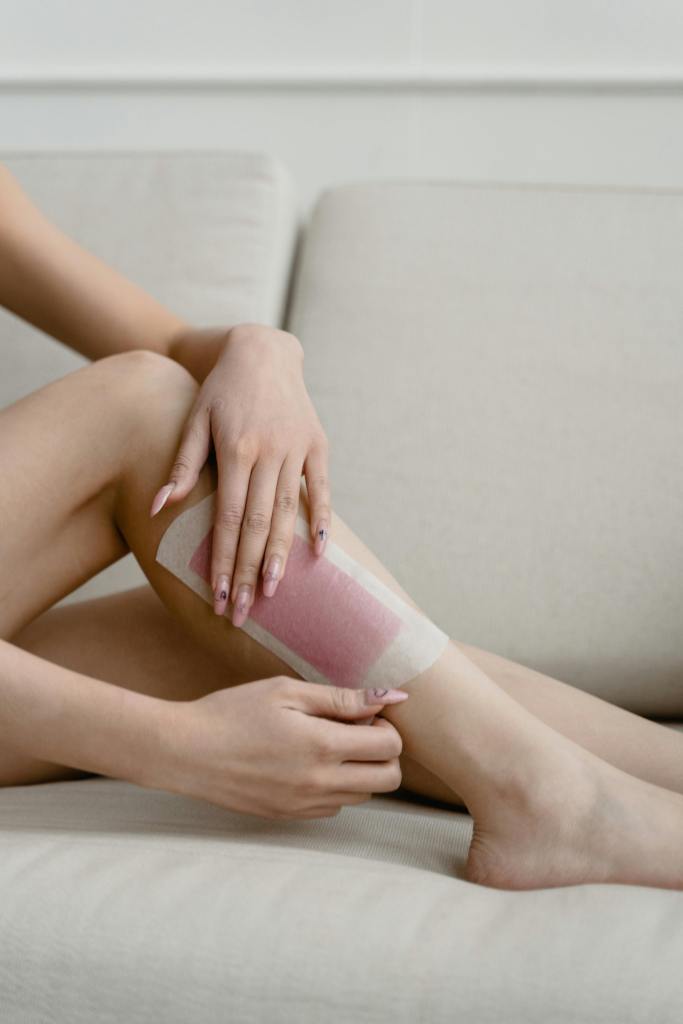
  1. Don’t wax or pluck between sessions – it removes the hair root, which the laser needs to zap.
  2. Shave the day before your appointment (no nicks, please).
  3. Skip actives like retinol or glycolic acids on treated areas for at least 2–3 days before and after.
  4. Sunscreen = Non-Negotiable ☀️
  5. Hydrate, hydrate, hydrate—internally with water and externally with calming lotions.
  6. Don’t freak if your skin gets red or bumpy—it’s a temporary inflammatory response, not a rash.

⚠️ Disclaimer (Because I’m a Nurse, Not Your Nurse 😉)

This blog is for general education and entertainment purposes only. Always consult with your doctor, dermatologist, or licensed laser technician—especially if you have specific skin conditions or are on medications.


✨ The Hair-Free Recap

Laser hair removal is not just a luxury—it’s a legit option for managing unwanted hair, reducing ingrown hairs, and simplifying your routine. But like anything in skincare, it works best when you understand your body, prep your skin, and pair it with overall wellness.

You glow more when you know more. 😉💡

What Happens to Your Skin When You Don’t Eat Enough Protein 🍳💪

Let’s get something straight: protein isn’t just for bodybuilders or those aggressively blending spinach into their smoothies at 6 a.m. (you know who you are 😏). As a wound and ostomy nurse with over two decades of skin-and-gut obsession, I’m here to lovingly scream this from the rooftops:

🥩 PROTEIN = SKIN POWER.
And when you’re not getting enough? Oh honey, your skin knows—and it’s not happy about it.

So, What Does Happen to Your Skin?

1. Delayed Wound Healing 🐢

If you’ve got a surgical incision, pressure injury, or even a tiny cut, low protein levels can seriously slow your body’s ability to repair. As a wound care nurse, I see this all the time. Protein provides amino acids—aka the building blocks of new tissue. Without enough, your body is like a construction site with no bricks or builders.

2. Thinning Skin = Rips, Tears, & Sadness 😢

Thin, fragile skin isn’t just a grandma thing. It’s a protein deficiency thing. Collagen and elastin (those bouncy, plump skin superheroes) are protein-based. No protein? No bounce. No strength. Just skin that bruises easily and tears like wet tissue.

3. Increased Inflammation = Acne, Eczema, Flare-Ups 🔥

When your gut isn’t getting what it needs—hello again, protein—it starts to panic. Cue the inflammation party. And where does that show up? Yup, your skin. Think breakouts, redness, and those weird rashes that make you Google things you shouldn’t.

4. Hair and Nails Suffer Too 💅🚿

Okay, not technically skin, but they’re all part of your integumentary system (yay, science!). Brittle nails, thinning hair, and dry, flaky scalp often point to—you guessed it—low protein intake.


How Much Protein Do You Actually Need?

It varies by weight, activity level, and health status (and yes, the type of ostomy you have). A common general rule is 0.8 to 1.2 grams of protein per kilogram of body weight per day—but wound healing needs? Way higher. Think 1.5–2.0g/kg. Always talk with a dietitian for personalized guidance!


Protein-Rich Foods I Love 🍽️

Here’s a few of my go-to faves for glowing skin and strong healing:

  • Eggs 🥚 – affordable, versatile, and full of biotin too!
  • Salmon 🐟 – Omega-3s + protein = skin magic
  • Greek yogurt 🍦 – protein-packed AND probiotic-rich
  • Tofu & Lentils 🌱 – plant-based protein with fiber for gut love
  • Collagen powders – not a miracle, but helpful as part of a balanced intake!

For My Ostomates 👀

⚠️ Your protein needs may be higher, especially with an ileostomy (more losses!) or active wounds around your stoma. Don’t guess—ask your wound/ostomy nurse or dietitian for help. It’s literally what we’re here for. 💁‍♀️


TL;DR — Protein = Skin Fuel 🚀

If your skin feels papery, your wounds are dragging their feet to heal, or your poop just looks… weird (you knew I’d mention poop 💩), it might be time to check your protein intake.

And remember, it’s not just what you put on your skin. It’s what you feed your gut that helps it all shine.


⚠️ Disclaimer (Because I’m a Nurse, Not Your Nurse 😉)
This blog is for general education and entertainment purposes only. Always consult with your doctor, dietitian, dermatologist, or wound/ostomy care specialist—especially if you have specific conditions, allergies, or a medical device like an ostomy.