🌟 PCOS and Your Gut: How a Balanced Microbiome Can Support Hormones and Fertility

Learn how gut health impacts PCOS. Nurse-approved tips to balance hormones, reduce inflammation, and support fertility naturally.

🧠 Could your gut be the missing link to managing PCOS symptoms and improving fertility?

Polycystic Ovary Syndrome (PCOS) affects millions of women worldwide, often leading to hormonal imbalances, irregular cycles, insulin resistance, and fertility challenges. But did you know that your gut microbiome may play a significant role in PCOS management? 🌿

Emerging research shows that gut bacteria influence hormone regulation, inflammation, and insulin sensitivity, all of which are key players in PCOS. Let’s break down the science and provide practical, nurse-approved strategies to support your gut—and your hormones.


🔬 Science Made Simple: The Gut-PCOS Connection

Your gut does more than digest food. It’s a communication hub linking your brain, hormones, immune system, and metabolism.

Here’s how gut health impacts PCOS:

  1. Gut Dysbiosis & Hormonal Imbalance
    • Low diversity in gut bacteria can worsen androgen levels, contributing to acne, hair growth, and irregular cycles.
    • A balanced microbiome helps regulate estrogen and progesterone, improving overall hormonal harmony. (Harvard Health, 2024)
  2. Insulin Resistance & Gut Health
    • Many women with PCOS experience insulin resistance.
    • Gut bacteria affect glucose metabolism and inflammation, influencing insulin sensitivity and energy balance.
  3. Inflammation & Fertility
    • Dysbiosis can increase systemic inflammation, affecting ovulation and egg quality.
    • Supporting a healthy gut may help reduce inflammatory markers, supporting fertility naturally.

🧬 Evidence & Insights

  • A 2021 study in Frontiers in Endocrinology found that women with PCOS often have altered gut microbiota, which correlates with higher androgen levels and metabolic issues.
  • Certain probiotics and prebiotics have been shown to improve insulin sensitivity and reduce inflammation in women with PCOS.
  • Lifestyle factors like diet, exercise, and sleep significantly influence both gut health and PCOS symptoms.

🥗 Nurse-Approved Tips to Support Your Gut & Hormones

Supporting your microbiome can improve PCOS symptoms, hormone balance, and fertility.

🌿 Strategy💡 What to Try💪 Why It Helps
Eat Fiber-Rich FoodsVegetables, fruits, legumes, whole grainsSupports SCFA-producing bacteria, regulates hormones
Include Fermented FoodsYogurt, kefir, sauerkraut, kimchiProvides probiotics to balance microbiome
Add PrebioticsGarlic, onions, asparagus, oatsFeeds beneficial bacteria, reduces inflammation
Limit Processed Sugars & Refined CarbsAvoid sugary drinks and snacksImproves insulin sensitivity, reduces dysbiosis
Move Your BodyDaily walks, strength training, yogaEnhances insulin sensitivity, reduces stress
Manage Stress & Sleep7–9 hours sleep, mindfulness, meditationLowers cortisol, supports hormone and gut balance

Glow tip: Introduce one habit at a time for sustainable, long-term results.


🙋‍♀️ Common Questions

“Can probiotics help PCOS?”
Yes! Certain probiotics may improve insulin sensitivity and reduce inflammation, but they work best alongside diet, exercise, and lifestyle changes.

“Does leaky gut affect PCOS?”
It can contribute. Supporting gut integrity with fiber, prebiotics, and anti-inflammatory foods can help hormonal balance.

“Which foods are best for gut and hormone health?”
Focus on high-fiber vegetables, fermented foods, healthy fats, and lean protein, while reducing processed sugars and refined carbs.


🌈 Key Takeaways

  • Your gut microbiome plays a major role in PCOS, affecting hormones, insulin, inflammation, and fertility.
  • Supporting a diverse, balanced gut can improve symptoms and hormone regulation naturally.
  • Combining diet, probiotics, prebiotics, exercise, and sleep creates a synergistic approach for PCOS management. 🌿

🔗 Explore More Related Posts

💖 Pin this post and share the glow!


⚠️ Disclaimer:

This article is for educational purposes only and is not medical advice. Consult your healthcare provider before making any changes to medication, diet, or lifestyle. Individual results may vary.
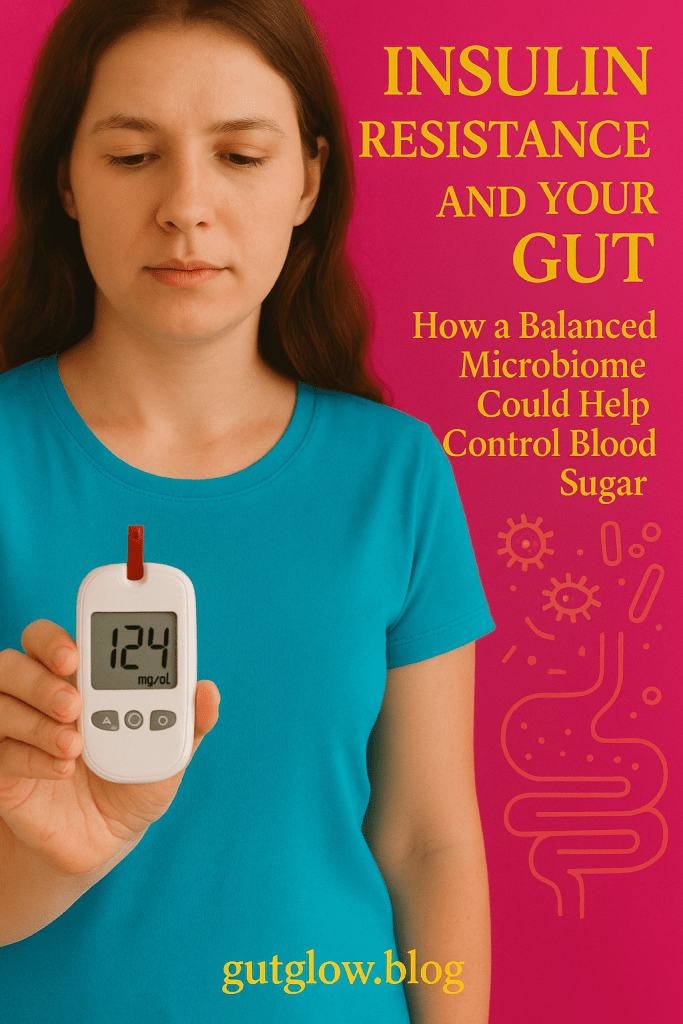
🌟 Insulin Resistance and Your Gut: How a Balanced Microbiome Could Help Control Blood Sugar

Discover how gut health affects insulin resistance. Nurse-approved tips for balancing your microbiome and improving blood sugar naturally.

🧠 Could your gut be the missing link in managing insulin resistance?

If you’re struggling with insulin resistance, you might already know how frustrating it can be to manage blood sugar levels despite diet, exercise, and lifestyle changes. But here’s a fascinating twist: your gut microbiome could be playing a starring role in your body’s insulin response. 🌿

Recent research shows that the composition and diversity of gut bacteria can influence glucose metabolism, inflammation, and hormone signaling—all critical players in insulin resistance. Let’s break it down in a way that’s easy to understand, nurse-approved, and practical.


🔬 Science Made Simple: The Gut-Insulin Connection

Your gut isn’t just for digestion. It’s a communication hub linking your brain, hormones, immune system, and metabolism.

Here’s how gut health impacts insulin resistance:

  1. Microbiome Diversity & Insulin Sensitivity
    • A diverse gut microbiome supports short-chain fatty acid (SCFA) production, which helps regulate glucose metabolism and reduces inflammation.
    • Low diversity can lead to dysbiosis, increasing insulin resistance risk. (Harvard Health, 2024)
  2. Leaky Gut & Chronic Inflammation
    • Poor gut integrity allows endotoxins like LPS into the bloodstream.
    • This triggers chronic low-grade inflammation, which directly worsens insulin resistance.
  3. Gut-Brain-Hormone Axis
    • Your gut communicates with your brain and pancreas, influencing appetite, satiety, and insulin secretion.
    • An unhealthy microbiome can disrupt these signals, making blood sugar management harder.

🧬 Evidence & Insights

  • A 2022 study in Frontiers in Endocrinology found that people with higher gut microbiome diversity had better insulin sensitivity and lower fasting glucose levels.
  • Certain prebiotics and probiotics may improve glucose metabolism by promoting beneficial gut bacteria growth.
  • Lifestyle factors—like diet, exercise, and sleep—dramatically influence both microbiome health and insulin resistance.

🥗 Nurse-Approved Tips to Support Your Gut & Blood Sugar

Here’s a practical, actionable guide to help your gut—and your blood sugar—stay in balance:

🌿 Strategy💡 What to Try💪 Why It Helps
Eat Fiber-Rich FoodsVegetables, fruits, whole grains, legumesSupports SCFA-producing bacteria and slows glucose absorption
Include Fermented FoodsYogurt, kefir, kimchi, sauerkrautProvides probiotics to boost microbial diversity
Add PrebioticsGarlic, onions, asparagus, oatsFeeds beneficial bacteria, improves insulin response
Limit Processed SugarsAvoid high-sugar drinks & snacksReduces dysbiosis and glucose spikes
Move Your BodyDaily walks, resistance trainingEnhances insulin sensitivity and gut motility
Prioritize Sleep & Stress Management7–9 hours sleep, mindfulnessLowers cortisol, reduces inflammation, supports microbiome balance

Glow tip: Small, consistent changes are more effective than drastic measures. Start with one gut-supporting habit at a time.


🙋‍♀️ Common Questions

“Can probiotics reverse insulin resistance?”
Probiotics can help improve gut health and metabolic function, but they’re most effective when combined with diet, exercise, and lifestyle changes.

“Is leaky gut the reason for my insulin issues?”
It could be a contributing factor. Restoring gut integrity with fiber, prebiotics, probiotics, and anti-inflammatory foods can support blood sugar regulation.

“Which foods are best for my gut and blood sugar?”
Prioritize high-fiber vegetables, fermented foods, lean proteins, and healthy fats while minimizing processed sugars and refined carbs.


🌈 Key Takeaways

  • Your gut microbiome plays a major role in insulin resistance and blood sugar management.
  • Diverse, balanced gut bacteria help regulate glucose metabolism and reduce inflammation.
  • Combining diet, probiotics, prebiotics, exercise, and sleep creates a synergistic approach for better blood sugar control. 🌿

🔗 Explore More Related Posts

💖 Pin this post and share the glow!


⚠️ Disclaimer:

This article is for educational purposes only and is not medical advice. Consult your healthcare provider before making any changes to medication, diet, or lifestyle. Individual results may vary.
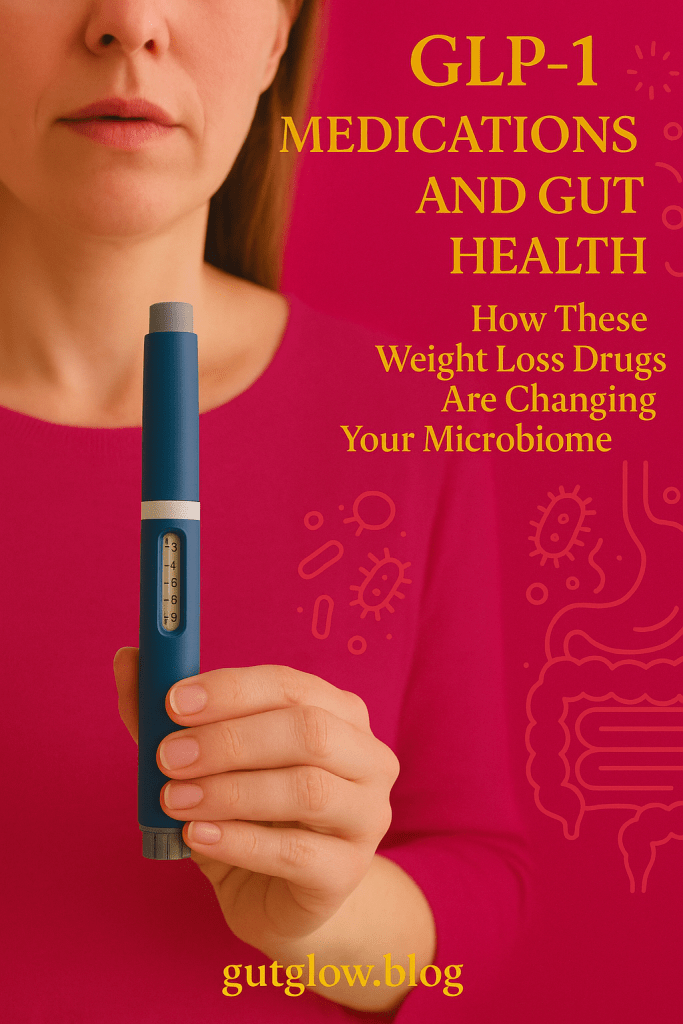
💊 GLP-1 Medications and Gut Health: How These Weight-Loss Drugs Are Changing Your Microbiome

Learn how GLP-1 medications like Ozempic and Tirzepatide and others affect gut health. Discover nurse-approved tips to reduce digestive side effects and support your microbiome.

🧠 Are GLP-1 Drugs Doing More Than Just Helping You Lose Weight?

GLP-1 medications like Ozempic, Wegovy, and Tirzepatide and others are trending everywhere—from social media buzz to celebrity headlines. They’re praised for weight loss and appetite control, but did you know they can also impact your gut health and microbiome? 🌿

Your digestive system doesn’t just process food—it communicates with your brain, immune system, and hormones. That’s why medications that slow stomach emptying or alter appetite can have ripple effects on digestion, gut bacteria, and inflammation.


💊 Personal Experience: Navigating GLP-1 Side Effects

As a nurse with 22 years of experience, I’ve seen a lot of patients on GLP-1 medications, and I’ve also personally navigated the ups and downs. My experience with Ozempic included:

  • 💥 Diarrhea
  • 🔥 Acid reflux that woke me up at night (horrible)
  • 😣 Severe stomach pain

It was a real wake-up call that even effective medications can have digestive side effects.

After switching to Tirzepatide and combining it with Nexium for acid reflux, along with a low dose GLP-1, I finally found a regimen that works. ✅ The difference? A balanced, gut-friendly diet, calorie deficit, and regular exercise helped me maximize benefits while minimizing gut discomfort.

This personal insight reinforces an important point: GLP-1 drugs interact deeply with your digestive system and microbiome, so supporting your gut with the right lifestyle strategies is key to success. 🌿


🔬 How GLP-1 Medications Affect Your Gut

GLP-1 drugs mimic the natural hormone glucagon-like peptide-1, which:

  • Slows stomach emptying
  • Reduces appetite 🍽️
  • Enhances insulin secretion 💉

Because GLP-1 receptors are abundant in the gut and brain, these medications can:

  1. Alter Gut Motility
    Slower digestion can shift nutrient availability for gut bacteria, which may change microbial composition.
  2. Modulate Inflammation
    Studies suggest GLP-1 drugs reduce systemic inflammation, which can support a healthier gut lining and microbial diversity. (Frontiers in Endocrinology, 2022)
  3. Change Appetite & Diet Habits
    Reduced appetite often leads to healthier food choices, which act as prebiotics for beneficial gut bacteria. 🥦

🥗 Nurse-Approved Tips to Support Your Gut While on GLP-1 Therapy

Supporting your microbiome can maximize benefits and minimize digestive side effects.

🌿 Strategy💡 What to Try💪 Why It Helps
Fiber DiversityEat 25–40 plant foods per weekFeeds beneficial bacteria, improves gut resilience
Fermented FoodsYogurt, kefir, kimchiIntroduces live probiotics
HydrationDrink water consistentlySupports digestion and stool consistency
Mindful EatingChew slowly, eat at a regular paceReduces bloating and improves nutrient absorption
Prebiotic FoodsGarlic, onions, asparagus, oatsEncourages SCFA-producing bacteria growth
Monitor Digestive SymptomsTrack bloating, diarrhea, acid refluxEarly adjustments prevent microbiome disruption

Glow tip: Introduce one gut-supporting habit every 1–2 weeks to avoid digestive overwhelm.


🔬 Evidence-Based Insights

  • A 2019 study in Diabetes Care found GLP-1 therapies can influence gut hormone activity and microbiome balance.
  • Frontiers in Endocrinology (2022) noted reduced systemic inflammation with GLP-1, which can indirectly support microbiome health.
  • Combining medications with diet and exercise may optimize gut and metabolic outcomes.

🌈 Key Takeaways

GLP-1 medications like Ozempic and Tirzepatide do more than help with weight management. They interact with your digestive system and microbiome, meaning:

  • You may experience digestive side effects initially. ⚡
  • Supporting your gut with diet, hydration, and exercise can improve tolerance and results. 🌿
  • Personalized strategies (like combining low-dose GLP-1 with Nexium if needed) are often most effective. ✅

🔗 Want More Gut & Wellness Tips?

💖 Pin this post and share the glow!


⚠️ Disclaimer:

This article is for educational purposes only and not medical advice. Consult your healthcare provider before starting, stopping, or changing any medication, diet, or supplement. Individual responses to GLP-1 medications vary, and gut health strategies should be personalized.

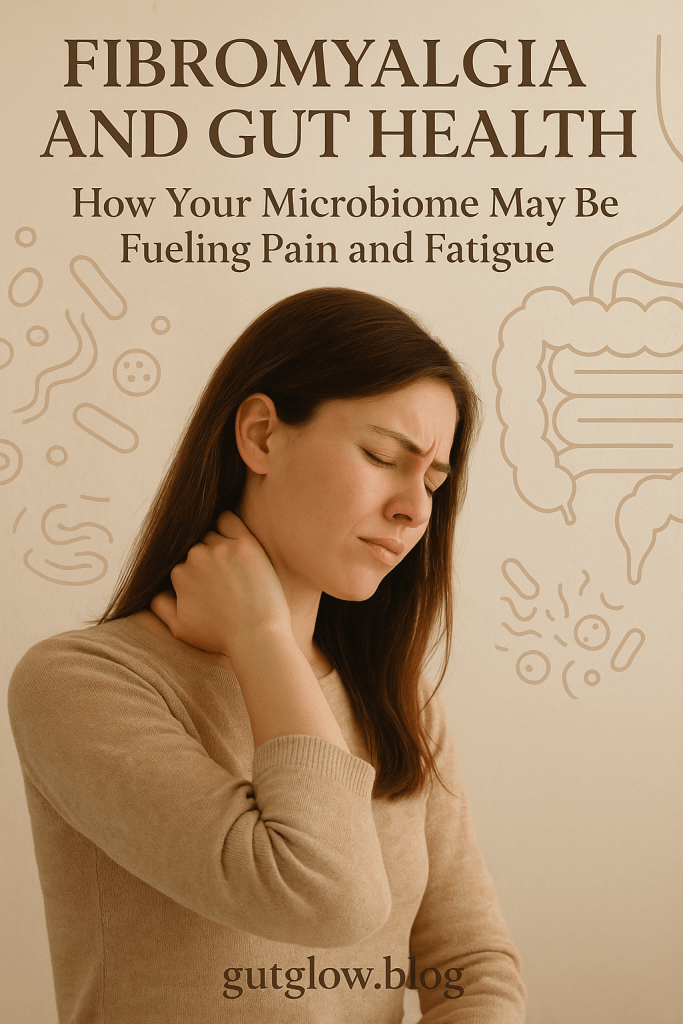
💆‍♀️ Fibromyalgia and Gut Health: How Your Microbiome May Be Fueling Pain & Fatigue

🧠 Is Your Gut Secretly Whispering Pain Signals?

Discover how gut health impacts fibromyalgia pain and fatigue. Learn research-backed tips to balance your microbiome for less pain and more energy.

You’ve tried everything — better sleep, gentle movement, supplements, meds — and yet fatigue and pain still crash your plans like uninvited guests. 😩

What if your gut is sending signals your body can’t ignore?
Emerging research suggests your microbiome — the trillions of bacteria living in your gut — may be quietly stoking the fires of fibromyalgia’s pain and exhaustion.

Let’s dig into the science, the symptoms, and what you can actually do (without buying $100 miracle powders 💸).


🔬 The Gut-Pain Connection (Without the Woo-Woo)

🧩 What Science Knows So Far About Fibromyalgia & Gut Health

Recent studies have uncovered some fascinating links between the gut and fibromyalgia:

  • 🧫 A 2019 study in PAIN Journal found that women with fibromyalgia had distinct gut microbiome changes compared to healthy controls — especially fewer beneficial bacteria like Faecalibacterium prausnitzii and Bacteroides uniformis.
  • 🐭 In a follow-up animal study, when gut microbes from fibromyalgia patients were transferred into healthy mice, the mice developed pain sensitivity similar to fibromyalgia. 😮
  • 🧬 A 2023 Frontiers in Microbiology review found that certain microbial imbalances may be causally linked to fibromyalgia symptoms through inflammation and neurotransmitter changes.
  • 🧘‍♀️ Researchers writing in Neuron (2025) described the microbiome as an “active player” in fibromyalgia pain — not just an innocent bystander.

Bottom line: The gut isn’t just about digestion — it’s part of your pain story.


🔁 How the Gut and Pain Pathways Communicate

So how does your gut end up gossiping with your nerves? Here’s what researchers think is happening:

  1. 🔥 Chronic Inflammation & Leaky Gut
    When gut bacteria are out of balance (dysbiosis), the gut lining can become “leaky.” This allows inflammatory molecules to enter your bloodstream, sensitizing your nerves and worsening pain.
  2. 💨 Loss of Short-Chain Fatty Acids (SCFAs)
    Beneficial bacteria produce SCFAs like butyrate that keep your gut barrier strong and inflammation low. Less butyrate = more pain and fatigue potential.
  3. 🧠 Nerve Communication via the Vagus
    The gut and brain chat constantly through the vagus nerve. When your gut microbes shift, it can alter how pain signals are sent and perceived.
  4. 🔄 Neurotransmitter Shifts
    Imbalances in gut flora can disrupt serotonin, dopamine, and GABA — the feel-good chemicals that regulate both mood and pain.

🩺 Fun fact: Up to 90% of serotonin is made in your gut — not your brain! No wonder gut issues can mess with your mood and energy.


🥗 Nurse-Approved Gut-Friendly Fixes (That Don’t Feel Like Homework)

These simple steps can help nurture your microbiome and calm inflammation — one day (and one bowel movement 💩) at a time.

🌿 Strategy💡 What to Try💪 Why It Helps
Diversify your plantsAim for 25–40 different plant foods weekly — fruits, veggies, legumes, herbs, seedsMore plant variety = more microbial diversity and stronger gut resilience
Add fermented foodsYogurt, kefir, sauerkraut, kimchi, misoAdds live probiotics naturally — start slow if bloating is an issue
Feed the good guysInclude prebiotics like garlic, onions, oats, green bananasHelps friendly bacteria produce healing SCFAs
Move mindfullyGentle yoga, stretching, walkingMovement supports lymph flow and gut motility
Reduce stressBreathwork, journaling, meditationCalms the gut-brain axis and helps reduce flares
Prioritize sleepConsistent bedtime, dark room, no screensMicrobes have circadian rhythms too — they love routine!
Be antibiotic-awareUse only when neededOveruse can wipe out microbial diversity — replenish afterward

Glow tip: Try one new gut habit every 2–3 weeks. Slow, steady changes = fewer flare-ups and better long-term results.


🙋‍♀️ Common Questions I Hear From Patients

“Do I have to go on a strict gut-healing protocol forever?”
Nope! The goal is balance, not perfection. Once your gut finds its groove, maintaining it becomes second nature. 🌸

“Should I take probiotics or do FMT?”
Early research shows potential benefits for certain probiotic strains, but FMT (fecal transplants) are still experimental and come with risks. Always discuss with your provider before trying new therapies.

“Is this all just another trend?”
The science is growing fast — and while it’s not a cure-all, improving gut health may help reduce symptom intensity and improve quality of life.


🌈 The Takeaway

Your gut isn’t just a digestion center — it’s a pain manager, mood regulator, and inflammation buffer.
By feeding it well, protecting it, and lowering stress, you’re not only nurturing your microbiome — you’re sending healing messages throughout your entire body. 💚

⚠️ Disclaimer:

This article is for educational and informational purposes only and is not medical advice. It’s written by a registered nurse to share evidence-based insights on gut and skin wellness. Always consult with your healthcare provider before making any changes to your diet, supplements, or treatment plan — especially if you have fibromyalgia, chronic illness, or are on prescribed medications.


🔗 Keep Reading — Your Gut Will Thank You!

💖 If you found this article helpful, share it on Pinterest and tag me — let’s help more people connect the dots between gut health and chronic pain!

Leaky Gut: Trendy Diagnosis or Real Problem?

From the desk of a nurse who talks poop professionally

Let’s cut to the cheese (because dairy might be triggering your gut, but we’ll get there): Is “leaky gut” just the latest health buzzword, or is your digestive system actually betraying you one cell at a time?

As a nurse with 22 years of experience—who now spends her days talking about guts, wounds, ostomies, and everything in between—I’ve heard “leaky gut” tossed around more than a salad at a wellness retreat. So, let’s break it down in plain speak, minus the fear-mongering and plus a whole lot of real talk.


What Even Is Leaky Gut?

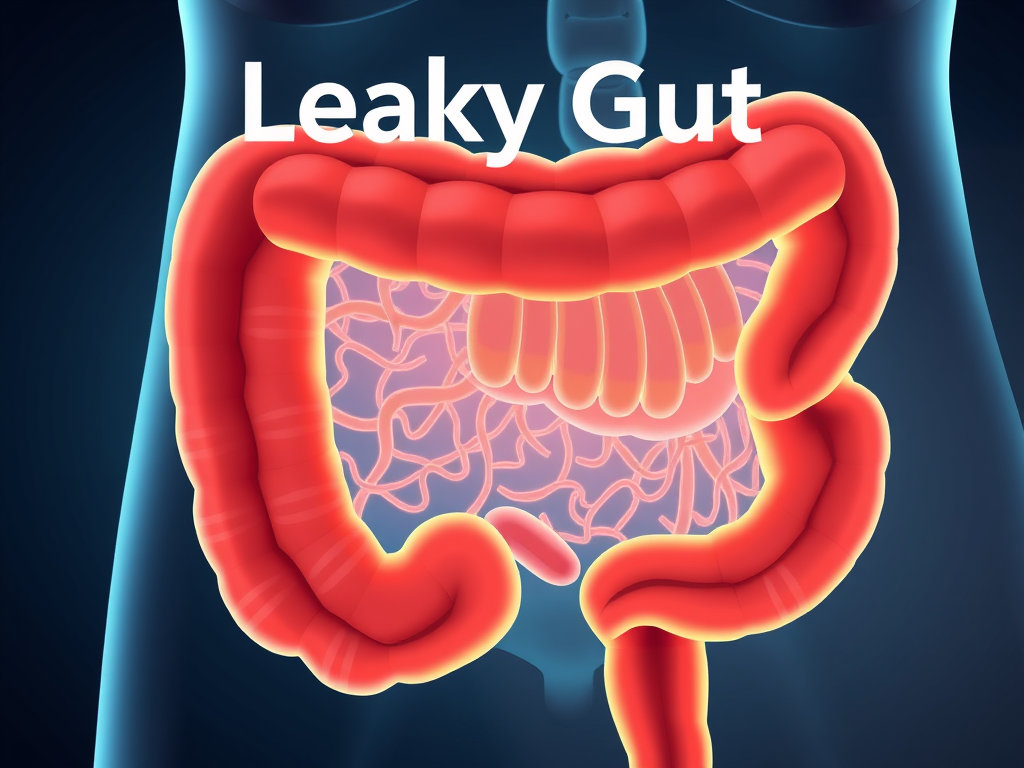
Leaky gut—also known in the science world as increased intestinal permeability—is when the lining of your intestines becomes damaged or inflamed. Normally, your gut lining is like a super-selective bouncer at a VIP club: it lets the good stuff (nutrients, water) in and keeps the riffraff (toxins, undigested food, bad bacteria) out.

When it becomes “leaky,” it’s like the bouncer got tired, took a nap, and now anyone can stroll into the bloodstream. Cue: inflammation, bloating, fatigue, skin breakouts, brain fog, and the dreaded poop problems.


Is It Real or Just Really Instagrammable?

Here’s the deal—leaky gut is real, but it’s not officially recognized as a diagnosis by all mainstream medical communities. Why? Because it’s tricky to prove directly in humans, and many of its symptoms mimic other conditions like IBS, food sensitivities, or even chronic stress.

But from my nurse perspective? I believe it’s a red flag. Not just a TikTok trend. When someone comes in with mystery rashes, chronic bloating, or poops that range from rabbit pellets to Niagara Falls, I start thinking gut barrier.


Signs Your Gut Might Be Leaking More Than Gossip

  • Bloating after every meal (no, it’s not just “getting older”)
  • Food sensitivities that didn’t used to be a thing
  • Fatigue no matter how many B12 shots you get
  • Skin issues: eczema, acne, or mystery breakouts
  • Frequent colds or “meh” immune function
  • Poop problems (constipation, diarrhea, or both on rotation)
  • Brain fog or mood swings that come out of nowhere

What Can You Actually Do About It?

I’m glad you asked. (Or maybe you didn’t, but I’m answering anyway.)

🥦 Eat Real Food

Minimize processed stuff. Think fiber-rich foods (veggies, fruits, whole grains), bone broth, and fermented foods like kimchi and kefir. Your gut bugs LOVE that stuff.

🚫 Avoid Gut Saboteurs

Common culprits? Excess sugar, alcohol, NSAIDs (like ibuprofen), and chronic stress. Yes, stress messes with your poop. Science backs me on this.

💊 Consider Supplements

Zinc, L-glutamine, collagen, and probiotics are often used to help support gut lining repair. Talk to your provider before adding a cart full of Amazon supplements, though.

💧 Hydrate Like It’s Your Job

Because it is your job—if you want better poops, better skin, and better energy.

🧘‍♀️ Chill the Heck Out

Stress is a major gut-wrecker. Meditation, yoga, deep breathing, or just screaming into a pillow in the supply closet (nurses, I see you)—whatever works.


So… Should You Panic?

Nah. Don’t panic. But don’t ignore your gut either.
If you’ve got skin flare-ups that won’t quit, poop that’s unpredictable, or you’re feeling “off” in ways that labs can’t explain—your gut might be trying to tell you something. And as your friendly, wound-and-gut-loving nurse in her 40s, I say: listen.

You don’t have to go full kale-smoothie-cleanse (please don’t), but you do need to take your gut health seriously. Because when your gut’s not happy, your skin, mood, and poop will absolutely snitch on it.


Nurse’s Final Note:

You can’t slap a collagen cream on a leaky gut. Skin glow starts inside—and yes, it often begins with your poop. 💩


Want more gut-friendly tips, recipes, or just a good laugh about poop and wrinkles?
Subscribe to the blog and stay weirdly well-informed.


🦠 Gut Guide: Nurse-Approved Tips for Digestive Health, Microbiome Balance & Wellness Hacks🦠


Boost your gut health with nurse-approved tips! Learn microbiome secrets, digestive hacks, and wellness routines for better skin, energy & mood.


Let’s talk about guts—yours, mine, and the trillions of tiny tenants renting space in our intestines. As a nurse with 22+ years of experience, I’ve seen firsthand how gut health affects everything from immunity to mood, energy, and even your skin glow. Your gut is smarter than most people on social media, so let’s give it the attention it deserves!

Meet Your Microbiome – Your Inner Roommates 🧬
Your gut microbiome is like a bustling city of bacteria, fungi, and other microbes. Friendly neighbors help digest food and support your immune system; the unruly ones… not so much. Balance is key.

Signs Your Gut Needs Attention:

  • Bloating
  • Fatigue
  • Brain fog
  • Skin breakouts
  • Mood swings

Top Nurse-Approved Tips for Better Gut Health 🧻

1. Fiber Is Your Friend 🥦
Feeds beneficial bacteria and keeps digestion moving. Eat oats, lentils, apples, chia seeds, and leafy greens.

2. Fermented Foods = Fantastic 🥒
Yogurt, kefir, kimchi, sauerkraut, miso support probiotic balance and gut healing.

3. Quit Feeding the Gremlins 🚫
Avoid excess sugar, ultra-processed foods, and artificial sweeteners to keep harmful bacteria in check.

4. Hydrate Like It’s Your Job 💧
Water aids digestion, supports gut lining, and prevents mistaking thirst for hunger.

5. Chill, Please 🧘
Stress disrupts digestion and microbiome balance. Try deep breathing, walks, or even scream-singing in the car.

Wellness Hacks from a Wound Nurse with a Gut Feeling 🩹

  • Apple cider vinegar before meals (diluted)
  • Digestive bitters to stimulate enzymes
  • Mindful eating: chew your food
  • Magnesium citrate for motility
  • Journal your gut to track foods and symptoms

Your Gut-Healthy Daily Routine 🧘‍♀️
Morning: Warm water with lemon or ACV, high-fiber breakfast, probiotic supplement
Midday: Colorful whole-food lunch, water, 10-min walk/stretch
Evening: Lighter dinner, herbal tea, phone down & feet up


Your gut affects everything—digestion, immunity, mood, cravings, and even your skin. Feed it right, move it daily, and listen to its cues. Share your gut-health wins in the comments or subscribe for more nurse-approved tips!

⚠️ Disclaimer (Because I’m a Nurse, Not Your Nurse 😉): This blog is for general education and entertainment purposes only.

Don’t stop here – the best tips are just below ⬇️

Gut-Friendly Recipes for Radiant Skin

5 Signs Your Gut Is Affecting Your Skin

Where Skin Deep Starts From Within: Unlock Radiant Skin Through Gut Health 🌿✨


Discover how gut health impacts your skin. Learn nurse-approved tips, gut-friendly foods, and wellness habits for glowing, clear skin from the inside out.


Let’s be honest—if your skin is acting up, your first thought is probably a new serum or a fancy face mask. But what if the real culprit isn’t sitting on your bathroom counter but deep inside your gut?

Your gut is home to trillions of microbes that affect everything from digestion and immunity to mood and, yes, skin health. As a nurse with 22+ years of wound care experience, I’ve seen firsthand how a balanced gut can be a game-changer for skin. Welcome to Gut Glow, where radiant skin truly starts from within. 🌿✨


The Gut-Skin Connection

Your gut and skin are in constant conversation, known as the gut-skin axis. When your microbiome is out of balance due to stress, poor diet, or antibiotics, inflammation can occur—showing up as breakouts, redness, dryness, or dullness.

Glow Tip: Supporting your gut can improve skin tone, texture, and hydration.


Nurse-Approved Tips for a Healthy Gut & Glowing Skin

1. Fiber Is Your Best Friend

Fiber nourishes your beneficial gut bacteria and keeps digestion running smoothly. Aim for:

  • Oats
  • Lentils
  • Apples
  • Chia seeds
  • Leafy greens

💡 Glow Tip: Add fiber gradually to avoid bloating and help your microbiome adapt.


2. Embrace Fermented Foods

Probiotics help balance gut bacteria, reducing inflammation that can manifest as skin issues. Include:

  • Yogurt & kefir
  • Kimchi & sauerkraut
  • Miso & tempeh

Quick Hack: Start with small portions to let your gut adjust.


3. Hydrate Strategically

Water supports digestion, nutrient absorption, and overall skin hydration. Try:

  • Drinking a full glass upon waking
  • Herbal teas like peppermint or ginger
  • Limiting sugary drinks

💧 Tip: Hydration inside = glow outside.


4. Manage Stress Mindfully

Stress increases cortisol, which can disrupt gut function and trigger skin inflammation. Strategies:

  • Daily 5–10 minute breathing exercises
  • Short walks during breaks
  • Journaling or meditation

🧘 Nurse’s Tip: Your gut appreciates calm as much as fiber.


5. Mind Your Meals:

Chew slowly, eat smaller portions, and include nutrient-dense foods to reduce bloating and improve digestion. Focus on:

  • High-fiber vegetables
  • Healthy fats like avocado and olive oil
  • Lean proteins

🌀 Glow Tip: Your skin reflects your digestive efficiency. Eat like your glow depends on it—because it does.


Foods That Feed Your Gut (and Skin)

  • Leafy Greens – rich in fiber and antioxidants for gut and skin health
  • Berries – antioxidant-rich to combat oxidative stress
  • Avocados – healthy fats for gut lining and skin hydration
  • Sweet Potatoes – beta-carotene supports vitamin A for skin repair
  • Fermented Foods – probiotics for a balanced microbiome
  • Yogurt & Kefir – reduce inflammation and support gut balance
  • Nuts & Seeds – fiber and healthy fats to nourish gut and skin

💚 Fun Fact: Eating a variety of colorful foods keeps both your gut bacteria and skin happy.


Lifestyle Habits That Support Gut-Skin Health

  • Regular Movement: Boosts digestion and circulation
  • Sleep: Restores gut and skin health
  • Limit Ultra-Processed Foods: Excess sugar and additives feed bad bacteria
  • Track Your Gut: Journaling meals and symptoms helps identify triggers

Your skin is more than a reflection of beauty products—it’s a mirror of your gut health. Feed your microbiome, manage stress, hydrate, and embrace gut-friendly foods. Over time, your skin will thank you with radiance and resilience.

Your Next Step: Start with one small change today—maybe a probiotic-rich breakfast or a 5-minute breathing session. Then watch the glow unfold.

⚠️ Disclaimer (Because I’m a Nurse, Not Your Nurse 😉) This blog is for general education and entertainment purposes only. Always consult a healthcare professional before making major changes to your diet or supplements.


Keep reading to unlock the full scoop 👀