
Dad’s Wrinkle Eraser: The Man Glow Juice That Fights Aging from the Inside Out 💪✨

Wrinkles? Dry skin? Dull complexion? Forget expensive creams for a minute — what if the real secret to youthful skin isn’t just what you put on your face, but what you put in your gut? 🤔🍏

Hey there! I’m a nurse in my 40s, an ostomy and wound care specialist, and a huge fan of all things skin, gut, and wellness. Today, I want to share a secret weapon I call “Dad’s Wrinkle Eraser” — also known as the “Man Glow Juice.” 🧃 This powerful gut-friendly elixir is designed to nourish your skin from the inside out, smooth out wrinkles, and give you that glow that screams “healthy, vibrant, and ageless.” ✨💥

Why? Because the gut-skin connection is real, and it’s backed by science. Let’s dive in! 🔬💡


The Gut-Skin Connection: Why Your Wrinkles Might Start in Your Gut 🦠➡️👵

We often think of wrinkles as an inevitable side effect of aging or sun damage. But recent research shows that what’s happening in your digestive system plays a huge role in your skin’s health.

What Science Says 📚🧪

A 2023 review published in Nutrients highlighted that intestinal health directly impacts skin conditions like eczema, acne, rosacea, and premature aging. The gut microbiome — trillions of bacteria living in your intestines — influences inflammation, nutrient absorption, and even collagen production, all critical for youthful skin.

An imbalanced gut (dysbiosis) can increase systemic inflammation, leading to faster skin aging and more wrinkles. So yes, your gut health and your wrinkle count are more connected than you might think. 🤯


What Is “Dad’s Wrinkle Eraser” (Man Glow Juice)? 🧃✨

This isn’t a magical fountain of youth but a carefully crafted drink packed with gut-loving, skin-boosting ingredients. It’s like giving your digestive system a spa day 🧖‍♀️ and your skin a facelift — naturally. 🌿💆‍♀️

The Core Ingredients and Their Benefits:

  • Kefir or Probiotic Yogurt: Loaded with probiotics to balance your gut bacteria and reduce inflammation. 🦠✅
  • Collagen Peptides: Supports skin elasticity and hydration from within. 💧💪
  • Turmeric: A potent anti-inflammatory that calms skin irritation and redness. 🌟🔥
  • Lemon Juice: High in vitamin C, essential for collagen synthesis and brightening dull skin. 🍋✨
  • Ginger: Boosts digestion and reduces gut inflammation. 🫚🔥
  • Honey: A natural prebiotic that feeds good gut bacteria. 🍯🐝
  • Spinach or Kale: Packed with antioxidants and vitamins A and K for skin repair. 🥬💚

How to Make Dad’s Wrinkle Eraser: The Man Glow Juice Recipe 🥤👩‍🍳

Ingredients:

  • 1 cup kefir or probiotic yogurt 🥛
  • 1 scoop collagen peptides 💊
  • 1/2 teaspoon turmeric powder 🌿
  • Juice of 1/2 lemon 🍋
  • 1/2 inch fresh ginger root, grated 🫚
  • 1 teaspoon raw honey 🍯
  • A handful of spinach or kale 🥬
  • 1 cup water or coconut water 🥥💧

Instructions:

  1. Add all ingredients to a blender. 🔄
  2. Blend until smooth. 🍹
  3. Drink fresh daily for best results! 💥

Bonus: You can swap spinach/kale with cucumber or celery if you prefer a milder taste. 🥒


Why This Juice Works: The Science-Backed Gut-Skin Boost 🔬🧴

  • Probiotics in kefir help restore the gut’s natural balance, reducing inflammation that can accelerate skin aging. 🦠👌
  • Collagen peptides replenish the skin’s structural protein, decreasing fine lines and wrinkles. 🧓➡️🧑‍🦱
  • Turmeric and ginger fight oxidative stress and inflammation — two big culprits behind dull, aging skin. 💥🔥
  • Vitamin C from lemon juice aids collagen production and brightens your complexion. 🍋🌞
  • Prebiotics from honey support the growth of beneficial bacteria, maintaining gut health long-term. 🍯🦠
  • Leafy greens provide antioxidants and hydration to promote skin repair and smoothness. 🥬✨

A Personal Story: How I Used Gut Health to Fight My Own Skin Battles 🩺❤️

After years of nursing patients with chronic wounds and skin issues, I realized that my own skin problems were linked to gut health — not just creams or topical products. I used to struggle with adult acne and early wrinkles. 😩🧴 Incorporating gut-friendly foods and this “Man Glow Juice” into my daily routine, along with proper hydration and sunscreen, helped me see noticeable skin improvement within weeks. 🌿💧 My skin felt plumper, wrinkles softened, and my digestion improved too.

Seeing this made me even more passionate about teaching others the gut-skin connection, especially men like Dad who might not think about their gut health impacting their skin. 👨‍👧✨


More Gut-Friendly Foods to Boost Your Skin Glow 🥗🌟

Here are some additional superstar foods to add to your diet:

  • Fermented foods: Sauerkraut, kimchi, miso — all great for probiotics. 🥢🦠
  • Omega-3 rich foods: Salmon, chia seeds, flaxseeds reduce inflammation. 🐟🌰
  • Polyphenol-rich foods: Dark chocolate, green tea, berries nourish your skin and gut bacteria. 🍫🍵🍓
  • Fiber-rich veggies: Carrots, sweet potatoes, broccoli support digestion and toxin elimination. 🥕🍠🥦

Other Lifestyle Tips to Erase Wrinkles and Support Gut Health 💪🧴

  • Stay hydrated: Aim for at least 8 glasses of water a day. 💧💦
  • Exercise regularly: Physical activity improves circulation and gut motility. 🏃‍♀️🏋️‍♀️
  • Get quality sleep: Skin repairs itself during deep sleep stages. 😴🌙
  • Use broad-spectrum sunscreen daily: UV damage accelerates aging. 🧴☀️
  • Consider vitamin supplements: Vitamin D, zinc, and biotin are key for skin repair and wound healing. 💊🌟

Wrapping It Up: The Ultimate Gut-Skin Glow Plan for Dads (and Everyone!) 🎁👨‍👧✨

“Dad’s Wrinkle Eraser” isn’t just a juice; it’s a lifestyle shift. Nourishing your gut means your skin will thank you with fewer wrinkles, less inflammation, and a healthy glow. The best part? It’s simple, natural, and backed by science. 🔬❤️


Ready to Give Your Gut (and Skin) a Boost? 🚀🥤

Have you ever tried focusing on your gut health to improve your skin? Or maybe you’ve noticed a flare-up when your digestion is off? Drop your stories or questions below — I’d love to hear how your gut and skin journey is going! 💬👇

Thank you for reading! Remember, great skin starts with a happy gut — so let’s drink to that glow. 🥂✨


⚠️ Disclaimer (Because I’m a Nurse, Not Your Nurse 😉)

This blog is for general education and entertainment purposes only. It’s not medical advice. Always check with your healthcare provider before making any major changes to your diet or health routine. 🩺💬
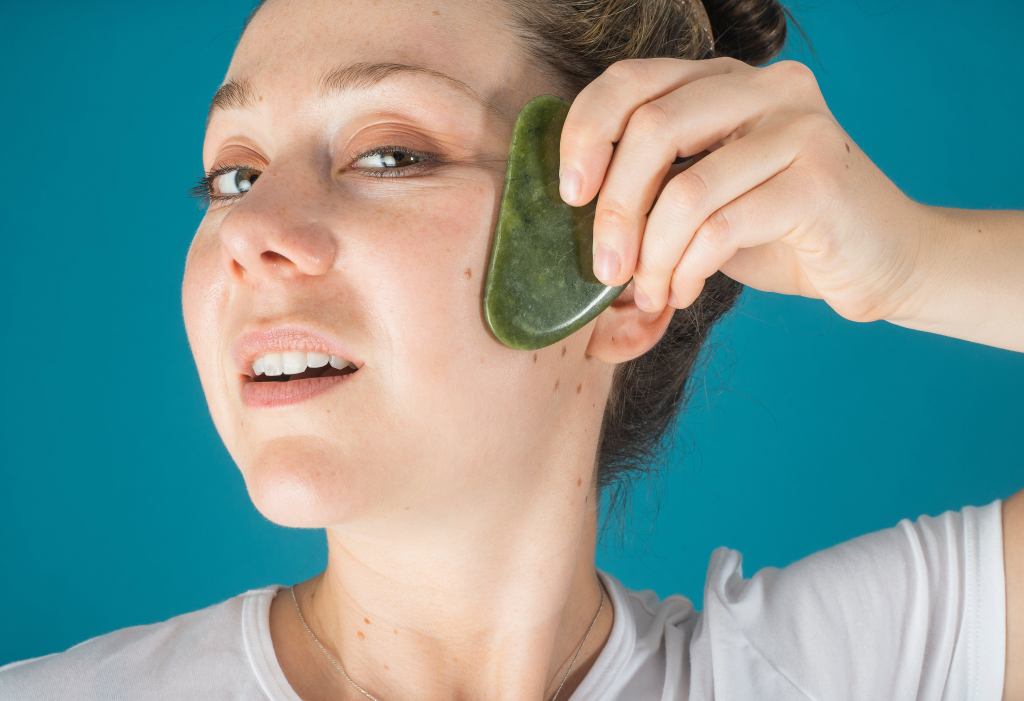
💎 Luxury Skincare: Splurge or Save? A Nurse’s Honest Take 💸

Let’s talk about that $300 face cream calling your name at Sephora, or that serum with gold flakes that promises to reverse time. Are luxury skincare products really worth the splurge? Or are we all just rubbing overpriced hope into our pores?

As an ostomy and wound care nurse in my 40s—and a total skincare nerd—I’ve tested my fair share of products (and peeked at a lot of ingredient lists). I’m here to break it down with a dose of science, sass, and skin-gut wisdom. 🧴🧠✨


💰 Splurge-Worthy or Skin Scam?

Let’s get this out of the way: expensive doesn’t always mean better. But cheap doesn’t always mean effective either. So where’s the line?

✅ When to SPLURGE:

These items can be worth the extra dollars if:

🔬 They have clinically backed ingredients.
Look for proven powerhouses like retinol, peptides, niacinamide, and vitamin C—especially when in stable, high-quality formulations.

🧪 They offer advanced delivery systems.
If a luxury serum has encapsulated ingredients that penetrate deeper and work longer, it may be worth it (especially for aging or damaged skin).

💆 Texture and sensory experience matter.
If your $90 night cream makes you want to stick to your routine because it feels heavenly, that’s self-care magic I can get behind.

👃 They’re free from irritants and full of nourishing extras.
Sensitive skin? You’ll often find luxury lines invest in calming ingredients like ceramides, centella asiatica, or probiotic ferments.


🧴 When to SAVE:

A nurse’s budget (and practicality) says there are times to absolutely keep your coins:

🧼 Cleansers.
It’s on your face for 60 seconds. Drugstore options with gentle surfactants do just fine (I see you, CeraVe and Vanicream).

💧 Hydrators.
Want to trap water in your skin? Look for glycerin, hyaluronic acid, or squalane—you can find all of these in affordable formulas.

☀️ Sunscreens.
SPF is non-negotiable, but you don’t need a $70 bottle. Some of my favorites are under $20, with great feel, broad spectrum protection, and no white cast.


🧠 Let’s Talk Gut-Skin Realness

Now here’s where the nurse in me can’t help but chime in: a $200 moisturizer won’t do much if your gut health is a dumpster fire. 💩🔥

When your digestive system isn’t happy, you can see it on your face—breakouts, dullness, sensitivity, inflammation. If your skin looks “off,” don’t just shop for serums—check your poop, water intake, fiber, stress, and sleep. Yes, even the fanciest cream can’t fix leaky gut syndrome or chronic constipation. 😉

Want glow? Pair your skincare with:

  • 🌱 Probiotics & prebiotics (yes to fermented foods!)
  • 🥦 Antioxidant-rich veggies
  • 💧 2-3L of water/day
  • 💤 Actual sleep (not just melatonin dreams)

🩺 A Nurse’s Honest Bottom Line

Splurge strategically. Don’t fall for fancy packaging alone. Invest where it counts—actives, treatments, and products that truly enhance your routine or solve a problem.

Save smartly. Skincare isn’t a status symbol. You can have radiant, resilient skin with the right drugstore products and a solid gut game.

Care from the inside out. Skin health is a full-body conversation—and that includes your intestines, hydration, stress, and even your poop schedule. (Nurse mic drop 🎤💩)


💬 Let’s Chat

Have a product you’ve been eyeing but unsure if it’s worth it? Drop it in the comments and I’ll give you the no-fluff nurse verdict! 👇


⚠️ Disclaimer (Because I’m a Nurse, Not Your Nurse 😉)

This blog is for general education and entertainment purposes only. Always consult with your dermatologist, primary care doc, or wound/ostomy care specialist for personalized advice—especially if you have specific conditions, allergies, or medical devices like an ostomy. What works for one skin type might irritate another—so go slow, patch test, and listen to your body.


🦠 Probiotics for Your Face? The Gut-Skin Connection You Need to Know

If someone told you that the secret to glowing, healthy skin might actually start in your gut, you’d probably raise an eyebrow—and maybe your probiotic supplement bottle too. But as a wound and ostomy care nurse in my 40s with a passion for all things skin, gut, and wellness, I’m here to spill the (kefir) tea on why your gut microbiome is one of the biggest players in your skin health game. Spoiler alert: probiotics aren’t just for your gut—they might be a secret weapon for your face too! 🌟


What Are Probiotics, Anyway?

Probiotics are those friendly bacteria that live in your digestive tract helping you digest food, fight off bad bugs, and keep your immune system strong. Think of them as your gut’s personal bodyguards. But here’s the kicker: research now shows that a happy gut microbiome can have a powerful influence on your skin’s health, appearance, and even its ability to heal wounds. Cool, right?


The Gut-Skin Axis: What’s the Connection?

Your gut and skin are like besties who text each other constantly. When your gut is out of balance—maybe because of stress, poor diet, antibiotics, or illness—it can lead to inflammation that shows up as redness, acne, eczema, or even premature wrinkles on your skin. This “gut-skin axis” means what’s happening inside can literally show up on your face. 😳


Can Probiotics Help Your Skin?

Yes! While more research is ongoing, studies suggest that taking probiotics can:

  • Reduce inflammation that contributes to acne and rosacea
  • Improve skin hydration and barrier function
  • Support healing of wounds and irritations (hi, wound care nurse here 👋)
  • Potentially slow down skin aging by modulating immune responses

How To Add Probiotics to Your Skin Care Routine

1. Eat Your Probiotics

Yogurt, kefir, kimchi, sauerkraut, miso, and kombucha are delicious ways to feed your gut-friendly bacteria. Bonus: many are packed with vitamins and antioxidants good for your skin too! 🥒🥛

2. Try Probiotic Skincare Products

Some creams and serums now include probiotics or prebiotics (food for good bacteria) to help balance your skin’s own microbiome. Remember, your skin has bacteria too, and keeping them happy supports skin health and reduces irritation.

3. Consider Supplements

Probiotic supplements can be helpful—especially if you’ve been on antibiotics or dealing with gut issues. Talk with your healthcare provider to find the right strain and dosage.


What To Watch Out For

  • Not all probiotic strains are created equal—some are better for gut health, others for skin.
  • If you have a compromised immune system or certain medical conditions, probiotics might not be for you.
  • Always patch test topical probiotic products to avoid irritation.

Nurse Tips to Maximize Your Gut-Skin Health

  • Pair probiotics with a fiber-rich diet (prebiotics) to feed those good bugs
  • Avoid excessive sugar and processed foods that feed bad bacteria
  • Manage stress with exercise, meditation, or hobbies
  • Stay hydrated for overall skin and gut function

⚠️ Disclaimer (Because I’m a Nurse, Not Your Nurse 😉)

This blog is for general education and entertainment purposes only. Always consult with your doctor, dietitian, dermatologist, or wound/ostomy care specialist before starting new supplements or skincare products, especially if you have health concerns or allergies.


Final Thoughts

Your gut and your skin are in a lifelong conversation—and probiotics might just be the translators that keep the peace. By supporting your gut health, you’re giving your skin a powerful boost toward looking and feeling its best. So cheers to happy guts and glowing faces! 🥂✨

🧱 Beyond the Face: Nurse-Approved Skin Barrier Tips (and the Gut Connection You’re Probably Ignoring)

Spoiler: it’s not just your face that deserves love.


Skin barrier health goes way beyond your face. Learn how gut health impacts barrier function, and why your underboob, sacrum, and elbows deserve just as much love. Nurse-approved skincare tips that blend clinical credibility and gut-skin truth.


Let’s Be Honest: When’s the Last Time You Moisturized Your Elbows?

Or showed your underboob skin some barrier cream love? Or gave your belly folds a legit spa moment?

Exactly.

As a wound care nurse in her fabulous 40s—with a passion for poop and peptides—I’m here to tell you: 👉 Your skin barrier is not just a cute TikTok trend. It’s real. It’s vital. And it goes far beyond your face.

So let’s chat about the forgotten skin, barrier basics, gut health, and why ceramides should absolutely be your new BFF.


🧱 What Is the Skin Barrier, and Why Should You Care?

Think of your skin barrier like a brick wall:

  • 🧱 Skin cells = the bricks
  • 🧈 Lipids (fats) = the mortar holding it together

When that barrier is healthy, it keeps moisture in and irritants out. But when it’s damaged—through overwashing, harsh products, friction (hello, PPE life), or inflammation—it’s like a wall with missing bricks.

Cue: dryness, burning, cracking, rashes, mystery flaking at the worst times.

🩺 Nurse Note:

I see broken skin barriers every single day—from sacral wounds and underboob irritation to overzealous retinol regrets. The good news? It’s fixable. With the right plan.


🧴 Ceramides: The Unsung Heroes of Skin Health

Ceramides are natural fats that make up about 50% of your stratum corneum (your outermost skin layer). Translation: they’re a big deal.

Low ceramide levels = dry, irritated, inflamed skin.

Ceramides help:

  • Lock in moisture
  • Strengthen the skin barrier
  • Protect against bacteria and toxins
  • Reduce inflammation

And no—it’s not just your face that needs them.

Apply ceramide-rich creams to:

  • Hands (after 437 hand washes)
  • Inner thighs (chafing is real 😊)
  • Under breasts (sweat + yeast = no thanks)
  • Sacrum and buttocks (especially if sedentary)
  • Belly folds or other friction-prone areas

💡 Forgotten Skin Zones That Deserve Barrier Cream

If you’ve ever:

  • Treated MASD (moisture-associated skin damage)
  • Fought a diaper rash stronger than a toddler’s will
  • Dealt with heat rash under a belly fold after a shift in scrubs…

…then you know.

MVP barrier ingredients:

  • Zinc oxide: anti-inflammatory, creates a physical barrier
  • Dimethicone: smooths and protects skin
  • Petrolatum: locks in moisture (yes, super cheap)

Pair barrier creams with ceramides for next-level results.


🔬 The Gut-Skin Connection: What’s Inside Shows Up Outside

Recent research continues to show what nurses (and grandmas) have known for years: When your gut’s unhappy, your skin acts out.

According to a 2023 review in Frontiers in Microbiology:

  • Dysbiosis (imbalanced gut flora) has been linked to acne, eczema, psoriasis, and delayed wound healing.
  • A healthy gut can increase ceramide production in the skin and improve barrier function.

Signs your gut may be affecting your skin:

  • Unexplained dryness or flaking
  • Red, irritated patches (even in odd places)
  • Slow healing after minor injuries
  • Recurring rashes, especially with stress or diet changes

Key gut-skin supporters:

  • Probiotics & prebiotics: balance gut flora
  • Omega-3s: reduce inflammation
  • Zinc & vitamin A: aid in skin repair
  • Fiber: feeds the good bacteria

👩‍⚕️ Personal Story: From Cracked Skin to Ceramide Queen

After one particularly chaotic week (back-to-back shifts, minimal water, lots of stress, zero vegetables), I noticed the skin under my sports bra looked like it had lost a fight with sandpaper.

I swapped in a ceramide-heavy moisturizer and a barrier cream with zinc oxide. I also upped my probiotic, chugged more water than usual, and added fermented foods.

Within days, the irritation calmed, and within a week? Back to baseline—no redness, no stinging.

Moral of the story? Inside-out care works.


🧖‍♀️ Nurse-Approved Barrier Boost Routine

💪 For Skin:

  • Post-shower: Ceramide-rich lotion on damp skin
  • Hot spots: Barrier cream on folds, thighs, sacrum, under breasts
  • Hands: Reapply barrier balm every 8–10 washes

🥗 For Gut:

  • Stay hydrated (aim for 60–80 oz daily)
  • Eat collagen-rich foods: bone broth, berries, leafy greens
  • Avoid ultra-processed foods
  • Take a daily probiotic and include fermented foods

🧡 Final Takeaway: Your Skin Doesn’t Stop at Your Jawline

You don’t need 18 serums or a spa weekend to build a healthy skin barrier. You need:

  • Consistency
  • Ceramides + barrier creams
  • Gut support
  • A little humor (yes, it’s healthy) 😊 and a lot of hydration

Next time you slather your face with serum, remember: Your gut, your underboob, and your belly folds deserve love too.

Glow biologically—and don’t forget to moisturize your elbows. 😉

⚠️ Disclaimer (Because I’m a Nurse, Not Your Nurse 😉)

This blog is for general educational and entertainment purposes. It doesn’t replace personalized medical advice. Always consult your healthcare provider, especially if you’re treating wounds, rashes, or skin conditions.