Cinnamon Apple Chia Pudding: The Fall Superfood Treat for Digestion, Gut Health & Radiant Skin 🍏✨


Whip up this cozy Cinnamon Apple Chia Pudding! Packed with fiber, antioxidants, and omega-3s, it boosts digestion, gut health, and glowing skin. 🍎🥄


🍂 Hey wellness warriors! Is there anything more “fall” than the smell of apples and cinnamon simmering on the stove? As a nurse in her fabulous 40s with 22+ years in wound and skin care, I can confirm—what you eat shows up on your skin. (Yes, even that pumpkin spice latte).

This season, my favorite go-to snack is Cinnamon Apple Chia Pudding—a gut-healing, skin-loving superfood treat that tastes like dessert but works like medicine. 🥄✨

Research backs me up: a 2022 article in Nutrients highlighted that chia seeds, rich in omega-3 fatty acids and fiber, help reduce inflammation and support healthy digestion. Pair them with antioxidant-rich apples and cinnamon, and you’ve got a trifecta of glow-worthy goodness.

So, let’s dive into why this fall-inspired snack isn’t just delicious—it’s basically skincare you can eat.


🍎 The Gut-Skin Connection (Why Dessert Matters for Your Face)

Ever notice how a weekend of sugar overload shows up as breakouts or dull skin? That’s the gut-skin axis at work. When your gut microbiome is balanced, it lowers inflammation, supports hydration, and keeps your skin barrier strong.

  • Poor gut health = bloat, constipation, and sometimes premature wrinkles.
  • Happy gut = smoother digestion + radiant, plump skin.

👉 Question for you: Do you notice your skin changing after certain meals?


🌱 Chia Seeds: Tiny But Mighty for Gut + Skin

  • Fiber Power: Just 2 tablespoons of chia seeds give you 10g of fiber, keeping digestion smooth.
  • Hydration Hero: These seeds absorb 10x their weight in water, helping your body stay hydrated.
  • Skin Glow Factor: Rich in alpha-linolenic acid (ALA), an omega-3 that calms inflammation and supports your skin barrier.

📊 According to Harvard T.H. Chan School of Public Health (2022), chia seeds may also reduce cholesterol and stabilize blood sugar, both linked to healthier-looking skin.


🍏 Apples: Crunchy Antioxidant Powerhouses

  • High in polyphenols (plant antioxidants) that fight oxidative stress, a major cause of wrinkles.
  • Rich in pectin, a prebiotic fiber that feeds good gut bacteria.
  • A 2021 Journal of Food Science study found apples support better digestion and reduce inflammation markers.

DIY TIP: Use Honeycrisp or Pink Lady apples for natural sweetness without extra sugar. 🍯


🌿 Cinnamon: The Sweet Spice That Heals

This cozy spice isn’t just for lattes—it’s a powerful anti-inflammatory.

  • Contains cinnamaldehyde, which supports blood sugar balance and reduces oxidative stress.
  • Journal of Medicinal Food (2020) noted cinnamon’s antioxidant activity may protect skin cells from premature aging.

🥄 Recipe: Cinnamon Apple Chia Pudding

Here’s my go-to version—nurse-tested, gut-approved.

Ingredients (serves 2–3):

  • 2 tbsp chia seeds
  • 1 cup unsweetened almond milk (or oat milk for creaminess)
  • 1 apple, diced and sautéed in 1 tsp coconut oil
  • ½ tsp cinnamon
  • 1 tsp maple syrup (optional)
  • Dash of vanilla extract

Instructions:

  1. Mix chia seeds with almond milk, cinnamon, and vanilla. Let sit 15–20 mins (or overnight).
  2. Sauté diced apples in coconut oil until soft, sprinkle cinnamon.
  3. Layer apples over chia pudding. Drizzle maple syrup if desired.

✅Glow Tip: Meal prep in small jars for easy grab-and-go breakfasts!


✨ Gut-Friendly Fall Foods to Pair With It

If you’re all-in on anti-inflammatory fall treats, add these to your pantry:

  • Pumpkin seeds (zinc for skin repair)
  • Oats (prebiotic fiber)
  • Walnuts (omega-3s)
  • Sweet potatoes (beta-carotene for skin glow)

Fall is the perfect time to cozy up with recipes that taste indulgent but secretly heal your gut and skin. Cinnamon Apple Chia Pudding isn’t just a treat—it’s a nurse-approved, microbiome-friendly glow hack.

💬 I’d love to hear: Would you eat this as breakfast, snack, or dessert? Drop your answer in the comments—I might just share my pumpkin spice chia pudding twist next! 🎃

⚠️ Disclaimer (Because I’m a Nurse, Not Your Nurse 😉)
This blog is for general educational and entertainment purposes only. Please consult your healthcare provider for personalized advice.
Click below to see all the tips and resources


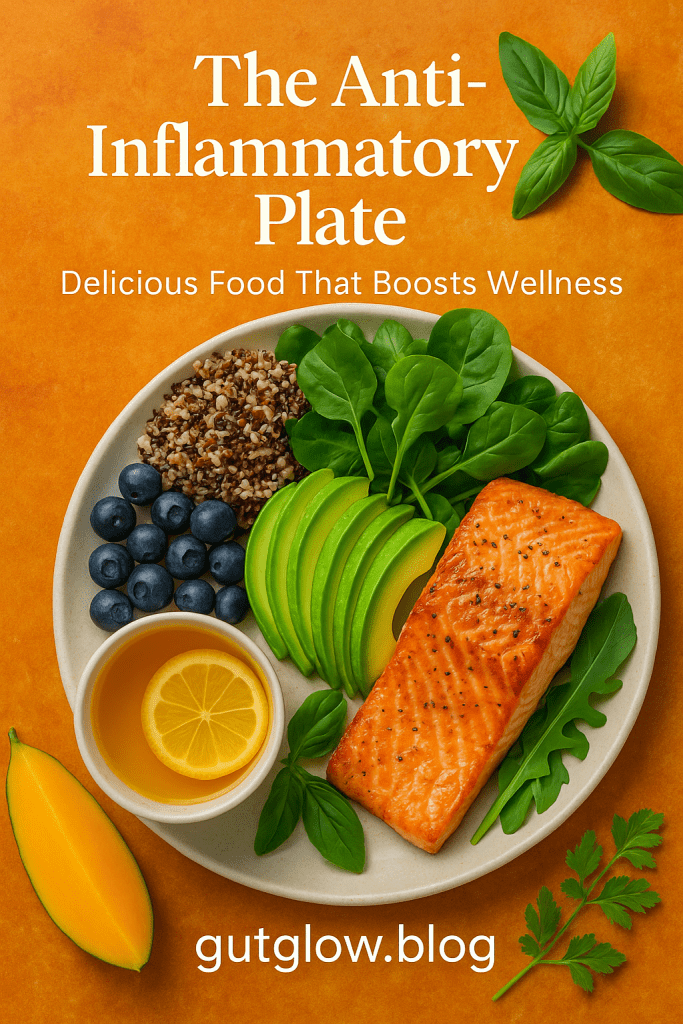
The Anti-Inflammatory Plate: Delicious Foods That Fight Inflammation and Boost Wellness 🥦✨

“Discover nurse-approved anti-inflammatory foods that support gut health, reduce inflammation, and promote glowing skin 🌿🥗. Your healing plate starts here!”


Ever notice how certain foods make you feel bloated, tired, or even trigger skin flare-ups? 😅 As a nurse with over 22 years of experience in wound, ostomy, and skin care, I can tell you: what you eat directly affects gut health, inflammation, and skin wellness.

Enter the anti-inflammatory plate—a simple, delicious way to eat your way to better digestion, glowing skin, and overall vitality. Research in Nutrients (2022) shows that diets rich in anti-inflammatory foods can reduce chronic inflammation, support gut microbiome diversity, and even improve skin elasticity.

Let’s break down my go-to anti-inflammatory foods and actionable tips to create a healing plate that works in real life (yes, even on busy weekdays 🥗✨).


🥦 What is an Anti-Inflammatory Diet?

An anti-inflammatory diet focuses on foods that reduce chronic inflammation in the body, which is often linked to:

  • Digestive issues (IBS, bloating)
  • Skin flare-ups (acne, eczema, rosacea)
  • Joint pain or stiffness
  • Low energy and premature aging

Glow tip:

I’ve seen countless patients improve gut and skin health simply by shifting to anti-inflammatory foods—no magic pills required.


🌱 Key Anti-Inflammatory Foods I Swear By

1. Leafy Greens

  • Spinach, kale, Swiss chard
  • High in magnesium, which helps calm inflammation
  • Packed with antioxidants for skin repair

2. Berries

  • Blueberries, strawberries, raspberries
  • Rich in polyphenols, fighting oxidative stress
  • Great for gut microbiome diversity

3. Fatty Fish

  • Salmon, sardines, mackerel
  • High in omega-3s, reducing inflammation and promoting glowing skin
  • Supports joint health

4. Nuts & Seeds

  • Walnuts, almonds, chia, flax
  • Provide healthy fats and fiber, improving digestion
  • Helps reduce inflammatory markers in the blood

5. Fermented Foods

  • Kefir, yogurt, kimchi, sauerkraut
  • Boost probiotics, balancing gut bacteria
  • Linked to reduced skin flare-ups (acne, eczema)

6. Herbs & Spices

  • Turmeric, ginger, garlic, cinnamon
  • Natural anti-inflammatory compounds
  • Easy to add to meals without extra calories

🥗 How to Build Your Healing Plate

  1. 50% vegetables & fruits → Mix colors for maximum nutrients
  2. 25% lean protein or fatty fish → Anti-inflammatory and satiating
  3. 25% whole grains or legumes → Fiber for gut health
  4. Add healthy fats & seeds → Olive oil, nuts, chia/flax
  5. Season with anti-inflammatory herbs & spices → Flavor + functional benefits

⚡ Gut Tip: Use meal prepping hacks to make anti-inflammatory meals quick and stress-free.


🌿 Lifestyle Habits That Boost Your Plate

  • Hydration 💧 → Supports digestion, skin elasticity, and detox pathways
  • Regular movement 🏃‍♀️ → Circulation boosts nutrient delivery and reduces inflammation
  • Stress management 🧘‍♀️ → Cortisol spikes can negate the benefits of anti-inflammatory foods
  • Sleep 😴 → Healing, skin repair, and hormone balance

🥄 Nurse-Approved Recipes & Snack Ideas

  • Berry + spinach smoothie with kefir and flax
  • Salmon salad with kale, walnuts, and olive oil dressing
  • Overnight oats with cinnamon, berries, and chia seeds
  • Kimchi and veggie stir-fry with turmeric-infused oil

Key Takeaways

  • Anti-inflammatory foods reduce inflammation, improve gut health, and support glowing skin.
  • Focus on colorful fruits, veggies, fatty fish, nuts, seeds, and fermented foods.
  • Small, consistent lifestyle habits amplify the benefits of your healing plate.

💬 What’s your favorite anti-inflammatory food or recipe? Share in the comments—I love swapping ideas!

⚠️ Disclaimer (Because I’m a Nurse, Not Your Nurse 😉): This blog is for general education and entertainment purposes only. Consult your healthcare provider before making major dietary changes.


Your next read is waiting… click below! ⬇️

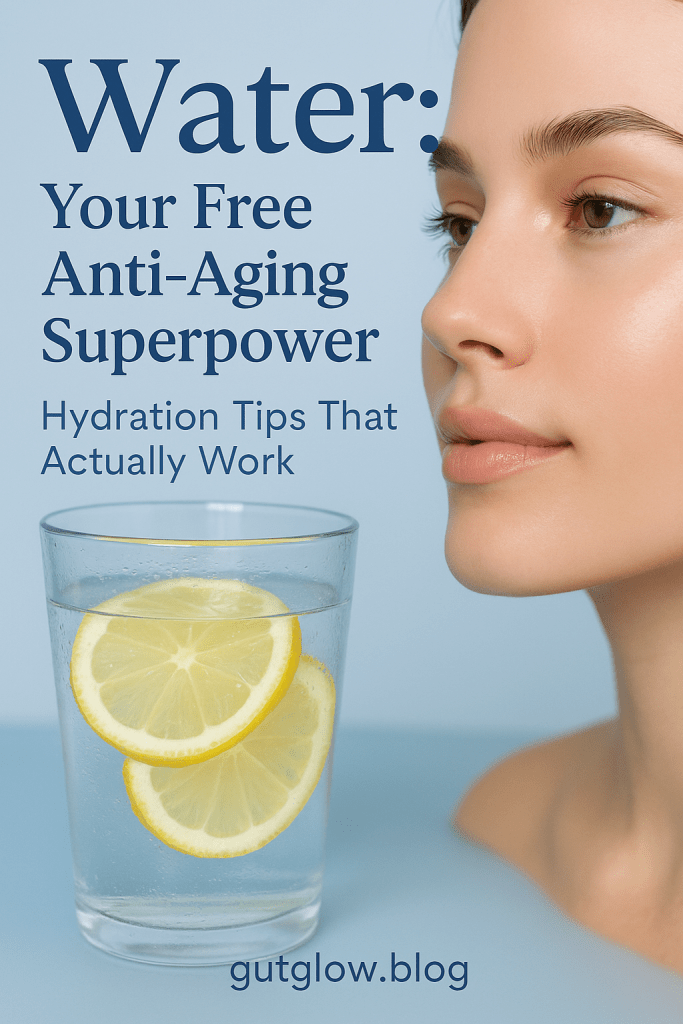
Water: 💦🌸 Your Free Anti-Aging Superpower (Hydration Tips That Actually Work) 🥤✨


“Hydration is your secret anti-aging weapon! 💦 Discover nurse-approved tips for glowing skin, gut health, and overall wellness with simple water habits.”


Ever notice your skin looks dull, tired, or even fine lines pop up after a week of skipping your usual water intake? 😅 You’re not imagining it—hydration is literally one of the most underrated anti-aging tools.

As a nurse with 22+ years of experience in skin, wound, and gut health, I can tell you: water isn’t just for quenching thirst. Proper hydration keeps your skin plump, supports digestion, regulates hormones, and even helps with detox pathways. Think of it as a free beauty elixir that works from the inside out.

A 2023 study in Clinical, Cosmetic and Investigational Dermatology confirmed that increased water intake improves skin elasticity and overall appearance, proving that drinking up is one of the simplest ways to fight the signs of aging.

Let’s dive into hydration habits that actually work—and the science behind why water is your skin’s best friend.


💧 Why Hydration Is Key for Skin & Anti-Aging

  • Elasticity & plumpness → Water keeps skin cells hydrated and reduces appearance of fine lines.
  • Supports collagen function → Proper hydration improves nutrient delivery to skin cells.
  • Flushes toxins → A well-hydrated body eliminates waste more efficiently, reducing inflammation and breakouts.

🥤 How Hydration Impacts Gut Health

  • Supports digestion → Water keeps bowel movements regular and aids nutrient absorption.
  • Balances microbiome → Hydrated digestive tract helps probiotics thrive.
  • Reduces bloating → Adequate water intake prevents fluid retention and digestive discomfort.

🌿 Nurse-Approved Hydration Tips That Actually Work

  1. Morning ritual → Start with 16 oz of water before coffee or breakfast.
  2. Infuse your water → Lemon, cucumber, or berries for flavor + antioxidants.
  3. Set reminders → Apps or alarms to avoid forgetting throughout the day.
  4. Hydrate with food → Include water-rich fruits and vegetables (cucumber, watermelon, oranges).
  5. Post-workout & evening hydration → Replace fluids lost in sweat; drink mindfully before bed.

✨ Extra Anti-Aging Hydration Hacks

  • Add electrolytes if you sweat → Keeps cells properly balanced.
  • Limit diuretics → Too much caffeine or alcohol can dehydrate skin.
  • Track your intake visually → Reusable water bottles with markers help you hit daily goals.

Key Takeaways

  • Water is a free, natural anti-aging tool.
  • Proper hydration improves skin, supports gut health, and reduces inflammation.
  • Small, consistent habits make a huge difference over time.

💬 How do you stay hydrated during busy days? Share your favorite tips below—I love swapping practical hacks!

⚠️ Disclaimer (Because I’m a Nurse, Not Your Nurse 😉): This blog is for general education and entertainment purposes only. Consult your healthcare provider before making major lifestyle changes.


Dive in for all the juicy details 🍓

Cottage Cheese Comeback: How This Protein-Packed Snack Fuels Your Gut, Glowing Skin, and Strong Core 🧀✨


Cottage cheese is back! 🧀 Discover how this protein-rich snack supports gut health, glowing skin, and a stronger core—with nurse-approved tips and recipes.


Okay, confession time: I used to think cottage cheese was just for my grandma’s bridge club potlucks. 🙃 Fast-forward to 2025, and guess what? Cottage cheese is officially cool again—showing up in smoothie bowls, TikTok recipes, and even as a pizza topping.

But this “retro snack” isn’t just trendy—it’s gut-skin-wellness gold. Packed with protein, probiotics (when cultured), and essential vitamins, cottage cheese checks all the boxes for digestion, skin health, and muscle support.

A 2024 article in Women’s Health Magazine called cottage cheese a “nutritional powerhouse” thanks to its blend of protein and live cultures that may support digestion and satiety. And according to a 2023 Nutrients review, high-protein dairy like cottage cheese helps regulate blood sugar and support lean muscle—key for both aging gracefully and keeping skin tight.

So let’s dive into why this humble tub of curds deserves a permanent spot in your fridge.


🦠 Cottage Cheese and Gut Health: A Match Made in Microbiome Heaven

When it’s made with live active cultures, cottage cheese acts as a probiotic food. That means it helps populate your gut with the “good guys” (friendly bacteria).

Gut Perks:

  • Supports digestion → Probiotics and protein help regulate motility and reduce bloating.
  • Feeds your microbiome → When paired with fiber-rich foods (like berries or flaxseed), cottage cheese becomes a gut-friendly combo meal.
  • Keeps you satisfied → High protein = fewer blood sugar crashes (goodbye hangry snacking).

👉 Question for you: Are you team sweet cottage cheese (fruit + honey) or team savory (herbs + veggies)?


✨ Clear Skin Starts in the Gut (And Cottage Cheese Helps!)

As a wound and skin nurse, I’ve seen firsthand how nutrition affects skin healing. The same principles apply to acne, aging, and everyday glow.

Skin-Supporting Nutrients in Cottage Cheese:

  • Protein → Essential for collagen production and skin repair.
  • Vitamin B12 → Helps with cell turnover and reducing dullness.
  • Selenium → An antioxidant that protects against oxidative stress (aka fine lines and wrinkles).
  • Calcium → Important for skin barrier health.

A 2022 article in Journal of Cosmetic Dermatology highlighted how diets rich in protein and micronutrients improve skin elasticity and reduce inflammation. Translation? Cottage cheese may be your new skin-care sidekick.

Gut Glow Tip: Pair cottage cheese with vitamin C–rich foods (like strawberries or kiwi). Vitamin C boosts collagen absorption, making your skin care routine work harder from the inside out.


💪 Cottage Cheese for a Stronger Core (Yes, Really!)

I’m not just talking about abs you can see—I mean your functional core, which includes digestion and pelvic stability.

  • Protein for muscle repair → Cottage cheese delivers ~14g of protein per half cup, fueling strength workouts and recovery.
  • Casein protein → This slow-digesting protein makes it a great bedtime snack, helping muscles repair overnight.
  • Gut-core connection → A healthy microbiome = less bloating, better digestion, and a flatter-feeling belly.

👉 Fun fact: I sometimes recommend a small cottage cheese snack to my wound care patients before bed—it supports tissue repair while they sleep.


🍓 Easy & Delicious Ways to Enjoy Cottage Cheese

Forget the plain scoop in a bowl—here are nurse-approved, skin-friendly combos:

  • Sweet bowl: Cottage cheese + blueberries + chia seeds (fiber + antioxidants).
  • Savory snack: Cottage cheese + cucumber + smoked salmon (omega-3s + probiotics).
  • Gut glow smoothie: Cottage cheese + spinach + pineapple + flaxseed.
  • Bedtime snack: Cottage cheese + cinnamon + sliced apple for slow-release protein.

💊 Should You Choose Any Cottage Cheese? Not Quite.

Not all tubs are created equal. Look for:

  • Live active cultures → Check the label for probiotics like Lactobacillus.
  • Low sodium options → Keeps skin (and blood pressure) happier.
  • Organic when possible → Fewer additives = happier gut.

Skip brands loaded with gums, stabilizers, or “dessert-style” cottage cheeses that sneak in sugar.


✨ Key Takeaways

  • Cottage cheese is more than a retro snack—it’s gut, skin, and muscle fuel.
  • It supports microbiome balance, collagen production, and core strength.
  • Simple swaps and recipes can make it part of your everyday glow routine.

💬 Now I want to hear from you: Do you eat cottage cheese? If so, are you team sweet or team savory? Share your favorite combo in the comments—I might just try it myself!

⚠️ Disclaimer (Because I’m a Nurse, Not Your Nurse 😉): This blog is for general education and entertainment purposes only. Always check with your healthcare provider before making dietary changes.


Continue reading:

💙Blue Spirulina Benefits: The Mermaid Superfood for Glowing Skin + Gut Health ✨


Discover the gut + skin benefits of blue spirulina! Nurse-approved recipes, glowing skin hacks, and digestion support in one magical blue superfood. 🌊


Have you ever scrolled past those dreamy, ocean-blue smoothie bowls on Instagram and thought, “That can’t possibly taste good”? 🌊 Well, surprise—it not only tastes good, it’s also packed with gut- and skin-loving nutrients.

As a nurse in my fabulous 40s with 22+ years in wound and ostomy care, I’ve seen firsthand how inflammation, gut issues, and skin problems are all connected. Spoiler alert: your skin isn’t just a reflection of your moisturizer—it’s a reflection of your gut health too. And that’s where blue spirulina (aka mermaid powder) comes in.

Today, let’s dive into the real benefits, the research, and my nurse-approved recipes that will make you glow inside and out.


🌊 What Is Blue Spirulina?

Blue spirulina is derived from Arthrospira platensis, a type of blue-green algae. Unlike green spirulina, which has a distinct (read: sometimes fishy) taste, blue spirulina is made from an extract called phycocyanin, giving it a vibrant color and milder flavor.

No, it won’t make your tongue blue permanently (I tested before😉). Instead, it’s a fun, nutrient-packed addition to smoothies, oats, and even lattes.


🔬 Blue Spirulina Benefits Backed by Science

Supports Gut Health

A 2024 review in Nutrients found that spirulina’s bioactive compounds can help reduce gut inflammation and support a healthier microbiome. Less inflammation = less bloating and better digestion. Think of it as a “peacekeeper” for your gut lining.

💡My tip for you: Pair blue spirulina with prebiotic fibers (like flax or chia) to give your gut bacteria the fuel they need.


Glowing Skin from the Inside Out ✨

Antioxidants in blue spirulina, especially phycocyanin, help fight oxidative stress—the same stress that contributes to wrinkles, acne flare-ups, and dull skin.

A 2023 article in Dermatology Times highlighted how diets rich in antioxidants can improve skin barrier function and reduce premature aging signs. Translation: add it to your smoothie and thank yourself when your skin looks like it just had a spa day.


Natural Energy Booster (Without the Jitters) ⚡

Unlike coffee, which can sometimes make us feel like we’re auditioning for a squirrel marathon, blue spirulina provides gentle energy thanks to B vitamins, amino acids, and iron. A small study published in Journal of Applied Phycology (2022) suggested spirulina supplementation improved endurance performance in adults.

💡Tip: Try a blue spirulina protein shake before workouts. Your gut—and your abs—will thank you.


Immune + Anti-Inflammatory Benefits 🛡️

Phycocyanin doesn’t just look pretty—it’s been shown to reduce free radical damage and support immune health (Harvard Health, 2023). For women in their 40s and beyond, lowering systemic inflammation can help with everything from joint pain to stubborn skin flare-ups.


💙 5 Fun Blue Spirulina Recipes

🧜‍♀️ Mermaid Smoothie Bowl

  • 1 frozen banana
  • ½ cup coconut milk
  • 1 tsp blue spirulina
  • 1 tbsp chia seeds
  • Toppings: berries + granola

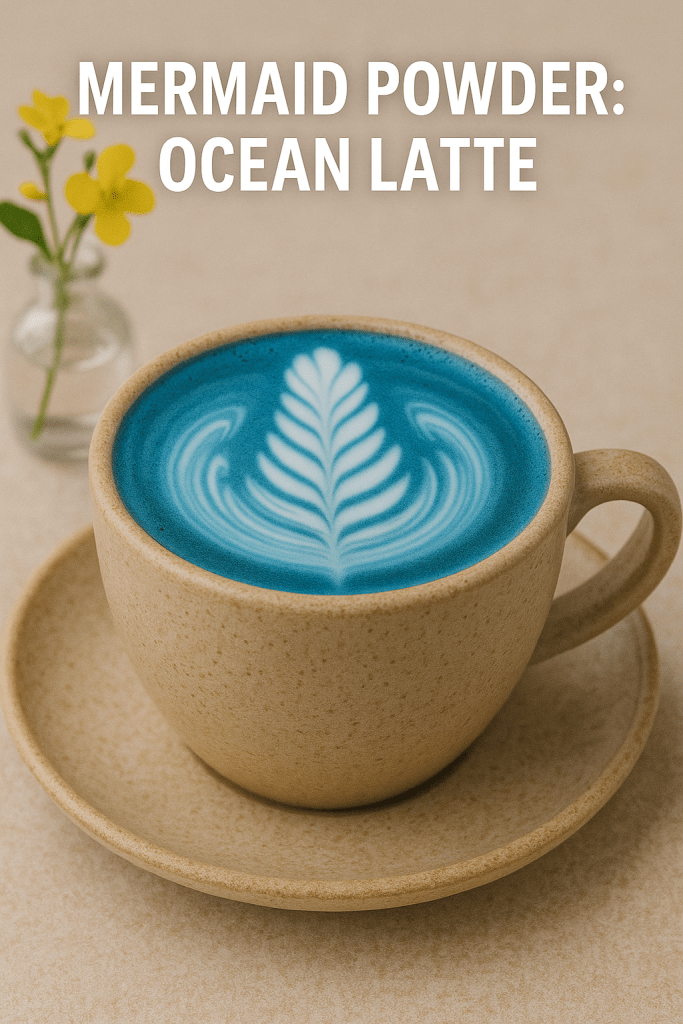
☕ Ocean Latte

  • Warm almond milk
  • ½ tsp blue spirulina
  • Vanilla extract + honey

🌙 Gut-Friendly Overnight Oats

  • Rolled oats + flaxseed
  • Greek yogurt
  • Swirl in blue spirulina for a magical color boost

🥞 Blue Pancakes

  • Oat flour + eggs
  • ½ tsp blue spirulina for vibrant brunch vibes

💪 Protein Glow Shake

  • Vanilla protein powder
  • Handful of spinach
  • Almond milk + ½ tsp blue spirulina

💡 Nurse Tip: Start with ½ tsp per recipe and adjust to taste—your gut doesn’t need a tidal wave of blue right away.


🩺 Nurse-Approved Tips for Using Blue Spirulina

  • ✅ Always buy pure spirulina extract (no fillers or artificial dyes).
  • ✅ Start small (½ tsp daily) to see how your body reacts.
  • ✅ Pair with gut-friendly foods like flax, chia, or probiotics for synergy.
  • ✅ Store in a cool, dry place—this powder hates humidity more than we hate 12-hour night shifts.

⚠️ Who Should Avoid Blue Spirulina?

  • People with algae allergies.
  • Those with autoimmune conditions (consult your provider).
  • Pregnant or breastfeeding women (limited safety data).

✨ Final Thoughts

Blue spirulina isn’t just an Instagram trend—it’s a clinically backed, antioxidant-rich superfood that supports your gut, skin, and overall wellness. Whether you’re making a mermaid bowl or a latte that looks straight out of a Pinterest board, you’re also giving your body legit anti-inflammatory support.

So, what’s stopping you from adding some blue magic to your morning routine?


⚠️ Disclaimer

(Because I’m a Nurse, Not Your Nurse 😉)
This blog is for general education and entertainment purposes only. Always consult your healthcare provider before making dietary changes.


📌 Keep reading

Cortisol Chaos: How Stress Hormones Sabotage Your Gut, Skin, and Aging (and What You Can Do About It)

Chronic stress wrecks more than your mood—it impacts your gut, skin, and aging. Discover nurse-approved tips to calm cortisol, improve digestion, and restore your glow.

When was the last time you had a stress breakout before a big event? Or found yourself bloated and exhausted after a tough week? 🙋‍♀️ As a nurse in my 40s with 22+ years of wound and skin care experience, I’ve seen how stress doesn’t just live in your head—it shows up in your gut and your skin.

Here’s the sciencey part (but don’t worry, I’ll keep it fun): your stress hormone, cortisol, is a double-edged sword. While it’s essential in short bursts (hello, survival mode 🏃‍♀️💨), chronic cortisol chaos can lead to breakouts, premature aging, gut dysfunction, and even stubborn belly fat. And yes, that means your “Sunday scaries” could literally be messing with your skin barrier.

Let’s dive into the gut-brain-skin axis and uncover how stress sabotages your health—and more importantly, what you can do about it.


Stress, Cortisol, and Your Gut 🦠

When you’re stressed, your brain signals your adrenal glands to pump out cortisol. In the short-term, this helps you power through. But chronic stress? That’s where the trouble begins.

How Cortisol Affects Your Gut:

  • Slows Digestion: Chronic stress reroutes blood flow away from your gut, causing bloating, constipation, or diarrhea.
  • Disrupts Microbiome Balance: High cortisol reduces beneficial gut bacteria, which can trigger inflammation.
  • Increases Gut Permeability: Also known as “leaky gut,” this allows toxins to seep into your bloodstream and fuel inflammation (Kelly et al., Frontiers in Psychiatry, 2015).

👉 Ever notice more bloating, reflux, or “nervous poops” before a big presentation? Yep, that’s cortisol at work.

To-do: Support your gut by eating prebiotic-rich foods like oats, asparagus, and garlic. Pair with probiotic-rich options like kefir or kimchi for extra microbiome love.


Stress, Cortisol, and Your Skin ✨

Your skin and gut are BFFs. When your gut is inflamed, your skin often cries out with acne, redness, or dryness.

How Cortisol Shows Up on Skin:

  • Breakouts & Oil Production: Cortisol spikes oil gland activity, leading to acne (Zouboulis, Dermato-Endocrinology, 2009).
  • Collagen Breakdown: Stress hormones accelerate collagen loss, fueling wrinkles and sagging.
  • Barrier Dysfunction: Chronic stress weakens your skin barrier, making it more sensitive and reactive.

👉 Translation: Your stressed-out brain can literally make you look older and duller. Rude, right?

Next move: Build a skin barrier routine—think gentle cleanser, ceramide moisturizer, and SPF. Add in stress-busting adaptogens like ashwagandha (always check with your provider first!).


The Gut-Brain-Skin Axis: A Stress Highway 🚦

The gut-brain-skin axis is the communication loop between your digestive system, nervous system, and skin. Stress disrupts this loop, causing a ripple effect: gut inflammation → systemic inflammation → skin flare-ups.

📌 Research spotlight: A 2020 article in Experimental Dermatology highlighted how stress-induced microbiome changes worsen acne, eczema, and psoriasis (Huang & Chen, 2020).

To-do: Try mindful eating. Slowing down your meals helps digestion, calms your nervous system, and lowers cortisol. Bonus: you actually taste your food. 😋 For more tips on barrier repair, don’t miss my nurse-approved skin barrier tips (and the gut connection you’re probably ignoring). 😋


Stress-Soothing Solutions You Can Actually Do 🙌

Food & Gut Care

  • Add chia seeds, flax, and leafy greens for fiber + omega-3s
  • Hydrate like it’s your job (aim for 2–3 liters a day 💧)
  • Limit ultra-processed foods that fuel inflammation

Movement

  • Gentle workouts like yoga, pilates, or walking lower cortisol
  • High-intensity exercise is great but balance it with recovery days

Sleep

  • Aim for 7–9 hours of quality sleep
  • Keep a wind-down routine (no scrolling in bed 📱❌)

Mindset & Relaxation

  • Deep breathing and meditation lower cortisol in minutes
  • Journaling can help offload stress onto paper instead of your skin

Stress may be inevitable, but cortisol chaos doesn’t have to control your gut or your glow. By nourishing your gut, caring for your skin barrier, and finding simple ways to lower stress, you can reset the gut-brain-skin axis in your favor. 🌿

So tell me—have you noticed your skin flares up when you’re stressed? Share your story in the comments!

⚠️ Disclaimer (Because I’m a Nurse, Not Your Nurse 😉): This blog is for general education and entertainment purposes only. Always consult with your healthcare provider before making changes to your routine.