Supplements I Actually Recommend (and the Ones I Don’t) 💊✨

Hey there, fellow wellness warriors! As a nurse, rocking my 40s while juggling skin, guts, and everything in between—I’m here to spill the tea ☕ on supplements. With so many options out there, it’s easy to get overwhelmed, confused, or end up with a cabinet full of pills you never touch. So, let’s cut through the noise with some nurse-approved, gut-friendly, skin-loving supplement wisdom. Ready? Let’s dive in!


What I Actually Recommend ✅

1. Vitamin C — Your Skin’s Bestie 🍊
Vitamin C isn’t just for fighting colds. It’s a powerhouse antioxidant that boosts collagen production, helping your skin stay plump and wrinkle-resistant. Plus, it supports immune health and wound healing—crucial if you’re managing any skin or ostomy-related care.

2. Magnesium — The “Chill Pill” Mineral 🧘‍♀️
Magnesium helps with muscle relaxation, sleep quality, and even gut motility (hello, morning poops!). Many adults are deficient, so a supplement can help keep your digestion smooth and your stress levels down.

3. Probiotics — The Gut’s Cheerleaders 🦠
A good probiotic can support a balanced microbiome, which we know plays a role in everything from digestion to skin health. Not all probiotics are created equal, so choose strains backed by science (like Lactobacillus and Bifidobacterium).

4. Zinc — Healing Hero ⚡
Zinc supports immune function, wound healing, and can even reduce inflammation in skin conditions. Just be mindful not to overdo it—balance is key!

5. Omega-3 Fatty Acids — Skin & Gut Superstars 🐟
Omega-3s help reduce inflammation, support brain health, and keep skin supple and hydrated. I recommend getting these from high-quality fish oil or plant-based alternatives if you’re vegan.


What I’m Not Sold On ❌

1. Collagen Supplements — Meh, Maybe? 🤷‍♀️
While collagen is essential for skin and wound healing, taking it as a pill or powder doesn’t always guarantee it’ll reach your skin intact. Your body breaks it down into amino acids like any protein. Focus more on a balanced diet with protein-rich foods.

2. Detox Teas & Quick-Fix Supplements 🚫
If it sounds too good to be true—like “flush toxins in 3 days”—it probably is. Your liver and kidneys do a stellar job detoxing; no magic potion required.

3. Over-the-Top Multivitamins 🧪
A mega-dose multivitamin can sometimes do more harm than good. Excess fat-soluble vitamins (like A, D, E, K) can build up and cause problems. Stick to targeted supplements based on your needs.


My Nurse-to-You Advice 💡

  • Supplements can be great, but they’re just one piece of the puzzle. Your gut and skin thrive on good food, hydration, sleep, and stress management.
  • Always check with your healthcare provider before starting anything new—especially if you have an ostomy, chronic condition, or take medications.
  • What works for me or my patients might not be your perfect fit—everyone’s gut and skin story is unique!

⚠️ Disclaimer: Because I’m a Nurse, Not Your Nurse 😉
This blog is for general education and entertainment purposes only. Always consult with your doctor, dietitian, dermatologist, or wound/ostomy care specialist—especially if you have specific conditions, allergies, or a medical device like an ostomy.


In a nutshell: Choose your supplements wisely, listen to your body, and remember — the best glow comes from a happy gut and a nourished soul! 🌟💪


Would you like me to suggest some specific supplement brands or recipes that support gut and skin health? Just ask! 😊


Nurse Life Wellness: 5 Simple Habits That Keep Me Going 👩‍⚕️💪💧🧴🥗💤

Let’s face it—nurse life is go-go-go, with a side of “did I even pee today?” If you’re a fellow nurse, you already know the hustle. And if you’re not, welcome to a peek inside the caffeine-fueled, compression-sock-wearing world we live in. As a wound and ostomy care nurse in my 40s (aka Team Skin & Poop Forever), I’ve learned that if I don’t intentionally care for myself, I’m basically a wound waiting to happen.

So here it is: my five non-negotiable wellness habits that help me stay sane, energized, and skin-glow ready—even after back-to-back shifts, charting marathons, and the occasional code brown 💩.


1. Hydration Like It’s My Job 💧

You’ve heard it before—but are you actually doing it? I used to tell patients to hydrate while nursing a 5-hour-old iced coffee. Now, I keep a big, straw-top water bottle with me always. Dehydration doesn’t just mess with energy—it slows digestion, dries out skin, and increases fatigue (aka nurse Kryptonite). Bonus: well-hydrated skin heals faster. Yes, even Grandma’s elbow knows.

Pro tip: Add electrolytes for long shifts or hot units.


2. Magnesium = My Gut MVP 🧠💩

Stress + inconsistent meals = gut drama. And let’s not even talk about night shifts. Magnesium glycinate or citrate helps keep my motility on point and my poops regular without being too harsh (especially helpful for ostomy folks too!). My skin even looks calmer when my gut’s happy.


3. Skin Care: The 3-Minute Nurse Version 🧴✨

Here’s the deal: you don’t need a 15-step Korean skincare routine. I swear by this trio:

  • Gentle cleanser (because hospital air = yuck)
  • Vitamin C serum (brightens, boosts healing)
  • Mineral sunscreen (for that hospital parking lot sun)

Even after a 12-hour shift in a mask, your skin can bounce back with just a little consistency. Don’t skip sunscreen, even if you never see the light of day during your shift. That fluorescent lighting still ages you, friend. 😏


4. Meal Prep That Loves My Gut (and Skin) 🥗

I try to prep 2-3 gut-friendly meals/snacks that are easy to grab. Think:

  • Greek yogurt + chia + berries (probiotics + fiber)
  • Roasted veggies + quinoa + salmon (skin fuel!)
  • A stash of almonds and dark chocolate in my locker (don’t judge, it’s balance)

I avoid overly processed snacks that mess with my gut (and cause breakouts) and aim for meals that keep my blood sugar steady and my mood less hangry.


5. Sleep, Even If It’s Weirdly Scheduled 😴

I know, I know—night shift ruins everything. But I treat sleep like medicine. Eye mask. White noise. Magnesium at night. No scrolling before bed. When I’m well rested, I’m kinder, quicker on my feet, and my skin isn’t screaming “fatigue” from across the nurse’s station.


Bonus: Laugh Often & Poop Regularly 😄💩

Listen, I talk about poop for a living—might as well have fun with it. Nurse burnout is real, but wellness doesn’t have to be overwhelming. It’s about building realistic habits that keep your gut happy, your skin glowing, and your energy up. You don’t need perfection. Just progress.


⚠️ Disclaimer (Because I’m a Nurse, Not Your Nurse 😉)
This blog is for general education and entertainment purposes only. Always consult with your doctor, dietitian, dermatologist, or wound/ostomy care specialist—especially if you have specific conditions, allergies, or a medical device like an ostomy.


🥗 Eat for Glow: The Gut-Skin Connection in Every Meal

Let’s talk glow-up—and not the Instagram-filter kind. I’m talking real, nurse-approved, radiant-from-the-inside-out kind of glow ✨. That post-veggie-bowl, happy-bowels, hydrated-skin, clear-complexion kind of magic.

As a wound and ostomy nurse who’s spent over two decades knee-deep in poop (literally and figuratively 💩), I can confidently say: your gut health and skin health are BFFs—and your fork is the matchmaker. 🍴💘

So if you’ve been slathering on serums but still dealing with breakouts, inflammation, or dry patches, it might be time to look below the surface—yep, we’re going gut deep.


🌿 The Gut-Skin Axis: It’s a Thing, I Promise

Your digestive tract isn’t just about absorbing nutrients and giving you that glorious morning poop. 🚽 It also plays a major role in:

  • 💥 Inflammation levels
  • 🦠 Immune system regulation
  • 💧 Skin hydration and barrier repair
  • 🌟 Collagen production and wrinkle resilience

Basically, when your gut’s out of whack, your skin sends out a distress flare—cue acne, dullness, eczema, or even delayed wound healing.


🧠 Fun Nurse Fact: The Gut Has a Brain of Its Own

The enteric nervous system, aka the “second brain,” talks to your skin through the gut-brain-skin axis. Stressful day? Your gut bacteria notice. Eat junk food all weekend? Your skin spills the tea Monday morning. ☕️


🥑 Glow-Up Grocery List: What to Eat for That Inside-Out Radiance

These foods are skin AND gut heroes. Think of them as the support squad for both your intestines and your Instagram selfies:

🥬 Leafy Greens (Kale, Spinach, Arugula)

Packed with fiber and antioxidants—think of them as a broom and a shield in your gut.

🥕 Orange & Red Veggies (Carrots, Sweet Potatoes, Bell Peppers)

Loaded with beta-carotene (hello, vitamin A precursor!)—supports skin renewal and reduces dryness.

🥥 Healthy Fats (Avocados, Olive Oil, Nuts)

Support cell membranes and reduce inflammation. Plus, fat helps you absorb fat-soluble skin vitamins (A, D, E, K).

🫐 Berries

These antioxidant powerhouses help your skin fight off free radicals—and they taste like dessert.

🧄 Fermented Foods (Kimchi, Sauerkraut, Kefir, Yogurt)

Bring on the probiotics! They balance gut flora and calm skin issues like acne, rosacea, and eczema.


❌ Gut-Skin Glow Killers (Sorry, But We Need to Talk…)

🍬 Sugar Bombs

Inflammatory and collagen-destroying. That “sugar face” thing? It’s real.

🧪 Ultra-Processed Junk

Your microbiome thrives on whole food diversity—not fake cheese dust and artificial dyes.

🥤 Dehydration

Okay, water’s not food, but it’s ESSENTIAL. Dry gut = dry skin. 💦 Drink up, friend.


💊 Bonus: Gut-Friendly Supplements That Help Skin Heal

Always talk with your provider first, but here are some MVPs I recommend (especially for wound healing!):

  • Zinc: For tissue repair and immune health
  • Vitamin C: Boosts collagen and immune support
  • Vitamin D: Crucial for immune modulation and skin resilience
  • Probiotics: Choose one with multiple strains for gut flora diversity

🌟 Real Talk From Your Wound Care Nurse

Whether you’re healing from a surgical wound, managing your ostomy, or just trying to keep your 40s face glowing while juggling life—food is your ally. I’ve seen people heal faster, feel better, and glow brighter when they support their guts with good nutrition.

Skincare isn’t just what you put on your skin—it’s what you feed it, too. 🍽💕


⚠️ Disclaimer (Because I’m a Nurse, Not Your Nurse 😉)

This blog is for general education and entertainment purposes only. Always consult with your doctor, dietitian, dermatologist or wound/ostomy care specialist—especially if you have specific conditions, allergies, or a medical device like an ostomy. What works for one person might not work for another (especially if we’re talking ileostomy vs colostomy vs urostomy—big differences, folks!).


🌈 Final Thought

Eating for glow isn’t about being perfect—it’s about being kind to your gut and consistent with your choices. Your skin is your biggest organ, and your gut? Well, it’s the backstage crew that keeps the whole show running.

So go ahead—pile your plate with color, fiber, and fermented goodness. Your skin (and your poop 💩) will thank you.


Father Figures & Fiber: Why Your Dad Needs to Poop Better 💩🌾

Fiber-packed advice with a side of colon-friendly love

Hey there, fiber fans and gut guardians! 👋 Let’s talk about something that doesn’t get nearly enough attention in Father’s Day cards: your dad’s bowel habits. Yep, we’re going there. Because as a nurse who’s seen the backside (literally) of gut issues—from constipation to skin breakdown—I can tell you this: poop matters. A lot. Especially when it comes to the skin, energy, and overall health of the men we love.

And if your dad’s idea of “fiber” is the crust on a pizza or the lettuce under a burger patty… this one’s for him. 🍕


🚽 Why Dads (and All Men) Need Better Fiber Habits

Let’s be real: many men weren’t raised to think about gut health unless something explodes or bleeds. That “tough it out” mentality? Not great for digestion. Over time, low-fiber diets can lead to:

  • Constipation (hello, gut bloat and grumpiness)
  • Diverticulosis
  • Hemorrhoids
  • Skin issues (yes, your gut affects your skin!)
  • Sluggish wound healing (big deal for post-op dads)

🌾 Fiber: The Unsung Hero of Dad Wellness

Fiber isn’t just a buzzword—it’s essential for gut motility, toxin elimination, and keeping that gut microbiome in balance. And guess what? A happy gut = better skin, better energy, and fewer mystery rashes.

Here’s how fiber helps:

  • Feeds the good bacteria in your gut (prebiotics FTW!)
  • Keeps things moving, preventing the dreaded nurse-diagnosed “bowel traffic jam”
  • Helps regulate cholesterol and blood sugar
  • Supports immune function (yes, the gut is a big part of immunity!)

🥕 Simple Fiber Upgrades for Father Figures

Let’s not overhaul dad’s entire diet in one day. Here’s how to sneak fiber in without a full-blown quinoa intervention:

  1. Swap white for brown – whole grain bread, brown rice, and whole wheat pasta.
  2. Add flax or chia seeds to smoothies, yogurt, or even his morning cereal.
  3. Upgrade snacks – roasted chickpeas, trail mix, or fruit with skin (yes, apples count).
  4. Start with soup or salad – fiber in the form of beans, lentils, or leafy greens.
  5. Don’t forget water! 💧 Fiber without hydration is like driving a car with no gas.

💩 But Wait—Let’s Talk About Poop

Normal doesn’t mean once a week. Regular, formed, easy-to-pass poops are a sign of gut wellness. Fiber helps normalize bowel patterns and supports colon health in a big way. So if dad’s a once-a-week kind of guy… it’s time to fiber-up.


🧴 The Gut-Skin Connection (Yep, Even for Dudes)

Low fiber → gut inflammation → poor detox → skin breakouts, dullness, or eczema flares. Yes, even rugged dads get rosacea and dry patches. A fiber-rich diet helps filter toxins, reduce inflammation, and keep skin clearer from the inside out.


🎁 Father’s Day Challenge: Give Dad the Gift of Good Poops

Make it fun (or funny). Try:

  • A fiber-packed breakfast together (oats with berries)
  • A poop journal (seriously)
  • A new water bottle (hydration = gut love)
  • A copy of this blog post, gently folded and placed next to his remote 🛋️📺

⚠️ Disclaimer (Because I’m a Nurse, Not Your Nurse 😉)
This blog is for general education and entertainment purposes only. Always consult with your doctor, dietitian, dermatologist or wound/ostomy care specialist—especially if you have specific conditions, allergies, or a medical device like an ostomy. What works for one person might not work for another—especially if we’re talking ileostomy vs colostomy vs urostomy—big differences, folks!


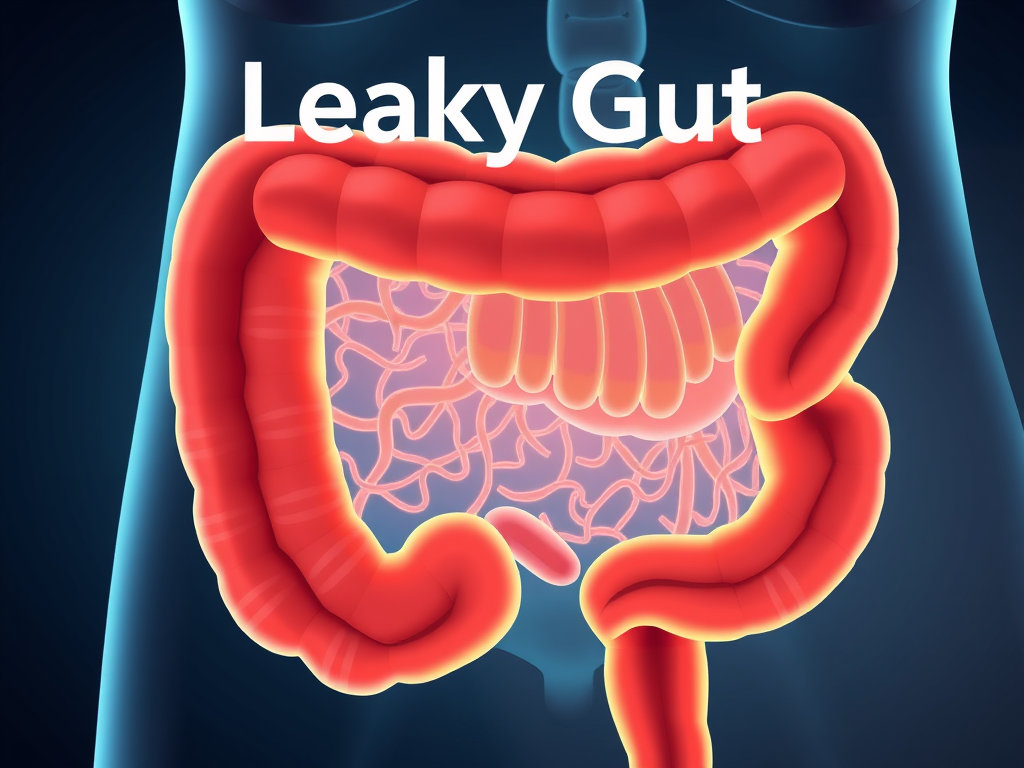
Leaky Gut: Trendy Diagnosis or Real Problem?

From the desk of a nurse who talks poop professionally

Let’s cut to the cheese (because dairy might be triggering your gut, but we’ll get there): Is “leaky gut” just the latest health buzzword, or is your digestive system actually betraying you one cell at a time?

As a nurse with 22 years of experience—who now spends her days talking about guts, wounds, ostomies, and everything in between—I’ve heard “leaky gut” tossed around more than a salad at a wellness retreat. So, let’s break it down in plain speak, minus the fear-mongering and plus a whole lot of real talk.


What Even Is Leaky Gut?

Leaky gut—also known in the science world as increased intestinal permeability—is when the lining of your intestines becomes damaged or inflamed. Normally, your gut lining is like a super-selective bouncer at a VIP club: it lets the good stuff (nutrients, water) in and keeps the riffraff (toxins, undigested food, bad bacteria) out.

When it becomes “leaky,” it’s like the bouncer got tired, took a nap, and now anyone can stroll into the bloodstream. Cue: inflammation, bloating, fatigue, skin breakouts, brain fog, and the dreaded poop problems.


Is It Real or Just Really Instagrammable?

Here’s the deal—leaky gut is real, but it’s not officially recognized as a diagnosis by all mainstream medical communities. Why? Because it’s tricky to prove directly in humans, and many of its symptoms mimic other conditions like IBS, food sensitivities, or even chronic stress.

But from my nurse perspective? I believe it’s a red flag. Not just a TikTok trend. When someone comes in with mystery rashes, chronic bloating, or poops that range from rabbit pellets to Niagara Falls, I start thinking gut barrier.


Signs Your Gut Might Be Leaking More Than Gossip

  • Bloating after every meal (no, it’s not just “getting older”)
  • Food sensitivities that didn’t used to be a thing
  • Fatigue no matter how many B12 shots you get
  • Skin issues: eczema, acne, or mystery breakouts
  • Frequent colds or “meh” immune function
  • Poop problems (constipation, diarrhea, or both on rotation)
  • Brain fog or mood swings that come out of nowhere

What Can You Actually Do About It?

I’m glad you asked. (Or maybe you didn’t, but I’m answering anyway.)

🥦 Eat Real Food

Minimize processed stuff. Think fiber-rich foods (veggies, fruits, whole grains), bone broth, and fermented foods like kimchi and kefir. Your gut bugs LOVE that stuff.

🚫 Avoid Gut Saboteurs

Common culprits? Excess sugar, alcohol, NSAIDs (like ibuprofen), and chronic stress. Yes, stress messes with your poop. Science backs me on this.

💊 Consider Supplements

Zinc, L-glutamine, collagen, and probiotics are often used to help support gut lining repair. Talk to your provider before adding a cart full of Amazon supplements, though.

💧 Hydrate Like It’s Your Job

Because it is your job—if you want better poops, better skin, and better energy.

🧘‍♀️ Chill the Heck Out

Stress is a major gut-wrecker. Meditation, yoga, deep breathing, or just screaming into a pillow in the supply closet (nurses, I see you)—whatever works.


So… Should You Panic?

Nah. Don’t panic. But don’t ignore your gut either.
If you’ve got skin flare-ups that won’t quit, poop that’s unpredictable, or you’re feeling “off” in ways that labs can’t explain—your gut might be trying to tell you something. And as your friendly, wound-and-gut-loving nurse in her 40s, I say: listen.

You don’t have to go full kale-smoothie-cleanse (please don’t), but you do need to take your gut health seriously. Because when your gut’s not happy, your skin, mood, and poop will absolutely snitch on it.


Nurse’s Final Note:

You can’t slap a collagen cream on a leaky gut. Skin glow starts inside—and yes, it often begins with your poop. 💩


Want more gut-friendly tips, recipes, or just a good laugh about poop and wrinkles?
Subscribe to the blog and stay weirdly well-informed.


💩 What Your Poop Is Telling You (And When to Worry)

From a Nurse Who Talks About Poop Like It’s Her Job—Because It Is

Let’s normalize something real quick: talking about poop.
Because as a nurse with 22 years in the game—and plenty of time spent in wound and ostomy care—let me tell you, poop is one of the most honest health reporters you’ll ever meet. Forget the fancy wearables and wellness apps; your stool is the original body feedback system. It tells you everything from hydration status to digestion drama to whether or not your kombucha obsession is paying off.

So yes, today we’re going there. I’m in my 40s, and I’ve had more conversations about poop than most people have had about their careers—and I’m proud of it. Let’s break down what your daily (or not-so-daily) deposit is saying about your overall health, and when it’s time to raise an eyebrow… or call your doc.


💩 First, What Is “Normal” Poop?

Welcome to the Bristol Stool Chart—every nurse’s favorite dinner topic. It classifies poop into 7 types:

  • Type 1: Hard pellets (aka rabbit poop). Hello, constipation.
  • Type 2: Lumpy sausage. Still constipated, but working on it.
  • Type 3 & 4: Smooth sausage or soft log. 🎯 Gold standard of poop.
  • Type 5: Soft blobs with clear edges. Okay, maybe had too much fiber.
  • Type 6 & 7: Mushy or watery. Now we’re in diarrhea territory.

Ideal poop? Type 3 or 4. Smooth, soft, easy to pass, and about the length of a banana. Bonus points if you barely need toilet paper. 🧻


🧠 What Poop Can Tell You About Your Health

1. Color Commentary

  • Brown = Gold star! That’s bilirubin doing its job.
  • Green = Fast transit time or too much kale. Not usually a crisis.
  • Yellow = Fat malabsorption (watch for floating, greasy stools).
  • Black or red = 🚨 Call your provider. Could indicate bleeding.
  • Pale, clay-colored = Possible bile duct issue. Check in with your doc.

👩‍⚕️ Nurse tip: If your stool looks like a Halloween decoration or smells like a dead raccoon in the sun, it’s worth checking out.


2. Consistency Is Key

If you’re pooping rabbit pellets on Monday and have a butt volcano by Wednesday, something’s off. Stress, hydration, hormones, food intolerances, antibiotics—all of these affect your gut rhythm.

  • Constipation: Drink more water, move more, up your fiber. Magnesium citrate is my go-to sidekick.
  • Diarrhea: Rule out infection, food triggers, or gut imbalances. Too many sugar-free gums can cause chaos too—yes, I’m looking at you, xylitol.

3. Odor Clues (Yes, the Smell Matters)

All poop stinks—but sudden, knock-you-out foulness could mean:

  • Poor digestion
  • Infection (think C. diff)
  • Food intolerance (hello, lactose!)
  • Malabsorption (especially if it’s oily or sticky)

Don’t ignore new stink levels that linger. Your poop should not require a hazmat evacuation plan.


🚽 When to Worry (A Nurse’s Real Talk)

Here’s when poop deserves more than a passing thought:

  • Blood (bright or dark)
  • Ongoing diarrhea or constipation (more than a few days)
  • Severe abdominal pain
  • Weight loss without trying
  • Floating, greasy stools (every time)
  • Changes in color or consistency that last over a week

If your gut’s been acting like a moody teenager for more than a week, it’s time to bring in a professional.


🥬 How to Make Your Poop… Well, Poop Better

Healthy poop starts with gut-friendly habits. Here’s what I recommend (and practice myself):

  • Fiber daily: Aim for 25–35g. Veggies, fruits, oats, chia seeds.
  • Hydrate like a boss: Water helps everything move.
  • Move your body: Exercise = better motility.
  • Probiotics: Yogurt, kefir, sauerkraut—or a good supplement.
  • Prebiotics: Feed the good bugs with garlic, onions, asparagus, etc.
  • Watch your stress: Cortisol and your colon are NOT friends.

💬 Final Flush

You don’t need to be obsessed with your poop—but you should be checking in with it. Your stool is basically your gut’s way of texting you, and ignoring it is like leaving your doctor on read.

So the next time you drop a deuce, take a peek. Is it shaped like a banana? Does it flush with pride? Great. If not—your body might be nudging you to make a few gut-friendly tweaks.

And hey, if you’ve got an ostomy, your output tells a story too! (But that’s another post—coming soon.)

Here’s to healthy guts, glowing skin, and poop that makes you proud. 💩✨


Want more gut-skin-wellness info from a nurse who’s seen it all?
Subscribe to my blog