Microdermabrasion 101: The Secret to Radiant, Smooth Skin ✨

Hey there, skin lovers! I’m a nurse in my fabulous 40s who’s been obsessed with all things skin, gut, and wellness for years. When I’m not helping patients with wound care and ostomies, you’ll find me nerding out on skincare science, gut health, and yes — the magical connection between your digestion and your glow.

Today, let’s dive into the world of microdermabrasion — a powerful (and pretty satisfying) treatment that can seriously upgrade your skin’s radiance and smoothness. But spoiler alert: while microdermabrasion can do wonders, the real secret to radiant skin comes from a combo of great skincare AND a happy gut. Yep, your gut and skin are BFFs! 💁‍♀️


What is Microdermabrasion? 🤔

Microdermabrasion is a non-invasive cosmetic procedure that gently buffs away the outer layer of dead skin cells using tiny crystals or a diamond-tipped wand. Think of it like sanding wood — it smooths the surface to reveal fresher, brighter skin underneath.

It’s great for:

  • Fading fine lines & wrinkles
  • Minimizing pores
  • Improving texture and tone
  • Reducing mild acne scars and sun damage

Unlike harsher peels, it’s gentle enough for most skin types with minimal downtime — hello, glow without the drama! ✨


The Science: How Does It Work? 🔬

When you remove the dead skin barrier, microdermabrasion stimulates your skin’s natural healing process. This jumpstarts collagen and elastin production — the proteins that keep your skin firm and youthful. Plus, sloughing off dead cells allows your skincare products to penetrate deeper and work better.

A 2023 study published in the Journal of Dermatology Research found that microdermabrasion treatments significantly increased skin hydration and elasticity, reinforcing its reputation as a go-to for skin rejuvenation.


But Wait — What About Your Gut? 🍎🥦

As someone who’s spent years caring for wounds and digestive health, I’m here to tell you: Your gut health is a game changer for your skin’s radiance. The gut-skin axis is real — your gut microbiome influences inflammation, immune response, and even collagen synthesis.

Recent research highlights this beautifully: a 2024 review in Gut Microbes showed that people with balanced gut bacteria have fewer inflammatory skin conditions and better skin barrier function. That means what you eat directly impacts your skin’s glow.

Gut-Friendly Foods for Glowing Skin:

  • Fermented foods like yogurt, kimchi, and sauerkraut boost good bacteria 🥒
  • Fiber-rich veggies like broccoli, spinach, and sweet potatoes feed those bacteria 🌿
  • Omega-3 rich foods like salmon and walnuts reduce inflammation 🐟
  • Antioxidant-packed fruits like berries and citrus fight free radical damage 🍓

A Personal Story: How I Found My Glow 🌟

A few years ago, after struggling with persistent dullness and early wrinkles despite fancy creams and serums, I shifted focus to my gut health. I started eating probiotic-rich foods daily, drinking more water, and cutting back on processed sugars. Within weeks, my skin looked visibly brighter and felt smoother — almost like a microdermabrasion glow, but from within. It was a lightbulb moment!

This experience reinforced my belief that skincare isn’t just about what you put on your skin, but what you nourish your body with.


How to Combine Microdermabrasion and Gut Health for Maximum Results 💪

  1. Get microdermabrasion treatments every 4-6 weeks (professionally or at home with a trusted device)
  2. Eat a gut-friendly diet rich in probiotics, fiber, and antioxidants
  3. Stay hydrated — water is your skin’s bestie! 💧
  4. Use gentle, hydrating skincare after treatments to soothe and protect
  5. Avoid excessive sun exposure and always use sunscreen (no shortcuts here!) ☀️

⚠️ Disclaimer (Because I’m a Nurse, Not Your Nurse 😉)

This blog is for general education and entertainment purposes only. Always consult your healthcare provider or dermatologist before starting any new skin or gut health regimen.


Your Turn! 💬

What’s your experience been with microdermabrasion or focusing on gut health to improve your skin? Have you noticed a “glow-up” from inside out? Drop your stories, questions, or favorite gut-friendly snacks in the comments — I’d love to hear!


Supplements I Actually Recommend (and the Ones I Don’t) 💊✨

Hey there, fellow wellness warriors! As a nurse, rocking my 40s while juggling skin, guts, and everything in between—I’m here to spill the tea ☕ on supplements. With so many options out there, it’s easy to get overwhelmed, confused, or end up with a cabinet full of pills you never touch. So, let’s cut through the noise with some nurse-approved, gut-friendly, skin-loving supplement wisdom. Ready? Let’s dive in!


What I Actually Recommend ✅

1. Vitamin C — Your Skin’s Bestie 🍊
Vitamin C isn’t just for fighting colds. It’s a powerhouse antioxidant that boosts collagen production, helping your skin stay plump and wrinkle-resistant. Plus, it supports immune health and wound healing—crucial if you’re managing any skin or ostomy-related care.

2. Magnesium — The “Chill Pill” Mineral 🧘‍♀️
Magnesium helps with muscle relaxation, sleep quality, and even gut motility (hello, morning poops!). Many adults are deficient, so a supplement can help keep your digestion smooth and your stress levels down.

3. Probiotics — The Gut’s Cheerleaders 🦠
A good probiotic can support a balanced microbiome, which we know plays a role in everything from digestion to skin health. Not all probiotics are created equal, so choose strains backed by science (like Lactobacillus and Bifidobacterium).

4. Zinc — Healing Hero ⚡
Zinc supports immune function, wound healing, and can even reduce inflammation in skin conditions. Just be mindful not to overdo it—balance is key!

5. Omega-3 Fatty Acids — Skin & Gut Superstars 🐟
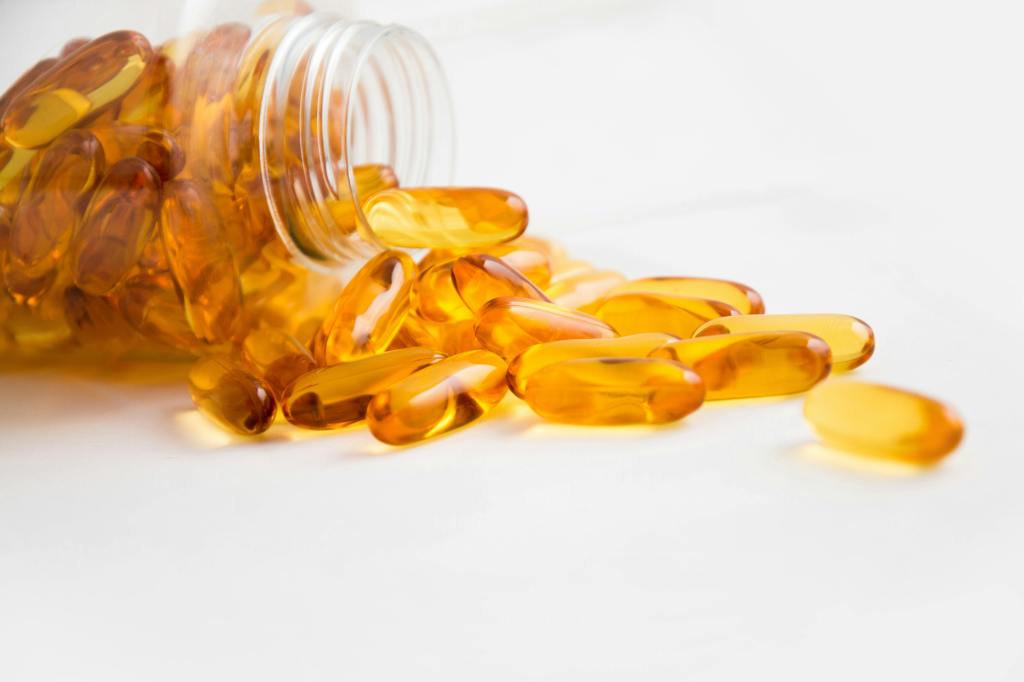
Omega-3s help reduce inflammation, support brain health, and keep skin supple and hydrated. I recommend getting these from high-quality fish oil or plant-based alternatives if you’re vegan.


What I’m Not Sold On ❌

1. Collagen Supplements — Meh, Maybe? 🤷‍♀️
While collagen is essential for skin and wound healing, taking it as a pill or powder doesn’t always guarantee it’ll reach your skin intact. Your body breaks it down into amino acids like any protein. Focus more on a balanced diet with protein-rich foods.

2. Detox Teas & Quick-Fix Supplements 🚫
If it sounds too good to be true—like “flush toxins in 3 days”—it probably is. Your liver and kidneys do a stellar job detoxing; no magic potion required.

3. Over-the-Top Multivitamins 🧪
A mega-dose multivitamin can sometimes do more harm than good. Excess fat-soluble vitamins (like A, D, E, K) can build up and cause problems. Stick to targeted supplements based on your needs.


My Nurse-to-You Advice 💡

  • Supplements can be great, but they’re just one piece of the puzzle. Your gut and skin thrive on good food, hydration, sleep, and stress management.
  • Always check with your healthcare provider before starting anything new—especially if you have an ostomy, chronic condition, or take medications.
  • What works for me or my patients might not be your perfect fit—everyone’s gut and skin story is unique!

⚠️ Disclaimer: Because I’m a Nurse, Not Your Nurse 😉
This blog is for general education and entertainment purposes only. Always consult with your doctor, dietitian, dermatologist, or wound/ostomy care specialist—especially if you have specific conditions, allergies, or a medical device like an ostomy.


In a nutshell: Choose your supplements wisely, listen to your body, and remember — the best glow comes from a happy gut and a nourished soul! 🌟💪


Would you like me to suggest some specific supplement brands or recipes that support gut and skin health? Just ask! 😊

Nurse Life Wellness: 5 Simple Habits That Keep Me Going 👩‍⚕️💪💧🧴🥗💤

Let’s face it—nurse life is go-go-go, with a side of “did I even pee today?” If you’re a fellow nurse, you already know the hustle. And if you’re not, welcome to a peek inside the caffeine-fueled, compression-sock-wearing world we live in. As a wound and ostomy care nurse in my 40s (aka Team Skin & Poop Forever), I’ve learned that if I don’t intentionally care for myself, I’m basically a wound waiting to happen.

So here it is: my five non-negotiable wellness habits that help me stay sane, energized, and skin-glow ready—even after back-to-back shifts, charting marathons, and the occasional code brown 💩.


1. Hydration Like It’s My Job 💧

You’ve heard it before—but are you actually doing it? I used to tell patients to hydrate while nursing a 5-hour-old iced coffee. Now, I keep a big, straw-top water bottle with me always. Dehydration doesn’t just mess with energy—it slows digestion, dries out skin, and increases fatigue (aka nurse Kryptonite). Bonus: well-hydrated skin heals faster. Yes, even Grandma’s elbow knows.

Pro tip: Add electrolytes for long shifts or hot units.


2. Magnesium = My Gut MVP 🧠💩

Stress + inconsistent meals = gut drama. And let’s not even talk about night shifts. Magnesium glycinate or citrate helps keep my motility on point and my poops regular without being too harsh (especially helpful for ostomy folks too!). My skin even looks calmer when my gut’s happy.


3. Skin Care: The 3-Minute Nurse Version 🧴✨

Here’s the deal: you don’t need a 15-step Korean skincare routine. I swear by this trio:

  • Gentle cleanser (because hospital air = yuck)
  • Vitamin C serum (brightens, boosts healing)
  • Mineral sunscreen (for that hospital parking lot sun)

Even after a 12-hour shift in a mask, your skin can bounce back with just a little consistency. Don’t skip sunscreen, even if you never see the light of day during your shift. That fluorescent lighting still ages you, friend. 😏


4. Meal Prep That Loves My Gut (and Skin) 🥗

I try to prep 2-3 gut-friendly meals/snacks that are easy to grab. Think:

  • Greek yogurt + chia + berries (probiotics + fiber)
  • Roasted veggies + quinoa + salmon (skin fuel!)
  • A stash of almonds and dark chocolate in my locker (don’t judge, it’s balance)

I avoid overly processed snacks that mess with my gut (and cause breakouts) and aim for meals that keep my blood sugar steady and my mood less hangry.


5. Sleep, Even If It’s Weirdly Scheduled 😴

I know, I know—night shift ruins everything. But I treat sleep like medicine. Eye mask. White noise. Magnesium at night. No scrolling before bed. When I’m well rested, I’m kinder, quicker on my feet, and my skin isn’t screaming “fatigue” from across the nurse’s station.


Bonus: Laugh Often & Poop Regularly 😄💩

Listen, I talk about poop for a living—might as well have fun with it. Nurse burnout is real, but wellness doesn’t have to be overwhelming. It’s about building realistic habits that keep your gut happy, your skin glowing, and your energy up. You don’t need perfection. Just progress.


⚠️ Disclaimer (Because I’m a Nurse, Not Your Nurse 😉)
This blog is for general education and entertainment purposes only. Always consult with your doctor, dietitian, dermatologist, or wound/ostomy care specialist—especially if you have specific conditions, allergies, or a medical device like an ostomy.


Wellness Without Woo: 💙 A Nurse’s Guide to Real Self-Care 👋

Hey there, fellow wellness warriors! 👋 As a nurse in my 40s who’s spent 22 years diving deep into skin, gut health, wounds, and all things wellness, I’m here to give you the real tea ☕ on self-care — minus the fluff, the “energy vortexes,” and those crystal elixir vibes that make you wonder if you’re on a reality show. Let’s talk wellness without the woo.


What Is “Wellness Without Woo,” Anyway?

In a world where detox teas promise a miracle cleanse and magic powders claim to fix your skin overnight, I’m here to say: nah. Real self-care isn’t about chasing the latest fad. It’s about science-backed habits that actually make a difference for your skin, gut, and overall health. Think hydration, balanced nutrition, sleep, and a dash of movement (yes, even those nursing shifts count as cardio sometimes! 🏃‍♀️).


1. Hydration: Your Skin’s BFF 💧

Your skin and gut thrive on water. Drinking enough H2O is the cheapest, easiest, and most effective anti-aging trick you can do. It keeps your skin plump, helps your digestive system flush out toxins, and supports wound healing. Plus, it prevents that “dehydrated nurse face” look after a 12-hour shift.


2. Eat Real, Not Magical 🍎

Forget the powders and potions. Your gut (and skin!) want whole foods — think colorful veggies, fiber-rich fruits, healthy fats, and protein. These nourish your microbiome, support digestion, and help your skin maintain elasticity. Pro tip: your gut health shows up on your face, so feed it well.


3. Move Your Body — Even If It’s Just a Walk 🏃‍♀️

You don’t need a gym membership or 2-hour yoga sessions. Moving daily — walking, stretching, or chasing toddlers — helps circulation, reduces stress, and supports skin cell turnover. Plus, it’s great for your gut motility (translation: better poop, less bloating — yay! 🚽).


4. Sunscreen Is a Must ☀️

No self-care routine is complete without sun protection. UV rays age your skin faster than stress does. (And trust me, nursing stress is real.) A broad-spectrum SPF shields your skin and lowers your risk for skin cancer — because glowing skin should last a lifetime.


5. Sleep Like Your Skin Depends on It 💤

Spoiler: it does. Sleep is when your body repairs skin damage, balances hormones, and resets your gut health. Aim for 7-9 hours and watch those wrinkles and digestion issues chill out.


6. Listen to Your Body, Not the Hype 🧘‍♀️

With ostomies, wounds, and skin issues in the mix, personalizing self-care is key. What works for one person may not work for another — especially when it comes to gut and skin health. Always chat with your healthcare providers before starting any new routine.


Final Thoughts

Self-care doesn’t need to be complicated or expensive. It’s about consistent, science-backed habits that nurture your body and mind — no crystals required. So ditch the “woo,” grab your water bottle, put on your sunscreen, and embrace wellness that’s real, reliable, and nurse-approved. 💙


⚠️ Disclaimer: Because I’m a Nurse, Not Your Nurse 😉
This blog is for general education and entertainment purposes only. Always consult with your doctor, dietitian, dermatologist, or wound/ostomy care specialist — especially if you have specific conditions, allergies, or medical devices like an ostomy. What works for one person might not work for another.


Want more practical tips without the fluff? You’re in the right place. Let’s keep it real, together. 💪✨

Why Nurses Don’t Have Time to Poop (and How It Affects Our Gut) 💩⏰

Let’s just say it: nurses are the constipated heroes nobody talks about. We run on caffeine, adrenaline, and prayers. We can insert an IV during a code, chart with our elbows, and de-escalate a family meltdown at 140/90—but find time to poop? LOL. 😅

As a wound and ostomy care nurse in her 40s who is deeply in love with all things skin, gut, and “glow from the inside,” I’m here to shine a (well-moisturized) light on a truth many of us live but rarely talk about:

🚽 Nurses don’t poop. And it’s messing with our gut.


The Shift is Long, But the Colon Is Patient… Until It’s Not 🕒

Let’s be real. Between med passes, dressing changes, call lights, short staffing, and family updates, taking a moment to pee is an Olympic event—let alone finding a quiet five minutes to drop the kids off at the pool. So we do what we always do:

We hold it.
And hold it.
And… well, now we’re bloated and cranky and haven’t gone since Sunday. 🫠


What Happens When You Chronically “Hold It”?

1. Sluggish Motility = Constipation Party 🎉 (But You’re Not Invited)

Your colon is like a conveyor belt. When it slows down, waste sits longer, gets drier, and turns into something that deserves its own horror movie. Not only is it uncomfortable—it affects your whole digestive system.

2. Skin Flare-Ups from Gut Drama 😬

Yep, the gut-skin connection strikes again! When waste builds up, toxins don’t exit efficiently. That internal traffic jam can show up externally—think breakouts, dullness, rashes, and inflammation.

3. Hormonal Disruption & Cortisol Chaos 🔥

When your gut is backed up, stress hormones love to pile on. Your already-busy nurse brain is now riding a hormonal rollercoaster, complete with bloating, mood swings, and fatigue. Cute!

4. Microbiome Mayhem 🦠

Delaying bowel movements can throw your gut flora out of whack. That healthy bacteria you worked so hard to cultivate (hello, probiotics)? They’re not thrilled. It’s like skipping watering your plants and wondering why they’re sad.


The Nurse Gut Survival Guide 💡

Here’s what I (try to) do to stay regular in the world of 12s and no breaks:

🚰 Hydrate Like You’re Getting Paid For It

Water is a nurse’s best friend. Aim for at least 8 cups—even if it means timing it with your charting or shift huddles.

🥦 Fiber Is Your BFF

Sneak in fiber-rich snacks—chia pudding, apples, hummus and veggies, or even a high-fiber protein bar stashed in your bag like a secret weapon.

🚶‍♀️ Movement Matters

Even if it’s just walking laps around the unit or doing squats while waiting on pharmacy (don’t knock it!), keep things moving.

🧘‍♀️ Relax Your Nervous System

Stress literally shuts down digestion. Try deep breathing in the med room, stretching, or playing music on your commute to switch off the cortisol faucet.

💩 Make Time to Poop (Seriously)

Normalize taking five minutes. Yes, the unit might survive without you for 300 seconds. You can’t pour from an empty cup—or poop with a full colon. 😉


Bottom Line? Don’t Ignore Your Bottom 🧻❤️

Holding your poop for 13-hour shifts isn’t just uncomfortable—it’s a slow sabotage of your gut, skin, and sanity. Nurses are incredible, but we’re also human. Let’s start treating ourselves with the same care we give our patients.

Your colon—and your complexion—will thank you.


⚠️ Disclaimer (Because I’m a Nurse, Not Your Nurse 😉)
This blog is for general education and entertainment purposes only. Always consult with your doctor, dietitian, dermatologist, or wound/ostomy care specialist—especially if you have specific conditions, allergies, or a medical device like an ostomy.

Constipation Crisis: Why Nurses Don’t Poop Like They Used To 💩🚽

A gut-check from a wound & ostomy nurse who knows the struggle is real (and real slow)

Let’s talk about something near, dear, and backed up—our bowels.
If you’re a nurse (or anyone in healthcare), you already know: Nurses don’t poop like they used to. Somewhere between the 12-hour shifts, too much caffeine, too little hydration, and holding our bladder until it feels like a personal achievement… our guts have thrown in the towel.

As a nurse, (most of them spent talking about poop more than most people talk about the weather), I’ve seen it all. From chronic constipation to stress diarrhea, to the poor soul who swore she hadn’t pooped since the last full moon—gut health is no joke. And it’s way more connected to our skin, mood, energy, and wound healing than most people realize.

So today, I’m diving deep into the constipation crisis, nurse edition.


🚫 Why Nurses Are the Constipation Poster Children

Let’s break it down, shall we?

1. We Never Sit Still (Except on the Toilet, Praying for a Movement)

On our feet all day, running from room to room, charting while standing… we burn calories but somehow forget to drink water or even breathe properly. Hydration? Fiber? Regular meals? LOL.

2. Caffeine Is Our Blood Type

Coffee to wake up. More coffee to stay awake. Maybe an energy drink for the night shift. That much caffeine can dehydrate you AND slow digestion, even though it’s technically a stimulant. Betrayal.

3. We Ignore Our Bodies

Feel the urge to poop at 9 a.m.? Sorry, you’re in wound care rounds until noon. By the time you’re free, your colon has emotionally shut down and decided to store that stool indefinitely.

4. Shift Work & Stress = Gut Confusion

Your body loves a rhythm. Your schedule? Absolute chaos. Add stress, skipped meals, no sleep, and your microbiome starts googling “How to apply for early retirement.”


💩 Constipation Isn’t Just Inconvenient—It’s a Skin + Gut Issue

This is where my love of gut health and skin care nerdiness collide. Constipation isn’t just a plumbing problem—it impacts:

  • Detoxification: If you’re not pooping, you’re reabsorbing toxins meant to exit. That can show up as acne, dull skin, breakouts, and more.
  • Inflammation: Sluggish bowels can increase systemic inflammation, which slows down wound healing and messes with your skin barrier.
  • Hormone Balance: Estrogen is excreted via the gut. If you’re not going, hormones recirculate. Hello, mood swings and breakouts.
  • Mood + Energy: Your gut helps make neurotransmitters. A backed-up colon can lead to foggy thinking, fatigue, and straight-up irritability.

👩‍⚕️ Nurse Truth: If you’re constipated and cranky, it’s probably connected.


🚽 What Can You Actually Do (That Doesn’t Involve Quitting Your Job)?

Yes, we’re busy. But your gut deserves more than a once-a-week courtesy flush. Here’s what I suggest:

Hydrate Like It’s Your Side Hustle

Keep a giant water bottle at your station. Chug during charting. Add electrolytes if plain water bores you.

Fiber Up—But Gently

Start with chia seeds, flaxseed, oats, or berries. Don’t go from 5g to 30g in one day, unless you enjoy bloating and regret.

Magnesium Is Magic

Magnesium citrate or glycinate helps move things along and eases muscle tension (which we ALL need). Just start low and go slow.

Move It, Even Just a Bit

Desk job? Stretch. Walk the hallway. Do squats in the breakroom (bonus: coworkers think you’re fitness goals).

Poop Routine = Gut Gold

Try to poop at the same time each day. Sit. Breathe. Do not scroll. Your colon deserves your full attention.

Probiotics + Prebiotics

Balance your gut flora with fermented foods (yogurt, kimchi, kefir) and prebiotic-rich foods (onions, garlic, bananas).


🧻 Final Flush: Nurses Deserve Smooth Moves, Too

Let’s not normalize constipation. Let’s normalize talking about it—and doing something about it. Because regular poops aren’t just about comfort. They’re about whole-body health—from your skin to your stress level to how well that surgical site heals.

So here’s to fiber, hydration, and pooping like a nurse who finally remembered she has a digestive system.


Need help getting your gut back on track?
Stick around. I share real talk, skin tips, gut-loving recipes, and more—straight from a nurse who’s seen the (bowel) light.

💩 Because constipation may be common, but that doesn’t mean it’s normal.