
Skin Breakdown: What Your Grandma’s Elbow Can Teach You About Prevention

Let’s be honest: If you’ve ever helped your grandma out of bed and caught sight of that papery, fragile elbow skin, you’ve probably had one of two reactions:

  1. Mild horror.
  2. A nurse’s instinct to grab a moisture barrier cream immediately.

As a wound and ostomy care nurse in my 40s (with a healthy obsession for skin, gut, and wellness), I’ve seen more skin breakdown than a dermatologist at a rock festival. And I’m here to say: we can do better for our skin—at any age. Especially if we start before it’s translucent and tearing at the thought of a bedsheet.


What Is Skin Breakdown Anyway?

Skin breakdown is like that guest who shows up uninvited and never leaves. It’s what happens when the skin’s integrity is compromised due to pressure, friction, moisture, or just plain ol’ neglect. It starts with a little redness or dryness and can turn into an ulcer or open wound faster than you can say, “Where’s the barrier cream?”


So, What Can Grandma’s Elbow Teach Us?

Glad you asked. Here’s the skin-saving wisdom hidden in that wrinkly elbow:


1. Hydration Is Not Optional

Dehydrated skin = fragile skin. The older we get, the more our skin begs for water. Not just slathered on, but gulped down too. Grandma’s elbow? Probably as dry as her Thanksgiving turkey.

Prevention tip:
Drink water. Then drink some more. Add hydrating foods like cucumber, watermelon, and leafy greens. Top it off with a good humectant-based moisturizer (bonus if it has ceramides!).


2. Friction + Pressure = The Silent Skin Killers

That elbow didn’t break down because she ran a marathon. It happened because skin + bone + hard surface = trouble. Whether it’s a tailbone, heel, or sacrum—pressure and friction are public enemy #1 and #2 for aging skin.

Nurse tip:
Use pillows, foam pads, and positional changes. If you’re sitting for long periods (looking at you, charting nurses), shift often and moisturize areas that take the brunt of your day.


3. Nutrition Isn’t Just About Weight—It’s About Healing

Wounds don’t heal without the right nutrients. Grandma’s skin breakdown could be worsened by low protein, poor vitamin intake (hello zinc, C, and A), or gut issues that interfere with absorption. Yes, even your gut bugs are on team “Skin Health.”

Your checklist:
Protein at every meal, a colorful plate, and maybe a probiotic. Think of your gut as your skin’s backstage crew—if they’re not on point, the show won’t go on.


4. Barrier Creams Aren’t Just for Babies and Backsides

Moisture-associated skin damage (MASD) is real—and it’s not just a nursing home problem. Sweat, urine, or even too much hand-washing can strip the skin faster than a bad toner.

Wound nurse pro move:
Keep a good barrier cream on hand (zinc oxide-based is my go-to), especially in high-risk areas like groin folds, under breasts, and (yes) elbows.


5. Touch Your Skin—And Actually Look At It

Skin breakdown doesn’t usually scream for help until it’s already in trouble. A daily once-over—especially on aging skin—is worth its weight in gold.

Think like a nurse:
Redness? Heat? Tenderness? All warning signs. Catch it early and you save time, money, and future tears (literally and emotionally).


Bonus: The Gut-Skin Connection

Here’s where I really geek out: your gut health matters. A lot. Inflammation in your gut can show up in your skin as slower healing, more irritation, and (you guessed it) higher risk for skin breakdown.

TL;DR:
Feed your skin from within: fermented foods, anti-inflammatory meals, and a gut-friendly lifestyle can help keep your barrier strong from the inside out.


Wrapping It Up (Not Like a Mummy, Please)

Whether you’re in your 40s like me or lovingly tending to grandma’s skin, prevention is the best medicine. And while we joke about elbows and barrier cream, the truth is—skin care at every age is healthcare.

So hydrate, nourish, move, moisturize, and be proactive. Because whether it’s your grandma’s elbow or your own, you deserve skin that holds up—not breaks down.
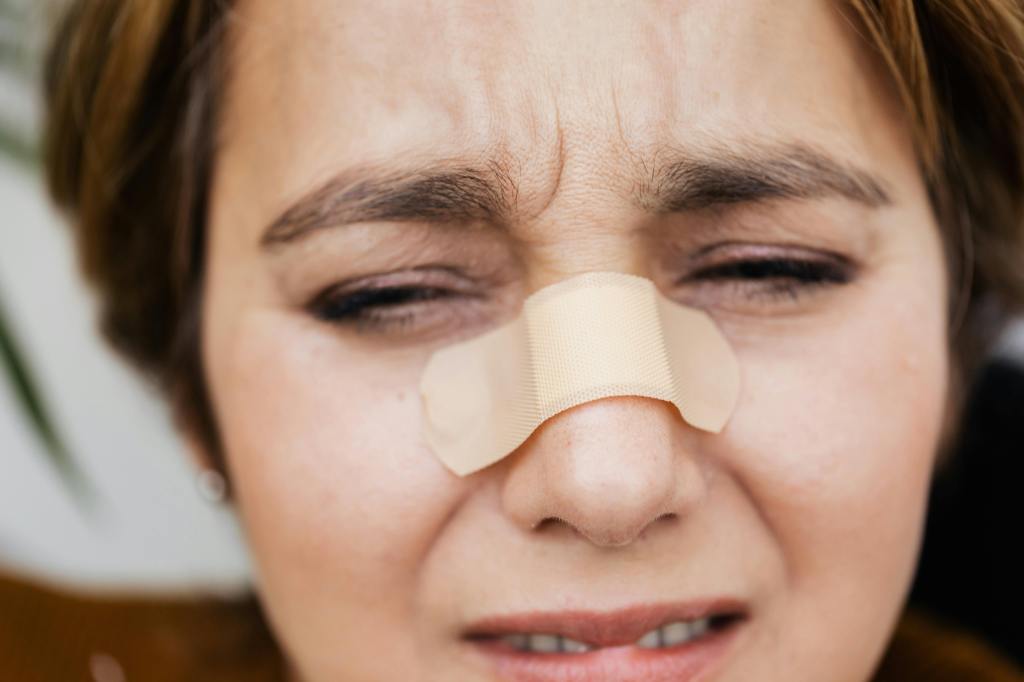

Wrinkles, Wound Healing & Water: Skin Science After 40


By a wound care nurse who knows hydration isn’t just trendy—it’s critical

Let’s face it: turning 40 is kind of like skin’s midlife crisis. Suddenly, things that used to “bounce back” now just… linger. Wrinkles sneak in, healing slows down, and your moisturizer starts working overtime. But here’s the good news: as a nurse and someone who obsesses over both wound care and wellness—I’m here to tell you that your skin can still thrive. It just needs a little more science, strategy, and yes… water.

So grab a glass, because we’re about to hydrate your skin, your gut, and your entire mindset.


💧 Let’s Talk About Water (No, Really)

I know—everyone and their wellness influencer cousin says to “drink more water.” But here’s the clinical truth:

  • Dehydrated skin heals slower.
  • Dehydrated bodies poop less.
  • Dehydrated cells age faster.

As a wound care nurse, I can tell you firsthand: hydration is everything. It’s one of the most overlooked components in both chronic wound healing and aging skin. Your skin is your largest organ, and like any good organ, it needs hydration to function.

Nurse Tip: Aim for half your body weight in ounces per day (or more if you’re sweating or chugging coffee like it’s charting fuel).


🧬 Wrinkles: The Battle You Can Totally Win (Sort of)

Wrinkles aren’t the enemy—they’re the memoirs of your face. But if you want to smooth out some chapters, here’s what works:

  • Topical Retinoids: Vitamin A derivatives that boost collagen and reduce fine lines. Bonus—they also help with wound cell turnover!
  • Peptides & Growth Factors: Fancy talk for ingredients that coach your skin into behaving younger.
  • Daily SPF: Because preventing damage is easier than microneedling it away later. (Shoutout to the sun exposure I thought was “just a tan” in my 20s…)

Bonus Point: Gut inflammation can accelerate aging—yep, your wrinkles can be a digestive distress signal.


🩹 Wound Healing After 40: Slower, But Smarter

Aging skin is like an older nurse: wise, experienced… but it doesn’t rush anymore. Healing slows because:

  • Collagen production decreases
  • Circulation may reduce
  • Immune response changes

But don’t panic—we can support healing through:

  • Vitamin C + Zinc + Protein (the holy trinity of wound care)
  • Hydration and circulation-boosting habits (walk, massage, hydrate)
  • Gut health: because nutrient absorption = healing fuel

Ostomy Patients: Pay extra attention to hydration and skin barrier integrity. Peristomal skin loves a happy gut and a well-fed body.


🥦 Skin Starts in the Gut (And Poop Tells the Story)

Let me be super nurse-real with you: If your gut’s a mess, your skin will tattle.

  • Acne, eczema, and dullness can all be tied to gut dysbiosis
  • Poor digestion = less nutrient absorption = less skin support
  • Chronic constipation? It’s not just uncomfortable—it slows detox, which your skin often picks up the slack for

Add prebiotic foods (like garlic, onions, asparagus), fermented foods (kimchi, yogurt, sauerkraut), and fiber-rich plants to keep your insides as pretty as your outside.


🧖‍♀️ My Personal Glow-Up Routine (In Case You’re Wondering)

Here’s what this 40-something nurse swears by:

  • Morning magnesium water + walk
  • Probiotic + collagen in my coffee (yes, it dissolves)
  • Gentle cleanser, Vitamin C serum, SPF 50, moisturizer with peptides
  • Retinol 2–3x/week at night
  • Eat-the-rainbow meals and good fats (hello avocado)
  • 7+ hours of sleep (or pretending I did)

👩‍⚕️ Final Thoughts from Your Favorite Wound Nurse

Your skin is a reflection of your gut, your habits, and your hydration. It doesn’t need 14 expensive products or filters—it needs care, consistency, and clinical common sense.

Wrinkles happen. Wounds take longer to heal. But with water, good food, gut love, and SPF loyalty, your skin will be as strong as your nursing skills.

Because you don’t just glow—you’ve earned that glow.


🧱 Beyond the Face: Nurse-Approved Skin Barrier Tips (and the Gut Connection You’re Probably Ignoring)

Spoiler: it’s not just your face that deserves love.


Skin barrier health goes way beyond your face. Learn how gut health impacts barrier function, and why your underboob, sacrum, and elbows deserve just as much love. Nurse-approved skincare tips that blend clinical credibility and gut-skin truth.


Let’s Be Honest: When’s the Last Time You Moisturized Your Elbows?

Or showed your underboob skin some barrier cream love? Or gave your belly folds a legit spa moment?

Exactly.

As a wound care nurse in her fabulous 40s—with a passion for poop and peptides—I’m here to tell you: 👉 Your skin barrier is not just a cute TikTok trend. It’s real. It’s vital. And it goes far beyond your face.

So let’s chat about the forgotten skin, barrier basics, gut health, and why ceramides should absolutely be your new BFF.


🧱 What Is the Skin Barrier, and Why Should You Care?

Think of your skin barrier like a brick wall:

  • 🧱 Skin cells = the bricks
  • 🧈 Lipids (fats) = the mortar holding it together

When that barrier is healthy, it keeps moisture in and irritants out. But when it’s damaged—through overwashing, harsh products, friction (hello, PPE life), or inflammation—it’s like a wall with missing bricks.

Cue: dryness, burning, cracking, rashes, mystery flaking at the worst times.

🩺 Nurse Note:

I see broken skin barriers every single day—from sacral wounds and underboob irritation to overzealous retinol regrets. The good news? It’s fixable. With the right plan.


🧴 Ceramides: The Unsung Heroes of Skin Health

Ceramides are natural fats that make up about 50% of your stratum corneum (your outermost skin layer). Translation: they’re a big deal.

Low ceramide levels = dry, irritated, inflamed skin.

Ceramides help:

  • Lock in moisture
  • Strengthen the skin barrier
  • Protect against bacteria and toxins
  • Reduce inflammation

And no—it’s not just your face that needs them.

Apply ceramide-rich creams to:

  • Hands (after 437 hand washes)
  • Inner thighs (chafing is real 😊)
  • Under breasts (sweat + yeast = no thanks)
  • Sacrum and buttocks (especially if sedentary)
  • Belly folds or other friction-prone areas

💡 Forgotten Skin Zones That Deserve Barrier Cream

If you’ve ever:

  • Treated MASD (moisture-associated skin damage)
  • Fought a diaper rash stronger than a toddler’s will
  • Dealt with heat rash under a belly fold after a shift in scrubs…

…then you know.

MVP barrier ingredients:

  • Zinc oxide: anti-inflammatory, creates a physical barrier
  • Dimethicone: smooths and protects skin
  • Petrolatum: locks in moisture (yes, super cheap)

Pair barrier creams with ceramides for next-level results.


🔬 The Gut-Skin Connection: What’s Inside Shows Up Outside

Recent research continues to show what nurses (and grandmas) have known for years: When your gut’s unhappy, your skin acts out.

According to a 2023 review in Frontiers in Microbiology:

  • Dysbiosis (imbalanced gut flora) has been linked to acne, eczema, psoriasis, and delayed wound healing.
  • A healthy gut can increase ceramide production in the skin and improve barrier function.

Signs your gut may be affecting your skin:

  • Unexplained dryness or flaking
  • Red, irritated patches (even in odd places)
  • Slow healing after minor injuries
  • Recurring rashes, especially with stress or diet changes

Key gut-skin supporters:

  • Probiotics & prebiotics: balance gut flora
  • Omega-3s: reduce inflammation
  • Zinc & vitamin A: aid in skin repair
  • Fiber: feeds the good bacteria

👩‍⚕️ Personal Story: From Cracked Skin to Ceramide Queen

After one particularly chaotic week (back-to-back shifts, minimal water, lots of stress, zero vegetables), I noticed the skin under my sports bra looked like it had lost a fight with sandpaper.

I swapped in a ceramide-heavy moisturizer and a barrier cream with zinc oxide. I also upped my probiotic, chugged more water than usual, and added fermented foods.

Within days, the irritation calmed, and within a week? Back to baseline—no redness, no stinging.

Moral of the story? Inside-out care works.


🧖‍♀️ Nurse-Approved Barrier Boost Routine

💪 For Skin:

  • Post-shower: Ceramide-rich lotion on damp skin
  • Hot spots: Barrier cream on folds, thighs, sacrum, under breasts
  • Hands: Reapply barrier balm every 8–10 washes

🥗 For Gut:

  • Stay hydrated (aim for 60–80 oz daily)
  • Eat collagen-rich foods: bone broth, berries, leafy greens
  • Avoid ultra-processed foods
  • Take a daily probiotic and include fermented foods

🧡 Final Takeaway: Your Skin Doesn’t Stop at Your Jawline

You don’t need 18 serums or a spa weekend to build a healthy skin barrier. You need:

  • Consistency
  • Ceramides + barrier creams
  • Gut support
  • A little humor (yes, it’s healthy) 😊 and a lot of hydration

Next time you slather your face with serum, remember: Your gut, your underboob, and your belly folds deserve love too.

Glow biologically—and don’t forget to moisturize your elbows. 😉

⚠️ Disclaimer (Because I’m a Nurse, Not Your Nurse 😉)

This blog is for general educational and entertainment purposes. It doesn’t replace personalized medical advice. Always consult your healthcare provider, especially if you’re treating wounds, rashes, or skin conditions.