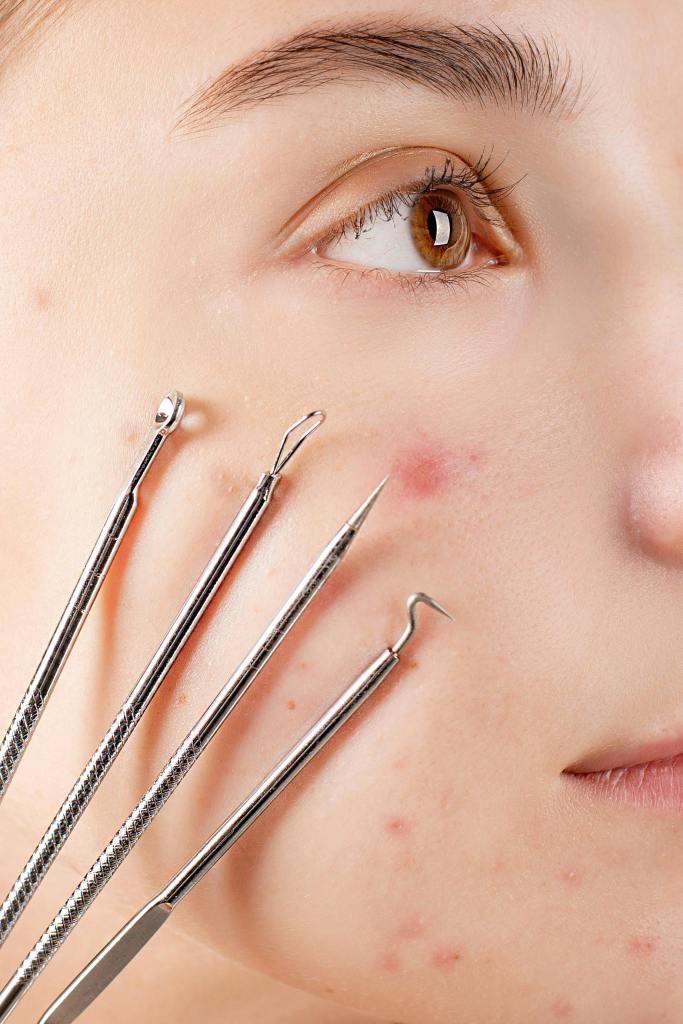
Acne & Your Gut: The Dirty Secret Behind Those Pesky Pimples

Absolutely! Here’s your engaging, nurse-backed blog article with humor, credibility, and practical

💥💩 It’s not just hormones and chocolate—your gut might be stirring up that breakout brigade.

If you’ve been throwing every serum, spot treatment, and LED mask at your acne with meh results, it might be time to go a little deeper… like, gut-level deep. As a wound and ostomy nurse in her 40s who loves skin care, poop talk, and all things gut health—trust me, I’ve seen (and treated) it all. And yes, your skin issues might actually start in your digestive system.

Let’s get into the dirty truth—because glowing skin starts from the inside out.


👃 The Gut-Skin Connection: More Than Just Gas

You’ve got trillions of bacteria living in your gut. (Don’t worry—they’re invited.)
When your gut is in balance, it supports nutrient absorption, immune function, and detox. But when it’s off—thanks to stress, poor diet, antibiotics, or that Taco Bell 3 a.m. decision—it gets inflamed. And that inflammation doesn’t just stay in your belly…

It travels through your bloodstream, whispers to your skin, and suddenly—boom:
🔴 cystic chin acne
🔴 forehead bumps
🔴 backne surprise party


🧠 Gut-Brain-Skin Axis: Science Meets Skin

Let me nurse-splain it:

Your gut, brain, and skin talk to each other via a communication superhighway made of:

  • Neurotransmitters
  • Hormones
  • Immune responses

When stress spikes, digestion slows → gut bacteria shifts → inflammation rises → your skin freaks out. That’s why breakouts often come with stress, poor sleep, or after a week of pizza and no water. (Guilty. We’ve all been there.)


😬 Signs Your Gut May Be Causing Your Acne:

  • Bloating, gas, or irregular poops (yes, I’m looking at your “once-a-weekers” 💩)
  • Skin that flares with certain foods (dairy, sugar, fried foods, oh my)
  • Acne that resists everything topical
  • Brain fog, fatigue, or mood swings (gut bacteria also make neurotransmitters like serotonin)

💡 Nurse-Approved Acne + Gut Solutions:

I’m not just here to diagnose—I’m here to help you fix it.

🥬 1. Fiber = Your Friend

  • Fiber feeds good bacteria and helps sweep out toxins.
  • Aim for 25–35g/day from veggies, chia seeds, oats, lentils, berries.

💊 2. Probiotics & Prebiotics

  • Add foods like kefir, yogurt, sauerkraut, miso for gut-friendly bugs.
  • Prebiotics (onions, garlic, asparagus, bananas) feed those good guys.

Bonus: Balanced gut = better vitamin absorption (like zinc, A, and E—all skin savers)

💧 3. Hydrate Like a Skinfluencer

  • Your gut lining and skin barrier both love water.
  • Dehydration = constipation + dull, congested skin.

🧘‍♀️ 4. Manage Stress, Nurse-Style

  • Meditate, move your body, limit caffeine (sorry not sorry).
  • Stress makes your gut leaky and your breakouts worse. Breathe, boo.

🧼 5. Use Gentle, Non-Inflammatory Skincare

  • Skip the 10-step routines and harsh scrubs.
  • Stick with ceramides, niacinamide, zinc-based SPF, and minimal actives while healing your gut.

🚽 6. Poop Check

  • You should be going at least once a day, smoothly and completely.
  • If you’re not, your liver can’t dump toxins properly—so they reroute… to your face.

📦 Nurse’s Skin Supplement Shortlist:

  • Zinc – reduces inflammation & supports healing
  • Vitamin A – helps regulate oil & skin cell turnover
  • Omega-3s – calm inflammation from the inside
  • L-glutamine – repairs gut lining (especially if you’ve had antibiotics or gut issues)
  • Digestive enzymes – help break down food properly, especially for acne-prone folks with bloat

Always check with your provider before starting supplements.


👩‍⚕️ Real Talk From the Skin-Gut-Poop Nurse

Look, acne is frustrating. I’ve seen patients—and friends—try everything from charcoal masks to praying over their skincare fridge. But if you’re not looking at the whole picture, especially gut health, you’re just treating symptoms.

Your skin is a mirror of your internal environment. Listen to it.


⚠️ Disclaimer (Because I’m a Nurse, Not Your Nurse 😉)

This blog is for general education and entertainment purposes only. Always consult your doctor, dietitian, dermatologist, or wound/ostomy care nurse before starting new treatments—especially if you have medical conditions, sensitivities, or take medications.


🧼 TL;DR – Gut Check Before Skin Freak-Out

  • Gut imbalances = inflammation = acne
  • Fix your gut → fix your face
  • Eat fiber, hydrate, de-stress, poop regularly
  • Be patient—true healing is an inside job

Need help starting a skin-gut-friendly routine? Want my favorite gut-healing breakfast ideas? Drop a comment or slide into my inbox (or DMs). Let’s poop and glow together. 💩✨

DIY Face Masks: Beauty Hack or Skin Disaster? Nurse Weighs In

🥑🧪 Slathering kitchen leftovers on your face might sound fun… but should you?

Let’s talk about the Pinterest rabbit hole of DIY face masks. If you’ve ever thought, “Maybe if I smear honey, turmeric, and Greek yogurt on my face, I’ll glow like J.Lo,” you’re not alone. As a wound and ostomy nurse who lives for gut health, glowing skin, and a good poop chat—I get the urge to keep it “natural.” But here’s the deal:

Not everything in your fridge belongs on your face.
(And yes, that includes oatmeal… sometimes. Let’s break it down.)


🍯 The Appeal of DIY Masks: Natural, Cheap, Fun

  • No weird chemicals
  • You know exactly what’s in it
  • Kitchen spa day = self-care
  • Instagram loves a mask selfie

But… are they safe? Are they effective? Or are you unknowingly destroying your skin barrier while trying to “detox”?

Let’s nurse this topic into clarity, shall we?


⚠️ When DIY Becomes D-I-Why-Did-I-Do-That?

Here’s where I see kitchen chaos turn into skin trouble:

🍋 1. Lemon Juice

✖️ Too acidic → disrupts pH
✖️ Can cause chemical burns
✖️ Increases sun sensitivity (hello, hyperpigmentation)

🥣 2. Baking Soda

✖️ High pH → strips your natural oils
✖️ Leaves skin raw, dry, and vulnerable
✖️ Especially risky for sensitive or mature skin

🧂 3. Sugar or Salt Scrubs

✖️ Feels satisfying, but those grains are too harsh
✖️ Can create microtears in your skin
✖️ Inflames acne-prone or aging skin


✅ Nurse-Approved DIY Ingredients (If You Must)

If you’re going the homemade route, here are some gentle heroes:

Honey (raw & local is best)

  • Antibacterial & hydrating
  • Good for acne-prone, dry, or inflamed skin

Plain Greek Yogurt

  • Lactic acid = gentle exfoliation
  • Contains probiotics = barrier-friendly

Oatmeal (finely ground)

  • Soothes itchy, inflamed skin
  • Ideal for eczema or sensitive skin

Aloe Vera (from the plant, not the green gel full of alcohol)

  • Calms redness and hydrates
  • Great for post-sun or irritation

Pro Tip: Always patch test your DIY concoctions before going full-face. Even “natural” things can trigger reactions—especially if your skin barrier is already stressed.


🧠 Nurse Perspective: Why Gut Health Still Matters

Let me be real: no mask in the world (DIY or $300 luxury) will fix…

  • Poor digestion
  • Chronic stress
  • Dehydration
  • Constipation
  • Nutrient deficiencies

If your skin’s acting up, don’t just reach for the avocado—ask your gut what’s going on.

💩 Are you pooping daily?
🥬 Are you eating enough fiber, good fats, and protein?
💧 Are you hydrated or just caffeinated?
🧘‍♀️ Stressed and inflamed or chill and glowing?

Fix your insides, and your outsides will follow. Skin is a mirror—not a mask.


🧴 Safer Alternatives to DIY Mayhem

  • Clay masks (like kaolin or bentonite)—great for oily skin
  • Sheet masks with ceramides or hyaluronic acid
  • Gentle exfoliating masks with lactic acid or enzymes (NOT scrubs!)
  • Hydrating masks with aloe, panthenol, or niacinamide

Pro tip from your friendly wound nurse: Healing takes TIME. Don’t sabotage your skin trying to rush the glow.


🧼 My Go-To Glow Routine:

  1. Gentle cleanser
  2. Hydrating toner or mist
  3. Barrier-repair serum (niacinamide or peptides)
  4. Moisturizer
  5. SPF every morning—no excuses

Bonus: Eat gut-friendly, poop daily, and manage stress. (Your skin will thank you.)


⚠️ Disclaimer (Because I’m a Nurse, Not Your Nurse 😉)

This blog is for general education and entertainment purposes only. Always consult with your doctor, dermatologist, dietitian, or wound/ostomy care nurse before starting new skin routines—especially if you have conditions, allergies, or active acne.


✨ TL;DR – The Nurse’s Verdict:

  • DIY masks can be fun—but not all are skin-safe
  • Avoid lemon, baking soda, scrubs
  • Use honey, yogurt, oats with caution
  • Focus on gut health and consistent care
  • Stop blaming your face—start listening to your body

Want more skin-safe, gut-loving skincare advice from someone who’s seen it all (and isn’t afraid to talk about poop)? Subscribe or drop a comment—I’d love to nerd out with you. 💩💖


Stress and Your Skin: The Ugly Truth and How to Calm the Chaos 😫💥 → 🧘‍♀️✨

If stress had a smell, it would be that burnt popcorn-meets-sweaty-socks aroma after a 12-hour shift. As a nurse in my 40s who’s been in the trenches (shoutout to wound and ostomy care!), I’ve seen what stress can do—not just to our minds, but to our skin, guts, and yes, even our poop 💩.

Let’s be real: you can eat all the kale, chug your chlorophyll, and slather on serums like it’s your job—but if you’re running on stress fumes, your skin will still tell on you. So let’s break it down—what stress really does to your skin, how your gut plays backup singer to the chaos, and most importantly, what to do about it.


😬 The Ugly Truth: What Stress Does to Your Skin

You’re not imagining it—your breakouts do get worse before big events. That mystery rash does flare when your in-laws come to town. Here’s why:

  • Cortisol (the stress hormone) ramps up oil production, which clogs pores and creates the perfect storm for acne.
  • It also triggers inflammation, worsening conditions like eczema, rosacea, psoriasis, and even wound healing.
  • Your skin barrier becomes weaker, so it’s more prone to irritation, dehydration, and flare-ups.
  • Sleep suffers, digestion slows, and your skin ends up looking as exhausted as you feel.

💩 The Gut-Skin-Stress Triangle

Your gut and brain are in constant communication via the gut-brain-skin axis. When you’re stressed:

  • Your gut becomes more leaky (yes, that’s a thing), letting toxins escape into your system—leading to inflammation, breakouts, and dull skin.
  • You may get constipated, bloated, or backed up, which means your body struggles to eliminate waste—and when it can’t get it out, it often shows up on your skin instead.
  • Stress kills off good gut bacteria, leaving bad guys to run the show. This imbalance (a.k.a. dysbiosis) can worsen acne, eczema, and even wrinkles.

Your skin is the mirror. Your gut is the engine. And stress? Stress is the wild raccoon chewing through the wiring.


✅ Solutions: How to Calm the Chaos (Inside and Out)

This isn’t about perfection—this is about giving your nervous system, skin, and gut a break. Here’s what actually helps:


🧘‍♀️ 1. Nervous System Reset

  • Box breathing: Inhale for 4, hold for 4, exhale for 4, hold for 4. Repeat.
  • Walks without your phone (yes, really).
  • Cold water splashes on the face can activate the vagus nerve—reduces anxiety and inflammation.

🥬 2. Feed Your Skin via Your Gut

  • Add fermented foods (sauerkraut, kimchi, kefir) to feed your microbiome.
  • Prioritize prebiotics (onions, garlic, asparagus).
  • Keep digestion moving with hydration + fiber (chia seeds, berries, leafy greens).
  • Don’t underestimate vitamins: Zinc, Vitamin C, and Omega-3s are wound-healing and anti-inflammatory MVPs.
  • Cut back on processed sugar + alcohol during high-stress periods—they’re instant fuel for skin chaos.

🧴 3. Simplify Your Skincare Routine

  • Gentle cleanser (don’t strip your skin—stress already is).
  • Add niacinamide or azelaic acid to calm redness + support barrier function.
  • Never skip moisturizer and SPF—especially during flare-ups.
  • Think of skin care as nervous system care—massage it in, breathe, and be kind to yourself.

💧 4. Hydration Isn’t Optional

Your skin is 64% water. Your poop? About 75%. Dehydration will slow digestion, cause fatigue, and make your skin look like a raisin that’s been through it. Aim for half your body weight in ounces daily, and more if you’re sweating or drinking caffeine.


😴 5. Don’t Underestimate Sleep

You can’t out-supplement poor sleep. Prioritize 7–9 hours per night, and your cortisol levels, gut flora, and skin health will thank you.


💬 Real Talk from a Nurse Who Gets It

I’m not here to tell you to “just relax.” Life is real, stress is real, and sometimes the self-care feels like another job. But taking even one step—a few deep breaths, a glass of water, five minutes of silence in your car—can shift your biology. You’re not broken. Your body’s just overwhelmed. Help it help you. ❤️


⚠️ Disclaimer (Because I’m a Nurse, Not Your Nurse 😉)

This blog is for general education and entertainment purposes only. Always consult with your doctor, dietitian, dermatologist, or wound/ostomy care specialist—especially if you have specific conditions, allergies, or ongoing issues.


🔄 Recap: When Stress Hits, Try This…

✅ Breathe (box breathing = magic)
✅ Eat fiber + fermented foods
✅ Hydrate like it’s your job
✅ Go gentle on your skin
✅ Sleep like your face depends on it (it does)


💥 Laser Hair Removal: Nurse-Approved Truths and Myths You Need to Know

Let’s talk about the laser in the room. As a nurse, skincare enthusiast, and someone personally doing laser hair removal since November (and yes—I’m seeing legit results! 🙌), I’m here to spill the hairless truth about this treatment.

Whether you’re considering it for hygiene, aesthetics, convenience, or simply because you’re over shaving for the 837th time—this guide is for you. We’ll debunk myths, highlight facts, and of course, sprinkle in some gut-skin realness. Because yes, even hair removal is connected to your inner health. 🧠🦠✨


🔍 First Things First: What is Laser Hair Removal?

Laser hair removal uses a concentrated beam of light to target hair follicles. The pigment in the hair absorbs the light, which damages the follicle and reduces future hair growth.

It’s not instant.
It’s not painless.
It’s definitely not a one-and-done.
But it works, especially when done consistently and professionally.


💣 Common Myths—Blasted with Facts

❌ Myth #1: It works for everyone the same

🔍 Truth: It works best on people with light skin and dark hair, but newer technologies are now more inclusive for a wider range of skin tones and hair types. Always go to a reputable provider who understands your skin.

❌ Myth #2: It’s permanent after one session

🔍 Truth: Nope. It takes 6–8 sessions, sometimes more, and occasional maintenance. But yes, you’ll notice smoother, slower-growing hair early on (like I did!).

❌ Myth #3: It causes infertility or cancer

🔍 Truth: There’s zero scientific evidence backing that up. The laser doesn’t penetrate deeply enough to reach internal organs. Just stay away from sketchy, unlicensed providers—always.

❌ Myth #4: It’s just for women

🔍 Truth: Hellooo! Men do this too. Chest, back, neck—gone. Hair care is healthcare, and anyone who wants smooth skin is welcome here.


🧬 The Skin + Gut Connection (Yes, Even Here!)

Laser hair removal may be a surface-level treatment, but your skin’s health—including how it reacts to lasers—starts below the surface.

✅ A strong gut helps regulate inflammation, which means less risk of breakouts or irritation post-laser.
✅ Probiotics, water, and anti-inflammatory foods support healing and help your skin glow.
✅ If your gut is struggling, your skin might be too sensitive, red, or reactive post-treatment.

So, if you’re treating the outside, take care of the inside too. Skin and gut are BFFs, and you want both on your side during laser treatments.


💡 Pro Tips from a Nurse (and Laser Patient!)

  1. Don’t wax or pluck between sessions – it removes the hair root, which the laser needs to zap.
  2. Shave the day before your appointment (no nicks, please).
  3. Skip actives like retinol or glycolic acids on treated areas for at least 2–3 days before and after.
  4. Sunscreen = Non-Negotiable ☀️
  5. Hydrate, hydrate, hydrate—internally with water and externally with calming lotions.
  6. Don’t freak if your skin gets red or bumpy—it’s a temporary inflammatory response, not a rash.

⚠️ Disclaimer (Because I’m a Nurse, Not Your Nurse 😉)

This blog is for general education and entertainment purposes only. Always consult with your doctor, dermatologist, or licensed laser technician—especially if you have specific skin conditions or are on medications.


✨ The Hair-Free Recap

Laser hair removal is not just a luxury—it’s a legit option for managing unwanted hair, reducing ingrown hairs, and simplifying your routine. But like anything in skincare, it works best when you understand your body, prep your skin, and pair it with overall wellness.

You glow more when you know more. 😉💡

Topical vs Internal: How Gut Health Shows Up on Your Face

Because no amount of $98 serum can outdo a constipated colon.


Let’s be real: your skin is a tattletale. It spills the tea on your sleep, stress, hormones, and yes—your gut health. So if you’re slathering on all the serums but still waking up with breakouts, dullness, or that charming mid-40s inflammation glow, it might be time to stop blaming your skincare and start asking your digestion what’s up.

As a nurse with 22 years of experience (and as someone who’s obsessed with both poop and peptides), I’m here to walk you through the ultimate skin showdown: Topical vs Internal.


🧴 Round 1: Topical Treatments (a.k.a. The Skincare Cabinet MVPs)

There’s a reason the beauty industry is worth billions—we love a cream with a promise. And some of them do work:

  • Retinoids boost collagen and smooth fine lines
  • Vitamin C brightens and defends
  • Peptides help firm skin
  • SPF (bless it) protects from further damage

Topical products treat the surface symptoms—and they matter. But if you’re trying to cover up what your gut is crying about, it’s like putting concealer on a bruise without treating the injury underneath.

🩺 Nurse truth bomb: If your gut is inflamed, your skin will stay cranky—no matter how fancy your serum is.


🥦 Round 2: Internal Health (a.k.a. The Gut-Skin Pipeline)

Your gut and skin are basically in a long-distance relationship with major chemistry. What happens in your intestines shows up on your cheeks, chin, and even your forehead. Here’s how:

  • Leaky gut = inflamed skin (hello, redness, rosacea, and breakouts)
  • Poor digestion = poor nutrient absorption = lackluster skin
  • Constipation = toxin buildup = skin tries to detox = acne or dullness
  • Gut dysbiosis (imbalance) = systemic inflammation = aging skin + flare-ups

If your skin’s acting up and you’ve tried everything topical? It’s time to talk poop. (This is my happy place.)


👩‍⚕️ Common Skin Clues Your Gut Is Mad at You:

  • Chin acne? Often linked to hormonal imbalances + poor elimination
  • Red, bumpy cheeks? Could be food sensitivities or gut inflammation
  • Dull, dry skin? Are you even absorbing your nutrients?
  • Eczema flares? Check for gut dysbiosis or leaky gut triggers

✨ The Best Skin Routine? Inside + Out

Here’s your glow-up protocol, nurse-approved and gut-friendly:

Topical Heroes

  • Gentle cleanser (ditch the 10-step routine)
  • Vitamin C (AM)
  • Retinol (PM, 2–3x/week)
  • SPF 50 (every. single. day.)
  • Moisturizer with peptides and ceramides

Internal Game-Changers

  • Probiotics: balance your gut flora
  • Prebiotics: feed the good bacteria (think asparagus, garlic, onions)
  • Fiber: aim for 25–35g daily—your bowels and skin will thank you
  • Magnesium: helps with motility and stress (which both impact your face)
  • Collagen + Vitamin C: support healing from the inside out
  • Hydration: water, herbal teas, broths—get those cells plump and happy

💩 Bonus Tip: If you haven’t pooped today, don’t expect your glow to show up either.


🧖‍♀️ From My Nurse Brain to Your Face

After two decades in healthcare and four decades in this face, I can confidently say this: you need both. The internal and the external. The broccoli and the balm. The poop talk and the peptide cream.

You can’t fake a glow that comes from the inside—but when your gut and your skincare routine hold hands? That’s when the magic happens.


What Happens to Your Skin When You Don’t Eat Enough Protein 🍳💪

Let’s get something straight: protein isn’t just for bodybuilders or those aggressively blending spinach into their smoothies at 6 a.m. (you know who you are 😏). As a wound and ostomy nurse with over two decades of skin-and-gut obsession, I’m here to lovingly scream this from the rooftops:

🥩 PROTEIN = SKIN POWER.
And when you’re not getting enough? Oh honey, your skin knows—and it’s not happy about it.

So, What Does Happen to Your Skin?

1. Delayed Wound Healing 🐢

If you’ve got a surgical incision, pressure injury, or even a tiny cut, low protein levels can seriously slow your body’s ability to repair. As a wound care nurse, I see this all the time. Protein provides amino acids—aka the building blocks of new tissue. Without enough, your body is like a construction site with no bricks or builders.

2. Thinning Skin = Rips, Tears, & Sadness 😢

Thin, fragile skin isn’t just a grandma thing. It’s a protein deficiency thing. Collagen and elastin (those bouncy, plump skin superheroes) are protein-based. No protein? No bounce. No strength. Just skin that bruises easily and tears like wet tissue.

3. Increased Inflammation = Acne, Eczema, Flare-Ups 🔥

When your gut isn’t getting what it needs—hello again, protein—it starts to panic. Cue the inflammation party. And where does that show up? Yup, your skin. Think breakouts, redness, and those weird rashes that make you Google things you shouldn’t.

4. Hair and Nails Suffer Too 💅🚿

Okay, not technically skin, but they’re all part of your integumentary system (yay, science!). Brittle nails, thinning hair, and dry, flaky scalp often point to—you guessed it—low protein intake.


How Much Protein Do You Actually Need?

It varies by weight, activity level, and health status (and yes, the type of ostomy you have). A common general rule is 0.8 to 1.2 grams of protein per kilogram of body weight per day—but wound healing needs? Way higher. Think 1.5–2.0g/kg. Always talk with a dietitian for personalized guidance!


Protein-Rich Foods I Love 🍽️

Here’s a few of my go-to faves for glowing skin and strong healing:

  • Eggs 🥚 – affordable, versatile, and full of biotin too!
  • Salmon 🐟 – Omega-3s + protein = skin magic
  • Greek yogurt 🍦 – protein-packed AND probiotic-rich
  • Tofu & Lentils 🌱 – plant-based protein with fiber for gut love
  • Collagen powders – not a miracle, but helpful as part of a balanced intake!

For My Ostomates 👀

⚠️ Your protein needs may be higher, especially with an ileostomy (more losses!) or active wounds around your stoma. Don’t guess—ask your wound/ostomy nurse or dietitian for help. It’s literally what we’re here for. 💁‍♀️


TL;DR — Protein = Skin Fuel 🚀

If your skin feels papery, your wounds are dragging their feet to heal, or your poop just looks… weird (you knew I’d mention poop 💩), it might be time to check your protein intake.

And remember, it’s not just what you put on your skin. It’s what you feed your gut that helps it all shine.


⚠️ Disclaimer (Because I’m a Nurse, Not Your Nurse 😉)
This blog is for general education and entertainment purposes only. Always consult with your doctor, dietitian, dermatologist, or wound/ostomy care specialist—especially if you have specific conditions, allergies, or a medical device like an ostomy.


Skincare Myths That Make Me Cringe (As a Wound Nurse)

Spoiler alert: Coconut oil is not a cure-all.


Let me start by saying—bless everyone trying their best to take care of their skin. Truly. But as a wound and ostomy nurse with 22 years of clinical experience (and a slight addiction to skincare aisles), I’ve heard some myths that make me want to scream into a collagen peptide smoothie.

So today, I’m busting open the bandages and spilling the tea (green, of course) on the skincare myths that make my medically-trained eye twitch.


🔥 Myth #1: “If it burns, it means it’s working.”

As a wound nurse? HARD NO.
Pain is your body’s way of telling you something is wrong—not that your product is super effective. If your skincare burns, it might be doing more harm than good. Red, irritated skin = barrier damage, not #glowgoals.

💡 Nurse Tip: A healthy skin barrier = less inflammation, better healing, and fewer surprise breakouts.


🥥 Myth #2: “Coconut oil fixes everything.”

Yes, it smells like a tropical vacation. No, it should not be your go-to for every skin issue—especially on the face or wounds. Coconut oil is comedogenic, meaning it can clog pores and trap bacteria. Not ideal for healing, acne, or sensitive skin.

I wouldn’t put it on a wound. I’m not putting it on my pores either.


💧 Myth #3: “I don’t need moisturizer if I have oily skin.”

Wrong. Dead wrong.
Your skin might be overproducing oil because it’s dehydrated. Skipping moisturizer can make oiliness worse. Think of moisturizer as hydration, not grease.

💦 Even wounds need the right moisture balance to heal. Your skin’s the same.


🚿 Myth #4: “Hot water opens your pores.”

As someone who spends their days managing skin integrity, let me say this clearly: Pores don’t have doors.
Hot water can irritate and strip your skin, leading to dryness and redness—especially in your 40s when our skin’s natural oils need all the support they can get.

Warm water = kind. Scalding showers = a crime against your collagen.


☀️ Myth #5: “You don’t need sunscreen if it’s cloudy or you’re inside.”

As a nurse who’s seen skin tears, burns, and age-related fragility up close—sun protection is non-negotiable.
UVA rays (aka aging rays) penetrate clouds and glass. Every. Single. Day.

Wearing SPF indoors is like washing your hands after using gloves. You’re covering all your bases.


🧴 Myth #6: “Natural = better.”

Arsenic is natural. So is poison ivy.
Not all “chemical” ingredients are bad, and not all “natural” ones are safe. Let science and your skin’s needs guide you—not fear-based marketing.

As a wound nurse, I trust evidence-based products. Your skin deserves the same.


💊 Myth #7: “You can heal your skin without thinking about your gut.”

Okay, now I’m yelling.
The gut-skin connection is real. Inflammation, nutrient absorption, microbiome imbalance—all of it affects your skin’s health and healing power.

You want clear, calm skin? Start with what you put in your mouth, not just on your face.


👩‍⚕️ Real Talk from a Nurse in Her 40s:

I’ve cleaned wounds on frail skin, helped ostomy patients protect delicate peristomal tissue, and counseled people through rashes, reactions, and breakdowns (emotional and epidermal). Trust me—your skin is smart. Respect its signals, support its barrier, and don’t fall for viral fads.

Also—please stop putting toothpaste on pimples.


✨ Final Thought:

You don’t need 12 steps or snake oil. What you need is science, consistency, and a little nursing wisdom. Skincare is health care—and when you know better, you glow better.

Skincare in Your 40s: A Nurse’s Guide to Glowing Skin and a Happy Gut ✨🧴

Discover a nurse-approved skincare routine for your 40s that heals below the surface. Learn how the gut-skin connection, hydration, and real ingredients can help you glow—inside and out.


Welcome to your 40s—where your smile lines say, “I’ve lived,” and your forehead creases whisper, “I’ve worried (a lot).”

👉 Skincare in your 40s is a whole different ball game.

The good news? It doesn’t have to be complicated—or cost as much as your first car.

Let’s break it down nurse-style: science-backed tips and a gut-skin wellness twist that your face (and your microbiome) will love.


🧼 Step 1: Cleanse Like You Mean It (Without Stripping Your Barrier)

Forget those 15-step influencer routines. In your 40s, it’s time to get serious about protecting your skin’s barrier.
Your oil production has slowed, your skin is thinner, and your wound-healing abilities aren’t what they used to be. That’s why your cleanser matters—a lot.

Look for:

  • pH-balanced formulas
  • Creamy, non-foaming textures
  • Ingredients like glycerin, oat extract, or aloe

If it sounds like something you’d feel safe using near a surgical site, you’re on the right track.

🧠 Bonus tip: Your skin microbiome needs TLC too. A stripped barrier can mess with both your skin and gut health—yes, they’re connected!

🔗 Related read: How a Healthy Gut Can Transform Your Skin and Hair Naturally


🍊 Step 2: Brighten + Protect with Vitamin C

Vitamin C is your daytime BFF. In your 40s, environmental stress starts to leave its mark—pollution, UV exposure, and (ahem) years of cortisol spikes from shift work and parenting.

💥 Enter: L-ascorbic acid (aka the most effective form of Vitamin C).

It:

  • Boosts collagen
  • Brightens dark spots
  • Protects against free radicals
  • Pairs perfectly under sunscreen

✅ Choose a serum with 10–20% concentration, and apply before your moisturizer in the morning.

🌿 If you’re sensitive, try magnesium ascorbyl phosphate instead. It’s gentler on skin that’s been through the trenches.


🌞 Step 3: SPF = Aging Insurance

Look, I love a good anti-aging cream—but sunscreen still reigns supreme. It’s your #1 defense against wrinkles, dark spots, and skin cancer. And yes, even when it’s cloudy. Even if you’re just going to Target.

🔬 As a nurse, I’ve seen firsthand what lack of SPF does to healing and collagen. Trust me—you want to keep that skin protected and supported.

🧴 Use a broad-spectrum SPF 30 or higher, preferably mineral-based if you’re sensitive.

💡 Pro tip: Reapply every 2 hours if you’re outside, even if you’re just sipping iced coffee and reading skin blogs (like this one 😉).

🔗 Related: Sunscreen for Dads Who Think They’re Invincible


💧 Step 4: Hydrate Like It’s Your Job (Because It Kinda Is)

Hydration = glow + gut support + smoother skin

Aging skin tends to be drier, thinner, and more prone to transepidermal water loss. Add in night shifts, coffee habits, or not enough water (you know who you are), and your skin is begging for hydration.

What your 40s skin craves:

  • Hyaluronic acid (draws water in)
  • Ceramides (seals the deal)
  • Peptides (tells your skin to keep repairing)

🥤 And yes, drink that water! Your gut bacteria thrive in hydrated environments—and when your gut is happy, your skin usually glows in gratitude.


🥦 Step 5: Feed Your Face (From the Inside Out)

Want clear, vibrant, bounce-back skin in your 40s? Your gut microbiome needs to be part of your beauty regimen.

What to eat for better skin:

  • 🐟 Omega-3s: Fatty fish, chia seeds
  • 🥬 Leafy greens: Anti-inflammatory + antioxidant-rich
  • 🥣 Bone broth: Collagen and gut-healing amino acids
  • 🥛 Fermented foods: Yogurt, kefir, kimchi = happy gut flora
  • 🧄 Prebiotics: Garlic, onions, bananas (fuel for good bacteria)

🦠 The gut-skin axis is real: poor digestion, leaky gut, or dysbiosis can all show up as acne, rosacea, dullness, or inflammation.

🔗 Related: The Surprising Link Between Rosacea and Your Gut Microbiome


💊 Step 6: Use Smart Actives (One at a Time, Please)

In your 40s, you’ve earned the right to target your skincare concerns—but don’t overdo it. More isn’t better. It’s just… inflamed.

Choose actives based on your needs:

  • Retinol or retinaldehyde: For fine lines, collagen loss
  • Peptides: For firmness and repair
  • Niacinamide: For redness, barrier support, and pigment
  • Glycolic or lactic acid: For texture and tone

👩‍⚕️ Nurse tip: Introduce one active at a time. Start 2x per week, then work up. If your skin feels tight, dry, or angry—it’s time to back off.


🛏 Step 7: Sleep + Stress = Skin Care (Seriously)

Let’s talk cortisol. When stress hormones spike:

  • Collagen breaks down faster
  • Skin becomes more reactive
  • Inflammation increases
  • Digestion slows = gut chaos = skin chaos

😴 Aim for 7–9 hours of sleep.
🧘‍♀️ Add daily decompression rituals: deep breathing, journaling, light stretching, or just watching trash TV without guilt.

🔗 Need help resetting your gut? Check out Anti-Aging from the Gut: https://gutglow.blog/2025/06/14/anti-aging-from-the-gut-what-to-eat-to-reduce-wrinkles-and-hair-loss-naturally-%f0%9f%8c%bf%e2%9c%a8/What to Eat to Reduce Wrinkles and Hair Loss Naturally 


👩‍⚕️ Final Thoughts from Your Favorite Nurse

Aging is a privilege—and so is caring for your skin with intention. You don’t need fancy tools or a drawer full of serums. You just need to:
💛 Understand your body
💧 Feed your gut
🌿 Support your barrier
😴 Sleep more
☀️ Wear SPF
🧠 And trust the process

In your 40s, your skin can still glow—it just needs a little more love and a lot more support.

So hydrate, exfoliate, meditate—and celebrate that beautiful face of yours.

Now go glow, beautifully and biologically. ✨🧠💪