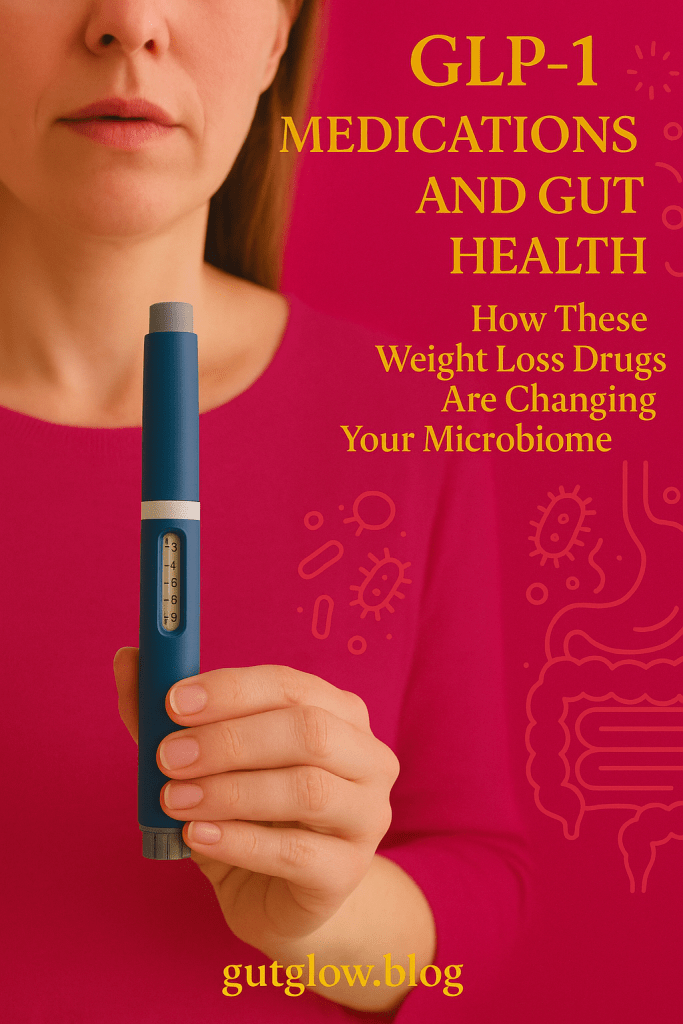
💊 GLP-1 Medications and Gut Health: How These Weight-Loss Drugs Are Changing Your Microbiome

Learn how GLP-1 medications like Ozempic and Tirzepatide and others affect gut health. Discover nurse-approved tips to reduce digestive side effects and support your microbiome.

🧠 Are GLP-1 Drugs Doing More Than Just Helping You Lose Weight?

GLP-1 medications like Ozempic, Wegovy, and Tirzepatide and others are trending everywhere—from social media buzz to celebrity headlines. They’re praised for weight loss and appetite control, but did you know they can also impact your gut health and microbiome? 🌿

Your digestive system doesn’t just process food—it communicates with your brain, immune system, and hormones. That’s why medications that slow stomach emptying or alter appetite can have ripple effects on digestion, gut bacteria, and inflammation.


💊 Personal Experience: Navigating GLP-1 Side Effects

As a nurse with 22 years of experience, I’ve seen a lot of patients on GLP-1 medications, and I’ve also personally navigated the ups and downs. My experience with Ozempic included:

  • 💥 Diarrhea
  • 🔥 Acid reflux that woke me up at night (horrible)
  • 😣 Severe stomach pain

It was a real wake-up call that even effective medications can have digestive side effects.

After switching to Tirzepatide and combining it with Nexium for acid reflux, along with a low dose GLP-1, I finally found a regimen that works. ✅ The difference? A balanced, gut-friendly diet, calorie deficit, and regular exercise helped me maximize benefits while minimizing gut discomfort.

This personal insight reinforces an important point: GLP-1 drugs interact deeply with your digestive system and microbiome, so supporting your gut with the right lifestyle strategies is key to success. 🌿


🔬 How GLP-1 Medications Affect Your Gut

GLP-1 drugs mimic the natural hormone glucagon-like peptide-1, which:

  • Slows stomach emptying
  • Reduces appetite 🍽️
  • Enhances insulin secretion 💉

Because GLP-1 receptors are abundant in the gut and brain, these medications can:

  1. Alter Gut Motility
    Slower digestion can shift nutrient availability for gut bacteria, which may change microbial composition.
  2. Modulate Inflammation
    Studies suggest GLP-1 drugs reduce systemic inflammation, which can support a healthier gut lining and microbial diversity. (Frontiers in Endocrinology, 2022)
  3. Change Appetite & Diet Habits
    Reduced appetite often leads to healthier food choices, which act as prebiotics for beneficial gut bacteria. 🥦

🥗 Nurse-Approved Tips to Support Your Gut While on GLP-1 Therapy

Supporting your microbiome can maximize benefits and minimize digestive side effects.

🌿 Strategy💡 What to Try💪 Why It Helps
Fiber DiversityEat 25–40 plant foods per weekFeeds beneficial bacteria, improves gut resilience
Fermented FoodsYogurt, kefir, kimchiIntroduces live probiotics
HydrationDrink water consistentlySupports digestion and stool consistency
Mindful EatingChew slowly, eat at a regular paceReduces bloating and improves nutrient absorption
Prebiotic FoodsGarlic, onions, asparagus, oatsEncourages SCFA-producing bacteria growth
Monitor Digestive SymptomsTrack bloating, diarrhea, acid refluxEarly adjustments prevent microbiome disruption

Glow tip: Introduce one gut-supporting habit every 1–2 weeks to avoid digestive overwhelm.


🔬 Evidence-Based Insights

  • A 2019 study in Diabetes Care found GLP-1 therapies can influence gut hormone activity and microbiome balance.
  • Frontiers in Endocrinology (2022) noted reduced systemic inflammation with GLP-1, which can indirectly support microbiome health.
  • Combining medications with diet and exercise may optimize gut and metabolic outcomes.

🌈 Key Takeaways

GLP-1 medications like Ozempic and Tirzepatide do more than help with weight management. They interact with your digestive system and microbiome, meaning:

  • You may experience digestive side effects initially. ⚡
  • Supporting your gut with diet, hydration, and exercise can improve tolerance and results. 🌿
  • Personalized strategies (like combining low-dose GLP-1 with Nexium if needed) are often most effective. ✅

🔗 Want More Gut & Wellness Tips?

💖 Pin this post and share the glow!


⚠️ Disclaimer:

This article is for educational purposes only and not medical advice. Consult your healthcare provider before starting, stopping, or changing any medication, diet, or supplement. Individual responses to GLP-1 medications vary, and gut health strategies should be personalized.


Nurse Life Wellness: 5 Simple Habits That Keep Me Going 👩‍⚕️💪💧🧴🥗💤

Let’s face it—nurse life is go-go-go, with a side of “did I even pee today?” If you’re a fellow nurse, you already know the hustle. And if you’re not, welcome to a peek inside the caffeine-fueled, compression-sock-wearing world we live in. As a wound and ostomy care nurse in my 40s (aka Team Skin & Poop Forever), I’ve learned that if I don’t intentionally care for myself, I’m basically a wound waiting to happen.

So here it is: my five non-negotiable wellness habits that help me stay sane, energized, and skin-glow ready—even after back-to-back shifts, charting marathons, and the occasional code brown 💩.


1. Hydration Like It’s My Job 💧

You’ve heard it before—but are you actually doing it? I used to tell patients to hydrate while nursing a 5-hour-old iced coffee. Now, I keep a big, straw-top water bottle with me always. Dehydration doesn’t just mess with energy—it slows digestion, dries out skin, and increases fatigue (aka nurse Kryptonite). Bonus: well-hydrated skin heals faster. Yes, even Grandma’s elbow knows.

Pro tip: Add electrolytes for long shifts or hot units.


2. Magnesium = My Gut MVP 🧠💩

Stress + inconsistent meals = gut drama. And let’s not even talk about night shifts. Magnesium glycinate or citrate helps keep my motility on point and my poops regular without being too harsh (especially helpful for ostomy folks too!). My skin even looks calmer when my gut’s happy.


3. Skin Care: The 3-Minute Nurse Version 🧴✨

Here’s the deal: you don’t need a 15-step Korean skincare routine. I swear by this trio:

  • Gentle cleanser (because hospital air = yuck)
  • Vitamin C serum (brightens, boosts healing)
  • Mineral sunscreen (for that hospital parking lot sun)

Even after a 12-hour shift in a mask, your skin can bounce back with just a little consistency. Don’t skip sunscreen, even if you never see the light of day during your shift. That fluorescent lighting still ages you, friend. 😏


4. Meal Prep That Loves My Gut (and Skin) 🥗

I try to prep 2-3 gut-friendly meals/snacks that are easy to grab. Think:

  • Greek yogurt + chia + berries (probiotics + fiber)
  • Roasted veggies + quinoa + salmon (skin fuel!)
  • A stash of almonds and dark chocolate in my locker (don’t judge, it’s balance)

I avoid overly processed snacks that mess with my gut (and cause breakouts) and aim for meals that keep my blood sugar steady and my mood less hangry.


5. Sleep, Even If It’s Weirdly Scheduled 😴

I know, I know—night shift ruins everything. But I treat sleep like medicine. Eye mask. White noise. Magnesium at night. No scrolling before bed. When I’m well rested, I’m kinder, quicker on my feet, and my skin isn’t screaming “fatigue” from across the nurse’s station.


Bonus: Laugh Often & Poop Regularly 😄💩

Listen, I talk about poop for a living—might as well have fun with it. Nurse burnout is real, but wellness doesn’t have to be overwhelming. It’s about building realistic habits that keep your gut happy, your skin glowing, and your energy up. You don’t need perfection. Just progress.


⚠️ Disclaimer (Because I’m a Nurse, Not Your Nurse 😉)
This blog is for general education and entertainment purposes only. Always consult with your doctor, dietitian, dermatologist, or wound/ostomy care specialist—especially if you have specific conditions, allergies, or a medical device like an ostomy.


Stress Poops, Hormonal Bloat, and Other Things Nobody Talks About 💩🙃

Let’s get real for a second. If you’ve ever been running to the bathroom before a big presentation or felt like a balloon during “that time of the month,” you’re not alone—and you’re definitely not weird. As a nurse with a love for all things skin, gut, and wellness, I can confidently say: our bodies are hilarious, confusing, and beautifully complex.

So today, we’re talking about the “taboo” stuff: stress poops, hormonal bloat, gut mood swings—and yes, how all of it can affect your skin too.


💥 1. Stress Poops Are a Real Thing (And Totally Common)

Ever noticed how your belly has zero chill when you’re overwhelmed? That’s your gut-brain axis at work. Stress activates your sympathetic nervous system (hello, fight or flight), which speeds up your gut motility. Translation: 💨 everything’s moving fast—maybe too fast.

You might experience:

  • Loose stools or urgency
  • Cramping
  • Gas or bloating
  • Flare-ups if you have IBS

Nurse tip: Deep breathing, walking, or sipping peppermint tea before stressful events can help calm your vagus nerve—your gut’s best friend.


💃 2. Hormonal Bloat: Not Just a “Period Problem”

Hormones are bossy little things. Estrogen and progesterone fluctuate throughout your cycle, and these shifts can slow down digestion, increase water retention, and cause major bloat.

You might notice:

  • Puffy face (hi, mirror!)
  • Sluggish digestion
  • Skin breakouts (especially around the chin)

Nurse tip: Drink more water (yes, it actually helps with bloat), add magnesium-rich foods like leafy greens or pumpkin seeds, and support your liver with foods like cruciferous veggies. It all helps detox those excess hormones.


😳 3. Anxiety and the “Nervous Tummy”

Ever had to scan the room for a bathroom just in case your nerves triggered your stomach? That’s not just in your head (well… it kind of is—but also your gut). Emotional stress changes your gut flora and affects your entire digestive process.

What helps:

  • Journaling or therapy (mental health = gut health)
  • Adaptogens like ashwagandha (check with your doc!)
  • Probiotics (especially strains like Lactobacillus rhamnosus GG)

🧖‍♀️ 4. Gut Drama = Skin Drama

Here’s where it gets juicy. When your gut is inflamed or stressed, your skin gets the memo. You might see:

  • Acne
  • Redness
  • Dullness
  • Dryness or excess oil

It’s not just what you put on your skin, it’s what’s going on inside too.

Nurse-approved glow tips:

  • Hydrate like it’s your job 💧
  • Eat fermented foods 🥬
  • Get enough fiber (think chia, flax, berries)
  • Limit ultra-processed foods (your gut and skin will thank you)

🧠 You’re Not “Too Sensitive”—You’re in Tune

Your gut feelings are valid. Poop, bloat, and skin freak-outs are often messages, not malfunctions. They’re clues from your amazing, interconnected body.

You’re not broken. You’re incredibly complex—and that’s kind of awesome.


Final Thoughts from Your Favorite Gut-Obsessed Nurse 💁‍♀️

We don’t talk about these things enough, so here’s your permission slip to stop suffering in silence. Whether you’re dealing with hormonal swings, post-stress poops, or unexplained zits on your jawline—your body is trying to communicate.

Start listening. Start supporting. And laugh about it when you can. 💩😅


⚠️ Disclaimer (Because I’m a Nurse, Not Your Nurse 😉)

This blog is for general education and entertainment purposes only. Always consult with your doctor, dietitian, dermatologist, or wound/ostomy care specialist—especially if you have specific conditions, allergies, or a medical device like an ostomy. What works for one person might not work for another (especially if we’re talking ileostomy vs colostomy vs urostomy—big differences, folks!).


Want more skin-gut-wellness real talk?

Don’t forget to check out my other posts on wound healing nutrition, poop-friendly meals, and my favorite skincare products for nurses on long shifts. 🚽✨


Wellness Without Woo: 💙 A Nurse’s Guide to Real Self-Care 👋

Hey there, fellow wellness warriors! 👋 As a nurse in my 40s who’s spent 22 years diving deep into skin, gut health, wounds, and all things wellness, I’m here to give you the real tea ☕ on self-care — minus the fluff, the “energy vortexes,” and those crystal elixir vibes that make you wonder if you’re on a reality show. Let’s talk wellness without the woo.


What Is “Wellness Without Woo,” Anyway?

In a world where detox teas promise a miracle cleanse and magic powders claim to fix your skin overnight, I’m here to say: nah. Real self-care isn’t about chasing the latest fad. It’s about science-backed habits that actually make a difference for your skin, gut, and overall health. Think hydration, balanced nutrition, sleep, and a dash of movement (yes, even those nursing shifts count as cardio sometimes! 🏃‍♀️).


1. Hydration: Your Skin’s BFF 💧

Your skin and gut thrive on water. Drinking enough H2O is the cheapest, easiest, and most effective anti-aging trick you can do. It keeps your skin plump, helps your digestive system flush out toxins, and supports wound healing. Plus, it prevents that “dehydrated nurse face” look after a 12-hour shift.


2. Eat Real, Not Magical 🍎

Forget the powders and potions. Your gut (and skin!) want whole foods — think colorful veggies, fiber-rich fruits, healthy fats, and protein. These nourish your microbiome, support digestion, and help your skin maintain elasticity. Pro tip: your gut health shows up on your face, so feed it well.


3. Move Your Body — Even If It’s Just a Walk 🏃‍♀️

You don’t need a gym membership or 2-hour yoga sessions. Moving daily — walking, stretching, or chasing toddlers — helps circulation, reduces stress, and supports skin cell turnover. Plus, it’s great for your gut motility (translation: better poop, less bloating — yay! 🚽).


4. Sunscreen Is a Must ☀️

No self-care routine is complete without sun protection. UV rays age your skin faster than stress does. (And trust me, nursing stress is real.) A broad-spectrum SPF shields your skin and lowers your risk for skin cancer — because glowing skin should last a lifetime.


5. Sleep Like Your Skin Depends on It 💤

Spoiler: it does. Sleep is when your body repairs skin damage, balances hormones, and resets your gut health. Aim for 7-9 hours and watch those wrinkles and digestion issues chill out.


6. Listen to Your Body, Not the Hype 🧘‍♀️

With ostomies, wounds, and skin issues in the mix, personalizing self-care is key. What works for one person may not work for another — especially when it comes to gut and skin health. Always chat with your healthcare providers before starting any new routine.


Final Thoughts

Self-care doesn’t need to be complicated or expensive. It’s about consistent, science-backed habits that nurture your body and mind — no crystals required. So ditch the “woo,” grab your water bottle, put on your sunscreen, and embrace wellness that’s real, reliable, and nurse-approved. 💙


⚠️ Disclaimer: Because I’m a Nurse, Not Your Nurse 😉
This blog is for general education and entertainment purposes only. Always consult with your doctor, dietitian, dermatologist, or wound/ostomy care specialist — especially if you have specific conditions, allergies, or medical devices like an ostomy. What works for one person might not work for another.


Want more practical tips without the fluff? You’re in the right place. Let’s keep it real, together. 💪✨

From Wounds to Wrinkles: What Wound Care Has Taught Me About Skin Aging 👩‍⚕️💉➡️🧴✨

Let’s connect the dots between wound healing and skin aging—because yes, there’s more overlap than you’d think. As a wound and ostomy nurse in my fabulous 40s (with a minor obsession for all things gut, glow, and glutes 😅), I’ve spent years studying how skin heals—and spoiler alert: that knowledge also changed how I see wrinkles, serums, and my morning SPF routine.

So buckle up, skin lovers and gut nerds. We’re diving into why wound care wisdom is basically anti-aging gold.


💡 Wound Healing = Real-Time Skin Science

When I treat a wound, I’m watching the body work overtime to repair and regenerate. The same cells and signals responsible for closing a wound are also involved in keeping your skin plump, firm, and glowing. But here’s the catch: they slow down with age, inflammation, and (yep) poor nutrition.

Wrinkle 101?
It’s basically a tiny wound your skin doesn’t bother to heal anymore. Rude.


Here’s What Wound Care Taught Me About Skin Aging 👇

1. Hydration Is Non-Negotiable 💦

Whether it’s a dry wound bed or a dry T-zone, moisture is magic. Dehydrated skin = delayed healing AND faster aging. Your barrier function suffers, collagen breaks down, and fine lines look like they’ve been zoomed in. Drink water like it’s your job. And yes, that hydrating serum helps too.

2. Inflammation Is the Enemy 🔥

Chronic inflammation slows wound healing and accelerates aging (a process scientists call inflammaging—cute name, not cute on your face). Sugar, processed foods, stress, lack of sleep? All inflammatory triggers. Swap ‘em for berries, leafy greens, turmeric, and sleep. Your wounds AND wrinkles will thank you.

3. Protein = Collagen Fuel 🥚🐟

You can’t rebuild skin without amino acids. Wounds need protein to heal. Skin needs it to stay firm and bouncy. Low protein intake = saggy vibes. Get in your lean meats, beans, tofu, eggs, collagen powders—whatever works for you.

4. Sun Protection is Essential ☀️🧴

Wounds + sun = darker scars. Skin + sun = deeper wrinkles. Every wound nurse has seen what happens when UV hits compromised skin—it ain’t pretty. So trust me when I say: wear the dang sunscreen. Even on cloudy days. Even if you’re “just going to Target.”

5. Healing Takes Time—But Prevention Is Faster ⏳

You don’t wait until a wound is infected to treat it, right? Same goes for skin. Start now. Cleanse gently, moisturize daily, eat for your gut, use antioxidants, stay hydrated, move your body, and manage stress. Prevention is cheaper than Botox 💁‍♀️


The Gut Connection 🥗💩✨

Surprise twist? Your gut is a key player in both wound healing and aging skin. An inflamed, unbalanced gut leads to poor nutrient absorption, chronic inflammation, and—you guessed it—sluggish healing and dull, aging skin.

Nourish your gut with:

  • Probiotics (yogurt, kefir, sauerkraut)
  • Prebiotics (oats, bananas, asparagus)
  • Plenty of fiber + water
  • Low sugar, low junk

Healthy gut = clear skin, happy poops, and fewer frown lines.


Wrapping It Up (Like a Good Dressing 😉)

Working in wound care has taught me to respect the skin—how it repairs, protects, and reflects what’s happening inside your body. Aging skin isn’t the enemy—neglect is. With the right daily habits, you can support your skin the same way we support a healing wound: with patience, nourishment, protection, and love.

You’ve got one skin suit, and you’re wearing it every day. Treat it like the masterpiece it is. 🧖‍♀️💕


⚠️ Disclaimer (Because I’m a Nurse, Not Your Nurse 😉)
This blog is for general education and entertainment purposes only. Always consult with your doctor, dietitian, dermatologist or wound/ostomy care specialist—especially if you have specific conditions, allergies, or a medical device like an ostomy. What works for one person might not work for another (especially if we’re talking ileostomy vs colostomy vs urostomy—big differences, folks!).


Why Nurses Don’t Have Time to Poop (and How It Affects Our Gut) 💩⏰

Let’s just say it: nurses are the constipated heroes nobody talks about. We run on caffeine, adrenaline, and prayers. We can insert an IV during a code, chart with our elbows, and de-escalate a family meltdown at 140/90—but find time to poop? LOL. 😅

As a wound and ostomy care nurse in her 40s who is deeply in love with all things skin, gut, and “glow from the inside,” I’m here to shine a (well-moisturized) light on a truth many of us live but rarely talk about:

🚽 Nurses don’t poop. And it’s messing with our gut.


The Shift is Long, But the Colon Is Patient… Until It’s Not 🕒

Let’s be real. Between med passes, dressing changes, call lights, short staffing, and family updates, taking a moment to pee is an Olympic event—let alone finding a quiet five minutes to drop the kids off at the pool. So we do what we always do:

We hold it.
And hold it.
And… well, now we’re bloated and cranky and haven’t gone since Sunday. 🫠


What Happens When You Chronically “Hold It”?

1. Sluggish Motility = Constipation Party 🎉 (But You’re Not Invited)

Your colon is like a conveyor belt. When it slows down, waste sits longer, gets drier, and turns into something that deserves its own horror movie. Not only is it uncomfortable—it affects your whole digestive system.

2. Skin Flare-Ups from Gut Drama 😬

Yep, the gut-skin connection strikes again! When waste builds up, toxins don’t exit efficiently. That internal traffic jam can show up externally—think breakouts, dullness, rashes, and inflammation.

3. Hormonal Disruption & Cortisol Chaos 🔥

When your gut is backed up, stress hormones love to pile on. Your already-busy nurse brain is now riding a hormonal rollercoaster, complete with bloating, mood swings, and fatigue. Cute!

4. Microbiome Mayhem 🦠

Delaying bowel movements can throw your gut flora out of whack. That healthy bacteria you worked so hard to cultivate (hello, probiotics)? They’re not thrilled. It’s like skipping watering your plants and wondering why they’re sad.


The Nurse Gut Survival Guide 💡

Here’s what I (try to) do to stay regular in the world of 12s and no breaks:

🚰 Hydrate Like You’re Getting Paid For It

Water is a nurse’s best friend. Aim for at least 8 cups—even if it means timing it with your charting or shift huddles.

🥦 Fiber Is Your BFF

Sneak in fiber-rich snacks—chia pudding, apples, hummus and veggies, or even a high-fiber protein bar stashed in your bag like a secret weapon.

🚶‍♀️ Movement Matters

Even if it’s just walking laps around the unit or doing squats while waiting on pharmacy (don’t knock it!), keep things moving.

🧘‍♀️ Relax Your Nervous System

Stress literally shuts down digestion. Try deep breathing in the med room, stretching, or playing music on your commute to switch off the cortisol faucet.

💩 Make Time to Poop (Seriously)

Normalize taking five minutes. Yes, the unit might survive without you for 300 seconds. You can’t pour from an empty cup—or poop with a full colon. 😉


Bottom Line? Don’t Ignore Your Bottom 🧻❤️

Holding your poop for 13-hour shifts isn’t just uncomfortable—it’s a slow sabotage of your gut, skin, and sanity. Nurses are incredible, but we’re also human. Let’s start treating ourselves with the same care we give our patients.

Your colon—and your complexion—will thank you.


⚠️ Disclaimer (Because I’m a Nurse, Not Your Nurse 😉)
This blog is for general education and entertainment purposes only. Always consult with your doctor, dietitian, dermatologist, or wound/ostomy care specialist—especially if you have specific conditions, allergies, or a medical device like an ostomy.

💩 What Your Poop Is Telling You (And When to Worry)

From a Nurse Who Talks About Poop Like It’s Her Job—Because It Is

Let’s normalize something real quick: talking about poop.
Because as a nurse with 22 years in the game—and plenty of time spent in wound and ostomy care—let me tell you, poop is one of the most honest health reporters you’ll ever meet. Forget the fancy wearables and wellness apps; your stool is the original body feedback system. It tells you everything from hydration status to digestion drama to whether or not your kombucha obsession is paying off.

So yes, today we’re going there. I’m in my 40s, and I’ve had more conversations about poop than most people have had about their careers—and I’m proud of it. Let’s break down what your daily (or not-so-daily) deposit is saying about your overall health, and when it’s time to raise an eyebrow… or call your doc.


💩 First, What Is “Normal” Poop?

Welcome to the Bristol Stool Chart—every nurse’s favorite dinner topic. It classifies poop into 7 types:

  • Type 1: Hard pellets (aka rabbit poop). Hello, constipation.
  • Type 2: Lumpy sausage. Still constipated, but working on it.
  • Type 3 & 4: Smooth sausage or soft log. 🎯 Gold standard of poop.
  • Type 5: Soft blobs with clear edges. Okay, maybe had too much fiber.
  • Type 6 & 7: Mushy or watery. Now we’re in diarrhea territory.

Ideal poop? Type 3 or 4. Smooth, soft, easy to pass, and about the length of a banana. Bonus points if you barely need toilet paper. 🧻


🧠 What Poop Can Tell You About Your Health

1. Color Commentary

  • Brown = Gold star! That’s bilirubin doing its job.
  • Green = Fast transit time or too much kale. Not usually a crisis.
  • Yellow = Fat malabsorption (watch for floating, greasy stools).
  • Black or red = 🚨 Call your provider. Could indicate bleeding.
  • Pale, clay-colored = Possible bile duct issue. Check in with your doc.

👩‍⚕️ Nurse tip: If your stool looks like a Halloween decoration or smells like a dead raccoon in the sun, it’s worth checking out.


2. Consistency Is Key

If you’re pooping rabbit pellets on Monday and have a butt volcano by Wednesday, something’s off. Stress, hydration, hormones, food intolerances, antibiotics—all of these affect your gut rhythm.

  • Constipation: Drink more water, move more, up your fiber. Magnesium citrate is my go-to sidekick.
  • Diarrhea: Rule out infection, food triggers, or gut imbalances. Too many sugar-free gums can cause chaos too—yes, I’m looking at you, xylitol.

3. Odor Clues (Yes, the Smell Matters)

All poop stinks—but sudden, knock-you-out foulness could mean:

  • Poor digestion
  • Infection (think C. diff)
  • Food intolerance (hello, lactose!)
  • Malabsorption (especially if it’s oily or sticky)

Don’t ignore new stink levels that linger. Your poop should not require a hazmat evacuation plan.


🚽 When to Worry (A Nurse’s Real Talk)

Here’s when poop deserves more than a passing thought:

  • Blood (bright or dark)
  • Ongoing diarrhea or constipation (more than a few days)
  • Severe abdominal pain
  • Weight loss without trying
  • Floating, greasy stools (every time)
  • Changes in color or consistency that last over a week

If your gut’s been acting like a moody teenager for more than a week, it’s time to bring in a professional.


🥬 How to Make Your Poop… Well, Poop Better

Healthy poop starts with gut-friendly habits. Here’s what I recommend (and practice myself):

  • Fiber daily: Aim for 25–35g. Veggies, fruits, oats, chia seeds.
  • Hydrate like a boss: Water helps everything move.
  • Move your body: Exercise = better motility.
  • Probiotics: Yogurt, kefir, sauerkraut—or a good supplement.
  • Prebiotics: Feed the good bugs with garlic, onions, asparagus, etc.
  • Watch your stress: Cortisol and your colon are NOT friends.

💬 Final Flush

You don’t need to be obsessed with your poop—but you should be checking in with it. Your stool is basically your gut’s way of texting you, and ignoring it is like leaving your doctor on read.

So the next time you drop a deuce, take a peek. Is it shaped like a banana? Does it flush with pride? Great. If not—your body might be nudging you to make a few gut-friendly tweaks.

And hey, if you’ve got an ostomy, your output tells a story too! (But that’s another post—coming soon.)

Here’s to healthy guts, glowing skin, and poop that makes you proud. 💩✨


Want more gut-skin-wellness info from a nurse who’s seen it all?
Subscribe to my blog