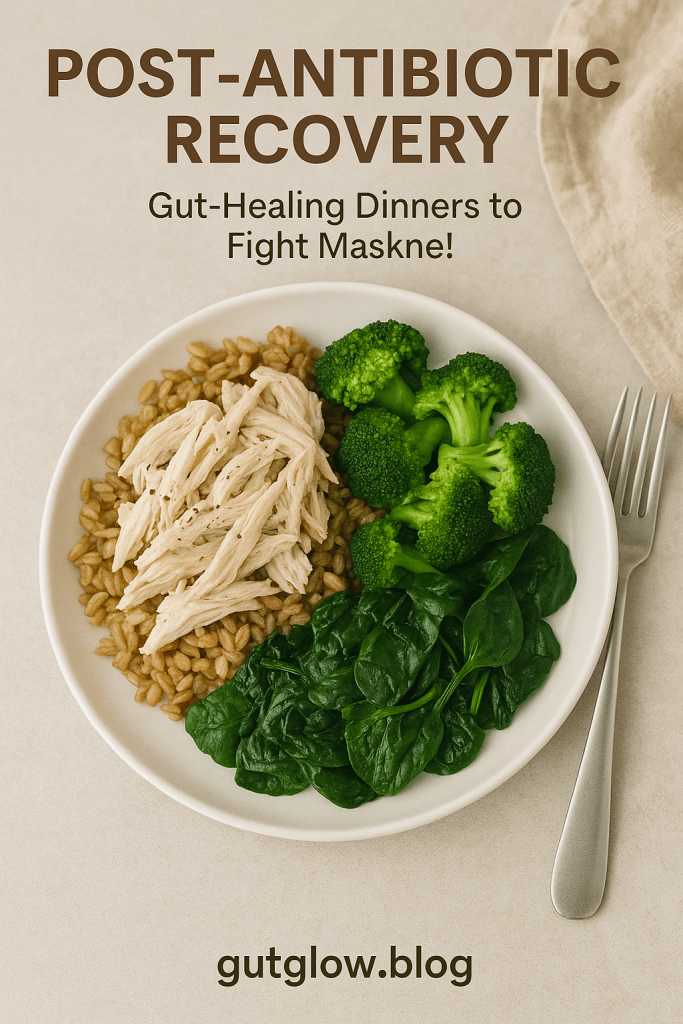
Post-Antibiotic Recovery: Gut-Healing Dinners to Fight Maskne! 🥘✨🦠


Recover your gut and your skin with these post-antibiotic, gut-friendly dinners. Fight maskne, nourish your microbiome, and glow from the inside out!


Have you ever noticed a maskne breakout right after a round of antibiotics? You’re not imagining things. As a wound and ostomy care nurse in my 40s, I’ve seen firsthand how antibiotics can disrupt your gut microbiome—and your skin isn’t spared.

The good news? You can support your gut (and calm your skin) with delicious, gut-healing dinners designed to restore balance, reduce inflammation, and fight maskne. 🥘✨

📊 Fun Fact: Research in Frontiers in Immunology (2022) highlights that post-antibiotic gut dysbiosis can worsen skin inflammation, acne, and sensitivity, especially in adults.

In this guide, I’ll show you actionable, tasty meals that feed your gut, help your skin glow, and keep your digestion happy.


Why Your Gut Affects Your Skin (and Maskne)

  • Your gut and skin communicate via the gut-skin axis, influencing inflammation, oil production, and immune responses.
  • Antibiotics can kill beneficial bacteria, leaving space for opportunistic microbes that trigger breakouts.
  • Tip: Add probiotics (fermented foods or supplements) to dinner to restore microbial balance.

Post-Antibiotic Dinners That Heal Your Gut

Bone Broth Veggie Stew 🥕🍲

  • Why it works: Collagen and amino acids support gut lining repair.
  • Skin benefits: Reduces inflammation, boosts hydration, supports elasticity.
  • Tip: Add garlic and turmeric for added anti-inflammatory power.

Fermented Veggie Grain Bowl 🥬🍚

  • Why it works: Fermented veggies like sauerkraut feed beneficial bacteria.
  • Skin benefits: Reduces redness and balances oil production.
  • Tip: Top with pumpkin seeds for zinc, supporting skin repair.

Omega-Rich Salmon & Quinoa Plate 🐟

  • Why it works: Omega-3 fatty acids reduce systemic inflammation.
  • Skin benefits: Helps fight acne and maskne flare-ups.
  • Tip: Add a side of steamed greens for vitamin C and collagen support.

Tips for Maximizing Gut-Skin Benefits at Dinner

  • Pair meals with prebiotics: Onions, garlic, and asparagus feed good gut bacteria.
  • Stay hydrated: Water improves digestion and skin elasticity. 💦
  • Limit sugar and processed foods: These feed bad gut bacteria and increase inflammation.
  • Track your response: Notice which meals calm breakouts or improve digestion.

Tip: Add Greek Yogurt to Your Dinner for a Gut & Skin Boost 🥣✨

  • Why it works: Greek yogurt is packed with probiotics that help restore healthy gut bacteria after antibiotics.
  • Skin benefits: Improved gut balance can reduce inflammation, helping calm maskne and support a natural glow.
  • How to use: Add a dollop to your grain bowls, soups, or roasted veggie dishes. You can also mix it with herbs like dill or parsley for a tangy, skin-loving sauce.

💡 Glow tip: Look for unsweetened, live-culture Greek yogurt to maximize gut benefits and avoid feeding unwanted bacteria with added sugars.

Have you noticed certain meals triggering or calming your maskne? Share your experience below! 💬


Antibiotics don’t have to mean a skin nightmare. With these gut-healing dinners, you can restore balance, fight maskne, and glow from the inside out.

💡Want more gut-skin dinner ideas? Subscribe for weekly recipes, tips, and science-backed skin advice!

⚠️ Disclaimer: Because I’m a nurse, not your personal healthcare provider, this blog is for general educational and entertainment purposes only. Always consult your healthcare provider for personalized advice.


Dive in for all the juicy details 🍓

  1. “Gut-Boosting Breakfasts for Radiant Skin”gutglow.blog/breakfast-gut-skin
  2. “DIY Fermented Foods for Glowing Skin”gutglow.blog/fermented-skin
  3. “Hydration Hacks for Anti-Aging and Gut Health”gutglow.blog/hydration-tips

If you want, I can also create the Pinterest-optimized description and viral tags for this article next. This will make it ready to post immediately for maximum engagement.

Do you want me to do that?
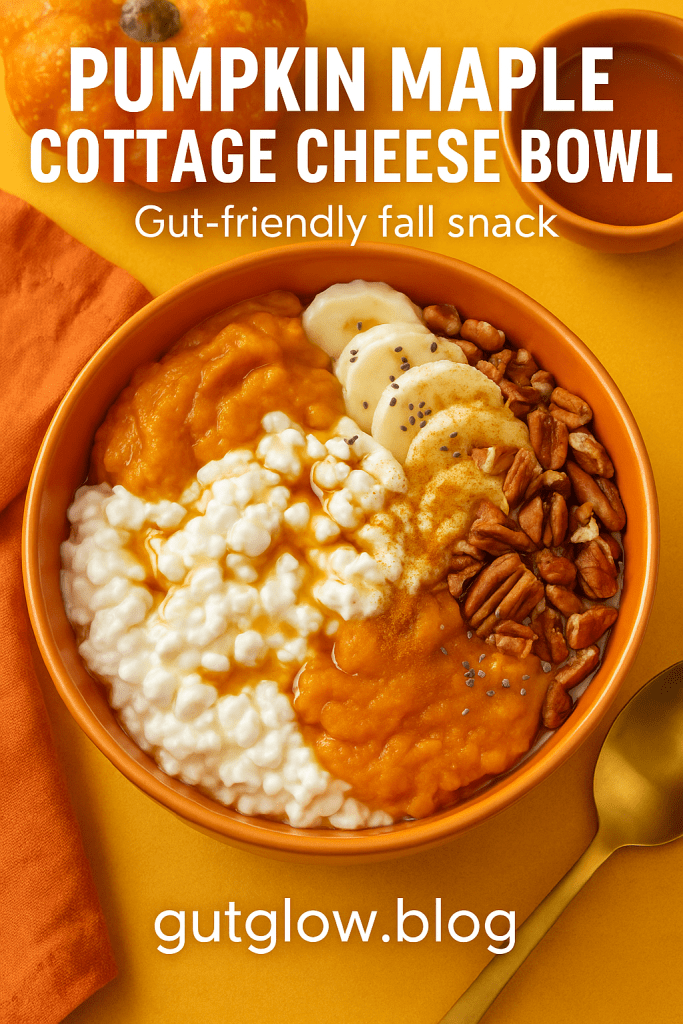
🍴 Cottage Cheese Benefits: Protein, Probiotics, and Gut-Skin Wellness

Discover cottage cheese benefits for gut and skin health, plus a fall-inspired pumpkin maple recipe for glowing, healthy skin.

🧠 Could a simple bowl of cottage cheese be your gut’s and skin’s new best friend?

If you’ve ever overlooked this humble dairy delight, it’s time to rethink your snack game. As a nurse with 22 years of experience, I’ve seen firsthand how nutrition, gut health, and skin glow are deeply connected. And yes—even cottage cheese can play a starring role. 🌿


🥛 What Makes Cottage Cheese So Special?

Cottage cheese isn’t just a protein powerhouse. It’s also:

  • Rich in protein – Supports skin repair, muscle maintenance, and satiety
  • Probiotic-friendly (if live cultures are included) – Helps balance your microbiome
  • Vitamin and mineral-packed – Calcium, phosphorus, B vitamins, and selenium for skin, hair, and nail health
  • Low in sugar – Ideal for stable blood sugar and gut-friendly snacking

It’s the perfect gut-skin combo snack that nourishes from the inside out. ✨


🔬 Science Made Simple: Gut + Skin Connection

Your gut microbiome directly influences your skin’s health. Here’s how cottage cheese fits in:

  1. Probiotics Support Digestion
    • Live cultures in cottage cheese feed beneficial gut bacteria, improving nutrient absorption and reducing inflammation (Harvard Health, 2024).
  2. Protein Supports Skin Renewal
    • Amino acids from protein are building blocks for collagen and elastin, helping reduce fine lines and support barrier repair.
  3. Calcium & B Vitamins for Skin & Hormones
    • Calcium assists in skin cell renewal.
    • B vitamins, like B12, help reduce oxidative stress, supporting glowing skin.

👩‍⚕️ Nurse-Approved Tips for Cottage Cheese Success

Choose live cultures – not all cottage cheese brands have probiotics
Pair with gut-friendly foods – add fiber-rich fruits (apples, pears) or prebiotics (oats, cinnamon)
Moderation is key – high-protein dairy supports gut balance, but balance with variety
Hydrate – water helps protein metabolism and supports skin hydration


🍂 Bonus Fall Recipe: Maple Pecan Pumpkin Cottage Cheese Bowl

A cozy, gut-friendly snack that doubles as a skin-supporting treat:

Ingredients:

  • ½ cup cottage cheese (with live cultures)
  • 2 tbsp pumpkin puree
  • 1 tsp maple syrup or honey
  • 1 tbsp chopped pecans
  • ¼ tsp cinnamon + pinch nutmeg
  • Optional: chia seeds or flaxseed for extra fiber

Instructions:

  1. Mix pumpkin puree and maple syrup into cottage cheese.
  2. Sprinkle cinnamon, nutmeg, and pecans on top.
  3. Optional: add chia or flax seeds for gut-supporting fiber.
  4. Enjoy! Perfect for breakfast or a cozy afternoon snack. 🍁

Why it works:

  • Protein + probiotics support your microbiome
  • Pumpkin + spices add antioxidants for skin health
  • Fiber from seeds/nuts aids digestion and toxin removal

🗣️ Real Talk: Cottage Cheese Isn’t a Magic Bullet

Even with probiotics and protein, gut and skin health require a holistic approach:

  • Balanced diet with fruits, vegetables, and healthy fats
  • Hydration to support digestion and skin barrier
  • Consistent sleep and stress management

This humble dairy hero is just one piece of the wellness puzzle.


🔗 Related Blog Posts

💖 Pin this post and share the glow!


⚠️ Disclaimer

This blog is for educational purposes only. Consult your doctor, dietitian, or dermatologist before making dietary changes—especially if you have gut, skin, or dairy sensitivities.

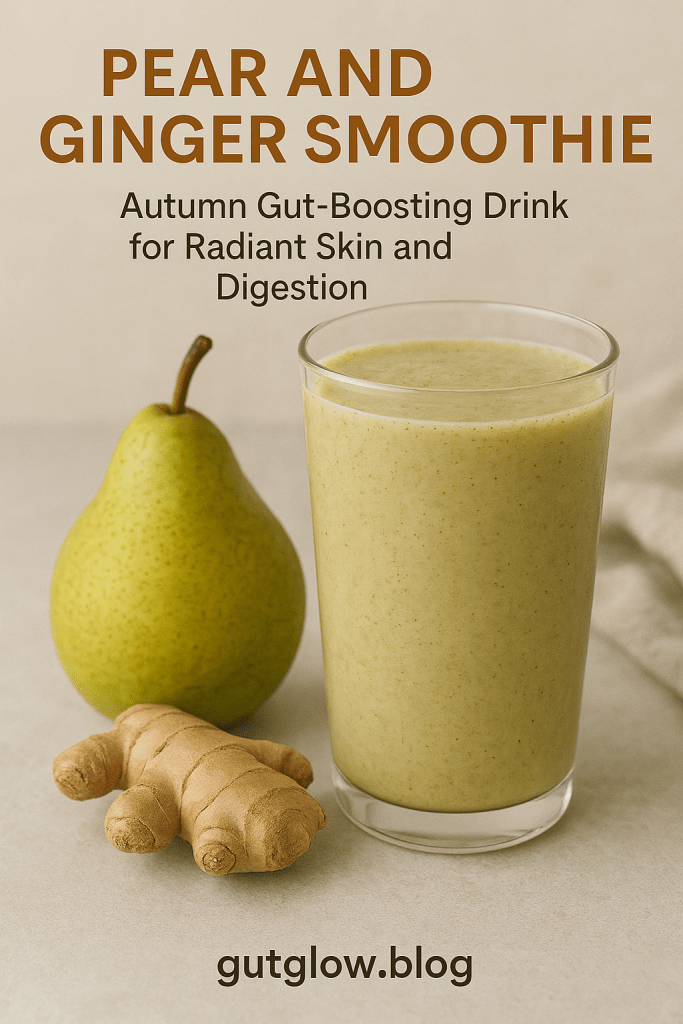
Pear & Ginger Smoothie: Autumn Gut-Boosting Drink for Radiant Skin & Digestion 🍐💛


Sip your way to glowing skin and a happy gut this fall! Discover the pear & ginger smoothie recipe that supports digestion, reduces bloating, and enhances skin health.


Hey wellness lovers! 🍂 As a wound and ostomy care nurse in her fabulous 40s, I’ve seen firsthand how what you eat impacts everything—from your gut to your skin. But let’s get real: nothing excites me more than finding tasty ways to support digestion and glow from the inside out.

Pear & Ginger Smoothie. This cozy autumn drink isn’t just delicious—it’s packed with gut-friendly fiber, anti-inflammatory compounds, and skin-loving antioxidants.

📊 Fun Fact: A 2022 study in Nutrients highlighted that diets rich in fruits and ginger help reduce gut inflammation, which can directly improve skin appearance.

Ready to sip your way to better digestion and radiant skin? Let’s blend, sip, and glow! ✨


Why This Smoothie Is a Gut & Skin Hero

Pear Power:
Pears are high in soluble fiber, which feeds your good gut bacteria. Fiber helps regulate digestion, reduce bloating, and support nutrient absorption—meaning your skin gets more of the vitamins it loves.

Ginger Magic:
Ginger is a natural anti-inflammatory. Research in Journal of Medicinal Food, 2021 shows that ginger can help calm gut inflammation and reduce oxidative stress, which may translate to smoother, healthier skin.

Other Star Ingredients:

  • Greek Yogurt: Probiotic boost for your microbiome
  • Cinnamon: Supports blood sugar balance
  • Almond Milk: Dairy-free option that adds creaminess without heaviness

💡 Pro Tip: Pair this smoothie with a morning walk or gentle stretch to enhance digestion and circulation.


Step-by-Step Autumn Glow Smoothie Recipe 🍐

Ingredients:

  • 1 ripe pear, chopped 🍐
  • 1/2 tsp fresh grated ginger 🌿
  • 1/2 cup Greek yogurt (or plant-based alternative)
  • 1/2 cup unsweetened almond milk
  • 1/4 tsp cinnamon
  • 1 tsp honey or maple syrup (optional)

Instructions:

  1. Combine all ingredients in a blender.
  2. Blend until smooth.
  3. Pour into your favorite mug or glass and sip mindfully.

💡 Nurse Tip: Enjoy immediately for maximum probiotic benefit, or store in the fridge for up to 24 hours.


How This Smoothie Supports Your Skin

Fiber & Prebiotics: Feed your gut bugs, improve digestion, reduce bloating, and indirectly promote healthy skin.

Anti-Inflammatory Effects: Ginger and cinnamon help reduce systemic inflammation, which can calm redness, puffiness, and even hormonal acne.

Hydration Boost: Smoothies naturally help with hydration, plumping your skin and reducing fine lines.


Personal Story Time 🍂

When I first tried this pear & ginger combo, I was amazed! My morning bloating eased, my energy stabilized, and my skin had a noticeable glow by week two. Pairing this smoothie with 8+ glasses of water, regular exercise, and fermented foods made the difference. Your gut—and your mirror—will thank you!


Extra Tips for Gut-Skin Harmony

  • Fermented foods: Kombucha, kimchi, or sauerkraut with breakfast.
  • Hydration: Keep sipping water throughout the day.
  • Movement: Gentle yoga or walking supports gut motility.
  • Sleep: Aim for 7–8 hours; poor sleep can disrupt gut microbiome balance.

💬 Question for you: Have you tried pairing smoothies with gut-loving foods for better skin? Share your experience in the comments!


This pear & ginger smoothie is your autumn wellness ally—delicious, gut-friendly, and skin-boosting. Pair it with healthy habits for the ultimate glow from the inside out.

✨ Want more gut-skin recipes and tips? Subscribe

⚠️ Disclaimer (Because I’m a Nurse, Not Your Nurse 😉): This blog is for general education and entertainment purposes only. Consult your healthcare provider for personal advice.


Keep scrolling for the full scoop!

🌟 PCOS and Your Gut: How a Balanced Microbiome Can Support Hormones and Fertility

Learn how gut health impacts PCOS. Nurse-approved tips to balance hormones, reduce inflammation, and support fertility naturally.

🧠 Could your gut be the missing link to managing PCOS symptoms and improving fertility?

Polycystic Ovary Syndrome (PCOS) affects millions of women worldwide, often leading to hormonal imbalances, irregular cycles, insulin resistance, and fertility challenges. But did you know that your gut microbiome may play a significant role in PCOS management? 🌿

Emerging research shows that gut bacteria influence hormone regulation, inflammation, and insulin sensitivity, all of which are key players in PCOS. Let’s break down the science and provide practical, nurse-approved strategies to support your gut—and your hormones.


🔬 Science Made Simple: The Gut-PCOS Connection

Your gut does more than digest food. It’s a communication hub linking your brain, hormones, immune system, and metabolism.

Here’s how gut health impacts PCOS:

  1. Gut Dysbiosis & Hormonal Imbalance
    • Low diversity in gut bacteria can worsen androgen levels, contributing to acne, hair growth, and irregular cycles.
    • A balanced microbiome helps regulate estrogen and progesterone, improving overall hormonal harmony. (Harvard Health, 2024)
  2. Insulin Resistance & Gut Health
    • Many women with PCOS experience insulin resistance.
    • Gut bacteria affect glucose metabolism and inflammation, influencing insulin sensitivity and energy balance.
  3. Inflammation & Fertility
    • Dysbiosis can increase systemic inflammation, affecting ovulation and egg quality.
    • Supporting a healthy gut may help reduce inflammatory markers, supporting fertility naturally.

🧬 Evidence & Insights

  • A 2021 study in Frontiers in Endocrinology found that women with PCOS often have altered gut microbiota, which correlates with higher androgen levels and metabolic issues.
  • Certain probiotics and prebiotics have been shown to improve insulin sensitivity and reduce inflammation in women with PCOS.
  • Lifestyle factors like diet, exercise, and sleep significantly influence both gut health and PCOS symptoms.

🥗 Nurse-Approved Tips to Support Your Gut & Hormones

Supporting your microbiome can improve PCOS symptoms, hormone balance, and fertility.

🌿 Strategy💡 What to Try💪 Why It Helps
Eat Fiber-Rich FoodsVegetables, fruits, legumes, whole grainsSupports SCFA-producing bacteria, regulates hormones
Include Fermented FoodsYogurt, kefir, sauerkraut, kimchiProvides probiotics to balance microbiome
Add PrebioticsGarlic, onions, asparagus, oatsFeeds beneficial bacteria, reduces inflammation
Limit Processed Sugars & Refined CarbsAvoid sugary drinks and snacksImproves insulin sensitivity, reduces dysbiosis
Move Your BodyDaily walks, strength training, yogaEnhances insulin sensitivity, reduces stress
Manage Stress & Sleep7–9 hours sleep, mindfulness, meditationLowers cortisol, supports hormone and gut balance

Glow tip: Introduce one habit at a time for sustainable, long-term results.


🙋‍♀️ Common Questions

“Can probiotics help PCOS?”
Yes! Certain probiotics may improve insulin sensitivity and reduce inflammation, but they work best alongside diet, exercise, and lifestyle changes.

“Does leaky gut affect PCOS?”
It can contribute. Supporting gut integrity with fiber, prebiotics, and anti-inflammatory foods can help hormonal balance.

“Which foods are best for gut and hormone health?”
Focus on high-fiber vegetables, fermented foods, healthy fats, and lean protein, while reducing processed sugars and refined carbs.


🌈 Key Takeaways

  • Your gut microbiome plays a major role in PCOS, affecting hormones, insulin, inflammation, and fertility.
  • Supporting a diverse, balanced gut can improve symptoms and hormone regulation naturally.
  • Combining diet, probiotics, prebiotics, exercise, and sleep creates a synergistic approach for PCOS management. 🌿

🔗 Explore More Related Posts

💖 Pin this post and share the glow!


⚠️ Disclaimer:

This article is for educational purposes only and is not medical advice. Consult your healthcare provider before making any changes to medication, diet, or lifestyle. Individual results may vary.

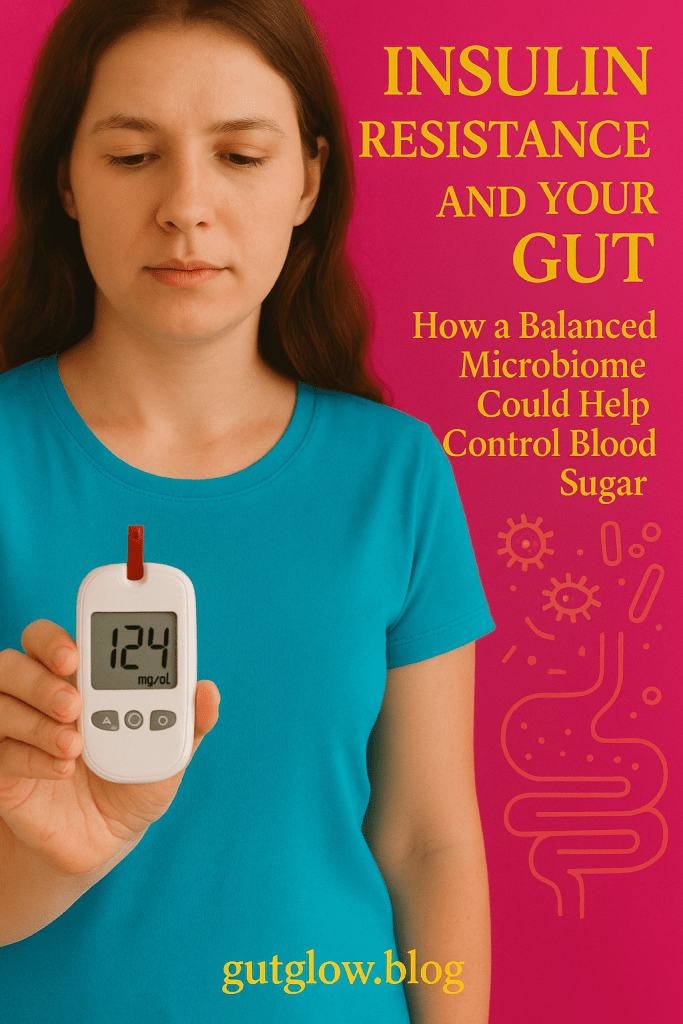
🌟 Insulin Resistance and Your Gut: How a Balanced Microbiome Could Help Control Blood Sugar

Discover how gut health affects insulin resistance. Nurse-approved tips for balancing your microbiome and improving blood sugar naturally.

🧠 Could your gut be the missing link in managing insulin resistance?

If you’re struggling with insulin resistance, you might already know how frustrating it can be to manage blood sugar levels despite diet, exercise, and lifestyle changes. But here’s a fascinating twist: your gut microbiome could be playing a starring role in your body’s insulin response. 🌿

Recent research shows that the composition and diversity of gut bacteria can influence glucose metabolism, inflammation, and hormone signaling—all critical players in insulin resistance. Let’s break it down in a way that’s easy to understand, nurse-approved, and practical.


🔬 Science Made Simple: The Gut-Insulin Connection

Your gut isn’t just for digestion. It’s a communication hub linking your brain, hormones, immune system, and metabolism.

Here’s how gut health impacts insulin resistance:

  1. Microbiome Diversity & Insulin Sensitivity
    • A diverse gut microbiome supports short-chain fatty acid (SCFA) production, which helps regulate glucose metabolism and reduces inflammation.
    • Low diversity can lead to dysbiosis, increasing insulin resistance risk. (Harvard Health, 2024)
  2. Leaky Gut & Chronic Inflammation
    • Poor gut integrity allows endotoxins like LPS into the bloodstream.
    • This triggers chronic low-grade inflammation, which directly worsens insulin resistance.
  3. Gut-Brain-Hormone Axis
    • Your gut communicates with your brain and pancreas, influencing appetite, satiety, and insulin secretion.
    • An unhealthy microbiome can disrupt these signals, making blood sugar management harder.

🧬 Evidence & Insights

  • A 2022 study in Frontiers in Endocrinology found that people with higher gut microbiome diversity had better insulin sensitivity and lower fasting glucose levels.
  • Certain prebiotics and probiotics may improve glucose metabolism by promoting beneficial gut bacteria growth.
  • Lifestyle factors—like diet, exercise, and sleep—dramatically influence both microbiome health and insulin resistance.

🥗 Nurse-Approved Tips to Support Your Gut & Blood Sugar

Here’s a practical, actionable guide to help your gut—and your blood sugar—stay in balance:

🌿 Strategy💡 What to Try💪 Why It Helps
Eat Fiber-Rich FoodsVegetables, fruits, whole grains, legumesSupports SCFA-producing bacteria and slows glucose absorption
Include Fermented FoodsYogurt, kefir, kimchi, sauerkrautProvides probiotics to boost microbial diversity
Add PrebioticsGarlic, onions, asparagus, oatsFeeds beneficial bacteria, improves insulin response
Limit Processed SugarsAvoid high-sugar drinks & snacksReduces dysbiosis and glucose spikes
Move Your BodyDaily walks, resistance trainingEnhances insulin sensitivity and gut motility
Prioritize Sleep & Stress Management7–9 hours sleep, mindfulnessLowers cortisol, reduces inflammation, supports microbiome balance

Glow tip: Small, consistent changes are more effective than drastic measures. Start with one gut-supporting habit at a time.


🙋‍♀️ Common Questions

“Can probiotics reverse insulin resistance?”
Probiotics can help improve gut health and metabolic function, but they’re most effective when combined with diet, exercise, and lifestyle changes.

“Is leaky gut the reason for my insulin issues?”
It could be a contributing factor. Restoring gut integrity with fiber, prebiotics, probiotics, and anti-inflammatory foods can support blood sugar regulation.

“Which foods are best for my gut and blood sugar?”
Prioritize high-fiber vegetables, fermented foods, lean proteins, and healthy fats while minimizing processed sugars and refined carbs.


🌈 Key Takeaways

  • Your gut microbiome plays a major role in insulin resistance and blood sugar management.
  • Diverse, balanced gut bacteria help regulate glucose metabolism and reduce inflammation.
  • Combining diet, probiotics, prebiotics, exercise, and sleep creates a synergistic approach for better blood sugar control. 🌿

🔗 Explore More Related Posts

💖 Pin this post and share the glow!


⚠️ Disclaimer:

This article is for educational purposes only and is not medical advice. Consult your healthcare provider before making any changes to medication, diet, or lifestyle. Individual results may vary.

Maple Roasted Nuts: The Cozy Fall Snack That Supports Gut Health & Glowing Skin 🌰🍁


Warm, maple-roasted nuts are a delicious fall snack packed with fiber, healthy fats, and antioxidants that support digestion and radiant skin. 🌰✨


Who says indulgence can’t be good for you? 🙋‍♀️ As a wound and ostomy nurse in my fabulous 40s, I’ve patched up everything from post-op bellies to stubborn rashes—but nothing makes me happier than snacks that actually heal from the inside out.

Enter maple roasted nuts: a cozy fall treat that’s rich, crunchy, and packed with nutrients that love your gut and skin. With fiber to feed your microbiome, healthy fats to fight inflammation, and antioxidants to keep your skin glowing, these nuts are basically fall in a bite.


4. Core Content Sections

🌰 Why Nuts Are Gut & Skin Superstars

Nuts aren’t just a tasty snack—they’re a digestive and skin-support powerhouse:

  • Fiber → Keeps your gut moving smoothly.
  • Healthy fats (omega-3s) → Combat inflammation, promote skin elasticity.
  • Vitamin E & antioxidants → Protect against free radical damage and premature aging.

🔎 Research Spotlight: A 2022 study in Nutrients found that regular nut consumption improved gut microbiota diversity, which in turn supports healthy skin and reduces inflammation.


🍁 The Magic of Maple

Maple syrup is more than a sweet drizzle. Its polyphenols have antioxidant properties that help fight oxidative stress, keeping skin soft and glowing. Just remember—moderation is key!

💡 Tip: Use pure maple syrup rather than commercial syrups loaded with refined sugar for maximum gut and skin benefits.


🥄 How to Make Maple Roasted Nuts

Here’s a simple, gut-friendly recipe for cozy fall vibes:

Ingredients:

  • 2 cups mixed nuts (almonds, walnuts, pecans)
  • 2 tbsp pure maple syrup
  • 1 tsp cinnamon
  • Pinch of sea salt
  • Optional: ½ tsp vanilla extract

Instructions:

  1. Preheat oven to 325°F (165°C).
  2. Mix nuts with maple syrup, cinnamon, salt, and vanilla in a bowl.
  3. Spread on a baking sheet lined with parchment.
  4. Roast for 15–20 minutes, stirring halfway through.
  5. Cool completely before storing in an airtight jar.

💬 Glow Tip: Roast nuts gently to preserve healthy fats—high heat can damage omega-3s.


🌿 Gut & Skin Boosting Benefits

  • Almonds → Rich in vitamin E for skin repair and protection.
  • Walnuts → Omega-3 fatty acids reduce inflammation and support healthy microbiota.
  • Pecans → Antioxidants for anti-aging and gut health.

Pair your snack with:

  • Hydration: 8+ glasses of water daily.
  • Prebiotic foods: Oats, garlic, or onions to feed your microbiome.
  • Daily movement: Even a 10-min walk boosts digestion and circulation.

👩‍⚕️ Nurse Insights: Why I Love This Snack

With 22+ years of experience in wound and ostomy care, I know that healing starts from the inside out. These maple roasted nuts are an easy, delicious way to support gut health, reduce inflammation, and keep your skin radiant—all while enjoying a cozy fall treat.


Maple roasted nuts prove that healthy snacking can be indulgent, gut-friendly, and skin-loving all at once. Take a handful, enjoy the crunch, and know you’re feeding your body and skin with every bite.

💬 Have you tried swapping traditional snacks for gut-boosting treats? I’d love to hear your favorites!

⚠️ Disclaimer (Because I’m a Nurse, Not Your Nurse 😉)
This blog is for general education and entertainment purposes only. Please consult your healthcare provider for personalized medical advice.


Your next read is waiting… click below!


💆‍♀️ Fibromyalgia and Gut Health: How Your Microbiome May Be Fueling Pain & Fatigue

🧠 Is Your Gut Secretly Whispering Pain Signals?

Discover how gut health impacts fibromyalgia pain and fatigue. Learn research-backed tips to balance your microbiome for less pain and more energy.

You’ve tried everything — better sleep, gentle movement, supplements, meds — and yet fatigue and pain still crash your plans like uninvited guests. 😩

What if your gut is sending signals your body can’t ignore?
Emerging research suggests your microbiome — the trillions of bacteria living in your gut — may be quietly stoking the fires of fibromyalgia’s pain and exhaustion.

Let’s dig into the science, the symptoms, and what you can actually do (without buying $100 miracle powders 💸).


🔬 The Gut-Pain Connection (Without the Woo-Woo)

🧩 What Science Knows So Far About Fibromyalgia & Gut Health

Recent studies have uncovered some fascinating links between the gut and fibromyalgia:

  • 🧫 A 2019 study in PAIN Journal found that women with fibromyalgia had distinct gut microbiome changes compared to healthy controls — especially fewer beneficial bacteria like Faecalibacterium prausnitzii and Bacteroides uniformis.
  • 🐭 In a follow-up animal study, when gut microbes from fibromyalgia patients were transferred into healthy mice, the mice developed pain sensitivity similar to fibromyalgia. 😮
  • 🧬 A 2023 Frontiers in Microbiology review found that certain microbial imbalances may be causally linked to fibromyalgia symptoms through inflammation and neurotransmitter changes.
  • 🧘‍♀️ Researchers writing in Neuron (2025) described the microbiome as an “active player” in fibromyalgia pain — not just an innocent bystander.

Bottom line: The gut isn’t just about digestion — it’s part of your pain story.


🔁 How the Gut and Pain Pathways Communicate

So how does your gut end up gossiping with your nerves? Here’s what researchers think is happening:

  1. 🔥 Chronic Inflammation & Leaky Gut
    When gut bacteria are out of balance (dysbiosis), the gut lining can become “leaky.” This allows inflammatory molecules to enter your bloodstream, sensitizing your nerves and worsening pain.
  2. 💨 Loss of Short-Chain Fatty Acids (SCFAs)
    Beneficial bacteria produce SCFAs like butyrate that keep your gut barrier strong and inflammation low. Less butyrate = more pain and fatigue potential.
  3. 🧠 Nerve Communication via the Vagus
    The gut and brain chat constantly through the vagus nerve. When your gut microbes shift, it can alter how pain signals are sent and perceived.
  4. 🔄 Neurotransmitter Shifts
    Imbalances in gut flora can disrupt serotonin, dopamine, and GABA — the feel-good chemicals that regulate both mood and pain.

🩺 Fun fact: Up to 90% of serotonin is made in your gut — not your brain! No wonder gut issues can mess with your mood and energy.


🥗 Nurse-Approved Gut-Friendly Fixes (That Don’t Feel Like Homework)

These simple steps can help nurture your microbiome and calm inflammation — one day (and one bowel movement 💩) at a time.

🌿 Strategy💡 What to Try💪 Why It Helps
Diversify your plantsAim for 25–40 different plant foods weekly — fruits, veggies, legumes, herbs, seedsMore plant variety = more microbial diversity and stronger gut resilience
Add fermented foodsYogurt, kefir, sauerkraut, kimchi, misoAdds live probiotics naturally — start slow if bloating is an issue
Feed the good guysInclude prebiotics like garlic, onions, oats, green bananasHelps friendly bacteria produce healing SCFAs
Move mindfullyGentle yoga, stretching, walkingMovement supports lymph flow and gut motility
Reduce stressBreathwork, journaling, meditationCalms the gut-brain axis and helps reduce flares
Prioritize sleepConsistent bedtime, dark room, no screensMicrobes have circadian rhythms too — they love routine!
Be antibiotic-awareUse only when neededOveruse can wipe out microbial diversity — replenish afterward

Glow tip: Try one new gut habit every 2–3 weeks. Slow, steady changes = fewer flare-ups and better long-term results.


🙋‍♀️ Common Questions I Hear From Patients

“Do I have to go on a strict gut-healing protocol forever?”
Nope! The goal is balance, not perfection. Once your gut finds its groove, maintaining it becomes second nature. 🌸

“Should I take probiotics or do FMT?”
Early research shows potential benefits for certain probiotic strains, but FMT (fecal transplants) are still experimental and come with risks. Always discuss with your provider before trying new therapies.

“Is this all just another trend?”
The science is growing fast — and while it’s not a cure-all, improving gut health may help reduce symptom intensity and improve quality of life.


🌈 The Takeaway

Your gut isn’t just a digestion center — it’s a pain manager, mood regulator, and inflammation buffer.
By feeding it well, protecting it, and lowering stress, you’re not only nurturing your microbiome — you’re sending healing messages throughout your entire body. 💚

⚠️ Disclaimer:

This article is for educational and informational purposes only and is not medical advice. It’s written by a registered nurse to share evidence-based insights on gut and skin wellness. Always consult with your healthcare provider before making any changes to your diet, supplements, or treatment plan — especially if you have fibromyalgia, chronic illness, or are on prescribed medications.


🔗 Keep Reading — Your Gut Will Thank You!

💖 If you found this article helpful, share it on Pinterest and tag me — let’s help more people connect the dots between gut health and chronic pain!

Sweet Potato Brownies: The Gut-Healing Autumn Treat for Glowing Skin & Better Digestion 🍫🍠


These fudgy sweet potato brownies aren’t just delicious—they’re packed with gut-friendly fiber, skin-loving antioxidants, and anti-inflammatory benefits. 🍂✨


Raise your hand if brownies have ever been your love language 🙋‍♀️. Now, what if I told you there’s a way to make brownies taste decadent and secretly act like a wellness treatment for your gut and skin? As a wound and ostomy nurse in my 40s (with a sweet tooth that refuses to quit), I’ve learned the power of choosing ingredients that heal from the inside out.

Sweet Potato Brownies—an autumn-approved treat that supports digestion, reduces inflammation, and delivers antioxidants that keep your skin glowing like you just had a $200 facial (without the awkward esthetician small talk).


🍠 Why Sweet Potatoes Are a Gut & Skin Superfood

Sweet potatoes are more than a Thanksgiving side dish. They’re a nutritional powerhouse full of:

  • Fiber → Supports digestion and keeps your microbiome happy.
  • Beta-carotene (Vitamin A precursor) → Converts into retinol, which boosts skin repair and glow.
  • Antioxidants → Help fight oxidative stress, slowing down skin aging.

🔎 A 2022 article in Nutrients Journal highlighted that beta-carotene–rich foods improve skin barrier function and photoprotection, making your skin more resilient against damage.

👉 Question for you: When was the last time your dessert actually helped your digestion?


🍫 The Brownie Twist: Why These Work

Traditional brownies = refined sugar + butter + zero nutrients.
Sweet potato brownies = fudgy, moist, and naturally sweet without wrecking your gut.

By swapping processed sugar for natural sweeteners and using sweet potatoes as the base, you get:

  • Lower glycemic impact (less sugar crash)
  • More fiber per bite
  • Plant-based nutrients that double as skincare

💡 Glow Tip: Add dark chocolate (70% or higher). It’s rich in flavonoids, which reduce inflammation and support circulation—aka healthy skin fuel.


🌿 Anti-Inflammatory Boosts You Can Add

Want to take it up a notch? Add these ingredients into your brownie mix:

  • Cinnamon → Balances blood sugar + anti-inflammatory.
  • Walnuts → Rich in omega-3s, which fight skin inflammation.
  • Chia seeds → Extra fiber + omega-3s for gut and skin health.

📖 Harvard Health (2023) noted that omega-3s from nuts and seeds are linked to improved skin elasticity and reduced acne-related inflammation.


👩‍⚕️ A Nurse’s Take: Why I Love This Recipe

I’ve spent 22+ years in nursing, and if there’s one thing I know, it’s that healing starts with what you put into your body. I love these brownies because they’re proof that comfort food doesn’t have to be guilty—it can be healing.

As someone in her 40s, I’m all about anti-aging from the inside out, and trust me—sweet potato brownies are easier (and tastier) than any collagen powder you’ve ever choked down. 😉


🍴 Practical Recipe: Fudgy Sweet Potato Brownies

Here’s a quick version (no need for 17 bowls):

  1. 2 cups mashed roasted sweet potato
  2. ½ cup almond butter (or nut butter of choice)
  3. ½ cup cocoa powder
  4. ¼ cup maple syrup or honey
  5. 2 eggs (or flax eggs for plant-based)
  6. 1 tsp vanilla extract
  7. 1 tsp cinnamon
  8. Optional: chopped walnuts, dark chocolate chunks

👉 Bake at 350°F for 25–30 minutes. Cool before slicing.


💧 Pairing Your Brownies with Gut-Skin Wellness

Because brownies alone don’t build glowing skin (sorry 🫠), here’s how to make them part of your bigger gut-skin routine:

  • Hydration: Pair with a glass of water or herbal tea.
  • Portion control: One or two squares = indulgence, not sabotage.
  • Balance: Combine with a fiber-rich meal to keep digestion moving.

Sweet potato brownies prove that dessert can be both comforting and functional. They fuel your gut with fiber, reduce inflammation, and pack skin-loving antioxidants—so every fudgy bite feels like self-care.

So… are you ready to swap your sugar-bomb brownies for a gut-healing version? Drop a 🍠🍫 in the comments if you’re going to try this recipe!

⚠️ Disclaimer (Because I’m a Nurse, Not Your Nurse 😉)
This blog is for general education and entertainment purposes only. It is not medical advice. Always check with your healthcare provider before making dietary changes.


Keep reading to unlock the full scoop 👀


💪 Fiber = Fitness Fuel: The Gut-Healthy Secret to Better Workouts, Better Poops, and a Tighter Core


Discover how fiber boosts your fitness, digestion, and skin health! This nurse-approved guide shares the gut-skin connection, best high-fiber foods, and how to fuel your workouts (and your bowel movements) naturally. Let’s talk fiber, fitness, and 💩—with science and sass.


Wait, Fiber for Abs?! Why Your Poop Game Affects Your Core Strength

If you thought fiber was just for your grandma’s breakfast cereal—think again. 💥 Whether you’re crushing workouts, trying to beat the bloat, or aiming for radiant skin, fiber is your underrated MVP.

As a nurse in my 40s who’s obsessed with all things skin, gut, and wellness (and yes, poop too 💩), I’m here to tell you: fiber is not just for digestion—it’s your fitness fuel. And it could be the missing link between your glow-up and go-up at the gym.


The Gut-Skin-Fitness Triangle 🔺

You’ve heard of the gut-skin connection, but let’s take it a step further. Your gut, skin, and muscles are part of a powerful ecosystem.

  • Gut health influences nutrient absorption, inflammation, and hormones.
  • Healthy digestion reduces bloating and helps regulate your core.
  • Fiber supports stable energy levels, clearer skin, and regular poops (yes, we’re celebrating bowel movements here).

🧠 A 2023 review in the journal Nutrients found that a high-fiber diet improves metabolic health, reduces inflammation, and positively impacts the skin via microbiome modulation.


Fiber: The Real Pre-Workout

Forget mystery powders. Soluble and insoluble fibers work together like a fitness duo:

🥬 Soluble Fiber:

  • Found in oats, apples, chia seeds
  • Feeds your gut bacteria (a.k.a. your microscopic hype squad)
  • Balances blood sugar, keeping you energized

🌾 Insoluble Fiber:

  • Found in whole grains, flax, veggies
  • Keeps things moving 💨
  • Helps eliminate toxins and reduce constipation bloat

⚠️ Constipation causes sluggishness and can make your abs disappear under bloating. A backed-up gut = backed-up workouts.


The Skin-Fiber Connection: Poop = Glow

Okay, not directly, but here’s the deal.

When waste isn’t eliminated efficiently, toxins can recirculate in your system. Cue: acne, dull skin, inflammation. 😩

By helping you poop regularly, fiber reduces that toxic load and supports:

✅ Balanced hormones
✅ Less gut inflammation
✅ Reduced skin flare-ups (especially around the jawline and chin)

📊 A 2022 study in the Journal of Dermatological Science showed that improving gut microbiota diversity (via fiber intake) reduced acne severity in adult women.


My Personal Gut-Glute-Fiber Story 🍑

Let me keep it real: I used to get bloated every time I tried to “eat clean.” My abdomen? Hiding behind inflammation. My energy? Tanked. And let’s just say my poops were less-than-legendary.

Enter: fiber.

I upped my soluble fiber from things like chia seeds and berries, added flax to my protein shakes, and boom—bloating gone, energy up, skin clear, and my abdomen started to behave better.

And yes, I now celebrate my daily “smooth exit” like a small win. 💩✨


Best High-Fiber Foods for Fitness and Skin 🥗

FoodFiber TypeBenefits
Chia seedsSolubleGut microbiome booster, keeps you full
OatsSolubleBlood sugar control, great for pre-workout
LentilsInsolublePromotes regularity, protein-rich
Avocado 🥑BothGlowing skin, healthy fats, gut-loving
RaspberriesInsolubleHigh in antioxidants and fiber
FlaxseedSolubleHormone balance, skin clarity
Sweet potatoes 🍠InsolubleSupports digestion, energy for workouts

💡 Try adding 1 tbsp of ground flax to your oatmeal or smoothies—it’s a total gut-skin win.


Quick Gut-Friendly Fiber Pre-Workout Bowl 🥣

BONUS RECIPE: Glow & Go Chia Oats

Ingredients:

  • 1/2 cup rolled oats
  • 1 cup oat milk
  • 1 tbsp chia seeds
  • 1/2 banana, mashed
  • 1 tsp cinnamon
  • 1 tbsp almond butter
  • Handful of berries

Mix, soak overnight, and eat before your workout. Your gut—and your glutes—will thank you. 🍓💪


Internal Links You’ll Love:


Reader Testimonial 💬

“I started adding more fiber to my diet because of your blog, and WOW. Not only do I feel less bloated, but my skin is clearing up and I feel stronger during workouts. Game-changer!” – Melissa, 41


So, Is Fiber Your Secret Weapon? 🦸‍♀️

Absolutely. It’s free, it’s powerful, and it works from the inside out.

Fiber:

  • Cleans out your gut
  • Fuels your workouts
  • Supports your glow
  • Helps you poop like a champ

Talk to Me 👇

What’s your favorite gut-friendly fiber food? Have you noticed changes in your skin or workouts after adding more fiber to your diet?

Let’s get chatty in the comments or come find me on Pinterest 💬🧡


Final Thoughts:
If you’re working on your abs, your workouts, or your glow, don’t overlook fiber. It’s not flashy, but it’s powerful. Especially when paired with hydration, movement, and a gut-healthy mindset.

This isn’t just another wellness trend. It’s biology. It’s real. And as a nurse in her fabulous 40s, I’m here to remind you: you don’t need a detox—you need fiber and water. 😉


⚠️ Disclaimer (Because I’m a Nurse, Not Your Nurse 😉)

This blog is for general education and entertainment purposes only. While I am a wound and ostomy nurse with 22 years of experience, please consult your healthcare provider for personalized medical advice.

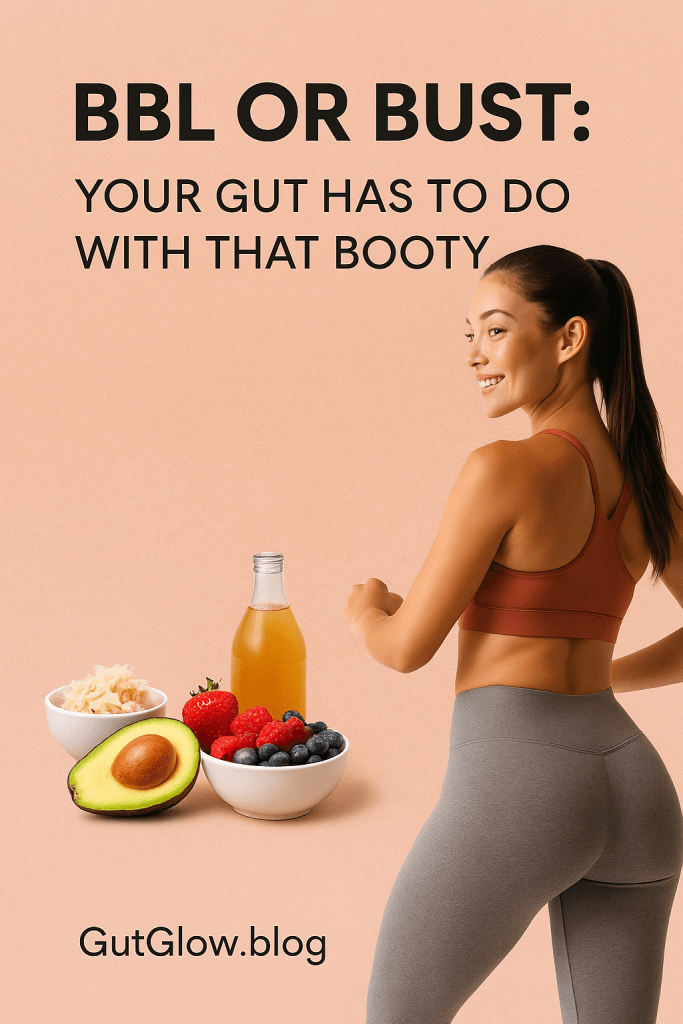
BBL or Bust: What Your Gut Has to Do with That Booty 🍑🦠


Thinking about a Brazilian Butt Lift (BBL)? 💉 Before you book the OR, let’s talk gut health, healing, and long-term glow-up. Discover the gut-skin-booty connection from a nurse who’s seen it all—from poop to post-op recovery.


🍑 BBLs Are Everywhere—But What About What’s Inside?

BBLs are trending harder than green smoothies in January. From TikTok transformations to celebrity curves, the “booty era” is still going strong. But let’s pause for a second. Whether you’re team surgery or team squats, there’s one thing that isn’t getting enough attention:

👉 Your gut health.

Yep, your gut plays a surprising role in everything from post-op recovery to skin glow to even how your body metabolizes fat and handles inflammation after surgery. And as a wound and ostomy nurse with over 20 years of experience, I’ve seen what happens after the filters fade.

So before you go chasing curves with a credit card, let’s talk about what’s happening inside—and how to support your health whether you go under the knife or build that booty naturally.


💉 BBL Basics (in Case You’re New Here)

A Brazilian Butt Lift is a surgical procedure where fat is taken from areas like the abdomen, flanks, or thighs via liposuction—and then transferred into the glutes for a rounder, fuller look.

It’s marketed as “natural” (since it’s your own fat), but make no mistake:

  • It’s major surgery
  • It comes with risks, including infection, fat embolism, wound complications, and even death
  • It requires recovery time, special positioning, and smart post-op nutrition

And guess what plays a major role in all of the above? That little microbiome in your belly. 🦠


🧬 Gut Health & Surgery Recovery: The Hidden Hero

A healthy gut = better healing, immunity, and inflammation control. If you’re considering (or recovering from) a BBL, your gut is part of your glow-up team.

Here’s how:

1. Faster Wound Healing

Your gut is where nutrients like vitamin C, zinc, and protein are absorbed. These are essential for skin healing, collagen formation, and tissue regeneration.

Poor gut health = poor absorption = delayed healing (and possibly not-so-cute scars).

2. Immune System Superpower

Up to 70% of your immune system lives in your gut. That means your ability to fight off infection (a real concern post-BBL) depends on a healthy microbiome.

A dysbiotic gut could mean a higher chance of post-op infections and slower recovery.

3. Inflammation Management

Surgery = trauma. Trauma = inflammation.
A strong gut helps manage this by producing short-chain fatty acids (like butyrate) that reduce inflammatory cytokines and promote tissue repair.


🥗 Gut-Glow Foods for Pre + Post-Surgery Support

Whether you’re healing from a BBL or just here for the booty and skin benefits, these gut-friendly foods can level up your recovery—and your results.


🥚 1. Eggs – Healing Protein Powerhouse

Loaded with high-quality protein and biotin (hello, hair and skin), eggs support tissue repair and immune function. Scrambled, poached, or boiled—just eat ’em.


🫐 2. Berries – Antioxidant Armor

Rich in vitamin C and polyphenols, berries reduce oxidative stress and inflammation. Plus, they feed good gut bacteria.


🍵 3. Bone Broth – Collagen + Gut Soother

Bone broth delivers glycine, collagen, and glutamine, which support gut lining integrity and skin elasticity—essential for healing surgical wounds.


🥦 4. Fermented Foods – Probiotic Power

Think sauerkraut, kimchi, kefir, and yogurt. These boost microbial diversity, strengthen immunity, and reduce gut inflammation.


🥑 5. Avocados – Healthy Fats for Healing

Avocados are rich in monounsaturated fats, fiber, and potassium, helping with tissue repair and keeping digestion smooth (and we love smooth, especially post-surgery 💩).


🥬 6. Leafy Greens – Detox & Repair

Spinach, kale, and arugula provide folate, magnesium, and antioxidants, which help detox the liver and support blood flow to healing tissue.


👩‍⚕️ My Nurse Take: What I’ve Seen Post-Surgery

Let me be real: I’ve cared for BBL patients during the not-so-glamorous parts—drainage, wound dehiscence, constipation (so real), and frustration from delayed healing.

One patient in her early 30s came in with surgical wounds that weren’t healing well. She’d been eating mostly takeout post-op and skipping hydration. Once we worked on her nutrition and added probiotic foods, bone broth, and vitamin C-rich produce, she healed significantly faster—and felt better overall.

Lesson? You can’t shortcut your body’s needs. Whether you buy your booty or build it, your gut needs to be part of the equation.


🚫 Foods to Avoid After Surgery (or Anytime You Love Your Gut)

  • 🍬 Added Sugar: Increases inflammation, weakens immunity
  • 🧁 Processed Carbs: Slow digestion, spike blood sugar
  • 🧂 Excess Salt: Causes bloating, fluid retention
  • 🍷 Alcohol: Damages the gut lining and weakens liver detox

💩 Don’t Forget Digestion (Seriously)

Many patients complain about post-op constipation, especially after anesthesia and pain meds. This is where fiber + hydration + probiotics come to the rescue.

Constipation = pressure, pain, and delayed healing. Keep things moving with chia seeds, leafy greens, water, and gentle walks.


Related Articles You’ll Love:


💬 Let’s Talk Real Talk:

Have you ever had surgery and noticed your digestion or skin took a hit afterward? Or maybe you focused on gut health and saw a glow-up in unexpected ways?
Drop your story or questions in the comments—I’d love to hear how your gut is helping (or hurting) your wellness journey. 👇

⚠️ Disclaimer: I’m a Nurse… But Not Your Nurse 😉
This blog is for general education and entertainment only. I’m here to inform and empower—not to diagnose, treat, or throw shade at your choices. Always consult your healthcare provider before making any medical, surgical, or nutritional decisions.