🍴 Cottage Cheese Benefits: Protein, Probiotics, and Gut-Skin Wellness

Discover cottage cheese benefits for gut and skin health, plus a fall-inspired pumpkin maple recipe for glowing, healthy skin.

🧠 Could a simple bowl of cottage cheese be your gut’s and skin’s new best friend?

If you’ve ever overlooked this humble dairy delight, it’s time to rethink your snack game. As a nurse with 22 years of experience, I’ve seen firsthand how nutrition, gut health, and skin glow are deeply connected. And yes—even cottage cheese can play a starring role. 🌿


🥛 What Makes Cottage Cheese So Special?

Cottage cheese isn’t just a protein powerhouse. It’s also:

  • Rich in protein – Supports skin repair, muscle maintenance, and satiety
  • Probiotic-friendly (if live cultures are included) – Helps balance your microbiome
  • Vitamin and mineral-packed – Calcium, phosphorus, B vitamins, and selenium for skin, hair, and nail health
  • Low in sugar – Ideal for stable blood sugar and gut-friendly snacking

It’s the perfect gut-skin combo snack that nourishes from the inside out. ✨


🔬 Science Made Simple: Gut + Skin Connection

Your gut microbiome directly influences your skin’s health. Here’s how cottage cheese fits in:

  1. Probiotics Support Digestion
    • Live cultures in cottage cheese feed beneficial gut bacteria, improving nutrient absorption and reducing inflammation (Harvard Health, 2024).
  2. Protein Supports Skin Renewal
    • Amino acids from protein are building blocks for collagen and elastin, helping reduce fine lines and support barrier repair.
  3. Calcium & B Vitamins for Skin & Hormones
    • Calcium assists in skin cell renewal.
    • B vitamins, like B12, help reduce oxidative stress, supporting glowing skin.

👩‍⚕️ Nurse-Approved Tips for Cottage Cheese Success

Choose live cultures – not all cottage cheese brands have probiotics
Pair with gut-friendly foods – add fiber-rich fruits (apples, pears) or prebiotics (oats, cinnamon)
Moderation is key – high-protein dairy supports gut balance, but balance with variety
Hydrate – water helps protein metabolism and supports skin hydration


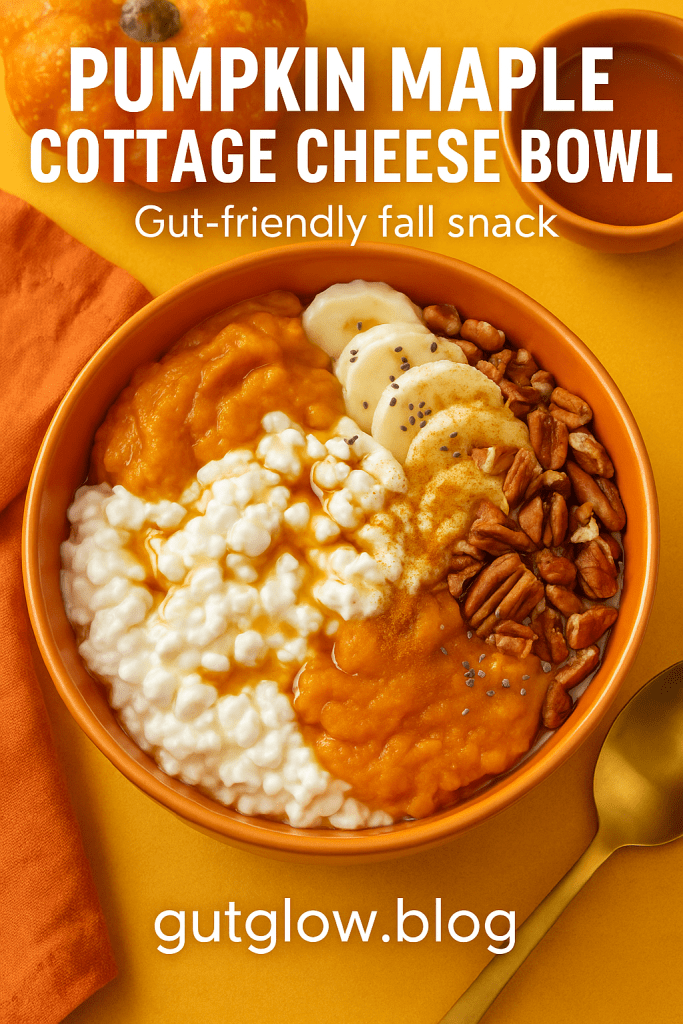
🍂 Bonus Fall Recipe: Maple Pecan Pumpkin Cottage Cheese Bowl

A cozy, gut-friendly snack that doubles as a skin-supporting treat:

Ingredients:

  • ½ cup cottage cheese (with live cultures)
  • 2 tbsp pumpkin puree
  • 1 tsp maple syrup or honey
  • 1 tbsp chopped pecans
  • ¼ tsp cinnamon + pinch nutmeg
  • Optional: chia seeds or flaxseed for extra fiber

Instructions:

  1. Mix pumpkin puree and maple syrup into cottage cheese.
  2. Sprinkle cinnamon, nutmeg, and pecans on top.
  3. Optional: add chia or flax seeds for gut-supporting fiber.
  4. Enjoy! Perfect for breakfast or a cozy afternoon snack. 🍁

Why it works:

  • Protein + probiotics support your microbiome
  • Pumpkin + spices add antioxidants for skin health
  • Fiber from seeds/nuts aids digestion and toxin removal

🗣️ Real Talk: Cottage Cheese Isn’t a Magic Bullet

Even with probiotics and protein, gut and skin health require a holistic approach:

  • Balanced diet with fruits, vegetables, and healthy fats
  • Hydration to support digestion and skin barrier
  • Consistent sleep and stress management

This humble dairy hero is just one piece of the wellness puzzle.


🔗 Related Blog Posts

💖 Pin this post and share the glow!


⚠️ Disclaimer

This blog is for educational purposes only. Consult your doctor, dietitian, or dermatologist before making dietary changes—especially if you have gut, skin, or dairy sensitivities.
🌟 PCOS and Your Gut: How a Balanced Microbiome Can Support Hormones and Fertility

Learn how gut health impacts PCOS. Nurse-approved tips to balance hormones, reduce inflammation, and support fertility naturally.

🧠 Could your gut be the missing link to managing PCOS symptoms and improving fertility?

Polycystic Ovary Syndrome (PCOS) affects millions of women worldwide, often leading to hormonal imbalances, irregular cycles, insulin resistance, and fertility challenges. But did you know that your gut microbiome may play a significant role in PCOS management? 🌿

Emerging research shows that gut bacteria influence hormone regulation, inflammation, and insulin sensitivity, all of which are key players in PCOS. Let’s break down the science and provide practical, nurse-approved strategies to support your gut—and your hormones.


🔬 Science Made Simple: The Gut-PCOS Connection

Your gut does more than digest food. It’s a communication hub linking your brain, hormones, immune system, and metabolism.

Here’s how gut health impacts PCOS:

  1. Gut Dysbiosis & Hormonal Imbalance
    • Low diversity in gut bacteria can worsen androgen levels, contributing to acne, hair growth, and irregular cycles.
    • A balanced microbiome helps regulate estrogen and progesterone, improving overall hormonal harmony. (Harvard Health, 2024)
  2. Insulin Resistance & Gut Health
    • Many women with PCOS experience insulin resistance.
    • Gut bacteria affect glucose metabolism and inflammation, influencing insulin sensitivity and energy balance.
  3. Inflammation & Fertility
    • Dysbiosis can increase systemic inflammation, affecting ovulation and egg quality.
    • Supporting a healthy gut may help reduce inflammatory markers, supporting fertility naturally.

🧬 Evidence & Insights

  • A 2021 study in Frontiers in Endocrinology found that women with PCOS often have altered gut microbiota, which correlates with higher androgen levels and metabolic issues.
  • Certain probiotics and prebiotics have been shown to improve insulin sensitivity and reduce inflammation in women with PCOS.
  • Lifestyle factors like diet, exercise, and sleep significantly influence both gut health and PCOS symptoms.

🥗 Nurse-Approved Tips to Support Your Gut & Hormones

Supporting your microbiome can improve PCOS symptoms, hormone balance, and fertility.

🌿 Strategy💡 What to Try💪 Why It Helps
Eat Fiber-Rich FoodsVegetables, fruits, legumes, whole grainsSupports SCFA-producing bacteria, regulates hormones
Include Fermented FoodsYogurt, kefir, sauerkraut, kimchiProvides probiotics to balance microbiome
Add PrebioticsGarlic, onions, asparagus, oatsFeeds beneficial bacteria, reduces inflammation
Limit Processed Sugars & Refined CarbsAvoid sugary drinks and snacksImproves insulin sensitivity, reduces dysbiosis
Move Your BodyDaily walks, strength training, yogaEnhances insulin sensitivity, reduces stress
Manage Stress & Sleep7–9 hours sleep, mindfulness, meditationLowers cortisol, supports hormone and gut balance

Glow tip: Introduce one habit at a time for sustainable, long-term results.


🙋‍♀️ Common Questions

“Can probiotics help PCOS?”
Yes! Certain probiotics may improve insulin sensitivity and reduce inflammation, but they work best alongside diet, exercise, and lifestyle changes.

“Does leaky gut affect PCOS?”
It can contribute. Supporting gut integrity with fiber, prebiotics, and anti-inflammatory foods can help hormonal balance.

“Which foods are best for gut and hormone health?”
Focus on high-fiber vegetables, fermented foods, healthy fats, and lean protein, while reducing processed sugars and refined carbs.


🌈 Key Takeaways

  • Your gut microbiome plays a major role in PCOS, affecting hormones, insulin, inflammation, and fertility.
  • Supporting a diverse, balanced gut can improve symptoms and hormone regulation naturally.
  • Combining diet, probiotics, prebiotics, exercise, and sleep creates a synergistic approach for PCOS management. 🌿

🔗 Explore More Related Posts

💖 Pin this post and share the glow!


⚠️ Disclaimer:

This article is for educational purposes only and is not medical advice. Consult your healthcare provider before making any changes to medication, diet, or lifestyle. Individual results may vary.

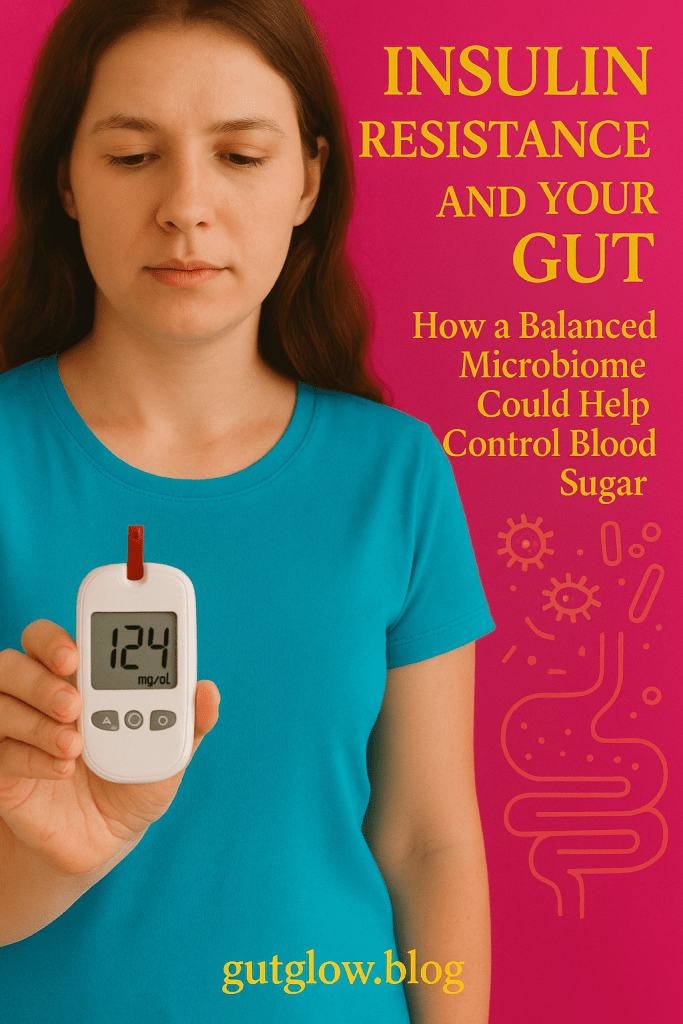
🌟 Insulin Resistance and Your Gut: How a Balanced Microbiome Could Help Control Blood Sugar

Discover how gut health affects insulin resistance. Nurse-approved tips for balancing your microbiome and improving blood sugar naturally.

🧠 Could your gut be the missing link in managing insulin resistance?

If you’re struggling with insulin resistance, you might already know how frustrating it can be to manage blood sugar levels despite diet, exercise, and lifestyle changes. But here’s a fascinating twist: your gut microbiome could be playing a starring role in your body’s insulin response. 🌿

Recent research shows that the composition and diversity of gut bacteria can influence glucose metabolism, inflammation, and hormone signaling—all critical players in insulin resistance. Let’s break it down in a way that’s easy to understand, nurse-approved, and practical.


🔬 Science Made Simple: The Gut-Insulin Connection

Your gut isn’t just for digestion. It’s a communication hub linking your brain, hormones, immune system, and metabolism.

Here’s how gut health impacts insulin resistance:

  1. Microbiome Diversity & Insulin Sensitivity
    • A diverse gut microbiome supports short-chain fatty acid (SCFA) production, which helps regulate glucose metabolism and reduces inflammation.
    • Low diversity can lead to dysbiosis, increasing insulin resistance risk. (Harvard Health, 2024)
  2. Leaky Gut & Chronic Inflammation
    • Poor gut integrity allows endotoxins like LPS into the bloodstream.
    • This triggers chronic low-grade inflammation, which directly worsens insulin resistance.
  3. Gut-Brain-Hormone Axis
    • Your gut communicates with your brain and pancreas, influencing appetite, satiety, and insulin secretion.
    • An unhealthy microbiome can disrupt these signals, making blood sugar management harder.

🧬 Evidence & Insights

  • A 2022 study in Frontiers in Endocrinology found that people with higher gut microbiome diversity had better insulin sensitivity and lower fasting glucose levels.
  • Certain prebiotics and probiotics may improve glucose metabolism by promoting beneficial gut bacteria growth.
  • Lifestyle factors—like diet, exercise, and sleep—dramatically influence both microbiome health and insulin resistance.

🥗 Nurse-Approved Tips to Support Your Gut & Blood Sugar

Here’s a practical, actionable guide to help your gut—and your blood sugar—stay in balance:

🌿 Strategy💡 What to Try💪 Why It Helps
Eat Fiber-Rich FoodsVegetables, fruits, whole grains, legumesSupports SCFA-producing bacteria and slows glucose absorption
Include Fermented FoodsYogurt, kefir, kimchi, sauerkrautProvides probiotics to boost microbial diversity
Add PrebioticsGarlic, onions, asparagus, oatsFeeds beneficial bacteria, improves insulin response
Limit Processed SugarsAvoid high-sugar drinks & snacksReduces dysbiosis and glucose spikes
Move Your BodyDaily walks, resistance trainingEnhances insulin sensitivity and gut motility
Prioritize Sleep & Stress Management7–9 hours sleep, mindfulnessLowers cortisol, reduces inflammation, supports microbiome balance

Glow tip: Small, consistent changes are more effective than drastic measures. Start with one gut-supporting habit at a time.


🙋‍♀️ Common Questions

“Can probiotics reverse insulin resistance?”
Probiotics can help improve gut health and metabolic function, but they’re most effective when combined with diet, exercise, and lifestyle changes.

“Is leaky gut the reason for my insulin issues?”
It could be a contributing factor. Restoring gut integrity with fiber, prebiotics, probiotics, and anti-inflammatory foods can support blood sugar regulation.

“Which foods are best for my gut and blood sugar?”
Prioritize high-fiber vegetables, fermented foods, lean proteins, and healthy fats while minimizing processed sugars and refined carbs.


🌈 Key Takeaways

  • Your gut microbiome plays a major role in insulin resistance and blood sugar management.
  • Diverse, balanced gut bacteria help regulate glucose metabolism and reduce inflammation.
  • Combining diet, probiotics, prebiotics, exercise, and sleep creates a synergistic approach for better blood sugar control. 🌿

🔗 Explore More Related Posts

💖 Pin this post and share the glow!


⚠️ Disclaimer:

This article is for educational purposes only and is not medical advice. Consult your healthcare provider before making any changes to medication, diet, or lifestyle. Individual results may vary.

The Healing Plate: Anti-Inflammatory Foods I Swear By 🥦🍇✨

Hey friends! Nurse here — with 22 years of experience, a passion for skin, gut, and all things wellness, and yes, a serious love for food that heals. As an ostomy and wound care nurse in my fabulous 40s, I’ve learned that what you put on your plate can make a massive difference—not just for your gut, but for your skin too. Because guess what? Your gut and skin are BFFs, and inflammation is the party crasher nobody invited.

So let’s talk anti-inflammatory foods that I swear by. These are not just trendy buzzwords—these foods really work to calm your body, help your wounds heal, and keep your skin glowing like you just stepped out of a spa. Ready? Let’s dive in! 🥑

Why Anti-Inflammatory Foods Matter for Gut & Skin Health

Inflammation is your body’s natural response to injury or infection. But when inflammation sticks around too long, it can wreak havoc on your digestive system and skin. That means more bloating, breakouts, wrinkles, and slower wound healing (and nobody wants grandma’s elbow look on their face, right?).

Eating foods that fight inflammation helps:

  • Support your gut lining and microbiome 🦠
  • Boost collagen production for smooth, plump skin 💧
  • Speed up wound healing ⏳
  • Reduce redness, puffiness, and wrinkles 🧴

My Top Anti-Inflammatory Foods That Make the Cut

1. Fatty Fish 🐟

Think salmon, mackerel, sardines. Loaded with omega-3 fatty acids, these fish are inflammation’s worst enemy and your skin’s best friend.

2. Berries 🍓

Blueberries, strawberries, raspberries — antioxidants galore. They fight free radicals that age your skin and irritate your gut.

3. Leafy Greens 🥬

Spinach, kale, collards. Packed with vitamins A, C, and K plus fiber to keep your digestion smooth and skin radiant.

4. Nuts & Seeds 🌰

Almonds, walnuts, chia, flaxseeds — full of healthy fats and fiber that nourish your gut and support skin elasticity.

5. Turmeric & Ginger 🌿

These spicy roots are like nature’s anti-inflammatory superheroes. Bonus: turmeric adds a beautiful golden glow to your meals (and your skin)!

6. Olive Oil 🫒

A Mediterranean staple that keeps inflammation down and your skin supple and moisturized.

7. Green Tea 🍵

Sip your way to calmness and antioxidants that protect skin cells and soothe your digestive tract.

Foods to Take It Easy On 🚫

  • Sugar (the sneaky wrinkle and gut bloat culprit)
  • Processed snacks and fast food
  • Excess alcohol
  • Refined carbs

Bonus Tips for Gut & Skin Love 💕

  • Stay hydrated like your skin depends on it (because it does!) 💦
  • Move your body daily — exercise helps reduce inflammation and keeps your circulation up
  • Prioritize sleep — healing happens when you’re catching those Zzzs 😴

⚠️ Disclaimer (Because I’m a Nurse, Not Your Nurse 😉)
This blog is for general education and entertainment purposes only. Always consult with your doctor, dietitian, dermatologist, or wound/ostomy care specialist—especially if you have specific conditions, allergies, or medical devices like an ostomy. What works for one person might not work for another (especially when it comes to ileostomy vs colostomy vs urostomy—big differences, folks!).


Feed your gut, nourish your skin, and rock that healing glow from the inside out! Got a favorite anti-inflammatory food I missed? Drop it in the comments—I’m always hungry for knowledge! 🥗✨


Stress Poops, Hormonal Bloat, and Other Things Nobody Talks About 💩🙃

Let’s get real for a second. If you’ve ever been running to the bathroom before a big presentation or felt like a balloon during “that time of the month,” you’re not alone—and you’re definitely not weird. As a nurse with a love for all things skin, gut, and wellness, I can confidently say: our bodies are hilarious, confusing, and beautifully complex.

So today, we’re talking about the “taboo” stuff: stress poops, hormonal bloat, gut mood swings—and yes, how all of it can affect your skin too.


💥 1. Stress Poops Are a Real Thing (And Totally Common)

Ever noticed how your belly has zero chill when you’re overwhelmed? That’s your gut-brain axis at work. Stress activates your sympathetic nervous system (hello, fight or flight), which speeds up your gut motility. Translation: 💨 everything’s moving fast—maybe too fast.

You might experience:

  • Loose stools or urgency
  • Cramping
  • Gas or bloating
  • Flare-ups if you have IBS

Nurse tip: Deep breathing, walking, or sipping peppermint tea before stressful events can help calm your vagus nerve—your gut’s best friend.


💃 2. Hormonal Bloat: Not Just a “Period Problem”

Hormones are bossy little things. Estrogen and progesterone fluctuate throughout your cycle, and these shifts can slow down digestion, increase water retention, and cause major bloat.

You might notice:

  • Puffy face (hi, mirror!)
  • Sluggish digestion
  • Skin breakouts (especially around the chin)

Nurse tip: Drink more water (yes, it actually helps with bloat), add magnesium-rich foods like leafy greens or pumpkin seeds, and support your liver with foods like cruciferous veggies. It all helps detox those excess hormones.


😳 3. Anxiety and the “Nervous Tummy”

Ever had to scan the room for a bathroom just in case your nerves triggered your stomach? That’s not just in your head (well… it kind of is—but also your gut). Emotional stress changes your gut flora and affects your entire digestive process.

What helps:

  • Journaling or therapy (mental health = gut health)
  • Adaptogens like ashwagandha (check with your doc!)
  • Probiotics (especially strains like Lactobacillus rhamnosus GG)

🧖‍♀️ 4. Gut Drama = Skin Drama

Here’s where it gets juicy. When your gut is inflamed or stressed, your skin gets the memo. You might see:

  • Acne
  • Redness
  • Dullness
  • Dryness or excess oil

It’s not just what you put on your skin, it’s what’s going on inside too.

Nurse-approved glow tips:

  • Hydrate like it’s your job 💧
  • Eat fermented foods 🥬
  • Get enough fiber (think chia, flax, berries)
  • Limit ultra-processed foods (your gut and skin will thank you)

🧠 You’re Not “Too Sensitive”—You’re in Tune

Your gut feelings are valid. Poop, bloat, and skin freak-outs are often messages, not malfunctions. They’re clues from your amazing, interconnected body.

You’re not broken. You’re incredibly complex—and that’s kind of awesome.


Final Thoughts from Your Favorite Gut-Obsessed Nurse 💁‍♀️

We don’t talk about these things enough, so here’s your permission slip to stop suffering in silence. Whether you’re dealing with hormonal swings, post-stress poops, or unexplained zits on your jawline—your body is trying to communicate.

Start listening. Start supporting. And laugh about it when you can. 💩😅


⚠️ Disclaimer (Because I’m a Nurse, Not Your Nurse 😉)

This blog is for general education and entertainment purposes only. Always consult with your doctor, dietitian, dermatologist, or wound/ostomy care specialist—especially if you have specific conditions, allergies, or a medical device like an ostomy. What works for one person might not work for another (especially if we’re talking ileostomy vs colostomy vs urostomy—big differences, folks!).


Want more skin-gut-wellness real talk?

Don’t forget to check out my other posts on wound healing nutrition, poop-friendly meals, and my favorite skincare products for nurses on long shifts. 🚽✨


Meal Ideas That Support Your Gut AND Your Skin 🍽️✨

Let’s be honest—who doesn’t want clearer skin and smoother poops? 🙋‍♀️ As a nurse with a full-on obsession with skin, gut, and wellness (plus a healthy respect for poop talk at the dinner table), I’m here to tell you: your skin and gut are in a lifelong situationship. And what you put on your plate? Total relationship therapy.

In this post, we’re diving into practical, delicious meal ideas that work double-duty: nourishing your microbiome and giving your skin that healthy, hydrated glow.


🥑 Why Your Gut & Skin Are Besties

Here’s the TL;DR: Your gut is like your second brain (or, for nurses, maybe your first brain when you’re 12 hours into a shift). It regulates inflammation, supports immunity, and yes—can directly affect the skin’s health, texture, and even breakouts.

Chronic constipation, bloating, or diarrhea? Those can all show up on your face as dullness, redness, or acne. Similarly, nutrient-poor meals can slow wound healing, exacerbate dryness, and make wrinkles feel like they’re shouting.


🍽️ Meal Ideas for Glowing Skin & Happy Guts

Let’s get to the fun part: FOOD! These meals are rich in fiber, antioxidants, good fats, and probiotics. Perfect for your gut and your glow ✨


🌞 Breakfast: The Gut-Glowing Start

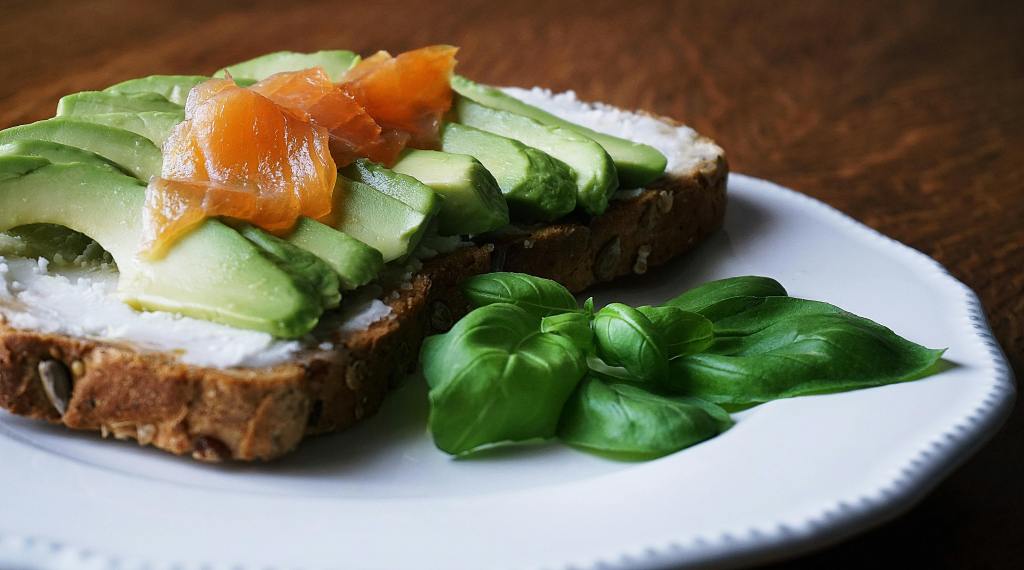
Avocado Toast with Fermented Veggies + Herbal Tea

  • Whole grain or sourdough bread (hello, fiber and prebiotics!)
  • Mashed avocado (healthy fats = plumper skin)
  • Topped with kimchi or sauerkraut (probiotic goodness)
  • Chamomile or ginger tea (calm your gut, calm your face)

👩‍⚕️ Nurse tip: Avoid heavy, dairy-laden coffees first thing if your gut is sensitive. Your skin will thank you too!


🥗 Lunch: Light, Filling, and Friendly to Your Digestive Fire

Salmon Salad Bowl

  • Grilled wild salmon (rich in omega-3s for anti-inflammatory skin benefits)
  • Mixed greens, cucumbers, bell peppers (fiber + hydration)
  • Olive oil and apple cider vinegar dressing (ACV can support gut acidity levels)
  • Sprinkle of pumpkin seeds (zinc = wound healing support)

🍲 Dinner: Balanced & Belly-Safe

Quinoa & Lentil Stew with Roasted Veggies

  • Lentils = fiber + plant-based protein
  • Quinoa = complete amino acid source
  • Add carrots, zucchini, onions, and sweet potatoes
  • Spices like turmeric, cumin, and black pepper for anti-inflammatory magic

🍓 Snack Attack: Gut-Loving Nibbles

  • Greek yogurt with berries & chia seeds
  • Hummus with cucumber slices
  • Bone broth (great for collagen + gut lining)
  • A few squares of dark chocolate (yes, really!)

💩 Let’s Talk Poop (You Knew I’d Go There)

If you’re not pooping regularly, your skin may not be detoxing efficiently either. Constipation can lead to breakouts, dull skin, and even exacerbate eczema or psoriasis. If you’re dealing with an ostomy, hydration and output consistency matter big time!

👉 Stool that’s too loose or too hard could be your gut waving a white flag. Balance your meals with:

  • Soluble fiber (oats, bananas, apples)
  • Hydration (aim for half your body weight in ounces of water 💦)
  • Magnesium-rich foods (spinach, almonds, dark chocolate—yum!)

👩‍⚕️ But Wait… What If I Have an Ostomy?

Friend, I got you. Some of these foods may need tweaking depending on your ostomy type:

  • Colostomy: You can often eat more “normally,” but watch for gas-producing foods.
  • Ileostomy: Hydration is key! Be mindful of high-fiber or very spicy meals.
  • Urostomy: Hydration and bladder-friendly foods (low acid) are your friends.

⚠️ Disclaimer (Because I’m a Nurse, Not Your Nurse 😉)
This blog is for general education and entertainment purposes only. Always consult with your doctor, dietitian, dermatologist, or wound/ostomy care specialist—especially if you have specific conditions, allergies, or a medical device like an ostomy. What works for one person might not work for another (especially if we’re talking ileostomy vs colostomy vs urostomy—big differences, folks!).


✨ Final Thoughts

Your plate has power. When you feed your gut, your skin gets the memo—and glows accordingly. Think of every meal as a chance to heal, hydrate, and help your body (and bowel) thrive. Plus, it’s delicious!

💬 Got a go-to gut/skin-friendly meal? Drop it in the comments—I’m always hungry for new ideas!

🥗 Eat for Glow: The Gut-Skin Connection in Every Meal

Let’s talk glow-up—and not the Instagram-filter kind. I’m talking real, nurse-approved, radiant-from-the-inside-out kind of glow ✨. That post-veggie-bowl, happy-bowels, hydrated-skin, clear-complexion kind of magic.

As a wound and ostomy nurse who’s spent over two decades knee-deep in poop (literally and figuratively 💩), I can confidently say: your gut health and skin health are BFFs—and your fork is the matchmaker. 🍴💘

So if you’ve been slathering on serums but still dealing with breakouts, inflammation, or dry patches, it might be time to look below the surface—yep, we’re going gut deep.


🌿 The Gut-Skin Axis: It’s a Thing, I Promise

Your digestive tract isn’t just about absorbing nutrients and giving you that glorious morning poop. 🚽 It also plays a major role in:

  • 💥 Inflammation levels
  • 🦠 Immune system regulation
  • 💧 Skin hydration and barrier repair
  • 🌟 Collagen production and wrinkle resilience

Basically, when your gut’s out of whack, your skin sends out a distress flare—cue acne, dullness, eczema, or even delayed wound healing.


🧠 Fun Nurse Fact: The Gut Has a Brain of Its Own

The enteric nervous system, aka the “second brain,” talks to your skin through the gut-brain-skin axis. Stressful day? Your gut bacteria notice. Eat junk food all weekend? Your skin spills the tea Monday morning. ☕️


🥑 Glow-Up Grocery List: What to Eat for That Inside-Out Radiance

These foods are skin AND gut heroes. Think of them as the support squad for both your intestines and your Instagram selfies:

🥬 Leafy Greens (Kale, Spinach, Arugula)

Packed with fiber and antioxidants—think of them as a broom and a shield in your gut.

🥕 Orange & Red Veggies (Carrots, Sweet Potatoes, Bell Peppers)

Loaded with beta-carotene (hello, vitamin A precursor!)—supports skin renewal and reduces dryness.

🥥 Healthy Fats (Avocados, Olive Oil, Nuts)

Support cell membranes and reduce inflammation. Plus, fat helps you absorb fat-soluble skin vitamins (A, D, E, K).

🫐 Berries

These antioxidant powerhouses help your skin fight off free radicals—and they taste like dessert.

🧄 Fermented Foods (Kimchi, Sauerkraut, Kefir, Yogurt)

Bring on the probiotics! They balance gut flora and calm skin issues like acne, rosacea, and eczema.


❌ Gut-Skin Glow Killers (Sorry, But We Need to Talk…)

🍬 Sugar Bombs

Inflammatory and collagen-destroying. That “sugar face” thing? It’s real.

🧪 Ultra-Processed Junk

Your microbiome thrives on whole food diversity—not fake cheese dust and artificial dyes.

🥤 Dehydration

Okay, water’s not food, but it’s ESSENTIAL. Dry gut = dry skin. 💦 Drink up, friend.


💊 Bonus: Gut-Friendly Supplements That Help Skin Heal

Always talk with your provider first, but here are some MVPs I recommend (especially for wound healing!):

  • Zinc: For tissue repair and immune health
  • Vitamin C: Boosts collagen and immune support
  • Vitamin D: Crucial for immune modulation and skin resilience
  • Probiotics: Choose one with multiple strains for gut flora diversity

🌟 Real Talk From Your Wound Care Nurse

Whether you’re healing from a surgical wound, managing your ostomy, or just trying to keep your 40s face glowing while juggling life—food is your ally. I’ve seen people heal faster, feel better, and glow brighter when they support their guts with good nutrition.

Skincare isn’t just what you put on your skin—it’s what you feed it, too. 🍽💕


⚠️ Disclaimer (Because I’m a Nurse, Not Your Nurse 😉)

This blog is for general education and entertainment purposes only. Always consult with your doctor, dietitian, dermatologist or wound/ostomy care specialist—especially if you have specific conditions, allergies, or a medical device like an ostomy. What works for one person might not work for another (especially if we’re talking ileostomy vs colostomy vs urostomy—big differences, folks!).


🌈 Final Thought

Eating for glow isn’t about being perfect—it’s about being kind to your gut and consistent with your choices. Your skin is your biggest organ, and your gut? Well, it’s the backstage crew that keeps the whole show running.

So go ahead—pile your plate with color, fiber, and fermented goodness. Your skin (and your poop 💩) will thank you.


Why Nurses Don’t Have Time to Poop (and How It Affects Our Gut) 💩⏰

Let’s just say it: nurses are the constipated heroes nobody talks about. We run on caffeine, adrenaline, and prayers. We can insert an IV during a code, chart with our elbows, and de-escalate a family meltdown at 140/90—but find time to poop? LOL. 😅

As a wound and ostomy care nurse in her 40s who is deeply in love with all things skin, gut, and “glow from the inside,” I’m here to shine a (well-moisturized) light on a truth many of us live but rarely talk about:

🚽 Nurses don’t poop. And it’s messing with our gut.


The Shift is Long, But the Colon Is Patient… Until It’s Not 🕒

Let’s be real. Between med passes, dressing changes, call lights, short staffing, and family updates, taking a moment to pee is an Olympic event—let alone finding a quiet five minutes to drop the kids off at the pool. So we do what we always do:

We hold it.
And hold it.
And… well, now we’re bloated and cranky and haven’t gone since Sunday. 🫠


What Happens When You Chronically “Hold It”?

1. Sluggish Motility = Constipation Party 🎉 (But You’re Not Invited)

Your colon is like a conveyor belt. When it slows down, waste sits longer, gets drier, and turns into something that deserves its own horror movie. Not only is it uncomfortable—it affects your whole digestive system.

2. Skin Flare-Ups from Gut Drama 😬

Yep, the gut-skin connection strikes again! When waste builds up, toxins don’t exit efficiently. That internal traffic jam can show up externally—think breakouts, dullness, rashes, and inflammation.

3. Hormonal Disruption & Cortisol Chaos 🔥

When your gut is backed up, stress hormones love to pile on. Your already-busy nurse brain is now riding a hormonal rollercoaster, complete with bloating, mood swings, and fatigue. Cute!

4. Microbiome Mayhem 🦠

Delaying bowel movements can throw your gut flora out of whack. That healthy bacteria you worked so hard to cultivate (hello, probiotics)? They’re not thrilled. It’s like skipping watering your plants and wondering why they’re sad.


The Nurse Gut Survival Guide 💡

Here’s what I (try to) do to stay regular in the world of 12s and no breaks:

🚰 Hydrate Like You’re Getting Paid For It

Water is a nurse’s best friend. Aim for at least 8 cups—even if it means timing it with your charting or shift huddles.

🥦 Fiber Is Your BFF

Sneak in fiber-rich snacks—chia pudding, apples, hummus and veggies, or even a high-fiber protein bar stashed in your bag like a secret weapon.

🚶‍♀️ Movement Matters

Even if it’s just walking laps around the unit or doing squats while waiting on pharmacy (don’t knock it!), keep things moving.

🧘‍♀️ Relax Your Nervous System

Stress literally shuts down digestion. Try deep breathing in the med room, stretching, or playing music on your commute to switch off the cortisol faucet.

💩 Make Time to Poop (Seriously)

Normalize taking five minutes. Yes, the unit might survive without you for 300 seconds. You can’t pour from an empty cup—or poop with a full colon. 😉


Bottom Line? Don’t Ignore Your Bottom 🧻❤️

Holding your poop for 13-hour shifts isn’t just uncomfortable—it’s a slow sabotage of your gut, skin, and sanity. Nurses are incredible, but we’re also human. Let’s start treating ourselves with the same care we give our patients.

Your colon—and your complexion—will thank you.


⚠️ Disclaimer (Because I’m a Nurse, Not Your Nurse 😉)
This blog is for general education and entertainment purposes only. Always consult with your doctor, dietitian, dermatologist, or wound/ostomy care specialist—especially if you have specific conditions, allergies, or a medical device like an ostomy.

Magnesium, Motility & Morning Poops: My Favorite Gut Routine


Because no one should start their day feeling full of 💩

Let’s be honest—there are few things as satisfying as that first glorious morning poop. If you’re over 40 (like me), a nurse (also me), and obsessed with skin, gut health, and all things digestive, then you know: regular poops are a form of self-care.

Over my 22 years as a nurse—and especially as a wound and ostomy care specialist—I’ve had a front-row seat to all kinds of gut drama. And guess what? A lot of it could be greatly improved by a solid routine, some magnesium magic, and a little TLC (tender loving care) for your gut motility.

So here’s my favorite gut routine, nurse-tested and life-approved.


💊 First Up: Why Magnesium

Magnesium isn’t just for sore muscles or leg cramps at 2 a.m. It’s a gut health powerhouse. Think of it as the chill friend who helps your intestines move things along without drama.

Types of Magnesium (Because It’s Not All the Same):

  • Magnesium Citrate – Great for promoting bowel movements. Perfect if you’re feeling a little… backed up.
  • Magnesium Glycinate – Gentle and calming. Supports relaxation and sleep but also helps the bowels over time.
  • Magnesium Oxide – Less absorbable but draws water into the colon (hello, softer stools!).

🔍 Nurse Tip: Always start low and go slow. Too much and you’ll go from “constipated” to “clear-out-the-room” real fast.


⏰ Timing is Everything

Morning poops are more than convenient—they’re biologically ideal. Your gut is most active after waking, especially after food hits your stomach. This is called the gastrocolic reflex—a fancy way of saying: “Your colon wants to get moving once breakfast arrives.”

My Morning Gut Routine:

  1. Hydrate Like You Mean It
    First thing: big glass of warm water with lemon. Bonus points if you add a pinch of sea salt or a splash of apple cider vinegar.
    💧 Hydration = happy bowels.
  2. Magnesium (the night before!)
    I take my magnesium glycinate or citrate before bed so my colon can wake up ready to rock.
  3. Move It, Don’t Lose It
    Light stretching or a walk can help stimulate motility. Sometimes just standing in front of your coffee machine counts.
  4. Fiber + Fat Breakfast Combo
    Think oats + chia + nut butter OR avocado toast with seeds. This combo wakes up the gut and your skin.
  5. Deep Breaths, No Rushing
    Stress shuts digestion down. Take a minute. Sit down. Poop in peace.

🧠 Gut Motility & Your Skin? Oh Yes.

Here’s where my skincare nerd side comes out: When your gut is slow, your skin shows it. Constipation leads to toxin build-up, and your body will try to detox however it can—including your face. Hello breakouts, dullness, and inflamed skin.

Good gut flow = glowing skin. It’s that simple.


💩 Stool Goals

You want a smooth, soft, easy-to-pass sausage. (Yes, I said it.)

✅ Not too hard
✅ Not too loose
✅ Ideally in the morning
✅ Once or twice a day

If you’re skipping days, pushing too hard, or living in the land of rabbit pellets, it’s time to rethink your gut routine.


Final Thought From This Poop-Obsessed Nurse:

Magnesium might not be glamorous, but it works. Pair it with hydration, movement, and mindful meals, and you’ll be amazed what your gut—and your skin—can do. Don’t wait until things get sluggish to start caring about motility.

Because, let’s be real: You deserve better than coffee, stress, and crossed fingers.

Your morning poop is a sacred ritual. Protect it at all costs.


Leaky Gut: Trendy Diagnosis or Real Problem?

From the desk of a nurse who talks poop professionally

Let’s cut to the cheese (because dairy might be triggering your gut, but we’ll get there): Is “leaky gut” just the latest health buzzword, or is your digestive system actually betraying you one cell at a time?

As a nurse with 22 years of experience—who now spends her days talking about guts, wounds, ostomies, and everything in between—I’ve heard “leaky gut” tossed around more than a salad at a wellness retreat. So, let’s break it down in plain speak, minus the fear-mongering and plus a whole lot of real talk.


What Even Is Leaky Gut?

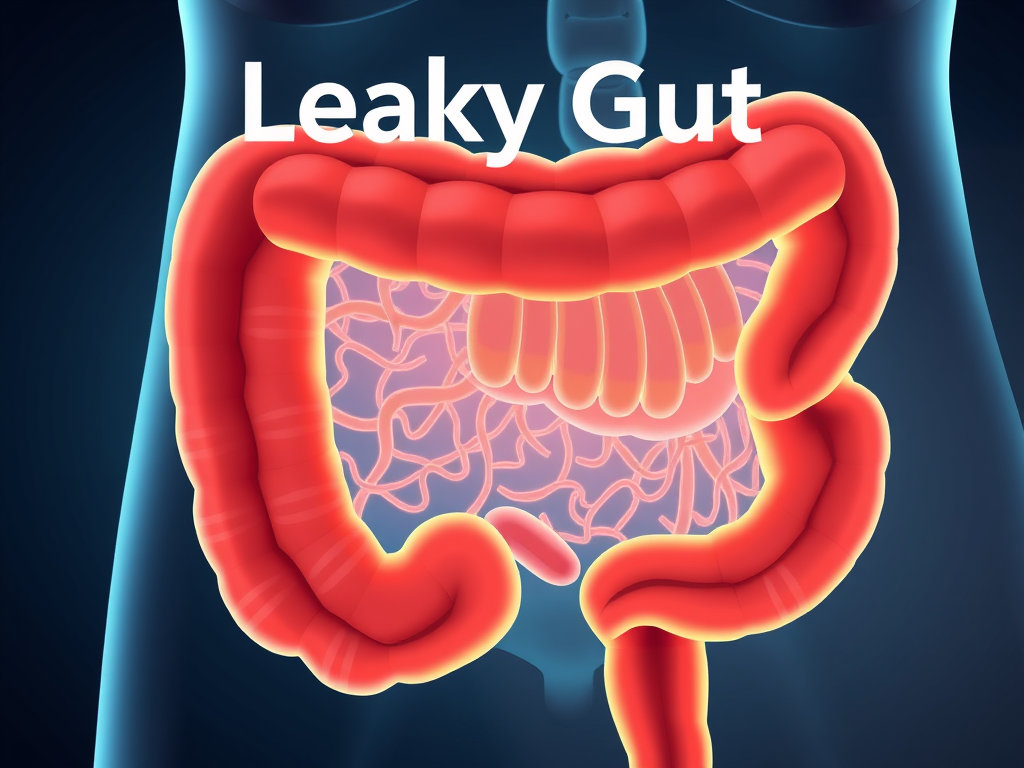
Leaky gut—also known in the science world as increased intestinal permeability—is when the lining of your intestines becomes damaged or inflamed. Normally, your gut lining is like a super-selective bouncer at a VIP club: it lets the good stuff (nutrients, water) in and keeps the riffraff (toxins, undigested food, bad bacteria) out.

When it becomes “leaky,” it’s like the bouncer got tired, took a nap, and now anyone can stroll into the bloodstream. Cue: inflammation, bloating, fatigue, skin breakouts, brain fog, and the dreaded poop problems.


Is It Real or Just Really Instagrammable?

Here’s the deal—leaky gut is real, but it’s not officially recognized as a diagnosis by all mainstream medical communities. Why? Because it’s tricky to prove directly in humans, and many of its symptoms mimic other conditions like IBS, food sensitivities, or even chronic stress.

But from my nurse perspective? I believe it’s a red flag. Not just a TikTok trend. When someone comes in with mystery rashes, chronic bloating, or poops that range from rabbit pellets to Niagara Falls, I start thinking gut barrier.


Signs Your Gut Might Be Leaking More Than Gossip

  • Bloating after every meal (no, it’s not just “getting older”)
  • Food sensitivities that didn’t used to be a thing
  • Fatigue no matter how many B12 shots you get
  • Skin issues: eczema, acne, or mystery breakouts
  • Frequent colds or “meh” immune function
  • Poop problems (constipation, diarrhea, or both on rotation)
  • Brain fog or mood swings that come out of nowhere

What Can You Actually Do About It?

I’m glad you asked. (Or maybe you didn’t, but I’m answering anyway.)

🥦 Eat Real Food

Minimize processed stuff. Think fiber-rich foods (veggies, fruits, whole grains), bone broth, and fermented foods like kimchi and kefir. Your gut bugs LOVE that stuff.

🚫 Avoid Gut Saboteurs

Common culprits? Excess sugar, alcohol, NSAIDs (like ibuprofen), and chronic stress. Yes, stress messes with your poop. Science backs me on this.

💊 Consider Supplements

Zinc, L-glutamine, collagen, and probiotics are often used to help support gut lining repair. Talk to your provider before adding a cart full of Amazon supplements, though.

💧 Hydrate Like It’s Your Job

Because it is your job—if you want better poops, better skin, and better energy.

🧘‍♀️ Chill the Heck Out

Stress is a major gut-wrecker. Meditation, yoga, deep breathing, or just screaming into a pillow in the supply closet (nurses, I see you)—whatever works.


So… Should You Panic?

Nah. Don’t panic. But don’t ignore your gut either.
If you’ve got skin flare-ups that won’t quit, poop that’s unpredictable, or you’re feeling “off” in ways that labs can’t explain—your gut might be trying to tell you something. And as your friendly, wound-and-gut-loving nurse in her 40s, I say: listen.

You don’t have to go full kale-smoothie-cleanse (please don’t), but you do need to take your gut health seriously. Because when your gut’s not happy, your skin, mood, and poop will absolutely snitch on it.


Nurse’s Final Note:

You can’t slap a collagen cream on a leaky gut. Skin glow starts inside—and yes, it often begins with your poop. 💩


Want more gut-friendly tips, recipes, or just a good laugh about poop and wrinkles?
Subscribe to the blog and stay weirdly well-informed.