Water: 💦🌸 Your Free Anti-Aging Superpower (Hydration Tips That Actually Work) 🥤✨


“Hydration is your secret anti-aging weapon! 💦 Discover nurse-approved tips for glowing skin, gut health, and overall wellness with simple water habits.”


Ever notice your skin looks dull, tired, or even fine lines pop up after a week of skipping your usual water intake? 😅 You’re not imagining it—hydration is literally one of the most underrated anti-aging tools.

As a nurse with 22+ years of experience in skin, wound, and gut health, I can tell you: water isn’t just for quenching thirst. Proper hydration keeps your skin plump, supports digestion, regulates hormones, and even helps with detox pathways. Think of it as a free beauty elixir that works from the inside out.

A 2023 study in Clinical, Cosmetic and Investigational Dermatology confirmed that increased water intake improves skin elasticity and overall appearance, proving that drinking up is one of the simplest ways to fight the signs of aging.

Let’s dive into hydration habits that actually work—and the science behind why water is your skin’s best friend.


💧 Why Hydration Is Key for Skin & Anti-Aging

  • Elasticity & plumpness → Water keeps skin cells hydrated and reduces appearance of fine lines.
  • Supports collagen function → Proper hydration improves nutrient delivery to skin cells.
  • Flushes toxins → A well-hydrated body eliminates waste more efficiently, reducing inflammation and breakouts.

🥤 How Hydration Impacts Gut Health

  • Supports digestion → Water keeps bowel movements regular and aids nutrient absorption.
  • Balances microbiome → Hydrated digestive tract helps probiotics thrive.
  • Reduces bloating → Adequate water intake prevents fluid retention and digestive discomfort.

🌿 Nurse-Approved Hydration Tips That Actually Work

  1. Morning ritual → Start with 16 oz of water before coffee or breakfast.
  2. Infuse your water → Lemon, cucumber, or berries for flavor + antioxidants.
  3. Set reminders → Apps or alarms to avoid forgetting throughout the day.
  4. Hydrate with food → Include water-rich fruits and vegetables (cucumber, watermelon, oranges).
  5. Post-workout & evening hydration → Replace fluids lost in sweat; drink mindfully before bed.

✨ Extra Anti-Aging Hydration Hacks

  • Add electrolytes if you sweat → Keeps cells properly balanced.
  • Limit diuretics → Too much caffeine or alcohol can dehydrate skin.
  • Track your intake visually → Reusable water bottles with markers help you hit daily goals.

Key Takeaways

  • Water is a free, natural anti-aging tool.
  • Proper hydration improves skin, supports gut health, and reduces inflammation.
  • Small, consistent habits make a huge difference over time.

💬 How do you stay hydrated during busy days? Share your favorite tips below—I love swapping practical hacks!

⚠️ Disclaimer (Because I’m a Nurse, Not Your Nurse 😉): This blog is for general education and entertainment purposes only. Consult your healthcare provider before making major lifestyle changes.


Dive in for all the juicy details 🍓

Cottage Cheese Comeback: How This Protein-Packed Snack Fuels Your Gut, Glowing Skin, and Strong Core 🧀✨


Cottage cheese is back! 🧀 Discover how this protein-rich snack supports gut health, glowing skin, and a stronger core—with nurse-approved tips and recipes.


Okay, confession time: I used to think cottage cheese was just for my grandma’s bridge club potlucks. 🙃 Fast-forward to 2025, and guess what? Cottage cheese is officially cool again—showing up in smoothie bowls, TikTok recipes, and even as a pizza topping.

But this “retro snack” isn’t just trendy—it’s gut-skin-wellness gold. Packed with protein, probiotics (when cultured), and essential vitamins, cottage cheese checks all the boxes for digestion, skin health, and muscle support.

A 2024 article in Women’s Health Magazine called cottage cheese a “nutritional powerhouse” thanks to its blend of protein and live cultures that may support digestion and satiety. And according to a 2023 Nutrients review, high-protein dairy like cottage cheese helps regulate blood sugar and support lean muscle—key for both aging gracefully and keeping skin tight.

So let’s dive into why this humble tub of curds deserves a permanent spot in your fridge.


🦠 Cottage Cheese and Gut Health: A Match Made in Microbiome Heaven

When it’s made with live active cultures, cottage cheese acts as a probiotic food. That means it helps populate your gut with the “good guys” (friendly bacteria).

Gut Perks:

  • Supports digestion → Probiotics and protein help regulate motility and reduce bloating.
  • Feeds your microbiome → When paired with fiber-rich foods (like berries or flaxseed), cottage cheese becomes a gut-friendly combo meal.
  • Keeps you satisfied → High protein = fewer blood sugar crashes (goodbye hangry snacking).

👉 Question for you: Are you team sweet cottage cheese (fruit + honey) or team savory (herbs + veggies)?


✨ Clear Skin Starts in the Gut (And Cottage Cheese Helps!)

As a wound and skin nurse, I’ve seen firsthand how nutrition affects skin healing. The same principles apply to acne, aging, and everyday glow.

Skin-Supporting Nutrients in Cottage Cheese:

  • Protein → Essential for collagen production and skin repair.
  • Vitamin B12 → Helps with cell turnover and reducing dullness.
  • Selenium → An antioxidant that protects against oxidative stress (aka fine lines and wrinkles).
  • Calcium → Important for skin barrier health.

A 2022 article in Journal of Cosmetic Dermatology highlighted how diets rich in protein and micronutrients improve skin elasticity and reduce inflammation. Translation? Cottage cheese may be your new skin-care sidekick.

Gut Glow Tip: Pair cottage cheese with vitamin C–rich foods (like strawberries or kiwi). Vitamin C boosts collagen absorption, making your skin care routine work harder from the inside out.


💪 Cottage Cheese for a Stronger Core (Yes, Really!)

I’m not just talking about abs you can see—I mean your functional core, which includes digestion and pelvic stability.

  • Protein for muscle repair → Cottage cheese delivers ~14g of protein per half cup, fueling strength workouts and recovery.
  • Casein protein → This slow-digesting protein makes it a great bedtime snack, helping muscles repair overnight.
  • Gut-core connection → A healthy microbiome = less bloating, better digestion, and a flatter-feeling belly.

👉 Fun fact: I sometimes recommend a small cottage cheese snack to my wound care patients before bed—it supports tissue repair while they sleep.


🍓 Easy & Delicious Ways to Enjoy Cottage Cheese

Forget the plain scoop in a bowl—here are nurse-approved, skin-friendly combos:

  • Sweet bowl: Cottage cheese + blueberries + chia seeds (fiber + antioxidants).
  • Savory snack: Cottage cheese + cucumber + smoked salmon (omega-3s + probiotics).
  • Gut glow smoothie: Cottage cheese + spinach + pineapple + flaxseed.
  • Bedtime snack: Cottage cheese + cinnamon + sliced apple for slow-release protein.

💊 Should You Choose Any Cottage Cheese? Not Quite.

Not all tubs are created equal. Look for:

  • Live active cultures → Check the label for probiotics like Lactobacillus.
  • Low sodium options → Keeps skin (and blood pressure) happier.
  • Organic when possible → Fewer additives = happier gut.

Skip brands loaded with gums, stabilizers, or “dessert-style” cottage cheeses that sneak in sugar.


✨ Key Takeaways

  • Cottage cheese is more than a retro snack—it’s gut, skin, and muscle fuel.
  • It supports microbiome balance, collagen production, and core strength.
  • Simple swaps and recipes can make it part of your everyday glow routine.

💬 Now I want to hear from you: Do you eat cottage cheese? If so, are you team sweet or team savory? Share your favorite combo in the comments—I might just try it myself!

⚠️ Disclaimer (Because I’m a Nurse, Not Your Nurse 😉): This blog is for general education and entertainment purposes only. Always check with your healthcare provider before making dietary changes.


Continue reading:

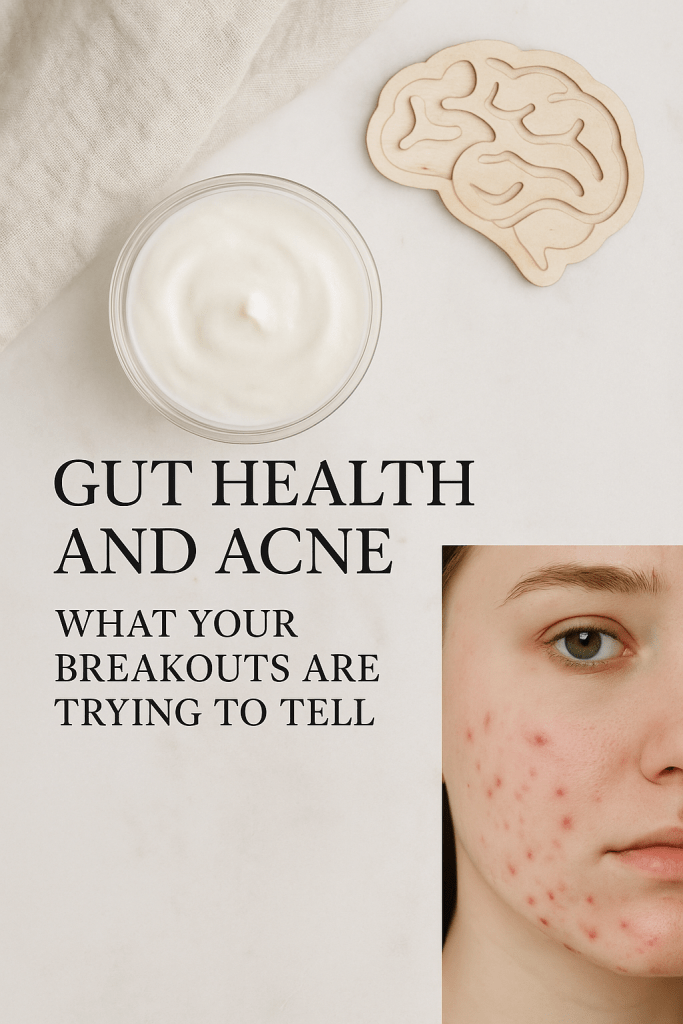
Gut Health and Acne: What Your Breakouts Are Trying to Tell 🧠🧼


Struggling with breakouts that won’t quit? Your gut might be the real culprit. Learn how gut health affects acne, the best foods for clear skin, and how to heal from the inside out—nurse-approved!”

Acne and Gut Health: More Connected Than You Think ✨

As a wound and ostomy nurse in my 40s who’s obsessed with all things skin, poop, and probiotics (yep, I said it 💩💁‍♀️), I can confidently say your breakouts might be your gut waving a red flag 🚩.

It’s not just about what you put on your face. It’s about what’s happening inside your digestive system. This is the gut-skin connection in action — and it’s real, backed by science, and something I’ve seen both personally and professionally.


What Is the Gut-Skin Axis? 💛

The gut-skin axis is the two-way communication system between your digestive system and your skin. When your gut is out of balance (a condition called dysbiosis), it can set off inflammatory responses that show up as acne, rashes, or dullness.

🧪 What the Research Says:

A 2022 study in the Journal of Clinical Medicine found that people with acne had less diverse gut bacteria and higher levels of harmful microbes compared to those with clear skin. Gut imbalances were linked to increased systemic inflammation and compromised skin barriers.

Translation? Your gut microbiome may be throwing shade at your glow ✨.


💩 Poop Clues: How to Tell If Your Gut Is Messing with Your Skin

  • You get breakouts after eating sugary or dairy-rich foods 🍦
  • You have bloating, gas, or irregular poops
  • Your skin flares up after stress or antibiotics
  • You feel “off” in your digestion and your skin looks dull or inflamed

My Story: How Fixing My Gut Helped My Skin 🫂

In my 30s, I broke out along my jawline like a teen prepping for prom. I was using fancy skincare and eating what I thought was healthy — but I still had breakouts.

Once I focused on my gut, things changed. I added probiotic-rich foods, upped my fiber, cut back on sugar, and focused on hydration. Within 6 weeks, I noticed fewer breakouts, better digestion, and more energy. 🙌


Gut-Friendly Foods That Help Heal Skin From the Inside 🍽️✨

1. Probiotic-Rich Foods

  • Examples: Yogurt, kefir, kimchi, miso
  • Why: They restore gut flora and reduce systemic inflammation that fuels acne

2. Prebiotic Foods

  • Examples: Bananas, onions, garlic, leeks, asparagus
  • Why: These feed the good bacteria in your gut

3. Omega-3s

  • Examples: Salmon, sardines, flaxseeds, walnuts
  • Why: Fight inflammation and support the skin barrier

4. Antioxidant Powerhouses

  • Examples: Blueberries, spinach, sweet potatoes
  • Why: Protect against oxidative stress and brighten skin tone

What to Avoid to Keep Your Gut & Skin Happy 🙅‍♀️

  • Processed sugar: Feeds bad bacteria and increases breakouts
  • Overuse of antibiotics: Kills off your good gut bugs
  • Stress: Weakens the gut lining and messes with hormones
  • Low-fiber diets: Starve your beneficial microbes

Nurse Talk: Why This Gut-Skin Thing Matters Beyond Pimples 👩‍⚕️🧬

As someone who works with skin and guts all day (yes, even colostomies), I see firsthand how gut health influences wound healing, skin regeneration, hydration, and immunity.

Your skin isn’t just for selfies — it’s your largest organ and reflects what’s going on inside. When your gut is inflamed, your skin is too.


What About You? 🗣️

Have you noticed breakouts when your gut is off? Ever tried probiotics for your skin? Drop a comment and let’s compare poop-and-pimple stories 🤭💬


Stay glowy (and regular),

Your Favorite Wound Care Nurse Who Talks About Poop & Pimples 💕

⚠️ Disclaimer: I’m a Nurse, But Not Your Nurse 😉
This blog is for general education and entertainment purposes only. It’s not medical advice. Always talk to your healthcare provider before starting new diets, supplements, or treatments. Your skin is unique—just like your poop 💩.

👉 Related: Best Gut-Healing Foods for Thicker, Shinier Hair
👉 Don’t miss: What Your Poop Is Telling You (And When to Worry)

Microdermabrasion 101: The Secret to Radiant, Smooth Skin ✨

Hey there, skin lovers! I’m a nurse in my fabulous 40s who’s been obsessed with all things skin, gut, and wellness for years. When I’m not helping patients with wound care and ostomies, you’ll find me nerding out on skincare science, gut health, and yes — the magical connection between your digestion and your glow.

Today, let’s dive into the world of microdermabrasion — a powerful (and pretty satisfying) treatment that can seriously upgrade your skin’s radiance and smoothness. But spoiler alert: while microdermabrasion can do wonders, the real secret to radiant skin comes from a combo of great skincare AND a happy gut. Yep, your gut and skin are BFFs! 💁‍♀️


What is Microdermabrasion? 🤔

Microdermabrasion is a non-invasive cosmetic procedure that gently buffs away the outer layer of dead skin cells using tiny crystals or a diamond-tipped wand. Think of it like sanding wood — it smooths the surface to reveal fresher, brighter skin underneath.

It’s great for:

  • Fading fine lines & wrinkles
  • Minimizing pores
  • Improving texture and tone
  • Reducing mild acne scars and sun damage

Unlike harsher peels, it’s gentle enough for most skin types with minimal downtime — hello, glow without the drama! ✨


The Science: How Does It Work? 🔬

When you remove the dead skin barrier, microdermabrasion stimulates your skin’s natural healing process. This jumpstarts collagen and elastin production — the proteins that keep your skin firm and youthful. Plus, sloughing off dead cells allows your skincare products to penetrate deeper and work better.

A 2023 study published in the Journal of Dermatology Research found that microdermabrasion treatments significantly increased skin hydration and elasticity, reinforcing its reputation as a go-to for skin rejuvenation.


But Wait — What About Your Gut? 🍎🥦

As someone who’s spent years caring for wounds and digestive health, I’m here to tell you: Your gut health is a game changer for your skin’s radiance. The gut-skin axis is real — your gut microbiome influences inflammation, immune response, and even collagen synthesis.

Recent research highlights this beautifully: a 2024 review in Gut Microbes showed that people with balanced gut bacteria have fewer inflammatory skin conditions and better skin barrier function. That means what you eat directly impacts your skin’s glow.

Gut-Friendly Foods for Glowing Skin:

  • Fermented foods like yogurt, kimchi, and sauerkraut boost good bacteria 🥒
  • Fiber-rich veggies like broccoli, spinach, and sweet potatoes feed those bacteria 🌿
  • Omega-3 rich foods like salmon and walnuts reduce inflammation 🐟
  • Antioxidant-packed fruits like berries and citrus fight free radical damage 🍓

A Personal Story: How I Found My Glow 🌟

A few years ago, after struggling with persistent dullness and early wrinkles despite fancy creams and serums, I shifted focus to my gut health. I started eating probiotic-rich foods daily, drinking more water, and cutting back on processed sugars. Within weeks, my skin looked visibly brighter and felt smoother — almost like a microdermabrasion glow, but from within. It was a lightbulb moment!

This experience reinforced my belief that skincare isn’t just about what you put on your skin, but what you nourish your body with.


How to Combine Microdermabrasion and Gut Health for Maximum Results 💪

  1. Get microdermabrasion treatments every 4-6 weeks (professionally or at home with a trusted device)
  2. Eat a gut-friendly diet rich in probiotics, fiber, and antioxidants
  3. Stay hydrated — water is your skin’s bestie! 💧
  4. Use gentle, hydrating skincare after treatments to soothe and protect
  5. Avoid excessive sun exposure and always use sunscreen (no shortcuts here!) ☀️

⚠️ Disclaimer (Because I’m a Nurse, Not Your Nurse 😉)

This blog is for general education and entertainment purposes only. Always consult your healthcare provider or dermatologist before starting any new skin or gut health regimen.


Your Turn! 💬

What’s your experience been with microdermabrasion or focusing on gut health to improve your skin? Have you noticed a “glow-up” from inside out? Drop your stories, questions, or favorite gut-friendly snacks in the comments — I’d love to hear!


🦠 Probiotics for Your Face? The Gut-Skin Connection You Need to Know

If someone told you that the secret to glowing, healthy skin might actually start in your gut, you’d probably raise an eyebrow—and maybe your probiotic supplement bottle too. But as a wound and ostomy care nurse in my 40s with a passion for all things skin, gut, and wellness, I’m here to spill the (kefir) tea on why your gut microbiome is one of the biggest players in your skin health game. Spoiler alert: probiotics aren’t just for your gut—they might be a secret weapon for your face too! 🌟


What Are Probiotics, Anyway?

Probiotics are those friendly bacteria that live in your digestive tract helping you digest food, fight off bad bugs, and keep your immune system strong. Think of them as your gut’s personal bodyguards. But here’s the kicker: research now shows that a happy gut microbiome can have a powerful influence on your skin’s health, appearance, and even its ability to heal wounds. Cool, right?


The Gut-Skin Axis: What’s the Connection?

Your gut and skin are like besties who text each other constantly. When your gut is out of balance—maybe because of stress, poor diet, antibiotics, or illness—it can lead to inflammation that shows up as redness, acne, eczema, or even premature wrinkles on your skin. This “gut-skin axis” means what’s happening inside can literally show up on your face. 😳


Can Probiotics Help Your Skin?

Yes! While more research is ongoing, studies suggest that taking probiotics can:

  • Reduce inflammation that contributes to acne and rosacea
  • Improve skin hydration and barrier function
  • Support healing of wounds and irritations (hi, wound care nurse here 👋)
  • Potentially slow down skin aging by modulating immune responses

How To Add Probiotics to Your Skin Care Routine

1. Eat Your Probiotics

Yogurt, kefir, kimchi, sauerkraut, miso, and kombucha are delicious ways to feed your gut-friendly bacteria. Bonus: many are packed with vitamins and antioxidants good for your skin too! 🥒🥛

2. Try Probiotic Skincare Products

Some creams and serums now include probiotics or prebiotics (food for good bacteria) to help balance your skin’s own microbiome. Remember, your skin has bacteria too, and keeping them happy supports skin health and reduces irritation.

3. Consider Supplements

Probiotic supplements can be helpful—especially if you’ve been on antibiotics or dealing with gut issues. Talk with your healthcare provider to find the right strain and dosage.


What To Watch Out For

  • Not all probiotic strains are created equal—some are better for gut health, others for skin.
  • If you have a compromised immune system or certain medical conditions, probiotics might not be for you.
  • Always patch test topical probiotic products to avoid irritation.

Nurse Tips to Maximize Your Gut-Skin Health

  • Pair probiotics with a fiber-rich diet (prebiotics) to feed those good bugs
  • Avoid excessive sugar and processed foods that feed bad bacteria
  • Manage stress with exercise, meditation, or hobbies
  • Stay hydrated for overall skin and gut function

⚠️ Disclaimer (Because I’m a Nurse, Not Your Nurse 😉)

This blog is for general education and entertainment purposes only. Always consult with your doctor, dietitian, dermatologist, or wound/ostomy care specialist before starting new supplements or skincare products, especially if you have health concerns or allergies.


Final Thoughts

Your gut and your skin are in a lifelong conversation—and probiotics might just be the translators that keep the peace. By supporting your gut health, you’re giving your skin a powerful boost toward looking and feeling its best. So cheers to happy guts and glowing faces! 🥂✨

Stress and Your Skin: The Ugly Truth and How to Calm the Chaos 😫💥 → 🧘‍♀️✨

If stress had a smell, it would be that burnt popcorn-meets-sweaty-socks aroma after a 12-hour shift. As a nurse in my 40s who’s been in the trenches (shoutout to wound and ostomy care!), I’ve seen what stress can do—not just to our minds, but to our skin, guts, and yes, even our poop 💩.

Let’s be real: you can eat all the kale, chug your chlorophyll, and slather on serums like it’s your job—but if you’re running on stress fumes, your skin will still tell on you. So let’s break it down—what stress really does to your skin, how your gut plays backup singer to the chaos, and most importantly, what to do about it.


😬 The Ugly Truth: What Stress Does to Your Skin

You’re not imagining it—your breakouts do get worse before big events. That mystery rash does flare when your in-laws come to town. Here’s why:

  • Cortisol (the stress hormone) ramps up oil production, which clogs pores and creates the perfect storm for acne.
  • It also triggers inflammation, worsening conditions like eczema, rosacea, psoriasis, and even wound healing.
  • Your skin barrier becomes weaker, so it’s more prone to irritation, dehydration, and flare-ups.
  • Sleep suffers, digestion slows, and your skin ends up looking as exhausted as you feel.

💩 The Gut-Skin-Stress Triangle

Your gut and brain are in constant communication via the gut-brain-skin axis. When you’re stressed:

  • Your gut becomes more leaky (yes, that’s a thing), letting toxins escape into your system—leading to inflammation, breakouts, and dull skin.
  • You may get constipated, bloated, or backed up, which means your body struggles to eliminate waste—and when it can’t get it out, it often shows up on your skin instead.
  • Stress kills off good gut bacteria, leaving bad guys to run the show. This imbalance (a.k.a. dysbiosis) can worsen acne, eczema, and even wrinkles.

Your skin is the mirror. Your gut is the engine. And stress? Stress is the wild raccoon chewing through the wiring.


✅ Solutions: How to Calm the Chaos (Inside and Out)

This isn’t about perfection—this is about giving your nervous system, skin, and gut a break. Here’s what actually helps:


🧘‍♀️ 1. Nervous System Reset

  • Box breathing: Inhale for 4, hold for 4, exhale for 4, hold for 4. Repeat.
  • Walks without your phone (yes, really).
  • Cold water splashes on the face can activate the vagus nerve—reduces anxiety and inflammation.

🥬 2. Feed Your Skin via Your Gut

  • Add fermented foods (sauerkraut, kimchi, kefir) to feed your microbiome.
  • Prioritize prebiotics (onions, garlic, asparagus).
  • Keep digestion moving with hydration + fiber (chia seeds, berries, leafy greens).
  • Don’t underestimate vitamins: Zinc, Vitamin C, and Omega-3s are wound-healing and anti-inflammatory MVPs.
  • Cut back on processed sugar + alcohol during high-stress periods—they’re instant fuel for skin chaos.

🧴 3. Simplify Your Skincare Routine

  • Gentle cleanser (don’t strip your skin—stress already is).
  • Add niacinamide or azelaic acid to calm redness + support barrier function.
  • Never skip moisturizer and SPF—especially during flare-ups.
  • Think of skin care as nervous system care—massage it in, breathe, and be kind to yourself.

💧 4. Hydration Isn’t Optional

Your skin is 64% water. Your poop? About 75%. Dehydration will slow digestion, cause fatigue, and make your skin look like a raisin that’s been through it. Aim for half your body weight in ounces daily, and more if you’re sweating or drinking caffeine.


😴 5. Don’t Underestimate Sleep

You can’t out-supplement poor sleep. Prioritize 7–9 hours per night, and your cortisol levels, gut flora, and skin health will thank you.


💬 Real Talk from a Nurse Who Gets It

I’m not here to tell you to “just relax.” Life is real, stress is real, and sometimes the self-care feels like another job. But taking even one step—a few deep breaths, a glass of water, five minutes of silence in your car—can shift your biology. You’re not broken. Your body’s just overwhelmed. Help it help you. ❤️


⚠️ Disclaimer (Because I’m a Nurse, Not Your Nurse 😉)

This blog is for general education and entertainment purposes only. Always consult with your doctor, dietitian, dermatologist, or wound/ostomy care specialist—especially if you have specific conditions, allergies, or ongoing issues.


🔄 Recap: When Stress Hits, Try This…

✅ Breathe (box breathing = magic)
✅ Eat fiber + fermented foods
✅ Hydrate like it’s your job
✅ Go gentle on your skin
✅ Sleep like your face depends on it (it does)


The Healing Plate: Anti-Inflammatory Foods I Swear By 🥦🍇✨

Hey friends! Nurse here — with 22 years of experience, a passion for skin, gut, and all things wellness, and yes, a serious love for food that heals. As an ostomy and wound care nurse in my fabulous 40s, I’ve learned that what you put on your plate can make a massive difference—not just for your gut, but for your skin too. Because guess what? Your gut and skin are BFFs, and inflammation is the party crasher nobody invited.

So let’s talk anti-inflammatory foods that I swear by. These are not just trendy buzzwords—these foods really work to calm your body, help your wounds heal, and keep your skin glowing like you just stepped out of a spa. Ready? Let’s dive in! 🥑

Why Anti-Inflammatory Foods Matter for Gut & Skin Health

Inflammation is your body’s natural response to injury or infection. But when inflammation sticks around too long, it can wreak havoc on your digestive system and skin. That means more bloating, breakouts, wrinkles, and slower wound healing (and nobody wants grandma’s elbow look on their face, right?).

Eating foods that fight inflammation helps:

  • Support your gut lining and microbiome 🦠
  • Boost collagen production for smooth, plump skin 💧
  • Speed up wound healing ⏳
  • Reduce redness, puffiness, and wrinkles 🧴

My Top Anti-Inflammatory Foods That Make the Cut

1. Fatty Fish 🐟

Think salmon, mackerel, sardines. Loaded with omega-3 fatty acids, these fish are inflammation’s worst enemy and your skin’s best friend.

2. Berries 🍓

Blueberries, strawberries, raspberries — antioxidants galore. They fight free radicals that age your skin and irritate your gut.

3. Leafy Greens 🥬

Spinach, kale, collards. Packed with vitamins A, C, and K plus fiber to keep your digestion smooth and skin radiant.

4. Nuts & Seeds 🌰

Almonds, walnuts, chia, flaxseeds — full of healthy fats and fiber that nourish your gut and support skin elasticity.

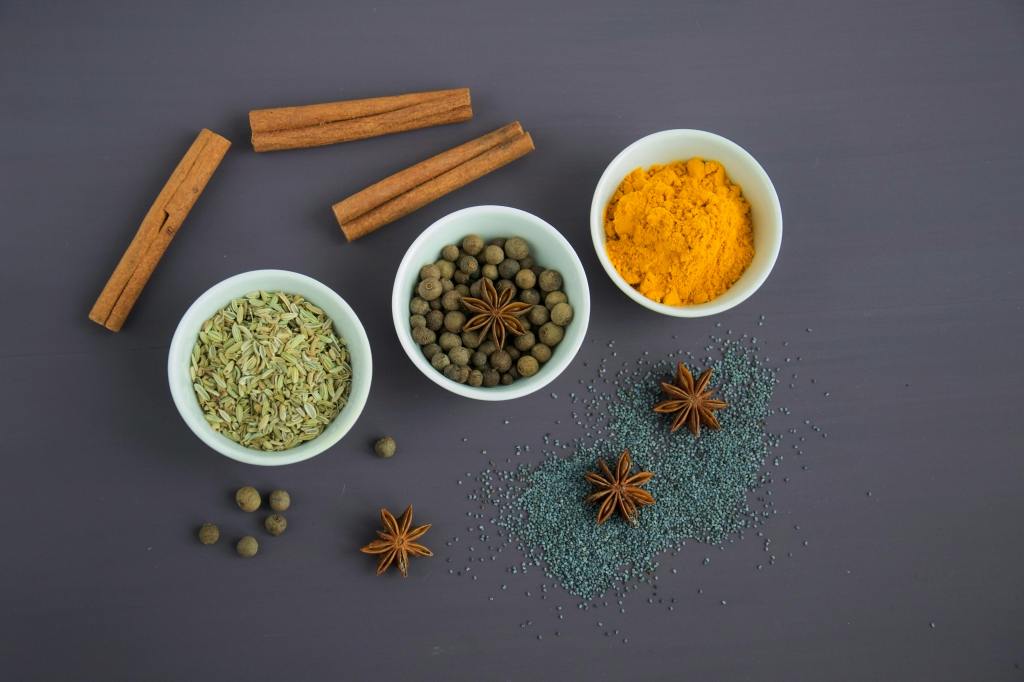
5. Turmeric & Ginger 🌿

These spicy roots are like nature’s anti-inflammatory superheroes. Bonus: turmeric adds a beautiful golden glow to your meals (and your skin)!

6. Olive Oil 🫒

A Mediterranean staple that keeps inflammation down and your skin supple and moisturized.

7. Green Tea 🍵

Sip your way to calmness and antioxidants that protect skin cells and soothe your digestive tract.

Foods to Take It Easy On 🚫

  • Sugar (the sneaky wrinkle and gut bloat culprit)
  • Processed snacks and fast food
  • Excess alcohol
  • Refined carbs

Bonus Tips for Gut & Skin Love 💕

  • Stay hydrated like your skin depends on it (because it does!) 💦
  • Move your body daily — exercise helps reduce inflammation and keeps your circulation up
  • Prioritize sleep — healing happens when you’re catching those Zzzs 😴

⚠️ Disclaimer (Because I’m a Nurse, Not Your Nurse 😉)
This blog is for general education and entertainment purposes only. Always consult with your doctor, dietitian, dermatologist, or wound/ostomy care specialist—especially if you have specific conditions, allergies, or medical devices like an ostomy. What works for one person might not work for another (especially when it comes to ileostomy vs colostomy vs urostomy—big differences, folks!).


Feed your gut, nourish your skin, and rock that healing glow from the inside out! Got a favorite anti-inflammatory food I missed? Drop it in the comments—I’m always hungry for knowledge! 🥗✨


✨🚑 Because Your Skin Deserves More Than a Reel and a Prayer

Retinol can transform skin, but only if your gut and barrier are supported. Nurse-approved tips for glowing, healthy, irritation-free skin.

🧠 Ever panic-bought a $90 retinol serum because a 22-year-old influencer promised “magic”?

You’re not alone. 🙋‍♀️ But as a nurse in my 40s with 22 years of experience, obsessed with skin, gut health, poop, and wound healing, I’m here to tell you: retinol is powerful—but it’s not a magic wand. Misused, it can backfire like bad cafeteria chili 🌶️💨.

Let’s break down the real tea on retinol, nurse-style, with solutions that actually help your skin without burning it off.


🧴 What Is Retinol?

Retinol is a vitamin A derivative that helps your skin:

  • Turn over faster (bye dead skin)
  • Boost collagen production
  • Reduce fine lines, acne, dark spots, and uneven texture

It’s clinically studied and highly effective—but the fine print rarely makes Instagram: skin barrier health, gut connections, and why your face may feel like sandpaper.


🔬 Science Made Simple: How Retinol & Gut Health Connect

Retinol works best when your skin and gut are supported. Here’s why:

  1. Skin Barrier Matters
    • Damaged barrier = more irritation. Think of it like waxing a car that’s already on fire.
  2. Gut Health Influences Vitamin A Metabolism
    • Inflammation, nutrient depletion, or irregular digestion can impact vitamin A absorption, showing up as purging, breakouts, or dullness.
    • Studies show gut dysbiosis can influence skin inflammation and barrier repair (Harvard Health, 2024).
  3. Cell Turnover Needs Support
    • Retinol accelerates cell turnover. Without hydration, nutrients, and barrier care, your skin can break down—similar to wounds that heal poorly under stress or poor nutrition.

🩹 Nurse’s Insights: Why Retinol Isn’t One-Size-Fits-All

Compromised Skin Barrier? Red, flaky, burning skin + retinol = disaster.

Gut Issues? IBS, inflammation, or poor nutrition = less effective vitamin A metabolism.

Strength & Frequency Matter: More isn’t better. Starting high-strength retinol on sensitive skin is like running a marathon in stilettos.


👩‍⚕️ What Nurses Know That Influencers Don’t

  1. Retinol is medicine.
    • Start low: 0.25% 1–2 nights/week. Your skin isn’t lazy—it’s protective.
  2. Barrier is your frontline.
    • Red, flaky, or burning? Pause, hydrate, repair.
  3. Healthy skin starts from the inside.
    • Gut health, bile production, liver function, and diet impact vitamin A metabolism.
  4. Think like wound care.
    • Support your skin with hydration, nutrients, and barrier protection to prevent breakdown.

🧠 Gut + Skin: The Retinol Recovery Team

💩 Poop Check-In

  • Daily? Great.
  • Irregular? Toxins recirculating = slower healing and detox.

🥬 Feed Your Gut

  • Probiotics: yogurt, kefir, sauerkraut
  • Prebiotics: garlic, onions, asparagus
  • Anti-inflammatory foods: berries, turmeric, leafy greens

💧 Hydrate

  • Flush toxins, support barrier, reduce flaking.

💊 Supportive Nutrients

  • Vitamin C → collagen + antioxidant defense
  • Zinc → inflammation control + healing
  • Omega-3s → barrier health + reduce dryness

🔄 Nurse-Approved Retinol Routine

Week 1–4

  • Use 0.25–0.3% retinol, 1–2 nights/week
  • Apply over moisturizer (“retinol sandwich”)
  • Avoid AHAs, BHAs, and vitamin C same night
  • SPF every morning

If irritation occurs:

  • STOP retinol
  • Use hydrating barrier creams (ceramides, niacinamide, squalane)
  • Let skin recover before reintroducing

🗣️ Real Talk: Retinol Isn’t a Quick Fix

Retinol can transform your skin—but if your gut is off, stress is high, and barrier is compromised, it won’t work the way you want. That’s feedback, not failure.

Listen to your body. Nourish your insides. Respect the healing timeline. Great skin is a team effort, not a TikTok trend. 🌟


🔗 Related Blog Posts

💖 Pin this post and share the glow!


⚠️ Disclaimer

This blog is for educational purposes only. Consult your doctor, dermatologist, or wound/ostomy specialist before changing skincare, diet, or supplements.
✨💉💩💧💊🌿

Stress Poops, Hormonal Bloat, and Other Things Nobody Talks About 💩🙃

Let’s get real for a second. If you’ve ever been running to the bathroom before a big presentation or felt like a balloon during “that time of the month,” you’re not alone—and you’re definitely not weird. As a nurse with a love for all things skin, gut, and wellness, I can confidently say: our bodies are hilarious, confusing, and beautifully complex.

So today, we’re talking about the “taboo” stuff: stress poops, hormonal bloat, gut mood swings—and yes, how all of it can affect your skin too.


💥 1. Stress Poops Are a Real Thing (And Totally Common)

Ever noticed how your belly has zero chill when you’re overwhelmed? That’s your gut-brain axis at work. Stress activates your sympathetic nervous system (hello, fight or flight), which speeds up your gut motility. Translation: 💨 everything’s moving fast—maybe too fast.

You might experience:

  • Loose stools or urgency
  • Cramping
  • Gas or bloating
  • Flare-ups if you have IBS

Nurse tip: Deep breathing, walking, or sipping peppermint tea before stressful events can help calm your vagus nerve—your gut’s best friend.


💃 2. Hormonal Bloat: Not Just a “Period Problem”

Hormones are bossy little things. Estrogen and progesterone fluctuate throughout your cycle, and these shifts can slow down digestion, increase water retention, and cause major bloat.

You might notice:

  • Puffy face (hi, mirror!)
  • Sluggish digestion
  • Skin breakouts (especially around the chin)

Nurse tip: Drink more water (yes, it actually helps with bloat), add magnesium-rich foods like leafy greens or pumpkin seeds, and support your liver with foods like cruciferous veggies. It all helps detox those excess hormones.


😳 3. Anxiety and the “Nervous Tummy”

Ever had to scan the room for a bathroom just in case your nerves triggered your stomach? That’s not just in your head (well… it kind of is—but also your gut). Emotional stress changes your gut flora and affects your entire digestive process.

What helps:

  • Journaling or therapy (mental health = gut health)
  • Adaptogens like ashwagandha (check with your doc!)
  • Probiotics (especially strains like Lactobacillus rhamnosus GG)

🧖‍♀️ 4. Gut Drama = Skin Drama

Here’s where it gets juicy. When your gut is inflamed or stressed, your skin gets the memo. You might see:

  • Acne
  • Redness
  • Dullness
  • Dryness or excess oil

It’s not just what you put on your skin, it’s what’s going on inside too.

Nurse-approved glow tips:

  • Hydrate like it’s your job 💧
  • Eat fermented foods 🥬
  • Get enough fiber (think chia, flax, berries)
  • Limit ultra-processed foods (your gut and skin will thank you)

🧠 You’re Not “Too Sensitive”—You’re in Tune

Your gut feelings are valid. Poop, bloat, and skin freak-outs are often messages, not malfunctions. They’re clues from your amazing, interconnected body.

You’re not broken. You’re incredibly complex—and that’s kind of awesome.


Final Thoughts from Your Favorite Gut-Obsessed Nurse 💁‍♀️

We don’t talk about these things enough, so here’s your permission slip to stop suffering in silence. Whether you’re dealing with hormonal swings, post-stress poops, or unexplained zits on your jawline—your body is trying to communicate.

Start listening. Start supporting. And laugh about it when you can. 💩😅


⚠️ Disclaimer (Because I’m a Nurse, Not Your Nurse 😉)

This blog is for general education and entertainment purposes only. Always consult with your doctor, dietitian, dermatologist, or wound/ostomy care specialist—especially if you have specific conditions, allergies, or a medical device like an ostomy. What works for one person might not work for another (especially if we’re talking ileostomy vs colostomy vs urostomy—big differences, folks!).


Want more skin-gut-wellness real talk?

Don’t forget to check out my other posts on wound healing nutrition, poop-friendly meals, and my favorite skincare products for nurses on long shifts. 🚽✨


Meal Ideas That Support Your Gut AND Your Skin 🍽️✨

Let’s be honest—who doesn’t want clearer skin and smoother poops? 🙋‍♀️ As a nurse with a full-on obsession with skin, gut, and wellness (plus a healthy respect for poop talk at the dinner table), I’m here to tell you: your skin and gut are in a lifelong situationship. And what you put on your plate? Total relationship therapy.

In this post, we’re diving into practical, delicious meal ideas that work double-duty: nourishing your microbiome and giving your skin that healthy, hydrated glow.


🥑 Why Your Gut & Skin Are Besties

Here’s the TL;DR: Your gut is like your second brain (or, for nurses, maybe your first brain when you’re 12 hours into a shift). It regulates inflammation, supports immunity, and yes—can directly affect the skin’s health, texture, and even breakouts.

Chronic constipation, bloating, or diarrhea? Those can all show up on your face as dullness, redness, or acne. Similarly, nutrient-poor meals can slow wound healing, exacerbate dryness, and make wrinkles feel like they’re shouting.


🍽️ Meal Ideas for Glowing Skin & Happy Guts

Let’s get to the fun part: FOOD! These meals are rich in fiber, antioxidants, good fats, and probiotics. Perfect for your gut and your glow ✨


🌞 Breakfast: The Gut-Glowing Start

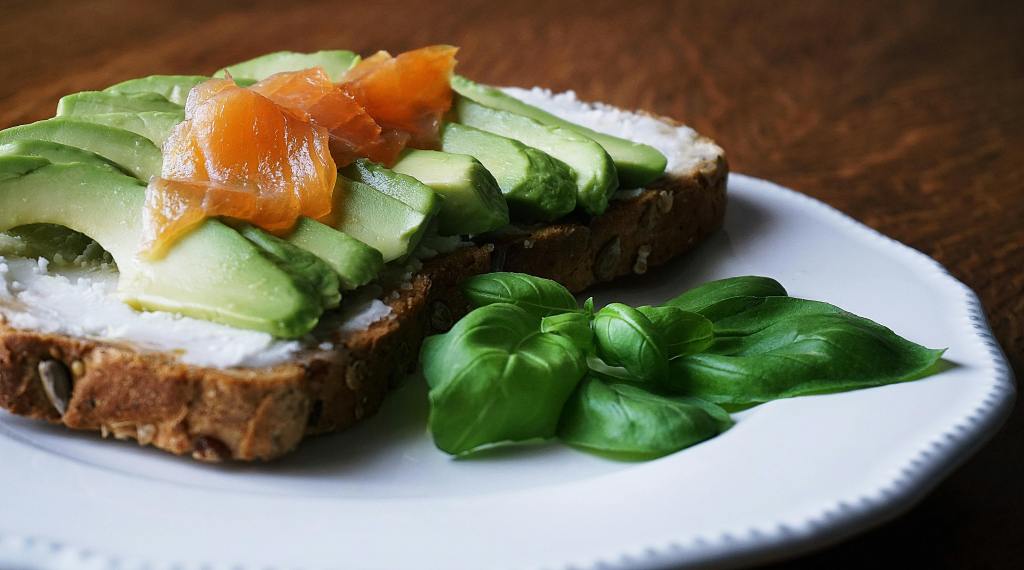
Avocado Toast with Fermented Veggies + Herbal Tea

  • Whole grain or sourdough bread (hello, fiber and prebiotics!)
  • Mashed avocado (healthy fats = plumper skin)
  • Topped with kimchi or sauerkraut (probiotic goodness)
  • Chamomile or ginger tea (calm your gut, calm your face)

👩‍⚕️ Nurse tip: Avoid heavy, dairy-laden coffees first thing if your gut is sensitive. Your skin will thank you too!


🥗 Lunch: Light, Filling, and Friendly to Your Digestive Fire

Salmon Salad Bowl

  • Grilled wild salmon (rich in omega-3s for anti-inflammatory skin benefits)
  • Mixed greens, cucumbers, bell peppers (fiber + hydration)
  • Olive oil and apple cider vinegar dressing (ACV can support gut acidity levels)
  • Sprinkle of pumpkin seeds (zinc = wound healing support)

🍲 Dinner: Balanced & Belly-Safe

Quinoa & Lentil Stew with Roasted Veggies

  • Lentils = fiber + plant-based protein
  • Quinoa = complete amino acid source
  • Add carrots, zucchini, onions, and sweet potatoes
  • Spices like turmeric, cumin, and black pepper for anti-inflammatory magic

🍓 Snack Attack: Gut-Loving Nibbles

  • Greek yogurt with berries & chia seeds
  • Hummus with cucumber slices
  • Bone broth (great for collagen + gut lining)
  • A few squares of dark chocolate (yes, really!)

💩 Let’s Talk Poop (You Knew I’d Go There)

If you’re not pooping regularly, your skin may not be detoxing efficiently either. Constipation can lead to breakouts, dull skin, and even exacerbate eczema or psoriasis. If you’re dealing with an ostomy, hydration and output consistency matter big time!

👉 Stool that’s too loose or too hard could be your gut waving a white flag. Balance your meals with:

  • Soluble fiber (oats, bananas, apples)
  • Hydration (aim for half your body weight in ounces of water 💦)
  • Magnesium-rich foods (spinach, almonds, dark chocolate—yum!)

👩‍⚕️ But Wait… What If I Have an Ostomy?

Friend, I got you. Some of these foods may need tweaking depending on your ostomy type:

  • Colostomy: You can often eat more “normally,” but watch for gas-producing foods.
  • Ileostomy: Hydration is key! Be mindful of high-fiber or very spicy meals.
  • Urostomy: Hydration and bladder-friendly foods (low acid) are your friends.

⚠️ Disclaimer (Because I’m a Nurse, Not Your Nurse 😉)
This blog is for general education and entertainment purposes only. Always consult with your doctor, dietitian, dermatologist, or wound/ostomy care specialist—especially if you have specific conditions, allergies, or a medical device like an ostomy. What works for one person might not work for another (especially if we’re talking ileostomy vs colostomy vs urostomy—big differences, folks!).


✨ Final Thoughts

Your plate has power. When you feed your gut, your skin gets the memo—and glows accordingly. Think of every meal as a chance to heal, hydrate, and help your body (and bowel) thrive. Plus, it’s delicious!

💬 Got a go-to gut/skin-friendly meal? Drop it in the comments—I’m always hungry for new ideas!