
Fractional Laser & Collagen: The Dynamic Duo for a Skin Reboot 🔥✨

Let’s talk about something that’s more exciting than a new serum and packs a bigger punch than that third cup of coffee: fractional laser treatments. Yep—I’m talking about controlled skin damage that leads to beautiful skin healing. As a nurse (and someone who’s been on the laser table myself 🙋‍♀️), let me break it down in real terms with a splash of humor, a dose of science, and a whole lotta skincare love.


💡 What Is Fractional Laser Anyway?

Fractional laser therapy is like giving your skin a controlled “wake-up call.” It uses laser energy to create micro-injuries (aka teeny-tiny damage zones) that kick your skin’s collagen production into overdrive. Think of it as tricking your skin into remodeling itself—fresher, firmer, and smoother.

It’s used to target:

  • Fine lines and wrinkles 👵🏽
  • Acne scars and large pores
  • Uneven texture and tone
  • Sun damage and melasma

And guess what? It works. I’ve been doing it myself and yes, the glow-up is real.


🧬 Collagen: The Skin’s Built-In Filler

Let’s not forget the real MVP here—collagen. This protein is the scaffolding of your skin. But after age 30, collagen production goes downhill faster than a Costco cart on a hill. Fractional lasers help rebuild that scaffold, leading to:

  • Tighter skin
  • Smoother texture
  • Less visible lines and scars

Collagen = confidence, my friends.


🧠 Gut Check: Why Your Inside Health Matters

Here’s where I really get excited. Did you know your gut health plays a major role in how well your skin heals after treatments like fractional laser?

✨ A healthy gut = better nutrient absorption = stronger skin barrier
✨ Good digestion = less inflammation = better post-laser recovery
✨ Balanced microbiome = glowing skin from the inside out

So yes, drink that bone broth, eat your fermented foods, and take those probiotics. Your face will thank you.


🧴 My Post-Laser Tips (Nurse-Tested, Real-Life Approved)

  1. Hydrate like it’s your job 💧 — inside and out.
  2. Skip the gym for a few days. Sweat can irritate healing skin.
  3. Load up on Vitamin C & zinc. These are your wound-healing besties.
  4. Avoid the sun like your ex. SPF is mandatory (no exceptions!).
  5. No picking. No scrubbing. Your skin is doing important work—let it be.

🧪 My Results So Far…

Since starting fractional laser, I’ve noticed:

  • My skin looks smoother, especially on my cheeks and around my mouth.
  • My foundation goes on like a dream (when I bother to wear it).
  • My pores? Shrinking faster than my tolerance for nonsense. 😎

The best part? I feel like I’m working with my body—not just slapping stuff on top and hoping for the best.


⚠️ Disclaimer (Because I’m a Nurse, Not Your Nurse 😉)

This blog is for general education and entertainment purposes only. Always consult with your doctor, dermatologist, or wound/ostomy care specialist—especially if you have specific skin conditions, allergies, or are undergoing treatments.


💬 Final Thoughts

Fractional laser and collagen are a dynamic duo that’s not just hype—it’s science-backed, nurse-approved, and totally empowering. When paired with good gut health and solid aftercare, this treatment can truly transform your skin.✨

Now go forth and glow, friend. 🌟
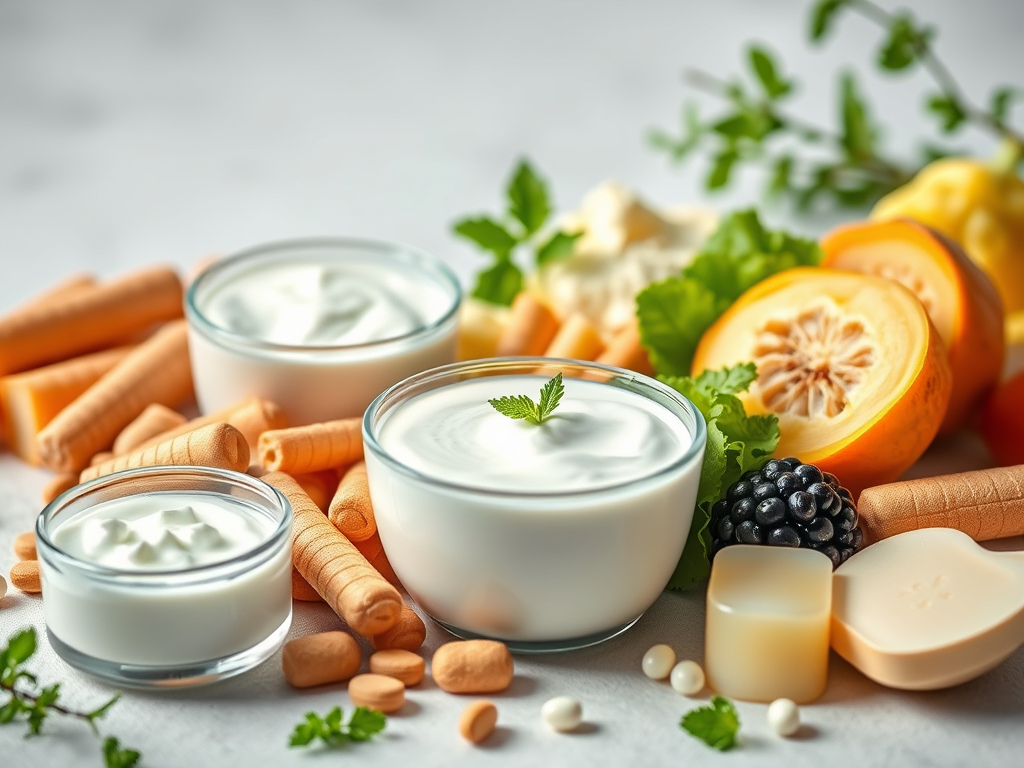

Probiotics, Prebiotics, and All the Biotics: What’s the Deal?

A nurse’s guide to the little bugs running your gut, your glow, and maybe even your mood

Let’s get real: somewhere between drinking kombucha and reading labels on probiotic yogurt that costs more than a co-pay, we all started wondering…
“What are all these -biotics? And why are they suddenly the Beyoncé of gut health?”

As a nurse with 22 years of experience—many of them up to my elbows in wounds, ostomies, and talking to patients about their poop—let me explain things the way we like it in the medical world: clear, quick, and with a touch of sass.


🦠 Meet Your Microbiome (AKA the Gut Squad)

You’ve got trillions of bacteria living in your gut. Sounds creepy? It’s not. These microbes are the real MVPs of digestion, immunity, skin health, mood, inflammation, and yes—even wound healing. The goal is to keep this gut community thriving and balanced. That’s where the -biotics come in.


🧪 So What’s the Difference?

Probiotics = The Good Guys You Add In

These are live bacteria you consume to support your gut’s army. Think of probiotics like hiring reinforcements for your body’s microscopic wellness team.

Found in:

  • Yogurt with live cultures
  • Kefir
  • Kimchi
  • Sauerkraut
  • Miso
  • Probiotic supplements

What they do:

  • Balance gut flora
  • Reduce bloating and constipation
  • Support skin health (bye, breakouts!)
  • Boost immunity
  • Help absorb nutrients (hello, glowing skin + stronger wounds)

🩺 Nurse Note: Not all probiotic strains are the same! Lactobacillus and Bifidobacterium are solid picks—but make sure they’re alive and well in your product.


Prebiotics = Food for Your Good Bugs

Prebiotics are non-digestible fibers that your good bacteria LOVE to eat. They keep the probiotics thriving, happy, and multiplying.

Found in:

  • Garlic
  • Onions
  • Leeks
  • Asparagus
  • Bananas (especially the slightly green ones)
  • Oats
  • Chicory root

What they do:

  • Fuel your gut flora
  • Help keep bowel movements regular (💩 cheers!)
  • Improve calcium absorption
  • Support clearer skin by reducing inflammation

💡 Think of it this way: Prebiotics are like fertilizer for your inner garden. No food = no healthy gut bugs = sad skin, poor poops, and sluggish vibes.


Postbiotics = The Bonus Products

Wait, there’s more? Yes! Postbiotics are the byproducts (a.k.a. leftovers) that probiotics produce after feeding on prebiotics. They’re kind of like the secret sauce that helps reduce inflammation and support immunity.

Found in:

  • Fermented foods (again!)
  • Your own gut… if it’s well-fed with the first two

What they do:

  • Strengthen your gut lining
  • Calm inflammation (skin and gut)
  • Support immune response
  • May even reduce allergy symptoms

👩‍⚕️ Bottom line: Don’t stress about buying “postbiotic products.” Just feed your gut right, and your body will do the work.


🧴 But What Does This Have to Do with My Skin?

EVERYTHING. Your gut and your skin are BFFs. When your gut microbiome is healthy, it reduces systemic inflammation—which means:

  • Fewer breakouts
  • Less eczema or psoriasis flares
  • Better hydration and glow
  • Faster wound healing (yep, I went there—nurse bonus tip)

A stressed-out gut can lead to toxins leaking into your bloodstream (leaky gut syndrome), which then manifests as breakouts, dullness, or chronic skin irritation.

✨ Nurse Wisdom: Beautiful skin starts in the bathroom. Yes, that bathroom.


🚽 How to Build a “Biotic” Routine That Works

  1. Eat fermented foods regularly. They’re the easiest way to get natural probiotics.
  2. Add prebiotic fiber daily. Don’t skip your garlic, onions, and oats!
  3. Drink water like it’s your job. Fiber without water = constipation central.
  4. Consider a quality probiotic supplement if your gut needs extra support (like after antibiotics or stress).
  5. Ditch the ultra-processed junk. Sugar, fried foods, and alcohol feed the wrong bacteria.

🧠 Final Thoughts from Your Gut-Loving Nurse Blogger

Your gut isn’t just about digestion. It’s the HQ of your immunity, energy, mood, skin, and so much more. When you give it the tools (hello, probiotics and prebiotics), it shows up for you—in the mirror and the bathroom.

So the next time someone asks what all the -biotics hype is about, you can smile and say,
“They’re why I poop like a queen and glow like one, too.”


Want gut-friendly recipes, wound-healing nutrition tips, or nurse-approved skin care hacks?
Stick around, subscribe, and share with your favorite constipated coworker. You know the one. 💩😉


🍽️✨Eat This, Not That—for Happier Bowels and Better Skin 🌿💩💖

Because what you eat shows up in your poop AND your pores.

If you’re in your 40s like me, and you’ve ever said, “Wow, I didn’t used to bloat like this after a salad,” or “Why is my skin freaking out like I’m 16 again?”—welcome, friend. Let’s talk about the not-so-secret secret behind it all: your gut.

As a nurse with 22 years of experience (and way too many conversations about poop before lunch), I’ve seen firsthand how what you eat affects how you go—and how you glow. The connection between your gut and your skin is as real as that one coworker who always microwaves fish in the breakroom.

So today we’re diving into my favorite kind of list:
Eat this, not that—for happier bowels and better skin.
Because good skin starts in the gut, and so does not hating your bathroom time.


🍞 Bread Edition: Whole > White

Eat This: Sprouted grain bread or whole wheat
Not That: White bread, croissants, or anything with “enriched” flour

White bread is basically cardboard for your gut. It spikes your blood sugar, feeds the bad bacteria, and leaves you hungry in 20 minutes. Whole grains? They’re fiber-packed, feed your good gut bugs, and help you poop like a champion.

💩 Gut bonus: Fiber = movement = less constipation = less toxin reabsorption = clearer skin.


🧃 Drink Edition: Water > Juice

Drink This: Water (with lemon, cucumber, or even chia seeds)
Not That: Sugary juices, soda, or “detox teas” that are just glorified laxatives

Juice may look healthy, but your gut and skin know better. It’s a sugar bomb in disguise. Water keeps everything hydrated—from your colon to your collagen.

💦 Pro tip: Dehydration is the fastest way to look tired and get constipated.


🍟 Snack Edition: Avocados > Chips

Eat This: Avocado toast, guac with veggie sticks, or even just a spoonful
Not That: Potato chips, pretzels, or “low-fat” snack packs

Avocados are loaded with healthy fats that keep your skin plump and your gut lining happy. Chips? Mostly salt and empty carbs. Sorry, not sorry.

🥑 Bonus: Avocados contain fiber + vitamin E, a double win for your glow.


🍫 Treat Edition: Dark Chocolate > Candy Bars

Eat This: 70%+ dark chocolate
Not That: Milk chocolate candy bars with sugar as the first ingredient

Dark chocolate (in moderation, of course) has polyphenols—plant compounds that love your gut and fight inflammation. Candy bars? Just a sugar party for acne-causing bacteria.

🍫 Nurse wisdom: Eat the chocolate. Just make it dark and mysterious, like your favorite medical drama.


🍗 Protein Edition: Salmon > Processed Meats

Eat This: Wild salmon, sardines, eggs, beans
Not That: Deli meats, bacon, hot dogs

Omega-3s in salmon are great for calming skin inflammation and soothing the gut. Processed meats? They’re full of preservatives and inflammatory fats that make your gut and face very unhappy.

🧠 Gut-skin note: Omega-3s support mood, too. So you’ll look good and stop yelling at your houseplants.


🥤 Gut Helper Edition: Fermented Foods > “Probiotic” Gimmicks

Eat This: Yogurt, kefir, kimchi, sauerkraut, miso
Not That: Sugary probiotic drinks with cartoon labels

Fermented foods bring real, living bacteria to your gut party. Fake probiotic products are like inviting a clown to a medical conference. Not helpful.

🧬 A healthy microbiome = better digestion, better immunity, fewer breakouts. Win-win-win.


🚫 Avoid the “Low-Fat” Lies

Let me be clear: your skin and gut need fat. Healthy fats. Not the “low-fat” processed stuff that spiked in popularity in the 90s (and ruined all our hormones). Your skin barrier and your gut lining are made of lipids. Give them what they need.


👩‍⚕️ Final Thoughts from Your Friendly Nurse Blogger

What you eat either feeds the inflammation or fights it. It either supports your gut-skin connection—or sabotages it one soda at a time.

You don’t need a perfect diet. Just a realistic, whole-food, gut-happy plan that works with your life (and your shift schedule). If your poop is regular, your skin is glowing, and you’ve got energy to spare—you’re on the right track.

And if not? Just remember, you can turn things around one avocado at a time.


Want more tips like this—plus recipes, skin care advice, and real nurse-approved wellness hacks?
Subscribe, share, or send this to a friend who’s currently mad at their skin and their bowels.