
🦠 Probiotics for Your Face? The Gut-Skin Connection You Need to Know

If someone told you that the secret to glowing, healthy skin might actually start in your gut, you’d probably raise an eyebrow—and maybe your probiotic supplement bottle too. But as a wound and ostomy care nurse in my 40s with a passion for all things skin, gut, and wellness, I’m here to spill the (kefir) tea on why your gut microbiome is one of the biggest players in your skin health game. Spoiler alert: probiotics aren’t just for your gut—they might be a secret weapon for your face too! 🌟


What Are Probiotics, Anyway?

Probiotics are those friendly bacteria that live in your digestive tract helping you digest food, fight off bad bugs, and keep your immune system strong. Think of them as your gut’s personal bodyguards. But here’s the kicker: research now shows that a happy gut microbiome can have a powerful influence on your skin’s health, appearance, and even its ability to heal wounds. Cool, right?


The Gut-Skin Axis: What’s the Connection?

Your gut and skin are like besties who text each other constantly. When your gut is out of balance—maybe because of stress, poor diet, antibiotics, or illness—it can lead to inflammation that shows up as redness, acne, eczema, or even premature wrinkles on your skin. This “gut-skin axis” means what’s happening inside can literally show up on your face. 😳


Can Probiotics Help Your Skin?

Yes! While more research is ongoing, studies suggest that taking probiotics can:

  • Reduce inflammation that contributes to acne and rosacea
  • Improve skin hydration and barrier function
  • Support healing of wounds and irritations (hi, wound care nurse here 👋)
  • Potentially slow down skin aging by modulating immune responses

How To Add Probiotics to Your Skin Care Routine

1. Eat Your Probiotics

Yogurt, kefir, kimchi, sauerkraut, miso, and kombucha are delicious ways to feed your gut-friendly bacteria. Bonus: many are packed with vitamins and antioxidants good for your skin too! 🥒🥛

2. Try Probiotic Skincare Products

Some creams and serums now include probiotics or prebiotics (food for good bacteria) to help balance your skin’s own microbiome. Remember, your skin has bacteria too, and keeping them happy supports skin health and reduces irritation.

3. Consider Supplements

Probiotic supplements can be helpful—especially if you’ve been on antibiotics or dealing with gut issues. Talk with your healthcare provider to find the right strain and dosage.


What To Watch Out For

  • Not all probiotic strains are created equal—some are better for gut health, others for skin.
  • If you have a compromised immune system or certain medical conditions, probiotics might not be for you.
  • Always patch test topical probiotic products to avoid irritation.

Nurse Tips to Maximize Your Gut-Skin Health

  • Pair probiotics with a fiber-rich diet (prebiotics) to feed those good bugs
  • Avoid excessive sugar and processed foods that feed bad bacteria
  • Manage stress with exercise, meditation, or hobbies
  • Stay hydrated for overall skin and gut function

⚠️ Disclaimer (Because I’m a Nurse, Not Your Nurse 😉)

This blog is for general education and entertainment purposes only. Always consult with your doctor, dietitian, dermatologist, or wound/ostomy care specialist before starting new supplements or skincare products, especially if you have health concerns or allergies.


Final Thoughts

Your gut and your skin are in a lifelong conversation—and probiotics might just be the translators that keep the peace. By supporting your gut health, you’re giving your skin a powerful boost toward looking and feeling its best. So cheers to happy guts and glowing faces! 🥂✨
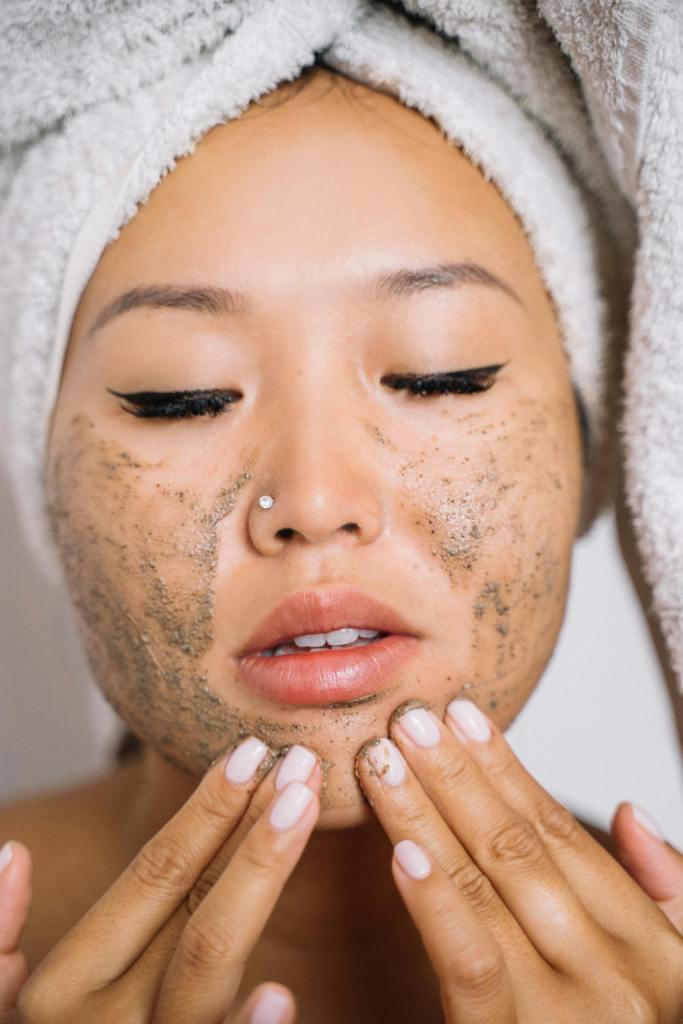
🧽 Exfoliation Overload: How Too Much Scrubbing Wrecks Your Skin

We’ve all been there. You buy that new scrub, you feel the grit, and suddenly you’re scrubbing like you’re trying to erase 10 years of regret off your face. But as a wound and ostomy care nurse in her 40s (aka: someone who’s seen what real skin damage looks like), I’m here to break the tough love news—over-exfoliating is not the flex you think it is. 😬

Let’s talk about what exfoliation does, how too much of it wrecks your skin barrier, and what to do instead—while keeping it fun, real, and gut-skin connected, of course.


🧴 What is Exfoliation, Really?

Exfoliation helps remove dead skin cells, unclog pores, and boost glow. Sounds great, right? It is—in moderation. There are two main types:

  • Physical exfoliation: Scrubs, brushes, loofahs (a.k.a. the sandpaper method)
  • Chemical exfoliation: AHAs, BHAs, and enzymes that dissolve dead skin gently (and yes, that’s science magic)

🚨 Signs You’re Over-Exfoliating

If your skin feels like it’s in witness protection—hiding behind flakiness, redness, and irritation—you may be doing too much. Look for:

  • Tightness, burning, or stinging
  • Red patches or breakouts (yes, over-scrubbing can cause acne)
  • Dryness and peeling
  • Skin that feels waxy or overly shiny
  • Heightened sensitivity to other products

Your skin barrier is like a bouncer at a club—it knows who to let in and who to keep out. Over-exfoliating weakens that bouncer, letting in irritants and kicking out moisture. 🚫💦


🔄 The Gut-Skin Link (Yes, Again!)

Your skin barrier and your gut lining are actually pretty similar—both protect from invaders and need the right balance of bacteria, hydration, and nutrients to thrive. Overdoing it with scrubs is like taking antibiotics daily with zero probiotics: you’re throwing everything off.

If you’re seeing inflammation on your skin, your gut might be inflamed too. Remember, skin is often a messenger of what’s happening inside!


✅ Solutions (Because We Love a Fix!)

1. Respect the Barrier

Use exfoliants only 1-3x a week depending on your skin type. Sensitive or dry skin? Once is plenty. Acne-prone or oily skin? Max three times—with a gentle formula.

2. Switch to Chemical Exfoliants (Gently)

AHAs like glycolic acid or lactic acid work deeper, smoother, and kinder—especially in a serum or toner form.

3. Moisturize Like Your Skin’s Life Depends On It (Because It Kinda Does)

Use barrier-repair moisturizers with ceramides, niacinamide, and hyaluronic acid. Bonus if it’s fragrance-free and doesn’t make your skin hiss at you.

4. Check Your Gut

Eat gut-friendly foods (hello, yogurt, fermented veggies, fiber). Add probiotics or prebiotics if needed. Healthy gut = less inflammation and stronger skin barrier.

5. Simplify Your Routine

Cleanse, treat, moisturize, protect. That’s it. You don’t need a 12-step K-beauty routine to have good skin—you need balance and consistency.


🧪 A Nurse’s Note: Exfoliation + Wound Healing?

You’d be surprised how many minor skin injuries I see from overly enthusiastic exfoliators. Skin with microtears can’t heal well—it’s more prone to infection and delayed recovery. If you have an ostomy or sensitive skin from medical issues, this is extra important.


⚠️ Disclaimer (Because I’m a Nurse, Not Your Nurse 😉)

This blog is for general education and entertainment purposes only. Always consult with your doctor, dermatologist, or wound/ostomy care specialist—especially if you have specific skin conditions, allergies, or sensitive skin.


✨ Final Scrub (er, Thought)

Exfoliation should be like wine—enjoyed in moderation and never on an empty stomach. 😄 Keep your gut happy, your skincare simple, and your exfoliation gentle. Your skin (and your mirror) will thank you.


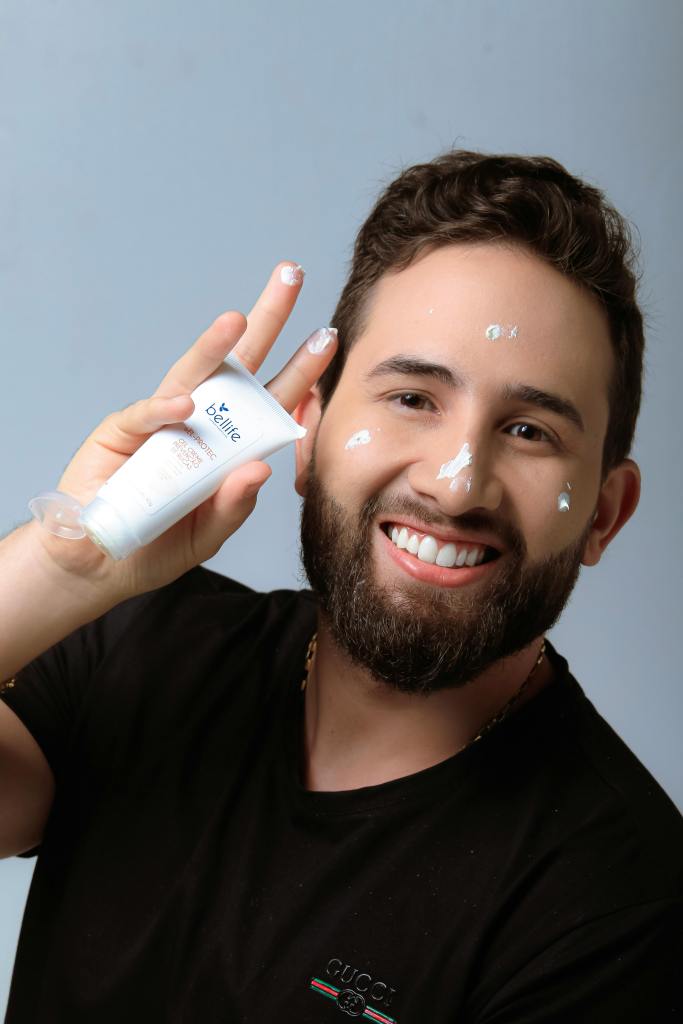
Beards, Blemishes & Barrier Creams: Skincare Tips for the Men We Love 🧴✨

A no-nonsense guide for dads who still use bar soap… on their face. 😱

Let’s face it—many men treat their skin like a cast iron skillet: wash it with hot water, scrape it down, slap on some “manly” scented aftershave, and call it a day. 🙄 As a nurse who’s seen everything from Stage 4 pressure ulcers to teenage-level breakouts on middle-aged dads, I’m here to say: We can do better.

Whether it’s your dad, partner, brother, or yourself (if you’re reading this, hi 👋), this is your friendly but slightly sassy wake-up call to level up male skincare—without turning the bathroom into a spa.


🧼 1. The Bar Soap Must Go (at least on the face)

Harsh soaps strip the skin’s natural barrier—especially bar soaps designed for the body. They mess with the microbiome (yes, your face has one too), dry out the skin, and can even worsen conditions like rosacea, eczema, or adult acne.

Swap it for:

  • A gentle, fragrance-free facial cleanser
  • Bonus if it contains ceramides or niacinamide for barrier support

🧔 2. Beard Care Is Skin Care

Underneath every great beard is a face crying out for help. Beard dandruff, itchiness, and ingrown hairs aren’t just grooming issues—they’re inflammation, and yes, they affect skin health.

Beard tips:

  • Exfoliate once a week to reduce dead skin buildup
  • Use a lightweight beard oil or balm (not motor oil 🙃)
  • Moisturize under the beard!

🛡️ 3. Barrier Creams Aren’t Just for Babies

Barrier creams = skin protection. Think of them as armor for guys who work outside, sweat a lot, shave frequently, or wear PPE for hours (shoutout to healthcare dads 👊).

✅ Try:

  • Zinc oxide-based creams (great for chafing or maskne)
  • Silicone-based protectants for dry or irritated spots

☀️ 4. Sunscreen Is Not Optional (Even If You’re “Just Going to the Store”)

Sun damage is the #1 cause of wrinkles, dark spots, and even skin cancer. And yet, most men wear SPF once a year—on vacation. 🙃

✅ Use:

  • Mineral sunscreen SPF 30+ daily
  • Bonus: tinted or mattifying options so they don’t feel “greasy”

🍽️ 5. Skin Starts in the Gut, Even for Dads

Yes, your face is connected to your stomach—inflammation, sugar intake, and gut imbalances can trigger breakouts, dryness, or even seborrheic dermatitis (that flaky beard skin stuff).

✅ Encourage:

  • More fiber, fermented foods, and hydration
  • Less processed junk and booze (sorry, guys)

🎁 Father’s Day Bonus: The “3-Step Man Plan”

  1. Cleanser
  2. Moisturizer
  3. Sunscreen

Done. You’re welcome. No 20-step TikTok routine necessary.


⚠️ Disclaimer (Because I’m a Nurse, Not Your Nurse 😉)

This blog is for general education and entertainment purposes only. Always consult your dermatologist or healthcare provider for personalized advice—especially if skin issues are persistent or linked to a medical condition like rosacea, diabetes, or autoimmune disease.


With a few small changes, even the most rugged man can have calm, clear, and healthy skin—without giving up his masculinity (or his grill).