Microdermabrasion 101: The Secret to Radiant, Smooth Skin ✨

Hey there, skin lovers! I’m a nurse in my fabulous 40s who’s been obsessed with all things skin, gut, and wellness for years. When I’m not helping patients with wound care and ostomies, you’ll find me nerding out on skincare science, gut health, and yes — the magical connection between your digestion and your glow.

Today, let’s dive into the world of microdermabrasion — a powerful (and pretty satisfying) treatment that can seriously upgrade your skin’s radiance and smoothness. But spoiler alert: while microdermabrasion can do wonders, the real secret to radiant skin comes from a combo of great skincare AND a happy gut. Yep, your gut and skin are BFFs! 💁‍♀️


What is Microdermabrasion? 🤔

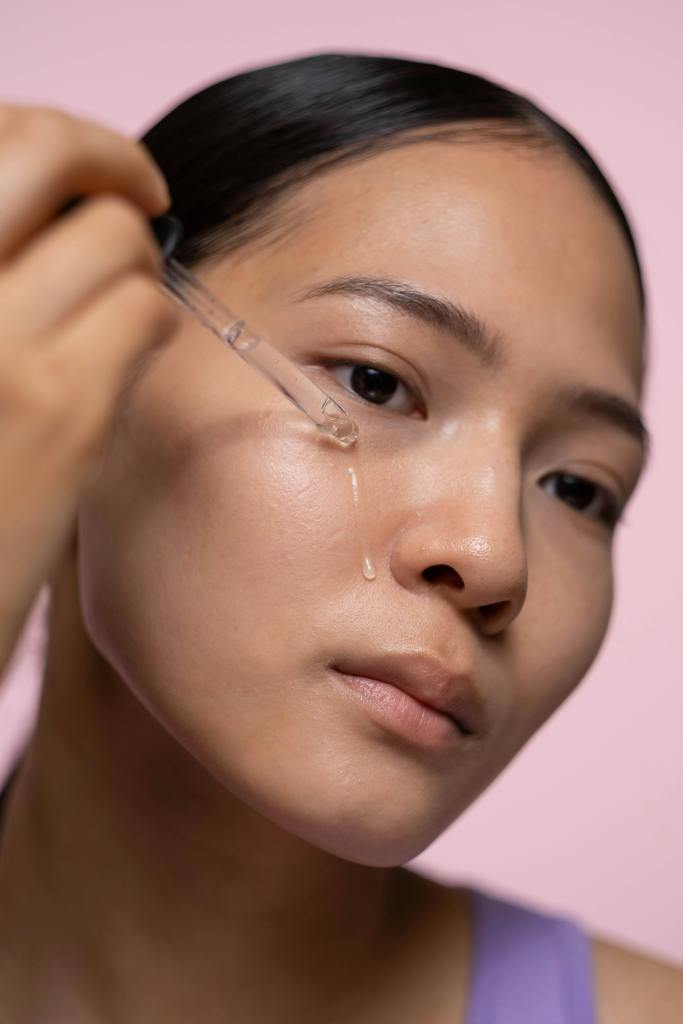
Microdermabrasion is a non-invasive cosmetic procedure that gently buffs away the outer layer of dead skin cells using tiny crystals or a diamond-tipped wand. Think of it like sanding wood — it smooths the surface to reveal fresher, brighter skin underneath.

It’s great for:

  • Fading fine lines & wrinkles
  • Minimizing pores
  • Improving texture and tone
  • Reducing mild acne scars and sun damage

Unlike harsher peels, it’s gentle enough for most skin types with minimal downtime — hello, glow without the drama! ✨


The Science: How Does It Work? 🔬

When you remove the dead skin barrier, microdermabrasion stimulates your skin’s natural healing process. This jumpstarts collagen and elastin production — the proteins that keep your skin firm and youthful. Plus, sloughing off dead cells allows your skincare products to penetrate deeper and work better.

A 2023 study published in the Journal of Dermatology Research found that microdermabrasion treatments significantly increased skin hydration and elasticity, reinforcing its reputation as a go-to for skin rejuvenation.


But Wait — What About Your Gut? 🍎🥦

As someone who’s spent years caring for wounds and digestive health, I’m here to tell you: Your gut health is a game changer for your skin’s radiance. The gut-skin axis is real — your gut microbiome influences inflammation, immune response, and even collagen synthesis.

Recent research highlights this beautifully: a 2024 review in Gut Microbes showed that people with balanced gut bacteria have fewer inflammatory skin conditions and better skin barrier function. That means what you eat directly impacts your skin’s glow.

Gut-Friendly Foods for Glowing Skin:

  • Fermented foods like yogurt, kimchi, and sauerkraut boost good bacteria 🥒
  • Fiber-rich veggies like broccoli, spinach, and sweet potatoes feed those bacteria 🌿
  • Omega-3 rich foods like salmon and walnuts reduce inflammation 🐟
  • Antioxidant-packed fruits like berries and citrus fight free radical damage 🍓

A Personal Story: How I Found My Glow 🌟

A few years ago, after struggling with persistent dullness and early wrinkles despite fancy creams and serums, I shifted focus to my gut health. I started eating probiotic-rich foods daily, drinking more water, and cutting back on processed sugars. Within weeks, my skin looked visibly brighter and felt smoother — almost like a microdermabrasion glow, but from within. It was a lightbulb moment!

This experience reinforced my belief that skincare isn’t just about what you put on your skin, but what you nourish your body with.


How to Combine Microdermabrasion and Gut Health for Maximum Results 💪

  1. Get microdermabrasion treatments every 4-6 weeks (professionally or at home with a trusted device)
  2. Eat a gut-friendly diet rich in probiotics, fiber, and antioxidants
  3. Stay hydrated — water is your skin’s bestie! 💧
  4. Use gentle, hydrating skincare after treatments to soothe and protect
  5. Avoid excessive sun exposure and always use sunscreen (no shortcuts here!) ☀️

⚠️ Disclaimer (Because I’m a Nurse, Not Your Nurse 😉)

This blog is for general education and entertainment purposes only. Always consult your healthcare provider or dermatologist before starting any new skin or gut health regimen.


Your Turn! 💬

What’s your experience been with microdermabrasion or focusing on gut health to improve your skin? Have you noticed a “glow-up” from inside out? Drop your stories, questions, or favorite gut-friendly snacks in the comments — I’d love to hear!

Fractional Laser & Collagen: The Dynamic Duo for a Skin Reboot 🔥✨

Let’s talk about something that’s more exciting than a new serum and packs a bigger punch than that third cup of coffee: fractional laser treatments. Yep—I’m talking about controlled skin damage that leads to beautiful skin healing. As a nurse (and someone who’s been on the laser table myself 🙋‍♀️), let me break it down in real terms with a splash of humor, a dose of science, and a whole lotta skincare love.


💡 What Is Fractional Laser Anyway?

Fractional laser therapy is like giving your skin a controlled “wake-up call.” It uses laser energy to create micro-injuries (aka teeny-tiny damage zones) that kick your skin’s collagen production into overdrive. Think of it as tricking your skin into remodeling itself—fresher, firmer, and smoother.

It’s used to target:

  • Fine lines and wrinkles 👵🏽
  • Acne scars and large pores
  • Uneven texture and tone
  • Sun damage and melasma

And guess what? It works. I’ve been doing it myself and yes, the glow-up is real.


🧬 Collagen: The Skin’s Built-In Filler

Let’s not forget the real MVP here—collagen. This protein is the scaffolding of your skin. But after age 30, collagen production goes downhill faster than a Costco cart on a hill. Fractional lasers help rebuild that scaffold, leading to:

  • Tighter skin
  • Smoother texture
  • Less visible lines and scars

Collagen = confidence, my friends.


🧠 Gut Check: Why Your Inside Health Matters

Here’s where I really get excited. Did you know your gut health plays a major role in how well your skin heals after treatments like fractional laser?

✨ A healthy gut = better nutrient absorption = stronger skin barrier
✨ Good digestion = less inflammation = better post-laser recovery
✨ Balanced microbiome = glowing skin from the inside out

So yes, drink that bone broth, eat your fermented foods, and take those probiotics. Your face will thank you.


🧴 My Post-Laser Tips (Nurse-Tested, Real-Life Approved)

  1. Hydrate like it’s your job 💧 — inside and out.
  2. Skip the gym for a few days. Sweat can irritate healing skin.
  3. Load up on Vitamin C & zinc. These are your wound-healing besties.
  4. Avoid the sun like your ex. SPF is mandatory (no exceptions!).
  5. No picking. No scrubbing. Your skin is doing important work—let it be.

🧪 My Results So Far…

Since starting fractional laser, I’ve noticed:

  • My skin looks smoother, especially on my cheeks and around my mouth.
  • My foundation goes on like a dream (when I bother to wear it).
  • My pores? Shrinking faster than my tolerance for nonsense. 😎

The best part? I feel like I’m working with my body—not just slapping stuff on top and hoping for the best.


⚠️ Disclaimer (Because I’m a Nurse, Not Your Nurse 😉)

This blog is for general education and entertainment purposes only. Always consult with your doctor, dermatologist, or wound/ostomy care specialist—especially if you have specific skin conditions, allergies, or are undergoing treatments.


💬 Final Thoughts

Fractional laser and collagen are a dynamic duo that’s not just hype—it’s science-backed, nurse-approved, and totally empowering. When paired with good gut health and solid aftercare, this treatment can truly transform your skin.✨

Now go forth and glow, friend. 🌟


From Wounds to Wrinkles: What Wound Care Has Taught Me About Skin Aging 👩‍⚕️💉➡️🧴✨

Let’s connect the dots between wound healing and skin aging—because yes, there’s more overlap than you’d think. As a wound and ostomy nurse in my fabulous 40s (with a minor obsession for all things gut, glow, and glutes 😅), I’ve spent years studying how skin heals—and spoiler alert: that knowledge also changed how I see wrinkles, serums, and my morning SPF routine.

So buckle up, skin lovers and gut nerds. We’re diving into why wound care wisdom is basically anti-aging gold.


💡 Wound Healing = Real-Time Skin Science

When I treat a wound, I’m watching the body work overtime to repair and regenerate. The same cells and signals responsible for closing a wound are also involved in keeping your skin plump, firm, and glowing. But here’s the catch: they slow down with age, inflammation, and (yep) poor nutrition.

Wrinkle 101?
It’s basically a tiny wound your skin doesn’t bother to heal anymore. Rude.


Here’s What Wound Care Taught Me About Skin Aging 👇

1. Hydration Is Non-Negotiable 💦

Whether it’s a dry wound bed or a dry T-zone, moisture is magic. Dehydrated skin = delayed healing AND faster aging. Your barrier function suffers, collagen breaks down, and fine lines look like they’ve been zoomed in. Drink water like it’s your job. And yes, that hydrating serum helps too.

2. Inflammation Is the Enemy 🔥

Chronic inflammation slows wound healing and accelerates aging (a process scientists call inflammaging—cute name, not cute on your face). Sugar, processed foods, stress, lack of sleep? All inflammatory triggers. Swap ‘em for berries, leafy greens, turmeric, and sleep. Your wounds AND wrinkles will thank you.

3. Protein = Collagen Fuel 🥚🐟

You can’t rebuild skin without amino acids. Wounds need protein to heal. Skin needs it to stay firm and bouncy. Low protein intake = saggy vibes. Get in your lean meats, beans, tofu, eggs, collagen powders—whatever works for you.

4. Sun Protection is Essential ☀️🧴

Wounds + sun = darker scars. Skin + sun = deeper wrinkles. Every wound nurse has seen what happens when UV hits compromised skin—it ain’t pretty. So trust me when I say: wear the dang sunscreen. Even on cloudy days. Even if you’re “just going to Target.”

5. Healing Takes Time—But Prevention Is Faster ⏳

You don’t wait until a wound is infected to treat it, right? Same goes for skin. Start now. Cleanse gently, moisturize daily, eat for your gut, use antioxidants, stay hydrated, move your body, and manage stress. Prevention is cheaper than Botox 💁‍♀️


The Gut Connection 🥗💩✨

Surprise twist? Your gut is a key player in both wound healing and aging skin. An inflamed, unbalanced gut leads to poor nutrient absorption, chronic inflammation, and—you guessed it—sluggish healing and dull, aging skin.

Nourish your gut with:

  • Probiotics (yogurt, kefir, sauerkraut)
  • Prebiotics (oats, bananas, asparagus)
  • Plenty of fiber + water
  • Low sugar, low junk

Healthy gut = clear skin, happy poops, and fewer frown lines.


Wrapping It Up (Like a Good Dressing 😉)

Working in wound care has taught me to respect the skin—how it repairs, protects, and reflects what’s happening inside your body. Aging skin isn’t the enemy—neglect is. With the right daily habits, you can support your skin the same way we support a healing wound: with patience, nourishment, protection, and love.

You’ve got one skin suit, and you’re wearing it every day. Treat it like the masterpiece it is. 🧖‍♀️💕


⚠️ Disclaimer (Because I’m a Nurse, Not Your Nurse 😉)
This blog is for general education and entertainment purposes only. Always consult with your doctor, dietitian, dermatologist or wound/ostomy care specialist—especially if you have specific conditions, allergies, or a medical device like an ostomy. What works for one person might not work for another (especially if we’re talking ileostomy vs colostomy vs urostomy—big differences, folks!).


Skin Breakdown: What Your Grandma’s Elbow Can Teach You About Prevention

Let’s be honest: If you’ve ever helped your grandma out of bed and caught sight of that papery, fragile elbow skin, you’ve probably had one of two reactions:

  1. Mild horror.
  2. A nurse’s instinct to grab a moisture barrier cream immediately.

As a wound and ostomy care nurse in my 40s (with a healthy obsession for skin, gut, and wellness), I’ve seen more skin breakdown than a dermatologist at a rock festival. And I’m here to say: we can do better for our skin—at any age. Especially if we start before it’s translucent and tearing at the thought of a bedsheet.


What Is Skin Breakdown Anyway?

Skin breakdown is like that guest who shows up uninvited and never leaves. It’s what happens when the skin’s integrity is compromised due to pressure, friction, moisture, or just plain ol’ neglect. It starts with a little redness or dryness and can turn into an ulcer or open wound faster than you can say, “Where’s the barrier cream?”


So, What Can Grandma’s Elbow Teach Us?

Glad you asked. Here’s the skin-saving wisdom hidden in that wrinkly elbow:


1. Hydration Is Not Optional

Dehydrated skin = fragile skin. The older we get, the more our skin begs for water. Not just slathered on, but gulped down too. Grandma’s elbow? Probably as dry as her Thanksgiving turkey.

Prevention tip:
Drink water. Then drink some more. Add hydrating foods like cucumber, watermelon, and leafy greens. Top it off with a good humectant-based moisturizer (bonus if it has ceramides!).


2. Friction + Pressure = The Silent Skin Killers

That elbow didn’t break down because she ran a marathon. It happened because skin + bone + hard surface = trouble. Whether it’s a tailbone, heel, or sacrum—pressure and friction are public enemy #1 and #2 for aging skin.

Nurse tip:
Use pillows, foam pads, and positional changes. If you’re sitting for long periods (looking at you, charting nurses), shift often and moisturize areas that take the brunt of your day.


3. Nutrition Isn’t Just About Weight—It’s About Healing

Wounds don’t heal without the right nutrients. Grandma’s skin breakdown could be worsened by low protein, poor vitamin intake (hello zinc, C, and A), or gut issues that interfere with absorption. Yes, even your gut bugs are on team “Skin Health.”

Your checklist:
Protein at every meal, a colorful plate, and maybe a probiotic. Think of your gut as your skin’s backstage crew—if they’re not on point, the show won’t go on.


4. Barrier Creams Aren’t Just for Babies and Backsides

Moisture-associated skin damage (MASD) is real—and it’s not just a nursing home problem. Sweat, urine, or even too much hand-washing can strip the skin faster than a bad toner.

Wound nurse pro move:
Keep a good barrier cream on hand (zinc oxide-based is my go-to), especially in high-risk areas like groin folds, under breasts, and (yes) elbows.


5. Touch Your Skin—And Actually Look At It

Skin breakdown doesn’t usually scream for help until it’s already in trouble. A daily once-over—especially on aging skin—is worth its weight in gold.

Think like a nurse:
Redness? Heat? Tenderness? All warning signs. Catch it early and you save time, money, and future tears (literally and emotionally).


Bonus: The Gut-Skin Connection

Here’s where I really geek out: your gut health matters. A lot. Inflammation in your gut can show up in your skin as slower healing, more irritation, and (you guessed it) higher risk for skin breakdown.

TL;DR:
Feed your skin from within: fermented foods, anti-inflammatory meals, and a gut-friendly lifestyle can help keep your barrier strong from the inside out.


Wrapping It Up (Not Like a Mummy, Please)

Whether you’re in your 40s like me or lovingly tending to grandma’s skin, prevention is the best medicine. And while we joke about elbows and barrier cream, the truth is—skin care at every age is healthcare.

So hydrate, nourish, move, moisturize, and be proactive. Because whether it’s your grandma’s elbow or your own, you deserve skin that holds up—not breaks down.


Wrinkles, Wound Healing & Water: Skin Science After 40


By a wound care nurse who knows hydration isn’t just trendy—it’s critical

Let’s face it: turning 40 is kind of like skin’s midlife crisis. Suddenly, things that used to “bounce back” now just… linger. Wrinkles sneak in, healing slows down, and your moisturizer starts working overtime. But here’s the good news: as a nurse and someone who obsesses over both wound care and wellness—I’m here to tell you that your skin can still thrive. It just needs a little more science, strategy, and yes… water.

So grab a glass, because we’re about to hydrate your skin, your gut, and your entire mindset.


💧 Let’s Talk About Water (No, Really)

I know—everyone and their wellness influencer cousin says to “drink more water.” But here’s the clinical truth:

  • Dehydrated skin heals slower.
  • Dehydrated bodies poop less.
  • Dehydrated cells age faster.

As a wound care nurse, I can tell you firsthand: hydration is everything. It’s one of the most overlooked components in both chronic wound healing and aging skin. Your skin is your largest organ, and like any good organ, it needs hydration to function.

Nurse Tip: Aim for half your body weight in ounces per day (or more if you’re sweating or chugging coffee like it’s charting fuel).


🧬 Wrinkles: The Battle You Can Totally Win (Sort of)

Wrinkles aren’t the enemy—they’re the memoirs of your face. But if you want to smooth out some chapters, here’s what works:

  • Topical Retinoids: Vitamin A derivatives that boost collagen and reduce fine lines. Bonus—they also help with wound cell turnover!
  • Peptides & Growth Factors: Fancy talk for ingredients that coach your skin into behaving younger.
  • Daily SPF: Because preventing damage is easier than microneedling it away later. (Shoutout to the sun exposure I thought was “just a tan” in my 20s…)

Bonus Point: Gut inflammation can accelerate aging—yep, your wrinkles can be a digestive distress signal.


🩹 Wound Healing After 40: Slower, But Smarter

Aging skin is like an older nurse: wise, experienced… but it doesn’t rush anymore. Healing slows because:

  • Collagen production decreases
  • Circulation may reduce
  • Immune response changes

But don’t panic—we can support healing through:

  • Vitamin C + Zinc + Protein (the holy trinity of wound care)
  • Hydration and circulation-boosting habits (walk, massage, hydrate)
  • Gut health: because nutrient absorption = healing fuel

Ostomy Patients: Pay extra attention to hydration and skin barrier integrity. Peristomal skin loves a happy gut and a well-fed body.


🥦 Skin Starts in the Gut (And Poop Tells the Story)

Let me be super nurse-real with you: If your gut’s a mess, your skin will tattle.

  • Acne, eczema, and dullness can all be tied to gut dysbiosis
  • Poor digestion = less nutrient absorption = less skin support
  • Chronic constipation? It’s not just uncomfortable—it slows detox, which your skin often picks up the slack for

Add prebiotic foods (like garlic, onions, asparagus), fermented foods (kimchi, yogurt, sauerkraut), and fiber-rich plants to keep your insides as pretty as your outside.


🧖‍♀️ My Personal Glow-Up Routine (In Case You’re Wondering)

Here’s what this 40-something nurse swears by:

  • Morning magnesium water + walk
  • Probiotic + collagen in my coffee (yes, it dissolves)
  • Gentle cleanser, Vitamin C serum, SPF 50, moisturizer with peptides
  • Retinol 2–3x/week at night
  • Eat-the-rainbow meals and good fats (hello avocado)
  • 7+ hours of sleep (or pretending I did)

👩‍⚕️ Final Thoughts from Your Favorite Wound Nurse

Your skin is a reflection of your gut, your habits, and your hydration. It doesn’t need 14 expensive products or filters—it needs care, consistency, and clinical common sense.

Wrinkles happen. Wounds take longer to heal. But with water, good food, gut love, and SPF loyalty, your skin will be as strong as your nursing skills.

Because you don’t just glow—you’ve earned that glow.


Wound Healing Nutrition: The Top 5 Vitamins I Recommend

Because wounds don’t heal on their own… no matter how much you wish they would.

Hey there! I’m a wound and ostomy care nurse in my fabulous 40s with over two decades of clinical experience—and a deep passion for all things skin, gut, and wellness. If you think wound healing is just about bandages and ointments, think again. Nutrition is a power player in the healing game, especially when it comes to vitamins that your body actually needs to repair itself efficiently.

Today, I’m breaking down the top 5 vitamins I swear by to help wounds heal faster, skin glow brighter, and your gut stay happy—because the gut-skin connection isn’t just a buzzword. It’s science.


1. Vitamin C — The Collagen Commander

Vitamin C isn’t just for fighting off colds or looking fresh in your selfies. It’s a key ingredient in collagen synthesis—hello, the protein that forms the scaffolding of your skin and wounds! Without enough vitamin C, your body’s wound repair slows to a snail’s pace.

Food sources: Oranges, strawberries, bell peppers, broccoli.
Pro tip: Pop a juicy orange post-lunch and watch your skin (and wounds) thank you.


2. Vitamin A — The Skin Renovator

Vitamin A is like that super-organized nurse who makes sure every healing step happens on schedule. It supports cell growth and immune function, both critical for skin regeneration and fighting infection.

Food sources: Sweet potatoes, carrots, spinach, kale.
Nurse’s note: Don’t overdo vitamin A supplements; too much can backfire. Food first, pills second.


3. Zinc — The Repair Crew Chief

Zinc’s like your wound care team’s MVP. It’s involved in DNA synthesis, immune response, and inflammation control—all essential for wound healing. If your wound feels like it’s stuck in traffic, low zinc might be the culprit.

Food sources: Pumpkin seeds, chickpeas, nuts, beef.
Gut-skin tip: Zinc supports your gut lining too, keeping everything running smoothly inside and out.


4. Vitamin D — The Immune Booster

Vitamin D isn’t just the sunshine vitamin that boosts your mood. It’s also crucial for modulating your immune system and reducing inflammation, giving wounds the best chance to heal without drama.

Food sources: Fatty fish (salmon, mackerel), fortified dairy, and good ol’ sunshine.
Sun safety tip: Get your D, but don’t forget your sunscreen—you’re a nurse, you know the drill!


5. B Vitamins — The Energy Providers

B vitamins, especially B12 and B6, are the behind-the-scenes workers that fuel your cells and support nerve function. Healing wounds need energy (hello mitochondria!), and B vitamins help provide just that.

Food sources: Eggs, dairy, whole grains, leafy greens.
Quick fix: A balanced diet typically covers your B’s, but sometimes a supplement might be needed—check with your healthcare provider.


Bonus: Hydration — The Unsung Hero

While not a vitamin, drinking enough water is critical for nutrient delivery and tissue repair. Dehydrated skin is slow to heal, so keep that water bottle close—preferably not the one you use for coffee.


The Gut-Skin-Wound Connection

Here’s the clincher: your gut health influences how well your body absorbs these vitamins and how your immune system responds. A happy gut means better nutrient uptake, less inflammation, and faster healing skin. So don’t just slather on creams—feed your microbiome and your body the nutrients it craves.


Nurse-Approved Takeaway:

Bandages and creams are just part of the story. For real wound healing magic, nourish from the inside out. Focus on a colorful, balanced diet rich in these vitamins, stay hydrated, and keep your gut microbiome thriving.

And if you ever wondered why you’re not healing as fast as you’d like—maybe your vitamins need a little boost.


Topical vs Internal: How Gut Health Shows Up on Your Face

Because no amount of $98 serum can outdo a constipated colon.


Let’s be real: your skin is a tattletale. It spills the tea on your sleep, stress, hormones, and yes—your gut health. So if you’re slathering on all the serums but still waking up with breakouts, dullness, or that charming mid-40s inflammation glow, it might be time to stop blaming your skincare and start asking your digestion what’s up.

As a nurse with 22 years of experience (and as someone who’s obsessed with both poop and peptides), I’m here to walk you through the ultimate skin showdown: Topical vs Internal.


🧴 Round 1: Topical Treatments (a.k.a. The Skincare Cabinet MVPs)

There’s a reason the beauty industry is worth billions—we love a cream with a promise. And some of them do work:

  • Retinoids boost collagen and smooth fine lines
  • Vitamin C brightens and defends
  • Peptides help firm skin
  • SPF (bless it) protects from further damage

Topical products treat the surface symptoms—and they matter. But if you’re trying to cover up what your gut is crying about, it’s like putting concealer on a bruise without treating the injury underneath.

🩺 Nurse truth bomb: If your gut is inflamed, your skin will stay cranky—no matter how fancy your serum is.


🥦 Round 2: Internal Health (a.k.a. The Gut-Skin Pipeline)

Your gut and skin are basically in a long-distance relationship with major chemistry. What happens in your intestines shows up on your cheeks, chin, and even your forehead. Here’s how:

  • Leaky gut = inflamed skin (hello, redness, rosacea, and breakouts)
  • Poor digestion = poor nutrient absorption = lackluster skin
  • Constipation = toxin buildup = skin tries to detox = acne or dullness
  • Gut dysbiosis (imbalance) = systemic inflammation = aging skin + flare-ups

If your skin’s acting up and you’ve tried everything topical? It’s time to talk poop. (This is my happy place.)


👩‍⚕️ Common Skin Clues Your Gut Is Mad at You:

  • Chin acne? Often linked to hormonal imbalances + poor elimination
  • Red, bumpy cheeks? Could be food sensitivities or gut inflammation
  • Dull, dry skin? Are you even absorbing your nutrients?
  • Eczema flares? Check for gut dysbiosis or leaky gut triggers

✨ The Best Skin Routine? Inside + Out

Here’s your glow-up protocol, nurse-approved and gut-friendly:

Topical Heroes

  • Gentle cleanser (ditch the 10-step routine)
  • Vitamin C (AM)
  • Retinol (PM, 2–3x/week)
  • SPF 50 (every. single. day.)
  • Moisturizer with peptides and ceramides

Internal Game-Changers

  • Probiotics: balance your gut flora
  • Prebiotics: feed the good bacteria (think asparagus, garlic, onions)
  • Fiber: aim for 25–35g daily—your bowels and skin will thank you
  • Magnesium: helps with motility and stress (which both impact your face)
  • Collagen + Vitamin C: support healing from the inside out
  • Hydration: water, herbal teas, broths—get those cells plump and happy

💩 Bonus Tip: If you haven’t pooped today, don’t expect your glow to show up either.


🧖‍♀️ From My Nurse Brain to Your Face

After two decades in healthcare and four decades in this face, I can confidently say this: you need both. The internal and the external. The broccoli and the balm. The poop talk and the peptide cream.

You can’t fake a glow that comes from the inside—but when your gut and your skincare routine hold hands? That’s when the magic happens.


What Happens to Your Skin When You Don’t Eat Enough Protein 🍳💪

Let’s get something straight: protein isn’t just for bodybuilders or those aggressively blending spinach into their smoothies at 6 a.m. (you know who you are 😏). As a wound and ostomy nurse with over two decades of skin-and-gut obsession, I’m here to lovingly scream this from the rooftops:

🥩 PROTEIN = SKIN POWER.
And when you’re not getting enough? Oh honey, your skin knows—and it’s not happy about it.

So, What Does Happen to Your Skin?

1. Delayed Wound Healing 🐢

If you’ve got a surgical incision, pressure injury, or even a tiny cut, low protein levels can seriously slow your body’s ability to repair. As a wound care nurse, I see this all the time. Protein provides amino acids—aka the building blocks of new tissue. Without enough, your body is like a construction site with no bricks or builders.

2. Thinning Skin = Rips, Tears, & Sadness 😢

Thin, fragile skin isn’t just a grandma thing. It’s a protein deficiency thing. Collagen and elastin (those bouncy, plump skin superheroes) are protein-based. No protein? No bounce. No strength. Just skin that bruises easily and tears like wet tissue.

3. Increased Inflammation = Acne, Eczema, Flare-Ups 🔥

When your gut isn’t getting what it needs—hello again, protein—it starts to panic. Cue the inflammation party. And where does that show up? Yup, your skin. Think breakouts, redness, and those weird rashes that make you Google things you shouldn’t.

4. Hair and Nails Suffer Too 💅🚿

Okay, not technically skin, but they’re all part of your integumentary system (yay, science!). Brittle nails, thinning hair, and dry, flaky scalp often point to—you guessed it—low protein intake.


How Much Protein Do You Actually Need?

It varies by weight, activity level, and health status (and yes, the type of ostomy you have). A common general rule is 0.8 to 1.2 grams of protein per kilogram of body weight per day—but wound healing needs? Way higher. Think 1.5–2.0g/kg. Always talk with a dietitian for personalized guidance!


Protein-Rich Foods I Love 🍽️

Here’s a few of my go-to faves for glowing skin and strong healing:

  • Eggs 🥚 – affordable, versatile, and full of biotin too!
  • Salmon 🐟 – Omega-3s + protein = skin magic
  • Greek yogurt 🍦 – protein-packed AND probiotic-rich
  • Tofu & Lentils 🌱 – plant-based protein with fiber for gut love
  • Collagen powders – not a miracle, but helpful as part of a balanced intake!

For My Ostomates 👀

⚠️ Your protein needs may be higher, especially with an ileostomy (more losses!) or active wounds around your stoma. Don’t guess—ask your wound/ostomy nurse or dietitian for help. It’s literally what we’re here for. 💁‍♀️


TL;DR — Protein = Skin Fuel 🚀

If your skin feels papery, your wounds are dragging their feet to heal, or your poop just looks… weird (you knew I’d mention poop 💩), it might be time to check your protein intake.

And remember, it’s not just what you put on your skin. It’s what you feed your gut that helps it all shine.


⚠️ Disclaimer (Because I’m a Nurse, Not Your Nurse 😉)
This blog is for general education and entertainment purposes only. Always consult with your doctor, dietitian, dermatologist, or wound/ostomy care specialist—especially if you have specific conditions, allergies, or a medical device like an ostomy.