
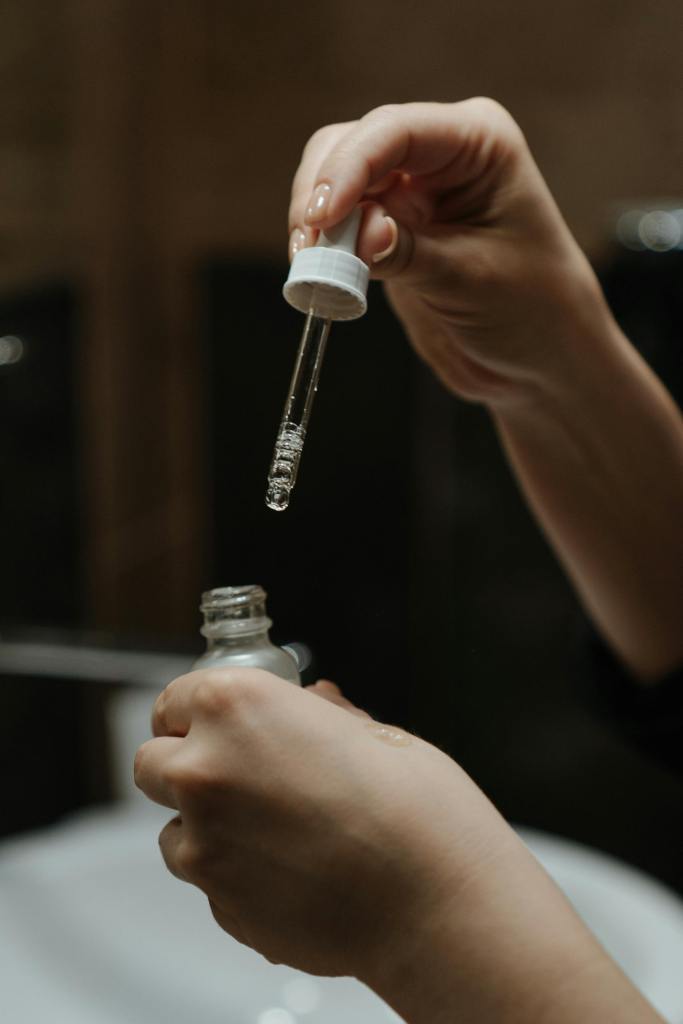
🧴 Skin Care Ingredients: The Good, The Bad, and The Ugly

If you’ve ever stared at a skincare label and felt like you needed a chemistry degree, welcome to the club. From “good-for-you” botanicals to sneaky irritants lurking in the fine print, skin care ingredients can be a wild ride. As a wound and ostomy care nurse in my 40s with a passion for skin, gut health, and all things wellness, I’m here to decode the ingredient list so you can pick products that actually work—and avoid the ones that might sabotage your skin (and your gut!). Let’s dive in—with a splash of humor and a whole lot of nurse-approved wisdom. 🩺✨


✅ The Good: Ingredients Your Skin and Gut Will Love

🥑 Hyaluronic Acid

This is hydration’s BFF. It holds up to 1000x its weight in water and keeps your skin plump and dewy without clogging pores. Bonus: supports wound healing!

🌿 Niacinamide (Vitamin B3)

A multitasking superstar that calms redness, fights wrinkles, and balances oil production. Also great for barrier repair and gut inflammation.

🥥 Ceramides

Think of these as the bricks that build your skin’s protective wall. They lock in moisture and keep out irritants.

🍵 Green Tea Extract

Antioxidants galore. Helps calm skin inflammation and fight free radicals (hello, environmental stressors!).

💧 Glycerin

A gentle humectant that pulls moisture into the skin. Perfect for sensitive skin and those with dry patches.


⚠️ The Bad: Ingredients to Approach with Caution

🔥 Alcohol Denat (Denatured Alcohol)

Sure, it feels light and absorbs fast, but it can strip your skin’s natural oils and damage the skin barrier—leading to dryness, irritation, and yes, more wrinkles.

💨 Fragrances & Parfum

Smells good? Maybe. But they’re common irritants and can mess with sensitive or gut-prone skin.

⚗️ Synthetic Dyes

Mostly for looks, but can trigger allergic reactions or sensitivity—especially if you have eczema or rosacea.


🤢 The Ugly: Ingredients You Should Avoid Like the Plague

🧪 Oxybenzone

A chemical sunscreen ingredient that’s linked to hormone disruption and environmental damage. Stay away, especially if you’re gut sensitive.

🧴 Sulfates (SLS, SLES)

They make that satisfying foam but strip your skin and hair of natural oils, disrupting your moisture barrier and causing irritation.

🕸️ Parabens

Preservatives linked to hormone interference. Many brands are moving away from them, but always check your labels.


🧠 Gut & Skin Connection: Why Ingredients Matter Beyond Your Face

Your skin is your body’s largest organ, but your gut plays a starring role too. When harmful ingredients trigger inflammation, they don’t just irritate your skin—they can upset your gut microbiome, leading to flare-ups, digestive issues, and slow wound healing.

So, when you choose products packed with gut-friendly ingredients (think anti-inflammatories, antioxidants, and barrier supporters), you’re caring for your whole self.


💡 Nurse Tips for Picking Skin Care Products That Work

  • Patch test new products before full use
  • Start simple: fewer ingredients, fewer risks
  • Choose fragrance-free or naturally scented formulas
  • Avoid harsh exfoliants if your skin is sensitive or gut is flared
  • Listen to your skin—if it stings or itches, stop using it!

⚠️ Disclaimer (Because I’m a Nurse, Not Your Nurse 😉)

This blog is for general education and entertainment purposes only. Always consult with your doctor, dermatologist, dietitian, or wound/ostomy care nurse—especially if you have allergies or skin conditions.


✨ The Takeaway:

Skin care ingredients are like a diet for your skin—choose the wholesome, nourishing foods and skip the junk. Your skin and gut will thank you with fewer wrinkles, less redness, and a glow that’s truly from the inside out. 🌟
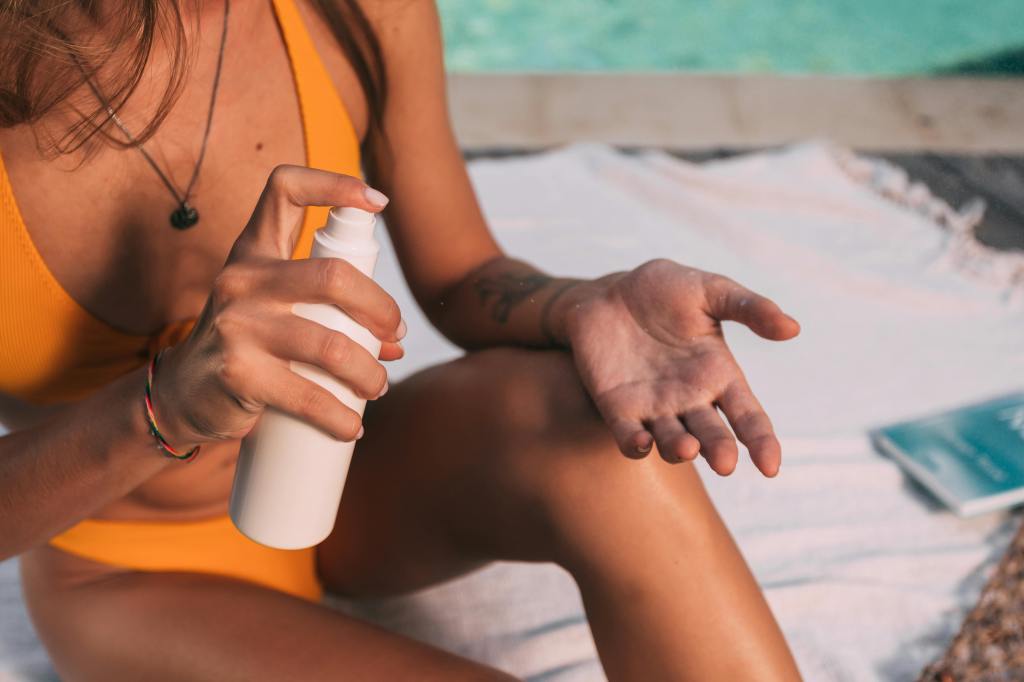
☀️ Sunscreens That Don’t Suck: Nurse-Approved Picks for Real Life

Because your skin deserves more than just a “nice smell” and a sticky feeling.

Let’s be real: sunscreen is non-negotiable if you want to keep wrinkles, dark spots, and skin cancer at bay. But finding a sunscreen that feels good, works well, and doesn’t make you look like a greasy ghost? That’s the real challenge.

As a wound and ostomy nurse in my 40s who’s obsessed with skin, gut health, and all things wellness, I’m here to cut through the sunscreen marketing noise and give you the no-BS lowdown. 💉✨


🧴 What Makes a Sunscreen Actually Good?

First, a quick refresher on the science because I geek out over this stuff:

  • Broad Spectrum: Protects against UVA (aging rays) and UVB (burning rays)
  • SPF 30 or Higher: Blocks ~97% of UVB rays (yes, 30 is the minimum, not 100)
  • Water Resistant: Because sweating, swimming, and life happen
  • Non-comedogenic: Won’t clog pores or cause breakouts
  • Safe Ingredients: Preferably mineral-based (zinc oxide, titanium dioxide) for sensitive or acne-prone skin

😩 Why So Many Sunscreens Suck

  • Too greasy or heavy → makes you shiny not glowy
  • White cast → hello, ghost face!
  • Chemical filters that irritate sensitive or gut-prone skin
  • Smells like a sunscreen factory (who signed off on that?)
  • Breakouts or dryness after use

🏆 Nurse-Approved Sunscreens That Actually Work (And Don’t Suck)

I’ve tested these gems on my own skin, in my nurse life, and with patients who have all skin types and conditions—including sensitive, acne-prone, and mature skin.

1. EltaMD UV Clear Broad-Spectrum SPF 46

  • Lightweight, non-greasy, and calming (hello, niacinamide!)
  • Great for acne-prone and rosacea skin
  • Zinc oxide mineral filter + chemical UV protection

2. CeraVe Hydrating Mineral Sunscreen SPF 30

  • Hydrating and barrier-friendly with ceramides
  • No white cast and perfect for dry or sensitive skin
  • Mineral-based, fragrance-free

3. La Roche-Posay Anthelios Melt-in Milk SPF 100

  • Super high protection for intense sun days
  • Lightweight and absorbs quickly
  • Great for all skin types, especially those with a history of skin cancer or photosensitivity

4. Blue Lizard Australian Sunscreen Sensitive SPF 30+

  • 100% mineral-based (zinc oxide + titanium dioxide)
  • Fragrance and paraben-free
  • Excellent for sensitive and eczema-prone skin

🔍 What To Look For When Buying Sunscreen IRL

  • Read labels for broad spectrum and SPF number
  • Test a small patch to check for irritation or breakouts
  • Consider your skin type and needs—dry? Oily? Sensitive?
  • Check for water resistance if you’re active or swimming
  • Avoid sunscreens with oxybenzone and octinoxate (potential irritants and reef-harming chemicals)

💡 Bonus Tips for Ultimate Sun Protection

  • Reapply every 2 hours (yes, every 2 hours!)
  • Use a hat and sunglasses for extra defense
  • Seek shade between 10 am and 4 pm
  • Wear UPF clothing if you’re outside a lot
  • Don’t forget your lips—apply lip balm with SPF too! 💄

🧠 Nurse’s Note on Gut & Skin Connection

Sunscreen isn’t just about slapping on chemicals—it’s part of your overall skin and gut health strategy. Chronic sun damage leads to inflammation, which affects your skin barrier and can worsen gut-skin conditions like eczema and acne. Keep your gut happy with good nutrition, hydration, and stress management for the best skin defense.


⚠️ Disclaimer (Because I’m a Nurse, Not Your Nurse 😉)

This blog is for general education and entertainment purposes only. Always consult with your doctor, dermatologist, dietitian, or wound/ostomy care nurse—especially if you have skin conditions or allergies.


✨ Final Thought:

Sunscreen doesn’t have to suck. With the right choices and a little nurse wisdom, you can protect your skin without compromise. Your future self (and your skin) will thank you. 🌞💖