
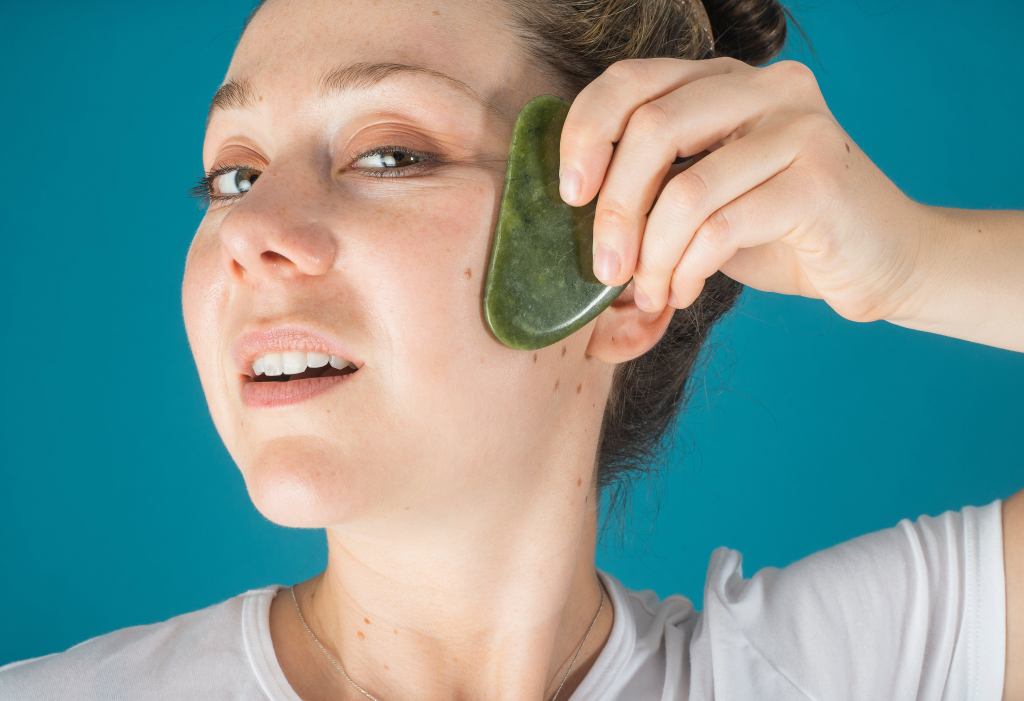
💎 Luxury Skincare: Splurge or Save? A Nurse’s Honest Take 💸

Let’s talk about that $300 face cream calling your name at Sephora, or that serum with gold flakes that promises to reverse time. Are luxury skincare products really worth the splurge? Or are we all just rubbing overpriced hope into our pores?

As an ostomy and wound care nurse in my 40s—and a total skincare nerd—I’ve tested my fair share of products (and peeked at a lot of ingredient lists). I’m here to break it down with a dose of science, sass, and skin-gut wisdom. 🧴🧠✨


💰 Splurge-Worthy or Skin Scam?

Let’s get this out of the way: expensive doesn’t always mean better. But cheap doesn’t always mean effective either. So where’s the line?

✅ When to SPLURGE:

These items can be worth the extra dollars if:

🔬 They have clinically backed ingredients.
Look for proven powerhouses like retinol, peptides, niacinamide, and vitamin C—especially when in stable, high-quality formulations.

🧪 They offer advanced delivery systems.
If a luxury serum has encapsulated ingredients that penetrate deeper and work longer, it may be worth it (especially for aging or damaged skin).

💆 Texture and sensory experience matter.
If your $90 night cream makes you want to stick to your routine because it feels heavenly, that’s self-care magic I can get behind.

👃 They’re free from irritants and full of nourishing extras.
Sensitive skin? You’ll often find luxury lines invest in calming ingredients like ceramides, centella asiatica, or probiotic ferments.


🧴 When to SAVE:

A nurse’s budget (and practicality) says there are times to absolutely keep your coins:

🧼 Cleansers.
It’s on your face for 60 seconds. Drugstore options with gentle surfactants do just fine (I see you, CeraVe and Vanicream).

💧 Hydrators.
Want to trap water in your skin? Look for glycerin, hyaluronic acid, or squalane—you can find all of these in affordable formulas.

☀️ Sunscreens.
SPF is non-negotiable, but you don’t need a $70 bottle. Some of my favorites are under $20, with great feel, broad spectrum protection, and no white cast.


🧠 Let’s Talk Gut-Skin Realness

Now here’s where the nurse in me can’t help but chime in: a $200 moisturizer won’t do much if your gut health is a dumpster fire. 💩🔥

When your digestive system isn’t happy, you can see it on your face—breakouts, dullness, sensitivity, inflammation. If your skin looks “off,” don’t just shop for serums—check your poop, water intake, fiber, stress, and sleep. Yes, even the fanciest cream can’t fix leaky gut syndrome or chronic constipation. 😉

Want glow? Pair your skincare with:

  • 🌱 Probiotics & prebiotics (yes to fermented foods!)
  • 🥦 Antioxidant-rich veggies
  • 💧 2-3L of water/day
  • 💤 Actual sleep (not just melatonin dreams)

🩺 A Nurse’s Honest Bottom Line

Splurge strategically. Don’t fall for fancy packaging alone. Invest where it counts—actives, treatments, and products that truly enhance your routine or solve a problem.

Save smartly. Skincare isn’t a status symbol. You can have radiant, resilient skin with the right drugstore products and a solid gut game.

Care from the inside out. Skin health is a full-body conversation—and that includes your intestines, hydration, stress, and even your poop schedule. (Nurse mic drop 🎤💩)


💬 Let’s Chat

Have a product you’ve been eyeing but unsure if it’s worth it? Drop it in the comments and I’ll give you the no-fluff nurse verdict! 👇


⚠️ Disclaimer (Because I’m a Nurse, Not Your Nurse 😉)

This blog is for general education and entertainment purposes only. Always consult with your dermatologist, primary care doc, or wound/ostomy care specialist for personalized advice—especially if you have specific conditions, allergies, or medical devices like an ostomy. What works for one skin type might irritate another—so go slow, patch test, and listen to your body.

IPL Laser Treatments: Glow Up or No Go? What Your Nurse Says 💥🌞

So, you’ve seen those glowy Instagram posts where someone’s skin looks like it was airbrushed by angels—and then the caption reads: “Just had IPL! 💡✨ #nofilterneeded”. But before you go zapping your face with light pulses in the name of flawless skin, let’s talk facts… nurse-style. 😎

⚡ What Is IPL, Anyway?

Intense Pulsed Light (IPL) therapy is like your skin’s little photo-editing tool—but in real life. It uses broad-spectrum light to target things like:

  • Sunspots 🌞
  • Redness and rosacea 🥵
  • Broken capillaries 🔴
  • Acne scars and pigmentation 🧖‍♀️

It’s not a laser, exactly, but it works similarly—by heating up your skin and breaking down unwanted pigment or tiny blood vessels. That process triggers healing and collagen production. Translation: ✨glow-up potential✨.


😅 My Nurse Confession: I’ve Had IPL—And Here’s the Truth

As a nurse (and your 40-something skin-obsessed friend), I’ve had a few IPL sessions. Did it help? Yes. But it’s not magic. And it’s definitely not for every skin type—or lifestyle.

You can’t:

  • Be sun-kissed 🌞 (hello, hyperpigmentation risk!)
  • Forget sunscreen 🙅‍♀️
  • Expect overnight miracles

You can:

  • Notice reduced redness and dark spots
  • Boost your confidence over time
  • See real improvement with consistency

But don’t let anyone sell it to you like a one-and-done miracle. Your skin will peel, feel sensitive, and if you ignore the aftercare—especially avoiding the sun—things can get worse before they get better. Been there. Learned that. 🙃


🌱 But What About the Gut-Skin Connection?

Glad you asked! Skin inflammation is rarely just a surface issue. Your gut and skin are besties with benefits—and if your digestion’s out of whack (hello, bloating, poop issues, processed foods 🙄), your skin may rebel too.

IPL might zap away surface damage, but if your gut is inflamed from:

  • Sugar bombs 🍬
  • Too much dairy 🧀
  • Alcohol or processed food 🍷🍟
    …it’s like patching drywall while the roof still leaks. 💧

I recommend combining IPL with:

  • A gut-friendly, anti-inflammatory diet 🥗
  • Hydration 💧
  • Probiotics (internally, not necessarily on your face)
  • Omega-3s 🐟
  • Regular movement 🚶‍♀️

☀️ Pro Tip from Your Wound Care Nurse

Your skin is an organ. And just like wounds need the right vitamins to heal (hello, Vitamin C, Zinc, and protein 💪), your post-IPL skin needs:

  • Barrier repair: think ceramides and peptides 🧴
  • Sunscreen (ALWAYS!) 🧢
  • Gentle cleansing and hydration
  • TIME—healing doesn’t happen in a day

✅ Glow Up or No Go?

If you:

  • Struggle with rosacea, age spots, or mild acne scarring
  • Can commit to sun protection
  • Are willing to address your internal health too…

🟢 Glow up approved!

But if you:

  • Just came back from a beach vacay 🏖
  • Can’t part with tanning beds (why are we still doing this? 😅)
  • Aren’t ready for lifestyle tweaks…

🔴 Might wanna wait.


⚠️ Disclaimer (Because I’m a Nurse, Not Your Nurse 😉)

This blog is for general education and entertainment purposes only. Always consult with your doctor, dermatologist, dietitian, or wound/ostomy care specialist—especially if you have specific conditions or allergies.

Skincare Myths That Make Me Cringe (As a Wound Nurse)

Spoiler alert: Coconut oil is not a cure-all.


Let me start by saying—bless everyone trying their best to take care of their skin. Truly. But as a wound and ostomy nurse with 22 years of clinical experience (and a slight addiction to skincare aisles), I’ve heard some myths that make me want to scream into a collagen peptide smoothie.

So today, I’m busting open the bandages and spilling the tea (green, of course) on the skincare myths that make my medically-trained eye twitch.


🔥 Myth #1: “If it burns, it means it’s working.”

As a wound nurse? HARD NO.
Pain is your body’s way of telling you something is wrong—not that your product is super effective. If your skincare burns, it might be doing more harm than good. Red, irritated skin = barrier damage, not #glowgoals.

💡 Nurse Tip: A healthy skin barrier = less inflammation, better healing, and fewer surprise breakouts.


🥥 Myth #2: “Coconut oil fixes everything.”

Yes, it smells like a tropical vacation. No, it should not be your go-to for every skin issue—especially on the face or wounds. Coconut oil is comedogenic, meaning it can clog pores and trap bacteria. Not ideal for healing, acne, or sensitive skin.

I wouldn’t put it on a wound. I’m not putting it on my pores either.


💧 Myth #3: “I don’t need moisturizer if I have oily skin.”

Wrong. Dead wrong.
Your skin might be overproducing oil because it’s dehydrated. Skipping moisturizer can make oiliness worse. Think of moisturizer as hydration, not grease.

💦 Even wounds need the right moisture balance to heal. Your skin’s the same.


🚿 Myth #4: “Hot water opens your pores.”

As someone who spends their days managing skin integrity, let me say this clearly: Pores don’t have doors.
Hot water can irritate and strip your skin, leading to dryness and redness—especially in your 40s when our skin’s natural oils need all the support they can get.

Warm water = kind. Scalding showers = a crime against your collagen.


☀️ Myth #5: “You don’t need sunscreen if it’s cloudy or you’re inside.”

As a nurse who’s seen skin tears, burns, and age-related fragility up close—sun protection is non-negotiable.
UVA rays (aka aging rays) penetrate clouds and glass. Every. Single. Day.

Wearing SPF indoors is like washing your hands after using gloves. You’re covering all your bases.


🧴 Myth #6: “Natural = better.”

Arsenic is natural. So is poison ivy.
Not all “chemical” ingredients are bad, and not all “natural” ones are safe. Let science and your skin’s needs guide you—not fear-based marketing.

As a wound nurse, I trust evidence-based products. Your skin deserves the same.


💊 Myth #7: “You can heal your skin without thinking about your gut.”

Okay, now I’m yelling.
The gut-skin connection is real. Inflammation, nutrient absorption, microbiome imbalance—all of it affects your skin’s health and healing power.

You want clear, calm skin? Start with what you put in your mouth, not just on your face.


👩‍⚕️ Real Talk from a Nurse in Her 40s:

I’ve cleaned wounds on frail skin, helped ostomy patients protect delicate peristomal tissue, and counseled people through rashes, reactions, and breakdowns (emotional and epidermal). Trust me—your skin is smart. Respect its signals, support its barrier, and don’t fall for viral fads.

Also—please stop putting toothpaste on pimples.


✨ Final Thought:

You don’t need 12 steps or snake oil. What you need is science, consistency, and a little nursing wisdom. Skincare is health care—and when you know better, you glow better.