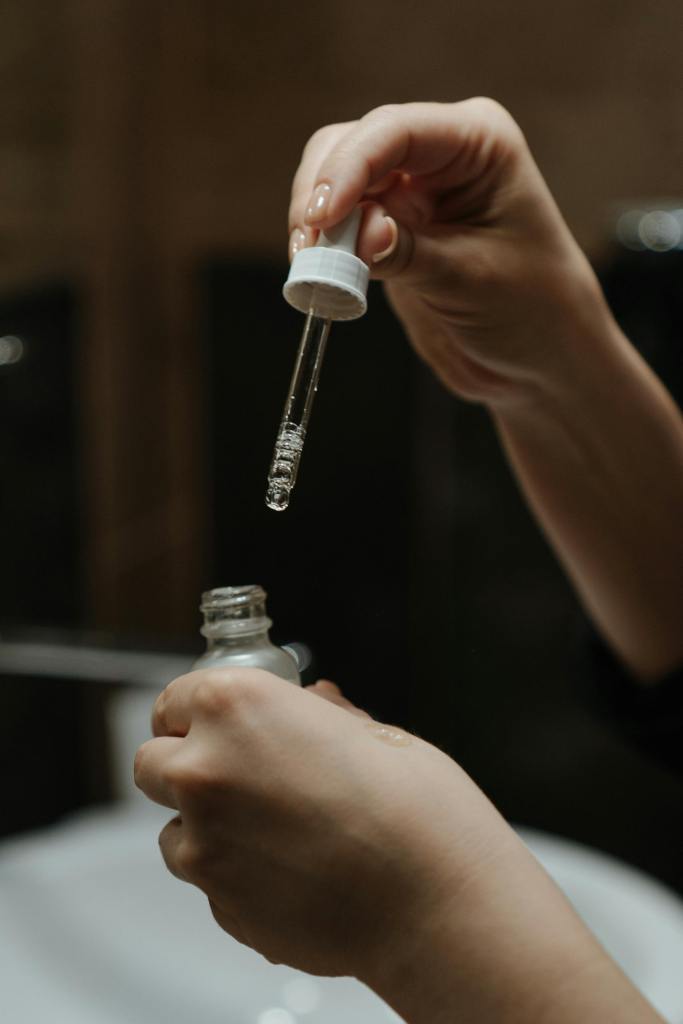
🧴 Skin Care Ingredients: The Good, The Bad, and The Ugly

If you’ve ever stared at a skincare label and felt like you needed a chemistry degree, welcome to the club. From “good-for-you” botanicals to sneaky irritants lurking in the fine print, skin care ingredients can be a wild ride. As a wound and ostomy care nurse in my 40s with a passion for skin, gut health, and all things wellness, I’m here to decode the ingredient list so you can pick products that actually work—and avoid the ones that might sabotage your skin (and your gut!). Let’s dive in—with a splash of humor and a whole lot of nurse-approved wisdom. 🩺✨


✅ The Good: Ingredients Your Skin and Gut Will Love

🥑 Hyaluronic Acid

This is hydration’s BFF. It holds up to 1000x its weight in water and keeps your skin plump and dewy without clogging pores. Bonus: supports wound healing!

🌿 Niacinamide (Vitamin B3)

A multitasking superstar that calms redness, fights wrinkles, and balances oil production. Also great for barrier repair and gut inflammation.

🥥 Ceramides

Think of these as the bricks that build your skin’s protective wall. They lock in moisture and keep out irritants.

🍵 Green Tea Extract

Antioxidants galore. Helps calm skin inflammation and fight free radicals (hello, environmental stressors!).

💧 Glycerin

A gentle humectant that pulls moisture into the skin. Perfect for sensitive skin and those with dry patches.


⚠️ The Bad: Ingredients to Approach with Caution

🔥 Alcohol Denat (Denatured Alcohol)

Sure, it feels light and absorbs fast, but it can strip your skin’s natural oils and damage the skin barrier—leading to dryness, irritation, and yes, more wrinkles.

💨 Fragrances & Parfum

Smells good? Maybe. But they’re common irritants and can mess with sensitive or gut-prone skin.

⚗️ Synthetic Dyes

Mostly for looks, but can trigger allergic reactions or sensitivity—especially if you have eczema or rosacea.


🤢 The Ugly: Ingredients You Should Avoid Like the Plague

🧪 Oxybenzone

A chemical sunscreen ingredient that’s linked to hormone disruption and environmental damage. Stay away, especially if you’re gut sensitive.

🧴 Sulfates (SLS, SLES)

They make that satisfying foam but strip your skin and hair of natural oils, disrupting your moisture barrier and causing irritation.

🕸️ Parabens

Preservatives linked to hormone interference. Many brands are moving away from them, but always check your labels.


🧠 Gut & Skin Connection: Why Ingredients Matter Beyond Your Face

Your skin is your body’s largest organ, but your gut plays a starring role too. When harmful ingredients trigger inflammation, they don’t just irritate your skin—they can upset your gut microbiome, leading to flare-ups, digestive issues, and slow wound healing.

So, when you choose products packed with gut-friendly ingredients (think anti-inflammatories, antioxidants, and barrier supporters), you’re caring for your whole self.


💡 Nurse Tips for Picking Skin Care Products That Work

  • Patch test new products before full use
  • Start simple: fewer ingredients, fewer risks
  • Choose fragrance-free or naturally scented formulas
  • Avoid harsh exfoliants if your skin is sensitive or gut is flared
  • Listen to your skin—if it stings or itches, stop using it!

⚠️ Disclaimer (Because I’m a Nurse, Not Your Nurse 😉)

This blog is for general education and entertainment purposes only. Always consult with your doctor, dermatologist, dietitian, or wound/ostomy care nurse—especially if you have allergies or skin conditions.


✨ The Takeaway:

Skin care ingredients are like a diet for your skin—choose the wholesome, nourishing foods and skip the junk. Your skin and gut will thank you with fewer wrinkles, less redness, and a glow that’s truly from the inside out. 🌟

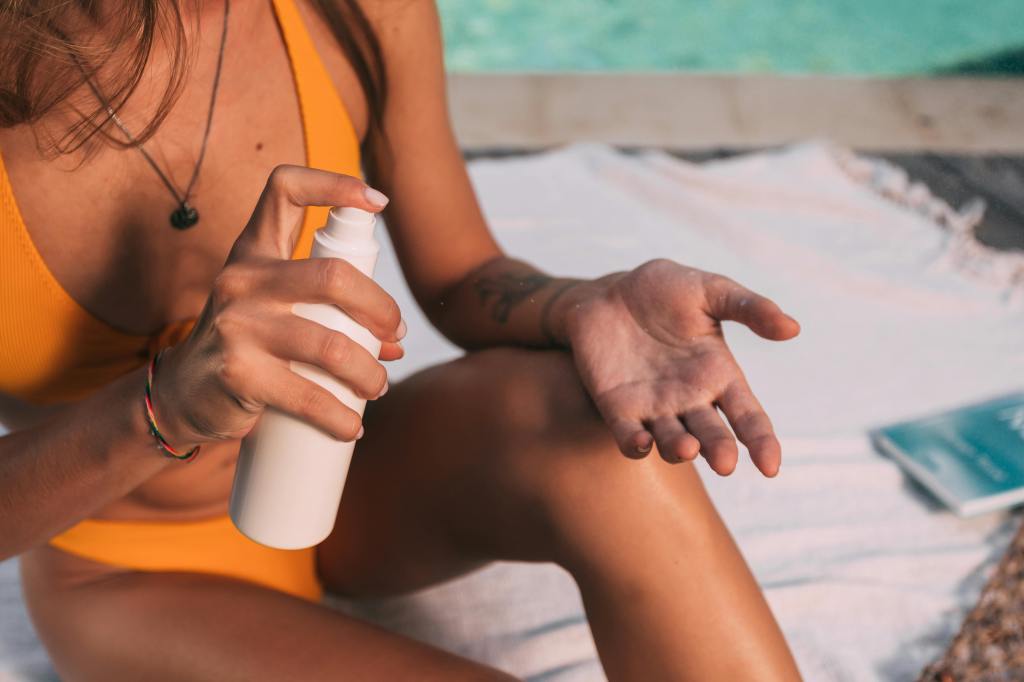
🕵️‍♀️ Wrinkle Prevention Secrets: More Than Just Creams and Botox

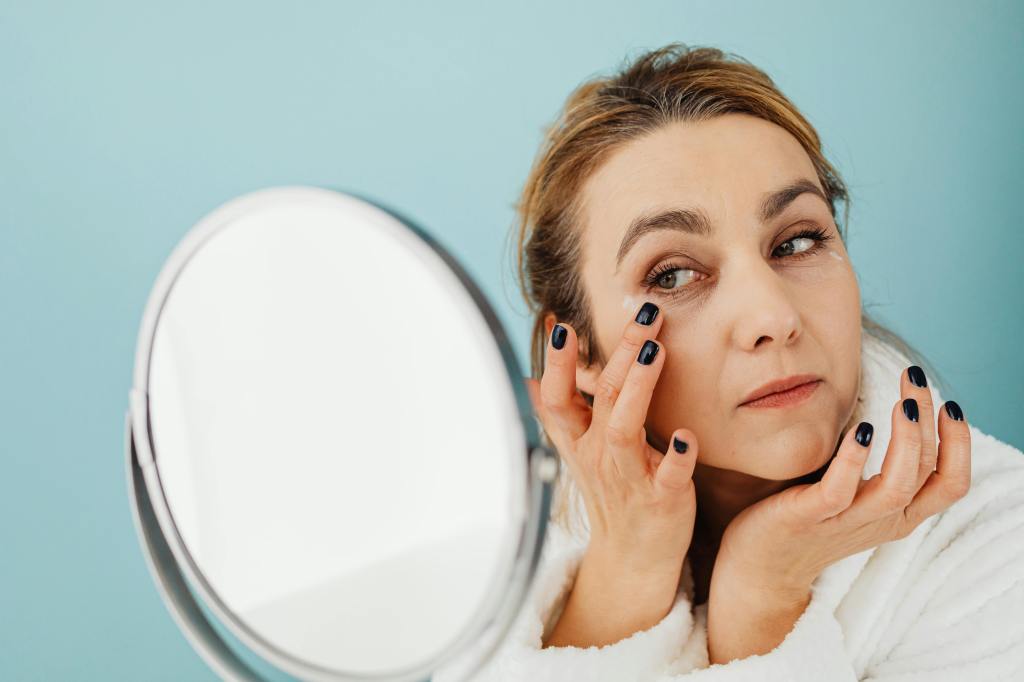
Let’s get real: no one wants their face to look like a well-used map before its time. But preventing wrinkles isn’t just about slathering on expensive creams or booking Botox appointments (although those can help!). As a wound and ostomy care nurse in my 40s who’s obsessed with skin, gut health, and overall wellness, I’m here to spill the tea ☕ on real wrinkle prevention. Spoiler alert: it’s a whole-body game.


🧴 Why Wrinkles Happen (And Why It’s Not Just About Age)

Wrinkles come from a mix of genetics, sun exposure, lifestyle choices, and—believe it or not—your gut health. Yep, that’s right. Chronic inflammation and poor gut function can sabotage collagen production and accelerate skin aging. Plus, stress? It’s a wrinkle factory. 😱


💡 Nurse-Approved Wrinkle Prevention Tips That Actually Work

1. Sun Protection Is Your #1 Anti-Aging Weapon

You cannot out-cream sun damage. Broad spectrum sunscreen (SPF 30+) daily, even on cloudy days, is non-negotiable. Hats, sunglasses, and seeking shade are your friends. Think of it as wrinkle prevention insurance! ☂️

2. Feed Your Skin (And Gut) From the Inside Out

Your skin cells need nutrients, and your gut has to absorb them! Eat plenty of antioxidants (berries, leafy greens), omega-3 fatty acids (salmon, walnuts), and collagen-boosting foods (bone broth, vitamin C-rich fruits). Avoid processed junk that inflames your gut—and your face. 🍓🥦🐟

3. Hydrate, But Don’t Rely on Water Alone

Water is essential, but skin hydration depends on your skin barrier too. Use moisturizers with ceramides and hyaluronic acid, and support gut health to optimize hydration system-wide. 💧

4. Manage Stress Like a Pro

Chronic stress increases cortisol, which breaks down collagen and elastin. Try meditation, yoga, or even just deep breathing. Your skin and gut will thank you. 🧘‍♀️

5. Get Moving

Exercise boosts circulation, delivering oxygen and nutrients to your skin cells while reducing inflammation. Plus, it helps regulate digestion—another win for wrinkle prevention. 🏃‍♀️

6. Sleep Like Your Skin Depends On It (Because It Does)

Growth hormone released during deep sleep helps repair and regenerate skin. Aim for 7–9 hours of quality sleep nightly. Bonus: less under-eye puffiness! 😴

7. Be Gentle With Your Skin

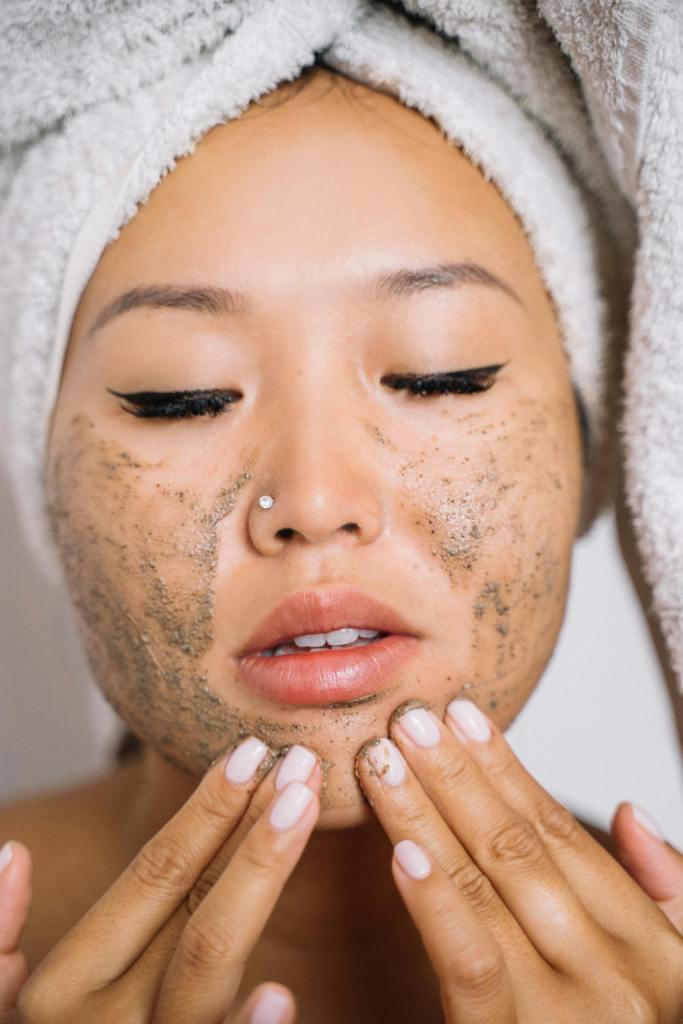
Avoid harsh scrubs or overwashing, which strip natural oils and weaken the barrier. Use gentle cleansers, and never skip sunscreen.


🔬 The Gut-Skin Connection: Your Secret Weapon

Chronic gut inflammation leads to systemic inflammation, which accelerates skin aging and wrinkles. Probiotics, prebiotics, and a fiber-rich diet help maintain a healthy gut microbiome—supporting youthful skin from the inside out.


⚠️ Disclaimer (Because I’m a Nurse, Not Your Nurse 😉)

This blog is for general education and entertainment purposes only. Always consult your doctor, dietitian, dermatologist, or wound/ostomy care nurse before making major lifestyle changes or starting new treatments.


✨ Final Thoughts:

Wrinkle prevention is a whole-body, lifestyle endeavor. It’s about nourishing your gut, protecting your skin, managing stress, and honoring your body’s natural rhythms. When you treat your skin like the living organ it is, your glow will last far beyond any cream’s shelf life.

Here’s to aging gracefully and glowing fiercely! 🌟💪

☀️ Sunscreens That Don’t Suck: Nurse-Approved Picks for Real Life

Because your skin deserves more than just a “nice smell” and a sticky feeling.

Let’s be real: sunscreen is non-negotiable if you want to keep wrinkles, dark spots, and skin cancer at bay. But finding a sunscreen that feels good, works well, and doesn’t make you look like a greasy ghost? That’s the real challenge.

As a wound and ostomy nurse in my 40s who’s obsessed with skin, gut health, and all things wellness, I’m here to cut through the sunscreen marketing noise and give you the no-BS lowdown. 💉✨


🧴 What Makes a Sunscreen Actually Good?

First, a quick refresher on the science because I geek out over this stuff:

  • Broad Spectrum: Protects against UVA (aging rays) and UVB (burning rays)
  • SPF 30 or Higher: Blocks ~97% of UVB rays (yes, 30 is the minimum, not 100)
  • Water Resistant: Because sweating, swimming, and life happen
  • Non-comedogenic: Won’t clog pores or cause breakouts
  • Safe Ingredients: Preferably mineral-based (zinc oxide, titanium dioxide) for sensitive or acne-prone skin

😩 Why So Many Sunscreens Suck

  • Too greasy or heavy → makes you shiny not glowy
  • White cast → hello, ghost face!
  • Chemical filters that irritate sensitive or gut-prone skin
  • Smells like a sunscreen factory (who signed off on that?)
  • Breakouts or dryness after use

🏆 Nurse-Approved Sunscreens That Actually Work (And Don’t Suck)

I’ve tested these gems on my own skin, in my nurse life, and with patients who have all skin types and conditions—including sensitive, acne-prone, and mature skin.

1. EltaMD UV Clear Broad-Spectrum SPF 46

  • Lightweight, non-greasy, and calming (hello, niacinamide!)
  • Great for acne-prone and rosacea skin
  • Zinc oxide mineral filter + chemical UV protection

2. CeraVe Hydrating Mineral Sunscreen SPF 30

  • Hydrating and barrier-friendly with ceramides
  • No white cast and perfect for dry or sensitive skin
  • Mineral-based, fragrance-free

3. La Roche-Posay Anthelios Melt-in Milk SPF 100

  • Super high protection for intense sun days
  • Lightweight and absorbs quickly
  • Great for all skin types, especially those with a history of skin cancer or photosensitivity

4. Blue Lizard Australian Sunscreen Sensitive SPF 30+

  • 100% mineral-based (zinc oxide + titanium dioxide)
  • Fragrance and paraben-free
  • Excellent for sensitive and eczema-prone skin

🔍 What To Look For When Buying Sunscreen IRL

  • Read labels for broad spectrum and SPF number
  • Test a small patch to check for irritation or breakouts
  • Consider your skin type and needs—dry? Oily? Sensitive?
  • Check for water resistance if you’re active or swimming
  • Avoid sunscreens with oxybenzone and octinoxate (potential irritants and reef-harming chemicals)

💡 Bonus Tips for Ultimate Sun Protection

  • Reapply every 2 hours (yes, every 2 hours!)
  • Use a hat and sunglasses for extra defense
  • Seek shade between 10 am and 4 pm
  • Wear UPF clothing if you’re outside a lot
  • Don’t forget your lips—apply lip balm with SPF too! 💄

🧠 Nurse’s Note on Gut & Skin Connection

Sunscreen isn’t just about slapping on chemicals—it’s part of your overall skin and gut health strategy. Chronic sun damage leads to inflammation, which affects your skin barrier and can worsen gut-skin conditions like eczema and acne. Keep your gut happy with good nutrition, hydration, and stress management for the best skin defense.


⚠️ Disclaimer (Because I’m a Nurse, Not Your Nurse 😉)

This blog is for general education and entertainment purposes only. Always consult with your doctor, dermatologist, dietitian, or wound/ostomy care nurse—especially if you have skin conditions or allergies.


✨ Final Thought:

Sunscreen doesn’t have to suck. With the right choices and a little nurse wisdom, you can protect your skin without compromise. Your future self (and your skin) will thank you. 🌞💖


DIY Face Masks: Beauty Hack or Skin Disaster? Nurse Weighs In

🥑🧪 Slathering kitchen leftovers on your face might sound fun… but should you?

Let’s talk about the Pinterest rabbit hole of DIY face masks. If you’ve ever thought, “Maybe if I smear honey, turmeric, and Greek yogurt on my face, I’ll glow like J.Lo,” you’re not alone. As a wound and ostomy nurse who lives for gut health, glowing skin, and a good poop chat—I get the urge to keep it “natural.” But here’s the deal:

Not everything in your fridge belongs on your face.
(And yes, that includes oatmeal… sometimes. Let’s break it down.)


🍯 The Appeal of DIY Masks: Natural, Cheap, Fun

  • No weird chemicals
  • You know exactly what’s in it
  • Kitchen spa day = self-care
  • Instagram loves a mask selfie

But… are they safe? Are they effective? Or are you unknowingly destroying your skin barrier while trying to “detox”?

Let’s nurse this topic into clarity, shall we?


⚠️ When DIY Becomes D-I-Why-Did-I-Do-That?

Here’s where I see kitchen chaos turn into skin trouble:

🍋 1. Lemon Juice

✖️ Too acidic → disrupts pH
✖️ Can cause chemical burns
✖️ Increases sun sensitivity (hello, hyperpigmentation)

🥣 2. Baking Soda

✖️ High pH → strips your natural oils
✖️ Leaves skin raw, dry, and vulnerable
✖️ Especially risky for sensitive or mature skin

🧂 3. Sugar or Salt Scrubs

✖️ Feels satisfying, but those grains are too harsh
✖️ Can create microtears in your skin
✖️ Inflames acne-prone or aging skin


✅ Nurse-Approved DIY Ingredients (If You Must)

If you’re going the homemade route, here are some gentle heroes:

Honey (raw & local is best)

  • Antibacterial & hydrating
  • Good for acne-prone, dry, or inflamed skin

Plain Greek Yogurt

  • Lactic acid = gentle exfoliation
  • Contains probiotics = barrier-friendly

Oatmeal (finely ground)

  • Soothes itchy, inflamed skin
  • Ideal for eczema or sensitive skin

Aloe Vera (from the plant, not the green gel full of alcohol)

  • Calms redness and hydrates
  • Great for post-sun or irritation

Pro Tip: Always patch test your DIY concoctions before going full-face. Even “natural” things can trigger reactions—especially if your skin barrier is already stressed.


🧠 Nurse Perspective: Why Gut Health Still Matters

Let me be real: no mask in the world (DIY or $300 luxury) will fix…

  • Poor digestion
  • Chronic stress
  • Dehydration
  • Constipation
  • Nutrient deficiencies

If your skin’s acting up, don’t just reach for the avocado—ask your gut what’s going on.

💩 Are you pooping daily?
🥬 Are you eating enough fiber, good fats, and protein?
💧 Are you hydrated or just caffeinated?
🧘‍♀️ Stressed and inflamed or chill and glowing?

Fix your insides, and your outsides will follow. Skin is a mirror—not a mask.


🧴 Safer Alternatives to DIY Mayhem

  • Clay masks (like kaolin or bentonite)—great for oily skin
  • Sheet masks with ceramides or hyaluronic acid
  • Gentle exfoliating masks with lactic acid or enzymes (NOT scrubs!)
  • Hydrating masks with aloe, panthenol, or niacinamide

Pro tip from your friendly wound nurse: Healing takes TIME. Don’t sabotage your skin trying to rush the glow.


🧼 My Go-To Glow Routine:

  1. Gentle cleanser
  2. Hydrating toner or mist
  3. Barrier-repair serum (niacinamide or peptides)
  4. Moisturizer
  5. SPF every morning—no excuses

Bonus: Eat gut-friendly, poop daily, and manage stress. (Your skin will thank you.)


⚠️ Disclaimer (Because I’m a Nurse, Not Your Nurse 😉)

This blog is for general education and entertainment purposes only. Always consult with your doctor, dermatologist, dietitian, or wound/ostomy care nurse before starting new skin routines—especially if you have conditions, allergies, or active acne.


✨ TL;DR – The Nurse’s Verdict:

  • DIY masks can be fun—but not all are skin-safe
  • Avoid lemon, baking soda, scrubs
  • Use honey, yogurt, oats with caution
  • Focus on gut health and consistent care
  • Stop blaming your face—start listening to your body

Want more skin-safe, gut-loving skincare advice from someone who’s seen it all (and isn’t afraid to talk about poop)? Subscribe or drop a comment—I’d love to nerd out with you. 💩💖


🦠 Probiotics for Your Face? The Gut-Skin Connection You Need to Know

If someone told you that the secret to glowing, healthy skin might actually start in your gut, you’d probably raise an eyebrow—and maybe your probiotic supplement bottle too. But as a wound and ostomy care nurse in my 40s with a passion for all things skin, gut, and wellness, I’m here to spill the (kefir) tea on why your gut microbiome is one of the biggest players in your skin health game. Spoiler alert: probiotics aren’t just for your gut—they might be a secret weapon for your face too! 🌟


What Are Probiotics, Anyway?

Probiotics are those friendly bacteria that live in your digestive tract helping you digest food, fight off bad bugs, and keep your immune system strong. Think of them as your gut’s personal bodyguards. But here’s the kicker: research now shows that a happy gut microbiome can have a powerful influence on your skin’s health, appearance, and even its ability to heal wounds. Cool, right?


The Gut-Skin Axis: What’s the Connection?

Your gut and skin are like besties who text each other constantly. When your gut is out of balance—maybe because of stress, poor diet, antibiotics, or illness—it can lead to inflammation that shows up as redness, acne, eczema, or even premature wrinkles on your skin. This “gut-skin axis” means what’s happening inside can literally show up on your face. 😳


Can Probiotics Help Your Skin?

Yes! While more research is ongoing, studies suggest that taking probiotics can:

  • Reduce inflammation that contributes to acne and rosacea
  • Improve skin hydration and barrier function
  • Support healing of wounds and irritations (hi, wound care nurse here 👋)
  • Potentially slow down skin aging by modulating immune responses

How To Add Probiotics to Your Skin Care Routine

1. Eat Your Probiotics

Yogurt, kefir, kimchi, sauerkraut, miso, and kombucha are delicious ways to feed your gut-friendly bacteria. Bonus: many are packed with vitamins and antioxidants good for your skin too! 🥒🥛

2. Try Probiotic Skincare Products

Some creams and serums now include probiotics or prebiotics (food for good bacteria) to help balance your skin’s own microbiome. Remember, your skin has bacteria too, and keeping them happy supports skin health and reduces irritation.

3. Consider Supplements

Probiotic supplements can be helpful—especially if you’ve been on antibiotics or dealing with gut issues. Talk with your healthcare provider to find the right strain and dosage.


What To Watch Out For

  • Not all probiotic strains are created equal—some are better for gut health, others for skin.
  • If you have a compromised immune system or certain medical conditions, probiotics might not be for you.
  • Always patch test topical probiotic products to avoid irritation.

Nurse Tips to Maximize Your Gut-Skin Health

  • Pair probiotics with a fiber-rich diet (prebiotics) to feed those good bugs
  • Avoid excessive sugar and processed foods that feed bad bacteria
  • Manage stress with exercise, meditation, or hobbies
  • Stay hydrated for overall skin and gut function

⚠️ Disclaimer (Because I’m a Nurse, Not Your Nurse 😉)

This blog is for general education and entertainment purposes only. Always consult with your doctor, dietitian, dermatologist, or wound/ostomy care specialist before starting new supplements or skincare products, especially if you have health concerns or allergies.


Final Thoughts

Your gut and your skin are in a lifelong conversation—and probiotics might just be the translators that keep the peace. By supporting your gut health, you’re giving your skin a powerful boost toward looking and feeling its best. So cheers to happy guts and glowing faces! 🥂✨

Fractional Laser & Collagen: The Dynamic Duo for a Skin Reboot 🔥✨

Let’s talk about something that’s more exciting than a new serum and packs a bigger punch than that third cup of coffee: fractional laser treatments. Yep—I’m talking about controlled skin damage that leads to beautiful skin healing. As a nurse (and someone who’s been on the laser table myself 🙋‍♀️), let me break it down in real terms with a splash of humor, a dose of science, and a whole lotta skincare love.


💡 What Is Fractional Laser Anyway?

Fractional laser therapy is like giving your skin a controlled “wake-up call.” It uses laser energy to create micro-injuries (aka teeny-tiny damage zones) that kick your skin’s collagen production into overdrive. Think of it as tricking your skin into remodeling itself—fresher, firmer, and smoother.

It’s used to target:

  • Fine lines and wrinkles 👵🏽
  • Acne scars and large pores
  • Uneven texture and tone
  • Sun damage and melasma

And guess what? It works. I’ve been doing it myself and yes, the glow-up is real.


🧬 Collagen: The Skin’s Built-In Filler

Let’s not forget the real MVP here—collagen. This protein is the scaffolding of your skin. But after age 30, collagen production goes downhill faster than a Costco cart on a hill. Fractional lasers help rebuild that scaffold, leading to:

  • Tighter skin
  • Smoother texture
  • Less visible lines and scars

Collagen = confidence, my friends.


🧠 Gut Check: Why Your Inside Health Matters

Here’s where I really get excited. Did you know your gut health plays a major role in how well your skin heals after treatments like fractional laser?

✨ A healthy gut = better nutrient absorption = stronger skin barrier
✨ Good digestion = less inflammation = better post-laser recovery
✨ Balanced microbiome = glowing skin from the inside out

So yes, drink that bone broth, eat your fermented foods, and take those probiotics. Your face will thank you.


🧴 My Post-Laser Tips (Nurse-Tested, Real-Life Approved)

  1. Hydrate like it’s your job 💧 — inside and out.
  2. Skip the gym for a few days. Sweat can irritate healing skin.
  3. Load up on Vitamin C & zinc. These are your wound-healing besties.
  4. Avoid the sun like your ex. SPF is mandatory (no exceptions!).
  5. No picking. No scrubbing. Your skin is doing important work—let it be.

🧪 My Results So Far…

Since starting fractional laser, I’ve noticed:

  • My skin looks smoother, especially on my cheeks and around my mouth.
  • My foundation goes on like a dream (when I bother to wear it).
  • My pores? Shrinking faster than my tolerance for nonsense. 😎

The best part? I feel like I’m working with my body—not just slapping stuff on top and hoping for the best.


⚠️ Disclaimer (Because I’m a Nurse, Not Your Nurse 😉)

This blog is for general education and entertainment purposes only. Always consult with your doctor, dermatologist, or wound/ostomy care specialist—especially if you have specific skin conditions, allergies, or are undergoing treatments.


💬 Final Thoughts

Fractional laser and collagen are a dynamic duo that’s not just hype—it’s science-backed, nurse-approved, and totally empowering. When paired with good gut health and solid aftercare, this treatment can truly transform your skin.✨

Now go forth and glow, friend. 🌟


IPL Laser Treatments: Glow Up or No Go? What Your Nurse Says 💥🌞

So, you’ve seen those glowy Instagram posts where someone’s skin looks like it was airbrushed by angels—and then the caption reads: “Just had IPL! 💡✨ #nofilterneeded”. But before you go zapping your face with light pulses in the name of flawless skin, let’s talk facts… nurse-style. 😎

⚡ What Is IPL, Anyway?

Intense Pulsed Light (IPL) therapy is like your skin’s little photo-editing tool—but in real life. It uses broad-spectrum light to target things like:

  • Sunspots 🌞
  • Redness and rosacea 🥵
  • Broken capillaries 🔴
  • Acne scars and pigmentation 🧖‍♀️

It’s not a laser, exactly, but it works similarly—by heating up your skin and breaking down unwanted pigment or tiny blood vessels. That process triggers healing and collagen production. Translation: ✨glow-up potential✨.


😅 My Nurse Confession: I’ve Had IPL—And Here’s the Truth

As a nurse (and your 40-something skin-obsessed friend), I’ve had a few IPL sessions. Did it help? Yes. But it’s not magic. And it’s definitely not for every skin type—or lifestyle.

You can’t:

  • Be sun-kissed 🌞 (hello, hyperpigmentation risk!)
  • Forget sunscreen 🙅‍♀️
  • Expect overnight miracles

You can:

  • Notice reduced redness and dark spots
  • Boost your confidence over time
  • See real improvement with consistency

But don’t let anyone sell it to you like a one-and-done miracle. Your skin will peel, feel sensitive, and if you ignore the aftercare—especially avoiding the sun—things can get worse before they get better. Been there. Learned that. 🙃


🌱 But What About the Gut-Skin Connection?

Glad you asked! Skin inflammation is rarely just a surface issue. Your gut and skin are besties with benefits—and if your digestion’s out of whack (hello, bloating, poop issues, processed foods 🙄), your skin may rebel too.

IPL might zap away surface damage, but if your gut is inflamed from:

  • Sugar bombs 🍬
  • Too much dairy 🧀
  • Alcohol or processed food 🍷🍟
    …it’s like patching drywall while the roof still leaks. 💧

I recommend combining IPL with:

  • A gut-friendly, anti-inflammatory diet 🥗
  • Hydration 💧
  • Probiotics (internally, not necessarily on your face)
  • Omega-3s 🐟
  • Regular movement 🚶‍♀️

☀️ Pro Tip from Your Wound Care Nurse

Your skin is an organ. And just like wounds need the right vitamins to heal (hello, Vitamin C, Zinc, and protein 💪), your post-IPL skin needs:

  • Barrier repair: think ceramides and peptides 🧴
  • Sunscreen (ALWAYS!) 🧢
  • Gentle cleansing and hydration
  • TIME—healing doesn’t happen in a day

✅ Glow Up or No Go?

If you:

  • Struggle with rosacea, age spots, or mild acne scarring
  • Can commit to sun protection
  • Are willing to address your internal health too…

🟢 Glow up approved!

But if you:

  • Just came back from a beach vacay 🏖
  • Can’t part with tanning beds (why are we still doing this? 😅)
  • Aren’t ready for lifestyle tweaks…

🔴 Might wanna wait.


⚠️ Disclaimer (Because I’m a Nurse, Not Your Nurse 😉)

This blog is for general education and entertainment purposes only. Always consult with your doctor, dermatologist, dietitian, or wound/ostomy care specialist—especially if you have specific conditions or allergies.

🧽 Exfoliation Overload: How Too Much Scrubbing Wrecks Your Skin

We’ve all been there. You buy that new scrub, you feel the grit, and suddenly you’re scrubbing like you’re trying to erase 10 years of regret off your face. But as a wound and ostomy care nurse in her 40s (aka: someone who’s seen what real skin damage looks like), I’m here to break the tough love news—over-exfoliating is not the flex you think it is. 😬

Let’s talk about what exfoliation does, how too much of it wrecks your skin barrier, and what to do instead—while keeping it fun, real, and gut-skin connected, of course.


🧴 What is Exfoliation, Really?

Exfoliation helps remove dead skin cells, unclog pores, and boost glow. Sounds great, right? It is—in moderation. There are two main types:

  • Physical exfoliation: Scrubs, brushes, loofahs (a.k.a. the sandpaper method)
  • Chemical exfoliation: AHAs, BHAs, and enzymes that dissolve dead skin gently (and yes, that’s science magic)

🚨 Signs You’re Over-Exfoliating

If your skin feels like it’s in witness protection—hiding behind flakiness, redness, and irritation—you may be doing too much. Look for:

  • Tightness, burning, or stinging
  • Red patches or breakouts (yes, over-scrubbing can cause acne)
  • Dryness and peeling
  • Skin that feels waxy or overly shiny
  • Heightened sensitivity to other products

Your skin barrier is like a bouncer at a club—it knows who to let in and who to keep out. Over-exfoliating weakens that bouncer, letting in irritants and kicking out moisture. 🚫💦


🔄 The Gut-Skin Link (Yes, Again!)

Your skin barrier and your gut lining are actually pretty similar—both protect from invaders and need the right balance of bacteria, hydration, and nutrients to thrive. Overdoing it with scrubs is like taking antibiotics daily with zero probiotics: you’re throwing everything off.

If you’re seeing inflammation on your skin, your gut might be inflamed too. Remember, skin is often a messenger of what’s happening inside!


✅ Solutions (Because We Love a Fix!)

1. Respect the Barrier

Use exfoliants only 1-3x a week depending on your skin type. Sensitive or dry skin? Once is plenty. Acne-prone or oily skin? Max three times—with a gentle formula.

2. Switch to Chemical Exfoliants (Gently)

AHAs like glycolic acid or lactic acid work deeper, smoother, and kinder—especially in a serum or toner form.

3. Moisturize Like Your Skin’s Life Depends On It (Because It Kinda Does)

Use barrier-repair moisturizers with ceramides, niacinamide, and hyaluronic acid. Bonus if it’s fragrance-free and doesn’t make your skin hiss at you.

4. Check Your Gut

Eat gut-friendly foods (hello, yogurt, fermented veggies, fiber). Add probiotics or prebiotics if needed. Healthy gut = less inflammation and stronger skin barrier.

5. Simplify Your Routine

Cleanse, treat, moisturize, protect. That’s it. You don’t need a 12-step K-beauty routine to have good skin—you need balance and consistency.


🧪 A Nurse’s Note: Exfoliation + Wound Healing?

You’d be surprised how many minor skin injuries I see from overly enthusiastic exfoliators. Skin with microtears can’t heal well—it’s more prone to infection and delayed recovery. If you have an ostomy or sensitive skin from medical issues, this is extra important.


⚠️ Disclaimer (Because I’m a Nurse, Not Your Nurse 😉)

This blog is for general education and entertainment purposes only. Always consult with your doctor, dermatologist, or wound/ostomy care specialist—especially if you have specific skin conditions, allergies, or sensitive skin.


✨ Final Scrub (er, Thought)

Exfoliation should be like wine—enjoyed in moderation and never on an empty stomach. 😄 Keep your gut happy, your skincare simple, and your exfoliation gentle. Your skin (and your mirror) will thank you.


Stress Poops, Hormonal Bloat, and Other Things Nobody Talks About 💩🙃

Let’s get real for a second. If you’ve ever been running to the bathroom before a big presentation or felt like a balloon during “that time of the month,” you’re not alone—and you’re definitely not weird. As a nurse with a love for all things skin, gut, and wellness, I can confidently say: our bodies are hilarious, confusing, and beautifully complex.

So today, we’re talking about the “taboo” stuff: stress poops, hormonal bloat, gut mood swings—and yes, how all of it can affect your skin too.


💥 1. Stress Poops Are a Real Thing (And Totally Common)

Ever noticed how your belly has zero chill when you’re overwhelmed? That’s your gut-brain axis at work. Stress activates your sympathetic nervous system (hello, fight or flight), which speeds up your gut motility. Translation: 💨 everything’s moving fast—maybe too fast.

You might experience:

  • Loose stools or urgency
  • Cramping
  • Gas or bloating
  • Flare-ups if you have IBS

Nurse tip: Deep breathing, walking, or sipping peppermint tea before stressful events can help calm your vagus nerve—your gut’s best friend.


💃 2. Hormonal Bloat: Not Just a “Period Problem”

Hormones are bossy little things. Estrogen and progesterone fluctuate throughout your cycle, and these shifts can slow down digestion, increase water retention, and cause major bloat.

You might notice:

  • Puffy face (hi, mirror!)
  • Sluggish digestion
  • Skin breakouts (especially around the chin)

Nurse tip: Drink more water (yes, it actually helps with bloat), add magnesium-rich foods like leafy greens or pumpkin seeds, and support your liver with foods like cruciferous veggies. It all helps detox those excess hormones.


😳 3. Anxiety and the “Nervous Tummy”

Ever had to scan the room for a bathroom just in case your nerves triggered your stomach? That’s not just in your head (well… it kind of is—but also your gut). Emotional stress changes your gut flora and affects your entire digestive process.

What helps:

  • Journaling or therapy (mental health = gut health)
  • Adaptogens like ashwagandha (check with your doc!)
  • Probiotics (especially strains like Lactobacillus rhamnosus GG)

🧖‍♀️ 4. Gut Drama = Skin Drama

Here’s where it gets juicy. When your gut is inflamed or stressed, your skin gets the memo. You might see:

  • Acne
  • Redness
  • Dullness
  • Dryness or excess oil

It’s not just what you put on your skin, it’s what’s going on inside too.

Nurse-approved glow tips:

  • Hydrate like it’s your job 💧
  • Eat fermented foods 🥬
  • Get enough fiber (think chia, flax, berries)
  • Limit ultra-processed foods (your gut and skin will thank you)

🧠 You’re Not “Too Sensitive”—You’re in Tune

Your gut feelings are valid. Poop, bloat, and skin freak-outs are often messages, not malfunctions. They’re clues from your amazing, interconnected body.

You’re not broken. You’re incredibly complex—and that’s kind of awesome.


Final Thoughts from Your Favorite Gut-Obsessed Nurse 💁‍♀️

We don’t talk about these things enough, so here’s your permission slip to stop suffering in silence. Whether you’re dealing with hormonal swings, post-stress poops, or unexplained zits on your jawline—your body is trying to communicate.

Start listening. Start supporting. And laugh about it when you can. 💩😅


⚠️ Disclaimer (Because I’m a Nurse, Not Your Nurse 😉)

This blog is for general education and entertainment purposes only. Always consult with your doctor, dietitian, dermatologist, or wound/ostomy care specialist—especially if you have specific conditions, allergies, or a medical device like an ostomy. What works for one person might not work for another (especially if we’re talking ileostomy vs colostomy vs urostomy—big differences, folks!).


Want more skin-gut-wellness real talk?

Don’t forget to check out my other posts on wound healing nutrition, poop-friendly meals, and my favorite skincare products for nurses on long shifts. 🚽✨


Meal Ideas That Support Your Gut AND Your Skin 🍽️✨

Let’s be honest—who doesn’t want clearer skin and smoother poops? 🙋‍♀️ As a nurse with a full-on obsession with skin, gut, and wellness (plus a healthy respect for poop talk at the dinner table), I’m here to tell you: your skin and gut are in a lifelong situationship. And what you put on your plate? Total relationship therapy.

In this post, we’re diving into practical, delicious meal ideas that work double-duty: nourishing your microbiome and giving your skin that healthy, hydrated glow.


🥑 Why Your Gut & Skin Are Besties

Here’s the TL;DR: Your gut is like your second brain (or, for nurses, maybe your first brain when you’re 12 hours into a shift). It regulates inflammation, supports immunity, and yes—can directly affect the skin’s health, texture, and even breakouts.

Chronic constipation, bloating, or diarrhea? Those can all show up on your face as dullness, redness, or acne. Similarly, nutrient-poor meals can slow wound healing, exacerbate dryness, and make wrinkles feel like they’re shouting.


🍽️ Meal Ideas for Glowing Skin & Happy Guts

Let’s get to the fun part: FOOD! These meals are rich in fiber, antioxidants, good fats, and probiotics. Perfect for your gut and your glow ✨


🌞 Breakfast: The Gut-Glowing Start

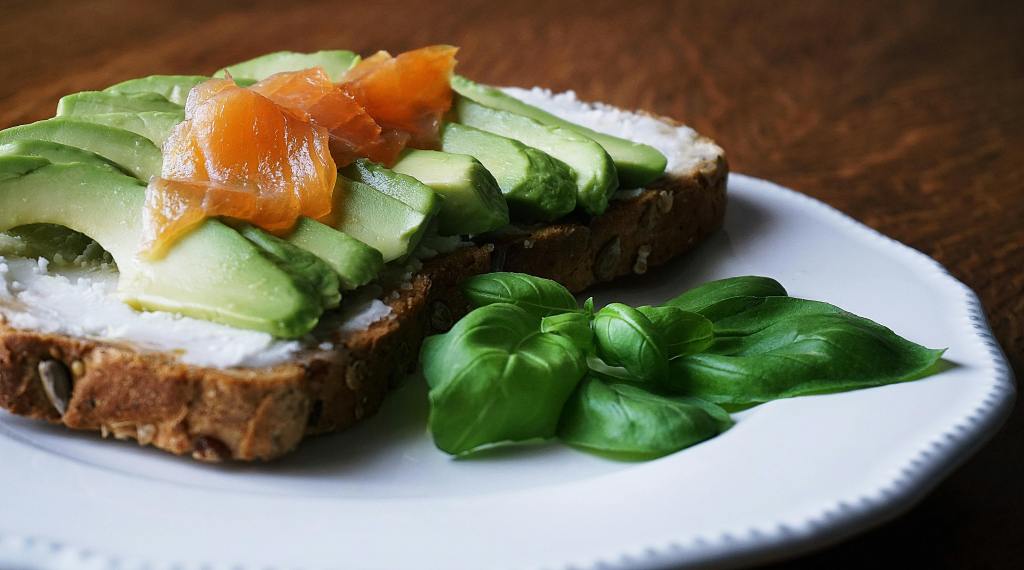
Avocado Toast with Fermented Veggies + Herbal Tea

  • Whole grain or sourdough bread (hello, fiber and prebiotics!)
  • Mashed avocado (healthy fats = plumper skin)
  • Topped with kimchi or sauerkraut (probiotic goodness)
  • Chamomile or ginger tea (calm your gut, calm your face)

👩‍⚕️ Nurse tip: Avoid heavy, dairy-laden coffees first thing if your gut is sensitive. Your skin will thank you too!


🥗 Lunch: Light, Filling, and Friendly to Your Digestive Fire

Salmon Salad Bowl

  • Grilled wild salmon (rich in omega-3s for anti-inflammatory skin benefits)
  • Mixed greens, cucumbers, bell peppers (fiber + hydration)
  • Olive oil and apple cider vinegar dressing (ACV can support gut acidity levels)
  • Sprinkle of pumpkin seeds (zinc = wound healing support)

🍲 Dinner: Balanced & Belly-Safe

Quinoa & Lentil Stew with Roasted Veggies

  • Lentils = fiber + plant-based protein
  • Quinoa = complete amino acid source
  • Add carrots, zucchini, onions, and sweet potatoes
  • Spices like turmeric, cumin, and black pepper for anti-inflammatory magic

🍓 Snack Attack: Gut-Loving Nibbles

  • Greek yogurt with berries & chia seeds
  • Hummus with cucumber slices
  • Bone broth (great for collagen + gut lining)
  • A few squares of dark chocolate (yes, really!)

💩 Let’s Talk Poop (You Knew I’d Go There)

If you’re not pooping regularly, your skin may not be detoxing efficiently either. Constipation can lead to breakouts, dull skin, and even exacerbate eczema or psoriasis. If you’re dealing with an ostomy, hydration and output consistency matter big time!

👉 Stool that’s too loose or too hard could be your gut waving a white flag. Balance your meals with:

  • Soluble fiber (oats, bananas, apples)
  • Hydration (aim for half your body weight in ounces of water 💦)
  • Magnesium-rich foods (spinach, almonds, dark chocolate—yum!)

👩‍⚕️ But Wait… What If I Have an Ostomy?

Friend, I got you. Some of these foods may need tweaking depending on your ostomy type:

  • Colostomy: You can often eat more “normally,” but watch for gas-producing foods.
  • Ileostomy: Hydration is key! Be mindful of high-fiber or very spicy meals.
  • Urostomy: Hydration and bladder-friendly foods (low acid) are your friends.

⚠️ Disclaimer (Because I’m a Nurse, Not Your Nurse 😉)
This blog is for general education and entertainment purposes only. Always consult with your doctor, dietitian, dermatologist, or wound/ostomy care specialist—especially if you have specific conditions, allergies, or a medical device like an ostomy. What works for one person might not work for another (especially if we’re talking ileostomy vs colostomy vs urostomy—big differences, folks!).


✨ Final Thoughts

Your plate has power. When you feed your gut, your skin gets the memo—and glows accordingly. Think of every meal as a chance to heal, hydrate, and help your body (and bowel) thrive. Plus, it’s delicious!

💬 Got a go-to gut/skin-friendly meal? Drop it in the comments—I’m always hungry for new ideas!