
🥗 Eat for Glow: The Gut-Skin Connection in Every Meal

Let’s talk glow-up—and not the Instagram-filter kind. I’m talking real, nurse-approved, radiant-from-the-inside-out kind of glow ✨. That post-veggie-bowl, happy-bowels, hydrated-skin, clear-complexion kind of magic.

As a wound and ostomy nurse who’s spent over two decades knee-deep in poop (literally and figuratively 💩), I can confidently say: your gut health and skin health are BFFs—and your fork is the matchmaker. 🍴💘

So if you’ve been slathering on serums but still dealing with breakouts, inflammation, or dry patches, it might be time to look below the surface—yep, we’re going gut deep.


🌿 The Gut-Skin Axis: It’s a Thing, I Promise

Your digestive tract isn’t just about absorbing nutrients and giving you that glorious morning poop. 🚽 It also plays a major role in:

  • 💥 Inflammation levels
  • 🦠 Immune system regulation
  • 💧 Skin hydration and barrier repair
  • 🌟 Collagen production and wrinkle resilience

Basically, when your gut’s out of whack, your skin sends out a distress flare—cue acne, dullness, eczema, or even delayed wound healing.


🧠 Fun Nurse Fact: The Gut Has a Brain of Its Own

The enteric nervous system, aka the “second brain,” talks to your skin through the gut-brain-skin axis. Stressful day? Your gut bacteria notice. Eat junk food all weekend? Your skin spills the tea Monday morning. ☕️


🥑 Glow-Up Grocery List: What to Eat for That Inside-Out Radiance

These foods are skin AND gut heroes. Think of them as the support squad for both your intestines and your Instagram selfies:

🥬 Leafy Greens (Kale, Spinach, Arugula)

Packed with fiber and antioxidants—think of them as a broom and a shield in your gut.

🥕 Orange & Red Veggies (Carrots, Sweet Potatoes, Bell Peppers)

Loaded with beta-carotene (hello, vitamin A precursor!)—supports skin renewal and reduces dryness.

🥥 Healthy Fats (Avocados, Olive Oil, Nuts)

Support cell membranes and reduce inflammation. Plus, fat helps you absorb fat-soluble skin vitamins (A, D, E, K).

🫐 Berries

These antioxidant powerhouses help your skin fight off free radicals—and they taste like dessert.

🧄 Fermented Foods (Kimchi, Sauerkraut, Kefir, Yogurt)

Bring on the probiotics! They balance gut flora and calm skin issues like acne, rosacea, and eczema.


❌ Gut-Skin Glow Killers (Sorry, But We Need to Talk…)

🍬 Sugar Bombs

Inflammatory and collagen-destroying. That “sugar face” thing? It’s real.

🧪 Ultra-Processed Junk

Your microbiome thrives on whole food diversity—not fake cheese dust and artificial dyes.

🥤 Dehydration

Okay, water’s not food, but it’s ESSENTIAL. Dry gut = dry skin. 💦 Drink up, friend.


💊 Bonus: Gut-Friendly Supplements That Help Skin Heal

Always talk with your provider first, but here are some MVPs I recommend (especially for wound healing!):

  • Zinc: For tissue repair and immune health
  • Vitamin C: Boosts collagen and immune support
  • Vitamin D: Crucial for immune modulation and skin resilience
  • Probiotics: Choose one with multiple strains for gut flora diversity

🌟 Real Talk From Your Wound Care Nurse

Whether you’re healing from a surgical wound, managing your ostomy, or just trying to keep your 40s face glowing while juggling life—food is your ally. I’ve seen people heal faster, feel better, and glow brighter when they support their guts with good nutrition.

Skincare isn’t just what you put on your skin—it’s what you feed it, too. 🍽💕


⚠️ Disclaimer (Because I’m a Nurse, Not Your Nurse 😉)

This blog is for general education and entertainment purposes only. Always consult with your doctor, dietitian, dermatologist or wound/ostomy care specialist—especially if you have specific conditions, allergies, or a medical device like an ostomy. What works for one person might not work for another (especially if we’re talking ileostomy vs colostomy vs urostomy—big differences, folks!).


🌈 Final Thought

Eating for glow isn’t about being perfect—it’s about being kind to your gut and consistent with your choices. Your skin is your biggest organ, and your gut? Well, it’s the backstage crew that keeps the whole show running.

So go ahead—pile your plate with color, fiber, and fermented goodness. Your skin (and your poop 💩) will thank you.


From Wounds to Wrinkles: What Wound Care Has Taught Me About Skin Aging 👩‍⚕️💉➡️🧴✨

Let’s connect the dots between wound healing and skin aging—because yes, there’s more overlap than you’d think. As a wound and ostomy nurse in my fabulous 40s (with a minor obsession for all things gut, glow, and glutes 😅), I’ve spent years studying how skin heals—and spoiler alert: that knowledge also changed how I see wrinkles, serums, and my morning SPF routine.

So buckle up, skin lovers and gut nerds. We’re diving into why wound care wisdom is basically anti-aging gold.


💡 Wound Healing = Real-Time Skin Science

When I treat a wound, I’m watching the body work overtime to repair and regenerate. The same cells and signals responsible for closing a wound are also involved in keeping your skin plump, firm, and glowing. But here’s the catch: they slow down with age, inflammation, and (yep) poor nutrition.

Wrinkle 101?
It’s basically a tiny wound your skin doesn’t bother to heal anymore. Rude.


Here’s What Wound Care Taught Me About Skin Aging 👇

1. Hydration Is Non-Negotiable 💦

Whether it’s a dry wound bed or a dry T-zone, moisture is magic. Dehydrated skin = delayed healing AND faster aging. Your barrier function suffers, collagen breaks down, and fine lines look like they’ve been zoomed in. Drink water like it’s your job. And yes, that hydrating serum helps too.

2. Inflammation Is the Enemy 🔥

Chronic inflammation slows wound healing and accelerates aging (a process scientists call inflammaging—cute name, not cute on your face). Sugar, processed foods, stress, lack of sleep? All inflammatory triggers. Swap ‘em for berries, leafy greens, turmeric, and sleep. Your wounds AND wrinkles will thank you.

3. Protein = Collagen Fuel 🥚🐟

You can’t rebuild skin without amino acids. Wounds need protein to heal. Skin needs it to stay firm and bouncy. Low protein intake = saggy vibes. Get in your lean meats, beans, tofu, eggs, collagen powders—whatever works for you.

4. Sun Protection is Essential ☀️🧴

Wounds + sun = darker scars. Skin + sun = deeper wrinkles. Every wound nurse has seen what happens when UV hits compromised skin—it ain’t pretty. So trust me when I say: wear the dang sunscreen. Even on cloudy days. Even if you’re “just going to Target.”

5. Healing Takes Time—But Prevention Is Faster ⏳

You don’t wait until a wound is infected to treat it, right? Same goes for skin. Start now. Cleanse gently, moisturize daily, eat for your gut, use antioxidants, stay hydrated, move your body, and manage stress. Prevention is cheaper than Botox 💁‍♀️


The Gut Connection 🥗💩✨

Surprise twist? Your gut is a key player in both wound healing and aging skin. An inflamed, unbalanced gut leads to poor nutrient absorption, chronic inflammation, and—you guessed it—sluggish healing and dull, aging skin.

Nourish your gut with:

  • Probiotics (yogurt, kefir, sauerkraut)
  • Prebiotics (oats, bananas, asparagus)
  • Plenty of fiber + water
  • Low sugar, low junk

Healthy gut = clear skin, happy poops, and fewer frown lines.


Wrapping It Up (Like a Good Dressing 😉)

Working in wound care has taught me to respect the skin—how it repairs, protects, and reflects what’s happening inside your body. Aging skin isn’t the enemy—neglect is. With the right daily habits, you can support your skin the same way we support a healing wound: with patience, nourishment, protection, and love.

You’ve got one skin suit, and you’re wearing it every day. Treat it like the masterpiece it is. 🧖‍♀️💕


⚠️ Disclaimer (Because I’m a Nurse, Not Your Nurse 😉)
This blog is for general education and entertainment purposes only. Always consult with your doctor, dietitian, dermatologist or wound/ostomy care specialist—especially if you have specific conditions, allergies, or a medical device like an ostomy. What works for one person might not work for another (especially if we’re talking ileostomy vs colostomy vs urostomy—big differences, folks!).


🥩🍠 Dad Bod, But Make It Glowing: Gut-Healthy Foods for the Father Figure in Your Life

Let’s be honest—dad bods are in, but bloated dad bods with breakouts? Not exactly the Father’s Day glow-up we’re going for. Whether you’re married to one, raised by one, or are one—this one’s for the fellas. 👨‍🦱💪

As a nurse (and a card-carrying member of the Skin-Gut-Health Fan Club), I see firsthand how what we eat affects our poop, skin, mood, and energy. And yes—this applies to dads, too. Even the ones who claim “I don’t need moisturizer” as they rub their face raw with Irish Spring.

So this Father’s Day, let’s talk about gut-friendly foods that can reduce inflammation, support digestion, and bring that subtle glow (no bronzer required).


🍳 The Dad Bod Diet Glow-Up

Here’s what we’re swapping into the diet—without taking away his beloved BBQ.


1. Salmon or Sardines (a.k.a. Dad’s Omega-3 Boost)

🐟 Omega-3s = less gut inflammation + clearer, calmer skin.
Grill it. Smoke it. Toss it on a salad. Just skip the deep fryer, please.

Bonus: Great for heart health and joint pain. Who says you can’t age like a fine whiskey?


2. Sweet Potatoes

🍠 Complex carbs with beta-carotene, a skin-loving antioxidant.
Swap the fries for roasted sweet potato wedges. Air fryer optional, but encouraged.


3. Greek Yogurt or Kefir

🦠 Packed with probiotics that keep the gut happy and skin clearer.
Want a real treat? Add some berries and honey. Call it “man parfait.”


4. Kimchi, Sauerkraut, or Pickles (fermented, not fake)

🥬 A crunchy way to fuel the microbiome.
If it smells funky, it’s probably working. Just don’t mix with beer pong.


5. Avocados

🥑 Healthy fats that help absorb fat-soluble vitamins (like A, D, E, and K—yes, those are skin MVPs).
Put it on toast, burgers, or just hand him a spoon.


6. Blueberries

🫐 Antioxidant powerhouses that fight oxidative stress (aka skin damage + gut inflammation).
Also pairs well with dad jokes.


7. Beans & Lentils

🥣 Full of fiber = regular poops = less bloat = better skin.
Trust me, if you’re constipated, your face knows. So does your mood.


🚫 Foods That Wreck the Glow (Sorry, Dad)

Here’s what might be contributing to bloating, sluggish digestion, or random “angry forehead zits”:

  • Highly processed meats (hello, nitrates)
  • Too much added sugar (hello, belly fat + breakouts)
  • Excess alcohol (sorry beer gut, your glow is gone)
  • Dairy (for some, this = skin flare-ups and gas attacks)
  • Fried foods (gut inflammation’s favorite snack)

💩 Bonus Tip: Poop Watch = Skin Watch

Constipated? Bloated? Passing gas like it’s a talent?
Yeah, your skin will reflect that. The gut-skin axis is real. When your gut is sluggish, so is your glow.


💧 Hydration Station: Real Men Drink Water

Tell him hydration isn’t just for marathon runners or skincare influencers.
Water helps:

  • Digestion
  • Skin plumpness
  • Wound healing
  • Energy (and better workouts)

Start with half his body weight in ounces per day.


🧴 Skin Care for the Dad Who “Doesn’t Need It”

Keep it simple:

  • Gentle cleanser (not the 3-in-1 body wash)
  • Moisturizer with SPF
  • Hydrating balm for dry hands, elbows, or dad knees

Tell him: “If you can take care of a car, you can take care of your skin.”


🧠 Glow Up the Gut = Glow Up the Mood

Gut health doesn’t just show up on your face—it affects energy, mood, and even motivation. Help your favorite dad feel better, not just look better.


🛒 Grocery List: The Glowing Dad Starter Pack

  • Salmon fillets
  • Sweet potatoes
  • Greek yogurt
  • Kimchi or sauerkraut
  • Avocados
  • Blueberries
  • Canned beans/lentils
  • Herbal tea or lemon water

⚠️ Disclaimer (Because I’m a Nurse, Not Your Nurse 😉)

This blog is for general education and entertainment purposes only. Always consult with your doctor, dietitian, dermatologist, or wound/ostomy care specialist—especially if you have specific conditions, allergies, or a medical device like an ostomy. What works for one person might not work for another (especially if we’re talking ileostomy vs colostomy vs urostomy—big differences, folks!).


Final Thought 💬

This Father’s Day, let’s go beyond grilling gear and gift cards. Give the dad in your life a little gut glow-up—his skin (and his poop) will thank you. 💩✨


Skincare Myths That Make Me Cringe (As a Wound Nurse)

Spoiler alert: Coconut oil is not a cure-all.


Let me start by saying—bless everyone trying their best to take care of their skin. Truly. But as a wound and ostomy nurse with 22 years of clinical experience (and a slight addiction to skincare aisles), I’ve heard some myths that make me want to scream into a collagen peptide smoothie.

So today, I’m busting open the bandages and spilling the tea (green, of course) on the skincare myths that make my medically-trained eye twitch.


🔥 Myth #1: “If it burns, it means it’s working.”

As a wound nurse? HARD NO.
Pain is your body’s way of telling you something is wrong—not that your product is super effective. If your skincare burns, it might be doing more harm than good. Red, irritated skin = barrier damage, not #glowgoals.

💡 Nurse Tip: A healthy skin barrier = less inflammation, better healing, and fewer surprise breakouts.


🥥 Myth #2: “Coconut oil fixes everything.”

Yes, it smells like a tropical vacation. No, it should not be your go-to for every skin issue—especially on the face or wounds. Coconut oil is comedogenic, meaning it can clog pores and trap bacteria. Not ideal for healing, acne, or sensitive skin.

I wouldn’t put it on a wound. I’m not putting it on my pores either.


💧 Myth #3: “I don’t need moisturizer if I have oily skin.”

Wrong. Dead wrong.
Your skin might be overproducing oil because it’s dehydrated. Skipping moisturizer can make oiliness worse. Think of moisturizer as hydration, not grease.

💦 Even wounds need the right moisture balance to heal. Your skin’s the same.


🚿 Myth #4: “Hot water opens your pores.”

As someone who spends their days managing skin integrity, let me say this clearly: Pores don’t have doors.
Hot water can irritate and strip your skin, leading to dryness and redness—especially in your 40s when our skin’s natural oils need all the support they can get.

Warm water = kind. Scalding showers = a crime against your collagen.


☀️ Myth #5: “You don’t need sunscreen if it’s cloudy or you’re inside.”

As a nurse who’s seen skin tears, burns, and age-related fragility up close—sun protection is non-negotiable.
UVA rays (aka aging rays) penetrate clouds and glass. Every. Single. Day.

Wearing SPF indoors is like washing your hands after using gloves. You’re covering all your bases.


🧴 Myth #6: “Natural = better.”

Arsenic is natural. So is poison ivy.
Not all “chemical” ingredients are bad, and not all “natural” ones are safe. Let science and your skin’s needs guide you—not fear-based marketing.

As a wound nurse, I trust evidence-based products. Your skin deserves the same.


💊 Myth #7: “You can heal your skin without thinking about your gut.”

Okay, now I’m yelling.
The gut-skin connection is real. Inflammation, nutrient absorption, microbiome imbalance—all of it affects your skin’s health and healing power.

You want clear, calm skin? Start with what you put in your mouth, not just on your face.


👩‍⚕️ Real Talk from a Nurse in Her 40s:

I’ve cleaned wounds on frail skin, helped ostomy patients protect delicate peristomal tissue, and counseled people through rashes, reactions, and breakdowns (emotional and epidermal). Trust me—your skin is smart. Respect its signals, support its barrier, and don’t fall for viral fads.

Also—please stop putting toothpaste on pimples.


✨ Final Thought:

You don’t need 12 steps or snake oil. What you need is science, consistency, and a little nursing wisdom. Skincare is health care—and when you know better, you glow better.

Sunscreen for Nurses: Best Picks for Long Shifts & Real Life

Because our skin deserves more than fluorescent lighting and chart stress.


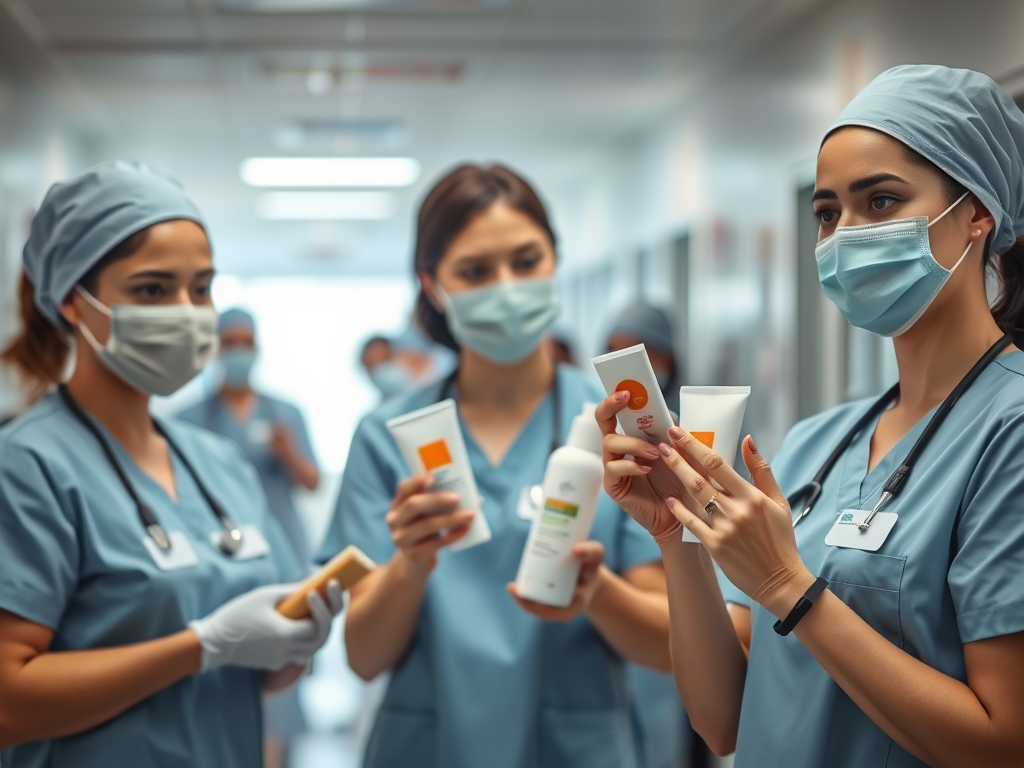
Let’s be real—most nurses can run on caffeine, half a protein bar, and a prayer. But when it comes to sun protection, we need to do better. Especially if you’re like me—a nurse in her 40s who’s now obsessed with preventing wrinkles, hyperpigmentation, and those rogue forehead freckles that showed up during a parking lot walk from hell.

As a wound and ostomy care nurse, I preach barrier protection all day. So yes, that includes the most underappreciated one: your skin’s barrier against UV radiation.

Let’s talk real-life sunscreen—what works for long shifts, under PPE, on sweaty days, and for skin that still needs to breathe, heal, and GLOW.


☀️ Why Nurses Actually Need Sunscreen at Work

You might be thinking, “I’m inside all day!”

Okay, but hear me out:

  • Windows let in UVA rays – yes, the aging ones.
  • Quick outdoor runs (lunch break, shift change, fire drills) = sneaky UV exposure.
  • Hospital lights + devices emit blue light that contributes to skin aging and pigmentation.

Add that to 12-hour shifts and constant skin barrier stress from sweat, masks, hand sanitizer, and friction—your skin deserves armor.


👩‍⚕️ Nurse-Approved Sunscreen Criteria:

We’re not asking for luxury here. We’re asking for:

  • Non-greasy
  • Fast-absorbing
  • No white cast (we don’t have time to blend)
  • Safe for sensitive skin (wound nurse approved!)
  • Plays nice with makeup or bare faces
  • Doesn’t break you out by hour six

And yes—affordable, because let’s be honest: we still haven’t been reimbursed for that “unpaid lunch break.”


🧴 Top Sunscreen Picks for Nurses Who Don’t Sit Still

1. EltaMD UV Clear SPF 46

⭐️ Dermatologist favorite
✅ Lightweight, great under masks, ideal for acne-prone skin
💊 Packed with niacinamide (hello skin barrier support!)

Perfect for: Anyone dealing with maskne or rosacea flare-ups.


2. La Roche-Posay Anthelios Melt-In Milk SPF 60

☁️ Super smooth, sheer, and hydrating
💪 Holds up during sweaty shifts or power walks
🌿 Gentle enough for sensitive skin

Perfect for: Nurses who hustle in and out of the building.


3. Neutrogena Hydro Boost Water Gel SPF 30

💧 Cooling, water-based formula
💸 Budget-friendly and drugstore accessible
🏃‍♀️ Absorbs fast so you’re not late for huddle

Perfect for: Nurses who need zero-fuss SPF.


4. Colorescience Sunforgettable Brush-On SPF 50

🖌 Powder format—great for mid-shift reapplication
✨ Sets makeup and soaks up sweat
🚑 Can be used over PPE with no mess

Perfect for: ICU/ER folks who can’t reapply lotion during chaos.


5. Black Girl Sunscreen SPF 30

🌈 Inclusive formula with zero white cast
💧 Super moisturizing
🧴 Great for dry, mature, or melanin-rich skin

Perfect for: Everyone who’s been ghosted by mineral sunscreens.


💡 Bonus Tips for Shifts Under Stress & Sweat:

  • Apply before your shift (even if it’s 5:15 AM—your skin clock is watching).
  • Keep a mini SPF in your scrub pocket or locker for mid-day reups.
  • Pair with antioxidant serums like Vitamin C to boost sun protection.
  • Hydrate – because UV exposure + dehydration = dull, tired skin.

🧠 Gut-Skin Connection Alert: UV damage increases skin inflammation. A poor gut microbiome? Makes it worse. Feed your gut and protect your face = double win.


🩺 Real Talk From a Nurse in Her 40s

I’ve seen the effects of UV damage on wound healing, skin tears, and long-term skin integrity. I’ve also seen coworkers skip sunscreen, then wonder where the crepey texture came from (hint: it wasn’t the night shift pizza).

So let this be your reminder: prevention is everything. One less wrinkle, one less sunspot, one more glow-up.


☀️ Final Thought:

You spend your days caring for everyone else. Your skin? It’s part of your story—and it deserves care too. So before you dive into another long shift, do the 30-second thing that future you will thank you for.

🧱 Beyond the Face: Nurse-Approved Skin Barrier Tips (and the Gut Connection You’re Probably Ignoring)

Spoiler: it’s not just your face that deserves love.


Skin barrier health goes way beyond your face. Learn how gut health impacts barrier function, and why your underboob, sacrum, and elbows deserve just as much love. Nurse-approved skincare tips that blend clinical credibility and gut-skin truth.


Let’s Be Honest: When’s the Last Time You Moisturized Your Elbows?

Or showed your underboob skin some barrier cream love? Or gave your belly folds a legit spa moment?

Exactly.

As a wound care nurse in her fabulous 40s—with a passion for poop and peptides—I’m here to tell you: 👉 Your skin barrier is not just a cute TikTok trend. It’s real. It’s vital. And it goes far beyond your face.

So let’s chat about the forgotten skin, barrier basics, gut health, and why ceramides should absolutely be your new BFF.


🧱 What Is the Skin Barrier, and Why Should You Care?

Think of your skin barrier like a brick wall:

  • 🧱 Skin cells = the bricks
  • 🧈 Lipids (fats) = the mortar holding it together

When that barrier is healthy, it keeps moisture in and irritants out. But when it’s damaged—through overwashing, harsh products, friction (hello, PPE life), or inflammation—it’s like a wall with missing bricks.

Cue: dryness, burning, cracking, rashes, mystery flaking at the worst times.

🩺 Nurse Note:

I see broken skin barriers every single day—from sacral wounds and underboob irritation to overzealous retinol regrets. The good news? It’s fixable. With the right plan.


🧴 Ceramides: The Unsung Heroes of Skin Health

Ceramides are natural fats that make up about 50% of your stratum corneum (your outermost skin layer). Translation: they’re a big deal.

Low ceramide levels = dry, irritated, inflamed skin.

Ceramides help:

  • Lock in moisture
  • Strengthen the skin barrier
  • Protect against bacteria and toxins
  • Reduce inflammation

And no—it’s not just your face that needs them.

Apply ceramide-rich creams to:

  • Hands (after 437 hand washes)
  • Inner thighs (chafing is real 😊)
  • Under breasts (sweat + yeast = no thanks)
  • Sacrum and buttocks (especially if sedentary)
  • Belly folds or other friction-prone areas

💡 Forgotten Skin Zones That Deserve Barrier Cream

If you’ve ever:

  • Treated MASD (moisture-associated skin damage)
  • Fought a diaper rash stronger than a toddler’s will
  • Dealt with heat rash under a belly fold after a shift in scrubs…

…then you know.

MVP barrier ingredients:

  • Zinc oxide: anti-inflammatory, creates a physical barrier
  • Dimethicone: smooths and protects skin
  • Petrolatum: locks in moisture (yes, super cheap)

Pair barrier creams with ceramides for next-level results.


🔬 The Gut-Skin Connection: What’s Inside Shows Up Outside

Recent research continues to show what nurses (and grandmas) have known for years: When your gut’s unhappy, your skin acts out.

According to a 2023 review in Frontiers in Microbiology:

  • Dysbiosis (imbalanced gut flora) has been linked to acne, eczema, psoriasis, and delayed wound healing.
  • A healthy gut can increase ceramide production in the skin and improve barrier function.

Signs your gut may be affecting your skin:

  • Unexplained dryness or flaking
  • Red, irritated patches (even in odd places)
  • Slow healing after minor injuries
  • Recurring rashes, especially with stress or diet changes

Key gut-skin supporters:

  • Probiotics & prebiotics: balance gut flora
  • Omega-3s: reduce inflammation
  • Zinc & vitamin A: aid in skin repair
  • Fiber: feeds the good bacteria

👩‍⚕️ Personal Story: From Cracked Skin to Ceramide Queen

After one particularly chaotic week (back-to-back shifts, minimal water, lots of stress, zero vegetables), I noticed the skin under my sports bra looked like it had lost a fight with sandpaper.

I swapped in a ceramide-heavy moisturizer and a barrier cream with zinc oxide. I also upped my probiotic, chugged more water than usual, and added fermented foods.

Within days, the irritation calmed, and within a week? Back to baseline—no redness, no stinging.

Moral of the story? Inside-out care works.


🧖‍♀️ Nurse-Approved Barrier Boost Routine

💪 For Skin:

  • Post-shower: Ceramide-rich lotion on damp skin
  • Hot spots: Barrier cream on folds, thighs, sacrum, under breasts
  • Hands: Reapply barrier balm every 8–10 washes

🥗 For Gut:

  • Stay hydrated (aim for 60–80 oz daily)
  • Eat collagen-rich foods: bone broth, berries, leafy greens
  • Avoid ultra-processed foods
  • Take a daily probiotic and include fermented foods

🧡 Final Takeaway: Your Skin Doesn’t Stop at Your Jawline

You don’t need 18 serums or a spa weekend to build a healthy skin barrier. You need:

  • Consistency
  • Ceramides + barrier creams
  • Gut support
  • A little humor (yes, it’s healthy) 😊 and a lot of hydration

Next time you slather your face with serum, remember: Your gut, your underboob, and your belly folds deserve love too.

Glow biologically—and don’t forget to moisturize your elbows. 😉

⚠️ Disclaimer (Because I’m a Nurse, Not Your Nurse 😉)

This blog is for general educational and entertainment purposes. It doesn’t replace personalized medical advice. Always consult your healthcare provider, especially if you’re treating wounds, rashes, or skin conditions.