
Meal Ideas That Support Your Gut AND Your Skin 🍽️✨

Let’s be honest—who doesn’t want clearer skin and smoother poops? 🙋‍♀️ As a nurse with a full-on obsession with skin, gut, and wellness (plus a healthy respect for poop talk at the dinner table), I’m here to tell you: your skin and gut are in a lifelong situationship. And what you put on your plate? Total relationship therapy.

In this post, we’re diving into practical, delicious meal ideas that work double-duty: nourishing your microbiome and giving your skin that healthy, hydrated glow.


🥑 Why Your Gut & Skin Are Besties

Here’s the TL;DR: Your gut is like your second brain (or, for nurses, maybe your first brain when you’re 12 hours into a shift). It regulates inflammation, supports immunity, and yes—can directly affect the skin’s health, texture, and even breakouts.

Chronic constipation, bloating, or diarrhea? Those can all show up on your face as dullness, redness, or acne. Similarly, nutrient-poor meals can slow wound healing, exacerbate dryness, and make wrinkles feel like they’re shouting.


🍽️ Meal Ideas for Glowing Skin & Happy Guts

Let’s get to the fun part: FOOD! These meals are rich in fiber, antioxidants, good fats, and probiotics. Perfect for your gut and your glow ✨


🌞 Breakfast: The Gut-Glowing Start

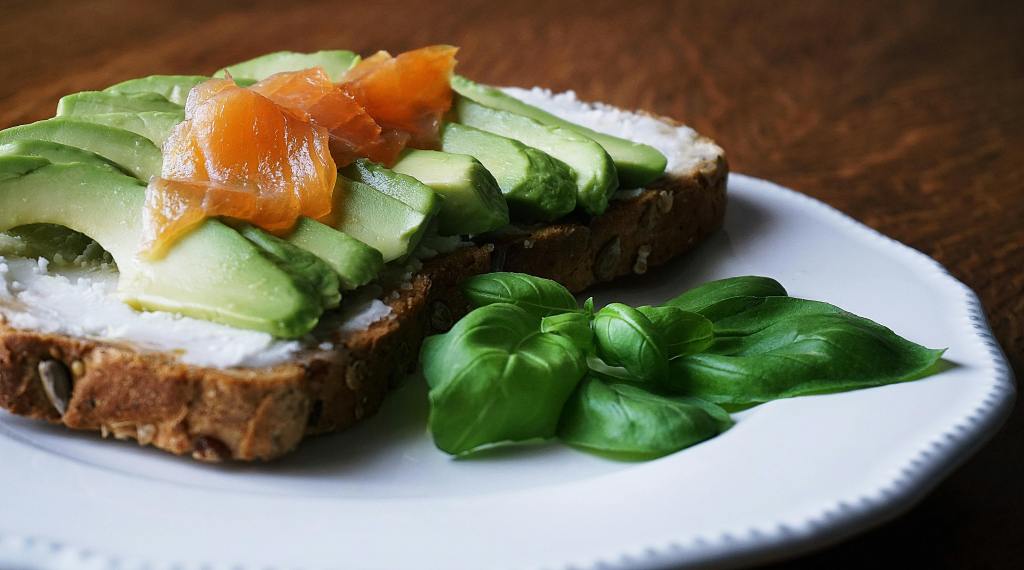
Avocado Toast with Fermented Veggies + Herbal Tea

  • Whole grain or sourdough bread (hello, fiber and prebiotics!)
  • Mashed avocado (healthy fats = plumper skin)
  • Topped with kimchi or sauerkraut (probiotic goodness)
  • Chamomile or ginger tea (calm your gut, calm your face)

👩‍⚕️ Nurse tip: Avoid heavy, dairy-laden coffees first thing if your gut is sensitive. Your skin will thank you too!


🥗 Lunch: Light, Filling, and Friendly to Your Digestive Fire

Salmon Salad Bowl

  • Grilled wild salmon (rich in omega-3s for anti-inflammatory skin benefits)
  • Mixed greens, cucumbers, bell peppers (fiber + hydration)
  • Olive oil and apple cider vinegar dressing (ACV can support gut acidity levels)
  • Sprinkle of pumpkin seeds (zinc = wound healing support)

🍲 Dinner: Balanced & Belly-Safe

Quinoa & Lentil Stew with Roasted Veggies

  • Lentils = fiber + plant-based protein
  • Quinoa = complete amino acid source
  • Add carrots, zucchini, onions, and sweet potatoes
  • Spices like turmeric, cumin, and black pepper for anti-inflammatory magic

🍓 Snack Attack: Gut-Loving Nibbles

  • Greek yogurt with berries & chia seeds
  • Hummus with cucumber slices
  • Bone broth (great for collagen + gut lining)
  • A few squares of dark chocolate (yes, really!)

💩 Let’s Talk Poop (You Knew I’d Go There)

If you’re not pooping regularly, your skin may not be detoxing efficiently either. Constipation can lead to breakouts, dull skin, and even exacerbate eczema or psoriasis. If you’re dealing with an ostomy, hydration and output consistency matter big time!

👉 Stool that’s too loose or too hard could be your gut waving a white flag. Balance your meals with:

  • Soluble fiber (oats, bananas, apples)
  • Hydration (aim for half your body weight in ounces of water 💦)
  • Magnesium-rich foods (spinach, almonds, dark chocolate—yum!)

👩‍⚕️ But Wait… What If I Have an Ostomy?

Friend, I got you. Some of these foods may need tweaking depending on your ostomy type:

  • Colostomy: You can often eat more “normally,” but watch for gas-producing foods.
  • Ileostomy: Hydration is key! Be mindful of high-fiber or very spicy meals.
  • Urostomy: Hydration and bladder-friendly foods (low acid) are your friends.

⚠️ Disclaimer (Because I’m a Nurse, Not Your Nurse 😉)
This blog is for general education and entertainment purposes only. Always consult with your doctor, dietitian, dermatologist, or wound/ostomy care specialist—especially if you have specific conditions, allergies, or a medical device like an ostomy. What works for one person might not work for another (especially if we’re talking ileostomy vs colostomy vs urostomy—big differences, folks!).


✨ Final Thoughts

Your plate has power. When you feed your gut, your skin gets the memo—and glows accordingly. Think of every meal as a chance to heal, hydrate, and help your body (and bowel) thrive. Plus, it’s delicious!

💬 Got a go-to gut/skin-friendly meal? Drop it in the comments—I’m always hungry for new ideas!

🧱 Beyond the Face: Nurse-Approved Skin Barrier Tips (and the Gut Connection You’re Probably Ignoring)

Spoiler: it’s not just your face that deserves love.


Skin barrier health goes way beyond your face. Learn how gut health impacts barrier function, and why your underboob, sacrum, and elbows deserve just as much love. Nurse-approved skincare tips that blend clinical credibility and gut-skin truth.


Let’s Be Honest: When’s the Last Time You Moisturized Your Elbows?

Or showed your underboob skin some barrier cream love? Or gave your belly folds a legit spa moment?

Exactly.

As a wound care nurse in her fabulous 40s—with a passion for poop and peptides—I’m here to tell you: 👉 Your skin barrier is not just a cute TikTok trend. It’s real. It’s vital. And it goes far beyond your face.

So let’s chat about the forgotten skin, barrier basics, gut health, and why ceramides should absolutely be your new BFF.


🧱 What Is the Skin Barrier, and Why Should You Care?

Think of your skin barrier like a brick wall:

  • 🧱 Skin cells = the bricks
  • 🧈 Lipids (fats) = the mortar holding it together

When that barrier is healthy, it keeps moisture in and irritants out. But when it’s damaged—through overwashing, harsh products, friction (hello, PPE life), or inflammation—it’s like a wall with missing bricks.

Cue: dryness, burning, cracking, rashes, mystery flaking at the worst times.

🩺 Nurse Note:

I see broken skin barriers every single day—from sacral wounds and underboob irritation to overzealous retinol regrets. The good news? It’s fixable. With the right plan.


🧴 Ceramides: The Unsung Heroes of Skin Health

Ceramides are natural fats that make up about 50% of your stratum corneum (your outermost skin layer). Translation: they’re a big deal.

Low ceramide levels = dry, irritated, inflamed skin.

Ceramides help:

  • Lock in moisture
  • Strengthen the skin barrier
  • Protect against bacteria and toxins
  • Reduce inflammation

And no—it’s not just your face that needs them.

Apply ceramide-rich creams to:

  • Hands (after 437 hand washes)
  • Inner thighs (chafing is real 😊)
  • Under breasts (sweat + yeast = no thanks)
  • Sacrum and buttocks (especially if sedentary)
  • Belly folds or other friction-prone areas

💡 Forgotten Skin Zones That Deserve Barrier Cream

If you’ve ever:

  • Treated MASD (moisture-associated skin damage)
  • Fought a diaper rash stronger than a toddler’s will
  • Dealt with heat rash under a belly fold after a shift in scrubs…

…then you know.

MVP barrier ingredients:

  • Zinc oxide: anti-inflammatory, creates a physical barrier
  • Dimethicone: smooths and protects skin
  • Petrolatum: locks in moisture (yes, super cheap)

Pair barrier creams with ceramides for next-level results.


🔬 The Gut-Skin Connection: What’s Inside Shows Up Outside

Recent research continues to show what nurses (and grandmas) have known for years: When your gut’s unhappy, your skin acts out.

According to a 2023 review in Frontiers in Microbiology:

  • Dysbiosis (imbalanced gut flora) has been linked to acne, eczema, psoriasis, and delayed wound healing.
  • A healthy gut can increase ceramide production in the skin and improve barrier function.

Signs your gut may be affecting your skin:

  • Unexplained dryness or flaking
  • Red, irritated patches (even in odd places)
  • Slow healing after minor injuries
  • Recurring rashes, especially with stress or diet changes

Key gut-skin supporters:

  • Probiotics & prebiotics: balance gut flora
  • Omega-3s: reduce inflammation
  • Zinc & vitamin A: aid in skin repair
  • Fiber: feeds the good bacteria

👩‍⚕️ Personal Story: From Cracked Skin to Ceramide Queen

After one particularly chaotic week (back-to-back shifts, minimal water, lots of stress, zero vegetables), I noticed the skin under my sports bra looked like it had lost a fight with sandpaper.

I swapped in a ceramide-heavy moisturizer and a barrier cream with zinc oxide. I also upped my probiotic, chugged more water than usual, and added fermented foods.

Within days, the irritation calmed, and within a week? Back to baseline—no redness, no stinging.

Moral of the story? Inside-out care works.


🧖‍♀️ Nurse-Approved Barrier Boost Routine

💪 For Skin:

  • Post-shower: Ceramide-rich lotion on damp skin
  • Hot spots: Barrier cream on folds, thighs, sacrum, under breasts
  • Hands: Reapply barrier balm every 8–10 washes

🥗 For Gut:

  • Stay hydrated (aim for 60–80 oz daily)
  • Eat collagen-rich foods: bone broth, berries, leafy greens
  • Avoid ultra-processed foods
  • Take a daily probiotic and include fermented foods

🧡 Final Takeaway: Your Skin Doesn’t Stop at Your Jawline

You don’t need 18 serums or a spa weekend to build a healthy skin barrier. You need:

  • Consistency
  • Ceramides + barrier creams
  • Gut support
  • A little humor (yes, it’s healthy) 😊 and a lot of hydration

Next time you slather your face with serum, remember: Your gut, your underboob, and your belly folds deserve love too.

Glow biologically—and don’t forget to moisturize your elbows. 😉

⚠️ Disclaimer (Because I’m a Nurse, Not Your Nurse 😉)

This blog is for general educational and entertainment purposes. It doesn’t replace personalized medical advice. Always consult your healthcare provider, especially if you’re treating wounds, rashes, or skin conditions.