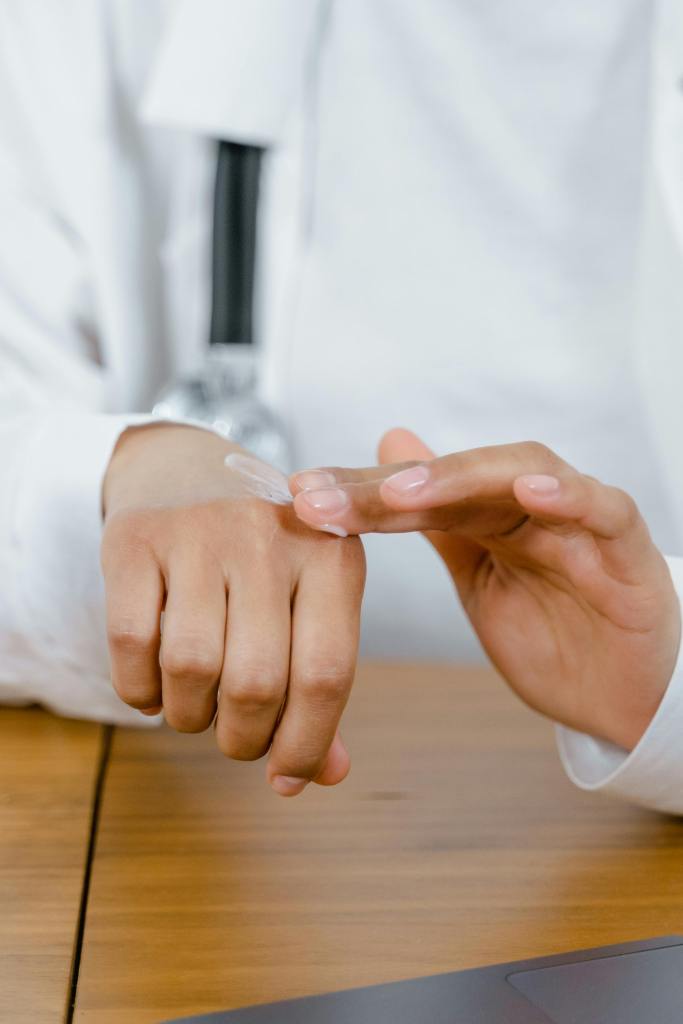

Sunscreen for Nurses: Best Picks for Long Shifts & Real Life

Because our skin deserves more than fluorescent lighting and chart stress.


Let’s be real—most nurses can run on caffeine, half a protein bar, and a prayer. But when it comes to sun protection, we need to do better. Especially if you’re like me—a nurse in her 40s who’s now obsessed with preventing wrinkles, hyperpigmentation, and those rogue forehead freckles that showed up during a parking lot walk from hell.

As a wound and ostomy care nurse, I preach barrier protection all day. So yes, that includes the most underappreciated one: your skin’s barrier against UV radiation.

Let’s talk real-life sunscreen—what works for long shifts, under PPE, on sweaty days, and for skin that still needs to breathe, heal, and GLOW.


☀️ Why Nurses Actually Need Sunscreen at Work

You might be thinking, “I’m inside all day!”

Okay, but hear me out:

  • Windows let in UVA rays – yes, the aging ones.
  • Quick outdoor runs (lunch break, shift change, fire drills) = sneaky UV exposure.
  • Hospital lights + devices emit blue light that contributes to skin aging and pigmentation.

Add that to 12-hour shifts and constant skin barrier stress from sweat, masks, hand sanitizer, and friction—your skin deserves armor.


👩‍⚕️ Nurse-Approved Sunscreen Criteria:

We’re not asking for luxury here. We’re asking for:

  • Non-greasy
  • Fast-absorbing
  • No white cast (we don’t have time to blend)
  • Safe for sensitive skin (wound nurse approved!)
  • Plays nice with makeup or bare faces
  • Doesn’t break you out by hour six

And yes—affordable, because let’s be honest: we still haven’t been reimbursed for that “unpaid lunch break.”


🧴 Top Sunscreen Picks for Nurses Who Don’t Sit Still

1. EltaMD UV Clear SPF 46

⭐️ Dermatologist favorite
✅ Lightweight, great under masks, ideal for acne-prone skin
💊 Packed with niacinamide (hello skin barrier support!)

Perfect for: Anyone dealing with maskne or rosacea flare-ups.


2. La Roche-Posay Anthelios Melt-In Milk SPF 60

☁️ Super smooth, sheer, and hydrating
💪 Holds up during sweaty shifts or power walks
🌿 Gentle enough for sensitive skin

Perfect for: Nurses who hustle in and out of the building.


3. Neutrogena Hydro Boost Water Gel SPF 30

💧 Cooling, water-based formula
💸 Budget-friendly and drugstore accessible
🏃‍♀️ Absorbs fast so you’re not late for huddle

Perfect for: Nurses who need zero-fuss SPF.


4. Colorescience Sunforgettable Brush-On SPF 50

🖌 Powder format—great for mid-shift reapplication
✨ Sets makeup and soaks up sweat
🚑 Can be used over PPE with no mess

Perfect for: ICU/ER folks who can’t reapply lotion during chaos.


5. Black Girl Sunscreen SPF 30

🌈 Inclusive formula with zero white cast
💧 Super moisturizing
🧴 Great for dry, mature, or melanin-rich skin

Perfect for: Everyone who’s been ghosted by mineral sunscreens.


💡 Bonus Tips for Shifts Under Stress & Sweat:

  • Apply before your shift (even if it’s 5:15 AM—your skin clock is watching).
  • Keep a mini SPF in your scrub pocket or locker for mid-day reups.
  • Pair with antioxidant serums like Vitamin C to boost sun protection.
  • Hydrate – because UV exposure + dehydration = dull, tired skin.

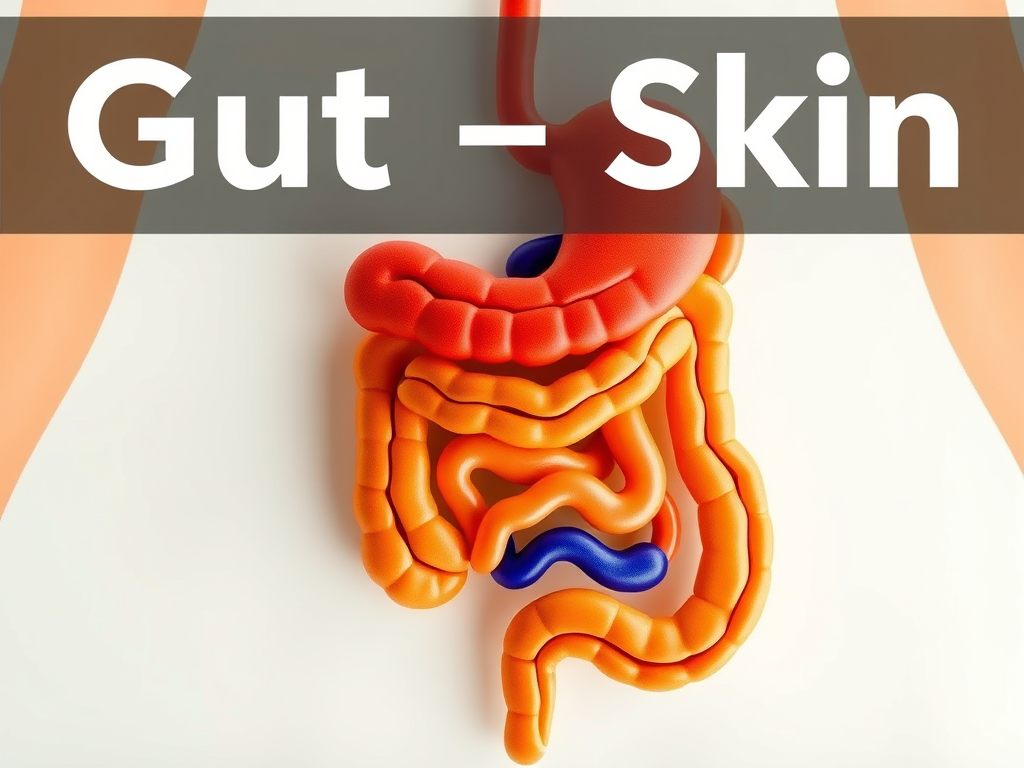
🧠 Gut-Skin Connection Alert: UV damage increases skin inflammation. A poor gut microbiome? Makes it worse. Feed your gut and protect your face = double win.


🩺 Real Talk From a Nurse in Her 40s

I’ve seen the effects of UV damage on wound healing, skin tears, and long-term skin integrity. I’ve also seen coworkers skip sunscreen, then wonder where the crepey texture came from (hint: it wasn’t the night shift pizza).

So let this be your reminder: prevention is everything. One less wrinkle, one less sunspot, one more glow-up.


☀️ Final Thought:

You spend your days caring for everyone else. Your skin? It’s part of your story—and it deserves care too. So before you dive into another long shift, do the 30-second thing that future you will thank you for.


🧱 Beyond the Face: Nurse-Approved Skin Barrier Tips (and the Gut Connection You’re Probably Ignoring)

Spoiler: it’s not just your face that deserves love.


Skin barrier health goes way beyond your face. Learn how gut health impacts barrier function, and why your underboob, sacrum, and elbows deserve just as much love. Nurse-approved skincare tips that blend clinical credibility and gut-skin truth.


Let’s Be Honest: When’s the Last Time You Moisturized Your Elbows?

Or showed your underboob skin some barrier cream love? Or gave your belly folds a legit spa moment?

Exactly.

As a wound care nurse in her fabulous 40s—with a passion for poop and peptides—I’m here to tell you: 👉 Your skin barrier is not just a cute TikTok trend. It’s real. It’s vital. And it goes far beyond your face.

So let’s chat about the forgotten skin, barrier basics, gut health, and why ceramides should absolutely be your new BFF.


🧱 What Is the Skin Barrier, and Why Should You Care?

Think of your skin barrier like a brick wall:

  • 🧱 Skin cells = the bricks
  • 🧈 Lipids (fats) = the mortar holding it together

When that barrier is healthy, it keeps moisture in and irritants out. But when it’s damaged—through overwashing, harsh products, friction (hello, PPE life), or inflammation—it’s like a wall with missing bricks.

Cue: dryness, burning, cracking, rashes, mystery flaking at the worst times.

🩺 Nurse Note:

I see broken skin barriers every single day—from sacral wounds and underboob irritation to overzealous retinol regrets. The good news? It’s fixable. With the right plan.


🧴 Ceramides: The Unsung Heroes of Skin Health

Ceramides are natural fats that make up about 50% of your stratum corneum (your outermost skin layer). Translation: they’re a big deal.

Low ceramide levels = dry, irritated, inflamed skin.

Ceramides help:

  • Lock in moisture
  • Strengthen the skin barrier
  • Protect against bacteria and toxins
  • Reduce inflammation

And no—it’s not just your face that needs them.

Apply ceramide-rich creams to:

  • Hands (after 437 hand washes)
  • Inner thighs (chafing is real 😊)
  • Under breasts (sweat + yeast = no thanks)
  • Sacrum and buttocks (especially if sedentary)
  • Belly folds or other friction-prone areas

💡 Forgotten Skin Zones That Deserve Barrier Cream

If you’ve ever:

  • Treated MASD (moisture-associated skin damage)
  • Fought a diaper rash stronger than a toddler’s will
  • Dealt with heat rash under a belly fold after a shift in scrubs…

…then you know.

MVP barrier ingredients:

  • Zinc oxide: anti-inflammatory, creates a physical barrier
  • Dimethicone: smooths and protects skin
  • Petrolatum: locks in moisture (yes, super cheap)

Pair barrier creams with ceramides for next-level results.


🔬 The Gut-Skin Connection: What’s Inside Shows Up Outside

Recent research continues to show what nurses (and grandmas) have known for years: When your gut’s unhappy, your skin acts out.

According to a 2023 review in Frontiers in Microbiology:

  • Dysbiosis (imbalanced gut flora) has been linked to acne, eczema, psoriasis, and delayed wound healing.
  • A healthy gut can increase ceramide production in the skin and improve barrier function.

Signs your gut may be affecting your skin:

  • Unexplained dryness or flaking
  • Red, irritated patches (even in odd places)
  • Slow healing after minor injuries
  • Recurring rashes, especially with stress or diet changes

Key gut-skin supporters:

  • Probiotics & prebiotics: balance gut flora
  • Omega-3s: reduce inflammation
  • Zinc & vitamin A: aid in skin repair
  • Fiber: feeds the good bacteria

👩‍⚕️ Personal Story: From Cracked Skin to Ceramide Queen

After one particularly chaotic week (back-to-back shifts, minimal water, lots of stress, zero vegetables), I noticed the skin under my sports bra looked like it had lost a fight with sandpaper.

I swapped in a ceramide-heavy moisturizer and a barrier cream with zinc oxide. I also upped my probiotic, chugged more water than usual, and added fermented foods.

Within days, the irritation calmed, and within a week? Back to baseline—no redness, no stinging.

Moral of the story? Inside-out care works.


🧖‍♀️ Nurse-Approved Barrier Boost Routine

💪 For Skin:

  • Post-shower: Ceramide-rich lotion on damp skin
  • Hot spots: Barrier cream on folds, thighs, sacrum, under breasts
  • Hands: Reapply barrier balm every 8–10 washes

🥗 For Gut:

  • Stay hydrated (aim for 60–80 oz daily)
  • Eat collagen-rich foods: bone broth, berries, leafy greens
  • Avoid ultra-processed foods
  • Take a daily probiotic and include fermented foods

🧡 Final Takeaway: Your Skin Doesn’t Stop at Your Jawline

You don’t need 18 serums or a spa weekend to build a healthy skin barrier. You need:

  • Consistency
  • Ceramides + barrier creams
  • Gut support
  • A little humor (yes, it’s healthy) 😊 and a lot of hydration

Next time you slather your face with serum, remember: Your gut, your underboob, and your belly folds deserve love too.

Glow biologically—and don’t forget to moisturize your elbows. 😉

⚠️ Disclaimer (Because I’m a Nurse, Not Your Nurse 😉)

This blog is for general educational and entertainment purposes. It doesn’t replace personalized medical advice. Always consult your healthcare provider, especially if you’re treating wounds, rashes, or skin conditions.

Constipation Crisis: Why Nurses Don’t Poop Like They Used To 💩🚽

A gut-check from a wound & ostomy nurse who knows the struggle is real (and real slow)

Let’s talk about something near, dear, and backed up—our bowels.
If you’re a nurse (or anyone in healthcare), you already know: Nurses don’t poop like they used to. Somewhere between the 12-hour shifts, too much caffeine, too little hydration, and holding our bladder until it feels like a personal achievement… our guts have thrown in the towel.

As a nurse, (most of them spent talking about poop more than most people talk about the weather), I’ve seen it all. From chronic constipation to stress diarrhea, to the poor soul who swore she hadn’t pooped since the last full moon—gut health is no joke. And it’s way more connected to our skin, mood, energy, and wound healing than most people realize.

So today, I’m diving deep into the constipation crisis, nurse edition.


🚫 Why Nurses Are the Constipation Poster Children

Let’s break it down, shall we?

1. We Never Sit Still (Except on the Toilet, Praying for a Movement)

On our feet all day, running from room to room, charting while standing… we burn calories but somehow forget to drink water or even breathe properly. Hydration? Fiber? Regular meals? LOL.

2. Caffeine Is Our Blood Type

Coffee to wake up. More coffee to stay awake. Maybe an energy drink for the night shift. That much caffeine can dehydrate you AND slow digestion, even though it’s technically a stimulant. Betrayal.

3. We Ignore Our Bodies

Feel the urge to poop at 9 a.m.? Sorry, you’re in wound care rounds until noon. By the time you’re free, your colon has emotionally shut down and decided to store that stool indefinitely.

4. Shift Work & Stress = Gut Confusion

Your body loves a rhythm. Your schedule? Absolute chaos. Add stress, skipped meals, no sleep, and your microbiome starts googling “How to apply for early retirement.”


💩 Constipation Isn’t Just Inconvenient—It’s a Skin + Gut Issue

This is where my love of gut health and skin care nerdiness collide. Constipation isn’t just a plumbing problem—it impacts:

  • Detoxification: If you’re not pooping, you’re reabsorbing toxins meant to exit. That can show up as acne, dull skin, breakouts, and more.
  • Inflammation: Sluggish bowels can increase systemic inflammation, which slows down wound healing and messes with your skin barrier.
  • Hormone Balance: Estrogen is excreted via the gut. If you’re not going, hormones recirculate. Hello, mood swings and breakouts.
  • Mood + Energy: Your gut helps make neurotransmitters. A backed-up colon can lead to foggy thinking, fatigue, and straight-up irritability.

👩‍⚕️ Nurse Truth: If you’re constipated and cranky, it’s probably connected.


🚽 What Can You Actually Do (That Doesn’t Involve Quitting Your Job)?

Yes, we’re busy. But your gut deserves more than a once-a-week courtesy flush. Here’s what I suggest:

Hydrate Like It’s Your Side Hustle

Keep a giant water bottle at your station. Chug during charting. Add electrolytes if plain water bores you.

Fiber Up—But Gently

Start with chia seeds, flaxseed, oats, or berries. Don’t go from 5g to 30g in one day, unless you enjoy bloating and regret.

Magnesium Is Magic

Magnesium citrate or glycinate helps move things along and eases muscle tension (which we ALL need). Just start low and go slow.

Move It, Even Just a Bit

Desk job? Stretch. Walk the hallway. Do squats in the breakroom (bonus: coworkers think you’re fitness goals).

Poop Routine = Gut Gold

Try to poop at the same time each day. Sit. Breathe. Do not scroll. Your colon deserves your full attention.

Probiotics + Prebiotics

Balance your gut flora with fermented foods (yogurt, kimchi, kefir) and prebiotic-rich foods (onions, garlic, bananas).


🧻 Final Flush: Nurses Deserve Smooth Moves, Too

Let’s not normalize constipation. Let’s normalize talking about it—and doing something about it. Because regular poops aren’t just about comfort. They’re about whole-body health—from your skin to your stress level to how well that surgical site heals.

So here’s to fiber, hydration, and pooping like a nurse who finally remembered she has a digestive system.


Need help getting your gut back on track?
Stick around. I share real talk, skin tips, gut-loving recipes, and more—straight from a nurse who’s seen the (bowel) light.

💩 Because constipation may be common, but that doesn’t mean it’s normal.


Skincare in Your 40s: A Nurse’s Guide to Glowing Skin and a Happy Gut ✨🧴

Discover a nurse-approved skincare routine for your 40s that heals below the surface. Learn how the gut-skin connection, hydration, and real ingredients can help you glow—inside and out.


Welcome to your 40s—where your smile lines say, “I’ve lived,” and your forehead creases whisper, “I’ve worried (a lot).”

👉 Skincare in your 40s is a whole different ball game.

The good news? It doesn’t have to be complicated—or cost as much as your first car.

Let’s break it down nurse-style: science-backed tips and a gut-skin wellness twist that your face (and your microbiome) will love.


🧼 Step 1: Cleanse Like You Mean It (Without Stripping Your Barrier)

Forget those 15-step influencer routines. In your 40s, it’s time to get serious about protecting your skin’s barrier.
Your oil production has slowed, your skin is thinner, and your wound-healing abilities aren’t what they used to be. That’s why your cleanser matters—a lot.

Look for:

  • pH-balanced formulas
  • Creamy, non-foaming textures
  • Ingredients like glycerin, oat extract, or aloe

If it sounds like something you’d feel safe using near a surgical site, you’re on the right track.

🧠 Bonus tip: Your skin microbiome needs TLC too. A stripped barrier can mess with both your skin and gut health—yes, they’re connected!

🔗 Related read: How a Healthy Gut Can Transform Your Skin and Hair Naturally


🍊 Step 2: Brighten + Protect with Vitamin C

Vitamin C is your daytime BFF. In your 40s, environmental stress starts to leave its mark—pollution, UV exposure, and (ahem) years of cortisol spikes from shift work and parenting.

💥 Enter: L-ascorbic acid (aka the most effective form of Vitamin C).

It:

  • Boosts collagen
  • Brightens dark spots
  • Protects against free radicals
  • Pairs perfectly under sunscreen

✅ Choose a serum with 10–20% concentration, and apply before your moisturizer in the morning.

🌿 If you’re sensitive, try magnesium ascorbyl phosphate instead. It’s gentler on skin that’s been through the trenches.


🌞 Step 3: SPF = Aging Insurance

Look, I love a good anti-aging cream—but sunscreen still reigns supreme. It’s your #1 defense against wrinkles, dark spots, and skin cancer. And yes, even when it’s cloudy. Even if you’re just going to Target.

🔬 As a nurse, I’ve seen firsthand what lack of SPF does to healing and collagen. Trust me—you want to keep that skin protected and supported.

🧴 Use a broad-spectrum SPF 30 or higher, preferably mineral-based if you’re sensitive.

💡 Pro tip: Reapply every 2 hours if you’re outside, even if you’re just sipping iced coffee and reading skin blogs (like this one 😉).

🔗 Related: Sunscreen for Dads Who Think They’re Invincible


💧 Step 4: Hydrate Like It’s Your Job (Because It Kinda Is)

Hydration = glow + gut support + smoother skin

Aging skin tends to be drier, thinner, and more prone to transepidermal water loss. Add in night shifts, coffee habits, or not enough water (you know who you are), and your skin is begging for hydration.

What your 40s skin craves:

  • Hyaluronic acid (draws water in)
  • Ceramides (seals the deal)
  • Peptides (tells your skin to keep repairing)

🥤 And yes, drink that water! Your gut bacteria thrive in hydrated environments—and when your gut is happy, your skin usually glows in gratitude.


🥦 Step 5: Feed Your Face (From the Inside Out)

Want clear, vibrant, bounce-back skin in your 40s? Your gut microbiome needs to be part of your beauty regimen.

What to eat for better skin:

  • 🐟 Omega-3s: Fatty fish, chia seeds
  • 🥬 Leafy greens: Anti-inflammatory + antioxidant-rich
  • 🥣 Bone broth: Collagen and gut-healing amino acids
  • 🥛 Fermented foods: Yogurt, kefir, kimchi = happy gut flora
  • 🧄 Prebiotics: Garlic, onions, bananas (fuel for good bacteria)

🦠 The gut-skin axis is real: poor digestion, leaky gut, or dysbiosis can all show up as acne, rosacea, dullness, or inflammation.

🔗 Related: The Surprising Link Between Rosacea and Your Gut Microbiome


💊 Step 6: Use Smart Actives (One at a Time, Please)

In your 40s, you’ve earned the right to target your skincare concerns—but don’t overdo it. More isn’t better. It’s just… inflamed.

Choose actives based on your needs:

  • Retinol or retinaldehyde: For fine lines, collagen loss
  • Peptides: For firmness and repair
  • Niacinamide: For redness, barrier support, and pigment
  • Glycolic or lactic acid: For texture and tone

👩‍⚕️ Nurse tip: Introduce one active at a time. Start 2x per week, then work up. If your skin feels tight, dry, or angry—it’s time to back off.


🛏 Step 7: Sleep + Stress = Skin Care (Seriously)

Let’s talk cortisol. When stress hormones spike:

  • Collagen breaks down faster
  • Skin becomes more reactive
  • Inflammation increases
  • Digestion slows = gut chaos = skin chaos

😴 Aim for 7–9 hours of sleep.
🧘‍♀️ Add daily decompression rituals: deep breathing, journaling, light stretching, or just watching trash TV without guilt.

🔗 Need help resetting your gut? Check out Anti-Aging from the Gut: https://gutglow.blog/2025/06/14/anti-aging-from-the-gut-what-to-eat-to-reduce-wrinkles-and-hair-loss-naturally-%f0%9f%8c%bf%e2%9c%a8/What to Eat to Reduce Wrinkles and Hair Loss Naturally 


👩‍⚕️ Final Thoughts from Your Favorite Nurse

Aging is a privilege—and so is caring for your skin with intention. You don’t need fancy tools or a drawer full of serums. You just need to:
💛 Understand your body
💧 Feed your gut
🌿 Support your barrier
😴 Sleep more
☀️ Wear SPF
🧠 And trust the process

In your 40s, your skin can still glow—it just needs a little more love and a lot more support.

So hydrate, exfoliate, meditate—and celebrate that beautiful face of yours.

Now go glow, beautifully and biologically. ✨🧠💪

✨ Eat for Glow – Gut-Friendly Recipes & Nutrition Tips

Let’s be honest—aging is a gift, but also sometimes a weird science experiment. One day you’re bouncing back from Taco Bell at 2 a.m., the next you’re bloated from a banana. As a nurse in my 40s (with 22 years of experience and lots of wound and ostomy stories I won’t share here—you’re welcome), I’ve learned that what we eat shows up everywhere: in our skin, our energy, our digestion, and yes, even our mood.

So if you’re ready to eat for glow—not just skin-deep, but gut-deep—grab your fork and let’s get glowing.


💡 Why Gut-Friendly Eating = Glowing From the Inside Out

Your gut is basically your body’s VIP lounge—only the best microbes get bottle service. When your digestive system is happy, you absorb nutrients better, reduce inflammation, and eliminate waste like a well-oiled machine. And when that happens?
✔️ Skin clears
✔️ Energy climbs
✔️ Mood lifts
✔️ Poop becomes… dare I say… predictable

As a certified wound and ostomy care nurse, I can tell you that gut health and skin healing go hand in hand. What’s going on inside will eventually show up outside—so let’s feed the body what it actually wants.


🥑 Glowing Gut Nutrition Tips (Nurse-Approved)

🥗 1. Eat the Rainbow (No, Not Skittles)

Colorful fruits and veggies = a variety of antioxidants, phytonutrients, and fiber. Think berries, leafy greens, carrots, beets, and purple cabbage. Basically, if your plate looks like a Lisa Frank folder, you’re winning.

🥣 2. Get Fermented with It

Fermented foods bring beneficial bacteria to the party—great for digestion and for keeping things balanced. Add:

  • Sauerkraut to salads
  • Greek yogurt to smoothies
  • Kimchi to rice bowls
  • Miso to soups
  • Kefir as a creamy base

Pro tip: Introduce these slowly unless you enjoy sudden digestive plot twists.

🥕 3. Feed Your Flora with Fiber

Prebiotics (fiber that feeds your good gut bacteria) are your microbiome’s favorite snack. Think:

  • Oats
  • Onions & garlic
  • Apples
  • Artichokes
  • Bananas (greener ones are best for resistant starch)

💦 4. Hydrate Like You Mean It

Water helps move things along—bowel-wise and skin-wise. Aim for half your body weight in ounces, and yes, coffee counts a little. Just not a lot.

🧘 5. Don’t Forget to Chill

Stress = gut disruption = skin freak-outs. Breathing, laughing, journaling, even a dance break between patient charts—whatever keeps your cortisol from going full Godzilla.


🍽️ Simple Gut-Glowing Recipes

🥣 1. Overnight Glow Oats

Ingredients:

  • ½ cup rolled oats
  • ¾ cup kefir or almond milk
  • 1 tbsp chia seeds
  • ½ banana (sliced)
  • Berries, cinnamon, and a drizzle of honey

Why it works:
Fiber, prebiotics, probiotics, and antioxidants. Plus, it takes 2 minutes to prep, which is perfect for when your morning starts with coffee and chaos.


🥗 2. Gut-Lovin’ Salad Bowl

Ingredients:

  • Mixed greens
  • Shredded carrots
  • Beets
  • Quinoa
  • Roasted chickpeas
  • Sauerkraut or kimchi
  • Olive oil + apple cider vinegar dressing

Why it works:
Fiber + fermented crunch = a microbiome-friendly masterpiece.


🍵 3. Glowy Gut Soup (aka Nurse’s Gut Reset)

Ingredients:

  • Bone broth or veggie broth
  • Chopped garlic, onions, ginger
  • Spinach or kale
  • Shredded carrots
  • Miso paste (add at the end)
  • Optional: tofu or shredded chicken

Why it works:
Healing, hydrating, and full of prebiotic + probiotic power.


🚽 Bonus Tips for That Glow-From-The-Toilet Feeling

Because let’s be real, good gut health isn’t glamorous unless it shows up in the bathroom. Some extra tricks:

  • Magnesium citrate for gentle regularity
  • L-glutamine for gut lining support
  • Peppermint tea post-meal to soothe and de-bloat
  • No multitasking while eating—your gut isn’t great at divided attention either

👩‍⚕️ Final Thoughts from the Nurse Who’s Seen It All (and Then Some)

If there’s one thing I’ve learned from the bedside to the breakroom, it’s this: healing starts in the gut. Whether it’s skin, energy, immunity, or your mood that’s feeling off, start with your fork. You don’t need a detox, a juice cleanse, or some influencer’s overpriced powder. You just need real food, real fiber, and real rest.


Bloating and Breakouts: Understanding Your Gut-Skin Connection

Let’s talk about bloating, because nothing says “glow-killer” like feeling (and looking) like a human balloon. But here’s where it gets even juicier: that gut unrest? It’s probably showing up on your face too.

When your digestive system is inflamed, overfed with sugar, or under-supported by fiber and water, it doesn’t just lead to gas—it can disrupt your microbiome. That imbalance can trigger skin inflammation, redness, and those “wait, I’m not 16 anymore??” breakouts.

And yes, your gut and skin talk behind your back through your immune system and hormones. Rude.

So if you’re bloated, cranky, and breaking out?
➡️ It’s probably not just the burrito.
➡️ But don’t stress. Unless you want stress acne too. (Kidding. Sort of.)

🥬 Try fiber, probiotics, water, and a little self-compassion. Your gut (and jawline) will thank you.

“Does Dairy Really Mess with Your Skin, or Is That Just Internet Gossip?”

Ah, dairy. Delicious. Creamy. Innocent-looking… until your chin turns into a crime scene.

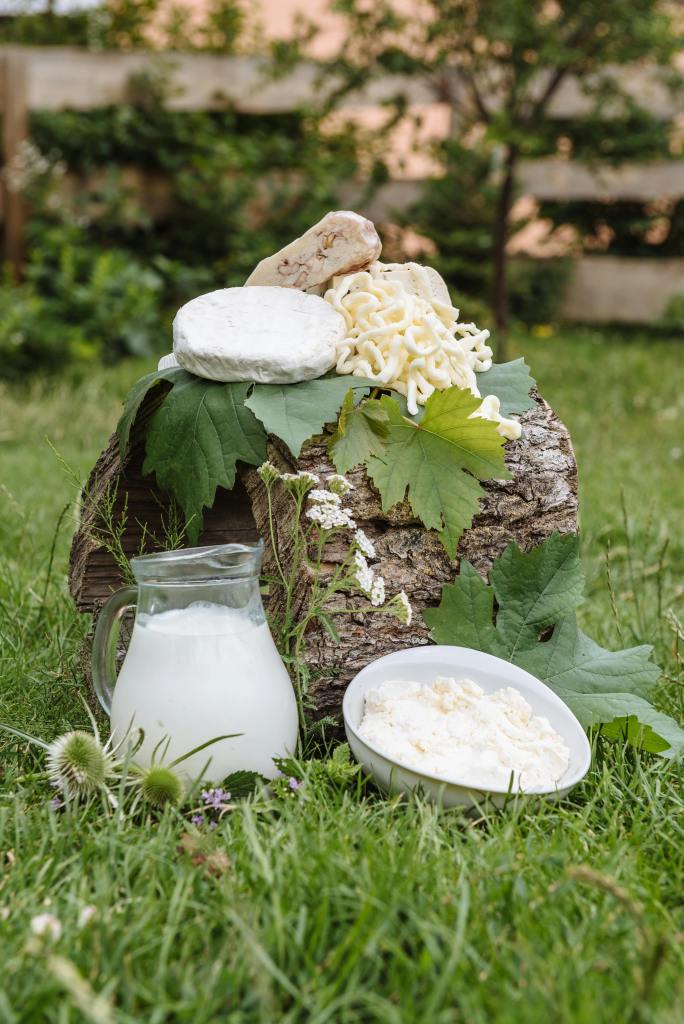
Here’s the deal: dairy can mess with your skin, but it depends on your gut. When your digestive system isn’t vibing with lactose or casein (milk proteins), it can trigger inflammation—which for some people means bloating, and for others, breakouts that scream “teenage angst” in your 40s.

Bottom line: If your gut gets gassy and your face gets rashy after cheese night, it might be time to flirt with oat milk.

Not everyone has to quit dairy, but if your gut throws a tantrum every time you say “cheddar,” your skin might be the innocent bystander.

🧀 Proceed with caution. And maybe carry lactase pills and concealer.

“Does Dairy Really Mess with Your Skin, or Is That Just Internet Gossip?”

Ah, dairy. Delicious. Creamy. Innocent-looking… until your chin turns into a crime scene.

Here’s the deal: dairy can mess with your skin, but it depends on your gut. When your digestive system isn’t vibing with lactose or casein (milk proteins), it can trigger inflammation—which for some people means bloating, and for others, breakouts that scream “teenage angst” in your 40s.

Also, many dairy cows are treated with hormones, and surprise—those can sneak into your system too, possibly leading to hormonal acne.

Bottom line: If your gut gets gassy and your face gets rashy after cheese night, it might be time to flirt with oat milk.

Not everyone has to quit dairy, but if your gut throws a tantrum every time you say “cheddar,” your skin might be the innocent bystander.

🧀 Proceed with caution. And maybe carry lactase pills and concealer.