
💧 Hydration Hacks: Why Water Alone Won’t Save Your Skin

Because chugging from a Stanley Cup isn’t a cure-all (sorry, TikTok).

We’ve all heard it: “Drink more water and your skin will glow!” While it’s true that hydration is important, I’m here to lovingly burst your bubbly water bottle and tell you the truth: water alone isn’t the secret to radiant, wrinkle-free skin. As a wound and ostomy care nurse in her 40s who’s obsessed with skin, gut health, poop talk, and practical wellness—trust me, I’ve done the homework so you don’t have to.


💦 Water Is Essential… But Not Enough

Let’s clear the air: yes, you need water. It helps with:

  • Circulation 🚰
  • Nutrient transport 🥬
  • Poop mobility 💩
  • Skin plumpness and cell turnover ✨

But if you’re dehydrated on the inside—or if your skin barrier is compromised on the outside—no amount of water will save your skin from flaking, dullness, or breakouts.

Think of hydration like building a house:
Water is the bricks.
But you also need cement, insulation, and a roof—otherwise it all crumbles.


🧠 Real Talk: Why You’re Still Dry Despite Drinking Water

Here’s what might be sabotaging your skin:

1. Caffeine Overload ☕

Coffee’s a diuretic. It makes you pee more, which means you’re losing water before your skin gets a chance to benefit.

2. Not Enough Electrolytes 🧂

Sodium, potassium, and magnesium help your body hold on to water. No electrolytes? You’re basically pouring water through a colander.

3. Low-Fat Diets 🥑🚫

Healthy fats (omega-3s!) lock moisture into your skin. No fat = dry, cracked barrier.

4. A Damaged Skin Barrier 🧱

If you’re over-exfoliating, using harsh products, or skipping moisturizer, your skin is literally leaking water into the air. (Not even kidding.)

5. Gut Imbalance 🦠

If your microbiome is out of whack, you might be inflamed, constipated, and not absorbing nutrients properly. That means dull skin, dryness, and even breakouts.


🧴 Nurse-Approved Hydration Hacks (That Actually Work)

Let’s build better hydration from the inside out and outside in:


💊 Internal Hydration:

  • Electrolyte packs or coconut water (especially after workouts or heat)
  • Eat your water: cucumbers, watermelon, oranges, leafy greens 🥒🍉
  • Healthy fats: avocado, salmon, flaxseed
  • Probiotics + fiber: support gut balance for better nutrient absorption
  • Daily water intake goal: Aim for ½ your body weight (lbs) in ounces

🧴 External Hydration:

  • Use a gentle, non-stripping cleanser
  • Layer in hydrating serums (hyaluronic acid, glycerin, panthenol)
  • Lock it in with moisturizer—don’t skip this step!
  • Apply SPF daily—yes, even when it’s cloudy ☁️
  • Avoid hot showers and harsh scrubs (they dehydrate the skin barrier!)

🩺 Nurse Wisdom: What I Tell My Patients

As someone who helps heal wounds every day, I’ve seen firsthand what dehydration (internal and topical) can do:

  • Slower wound healing
  • Increased skin tears
  • Chronic dryness
  • Skin infections

So yes, hydration is key—but only when paired with barrier support, gut health, and smart nutrition. Think whole-body hydration, not just a “drink more water” fix.


⚠️ Disclaimer (Because I’m a Nurse, Not Your Nurse 😉)

This blog is for general education and entertainment purposes only. Always consult with your doctor, dermatologist, dietitian, or wound/ostomy care nurse—especially if you have medical conditions or concerns.


💡 The Bottom Line:

💧 Water helps—but it’s not the hero.
🥑 Eat healthy fats.
🦠 Heal your gut.
🧴 Protect your skin barrier.
🌞 Wear SPF.
💩 And for the love of all things skincare… poop daily.

Want more real-talk skin + gut care tips from your favorite wound nerd? Subscribe to the blog or leave me a comment—I’m all ears (and elbows).
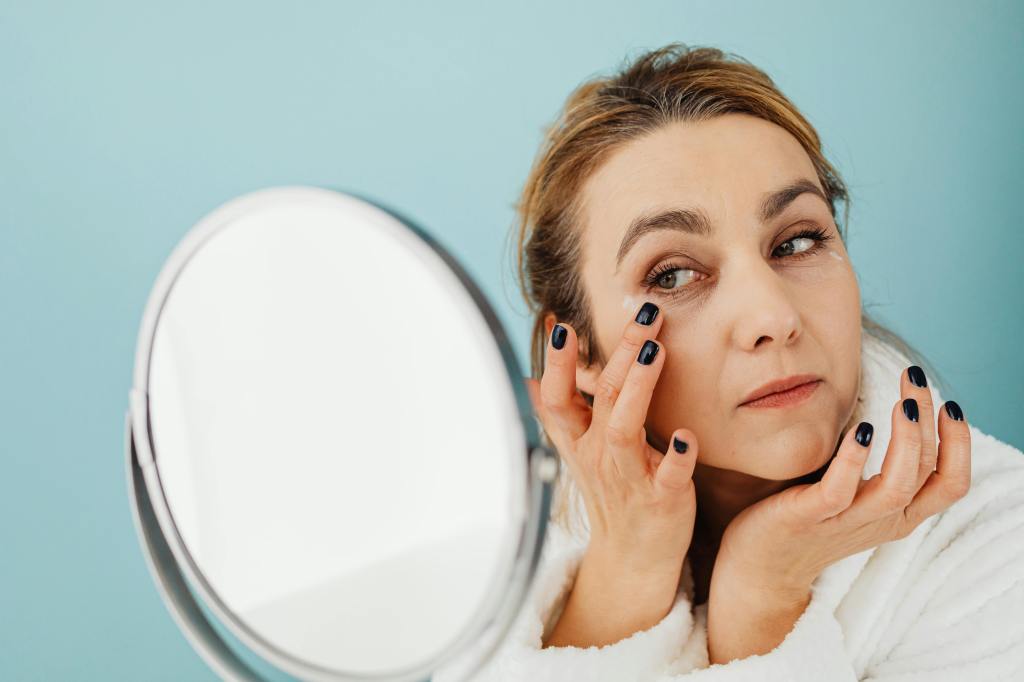

DIY Face Masks: Beauty Hack or Skin Disaster? Nurse Weighs In

🥑🧪 Slathering kitchen leftovers on your face might sound fun… but should you?

Let’s talk about the Pinterest rabbit hole of DIY face masks. If you’ve ever thought, “Maybe if I smear honey, turmeric, and Greek yogurt on my face, I’ll glow like J.Lo,” you’re not alone. As a wound and ostomy nurse who lives for gut health, glowing skin, and a good poop chat—I get the urge to keep it “natural.” But here’s the deal:

Not everything in your fridge belongs on your face.
(And yes, that includes oatmeal… sometimes. Let’s break it down.)


🍯 The Appeal of DIY Masks: Natural, Cheap, Fun

  • No weird chemicals
  • You know exactly what’s in it
  • Kitchen spa day = self-care
  • Instagram loves a mask selfie

But… are they safe? Are they effective? Or are you unknowingly destroying your skin barrier while trying to “detox”?

Let’s nurse this topic into clarity, shall we?


⚠️ When DIY Becomes D-I-Why-Did-I-Do-That?

Here’s where I see kitchen chaos turn into skin trouble:

🍋 1. Lemon Juice

✖️ Too acidic → disrupts pH
✖️ Can cause chemical burns
✖️ Increases sun sensitivity (hello, hyperpigmentation)

🥣 2. Baking Soda

✖️ High pH → strips your natural oils
✖️ Leaves skin raw, dry, and vulnerable
✖️ Especially risky for sensitive or mature skin

🧂 3. Sugar or Salt Scrubs

✖️ Feels satisfying, but those grains are too harsh
✖️ Can create microtears in your skin
✖️ Inflames acne-prone or aging skin


✅ Nurse-Approved DIY Ingredients (If You Must)

If you’re going the homemade route, here are some gentle heroes:

Honey (raw & local is best)

  • Antibacterial & hydrating
  • Good for acne-prone, dry, or inflamed skin

Plain Greek Yogurt

  • Lactic acid = gentle exfoliation
  • Contains probiotics = barrier-friendly

Oatmeal (finely ground)

  • Soothes itchy, inflamed skin
  • Ideal for eczema or sensitive skin

Aloe Vera (from the plant, not the green gel full of alcohol)

  • Calms redness and hydrates
  • Great for post-sun or irritation

Pro Tip: Always patch test your DIY concoctions before going full-face. Even “natural” things can trigger reactions—especially if your skin barrier is already stressed.


🧠 Nurse Perspective: Why Gut Health Still Matters

Let me be real: no mask in the world (DIY or $300 luxury) will fix…

  • Poor digestion
  • Chronic stress
  • Dehydration
  • Constipation
  • Nutrient deficiencies

If your skin’s acting up, don’t just reach for the avocado—ask your gut what’s going on.

💩 Are you pooping daily?
🥬 Are you eating enough fiber, good fats, and protein?
💧 Are you hydrated or just caffeinated?
🧘‍♀️ Stressed and inflamed or chill and glowing?

Fix your insides, and your outsides will follow. Skin is a mirror—not a mask.


🧴 Safer Alternatives to DIY Mayhem

  • Clay masks (like kaolin or bentonite)—great for oily skin
  • Sheet masks with ceramides or hyaluronic acid
  • Gentle exfoliating masks with lactic acid or enzymes (NOT scrubs!)
  • Hydrating masks with aloe, panthenol, or niacinamide

Pro tip from your friendly wound nurse: Healing takes TIME. Don’t sabotage your skin trying to rush the glow.


🧼 My Go-To Glow Routine:

  1. Gentle cleanser
  2. Hydrating toner or mist
  3. Barrier-repair serum (niacinamide or peptides)
  4. Moisturizer
  5. SPF every morning—no excuses

Bonus: Eat gut-friendly, poop daily, and manage stress. (Your skin will thank you.)


⚠️ Disclaimer (Because I’m a Nurse, Not Your Nurse 😉)

This blog is for general education and entertainment purposes only. Always consult with your doctor, dermatologist, dietitian, or wound/ostomy care nurse before starting new skin routines—especially if you have conditions, allergies, or active acne.


✨ TL;DR – The Nurse’s Verdict:

  • DIY masks can be fun—but not all are skin-safe
  • Avoid lemon, baking soda, scrubs
  • Use honey, yogurt, oats with caution
  • Focus on gut health and consistent care
  • Stop blaming your face—start listening to your body

Want more skin-safe, gut-loving skincare advice from someone who’s seen it all (and isn’t afraid to talk about poop)? Subscribe or drop a comment—I’d love to nerd out with you. 💩💖