
What Happens to Your Skin When You Don’t Eat Enough Protein 🍳💪

Let’s get something straight: protein isn’t just for bodybuilders or those aggressively blending spinach into their smoothies at 6 a.m. (you know who you are 😏). As a wound and ostomy nurse with over two decades of skin-and-gut obsession, I’m here to lovingly scream this from the rooftops:

🥩 PROTEIN = SKIN POWER.
And when you’re not getting enough? Oh honey, your skin knows—and it’s not happy about it.

So, What Does Happen to Your Skin?

1. Delayed Wound Healing 🐢

If you’ve got a surgical incision, pressure injury, or even a tiny cut, low protein levels can seriously slow your body’s ability to repair. As a wound care nurse, I see this all the time. Protein provides amino acids—aka the building blocks of new tissue. Without enough, your body is like a construction site with no bricks or builders.

2. Thinning Skin = Rips, Tears, & Sadness 😢

Thin, fragile skin isn’t just a grandma thing. It’s a protein deficiency thing. Collagen and elastin (those bouncy, plump skin superheroes) are protein-based. No protein? No bounce. No strength. Just skin that bruises easily and tears like wet tissue.

3. Increased Inflammation = Acne, Eczema, Flare-Ups 🔥

When your gut isn’t getting what it needs—hello again, protein—it starts to panic. Cue the inflammation party. And where does that show up? Yup, your skin. Think breakouts, redness, and those weird rashes that make you Google things you shouldn’t.

4. Hair and Nails Suffer Too 💅🚿

Okay, not technically skin, but they’re all part of your integumentary system (yay, science!). Brittle nails, thinning hair, and dry, flaky scalp often point to—you guessed it—low protein intake.


How Much Protein Do You Actually Need?

It varies by weight, activity level, and health status (and yes, the type of ostomy you have). A common general rule is 0.8 to 1.2 grams of protein per kilogram of body weight per day—but wound healing needs? Way higher. Think 1.5–2.0g/kg. Always talk with a dietitian for personalized guidance!


Protein-Rich Foods I Love 🍽️

Here’s a few of my go-to faves for glowing skin and strong healing:

  • Eggs 🥚 – affordable, versatile, and full of biotin too!
  • Salmon 🐟 – Omega-3s + protein = skin magic
  • Greek yogurt 🍦 – protein-packed AND probiotic-rich
  • Tofu & Lentils 🌱 – plant-based protein with fiber for gut love
  • Collagen powders – not a miracle, but helpful as part of a balanced intake!

For My Ostomates 👀

⚠️ Your protein needs may be higher, especially with an ileostomy (more losses!) or active wounds around your stoma. Don’t guess—ask your wound/ostomy nurse or dietitian for help. It’s literally what we’re here for. 💁‍♀️


TL;DR — Protein = Skin Fuel 🚀

If your skin feels papery, your wounds are dragging their feet to heal, or your poop just looks… weird (you knew I’d mention poop 💩), it might be time to check your protein intake.

And remember, it’s not just what you put on your skin. It’s what you feed your gut that helps it all shine.


⚠️ Disclaimer (Because I’m a Nurse, Not Your Nurse 😉)
This blog is for general education and entertainment purposes only. Always consult with your doctor, dietitian, dermatologist, or wound/ostomy care specialist—especially if you have specific conditions, allergies, or a medical device like an ostomy.

Magnesium, Motility & Morning Poops: My Favorite Gut Routine


Because no one should start their day feeling full of 💩

Let’s be honest—there are few things as satisfying as that first glorious morning poop. If you’re over 40 (like me), a nurse (also me), and obsessed with skin, gut health, and all things digestive, then you know: regular poops are a form of self-care.

Over my 22 years as a nurse—and especially as a wound and ostomy care specialist—I’ve had a front-row seat to all kinds of gut drama. And guess what? A lot of it could be greatly improved by a solid routine, some magnesium magic, and a little TLC (tender loving care) for your gut motility.

So here’s my favorite gut routine, nurse-tested and life-approved.


💊 First Up: Why Magnesium

Magnesium isn’t just for sore muscles or leg cramps at 2 a.m. It’s a gut health powerhouse. Think of it as the chill friend who helps your intestines move things along without drama.

Types of Magnesium (Because It’s Not All the Same):

  • Magnesium Citrate – Great for promoting bowel movements. Perfect if you’re feeling a little… backed up.
  • Magnesium Glycinate – Gentle and calming. Supports relaxation and sleep but also helps the bowels over time.
  • Magnesium Oxide – Less absorbable but draws water into the colon (hello, softer stools!).

🔍 Nurse Tip: Always start low and go slow. Too much and you’ll go from “constipated” to “clear-out-the-room” real fast.


⏰ Timing is Everything

Morning poops are more than convenient—they’re biologically ideal. Your gut is most active after waking, especially after food hits your stomach. This is called the gastrocolic reflex—a fancy way of saying: “Your colon wants to get moving once breakfast arrives.”

My Morning Gut Routine:

  1. Hydrate Like You Mean It
    First thing: big glass of warm water with lemon. Bonus points if you add a pinch of sea salt or a splash of apple cider vinegar.
    💧 Hydration = happy bowels.
  2. Magnesium (the night before!)
    I take my magnesium glycinate or citrate before bed so my colon can wake up ready to rock.
  3. Move It, Don’t Lose It
    Light stretching or a walk can help stimulate motility. Sometimes just standing in front of your coffee machine counts.
  4. Fiber + Fat Breakfast Combo
    Think oats + chia + nut butter OR avocado toast with seeds. This combo wakes up the gut and your skin.
  5. Deep Breaths, No Rushing
    Stress shuts digestion down. Take a minute. Sit down. Poop in peace.

🧠 Gut Motility & Your Skin? Oh Yes.

Here’s where my skincare nerd side comes out: When your gut is slow, your skin shows it. Constipation leads to toxin build-up, and your body will try to detox however it can—including your face. Hello breakouts, dullness, and inflamed skin.

Good gut flow = glowing skin. It’s that simple.


💩 Stool Goals

You want a smooth, soft, easy-to-pass sausage. (Yes, I said it.)

✅ Not too hard
✅ Not too loose
✅ Ideally in the morning
✅ Once or twice a day

If you’re skipping days, pushing too hard, or living in the land of rabbit pellets, it’s time to rethink your gut routine.


Final Thought From This Poop-Obsessed Nurse:

Magnesium might not be glamorous, but it works. Pair it with hydration, movement, and mindful meals, and you’ll be amazed what your gut—and your skin—can do. Don’t wait until things get sluggish to start caring about motility.

Because, let’s be real: You deserve better than coffee, stress, and crossed fingers.

Your morning poop is a sacred ritual. Protect it at all costs.


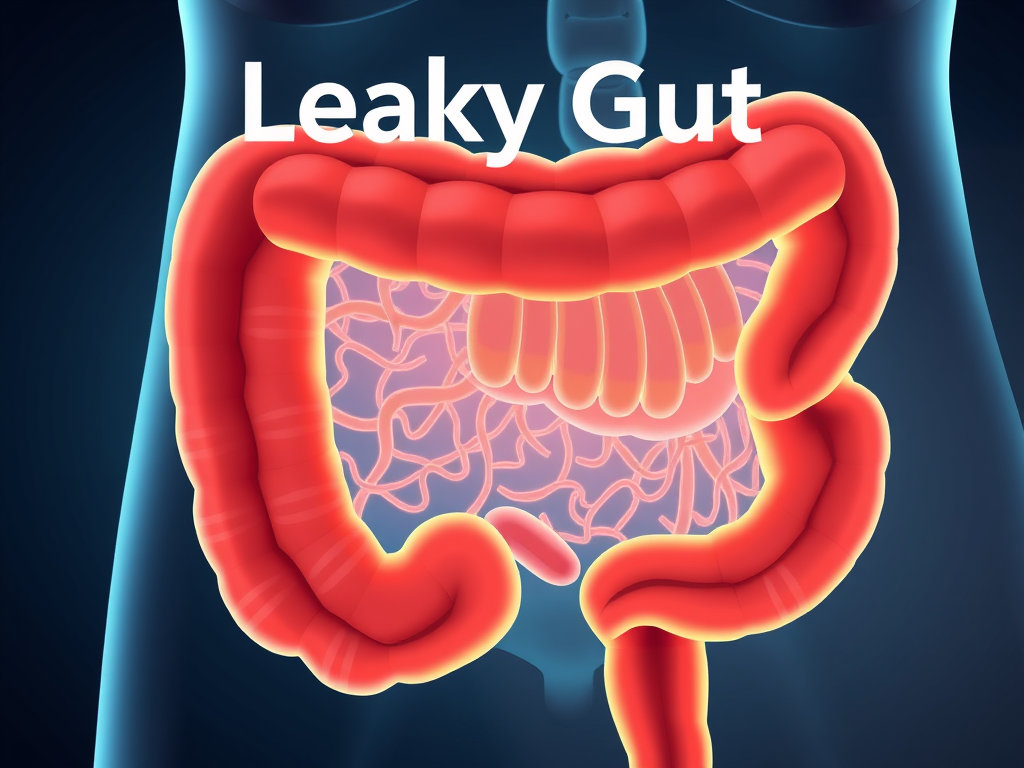
Leaky Gut: Trendy Diagnosis or Real Problem?

From the desk of a nurse who talks poop professionally

Let’s cut to the cheese (because dairy might be triggering your gut, but we’ll get there): Is “leaky gut” just the latest health buzzword, or is your digestive system actually betraying you one cell at a time?

As a nurse with 22 years of experience—who now spends her days talking about guts, wounds, ostomies, and everything in between—I’ve heard “leaky gut” tossed around more than a salad at a wellness retreat. So, let’s break it down in plain speak, minus the fear-mongering and plus a whole lot of real talk.


What Even Is Leaky Gut?

Leaky gut—also known in the science world as increased intestinal permeability—is when the lining of your intestines becomes damaged or inflamed. Normally, your gut lining is like a super-selective bouncer at a VIP club: it lets the good stuff (nutrients, water) in and keeps the riffraff (toxins, undigested food, bad bacteria) out.

When it becomes “leaky,” it’s like the bouncer got tired, took a nap, and now anyone can stroll into the bloodstream. Cue: inflammation, bloating, fatigue, skin breakouts, brain fog, and the dreaded poop problems.


Is It Real or Just Really Instagrammable?

Here’s the deal—leaky gut is real, but it’s not officially recognized as a diagnosis by all mainstream medical communities. Why? Because it’s tricky to prove directly in humans, and many of its symptoms mimic other conditions like IBS, food sensitivities, or even chronic stress.

But from my nurse perspective? I believe it’s a red flag. Not just a TikTok trend. When someone comes in with mystery rashes, chronic bloating, or poops that range from rabbit pellets to Niagara Falls, I start thinking gut barrier.


Signs Your Gut Might Be Leaking More Than Gossip

  • Bloating after every meal (no, it’s not just “getting older”)
  • Food sensitivities that didn’t used to be a thing
  • Fatigue no matter how many B12 shots you get
  • Skin issues: eczema, acne, or mystery breakouts
  • Frequent colds or “meh” immune function
  • Poop problems (constipation, diarrhea, or both on rotation)
  • Brain fog or mood swings that come out of nowhere

What Can You Actually Do About It?

I’m glad you asked. (Or maybe you didn’t, but I’m answering anyway.)

🥦 Eat Real Food

Minimize processed stuff. Think fiber-rich foods (veggies, fruits, whole grains), bone broth, and fermented foods like kimchi and kefir. Your gut bugs LOVE that stuff.

🚫 Avoid Gut Saboteurs

Common culprits? Excess sugar, alcohol, NSAIDs (like ibuprofen), and chronic stress. Yes, stress messes with your poop. Science backs me on this.

💊 Consider Supplements

Zinc, L-glutamine, collagen, and probiotics are often used to help support gut lining repair. Talk to your provider before adding a cart full of Amazon supplements, though.

💧 Hydrate Like It’s Your Job

Because it is your job—if you want better poops, better skin, and better energy.

🧘‍♀️ Chill the Heck Out

Stress is a major gut-wrecker. Meditation, yoga, deep breathing, or just screaming into a pillow in the supply closet (nurses, I see you)—whatever works.


So… Should You Panic?

Nah. Don’t panic. But don’t ignore your gut either.
If you’ve got skin flare-ups that won’t quit, poop that’s unpredictable, or you’re feeling “off” in ways that labs can’t explain—your gut might be trying to tell you something. And as your friendly, wound-and-gut-loving nurse in her 40s, I say: listen.

You don’t have to go full kale-smoothie-cleanse (please don’t), but you do need to take your gut health seriously. Because when your gut’s not happy, your skin, mood, and poop will absolutely snitch on it.


Nurse’s Final Note:

You can’t slap a collagen cream on a leaky gut. Skin glow starts inside—and yes, it often begins with your poop. 💩


Want more gut-friendly tips, recipes, or just a good laugh about poop and wrinkles?
Subscribe to the blog and stay weirdly well-informed.