Wrinkles, Wound Healing & Water: Skin Science After 40


By a wound care nurse who knows hydration isn’t just trendy—it’s critical

Let’s face it: turning 40 is kind of like skin’s midlife crisis. Suddenly, things that used to “bounce back” now just… linger. Wrinkles sneak in, healing slows down, and your moisturizer starts working overtime. But here’s the good news: as a nurse and someone who obsesses over both wound care and wellness—I’m here to tell you that your skin can still thrive. It just needs a little more science, strategy, and yes… water.

So grab a glass, because we’re about to hydrate your skin, your gut, and your entire mindset.


💧 Let’s Talk About Water (No, Really)

I know—everyone and their wellness influencer cousin says to “drink more water.” But here’s the clinical truth:

  • Dehydrated skin heals slower.
  • Dehydrated bodies poop less.
  • Dehydrated cells age faster.

As a wound care nurse, I can tell you firsthand: hydration is everything. It’s one of the most overlooked components in both chronic wound healing and aging skin. Your skin is your largest organ, and like any good organ, it needs hydration to function.

Nurse Tip: Aim for half your body weight in ounces per day (or more if you’re sweating or chugging coffee like it’s charting fuel).


🧬 Wrinkles: The Battle You Can Totally Win (Sort of)

Wrinkles aren’t the enemy—they’re the memoirs of your face. But if you want to smooth out some chapters, here’s what works:

  • Topical Retinoids: Vitamin A derivatives that boost collagen and reduce fine lines. Bonus—they also help with wound cell turnover!
  • Peptides & Growth Factors: Fancy talk for ingredients that coach your skin into behaving younger.
  • Daily SPF: Because preventing damage is easier than microneedling it away later. (Shoutout to the sun exposure I thought was “just a tan” in my 20s…)

Bonus Point: Gut inflammation can accelerate aging—yep, your wrinkles can be a digestive distress signal.


🩹 Wound Healing After 40: Slower, But Smarter

Aging skin is like an older nurse: wise, experienced… but it doesn’t rush anymore. Healing slows because:

  • Collagen production decreases
  • Circulation may reduce
  • Immune response changes

But don’t panic—we can support healing through:

  • Vitamin C + Zinc + Protein (the holy trinity of wound care)
  • Hydration and circulation-boosting habits (walk, massage, hydrate)
  • Gut health: because nutrient absorption = healing fuel

Ostomy Patients: Pay extra attention to hydration and skin barrier integrity. Peristomal skin loves a happy gut and a well-fed body.


🥦 Skin Starts in the Gut (And Poop Tells the Story)

Let me be super nurse-real with you: If your gut’s a mess, your skin will tattle.

  • Acne, eczema, and dullness can all be tied to gut dysbiosis
  • Poor digestion = less nutrient absorption = less skin support
  • Chronic constipation? It’s not just uncomfortable—it slows detox, which your skin often picks up the slack for

Add prebiotic foods (like garlic, onions, asparagus), fermented foods (kimchi, yogurt, sauerkraut), and fiber-rich plants to keep your insides as pretty as your outside.


🧖‍♀️ My Personal Glow-Up Routine (In Case You’re Wondering)

Here’s what this 40-something nurse swears by:

  • Morning magnesium water + walk
  • Probiotic + collagen in my coffee (yes, it dissolves)
  • Gentle cleanser, Vitamin C serum, SPF 50, moisturizer with peptides
  • Retinol 2–3x/week at night
  • Eat-the-rainbow meals and good fats (hello avocado)
  • 7+ hours of sleep (or pretending I did)

👩‍⚕️ Final Thoughts from Your Favorite Wound Nurse

Your skin is a reflection of your gut, your habits, and your hydration. It doesn’t need 14 expensive products or filters—it needs care, consistency, and clinical common sense.

Wrinkles happen. Wounds take longer to heal. But with water, good food, gut love, and SPF loyalty, your skin will be as strong as your nursing skills.

Because you don’t just glow—you’ve earned that glow.

Sunscreen for Nurses: Best Picks for Long Shifts & Real Life

Because our skin deserves more than fluorescent lighting and chart stress.


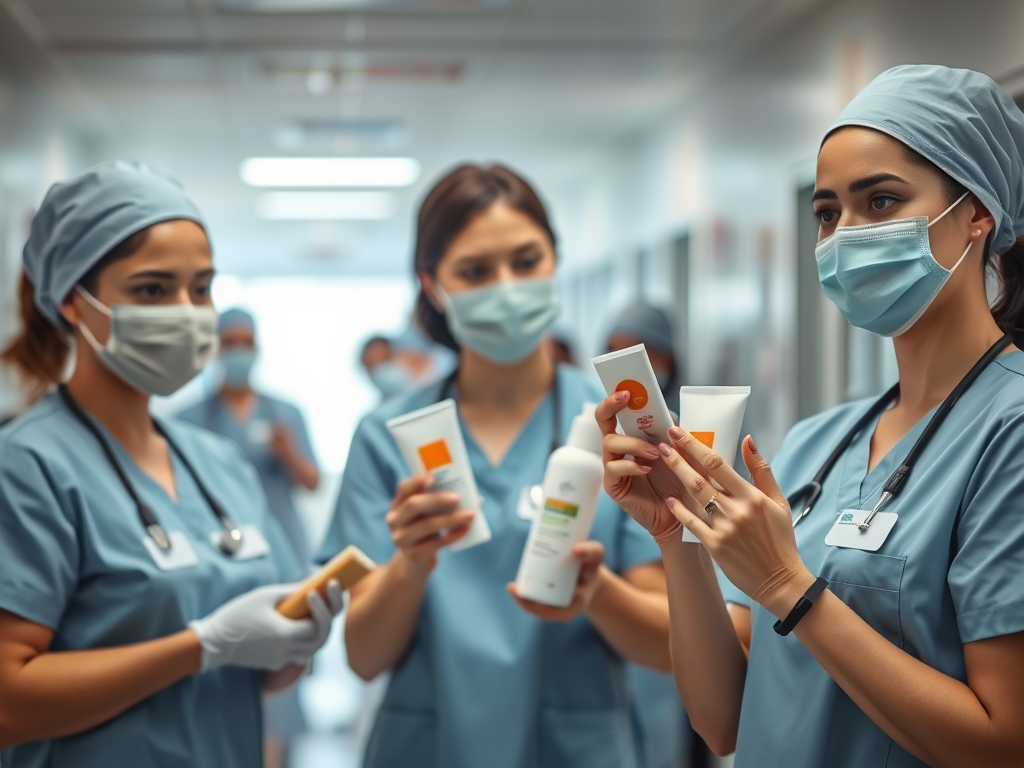
Let’s be real—most nurses can run on caffeine, half a protein bar, and a prayer. But when it comes to sun protection, we need to do better. Especially if you’re like me—a nurse in her 40s who’s now obsessed with preventing wrinkles, hyperpigmentation, and those rogue forehead freckles that showed up during a parking lot walk from hell.

As a wound and ostomy care nurse, I preach barrier protection all day. So yes, that includes the most underappreciated one: your skin’s barrier against UV radiation.

Let’s talk real-life sunscreen—what works for long shifts, under PPE, on sweaty days, and for skin that still needs to breathe, heal, and GLOW.


☀️ Why Nurses Actually Need Sunscreen at Work

You might be thinking, “I’m inside all day!”

Okay, but hear me out:

  • Windows let in UVA rays – yes, the aging ones.
  • Quick outdoor runs (lunch break, shift change, fire drills) = sneaky UV exposure.
  • Hospital lights + devices emit blue light that contributes to skin aging and pigmentation.

Add that to 12-hour shifts and constant skin barrier stress from sweat, masks, hand sanitizer, and friction—your skin deserves armor.


👩‍⚕️ Nurse-Approved Sunscreen Criteria:

We’re not asking for luxury here. We’re asking for:

  • Non-greasy
  • Fast-absorbing
  • No white cast (we don’t have time to blend)
  • Safe for sensitive skin (wound nurse approved!)
  • Plays nice with makeup or bare faces
  • Doesn’t break you out by hour six

And yes—affordable, because let’s be honest: we still haven’t been reimbursed for that “unpaid lunch break.”


🧴 Top Sunscreen Picks for Nurses Who Don’t Sit Still

1. EltaMD UV Clear SPF 46

⭐️ Dermatologist favorite
✅ Lightweight, great under masks, ideal for acne-prone skin
💊 Packed with niacinamide (hello skin barrier support!)

Perfect for: Anyone dealing with maskne or rosacea flare-ups.


2. La Roche-Posay Anthelios Melt-In Milk SPF 60

☁️ Super smooth, sheer, and hydrating
💪 Holds up during sweaty shifts or power walks
🌿 Gentle enough for sensitive skin

Perfect for: Nurses who hustle in and out of the building.


3. Neutrogena Hydro Boost Water Gel SPF 30

💧 Cooling, water-based formula
💸 Budget-friendly and drugstore accessible
🏃‍♀️ Absorbs fast so you’re not late for huddle

Perfect for: Nurses who need zero-fuss SPF.


4. Colorescience Sunforgettable Brush-On SPF 50

🖌 Powder format—great for mid-shift reapplication
✨ Sets makeup and soaks up sweat
🚑 Can be used over PPE with no mess

Perfect for: ICU/ER folks who can’t reapply lotion during chaos.


5. Black Girl Sunscreen SPF 30

🌈 Inclusive formula with zero white cast
💧 Super moisturizing
🧴 Great for dry, mature, or melanin-rich skin

Perfect for: Everyone who’s been ghosted by mineral sunscreens.


💡 Bonus Tips for Shifts Under Stress & Sweat:

  • Apply before your shift (even if it’s 5:15 AM—your skin clock is watching).
  • Keep a mini SPF in your scrub pocket or locker for mid-day reups.
  • Pair with antioxidant serums like Vitamin C to boost sun protection.
  • Hydrate – because UV exposure + dehydration = dull, tired skin.

🧠 Gut-Skin Connection Alert: UV damage increases skin inflammation. A poor gut microbiome? Makes it worse. Feed your gut and protect your face = double win.


🩺 Real Talk From a Nurse in Her 40s

I’ve seen the effects of UV damage on wound healing, skin tears, and long-term skin integrity. I’ve also seen coworkers skip sunscreen, then wonder where the crepey texture came from (hint: it wasn’t the night shift pizza).

So let this be your reminder: prevention is everything. One less wrinkle, one less sunspot, one more glow-up.


☀️ Final Thought:

You spend your days caring for everyone else. Your skin? It’s part of your story—and it deserves care too. So before you dive into another long shift, do the 30-second thing that future you will thank you for.