
Can Probiotics Help with Hair Growth? The Research-Backed Truth 💊🧠


From Poop Talk to Hair Talk 💩➡️💇‍♀️

If you’re anything like me—a nurse in her 40s who talks about poop as often as she talks about skincare—then you’ve probably wondered: Can my gut health really affect my hair? And more importantly: Can probiotics help my hair grow back or grow better? Let’s dive into the scalp-tingling science! 🧬


What’s the Gut-Hair Connection, Anyway?

The idea that your gut can affect everything from your mood to your skin isn’t new. But researchers are now uncovering links between gut health and hair health too. Just like the gut-skin axis, there’s a growing belief in a gut-hair axis—where inflammation, poor nutrient absorption, and microbial imbalances (dysbiosis) can contribute to hair loss and poor hair quality.

A 2021 study published in Frontiers in Cellular and Infection Microbiology found that gut microbial imbalances were linked to telogen effluvium (a common type of hair shedding), due to increased systemic inflammation and nutrient depletion. So, yep—it’s not just vanity, it’s biology!


How Probiotics Might Help With Hair Growth 🦠💇‍♀️

Probiotics are live beneficial bacteria that help balance your gut microbiome. Here’s how they could potentially boost your hair health:

1. Reduce Inflammation

Chronic inflammation can disrupt the hair cycle and damage hair follicles. By balancing gut flora, probiotics help lower inflammation throughout the body, including the scalp.

2. Improve Nutrient Absorption

Your hair thrives on nutrients like biotin, zinc, iron, and B vitamins. A healthy gut helps absorb these more efficiently, making sure your hair gets the building blocks it needs to grow.

3. Support Hormonal Balance

Some strains of probiotics (like Lactobacillus rhamnosus) may support hormonal health by improving estrogen metabolism—important for those struggling with hormone-related hair loss.

4. Boost Immunity & Fight Pathogens

An overgrowth of harmful bacteria or yeast (like Candida) can interfere with nutrient absorption and trigger immune responses that impact hair health. Probiotics help keep these troublemakers in check.


My Story: Poop, Probiotics & Ponytail Power 💪💩

I used to think thinning hair was just a side effect of getting older (hello, 40s 👋) genetics is involve too. But when I started focusing more on gut health—cutting out processed foods, upping my fiber, and taking a targeted multi-strain probiotic—I noticed more than just better digestion. My skin glowed, my bloating improved, and surprise… my hair looked thicker. My ponytail actually bounced again. Coincidence? I think not.


Best Probiotic Strains for Hair & Scalp Health

Not all probiotics are created equal. Here are a few that show promise:

  • Lactobacillus plantarum – Anti-inflammatory, promotes nutrient absorption
  • Lactobacillus rhamnosus – Supports hormonal balance
  • Bifidobacterium longum – Reduces gut inflammation
  • Lactobacillus paracasei – Helps skin and scalp barrier function

🔍 Tip: Look for a high-quality probiotic with multiple strains and at least 10–20 billion CFU.


Gut-Friendly Foods That Also Feed Your Hair 🍓🥬🐟

Food is your foundation. These are my go-to gut-friendly foods for strong hair:

  • Fermented foods (yogurt, kefir, sauerkraut, kimchi) – Natural probiotics
  • Leafy greens – Full of folate, iron, and fiber
  • Fatty fish – Omega-3s reduce inflammation
  • Sweet potatoes – Rich in beta-carotene for scalp health
  • Pumpkin seeds – Packed with zinc and magnesium

P.S. These are also amazing for wound healing—bonus nurse tip! 🩹


What Does the Research Say? 📚

A 2022 review in the Journal of Cosmetic Dermatology noted that probiotics may improve the scalp microbiome, reduce dandruff, and support hair follicle cycling. Another clinical study showed that participants who took probiotics reported better skin hydration and hair strength.

So while more research is needed, the science is catching up with what many of us see in real life.


Final Thoughts: Should You Take Probiotics for Hair Growth? 🤔

If your gut is struggling, your hair likely is too. While probiotics aren’t a magic fix, they’re a powerful tool in a holistic approach to beauty, wellness, and—yep—even wound healing. Think of them as beauty boosters that start in your belly.


Let’s Get Chatty 💬

Have you ever tried probiotics for your skin or hair? Did you notice a difference? Drop your experience in the comments—I’d love to hear what’s worked (or flopped) for you!

And if you loved this post, check out:


https://gutglow.blog/2025/05/27/%f0%9f%a6%a0-probiotics-for-your-face-the-gut-skin-connection-you-need-to-know/

https://gutglow.blog/2025/05/31/microdermabrasion-101-the-secret-to-radiant-smooth-skin-%e2%9c%a8/


    Thanks for hanging out with me today, friends. Until next time—stay hydrated, eat your fiber, and don’t be afraid to talk about poop. 😉

    ⚠️ Disclaimer (Because I’m a Nurse, Not Your Nurse 😉)

    This blog is for general education and entertainment purposes only and should not be considered medical advice. Always consult your healthcare provider before starting new supplements or treatments.

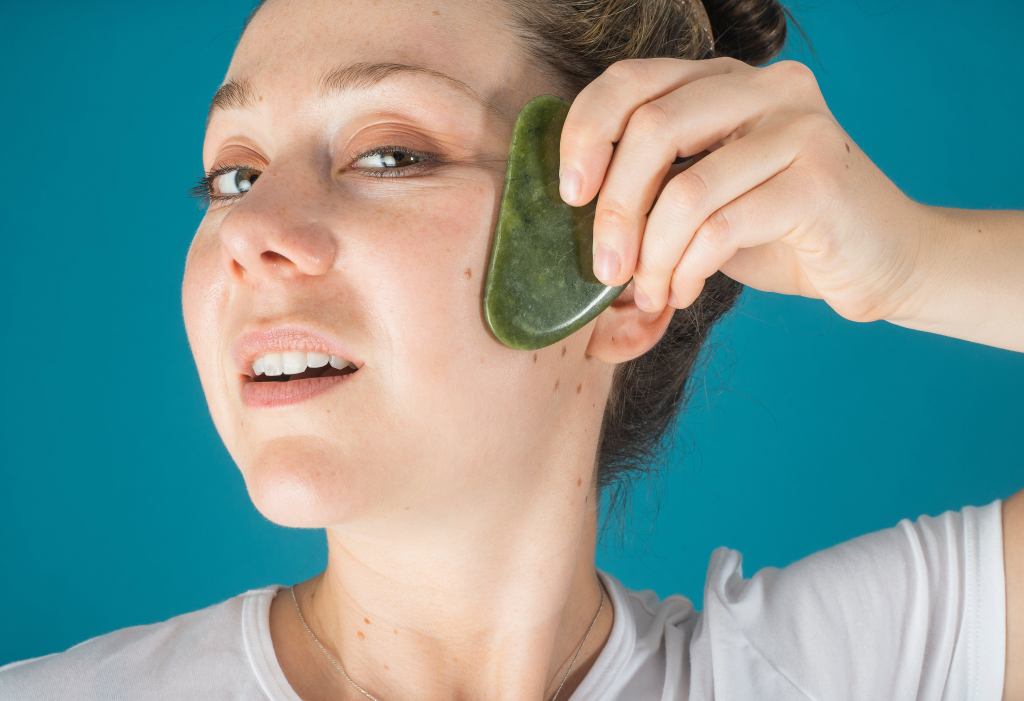
    Microdermabrasion 101: The Secret to Radiant, Smooth Skin ✨

    Hey there, skin lovers! I’m a nurse in my fabulous 40s who’s been obsessed with all things skin, gut, and wellness for years. When I’m not helping patients with wound care and ostomies, you’ll find me nerding out on skincare science, gut health, and yes — the magical connection between your digestion and your glow.

    Today, let’s dive into the world of microdermabrasion — a powerful (and pretty satisfying) treatment that can seriously upgrade your skin’s radiance and smoothness. But spoiler alert: while microdermabrasion can do wonders, the real secret to radiant skin comes from a combo of great skincare AND a happy gut. Yep, your gut and skin are BFFs! 💁‍♀️


    What is Microdermabrasion? 🤔

    Microdermabrasion is a non-invasive cosmetic procedure that gently buffs away the outer layer of dead skin cells using tiny crystals or a diamond-tipped wand. Think of it like sanding wood — it smooths the surface to reveal fresher, brighter skin underneath.

    It’s great for:

    • Fading fine lines & wrinkles
    • Minimizing pores
    • Improving texture and tone
    • Reducing mild acne scars and sun damage

    Unlike harsher peels, it’s gentle enough for most skin types with minimal downtime — hello, glow without the drama! ✨


    The Science: How Does It Work? 🔬

    When you remove the dead skin barrier, microdermabrasion stimulates your skin’s natural healing process. This jumpstarts collagen and elastin production — the proteins that keep your skin firm and youthful. Plus, sloughing off dead cells allows your skincare products to penetrate deeper and work better.

    A 2023 study published in the Journal of Dermatology Research found that microdermabrasion treatments significantly increased skin hydration and elasticity, reinforcing its reputation as a go-to for skin rejuvenation.


    But Wait — What About Your Gut? 🍎🥦

    As someone who’s spent years caring for wounds and digestive health, I’m here to tell you: Your gut health is a game changer for your skin’s radiance. The gut-skin axis is real — your gut microbiome influences inflammation, immune response, and even collagen synthesis.

    Recent research highlights this beautifully: a 2024 review in Gut Microbes showed that people with balanced gut bacteria have fewer inflammatory skin conditions and better skin barrier function. That means what you eat directly impacts your skin’s glow.

    Gut-Friendly Foods for Glowing Skin:

    • Fermented foods like yogurt, kimchi, and sauerkraut boost good bacteria 🥒
    • Fiber-rich veggies like broccoli, spinach, and sweet potatoes feed those bacteria 🌿
    • Omega-3 rich foods like salmon and walnuts reduce inflammation 🐟
    • Antioxidant-packed fruits like berries and citrus fight free radical damage 🍓

    A Personal Story: How I Found My Glow 🌟

    A few years ago, after struggling with persistent dullness and early wrinkles despite fancy creams and serums, I shifted focus to my gut health. I started eating probiotic-rich foods daily, drinking more water, and cutting back on processed sugars. Within weeks, my skin looked visibly brighter and felt smoother — almost like a microdermabrasion glow, but from within. It was a lightbulb moment!

    This experience reinforced my belief that skincare isn’t just about what you put on your skin, but what you nourish your body with.


    How to Combine Microdermabrasion and Gut Health for Maximum Results 💪

    1. Get microdermabrasion treatments every 4-6 weeks (professionally or at home with a trusted device)
    2. Eat a gut-friendly diet rich in probiotics, fiber, and antioxidants
    3. Stay hydrated — water is your skin’s bestie! 💧
    4. Use gentle, hydrating skincare after treatments to soothe and protect
    5. Avoid excessive sun exposure and always use sunscreen (no shortcuts here!) ☀️

    ⚠️ Disclaimer (Because I’m a Nurse, Not Your Nurse 😉)

    This blog is for general education and entertainment purposes only. Always consult your healthcare provider or dermatologist before starting any new skin or gut health regimen.


    Your Turn! 💬

    What’s your experience been with microdermabrasion or focusing on gut health to improve your skin? Have you noticed a “glow-up” from inside out? Drop your stories, questions, or favorite gut-friendly snacks in the comments — I’d love to hear!


    💎 Luxury Skincare: Splurge or Save? A Nurse’s Honest Take 💸

    Let’s talk about that $300 face cream calling your name at Sephora, or that serum with gold flakes that promises to reverse time. Are luxury skincare products really worth the splurge? Or are we all just rubbing overpriced hope into our pores?

    As an ostomy and wound care nurse in my 40s—and a total skincare nerd—I’ve tested my fair share of products (and peeked at a lot of ingredient lists). I’m here to break it down with a dose of science, sass, and skin-gut wisdom. 🧴🧠✨


    💰 Splurge-Worthy or Skin Scam?

    Let’s get this out of the way: expensive doesn’t always mean better. But cheap doesn’t always mean effective either. So where’s the line?

    ✅ When to SPLURGE:

    These items can be worth the extra dollars if:

    🔬 They have clinically backed ingredients.
    Look for proven powerhouses like retinol, peptides, niacinamide, and vitamin C—especially when in stable, high-quality formulations.

    🧪 They offer advanced delivery systems.
    If a luxury serum has encapsulated ingredients that penetrate deeper and work longer, it may be worth it (especially for aging or damaged skin).

    💆 Texture and sensory experience matter.
    If your $90 night cream makes you want to stick to your routine because it feels heavenly, that’s self-care magic I can get behind.

    👃 They’re free from irritants and full of nourishing extras.
    Sensitive skin? You’ll often find luxury lines invest in calming ingredients like ceramides, centella asiatica, or probiotic ferments.


    🧴 When to SAVE:

    A nurse’s budget (and practicality) says there are times to absolutely keep your coins:

    🧼 Cleansers.
    It’s on your face for 60 seconds. Drugstore options with gentle surfactants do just fine (I see you, CeraVe and Vanicream).

    💧 Hydrators.
    Want to trap water in your skin? Look for glycerin, hyaluronic acid, or squalane—you can find all of these in affordable formulas.

    ☀️ Sunscreens.
    SPF is non-negotiable, but you don’t need a $70 bottle. Some of my favorites are under $20, with great feel, broad spectrum protection, and no white cast.


    🧠 Let’s Talk Gut-Skin Realness

    Now here’s where the nurse in me can’t help but chime in: a $200 moisturizer won’t do much if your gut health is a dumpster fire. 💩🔥

    When your digestive system isn’t happy, you can see it on your face—breakouts, dullness, sensitivity, inflammation. If your skin looks “off,” don’t just shop for serums—check your poop, water intake, fiber, stress, and sleep. Yes, even the fanciest cream can’t fix leaky gut syndrome or chronic constipation. 😉

    Want glow? Pair your skincare with:

    • 🌱 Probiotics & prebiotics (yes to fermented foods!)
    • 🥦 Antioxidant-rich veggies
    • 💧 2-3L of water/day
    • 💤 Actual sleep (not just melatonin dreams)

    🩺 A Nurse’s Honest Bottom Line

    Splurge strategically. Don’t fall for fancy packaging alone. Invest where it counts—actives, treatments, and products that truly enhance your routine or solve a problem.

    Save smartly. Skincare isn’t a status symbol. You can have radiant, resilient skin with the right drugstore products and a solid gut game.

    Care from the inside out. Skin health is a full-body conversation—and that includes your intestines, hydration, stress, and even your poop schedule. (Nurse mic drop 🎤💩)


    💬 Let’s Chat

    Have a product you’ve been eyeing but unsure if it’s worth it? Drop it in the comments and I’ll give you the no-fluff nurse verdict! 👇


    ⚠️ Disclaimer (Because I’m a Nurse, Not Your Nurse 😉)

    This blog is for general education and entertainment purposes only. Always consult with your dermatologist, primary care doc, or wound/ostomy care specialist for personalized advice—especially if you have specific conditions, allergies, or medical devices like an ostomy. What works for one skin type might irritate another—so go slow, patch test, and listen to your body.


    ☀️ Sunscreens That Don’t Suck: Nurse-Approved Picks for Real Life

    Because your skin deserves more than just a “nice smell” and a sticky feeling.

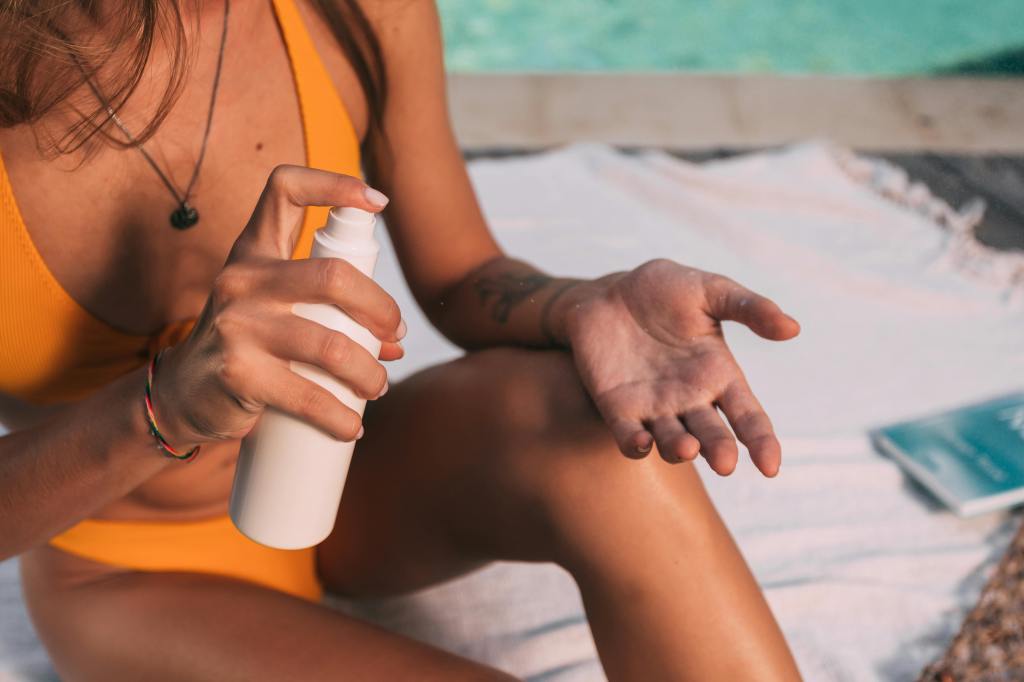
    Let’s be real: sunscreen is non-negotiable if you want to keep wrinkles, dark spots, and skin cancer at bay. But finding a sunscreen that feels good, works well, and doesn’t make you look like a greasy ghost? That’s the real challenge.

    As a wound and ostomy nurse in my 40s who’s obsessed with skin, gut health, and all things wellness, I’m here to cut through the sunscreen marketing noise and give you the no-BS lowdown. 💉✨


    🧴 What Makes a Sunscreen Actually Good?

    First, a quick refresher on the science because I geek out over this stuff:

    • Broad Spectrum: Protects against UVA (aging rays) and UVB (burning rays)
    • SPF 30 or Higher: Blocks ~97% of UVB rays (yes, 30 is the minimum, not 100)
    • Water Resistant: Because sweating, swimming, and life happen
    • Non-comedogenic: Won’t clog pores or cause breakouts
    • Safe Ingredients: Preferably mineral-based (zinc oxide, titanium dioxide) for sensitive or acne-prone skin

    😩 Why So Many Sunscreens Suck

    • Too greasy or heavy → makes you shiny not glowy
    • White cast → hello, ghost face!
    • Chemical filters that irritate sensitive or gut-prone skin
    • Smells like a sunscreen factory (who signed off on that?)
    • Breakouts or dryness after use

    🏆 Nurse-Approved Sunscreens That Actually Work (And Don’t Suck)

    I’ve tested these gems on my own skin, in my nurse life, and with patients who have all skin types and conditions—including sensitive, acne-prone, and mature skin.

    1. EltaMD UV Clear Broad-Spectrum SPF 46

    • Lightweight, non-greasy, and calming (hello, niacinamide!)
    • Great for acne-prone and rosacea skin
    • Zinc oxide mineral filter + chemical UV protection

    2. CeraVe Hydrating Mineral Sunscreen SPF 30

    • Hydrating and barrier-friendly with ceramides
    • No white cast and perfect for dry or sensitive skin
    • Mineral-based, fragrance-free

    3. La Roche-Posay Anthelios Melt-in Milk SPF 100

    • Super high protection for intense sun days
    • Lightweight and absorbs quickly
    • Great for all skin types, especially those with a history of skin cancer or photosensitivity

    4. Blue Lizard Australian Sunscreen Sensitive SPF 30+

    • 100% mineral-based (zinc oxide + titanium dioxide)
    • Fragrance and paraben-free
    • Excellent for sensitive and eczema-prone skin

    🔍 What To Look For When Buying Sunscreen IRL

    • Read labels for broad spectrum and SPF number
    • Test a small patch to check for irritation or breakouts
    • Consider your skin type and needs—dry? Oily? Sensitive?
    • Check for water resistance if you’re active or swimming
    • Avoid sunscreens with oxybenzone and octinoxate (potential irritants and reef-harming chemicals)

    💡 Bonus Tips for Ultimate Sun Protection

    • Reapply every 2 hours (yes, every 2 hours!)
    • Use a hat and sunglasses for extra defense
    • Seek shade between 10 am and 4 pm
    • Wear UPF clothing if you’re outside a lot
    • Don’t forget your lips—apply lip balm with SPF too! 💄

    🧠 Nurse’s Note on Gut & Skin Connection

    Sunscreen isn’t just about slapping on chemicals—it’s part of your overall skin and gut health strategy. Chronic sun damage leads to inflammation, which affects your skin barrier and can worsen gut-skin conditions like eczema and acne. Keep your gut happy with good nutrition, hydration, and stress management for the best skin defense.


    ⚠️ Disclaimer (Because I’m a Nurse, Not Your Nurse 😉)

    This blog is for general education and entertainment purposes only. Always consult with your doctor, dermatologist, dietitian, or wound/ostomy care nurse—especially if you have skin conditions or allergies.


    ✨ Final Thought:

    Sunscreen doesn’t have to suck. With the right choices and a little nurse wisdom, you can protect your skin without compromise. Your future self (and your skin) will thank you. 🌞💖


    💧 Hydration Hacks: Why Water Alone Won’t Save Your Skin

    Because chugging from a Stanley Cup isn’t a cure-all (sorry, TikTok).

    We’ve all heard it: “Drink more water and your skin will glow!” While it’s true that hydration is important, I’m here to lovingly burst your bubbly water bottle and tell you the truth: water alone isn’t the secret to radiant, wrinkle-free skin. As a wound and ostomy care nurse in her 40s who’s obsessed with skin, gut health, poop talk, and practical wellness—trust me, I’ve done the homework so you don’t have to.


    💦 Water Is Essential… But Not Enough

    Let’s clear the air: yes, you need water. It helps with:

    • Circulation 🚰
    • Nutrient transport 🥬
    • Poop mobility 💩
    • Skin plumpness and cell turnover ✨

    But if you’re dehydrated on the inside—or if your skin barrier is compromised on the outside—no amount of water will save your skin from flaking, dullness, or breakouts.

    Think of hydration like building a house:
    Water is the bricks.
    But you also need cement, insulation, and a roof—otherwise it all crumbles.


    🧠 Real Talk: Why You’re Still Dry Despite Drinking Water

    Here’s what might be sabotaging your skin:

    1. Caffeine Overload ☕

    Coffee’s a diuretic. It makes you pee more, which means you’re losing water before your skin gets a chance to benefit.

    2. Not Enough Electrolytes 🧂

    Sodium, potassium, and magnesium help your body hold on to water. No electrolytes? You’re basically pouring water through a colander.

    3. Low-Fat Diets 🥑🚫

    Healthy fats (omega-3s!) lock moisture into your skin. No fat = dry, cracked barrier.

    4. A Damaged Skin Barrier 🧱

    If you’re over-exfoliating, using harsh products, or skipping moisturizer, your skin is literally leaking water into the air. (Not even kidding.)

    5. Gut Imbalance 🦠

    If your microbiome is out of whack, you might be inflamed, constipated, and not absorbing nutrients properly. That means dull skin, dryness, and even breakouts.


    🧴 Nurse-Approved Hydration Hacks (That Actually Work)

    Let’s build better hydration from the inside out and outside in:


    💊 Internal Hydration:

    • Electrolyte packs or coconut water (especially after workouts or heat)
    • Eat your water: cucumbers, watermelon, oranges, leafy greens 🥒🍉
    • Healthy fats: avocado, salmon, flaxseed
    • Probiotics + fiber: support gut balance for better nutrient absorption
    • Daily water intake goal: Aim for ½ your body weight (lbs) in ounces

    🧴 External Hydration:

    • Use a gentle, non-stripping cleanser
    • Layer in hydrating serums (hyaluronic acid, glycerin, panthenol)
    • Lock it in with moisturizer—don’t skip this step!
    • Apply SPF daily—yes, even when it’s cloudy ☁️
    • Avoid hot showers and harsh scrubs (they dehydrate the skin barrier!)

    🩺 Nurse Wisdom: What I Tell My Patients

    As someone who helps heal wounds every day, I’ve seen firsthand what dehydration (internal and topical) can do:

    • Slower wound healing
    • Increased skin tears
    • Chronic dryness
    • Skin infections

    So yes, hydration is key—but only when paired with barrier support, gut health, and smart nutrition. Think whole-body hydration, not just a “drink more water” fix.


    ⚠️ Disclaimer (Because I’m a Nurse, Not Your Nurse 😉)

    This blog is for general education and entertainment purposes only. Always consult with your doctor, dermatologist, dietitian, or wound/ostomy care nurse—especially if you have medical conditions or concerns.


    💡 The Bottom Line:

    💧 Water helps—but it’s not the hero.
    🥑 Eat healthy fats.
    🦠 Heal your gut.
    🧴 Protect your skin barrier.
    🌞 Wear SPF.
    💩 And for the love of all things skincare… poop daily.

    Want more real-talk skin + gut care tips from your favorite wound nerd? Subscribe to the blog or leave me a comment—I’m all ears (and elbows).


    Acne & Your Gut: The Dirty Secret Behind Those Pesky Pimples

    Absolutely! Here’s your engaging, nurse-backed blog article with humor, credibility, and practical

    💥💩 It’s not just hormones and chocolate—your gut might be stirring up that breakout brigade.

    If you’ve been throwing every serum, spot treatment, and LED mask at your acne with meh results, it might be time to go a little deeper… like, gut-level deep. As a wound and ostomy nurse in her 40s who loves skin care, poop talk, and all things gut health—trust me, I’ve seen (and treated) it all. And yes, your skin issues might actually start in your digestive system.

    Let’s get into the dirty truth—because glowing skin starts from the inside out.


    👃 The Gut-Skin Connection: More Than Just Gas

    You’ve got trillions of bacteria living in your gut. (Don’t worry—they’re invited.)
    When your gut is in balance, it supports nutrient absorption, immune function, and detox. But when it’s off—thanks to stress, poor diet, antibiotics, or that Taco Bell 3 a.m. decision—it gets inflamed. And that inflammation doesn’t just stay in your belly…

    It travels through your bloodstream, whispers to your skin, and suddenly—boom:
    🔴 cystic chin acne
    🔴 forehead bumps
    🔴 backne surprise party


    🧠 Gut-Brain-Skin Axis: Science Meets Skin

    Let me nurse-splain it:

    Your gut, brain, and skin talk to each other via a communication superhighway made of:

    • Neurotransmitters
    • Hormones
    • Immune responses

    When stress spikes, digestion slows → gut bacteria shifts → inflammation rises → your skin freaks out. That’s why breakouts often come with stress, poor sleep, or after a week of pizza and no water. (Guilty. We’ve all been there.)


    😬 Signs Your Gut May Be Causing Your Acne:

    • Bloating, gas, or irregular poops (yes, I’m looking at your “once-a-weekers” 💩)
    • Skin that flares with certain foods (dairy, sugar, fried foods, oh my)
    • Acne that resists everything topical
    • Brain fog, fatigue, or mood swings (gut bacteria also make neurotransmitters like serotonin)

    💡 Nurse-Approved Acne + Gut Solutions:

    I’m not just here to diagnose—I’m here to help you fix it.

    🥬 1. Fiber = Your Friend

    • Fiber feeds good bacteria and helps sweep out toxins.
    • Aim for 25–35g/day from veggies, chia seeds, oats, lentils, berries.

    💊 2. Probiotics & Prebiotics

    • Add foods like kefir, yogurt, sauerkraut, miso for gut-friendly bugs.
    • Prebiotics (onions, garlic, asparagus, bananas) feed those good guys.

    Bonus: Balanced gut = better vitamin absorption (like zinc, A, and E—all skin savers)

    💧 3. Hydrate Like a Skinfluencer

    • Your gut lining and skin barrier both love water.
    • Dehydration = constipation + dull, congested skin.

    🧘‍♀️ 4. Manage Stress, Nurse-Style

    • Meditate, move your body, limit caffeine (sorry not sorry).
    • Stress makes your gut leaky and your breakouts worse. Breathe, boo.

    🧼 5. Use Gentle, Non-Inflammatory Skincare

    • Skip the 10-step routines and harsh scrubs.
    • Stick with ceramides, niacinamide, zinc-based SPF, and minimal actives while healing your gut.

    🚽 6. Poop Check

    • You should be going at least once a day, smoothly and completely.
    • If you’re not, your liver can’t dump toxins properly—so they reroute… to your face.

    📦 Nurse’s Skin Supplement Shortlist:

    • Zinc – reduces inflammation & supports healing
    • Vitamin A – helps regulate oil & skin cell turnover
    • Omega-3s – calm inflammation from the inside
    • L-glutamine – repairs gut lining (especially if you’ve had antibiotics or gut issues)
    • Digestive enzymes – help break down food properly, especially for acne-prone folks with bloat

    Always check with your provider before starting supplements.


    👩‍⚕️ Real Talk From the Skin-Gut-Poop Nurse

    Look, acne is frustrating. I’ve seen patients—and friends—try everything from charcoal masks to praying over their skincare fridge. But if you’re not looking at the whole picture, especially gut health, you’re just treating symptoms.

    Your skin is a mirror of your internal environment. Listen to it.


    ⚠️ Disclaimer (Because I’m a Nurse, Not Your Nurse 😉)

    This blog is for general education and entertainment purposes only. Always consult your doctor, dietitian, dermatologist, or wound/ostomy care nurse before starting new treatments—especially if you have medical conditions, sensitivities, or take medications.


    🧼 TL;DR – Gut Check Before Skin Freak-Out

    • Gut imbalances = inflammation = acne
    • Fix your gut → fix your face
    • Eat fiber, hydrate, de-stress, poop regularly
    • Be patient—true healing is an inside job

    Need help starting a skin-gut-friendly routine? Want my favorite gut-healing breakfast ideas? Drop a comment or slide into my inbox (or DMs). Let’s poop and glow together. 💩✨


    DIY Face Masks: Beauty Hack or Skin Disaster? Nurse Weighs In

    🥑🧪 Slathering kitchen leftovers on your face might sound fun… but should you?

    Let’s talk about the Pinterest rabbit hole of DIY face masks. If you’ve ever thought, “Maybe if I smear honey, turmeric, and Greek yogurt on my face, I’ll glow like J.Lo,” you’re not alone. As a wound and ostomy nurse who lives for gut health, glowing skin, and a good poop chat—I get the urge to keep it “natural.” But here’s the deal:

    Not everything in your fridge belongs on your face.
    (And yes, that includes oatmeal… sometimes. Let’s break it down.)


    🍯 The Appeal of DIY Masks: Natural, Cheap, Fun

    • No weird chemicals
    • You know exactly what’s in it
    • Kitchen spa day = self-care
    • Instagram loves a mask selfie

    But… are they safe? Are they effective? Or are you unknowingly destroying your skin barrier while trying to “detox”?

    Let’s nurse this topic into clarity, shall we?


    ⚠️ When DIY Becomes D-I-Why-Did-I-Do-That?

    Here’s where I see kitchen chaos turn into skin trouble:

    🍋 1. Lemon Juice

    ✖️ Too acidic → disrupts pH
    ✖️ Can cause chemical burns
    ✖️ Increases sun sensitivity (hello, hyperpigmentation)

    🥣 2. Baking Soda

    ✖️ High pH → strips your natural oils
    ✖️ Leaves skin raw, dry, and vulnerable
    ✖️ Especially risky for sensitive or mature skin

    🧂 3. Sugar or Salt Scrubs

    ✖️ Feels satisfying, but those grains are too harsh
    ✖️ Can create microtears in your skin
    ✖️ Inflames acne-prone or aging skin


    ✅ Nurse-Approved DIY Ingredients (If You Must)

    If you’re going the homemade route, here are some gentle heroes:

    Honey (raw & local is best)

    • Antibacterial & hydrating
    • Good for acne-prone, dry, or inflamed skin

    Plain Greek Yogurt

    • Lactic acid = gentle exfoliation
    • Contains probiotics = barrier-friendly

    Oatmeal (finely ground)

    • Soothes itchy, inflamed skin
    • Ideal for eczema or sensitive skin

    Aloe Vera (from the plant, not the green gel full of alcohol)

    • Calms redness and hydrates
    • Great for post-sun or irritation

    Pro Tip: Always patch test your DIY concoctions before going full-face. Even “natural” things can trigger reactions—especially if your skin barrier is already stressed.


    🧠 Nurse Perspective: Why Gut Health Still Matters

    Let me be real: no mask in the world (DIY or $300 luxury) will fix…

    • Poor digestion
    • Chronic stress
    • Dehydration
    • Constipation
    • Nutrient deficiencies

    If your skin’s acting up, don’t just reach for the avocado—ask your gut what’s going on.

    💩 Are you pooping daily?
    🥬 Are you eating enough fiber, good fats, and protein?
    💧 Are you hydrated or just caffeinated?
    🧘‍♀️ Stressed and inflamed or chill and glowing?

    Fix your insides, and your outsides will follow. Skin is a mirror—not a mask.


    🧴 Safer Alternatives to DIY Mayhem

    • Clay masks (like kaolin or bentonite)—great for oily skin
    • Sheet masks with ceramides or hyaluronic acid
    • Gentle exfoliating masks with lactic acid or enzymes (NOT scrubs!)
    • Hydrating masks with aloe, panthenol, or niacinamide

    Pro tip from your friendly wound nurse: Healing takes TIME. Don’t sabotage your skin trying to rush the glow.


    🧼 My Go-To Glow Routine:

    1. Gentle cleanser
    2. Hydrating toner or mist
    3. Barrier-repair serum (niacinamide or peptides)
    4. Moisturizer
    5. SPF every morning—no excuses

    Bonus: Eat gut-friendly, poop daily, and manage stress. (Your skin will thank you.)


    ⚠️ Disclaimer (Because I’m a Nurse, Not Your Nurse 😉)

    This blog is for general education and entertainment purposes only. Always consult with your doctor, dermatologist, dietitian, or wound/ostomy care nurse before starting new skin routines—especially if you have conditions, allergies, or active acne.


    ✨ TL;DR – The Nurse’s Verdict:

    • DIY masks can be fun—but not all are skin-safe
    • Avoid lemon, baking soda, scrubs
    • Use honey, yogurt, oats with caution
    • Focus on gut health and consistent care
    • Stop blaming your face—start listening to your body

    Want more skin-safe, gut-loving skincare advice from someone who’s seen it all (and isn’t afraid to talk about poop)? Subscribe or drop a comment—I’d love to nerd out with you. 💩💖


    🦠 Probiotics for Your Face? The Gut-Skin Connection You Need to Know

    If someone told you that the secret to glowing, healthy skin might actually start in your gut, you’d probably raise an eyebrow—and maybe your probiotic supplement bottle too. But as a wound and ostomy care nurse in my 40s with a passion for all things skin, gut, and wellness, I’m here to spill the (kefir) tea on why your gut microbiome is one of the biggest players in your skin health game. Spoiler alert: probiotics aren’t just for your gut—they might be a secret weapon for your face too! 🌟


    What Are Probiotics, Anyway?

    Probiotics are those friendly bacteria that live in your digestive tract helping you digest food, fight off bad bugs, and keep your immune system strong. Think of them as your gut’s personal bodyguards. But here’s the kicker: research now shows that a happy gut microbiome can have a powerful influence on your skin’s health, appearance, and even its ability to heal wounds. Cool, right?


    The Gut-Skin Axis: What’s the Connection?

    Your gut and skin are like besties who text each other constantly. When your gut is out of balance—maybe because of stress, poor diet, antibiotics, or illness—it can lead to inflammation that shows up as redness, acne, eczema, or even premature wrinkles on your skin. This “gut-skin axis” means what’s happening inside can literally show up on your face. 😳


    Can Probiotics Help Your Skin?

    Yes! While more research is ongoing, studies suggest that taking probiotics can:

    • Reduce inflammation that contributes to acne and rosacea
    • Improve skin hydration and barrier function
    • Support healing of wounds and irritations (hi, wound care nurse here 👋)
    • Potentially slow down skin aging by modulating immune responses

    How To Add Probiotics to Your Skin Care Routine

    1. Eat Your Probiotics

    Yogurt, kefir, kimchi, sauerkraut, miso, and kombucha are delicious ways to feed your gut-friendly bacteria. Bonus: many are packed with vitamins and antioxidants good for your skin too! 🥒🥛

    2. Try Probiotic Skincare Products

    Some creams and serums now include probiotics or prebiotics (food for good bacteria) to help balance your skin’s own microbiome. Remember, your skin has bacteria too, and keeping them happy supports skin health and reduces irritation.

    3. Consider Supplements

    Probiotic supplements can be helpful—especially if you’ve been on antibiotics or dealing with gut issues. Talk with your healthcare provider to find the right strain and dosage.


    What To Watch Out For

    • Not all probiotic strains are created equal—some are better for gut health, others for skin.
    • If you have a compromised immune system or certain medical conditions, probiotics might not be for you.
    • Always patch test topical probiotic products to avoid irritation.

    Nurse Tips to Maximize Your Gut-Skin Health

    • Pair probiotics with a fiber-rich diet (prebiotics) to feed those good bugs
    • Avoid excessive sugar and processed foods that feed bad bacteria
    • Manage stress with exercise, meditation, or hobbies
    • Stay hydrated for overall skin and gut function

    ⚠️ Disclaimer (Because I’m a Nurse, Not Your Nurse 😉)

    This blog is for general education and entertainment purposes only. Always consult with your doctor, dietitian, dermatologist, or wound/ostomy care specialist before starting new supplements or skincare products, especially if you have health concerns or allergies.


    Final Thoughts

    Your gut and your skin are in a lifelong conversation—and probiotics might just be the translators that keep the peace. By supporting your gut health, you’re giving your skin a powerful boost toward looking and feeling its best. So cheers to happy guts and glowing faces! 🥂✨

    Stress and Your Skin: The Ugly Truth and How to Calm the Chaos 😫💥 → 🧘‍♀️✨

    If stress had a smell, it would be that burnt popcorn-meets-sweaty-socks aroma after a 12-hour shift. As a nurse in my 40s who’s been in the trenches (shoutout to wound and ostomy care!), I’ve seen what stress can do—not just to our minds, but to our skin, guts, and yes, even our poop 💩.

    Let’s be real: you can eat all the kale, chug your chlorophyll, and slather on serums like it’s your job—but if you’re running on stress fumes, your skin will still tell on you. So let’s break it down—what stress really does to your skin, how your gut plays backup singer to the chaos, and most importantly, what to do about it.


    😬 The Ugly Truth: What Stress Does to Your Skin

    You’re not imagining it—your breakouts do get worse before big events. That mystery rash does flare when your in-laws come to town. Here’s why:

    • Cortisol (the stress hormone) ramps up oil production, which clogs pores and creates the perfect storm for acne.
    • It also triggers inflammation, worsening conditions like eczema, rosacea, psoriasis, and even wound healing.
    • Your skin barrier becomes weaker, so it’s more prone to irritation, dehydration, and flare-ups.
    • Sleep suffers, digestion slows, and your skin ends up looking as exhausted as you feel.

    💩 The Gut-Skin-Stress Triangle

    Your gut and brain are in constant communication via the gut-brain-skin axis. When you’re stressed:

    • Your gut becomes more leaky (yes, that’s a thing), letting toxins escape into your system—leading to inflammation, breakouts, and dull skin.
    • You may get constipated, bloated, or backed up, which means your body struggles to eliminate waste—and when it can’t get it out, it often shows up on your skin instead.
    • Stress kills off good gut bacteria, leaving bad guys to run the show. This imbalance (a.k.a. dysbiosis) can worsen acne, eczema, and even wrinkles.

    Your skin is the mirror. Your gut is the engine. And stress? Stress is the wild raccoon chewing through the wiring.


    ✅ Solutions: How to Calm the Chaos (Inside and Out)

    This isn’t about perfection—this is about giving your nervous system, skin, and gut a break. Here’s what actually helps:


    🧘‍♀️ 1. Nervous System Reset

    • Box breathing: Inhale for 4, hold for 4, exhale for 4, hold for 4. Repeat.
    • Walks without your phone (yes, really).
    • Cold water splashes on the face can activate the vagus nerve—reduces anxiety and inflammation.

    🥬 2. Feed Your Skin via Your Gut

    • Add fermented foods (sauerkraut, kimchi, kefir) to feed your microbiome.
    • Prioritize prebiotics (onions, garlic, asparagus).
    • Keep digestion moving with hydration + fiber (chia seeds, berries, leafy greens).
    • Don’t underestimate vitamins: Zinc, Vitamin C, and Omega-3s are wound-healing and anti-inflammatory MVPs.
    • Cut back on processed sugar + alcohol during high-stress periods—they’re instant fuel for skin chaos.

    🧴 3. Simplify Your Skincare Routine

    • Gentle cleanser (don’t strip your skin—stress already is).
    • Add niacinamide or azelaic acid to calm redness + support barrier function.
    • Never skip moisturizer and SPF—especially during flare-ups.
    • Think of skin care as nervous system care—massage it in, breathe, and be kind to yourself.

    💧 4. Hydration Isn’t Optional

    Your skin is 64% water. Your poop? About 75%. Dehydration will slow digestion, cause fatigue, and make your skin look like a raisin that’s been through it. Aim for half your body weight in ounces daily, and more if you’re sweating or drinking caffeine.


    😴 5. Don’t Underestimate Sleep

    You can’t out-supplement poor sleep. Prioritize 7–9 hours per night, and your cortisol levels, gut flora, and skin health will thank you.


    💬 Real Talk from a Nurse Who Gets It

    I’m not here to tell you to “just relax.” Life is real, stress is real, and sometimes the self-care feels like another job. But taking even one step—a few deep breaths, a glass of water, five minutes of silence in your car—can shift your biology. You’re not broken. Your body’s just overwhelmed. Help it help you. ❤️


    ⚠️ Disclaimer (Because I’m a Nurse, Not Your Nurse 😉)

    This blog is for general education and entertainment purposes only. Always consult with your doctor, dietitian, dermatologist, or wound/ostomy care specialist—especially if you have specific conditions, allergies, or ongoing issues.


    🔄 Recap: When Stress Hits, Try This…

    ✅ Breathe (box breathing = magic)
    ✅ Eat fiber + fermented foods
    ✅ Hydrate like it’s your job
    ✅ Go gentle on your skin
    ✅ Sleep like your face depends on it (it does)


    The Healing Plate: Anti-Inflammatory Foods I Swear By 🥦🍇✨

    Hey friends! Nurse here — with 22 years of experience, a passion for skin, gut, and all things wellness, and yes, a serious love for food that heals. As an ostomy and wound care nurse in my fabulous 40s, I’ve learned that what you put on your plate can make a massive difference—not just for your gut, but for your skin too. Because guess what? Your gut and skin are BFFs, and inflammation is the party crasher nobody invited.

    So let’s talk anti-inflammatory foods that I swear by. These are not just trendy buzzwords—these foods really work to calm your body, help your wounds heal, and keep your skin glowing like you just stepped out of a spa. Ready? Let’s dive in! 🥑

    Why Anti-Inflammatory Foods Matter for Gut & Skin Health

    Inflammation is your body’s natural response to injury or infection. But when inflammation sticks around too long, it can wreak havoc on your digestive system and skin. That means more bloating, breakouts, wrinkles, and slower wound healing (and nobody wants grandma’s elbow look on their face, right?).

    Eating foods that fight inflammation helps:

    • Support your gut lining and microbiome 🦠
    • Boost collagen production for smooth, plump skin 💧
    • Speed up wound healing ⏳
    • Reduce redness, puffiness, and wrinkles 🧴

    My Top Anti-Inflammatory Foods That Make the Cut

    1. Fatty Fish 🐟

    Think salmon, mackerel, sardines. Loaded with omega-3 fatty acids, these fish are inflammation’s worst enemy and your skin’s best friend.

    2. Berries 🍓

    Blueberries, strawberries, raspberries — antioxidants galore. They fight free radicals that age your skin and irritate your gut.

    3. Leafy Greens 🥬

    Spinach, kale, collards. Packed with vitamins A, C, and K plus fiber to keep your digestion smooth and skin radiant.

    4. Nuts & Seeds 🌰

    Almonds, walnuts, chia, flaxseeds — full of healthy fats and fiber that nourish your gut and support skin elasticity.

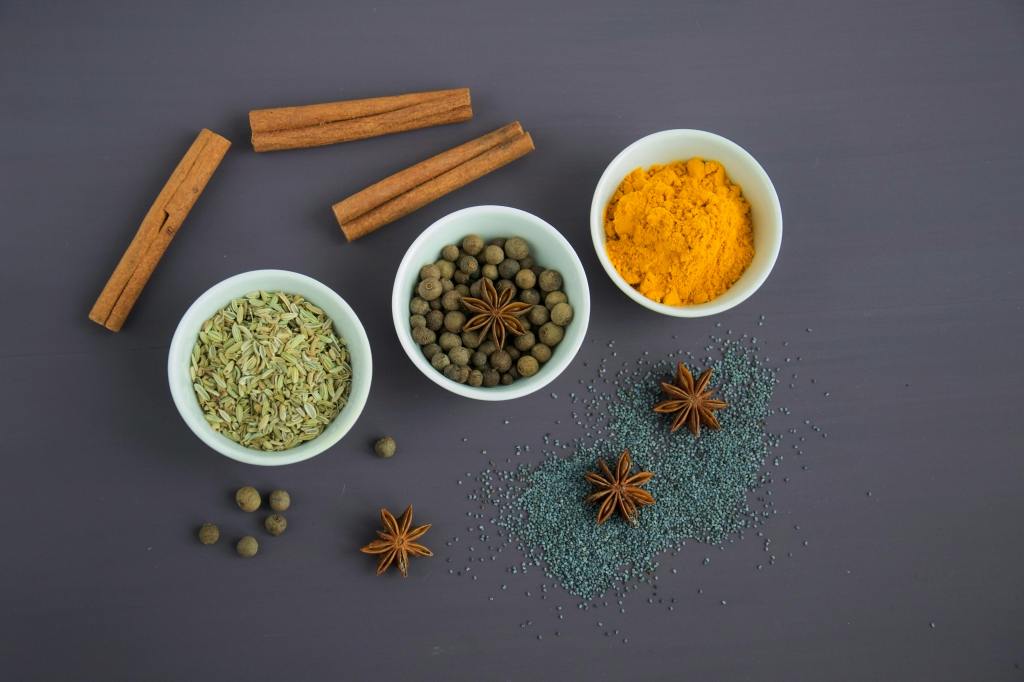
    5. Turmeric & Ginger 🌿

    These spicy roots are like nature’s anti-inflammatory superheroes. Bonus: turmeric adds a beautiful golden glow to your meals (and your skin)!

    6. Olive Oil 🫒

    A Mediterranean staple that keeps inflammation down and your skin supple and moisturized.

    7. Green Tea 🍵

    Sip your way to calmness and antioxidants that protect skin cells and soothe your digestive tract.

    Foods to Take It Easy On 🚫

    • Sugar (the sneaky wrinkle and gut bloat culprit)
    • Processed snacks and fast food
    • Excess alcohol
    • Refined carbs

    Bonus Tips for Gut & Skin Love 💕

    • Stay hydrated like your skin depends on it (because it does!) 💦
    • Move your body daily — exercise helps reduce inflammation and keeps your circulation up
    • Prioritize sleep — healing happens when you’re catching those Zzzs 😴

    ⚠️ Disclaimer (Because I’m a Nurse, Not Your Nurse 😉)
    This blog is for general education and entertainment purposes only. Always consult with your doctor, dietitian, dermatologist, or wound/ostomy care specialist—especially if you have specific conditions, allergies, or medical devices like an ostomy. What works for one person might not work for another (especially when it comes to ileostomy vs colostomy vs urostomy—big differences, folks!).


    Feed your gut, nourish your skin, and rock that healing glow from the inside out! Got a favorite anti-inflammatory food I missed? Drop it in the comments—I’m always hungry for knowledge! 🥗✨